2026 Toyota C-HR+ Review: Is Toyota’s Reputation Still Enough?
When Car Design TV started in 2006, Toyota occupied a very different position in the automotive landscape. The company had already built a formidable reputation for quality and reliability, but the influence of Lexus had elevated that reputation even further. Toyota’s strategy of sharing components, engineering practices and quality standards across a broad range of vehicles meant that the demands imposed by Lexus benefited models far lower down the corporate ladder.
You could often feel it in the switchgear, the fit of interior components and the general sense that the vehicle had been engineered to last rather than merely to survive its warranty period. Toyota did not always produce the most adventurous interiors or the most emotionally engaging cars, but there was a reassuring solidity that made the brand difficult to criticise on fundamental quality.
Twenty years later, the competitive landscape has changed dramatically.
Korean manufacturers have moved from value alternatives to genuine design and engineering leaders. European brands have become far better at combining perceived quality with digital interfaces and sophisticated interiors, while Chinese manufacturers are now arriving with material quality, standard equipment and technology levels that would have seemed improbable only a decade ago.
Toyota has not suddenly become a poor manufacturer. Far from it. Traces of that familiar Toyota/Lexus quality philosophy can still be found throughout the new C-HR+.
The problem is that the rest of the world has caught up.
In several areas, it has moved past Toyota.
And after recently spending time with the all-electric 2026 Toyota C-HR+, that may be the most significant impression the vehicle leaves behind.
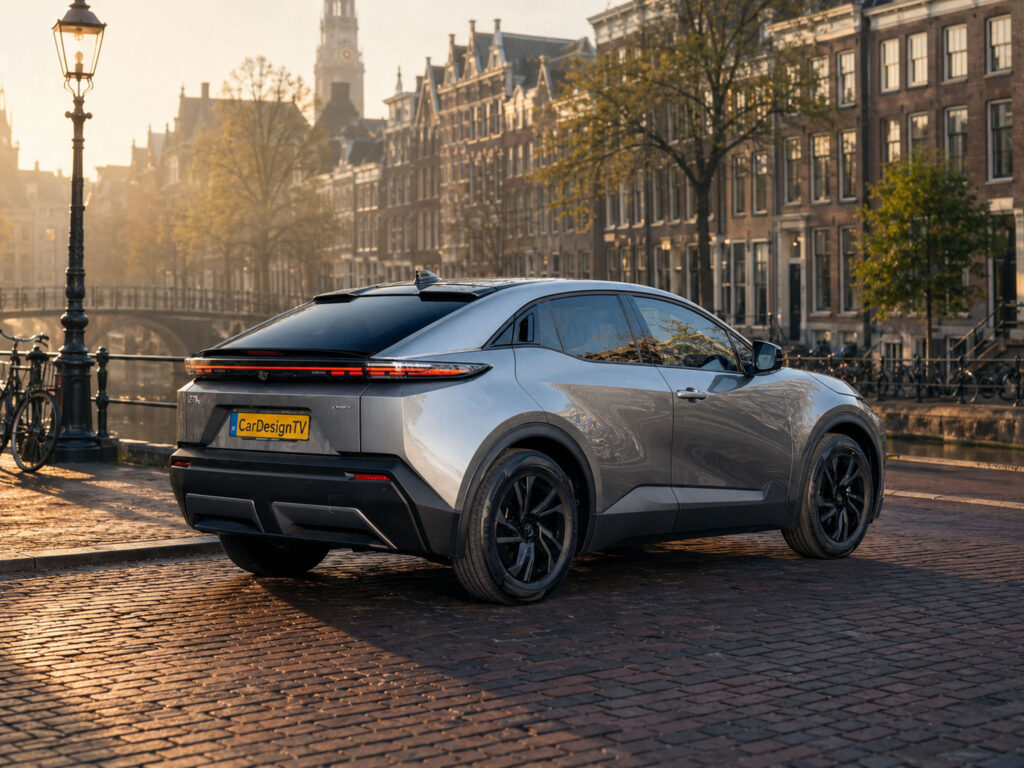
An Important Car for Toyota
The C-HR+ is not simply an electric version of the familiar C-HR. It is a separate battery-electric vehicle built around Toyota’s e-TNGA architecture and positioned in the heart of Europe’s highly competitive electric C-SUV market.
At 4,530 mm long, 1,870 mm wide and 1,595 mm high, the C-HR+ is noticeably larger than the regular C-HR. Its 2,750 mm wheelbase is also 110 mm longer, helping create considerably more interior space than the coupé-like exterior might initially suggest.
Toyota offers two battery sizes. The smaller 57.7 kWh battery is paired with a 167 hp front-wheel-drive powertrain, while the larger 77 kWh battery can be combined with either a 224 hp front-wheel-drive system or a considerably more powerful 343 hp all-wheel-drive arrangement.
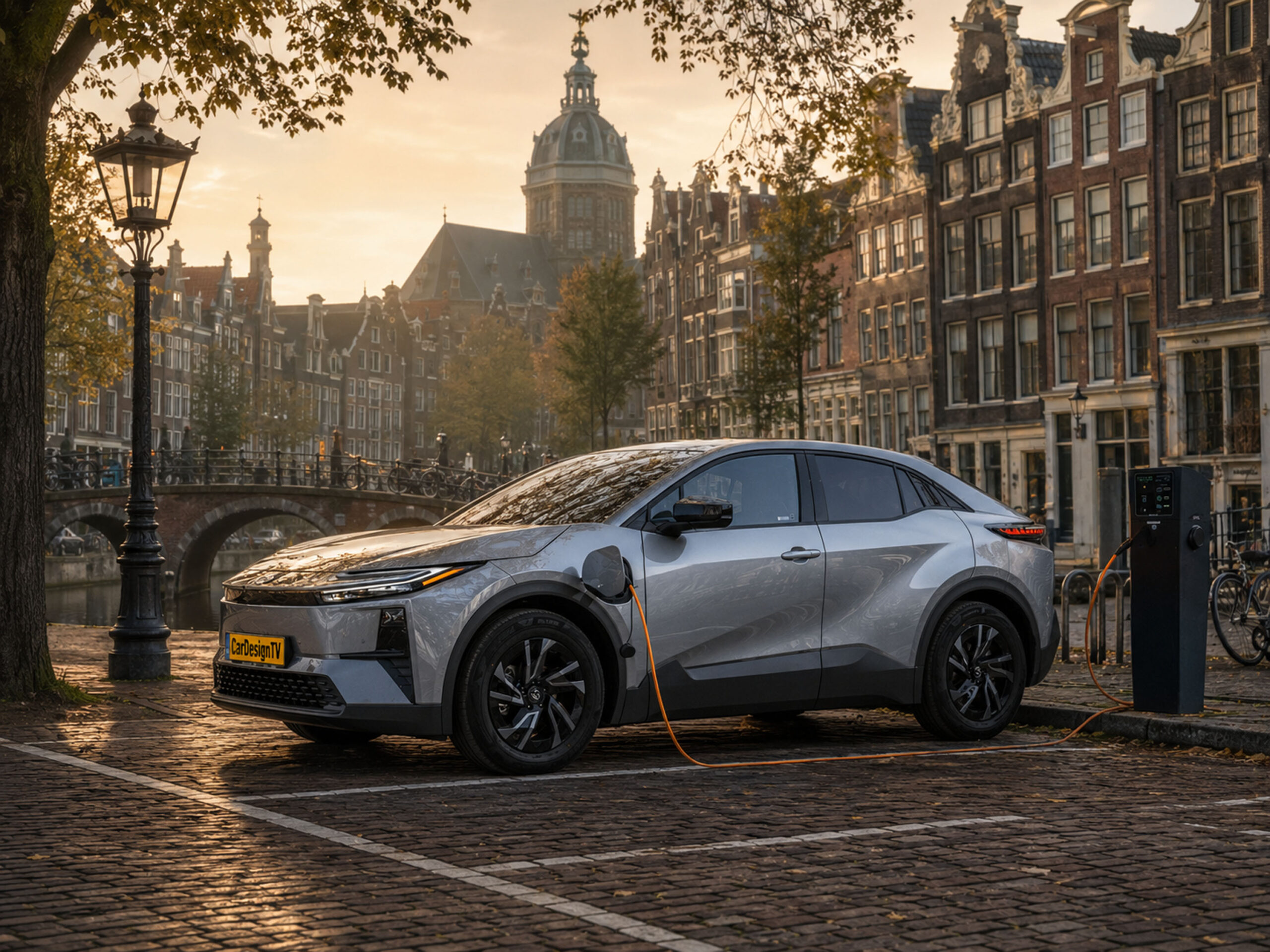
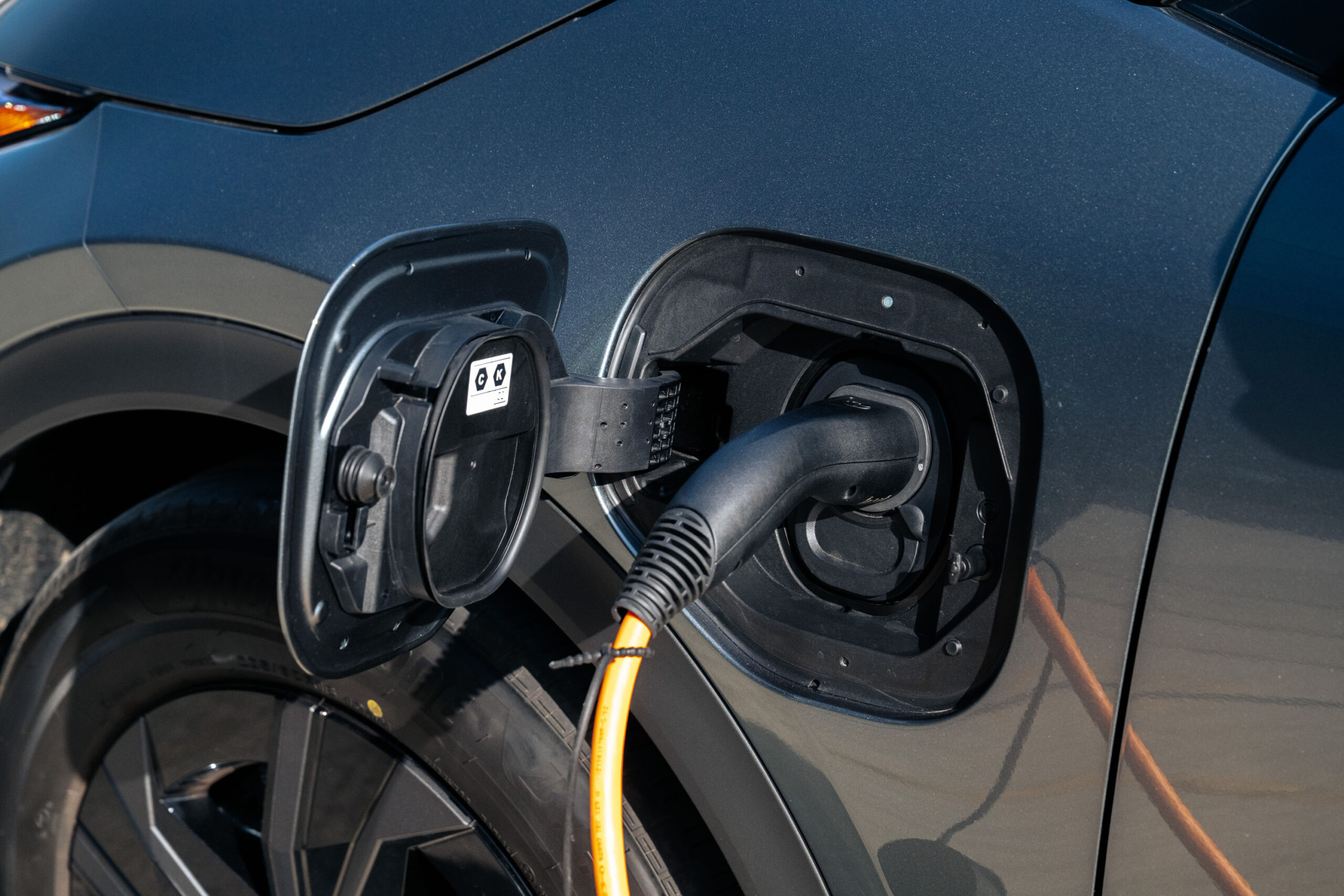
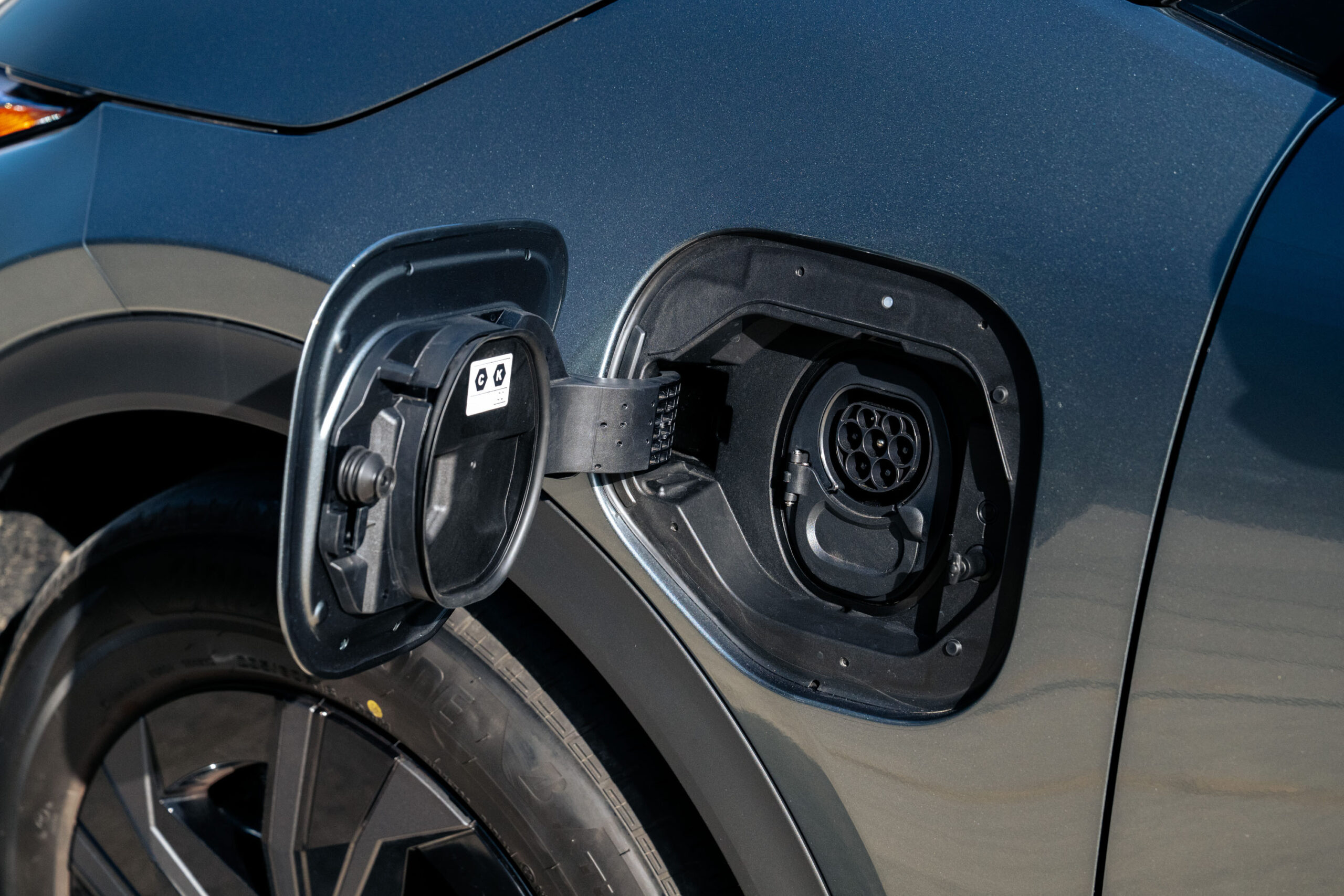
The long-range front-wheel-drive version can achieve up to 607 km WLTP on 18-inch wheels, while all versions support up to 150 kW DC charging. Toyota quotes around 28 minutes for a 10 to 80 percent rapid charge under suitable conditions.
Technically, therefore, the C-HR+ is a thoroughly contemporary electric vehicle.
The more difficult question is whether contemporary engineering is enough when the design and perceived quality surrounding it no longer feel class-leading.
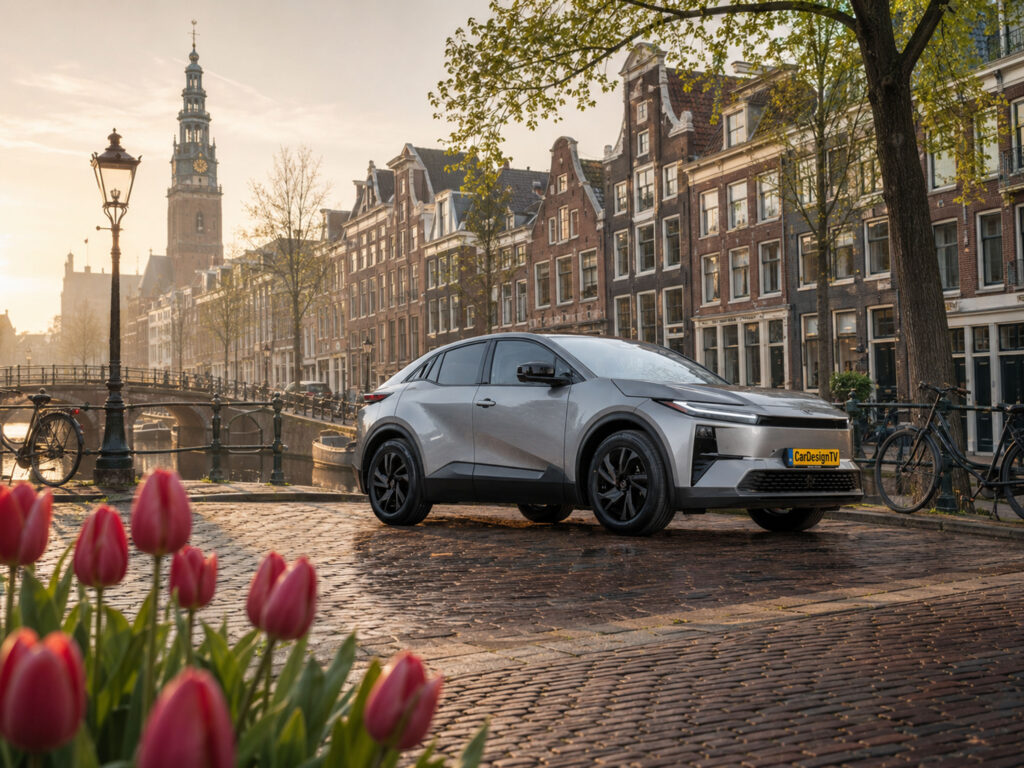
Toyota Wants the C-HR+ to Stand Out
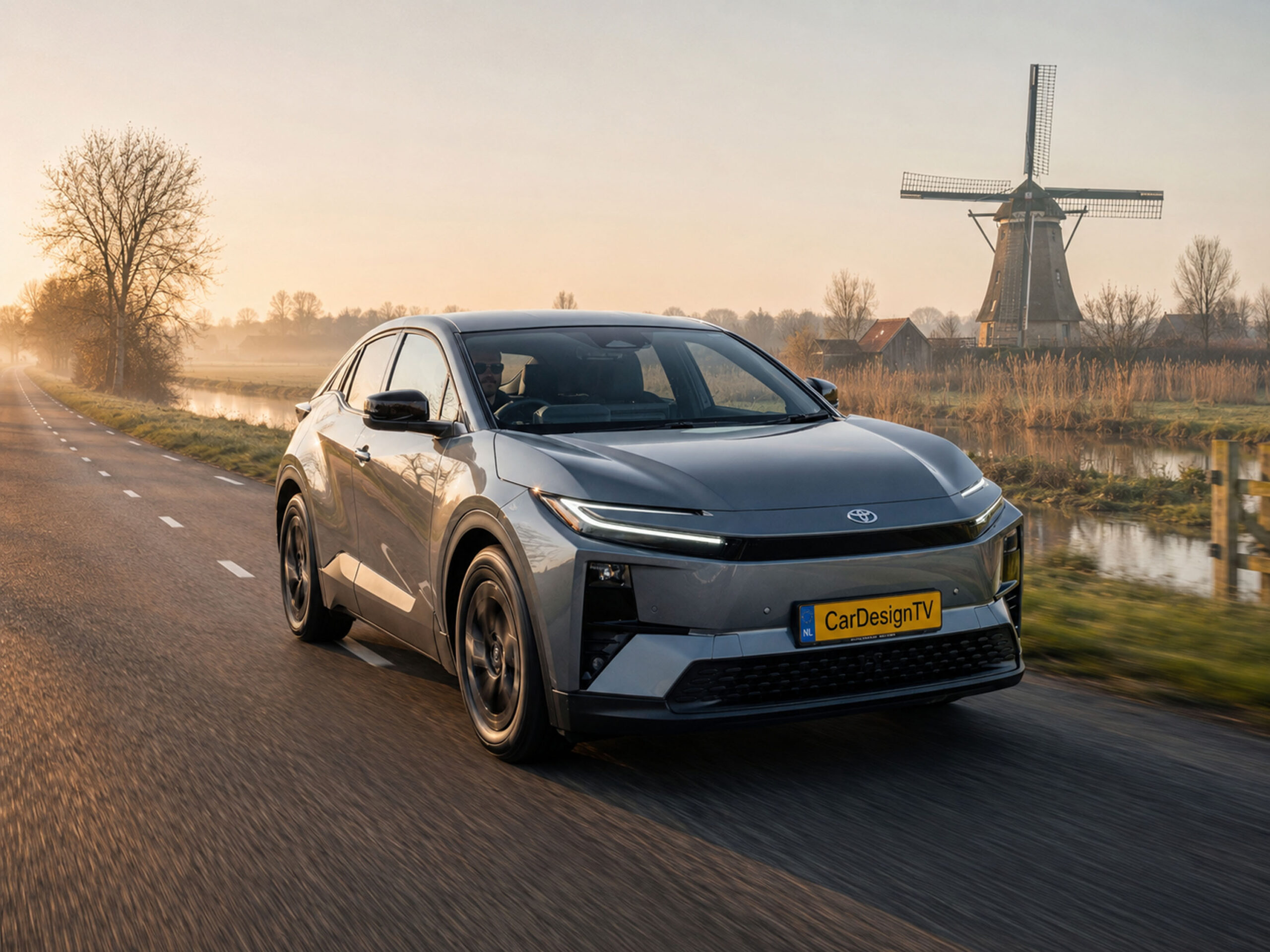
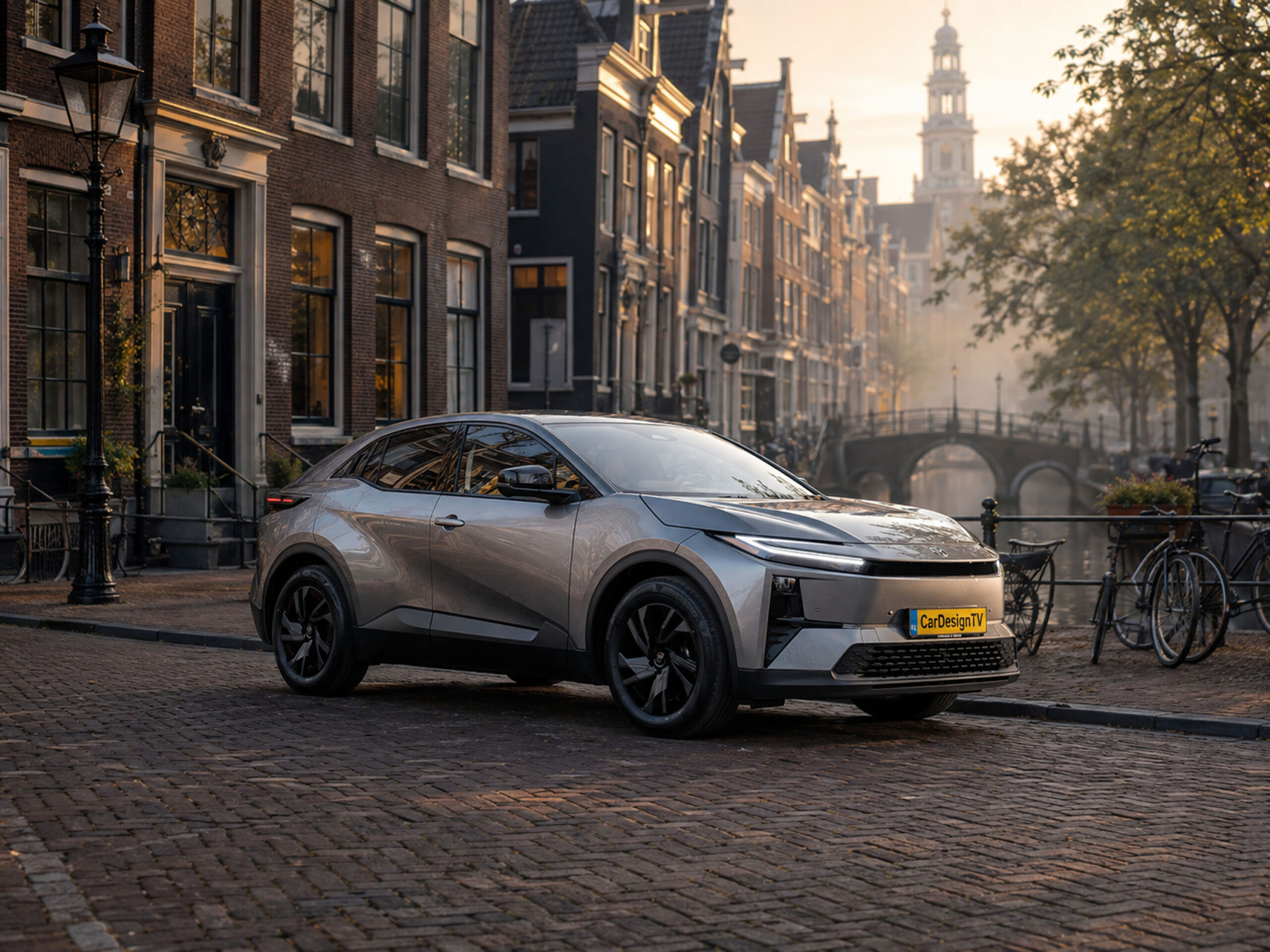
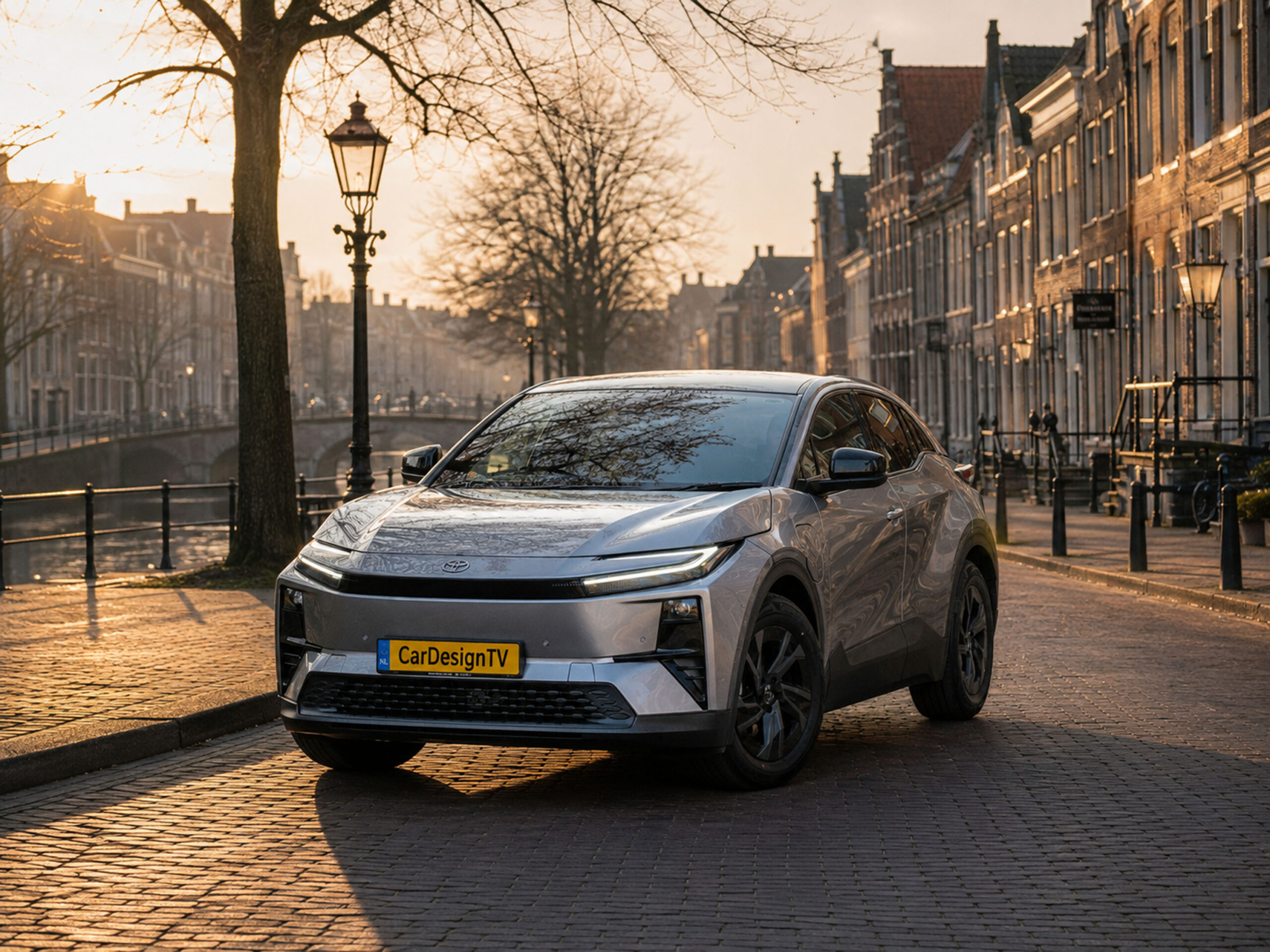
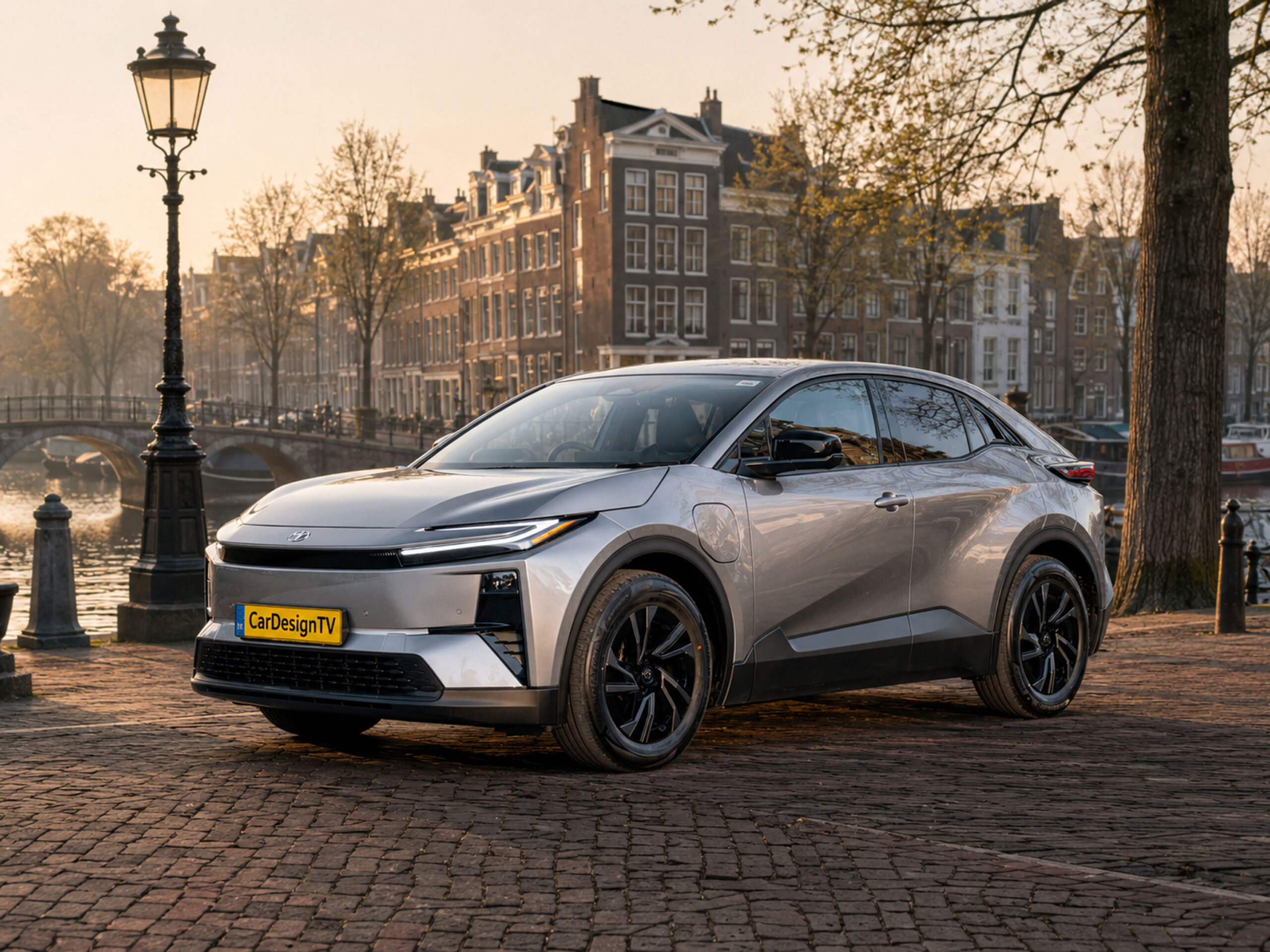
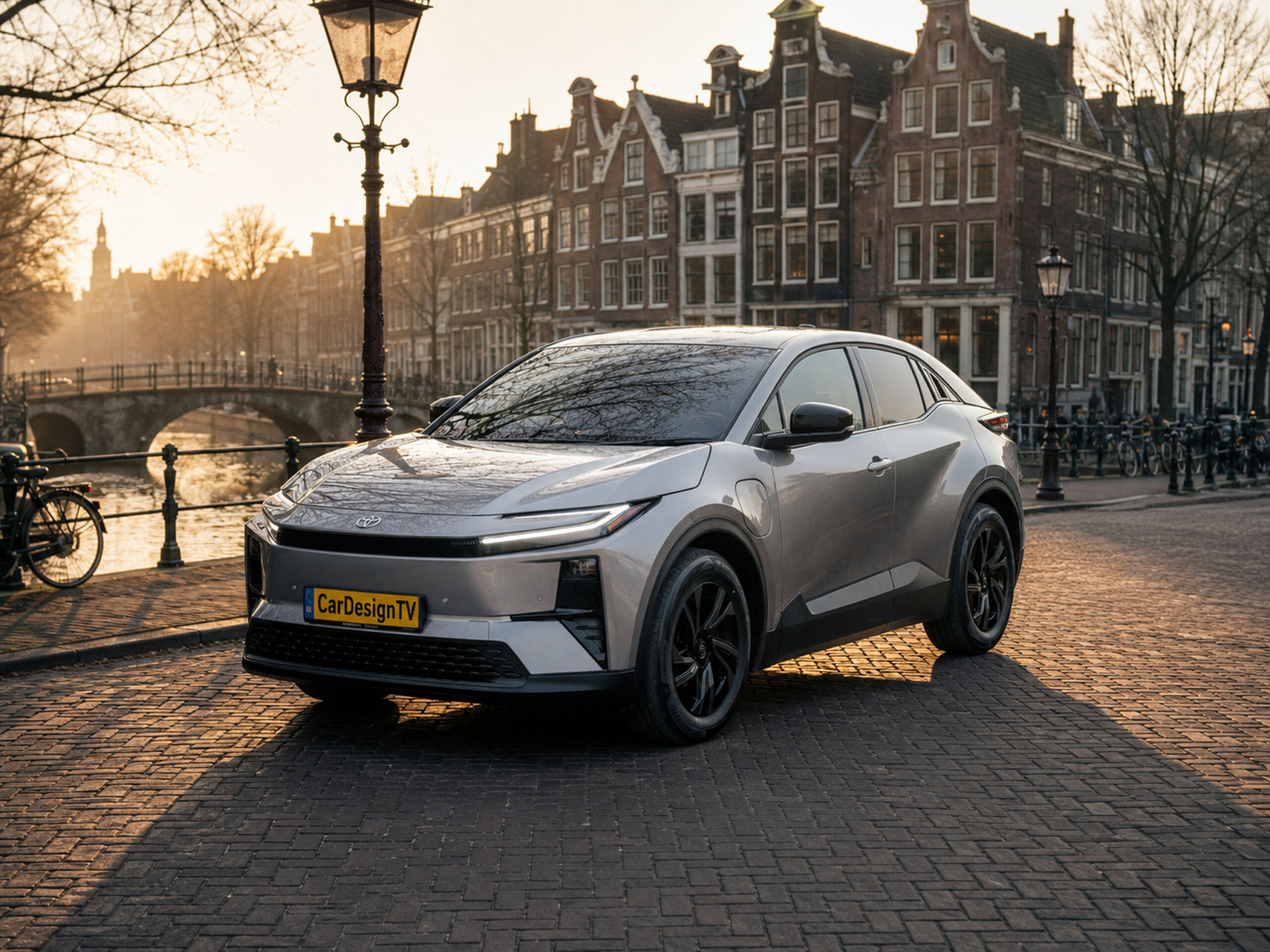
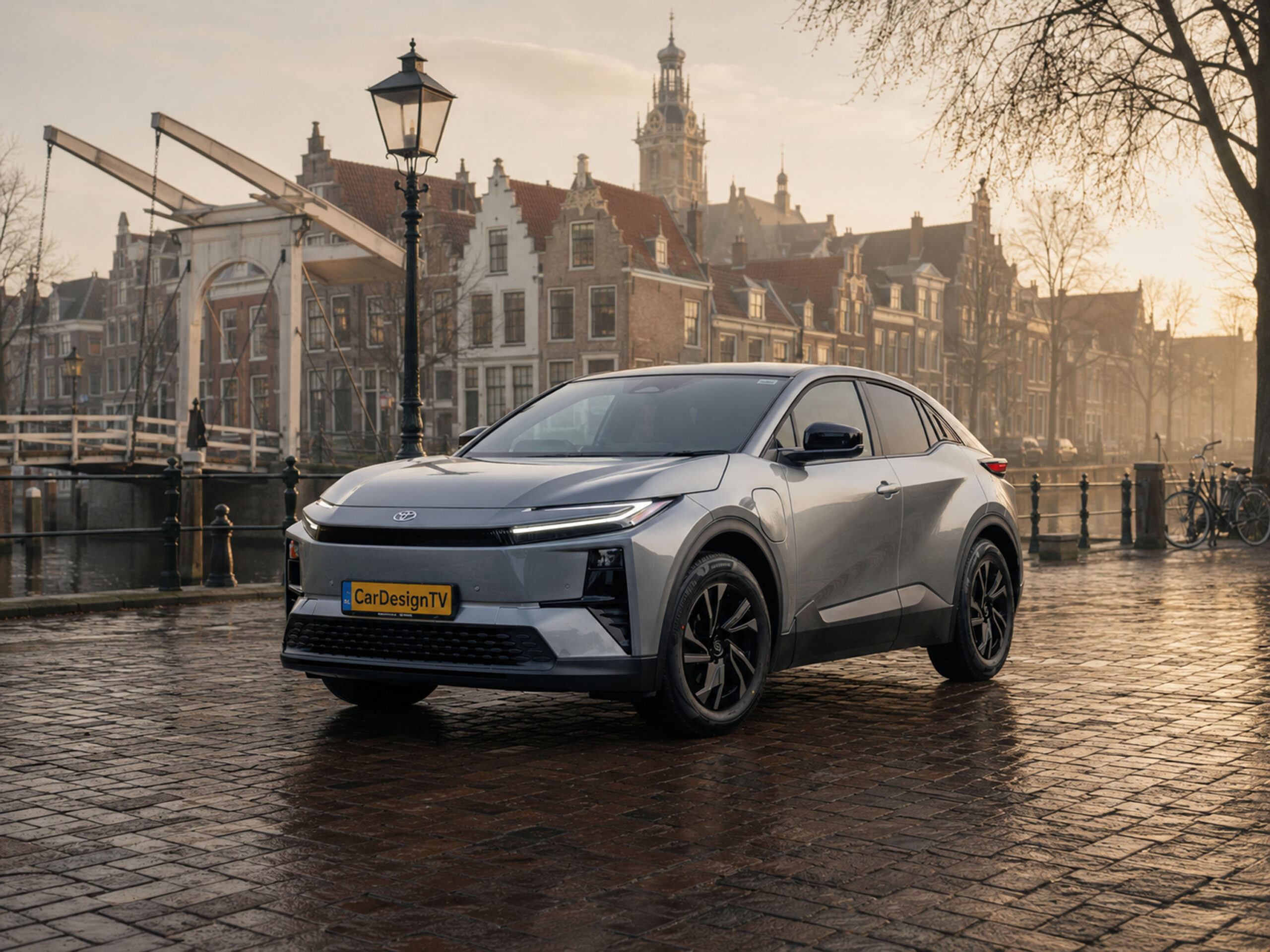
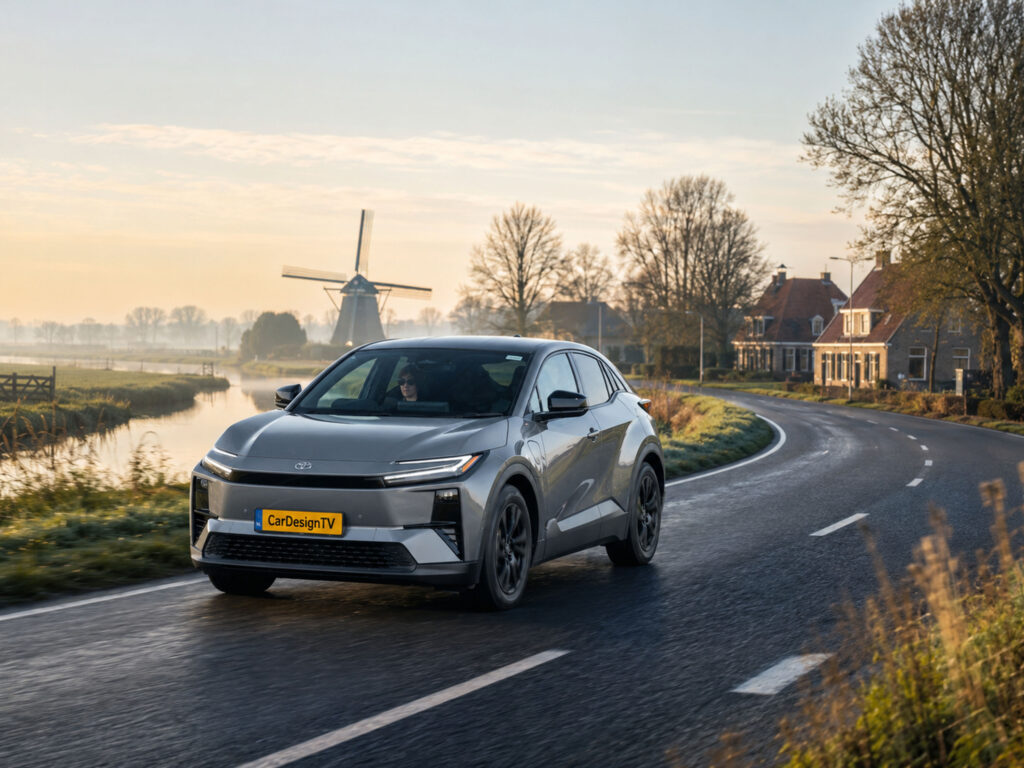
Toyota itself describes the C-HR+ as having “stand-out design,” and there can be little doubt that the exterior has been created with visual recognition as a major priority.
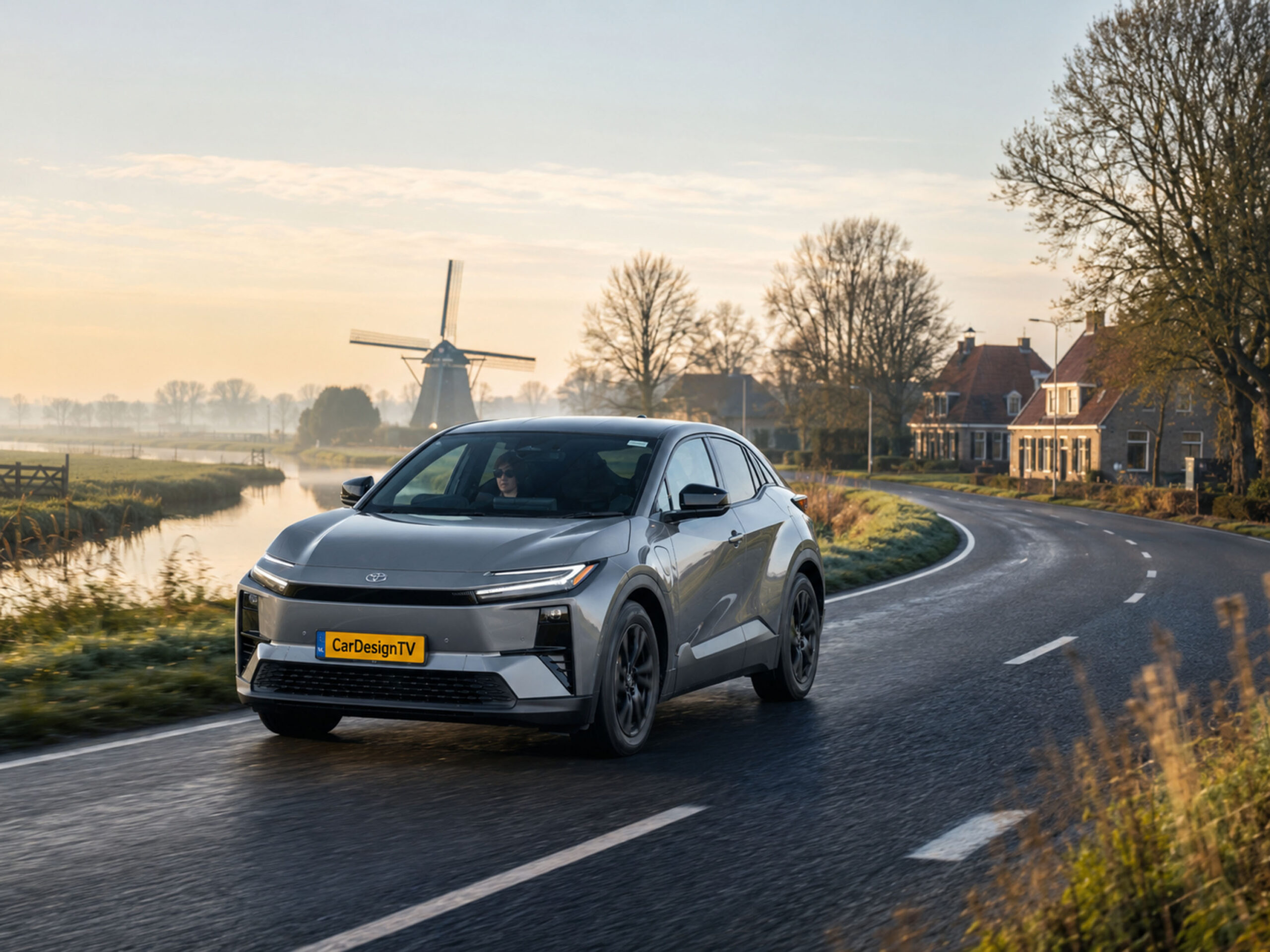
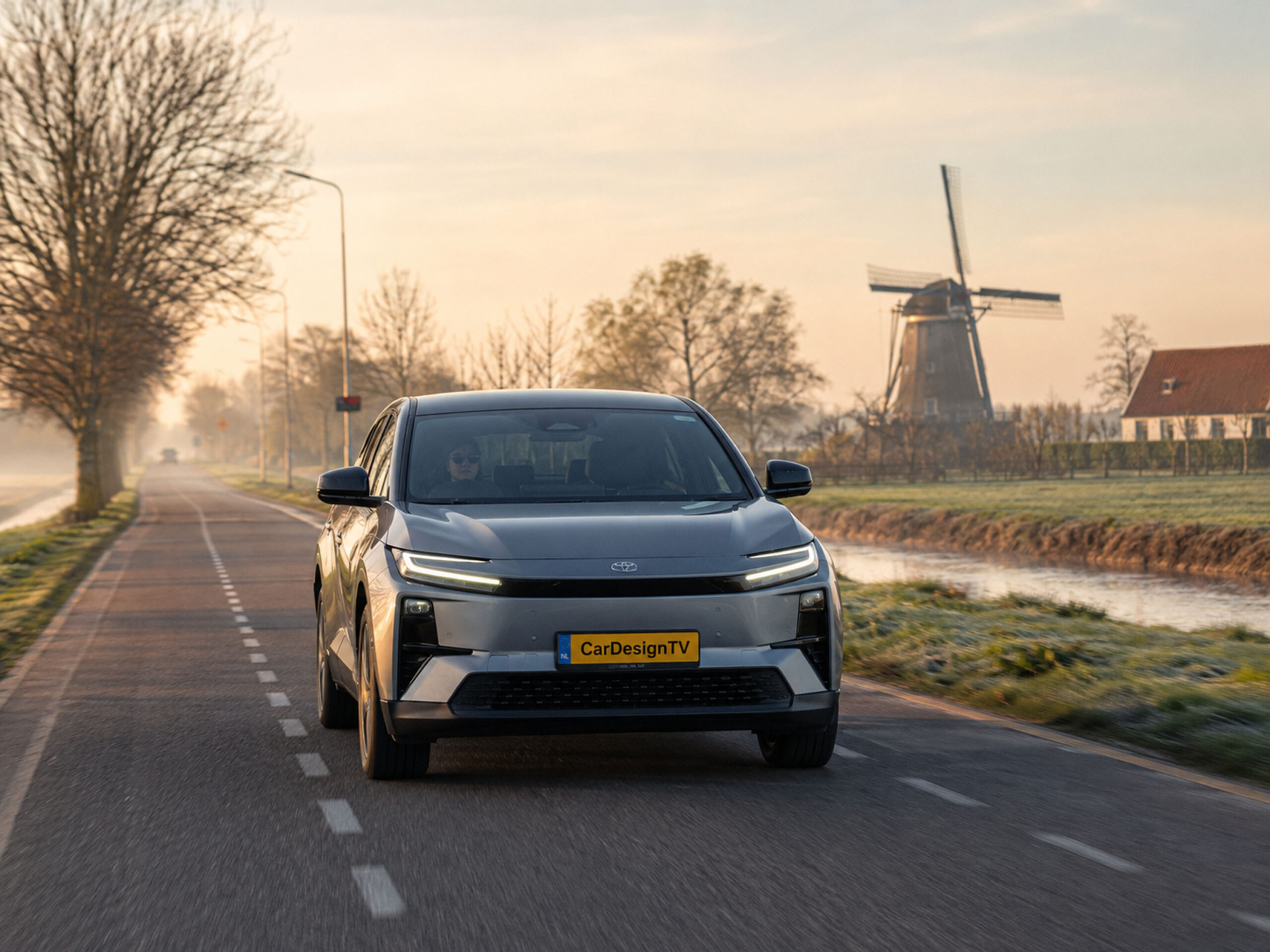
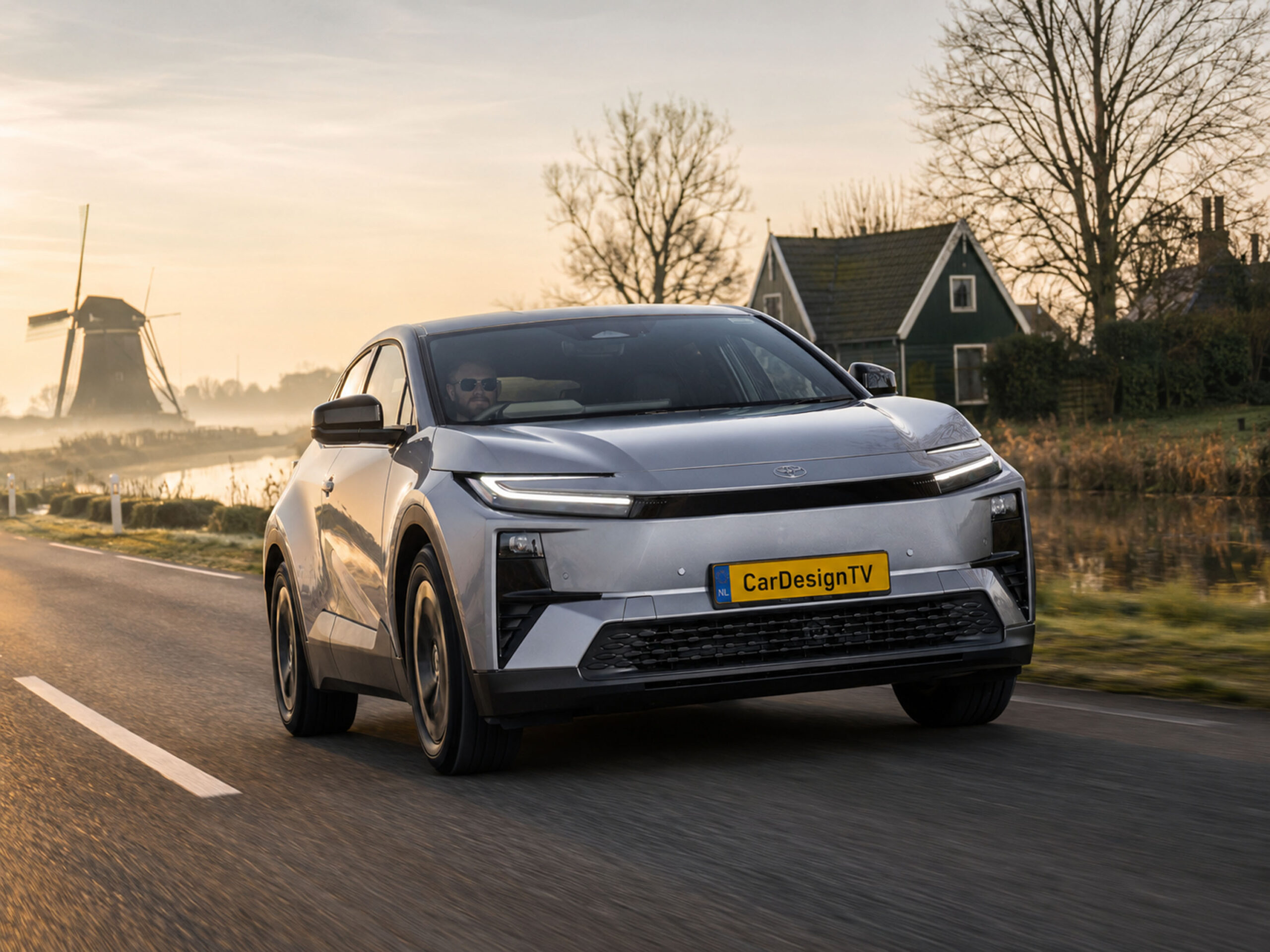
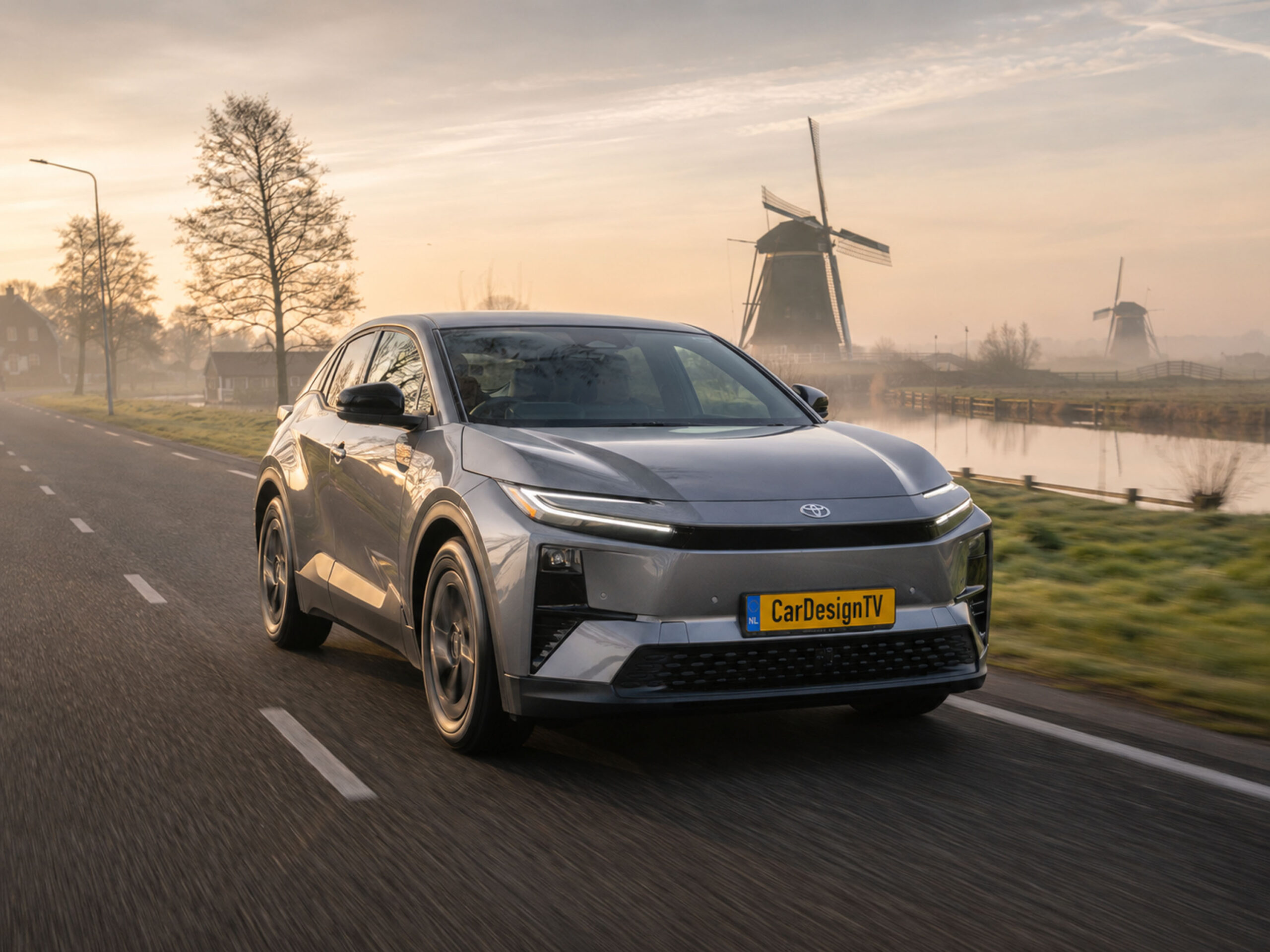
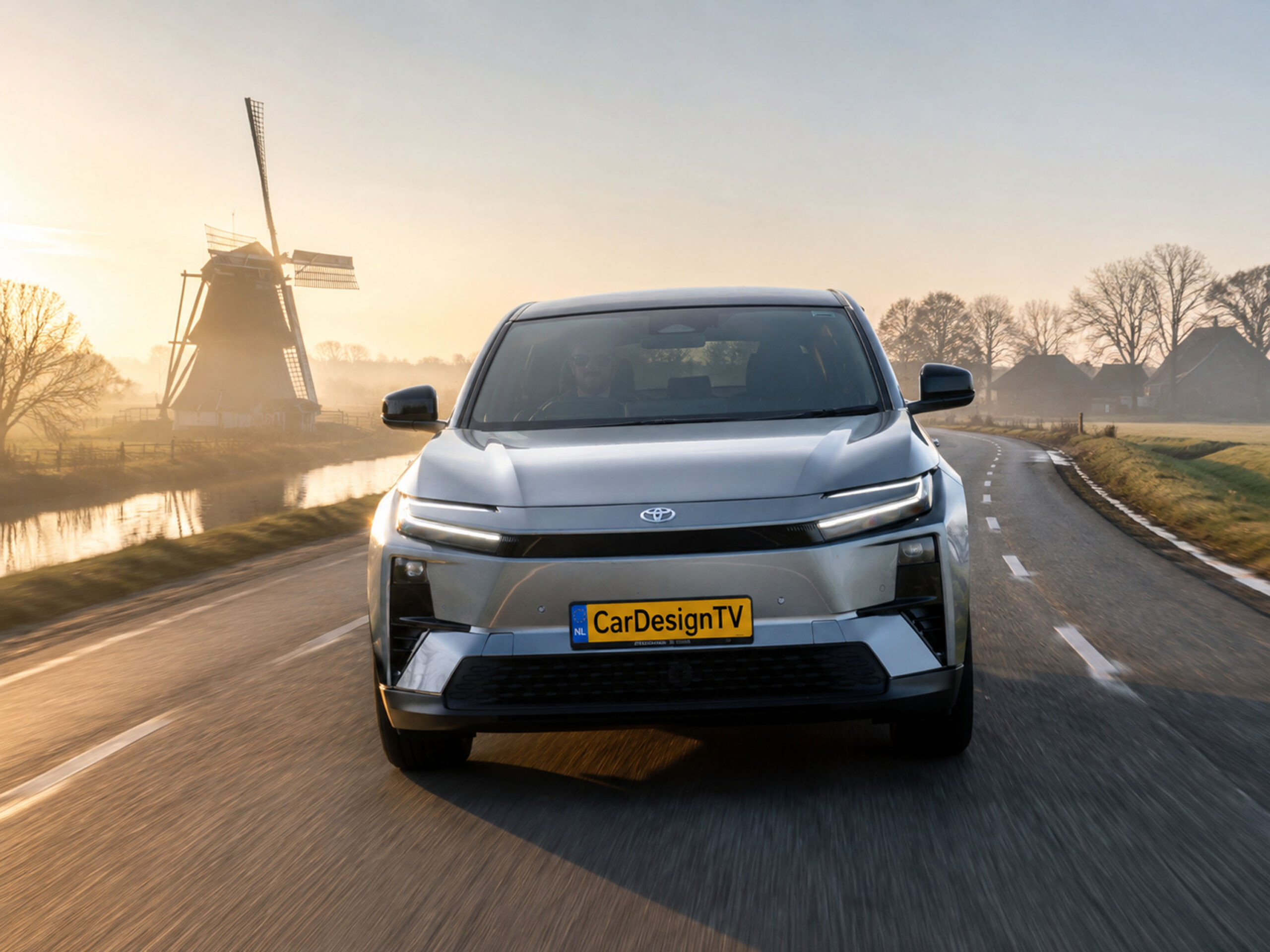
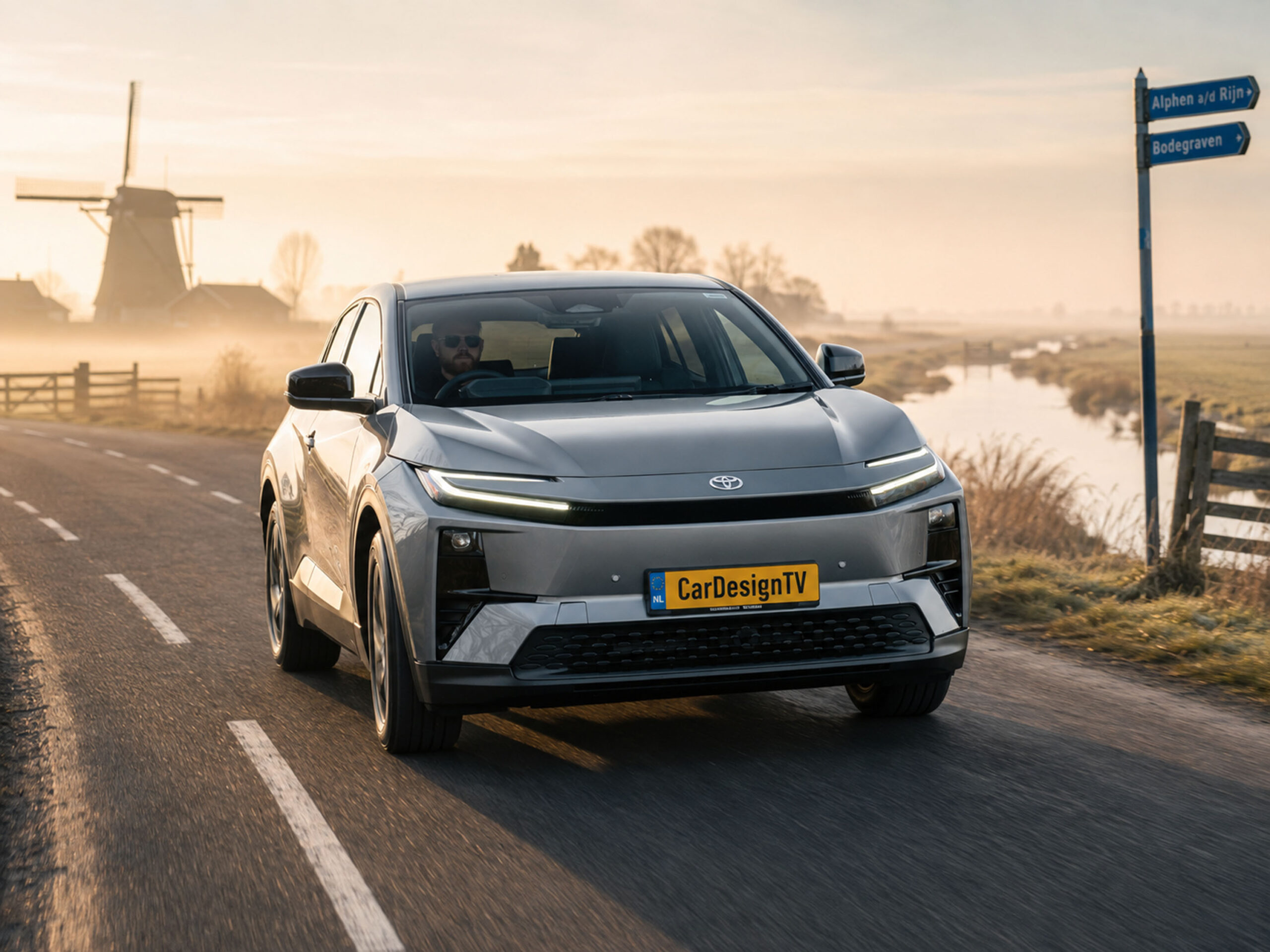
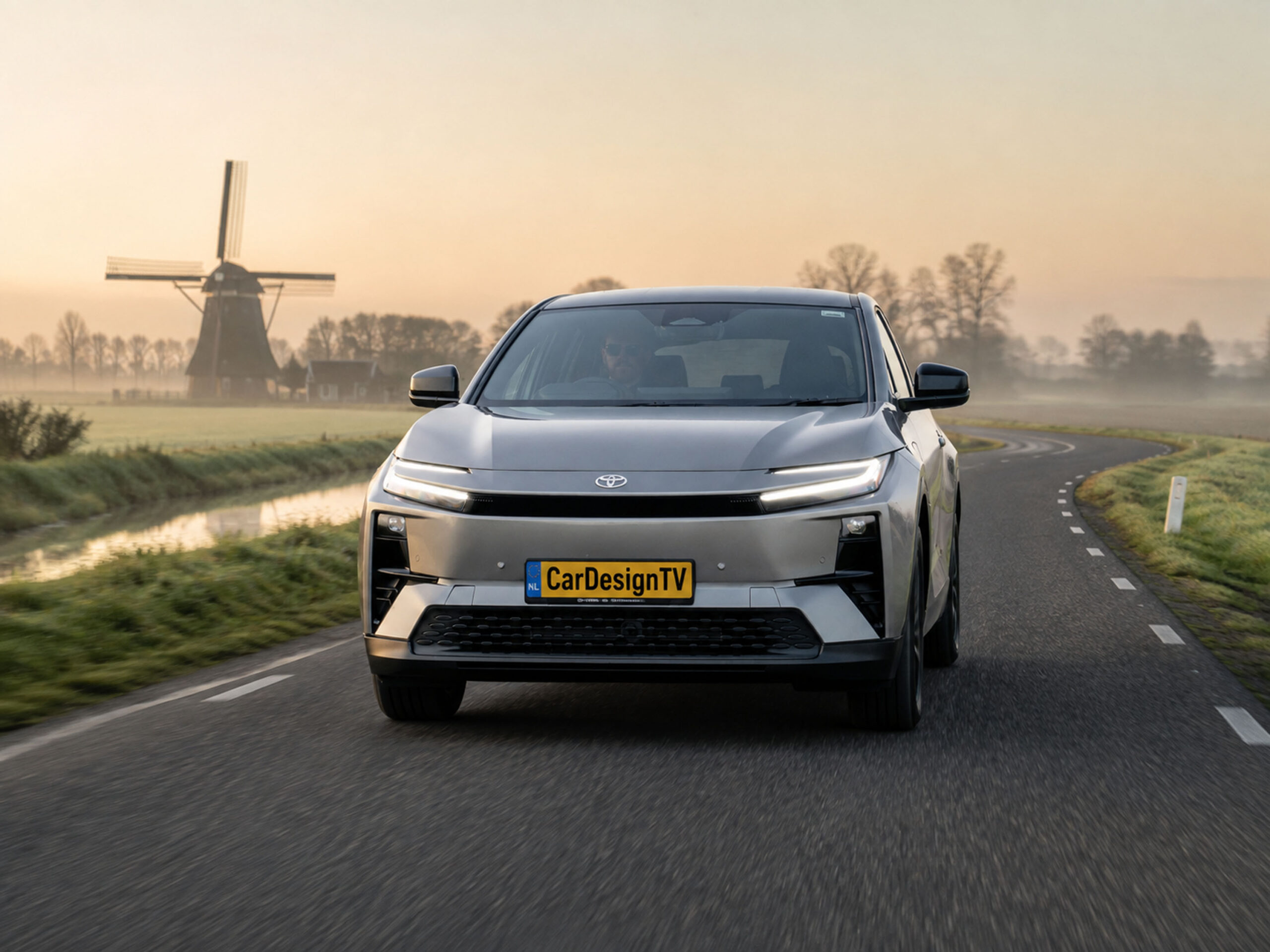
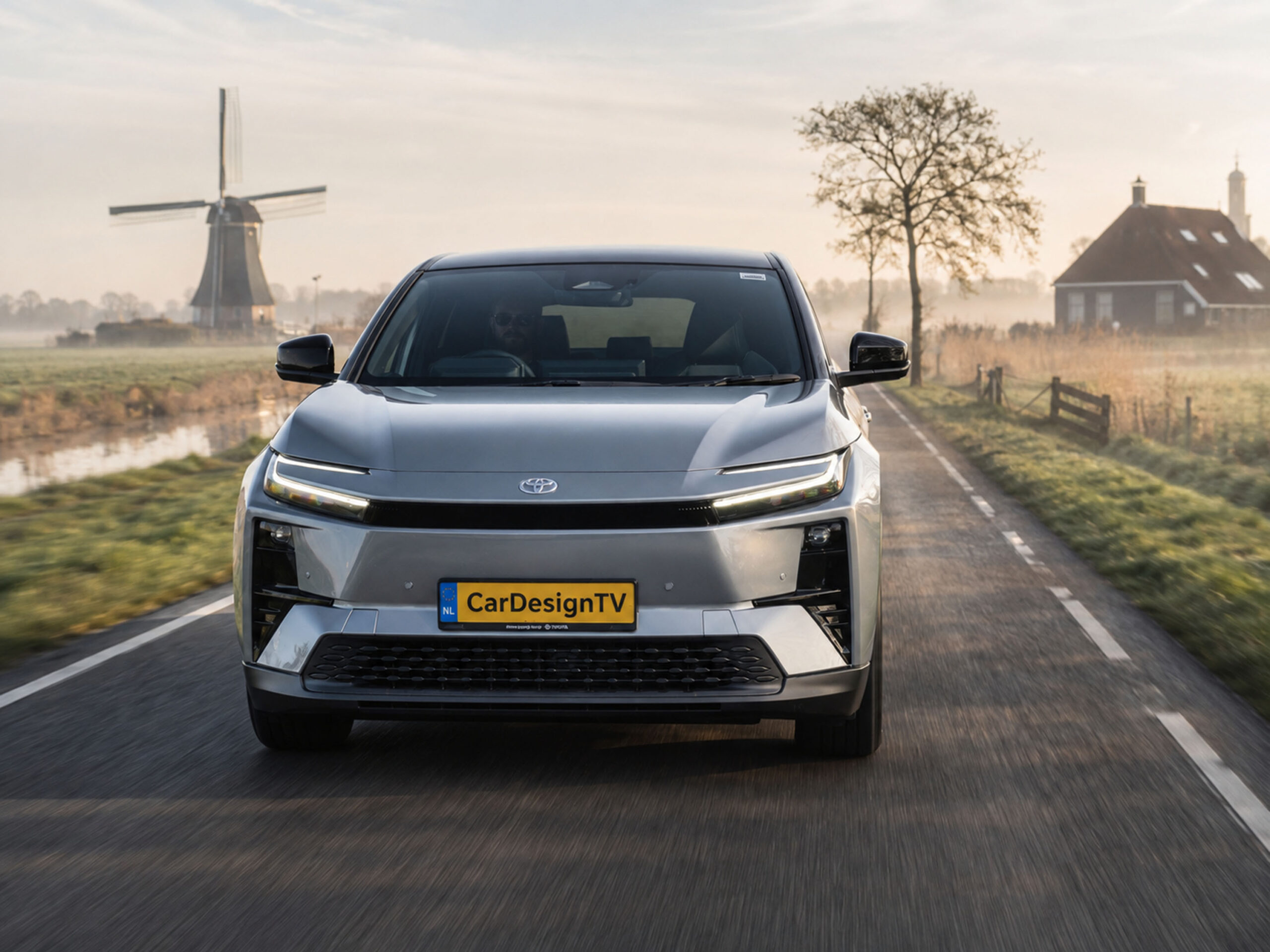
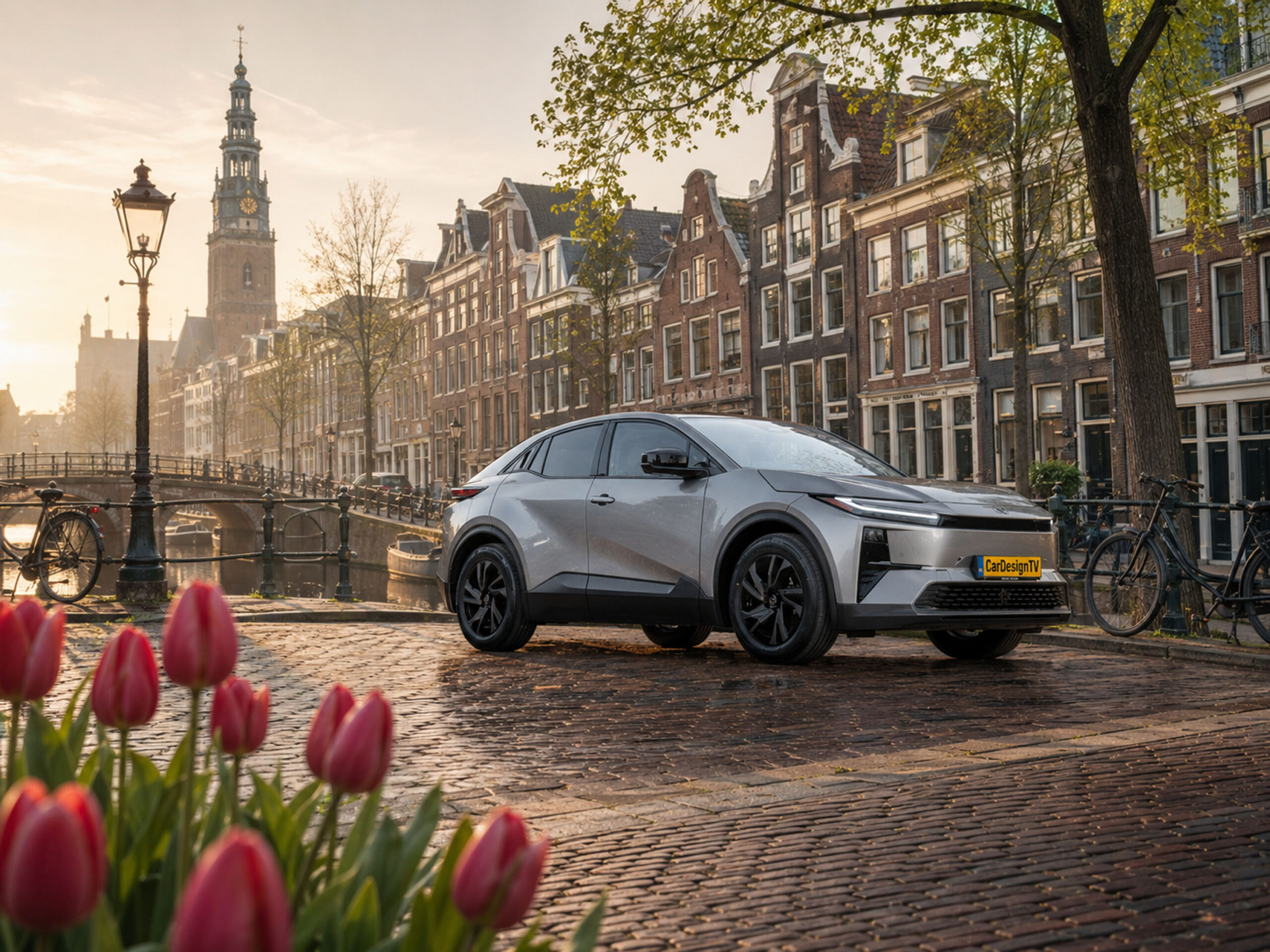
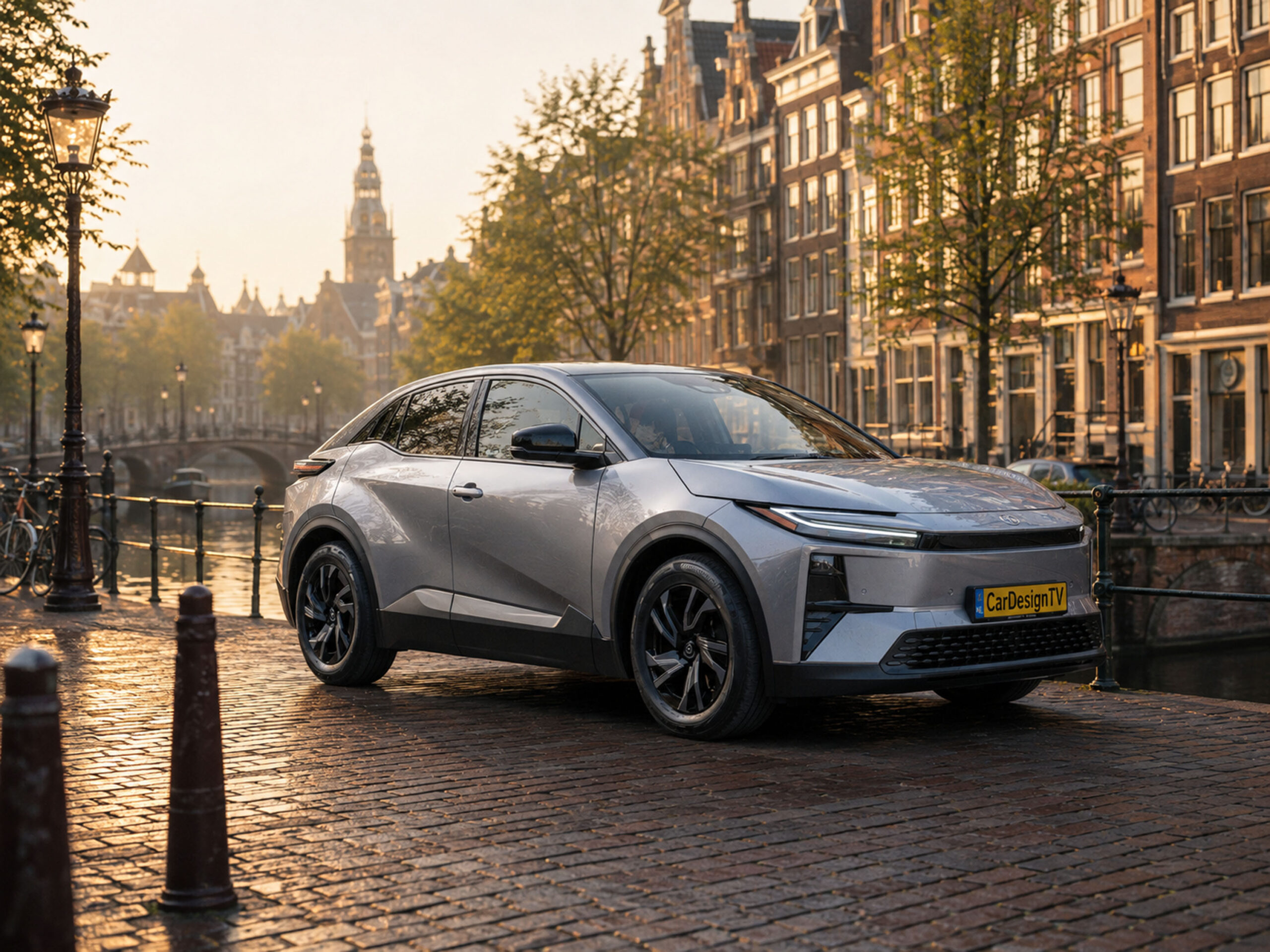
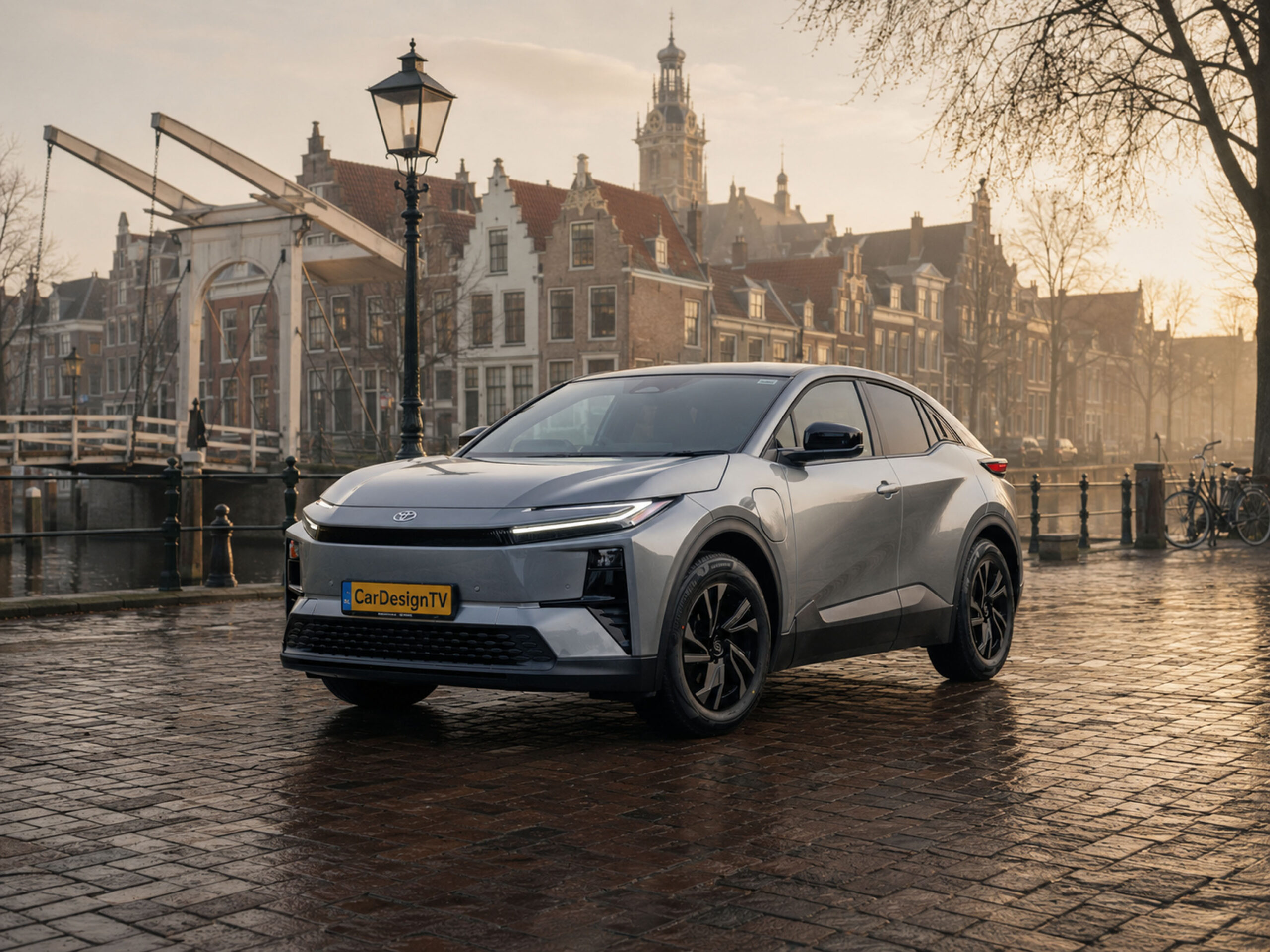
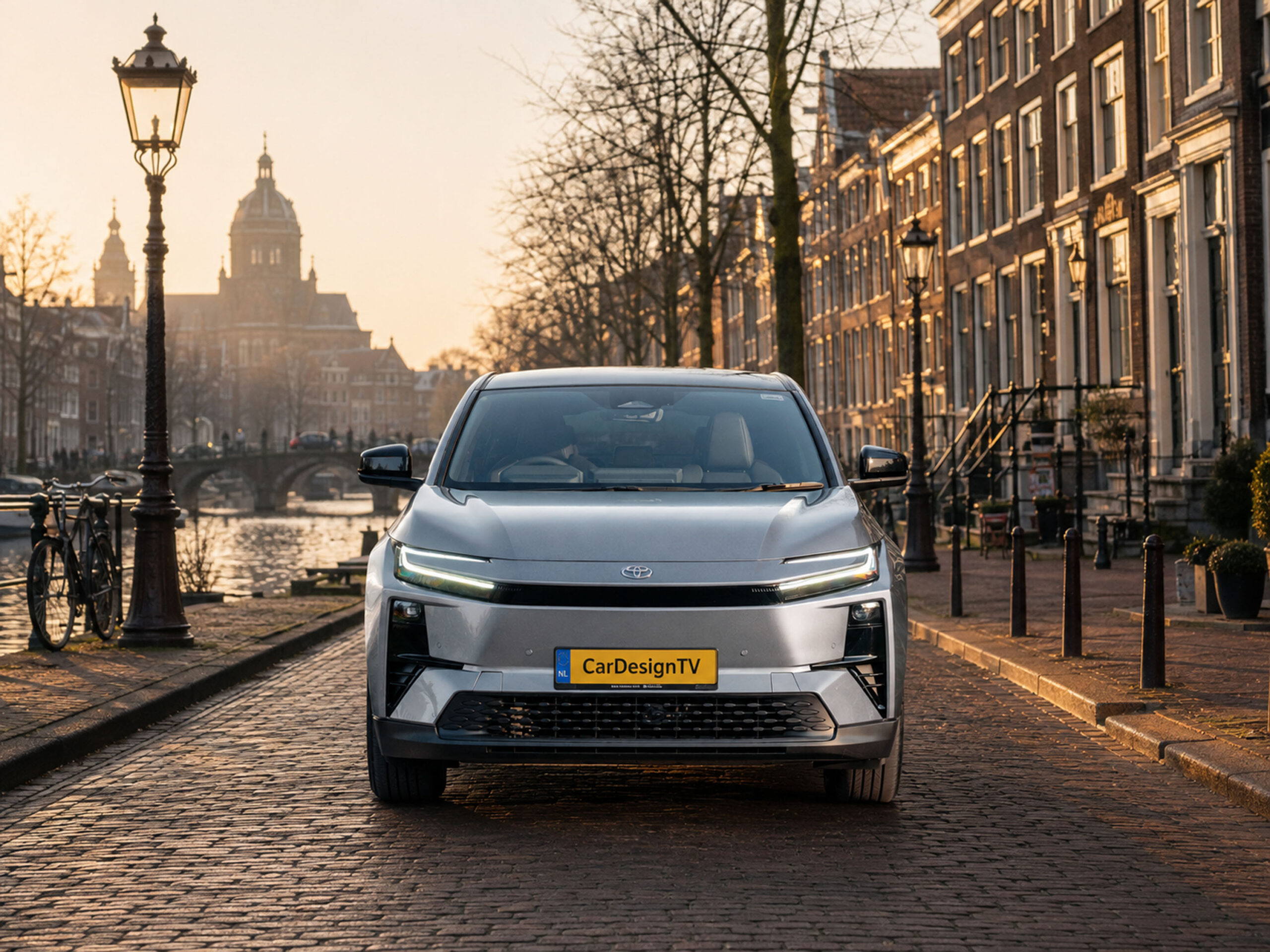
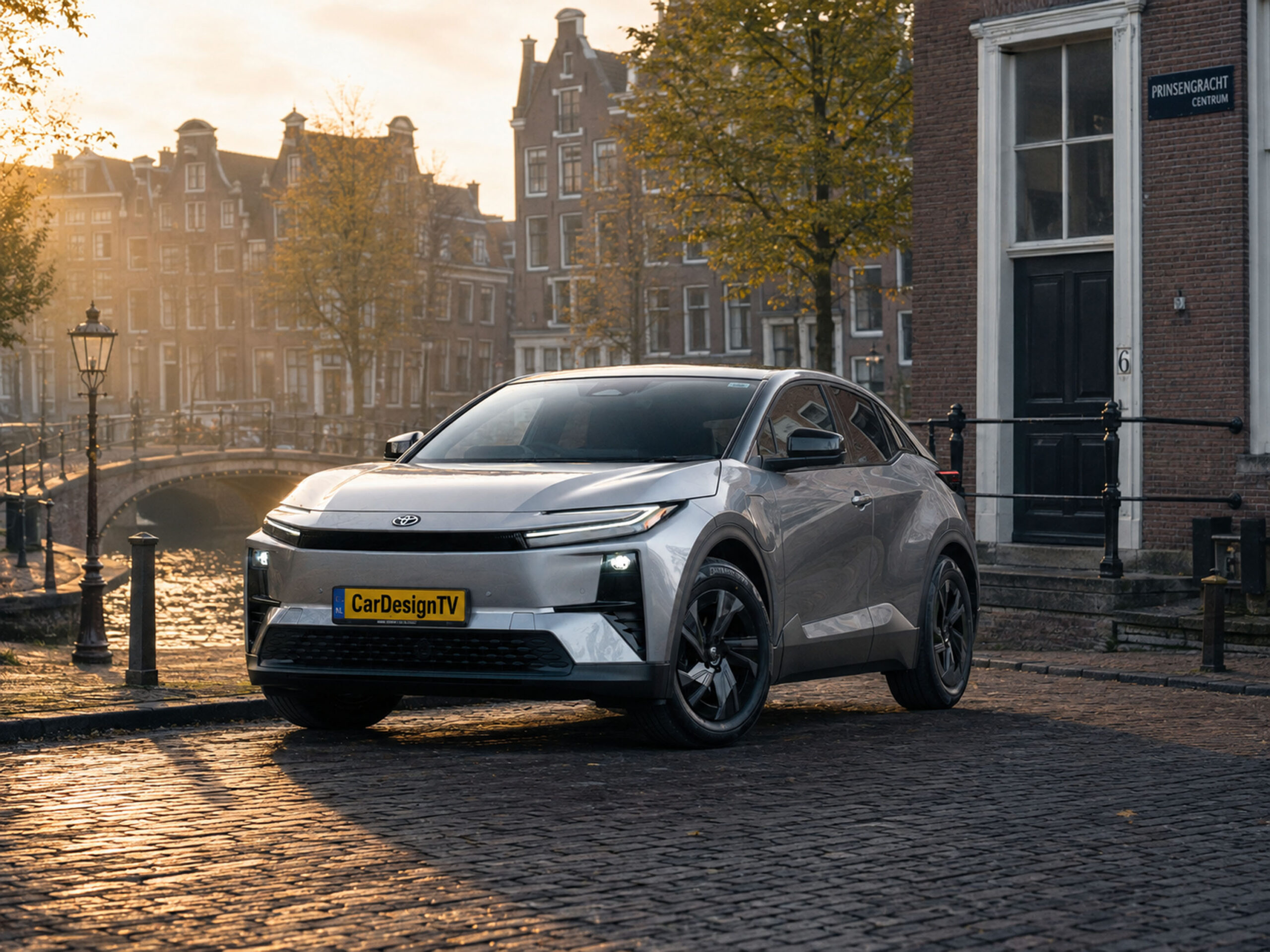
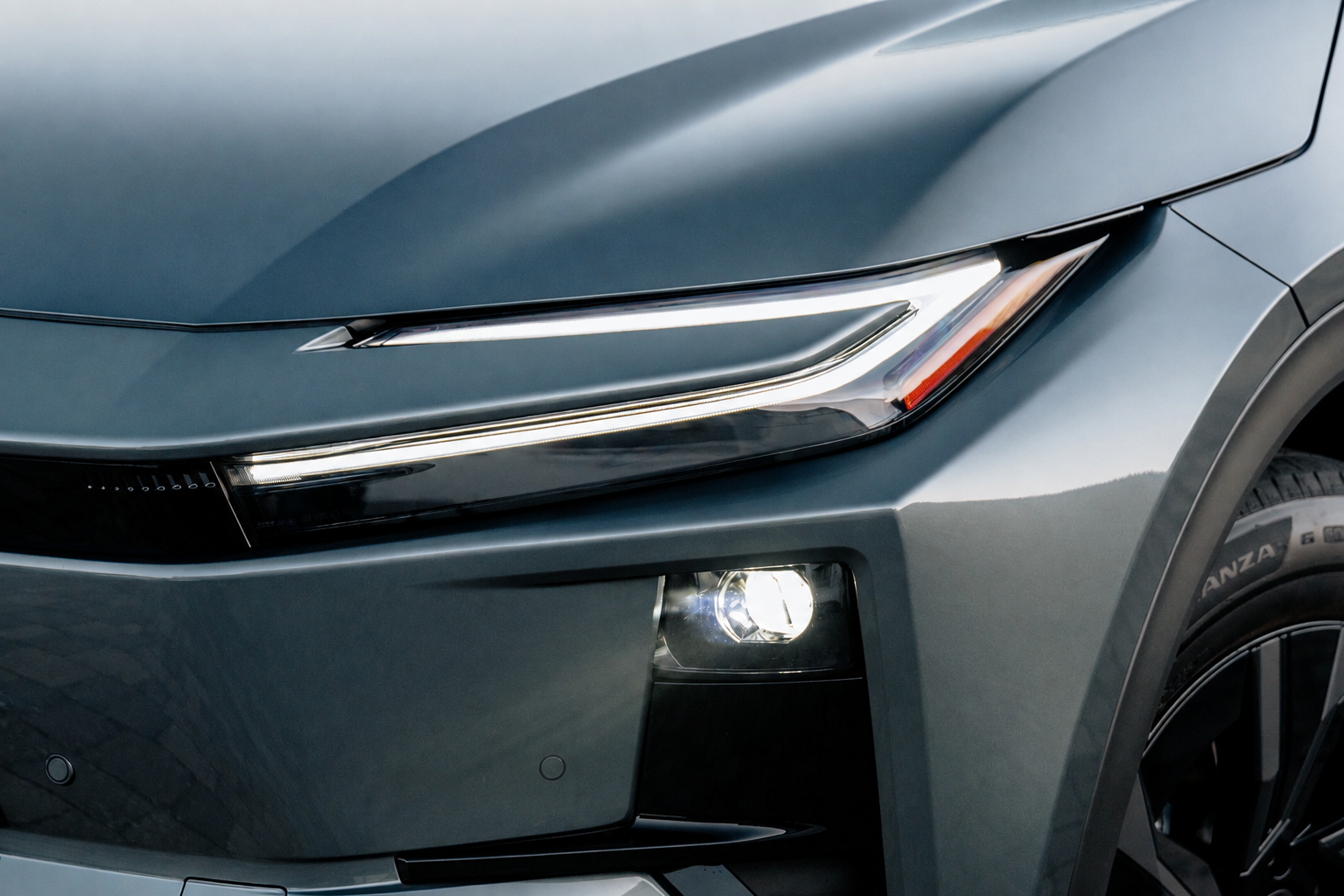
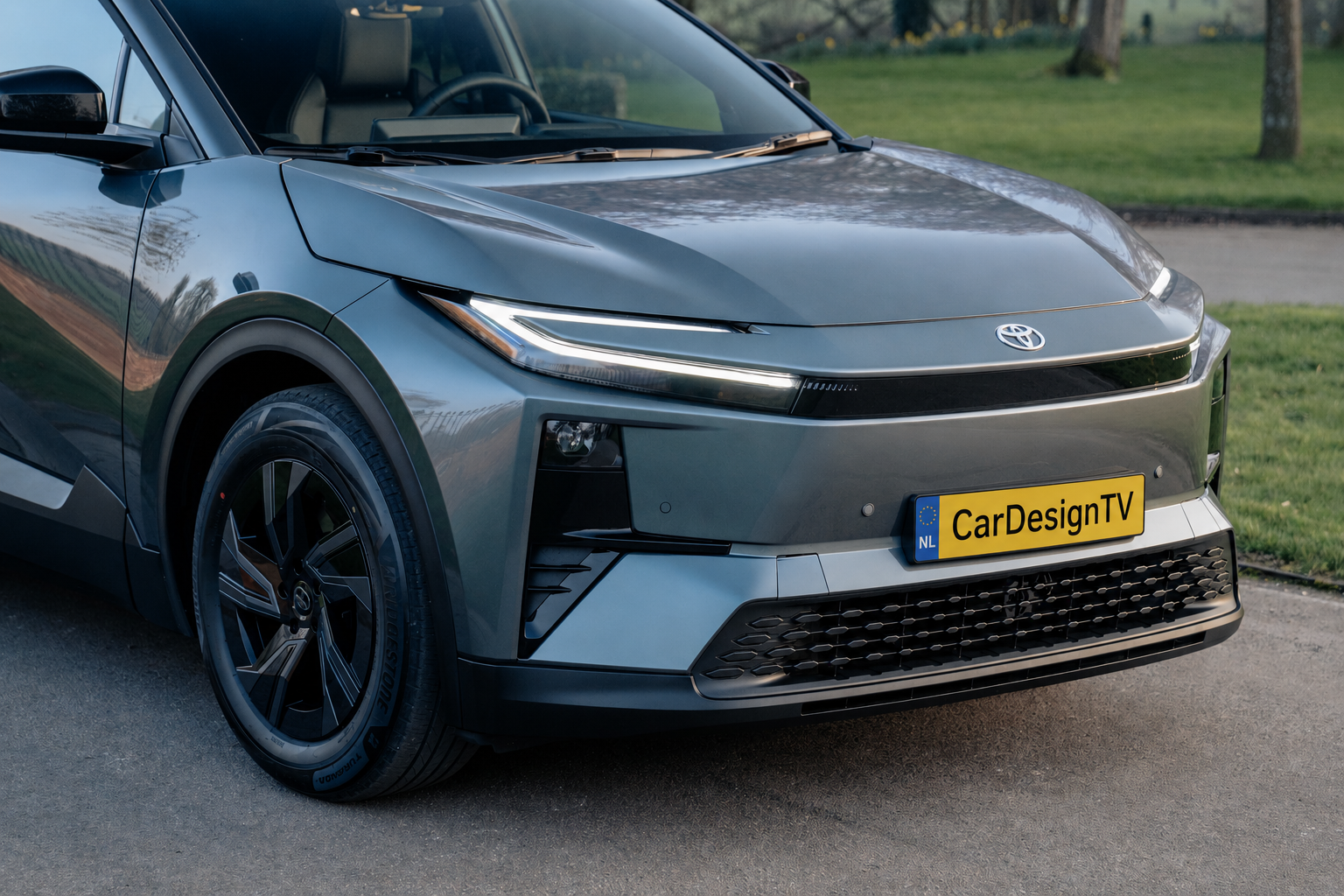
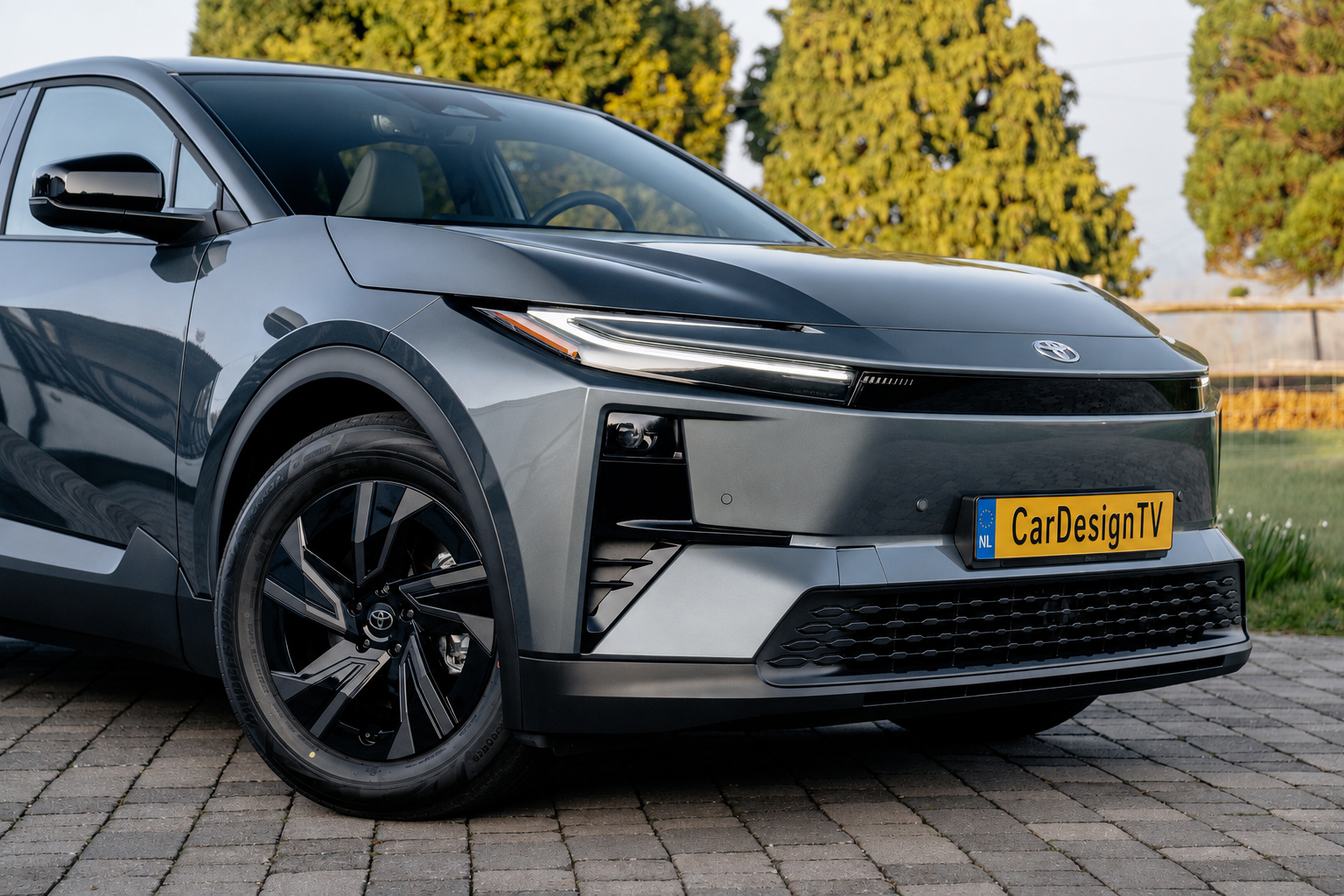
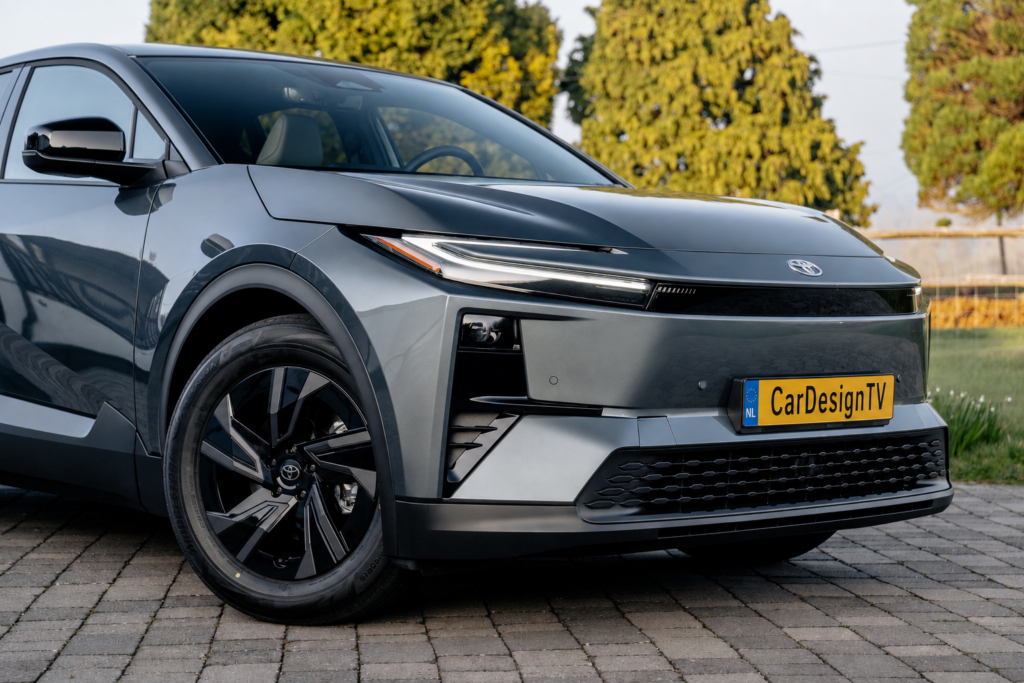
The front uses the now familiar Toyota hammerhead theme, with extremely thin upper lighting graphics and a largely grille-less face. Strong creases define the corners of the front bumper and attempt to give the car a wide, planted stance.
From a distance, it is immediately recognisable as a recent Toyota.
That in itself represents progress. For many years Toyota design was criticised for being anonymous, and the company responded by moving decisively in the opposite direction. Current Toyota products are rarely difficult to identify.
But recognition and refinement are not the same thing.
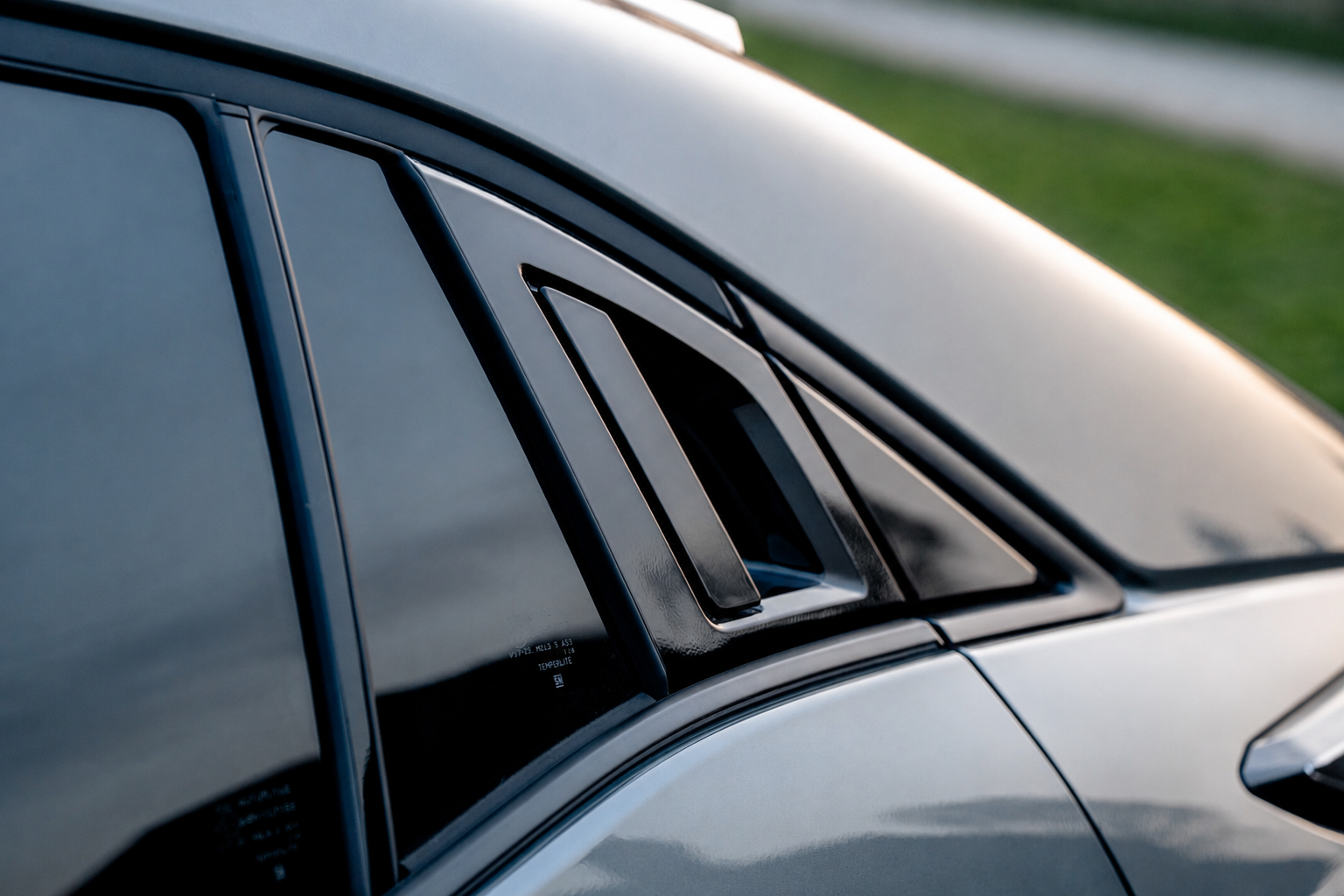
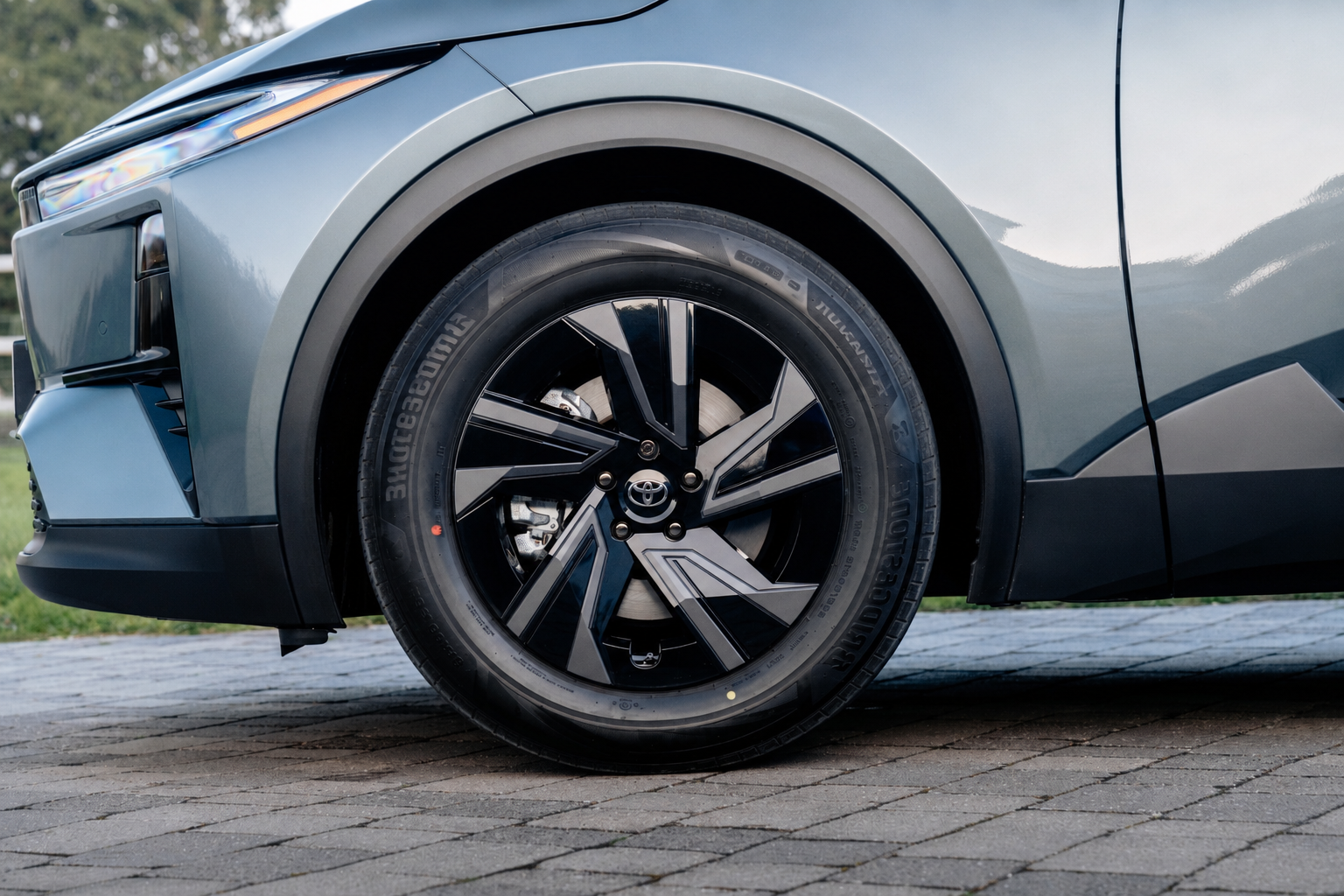
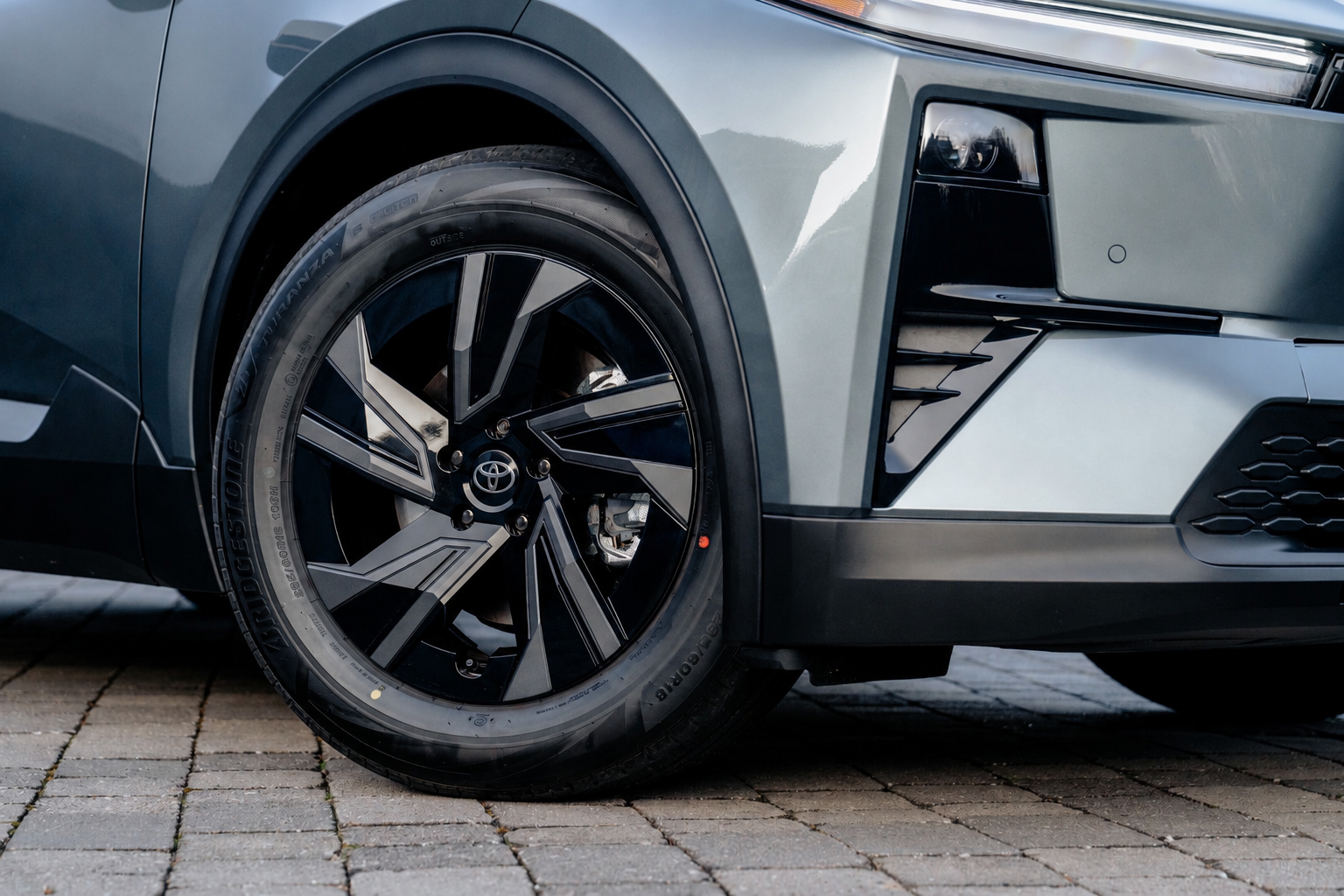
The C-HR+ uses a large number of competing graphic ideas: sharp lamp forms, intersecting surface changes, angular wheel openings, a dramatic roofline, concealed rear door handles and multiple directional lines around the rear quarter.
It certainly stands out.
Whether it looks sophisticated is considerably more debatable.
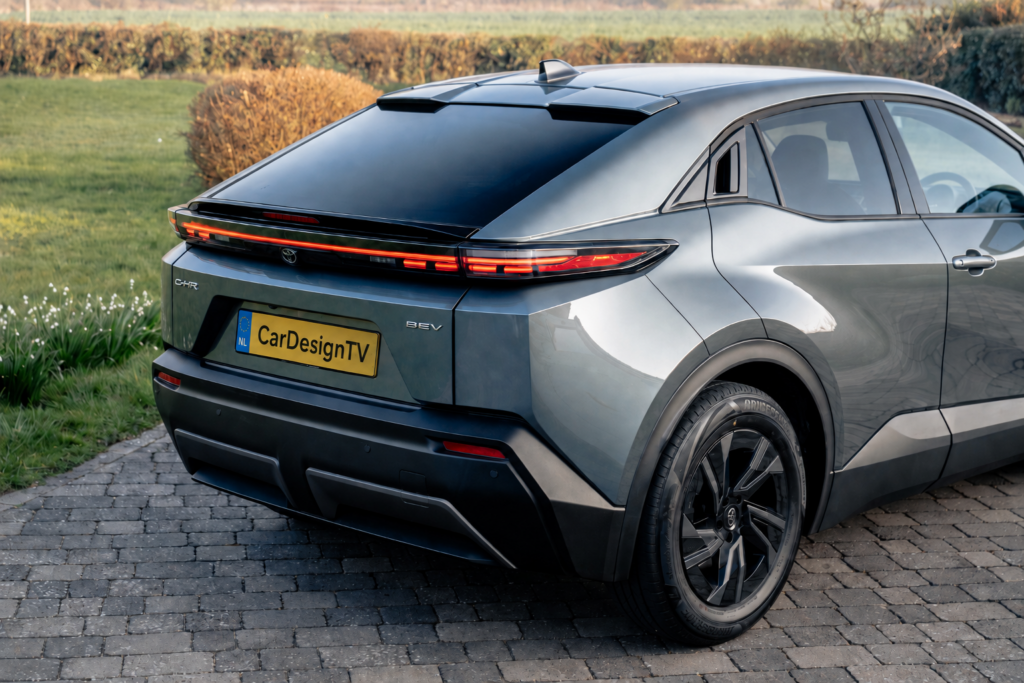
Quirky Rather Than Refined
The original C-HR demonstrated that Toyota was willing to abandon the safe styling that once characterised the brand. Its exaggerated wheel arches, complex surfacing and coupé-inspired greenhouse deliberately targeted customers who found traditional Toyota design too conservative.
The C-HR+ continues that philosophy, albeit in a somewhat cleaner form.
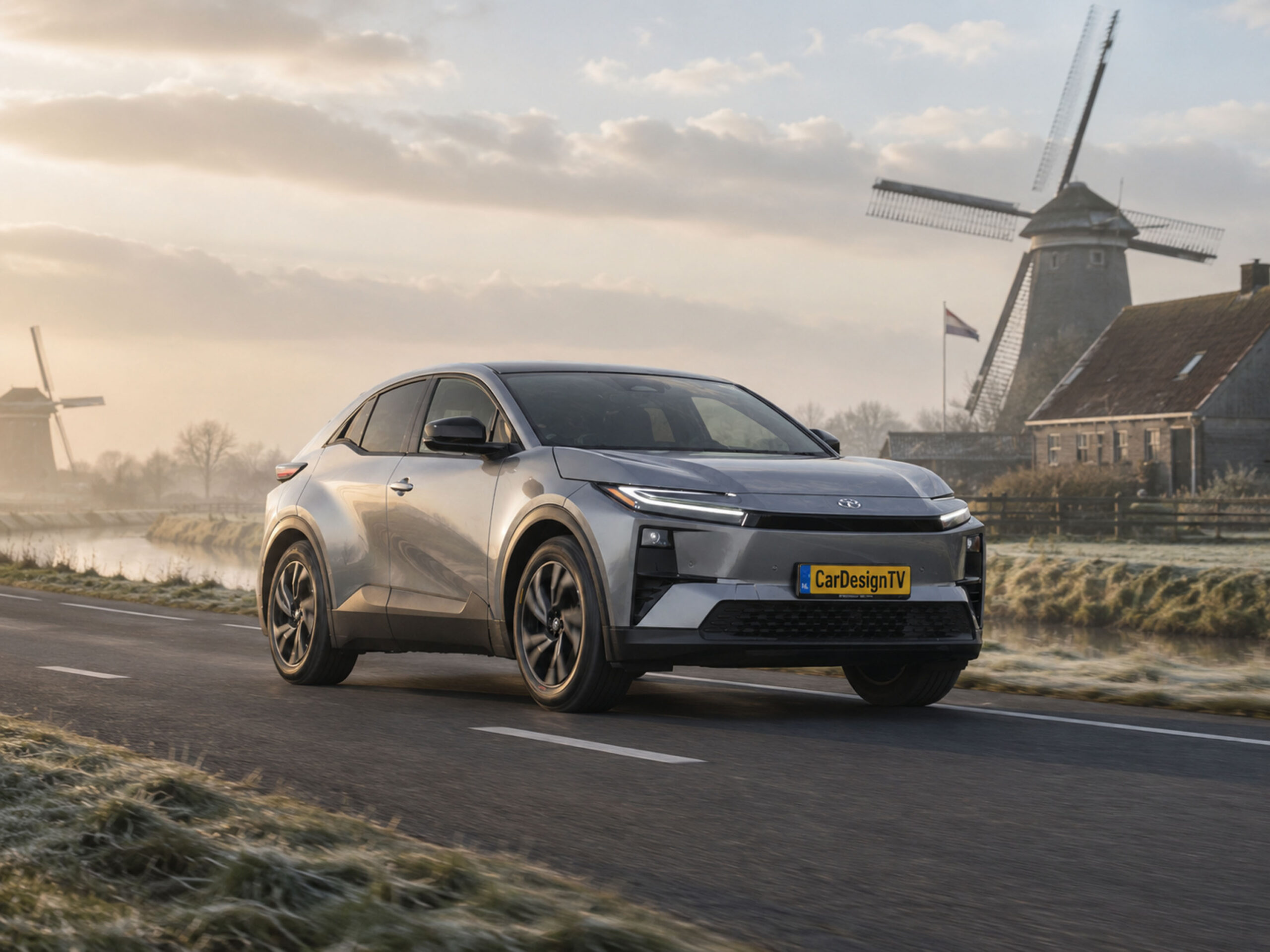
The basic proportions are actually quite good. The longer wheelbase pushes the wheels outward, the roof is relatively low for an SUV and the body has a planted stance. Toyota has also managed to produce a drag coefficient of around 0.26, demonstrating that the highly styled body has genuine aerodynamic thought behind it.
The problem lies more in the graphical treatment than the package.
There is a sense that almost every major surface needs to contribute something to the vehicle’s visual identity. The front lighting must be distinctive. The rear quarter needs a dramatic crease. The roof needs to fall aggressively. The tail lamps must form another strong graphic statement.
The individual elements are not necessarily poorly executed, but together they produce a design that feels determined to be noticed.
This is very different from refinement.
Refined automotive design normally relies on confidence in proportion, stance and surface quality. It does not need every panel to make an announcement.
The C-HR+ instead belongs to the school of design where visual differentiation appears to have become a requirement in itself.
That may appeal to customers who want their Toyota to look unmistakably different from a Volkswagen, Hyundai or BYD.
But it also means the C-HR+ risks ageing more quickly than a simpler design.
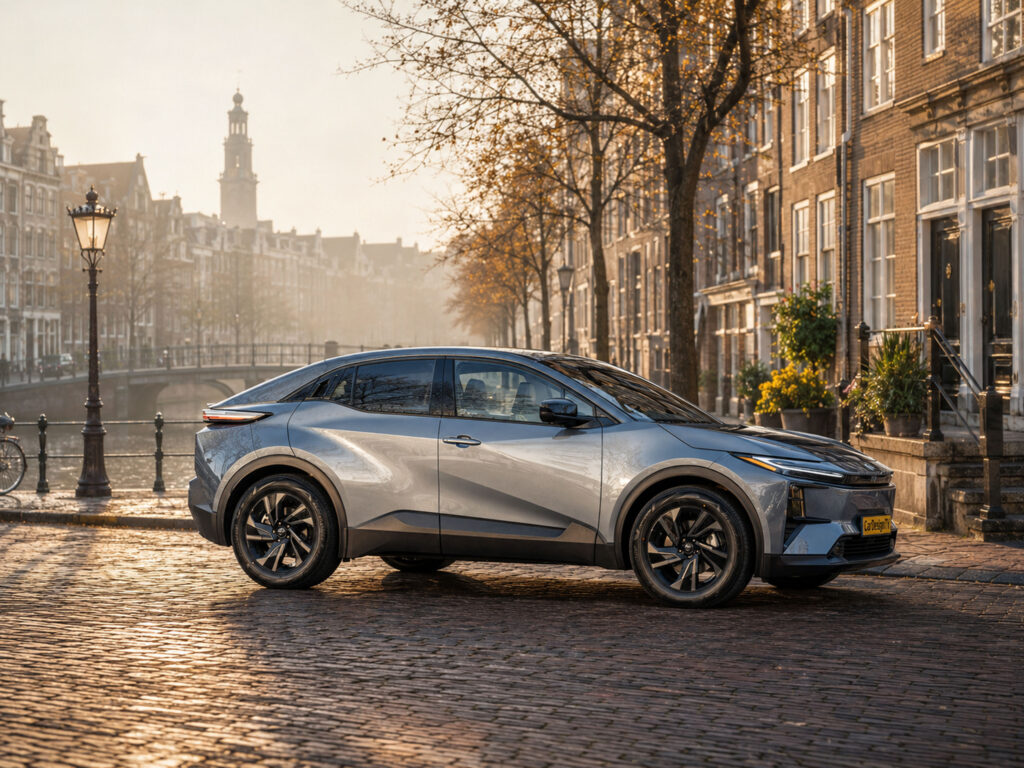
The Side View Reveals Both Strengths and Weaknesses
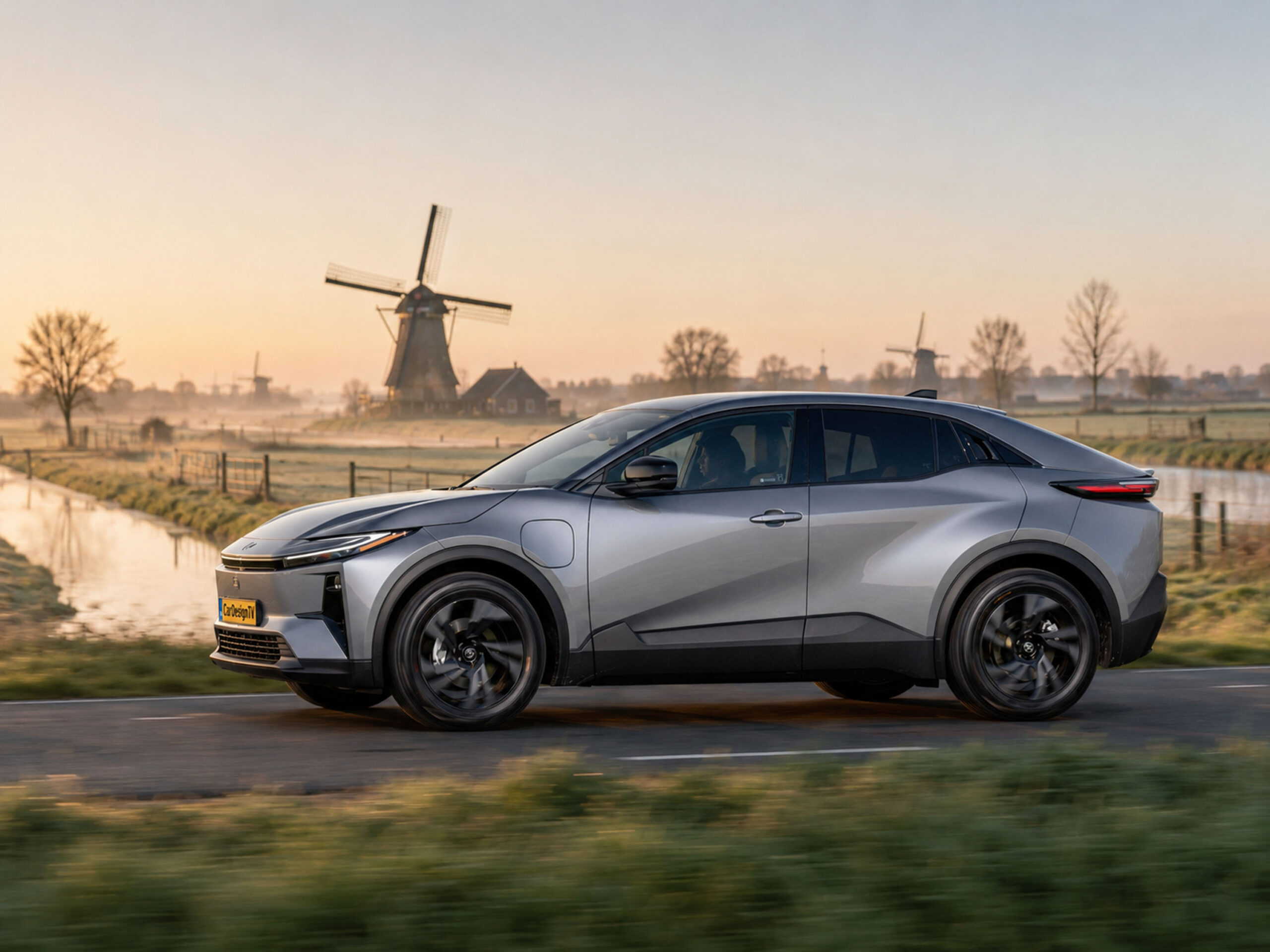
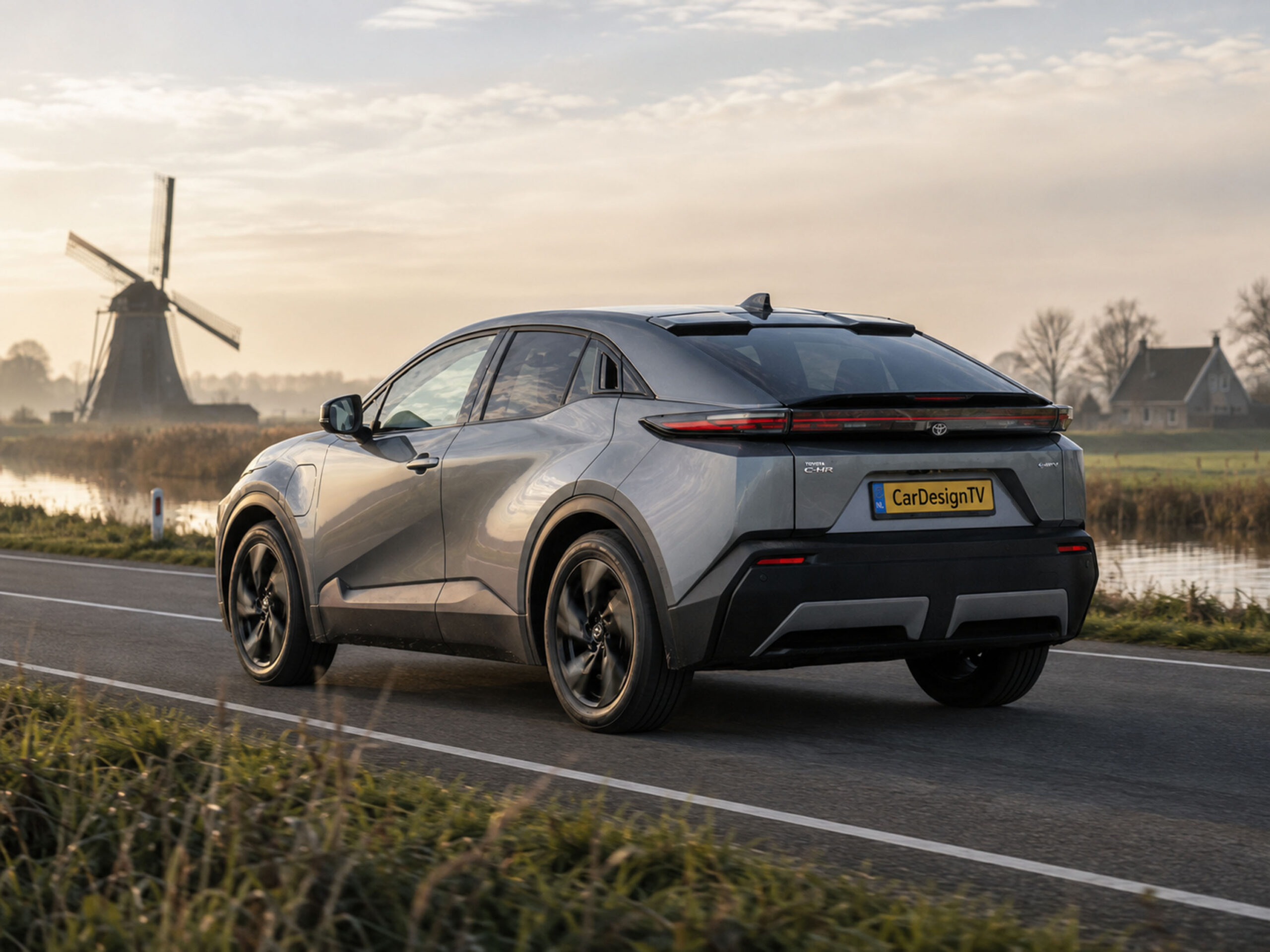
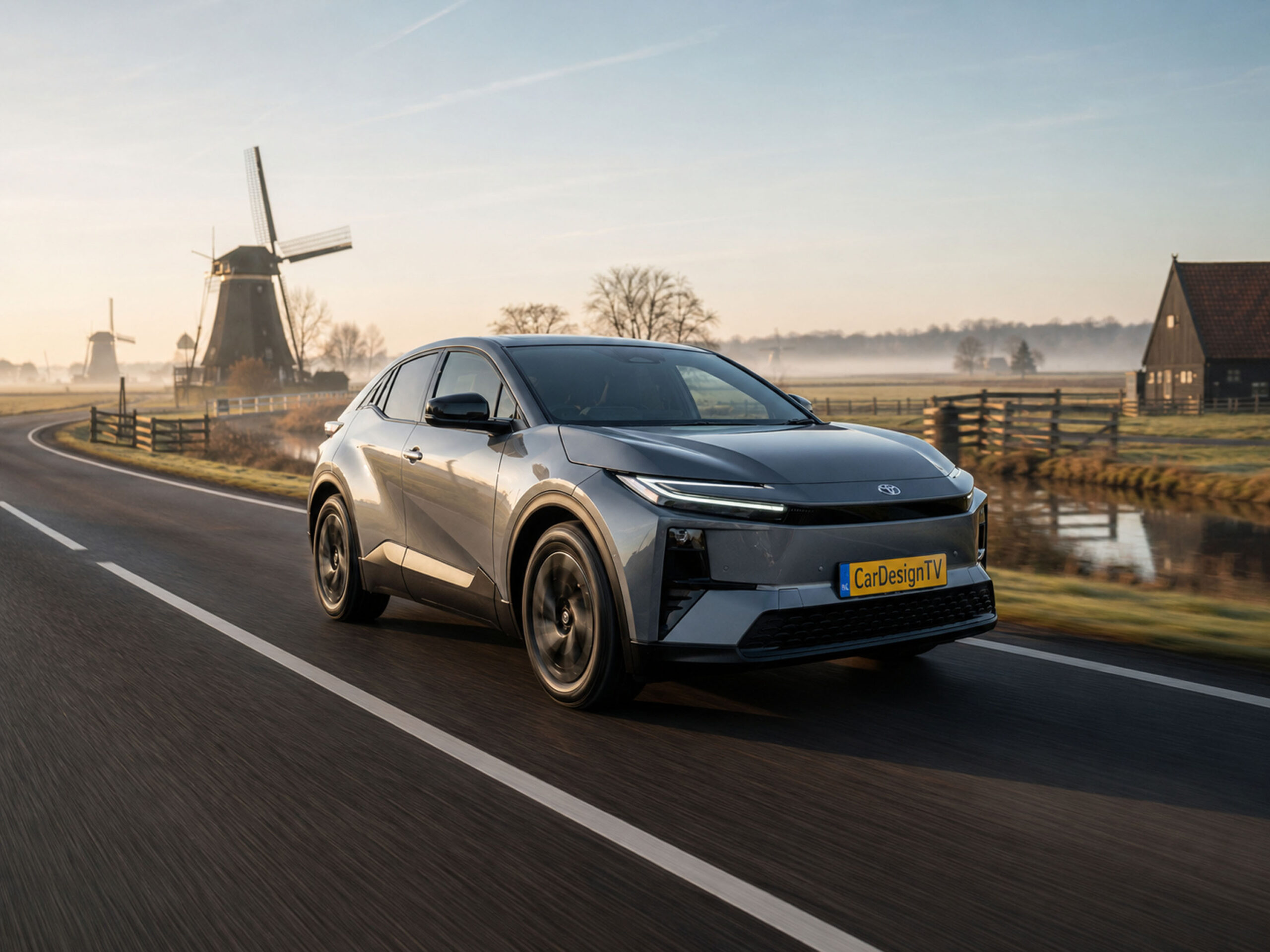
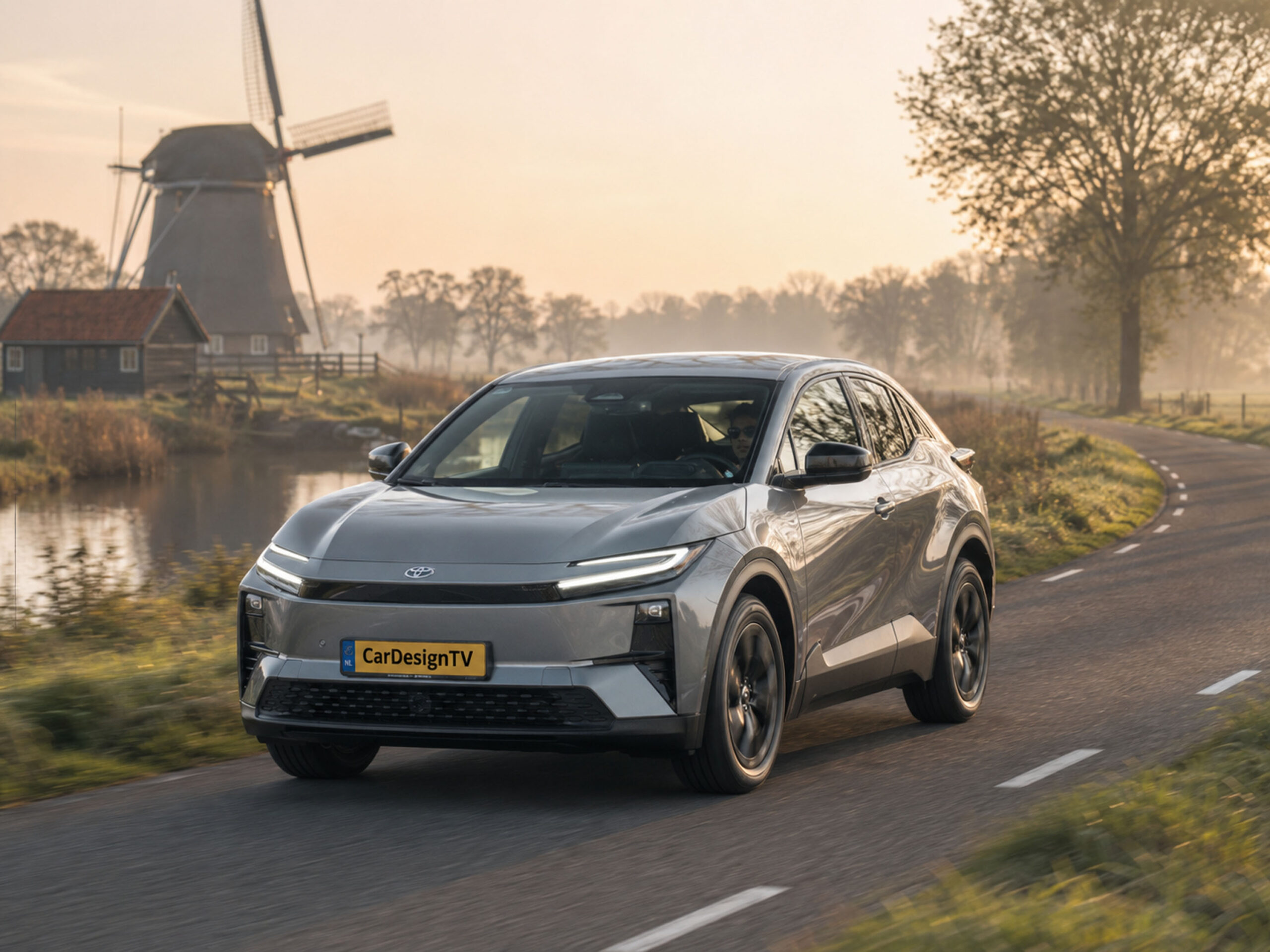
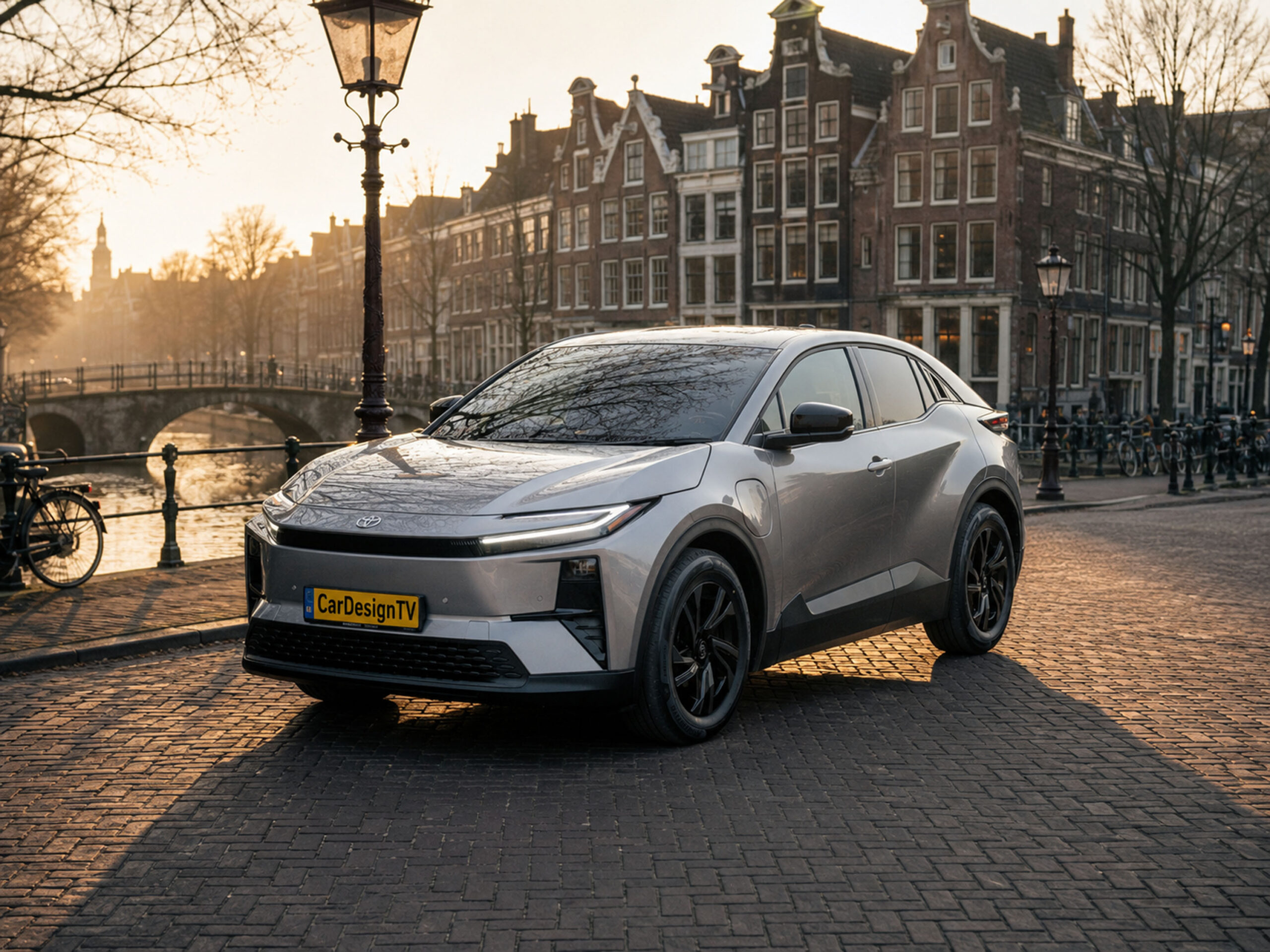
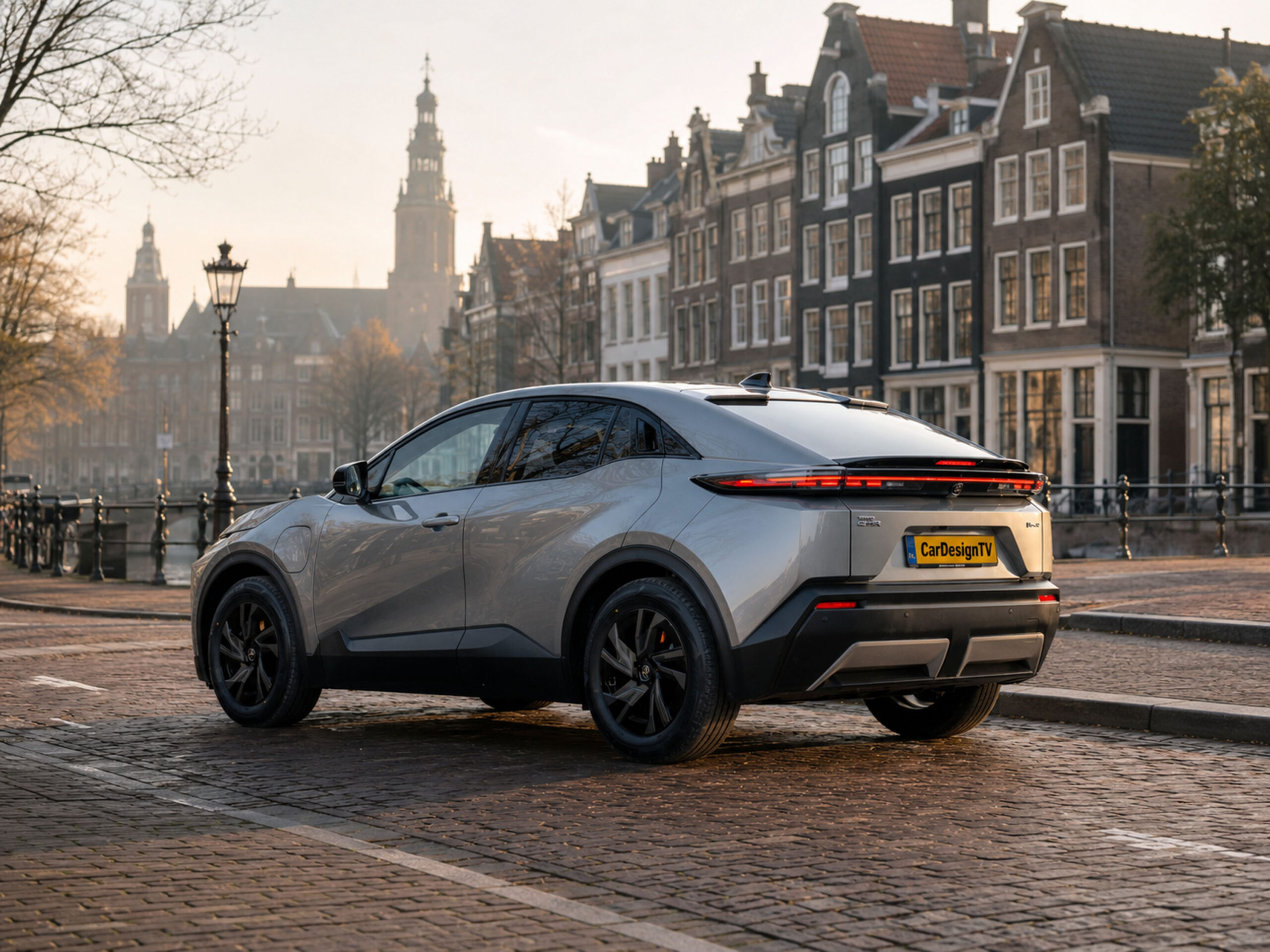
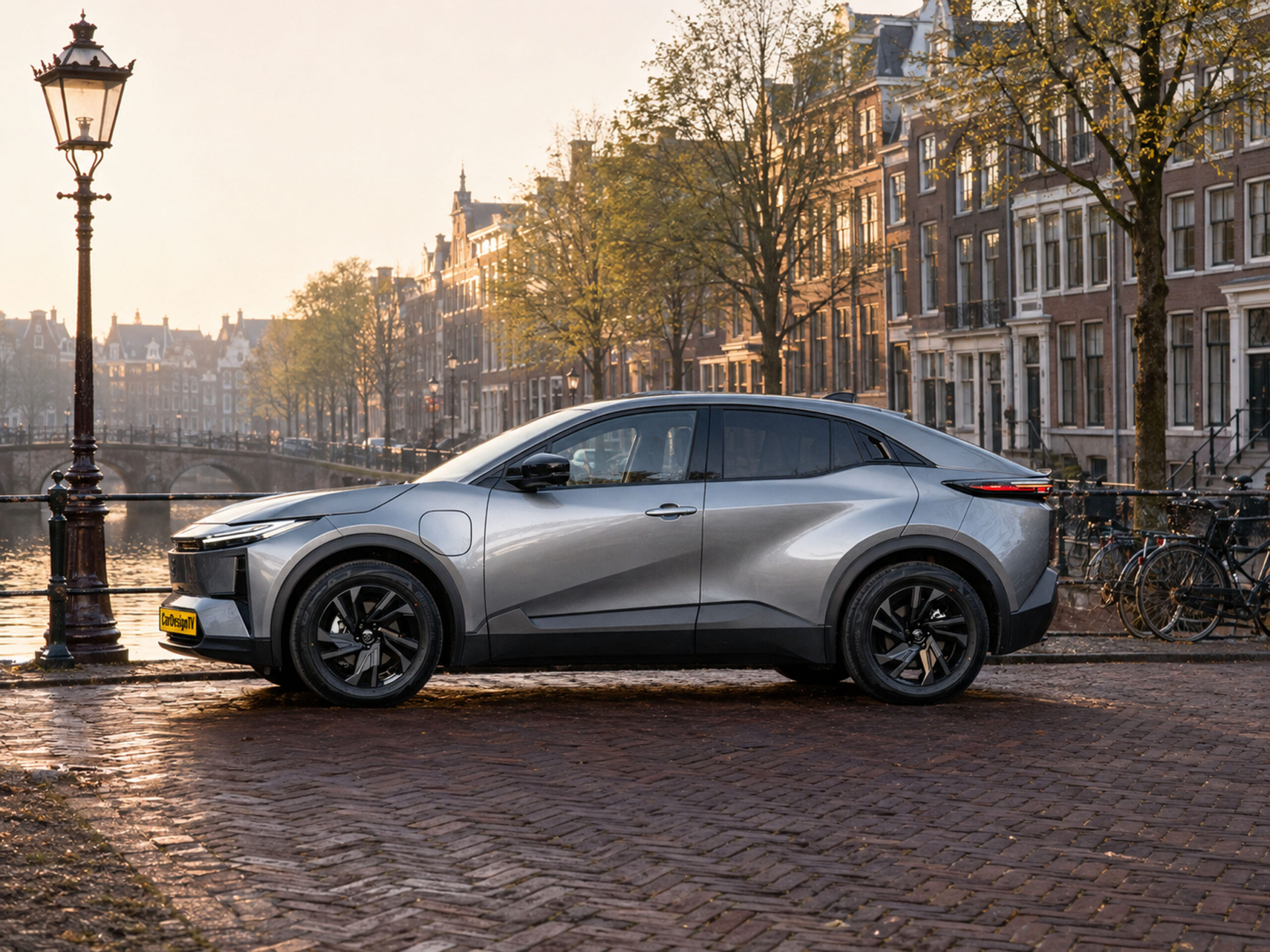
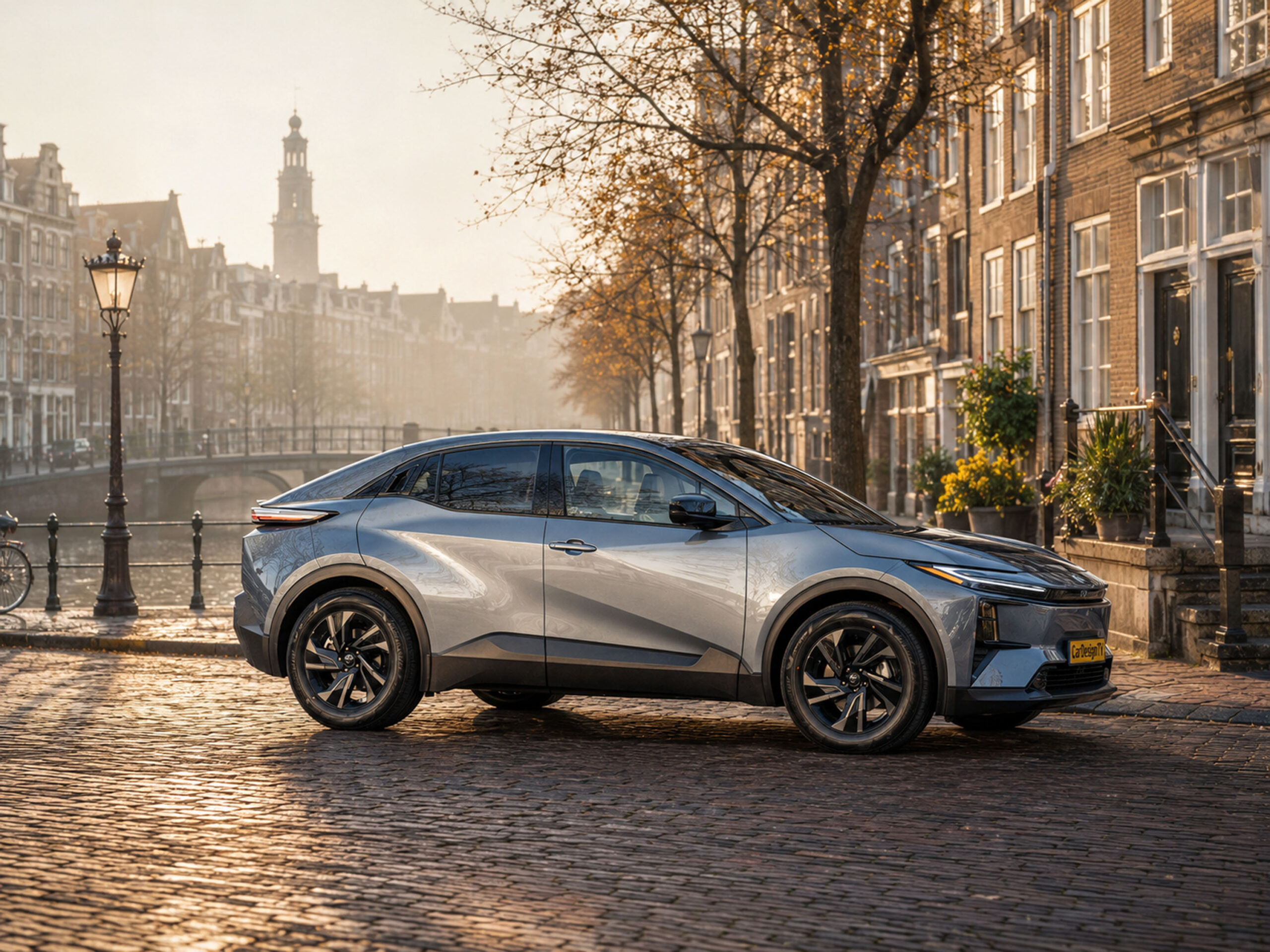
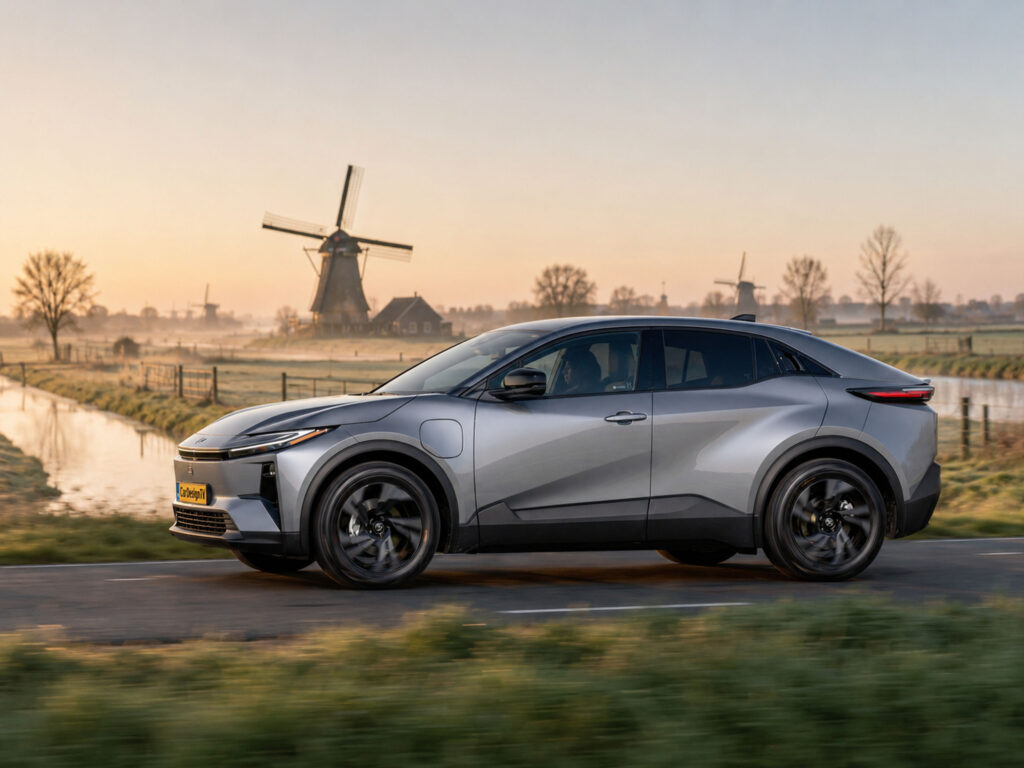
The profile shows the best and worst of the design simultaneously.
The 2,750 mm wheelbase provides a good foundation, while the relatively short overall length gives the vehicle sensible proportions. The roofline is lower and more dynamic than a conventional box-shaped SUV, and the body visually sits well over the wheels.
Toyota has also successfully avoided making the C-HR+ look like a taller bZ4X.
But the side surfacing remains busy.
Strong character lines rise through the doors toward the rear quarter, while the wheel-arch treatment, lower body detailing and tapering greenhouse all compete for attention. The hidden rear door handles reduce some visual clutter but do not fundamentally calm the composition.
The result is energetic rather than elegant.
That distinction becomes increasingly important because Toyota is no longer competing merely against conservative mainstream products.
Cars from Hyundai, Kia, Polestar, Volvo, BYD and numerous Chinese brands now demonstrate that an electric crossover can be distinctive without appearing visually restless.
Against that competition, the C-HR+ feels as though Toyota is still equating design character with complication.
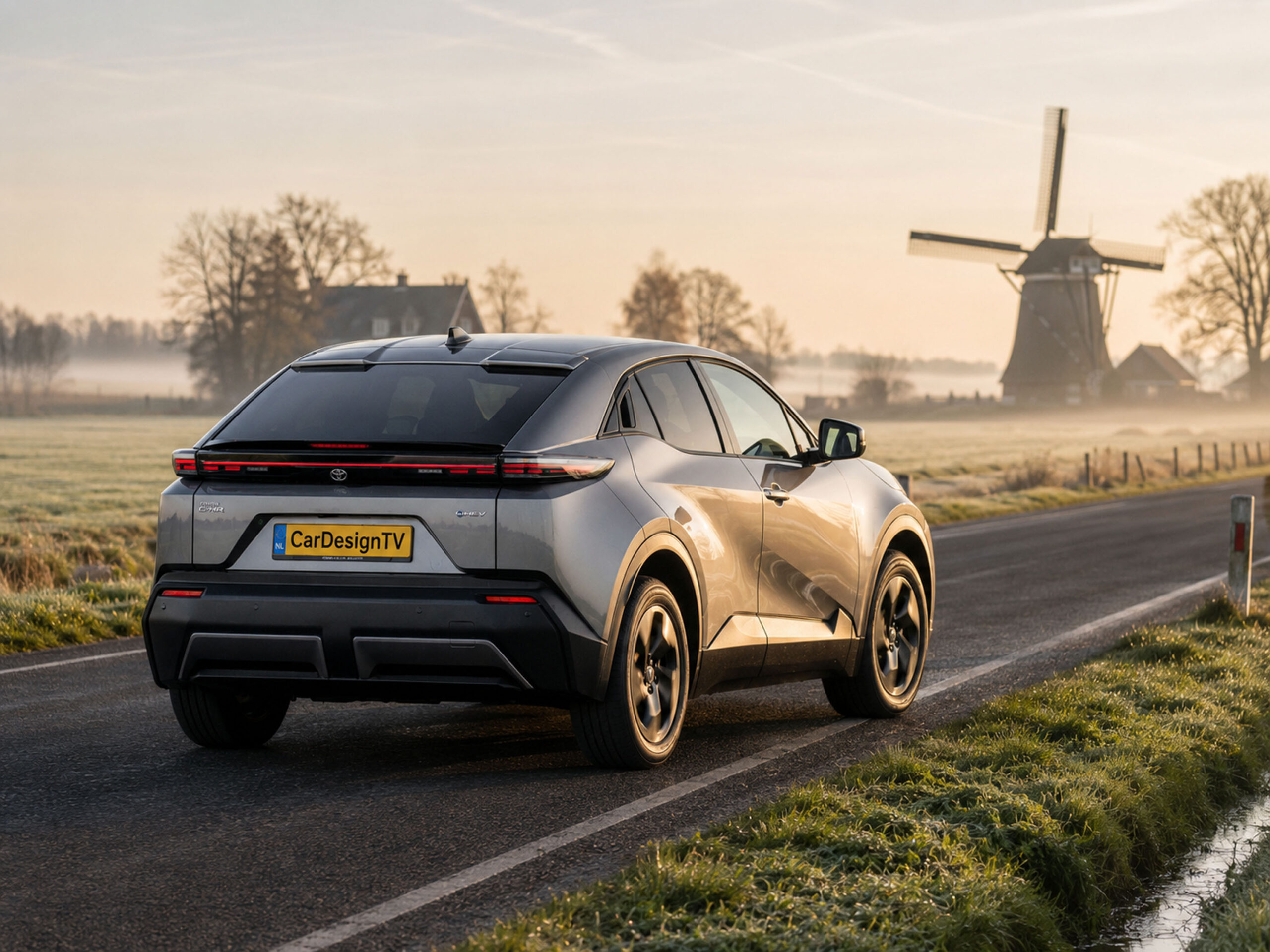
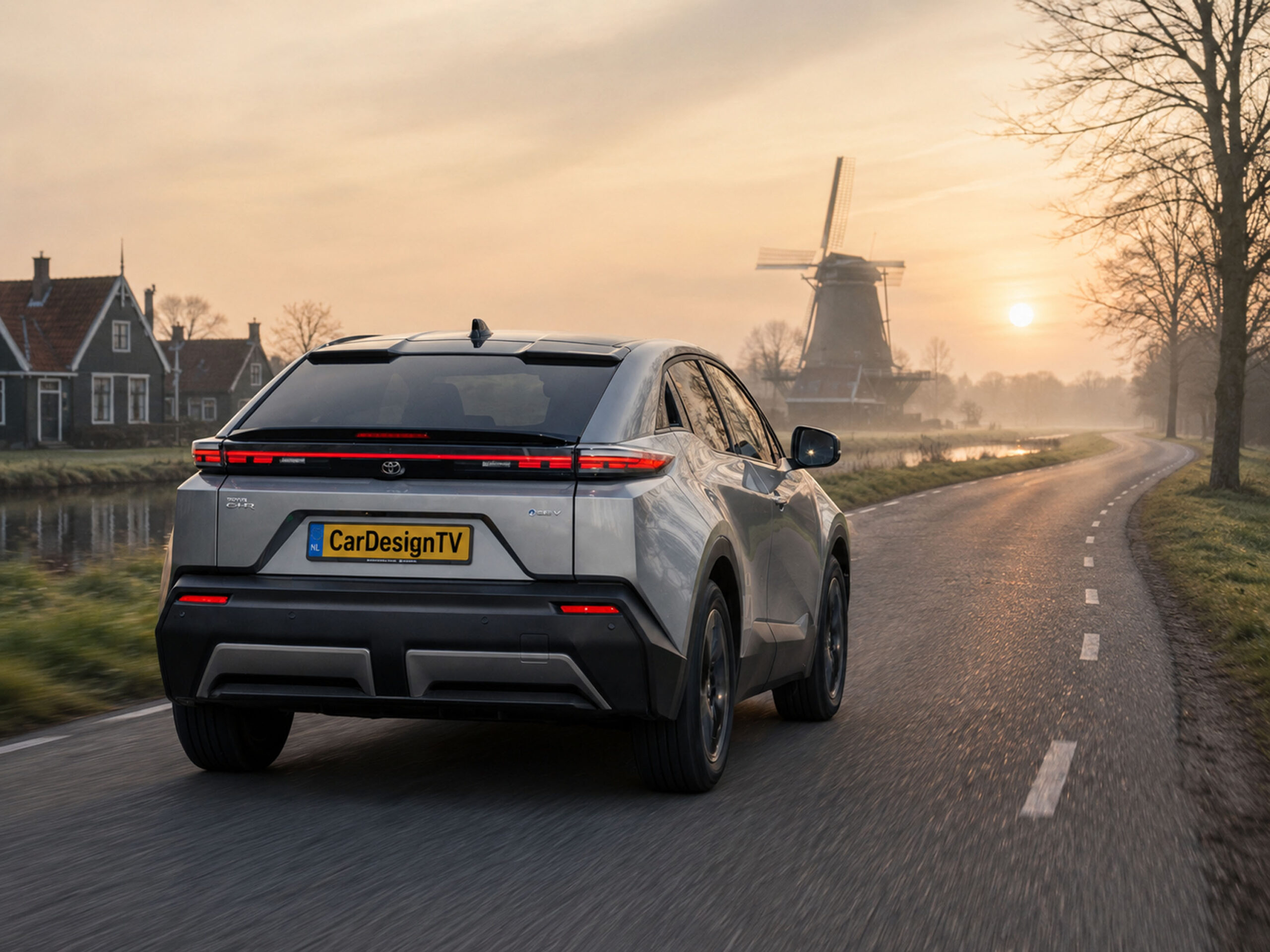
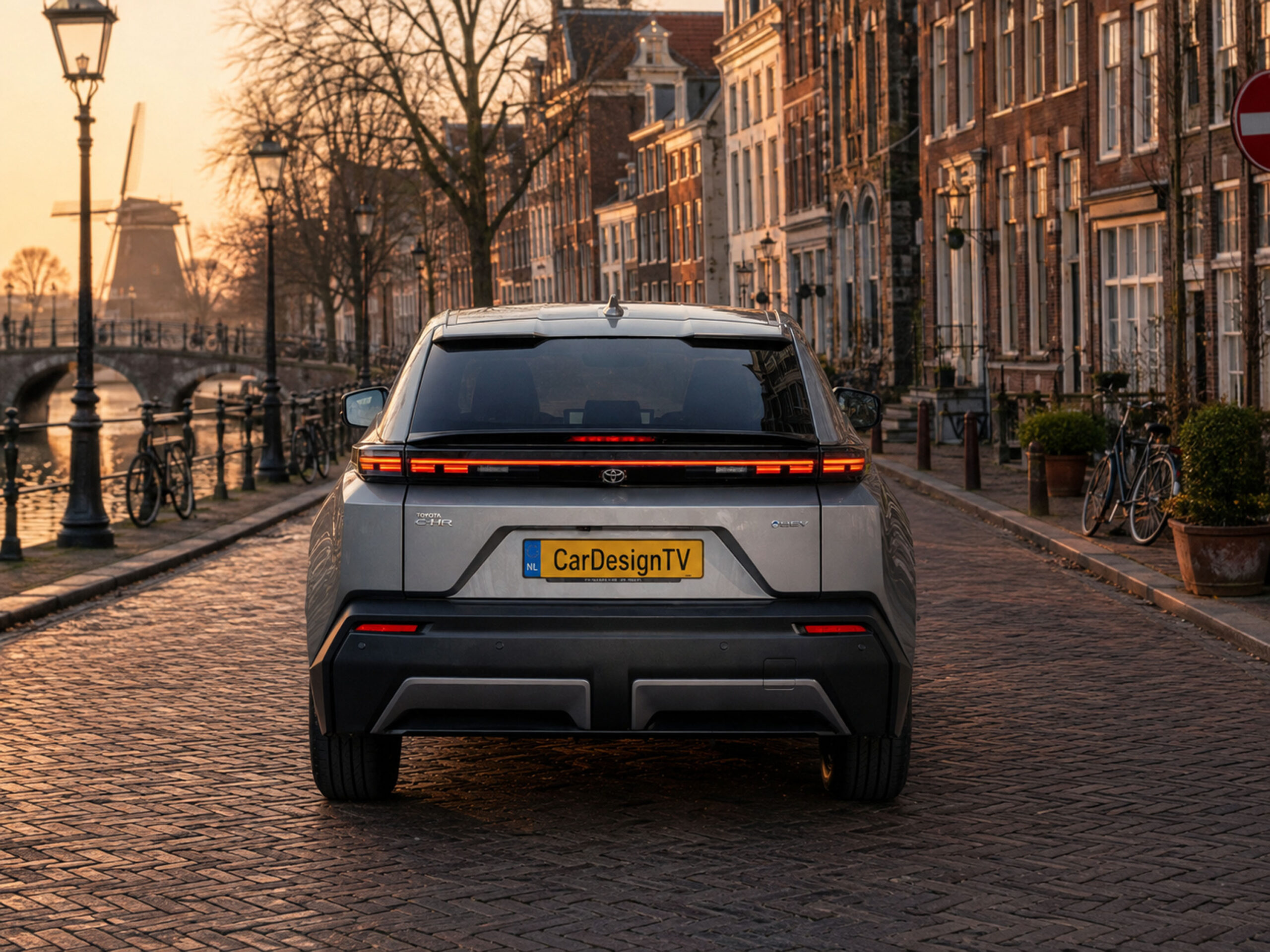
The Rear Is Strong but Again Overworked
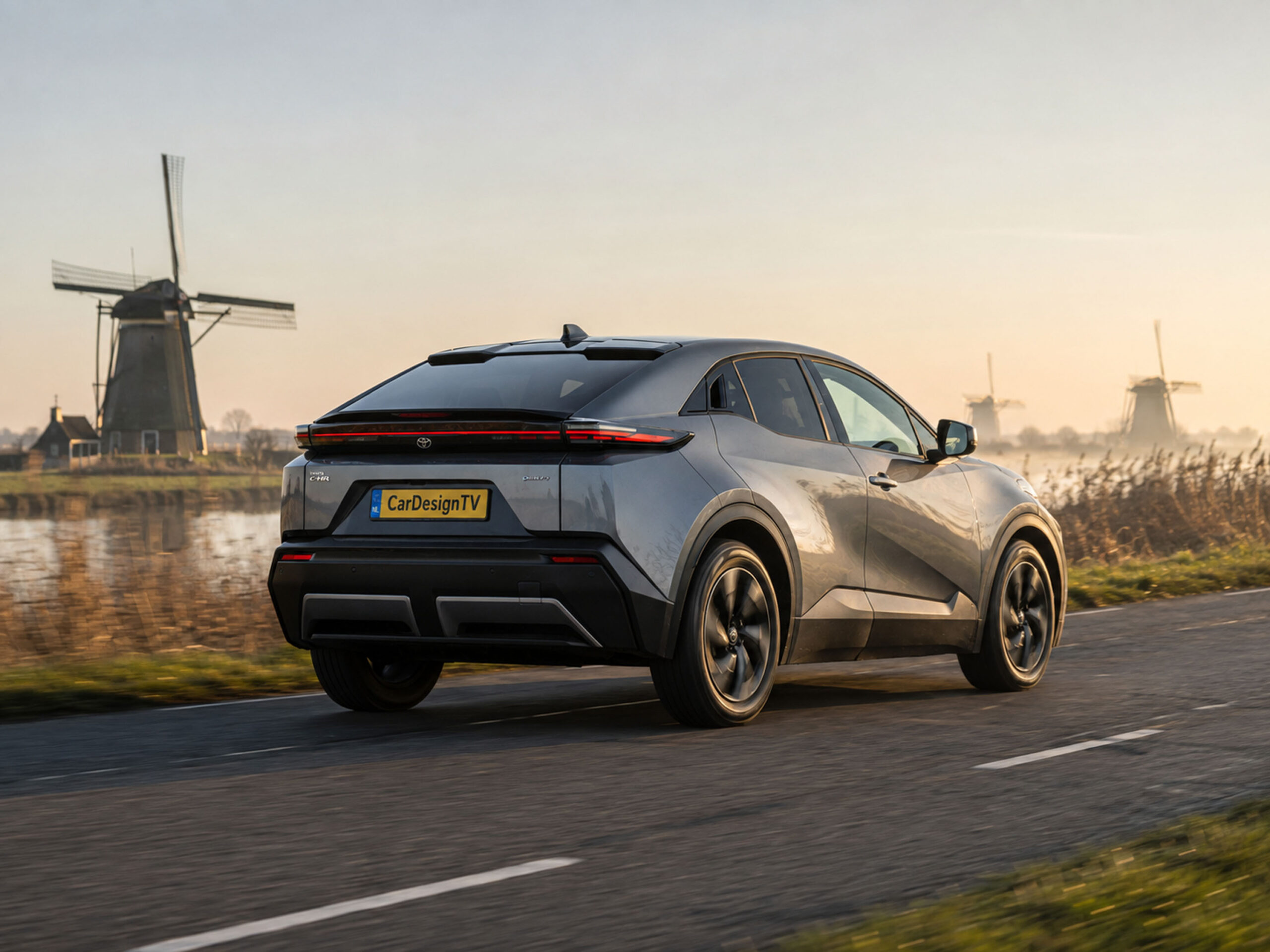
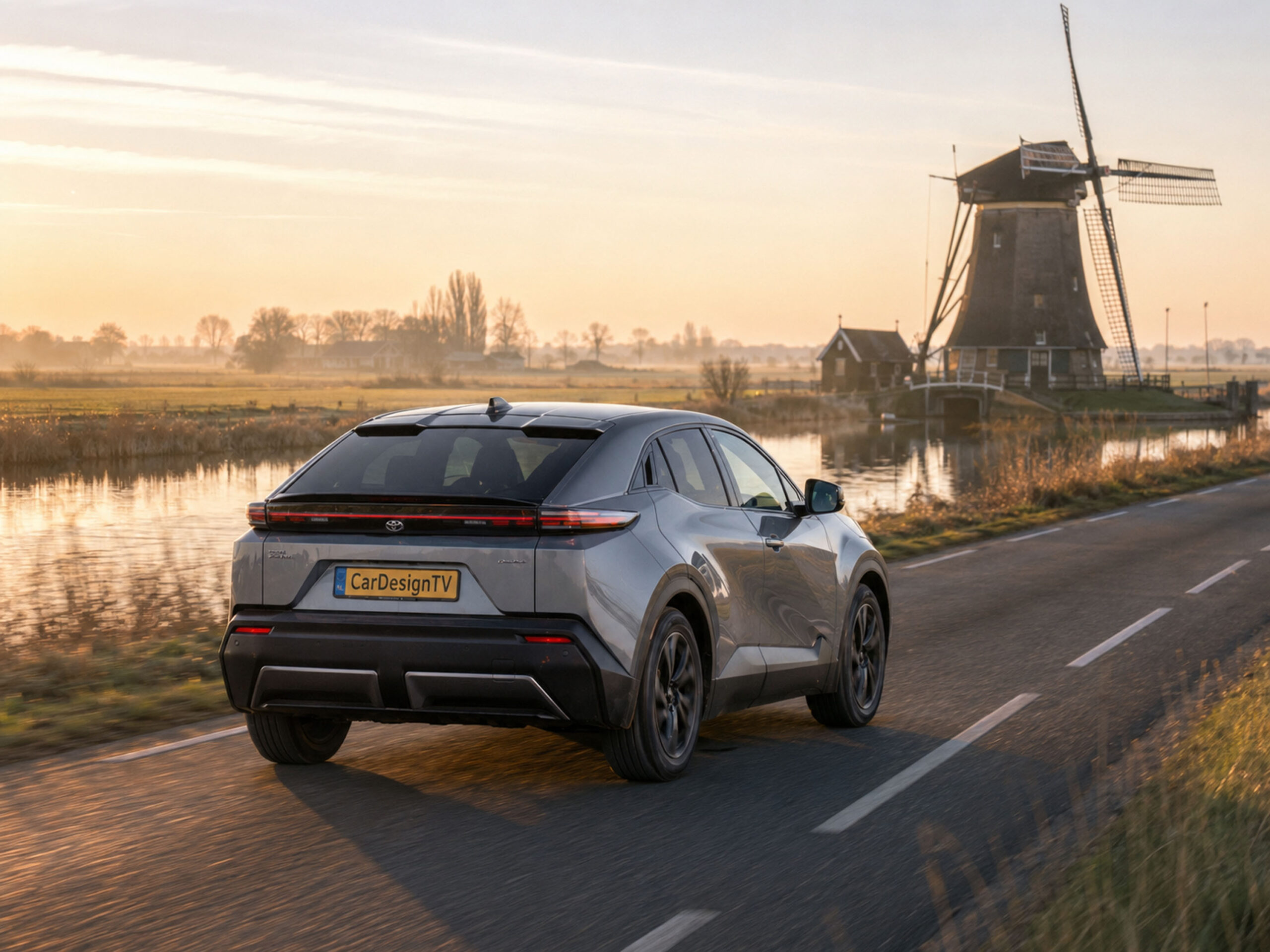
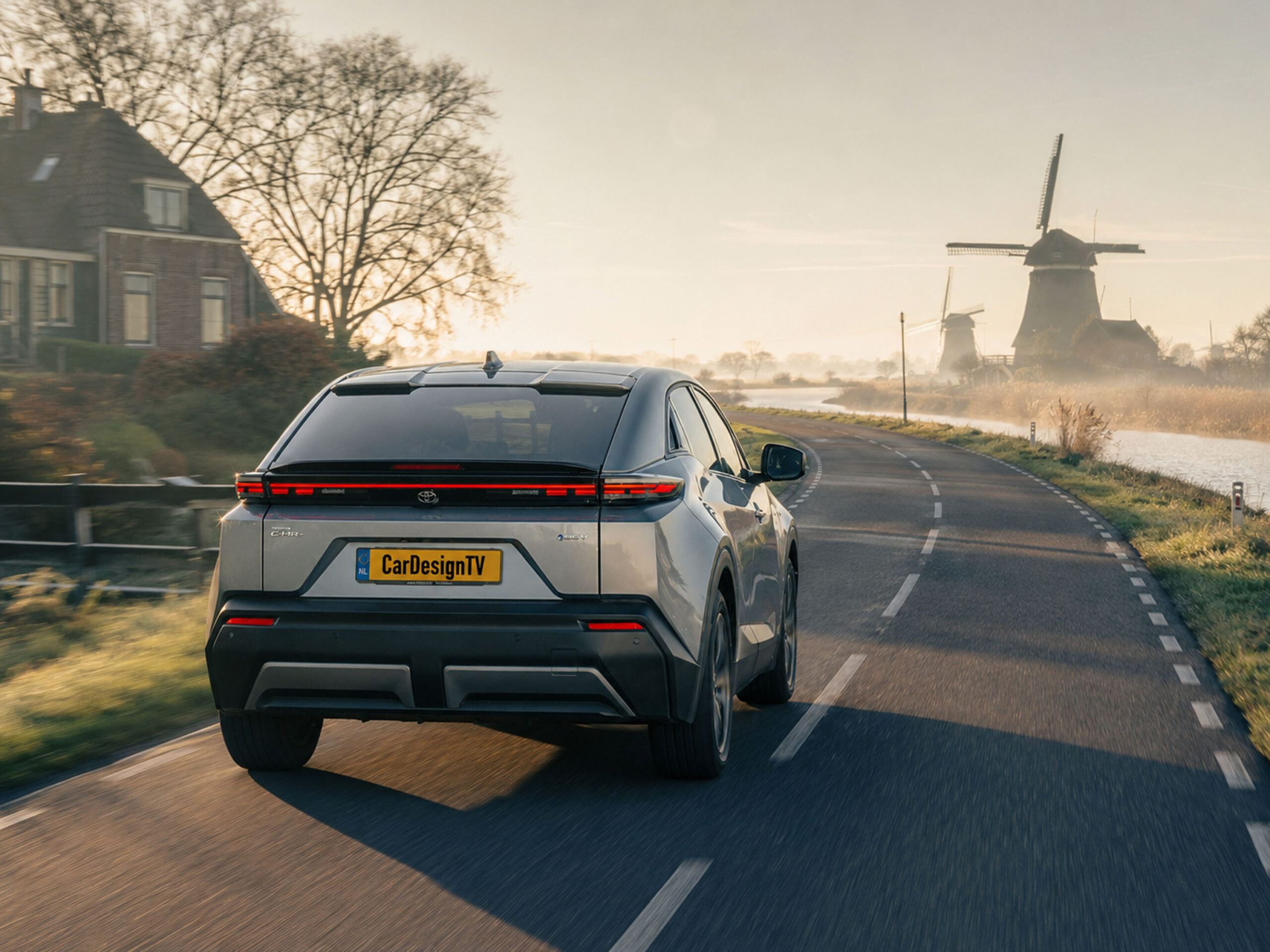
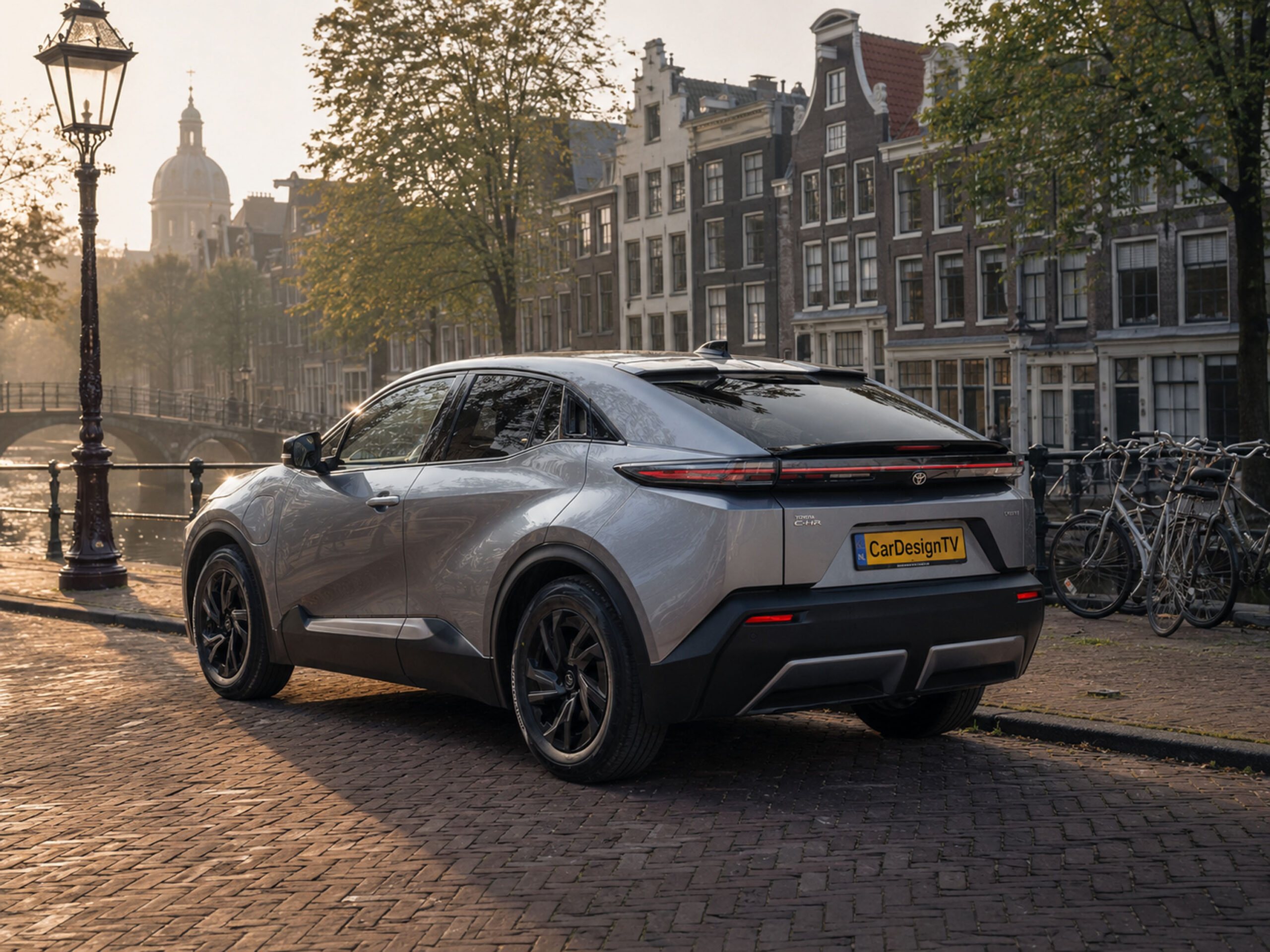
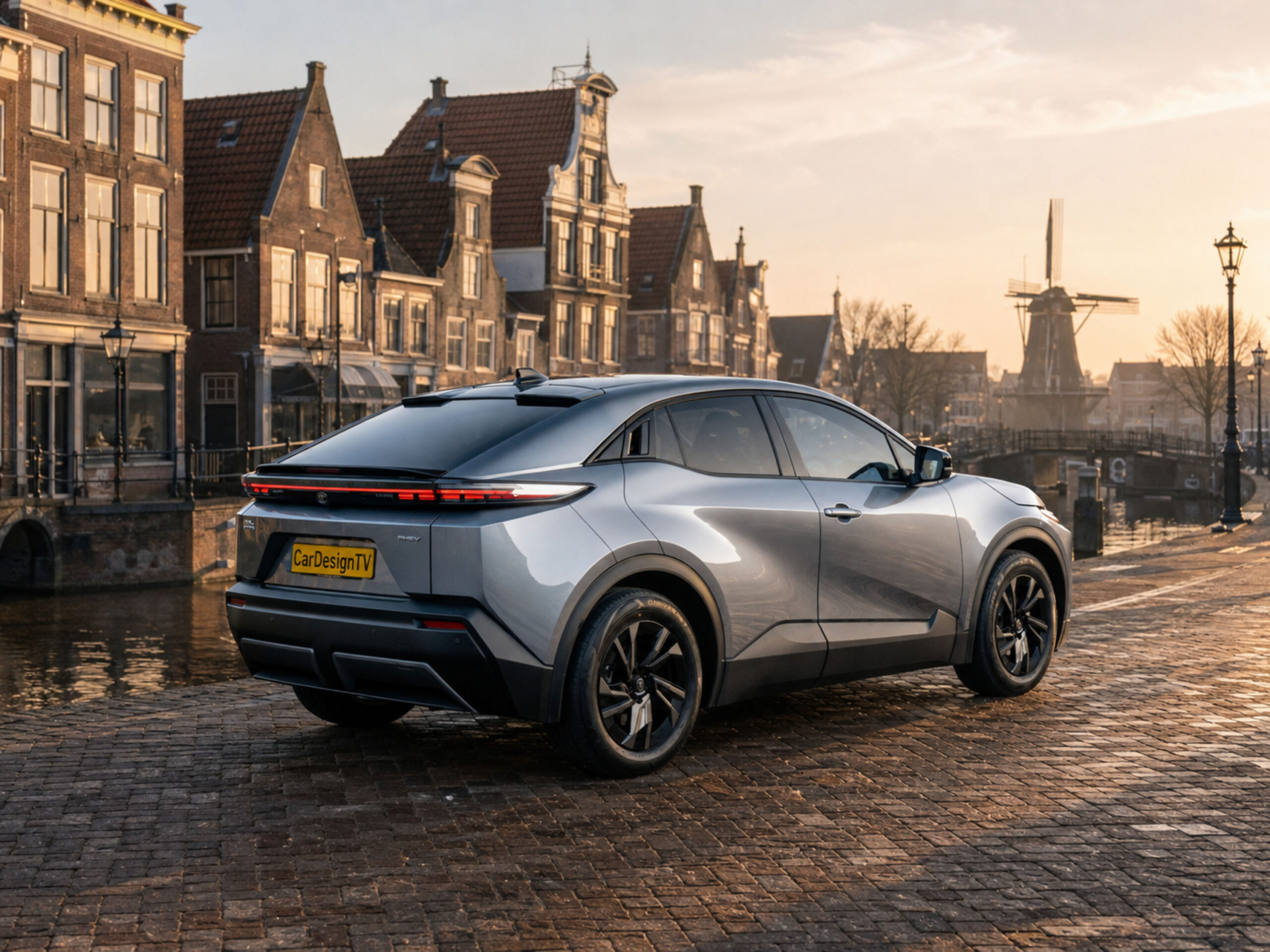
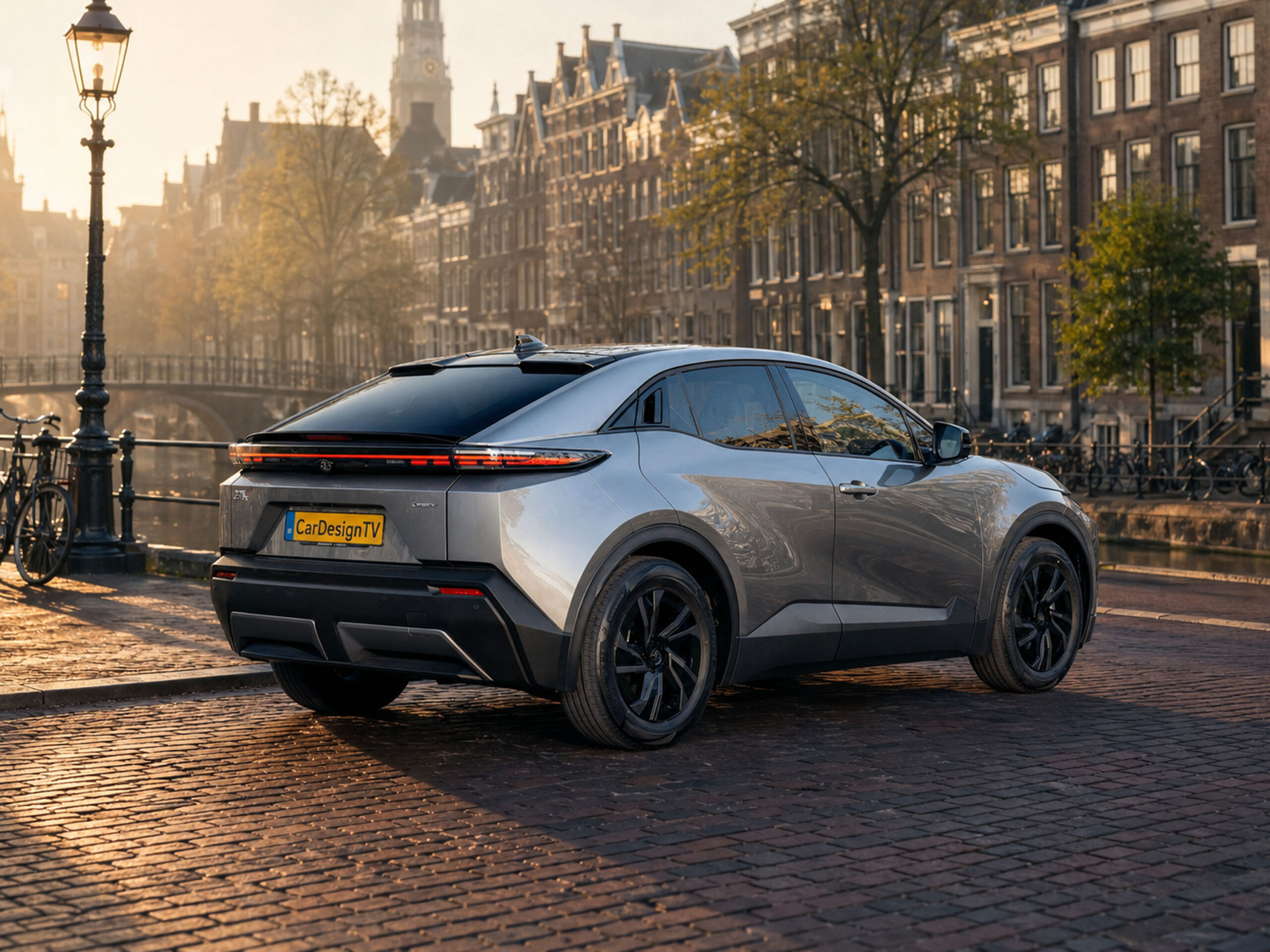
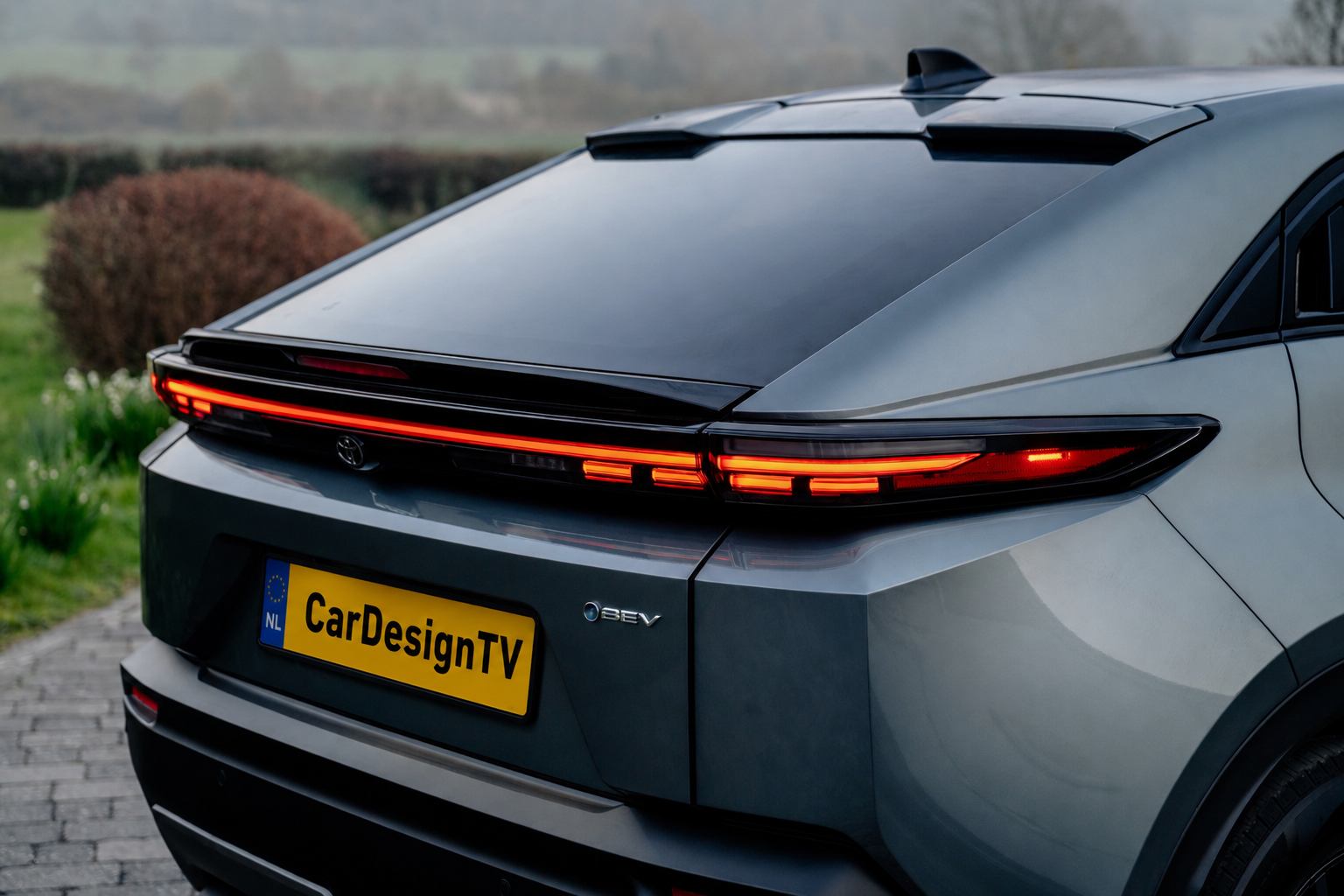
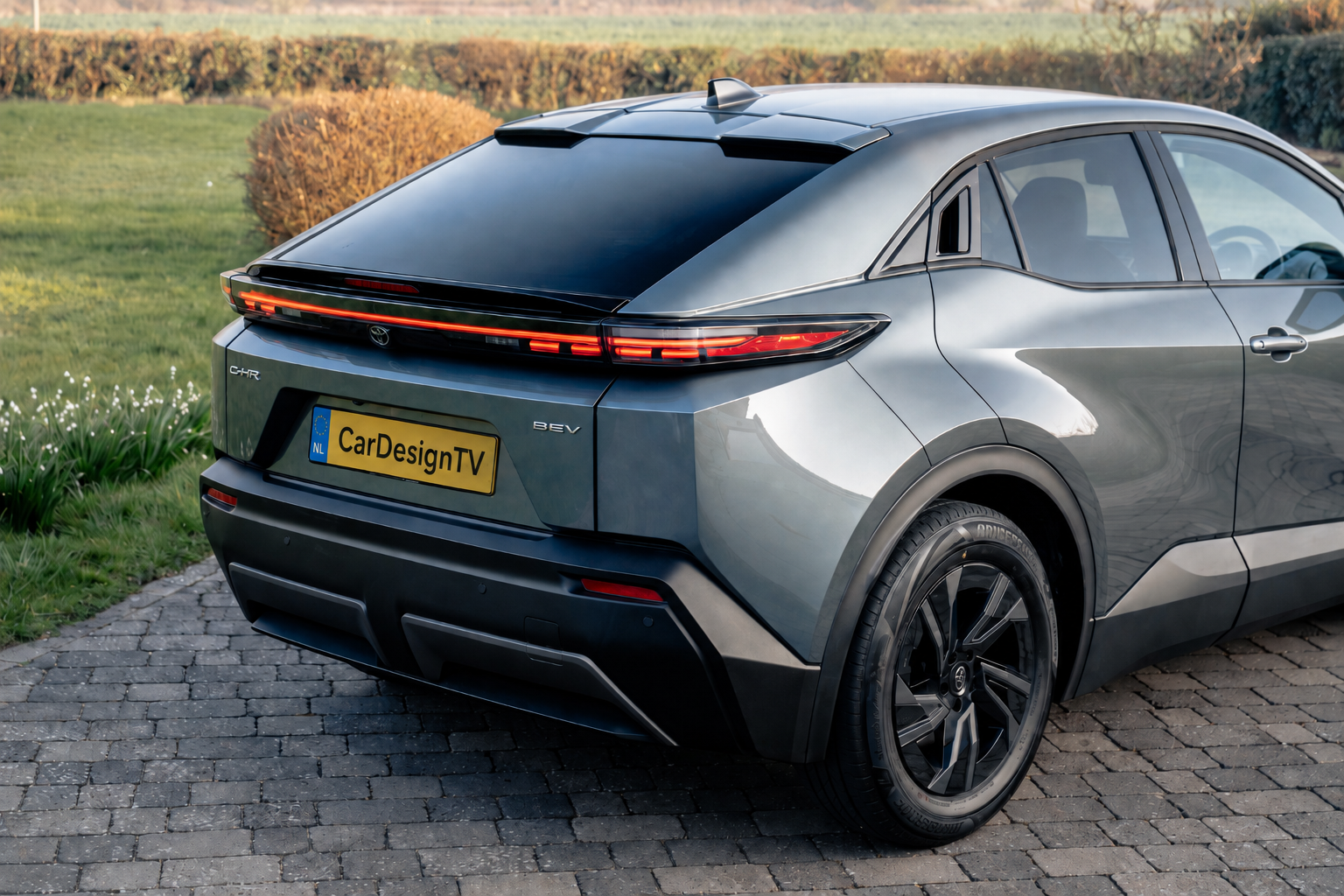
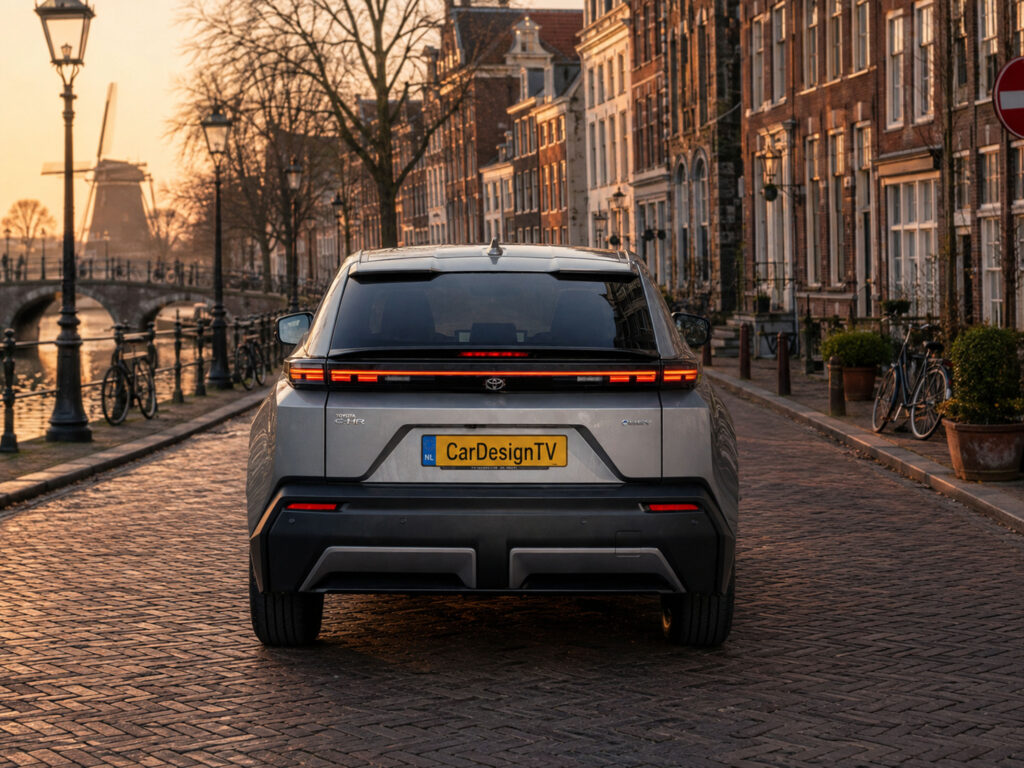
The rear continues the coupé-inspired theme with a pronounced ducktail treatment and narrow lighting elements running across the body.
From some angles the result is genuinely attractive. The wide stance is convincing and the reduction in traditional SUV visual mass works well.
But once again there are many layers of information.
The tailgate, lamps, spoiler, rear bumper and quarter surfaces all have their own graphical treatment. There is very little visual silence.
That makes the C-HR+ instantly recognisable, but the design does not possess the effortless simplicity that often separates a merely interesting vehicle from a genuinely sophisticated one.
Toyota appears to have prioritised personality over timelessness.
The Interior Is Where the Competitive Gap Becomes More Obvious
If the exterior can be defended as deliberately expressive, the interior is harder to excuse.
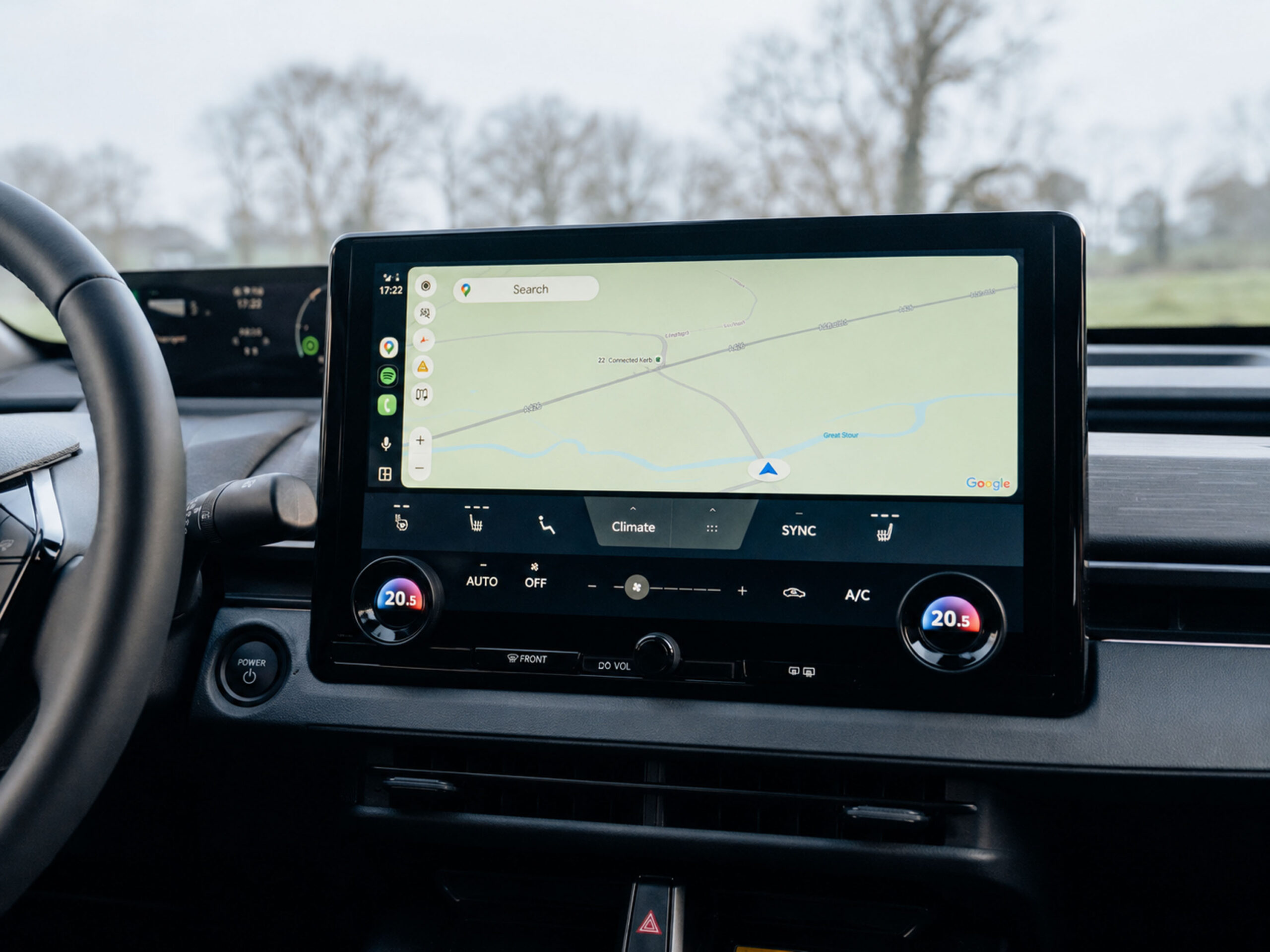
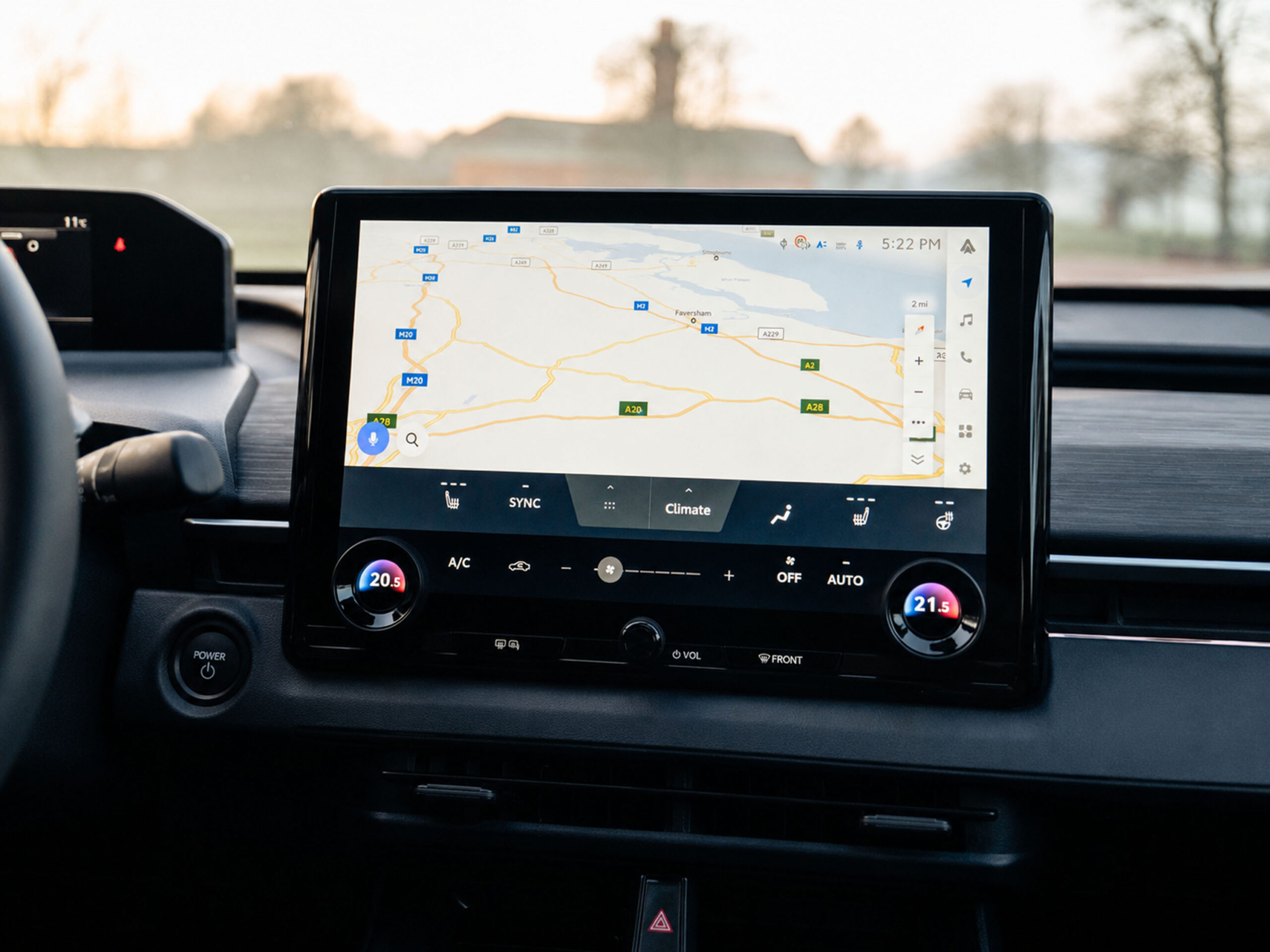
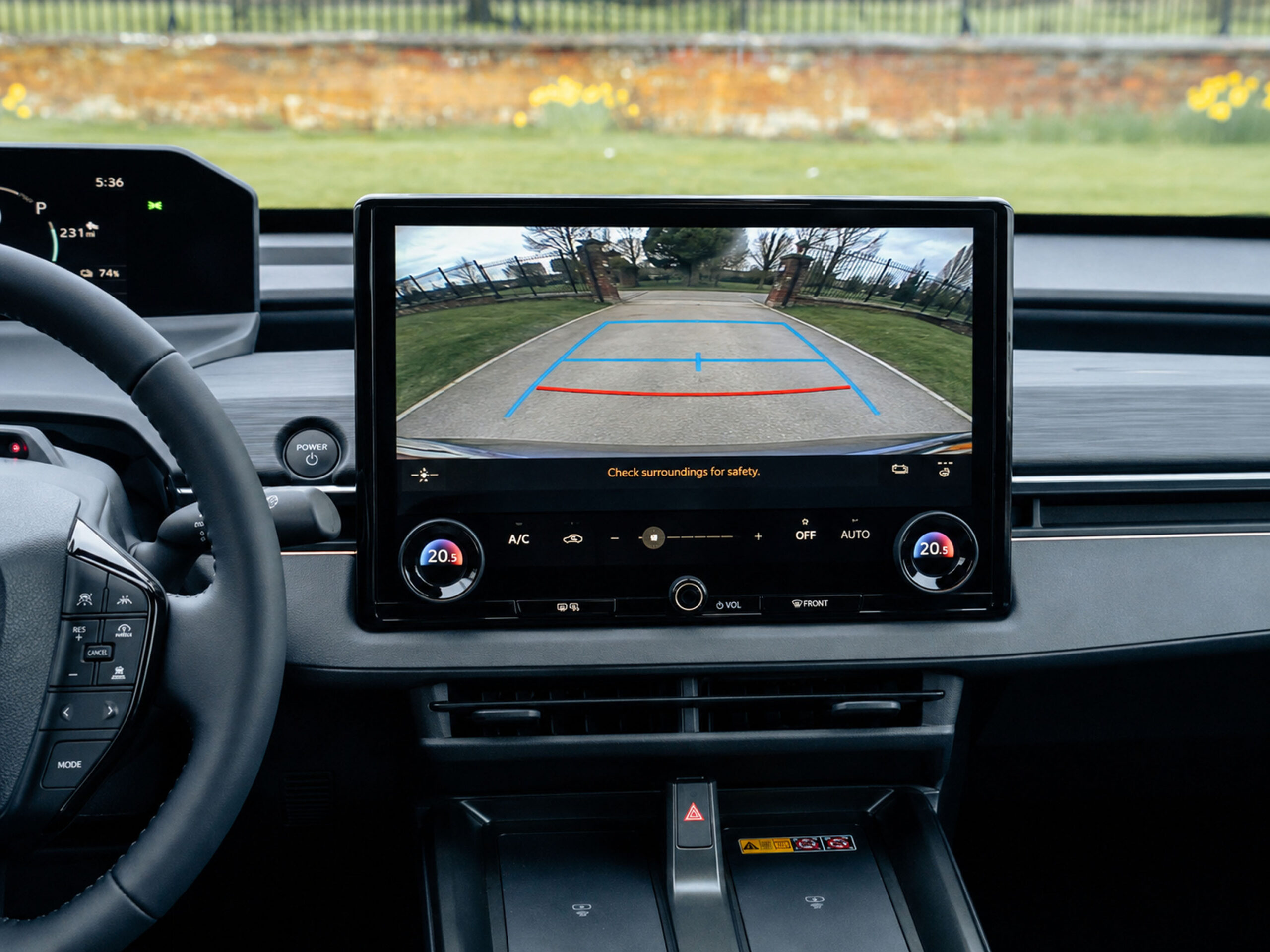
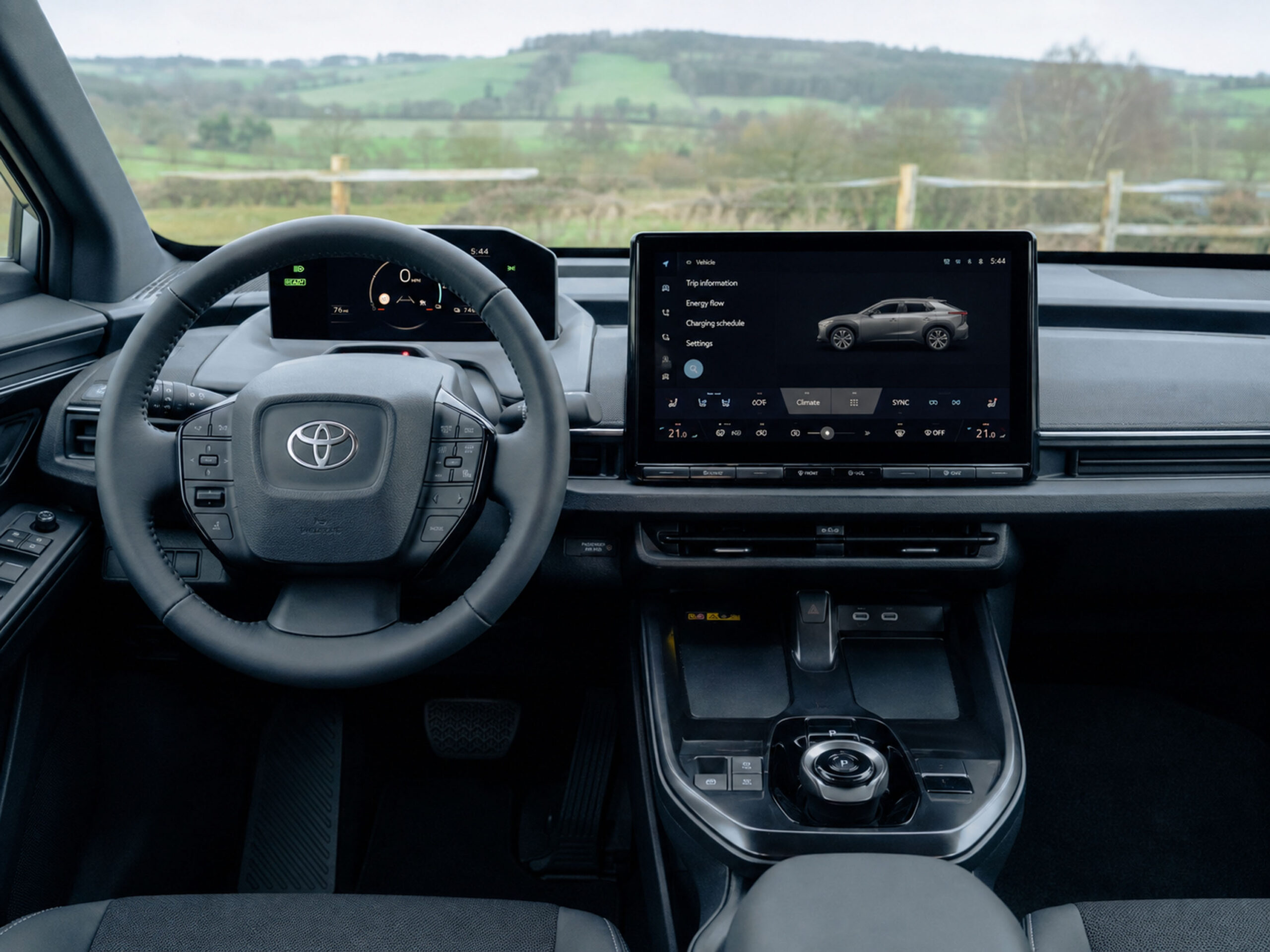
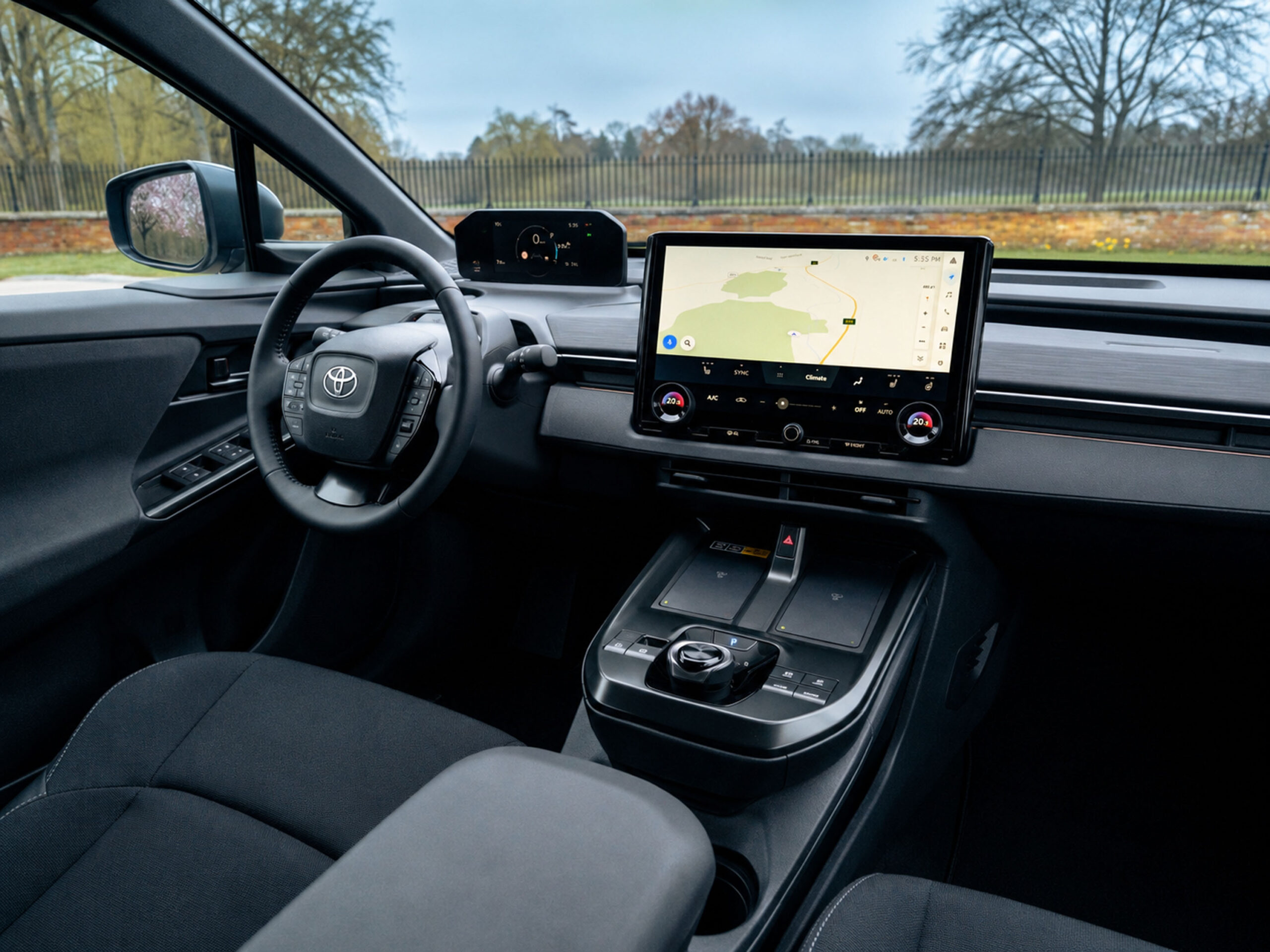
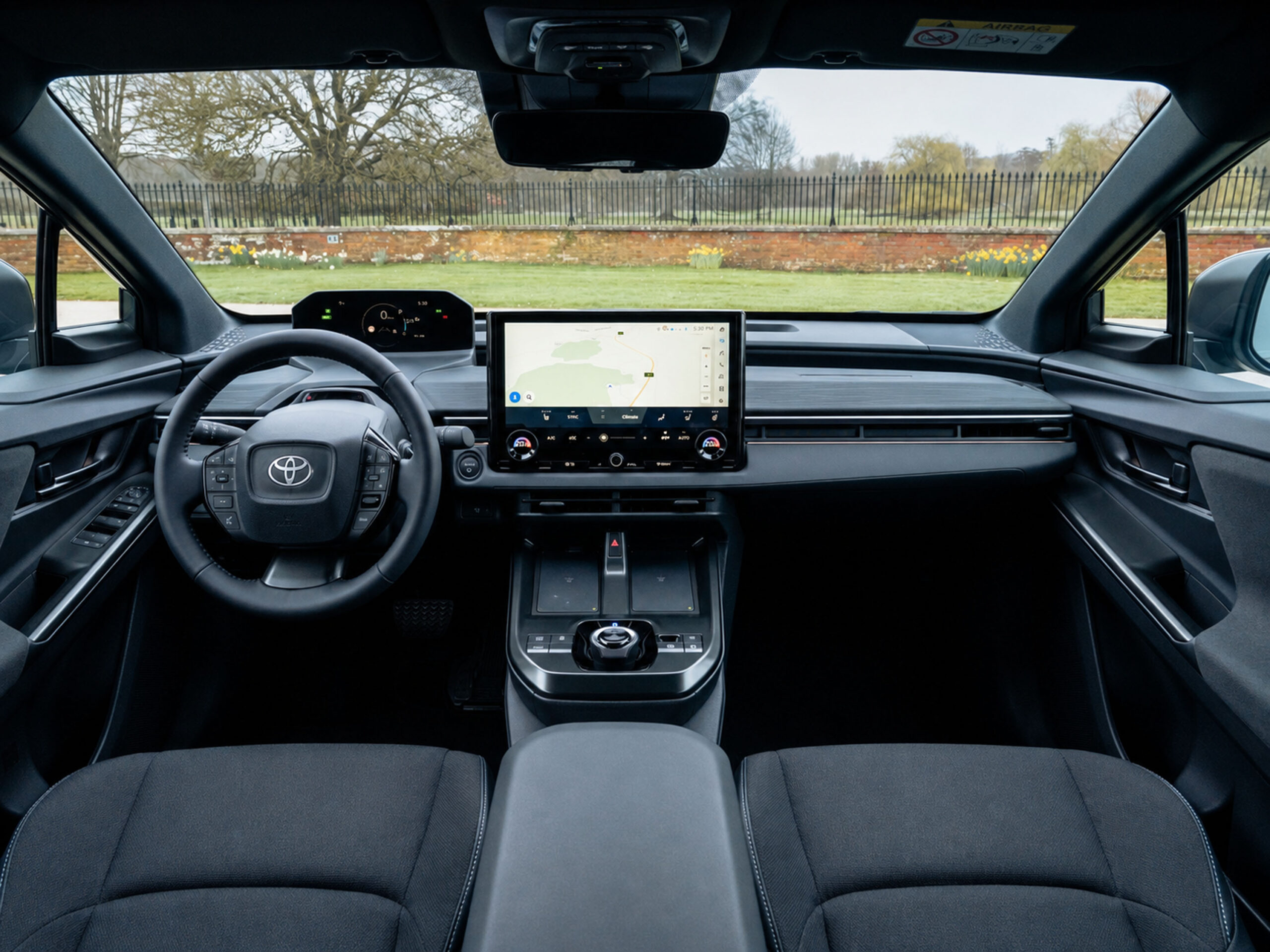
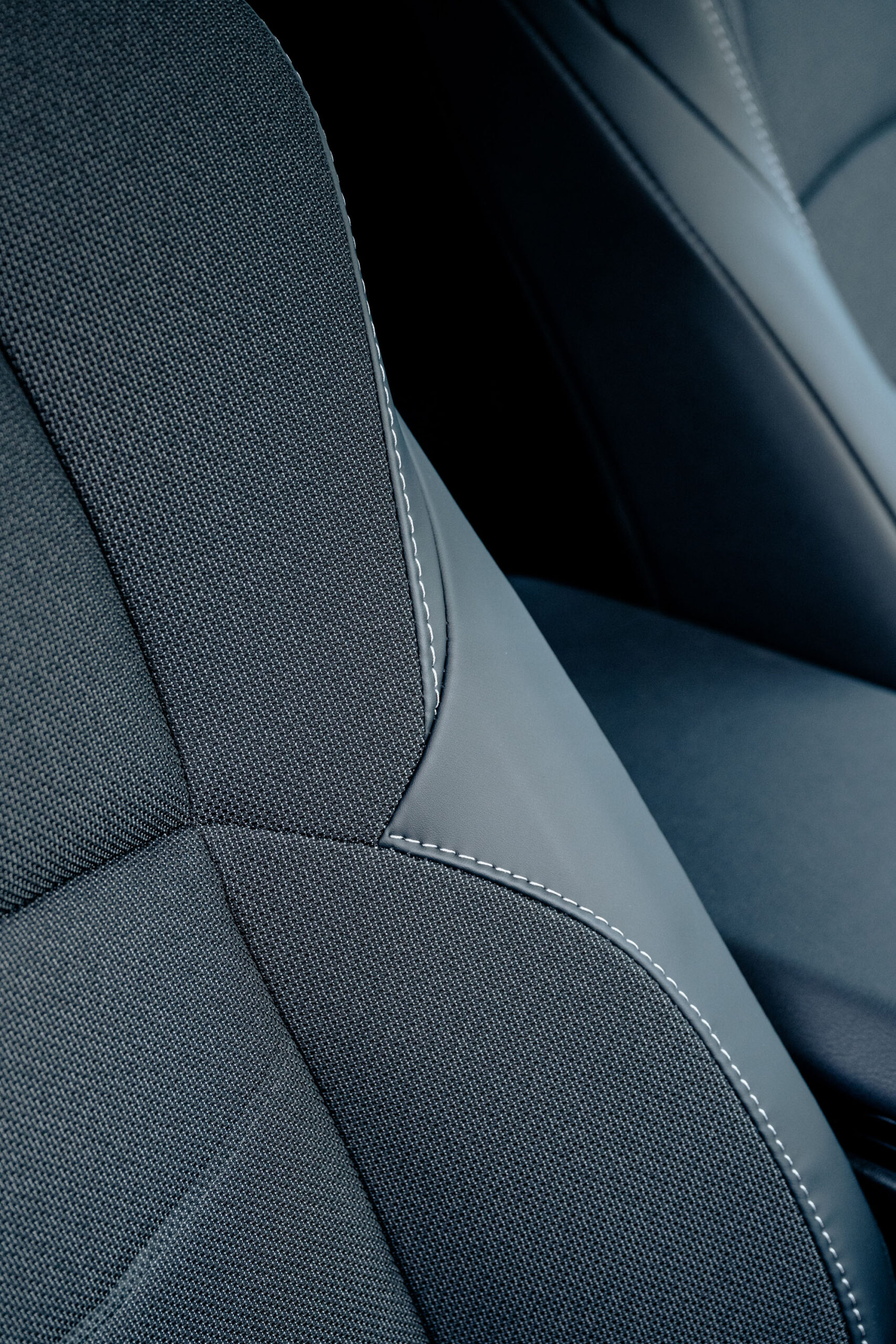
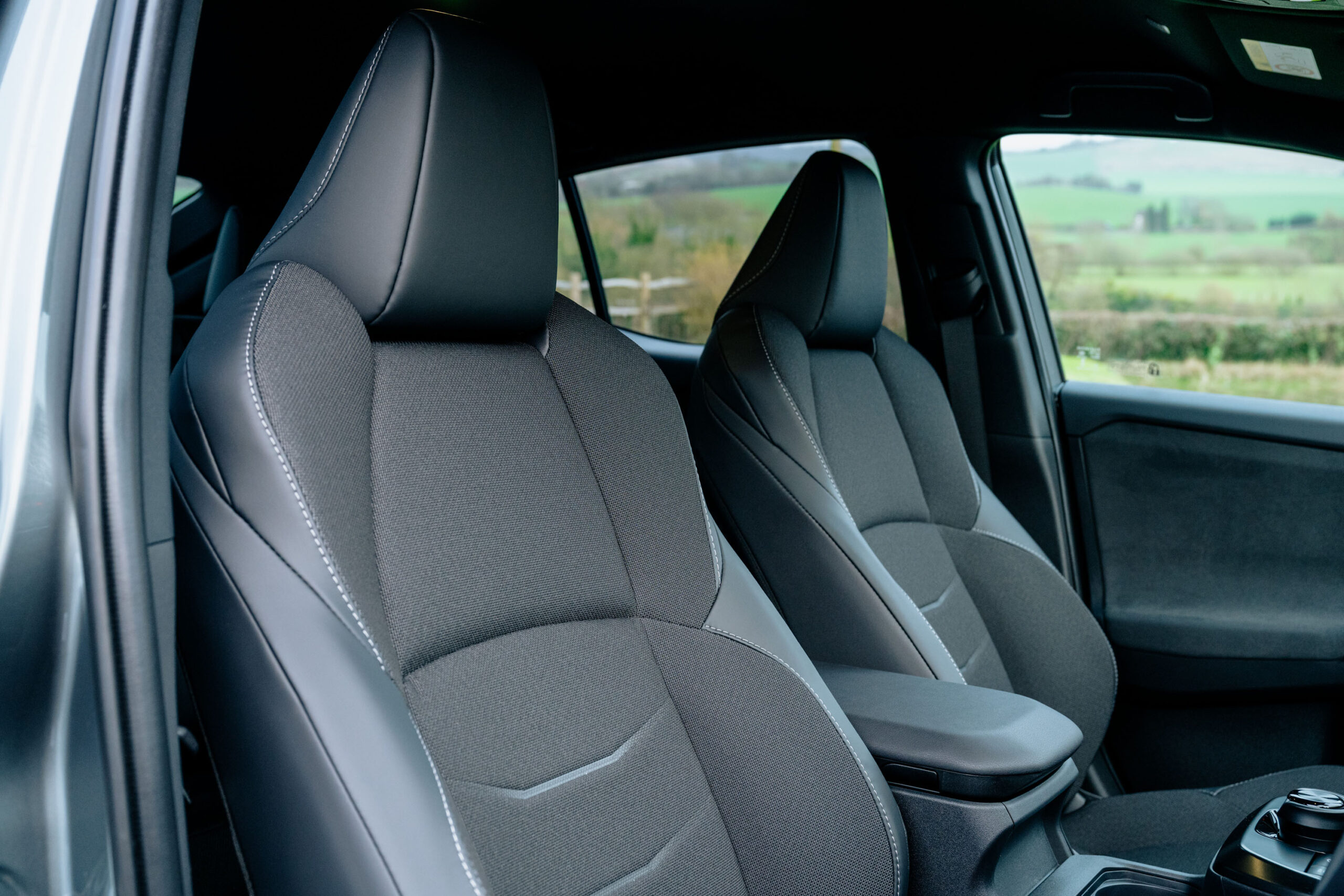
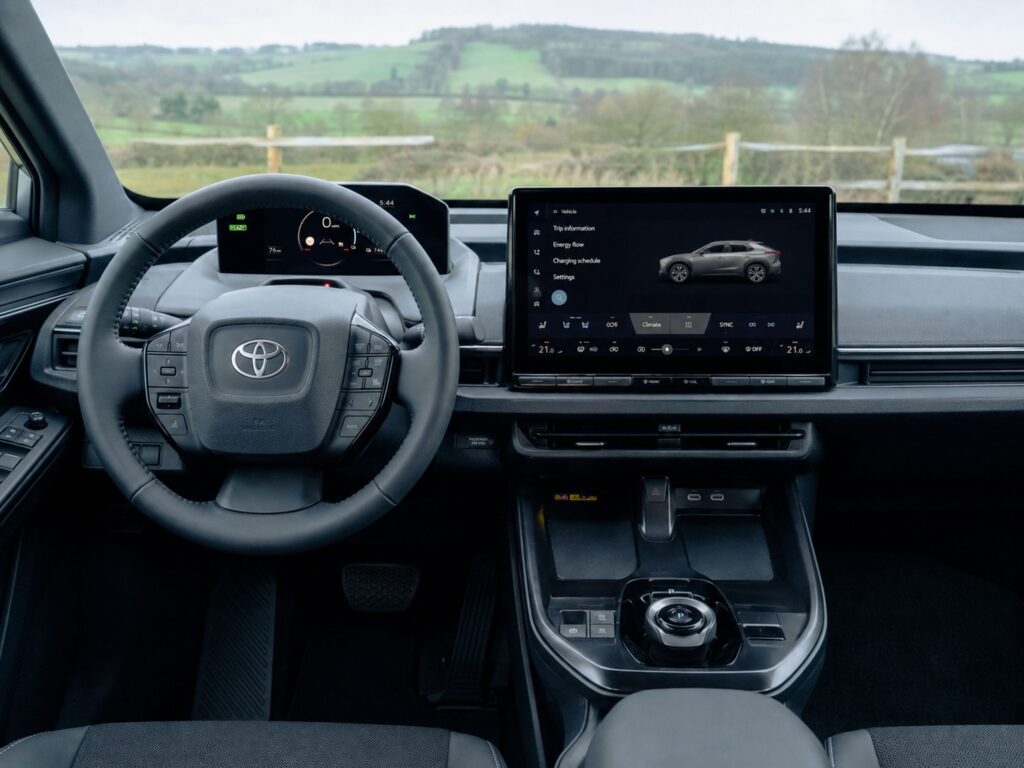
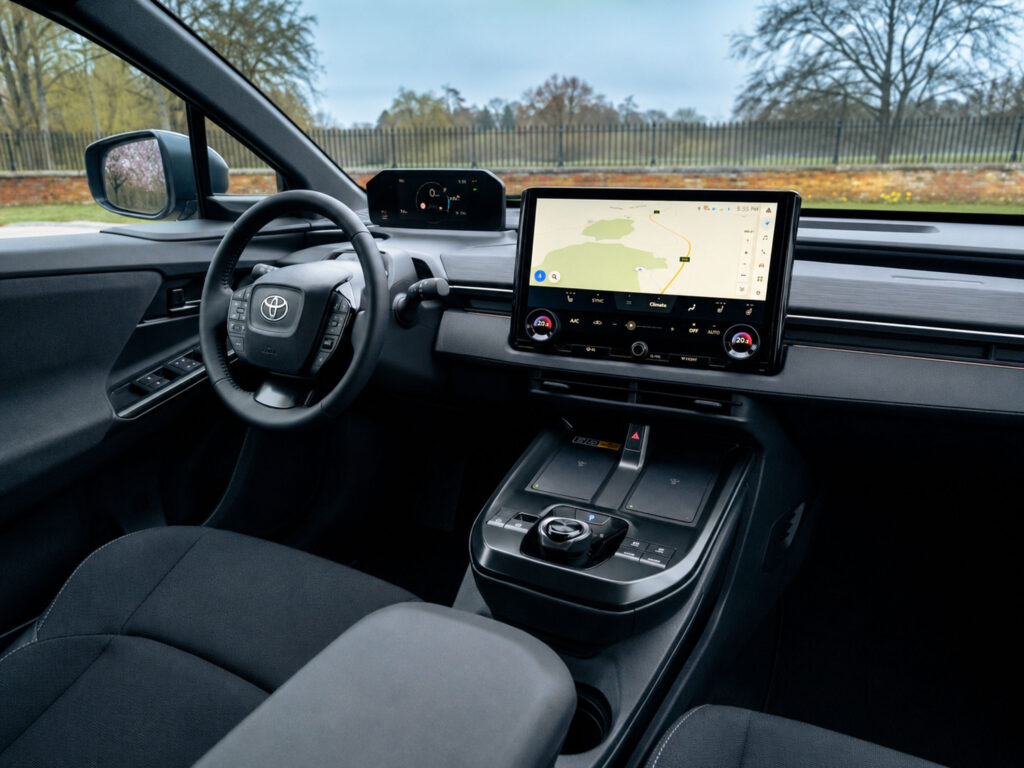
Toyota describes the cabin as providing premium-level comfort and highlights the 14-inch central multimedia display, 7-inch driver display, ambient lighting and sustainable seat materials.
None of those elements are inadequate.
The problem is that none of them feel particularly special anymore.
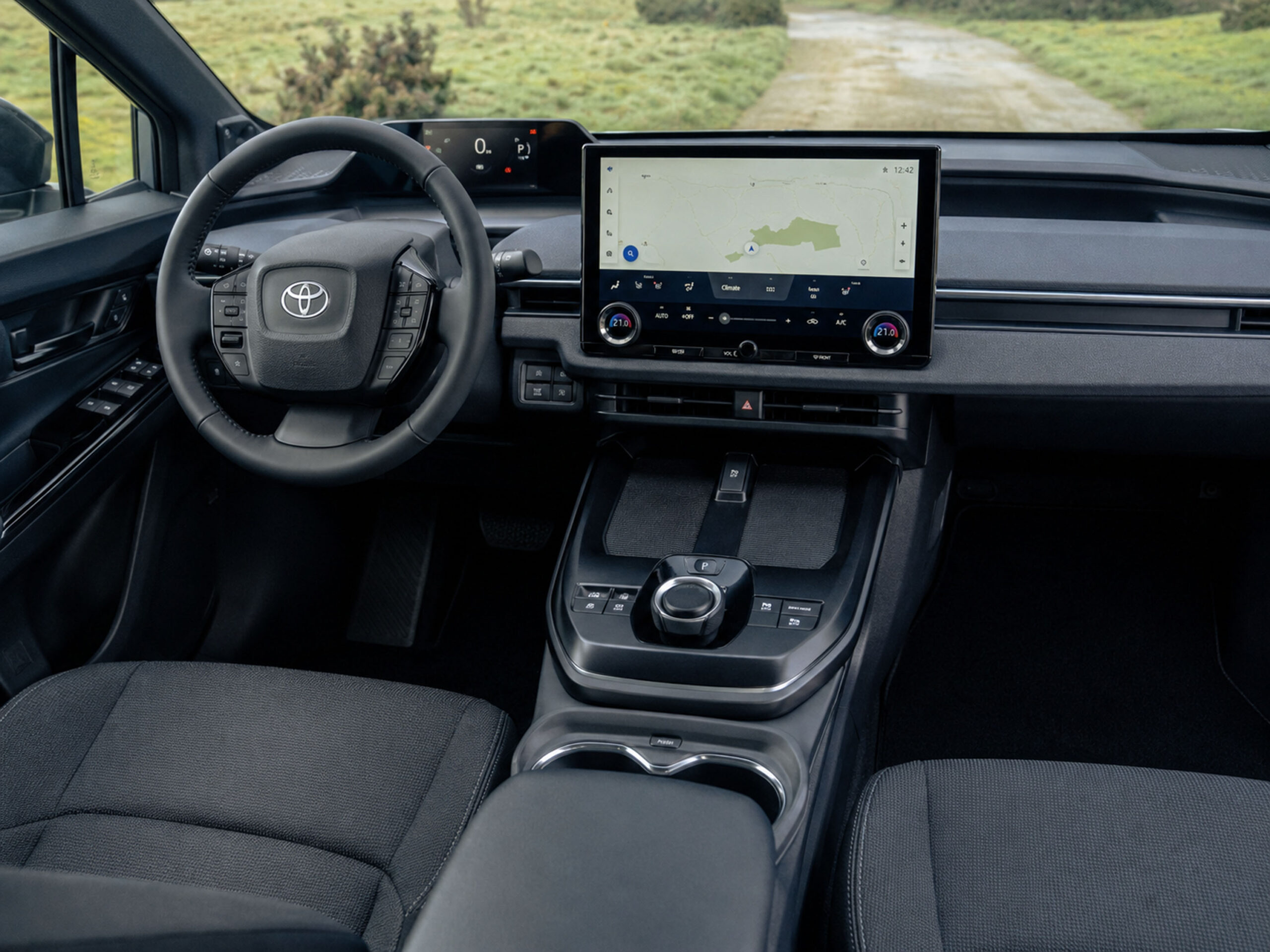
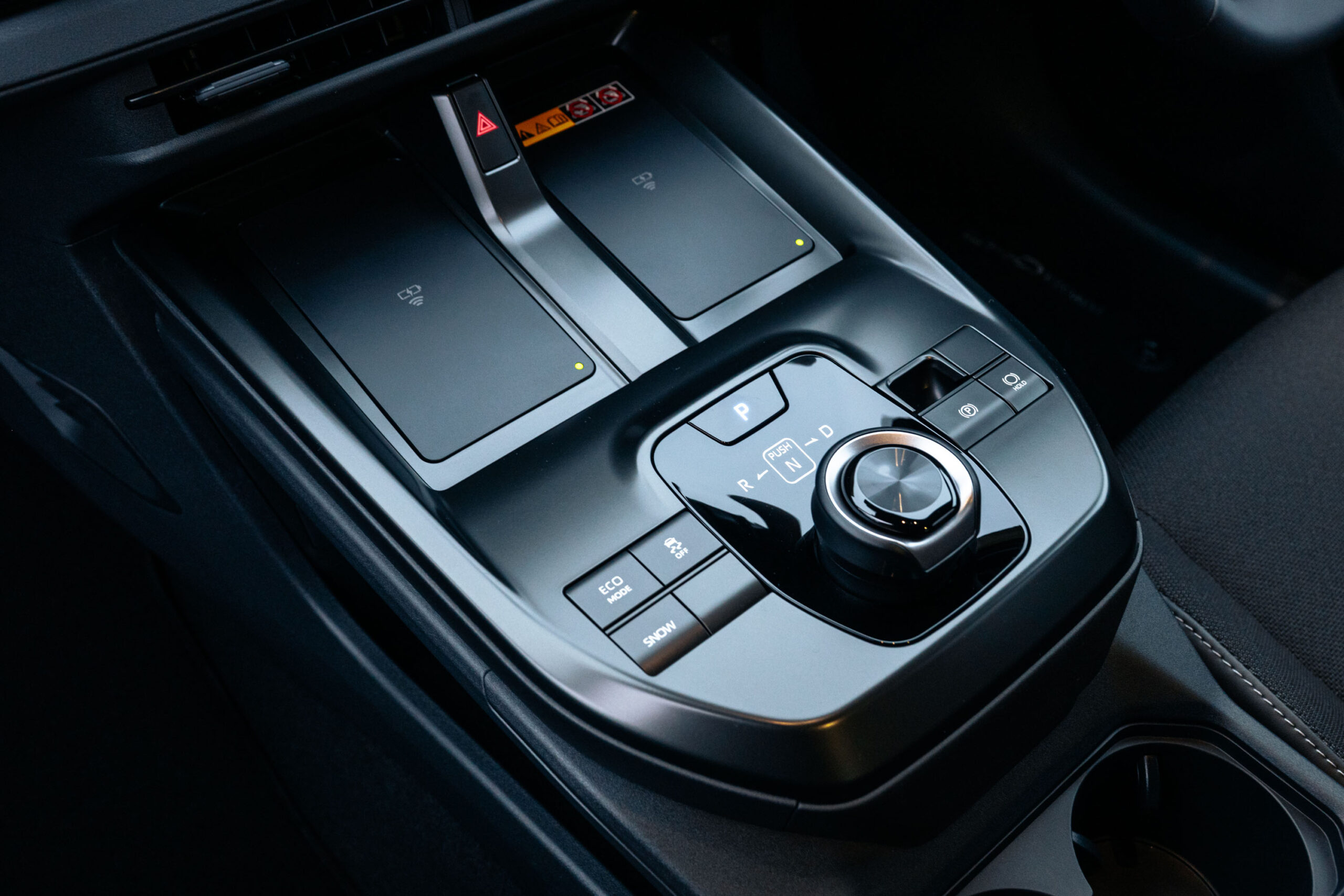
The architecture is familiar Toyota. The dashboard, switchgear, display integration and console design all feel competent, but there is little sense of discovery. It is an interior that looks like something we have already seen in various forms across the industry.
And increasingly, competitors are doing it better.
Korean manufacturers have become exceptionally strong at combining digital displays with carefully integrated physical controls and distinctive materials. Chinese manufacturers frequently offer enormous displays, high-quality cameras, elaborate ambient lighting, ventilated seats and unexpectedly rich material combinations even at mainstream price points.
European interiors vary enormously, but the best still provide a level of visual coherence and perceived quality that Toyota struggles to match here.
The C-HR+ interior is therefore not bad.
It is simply no longer impressive.
Twenty years ago, being well assembled and logically arranged was enough to establish Toyota as a quality benchmark.
Today that is merely the entry requirement.
The Remnants of the Old Toyota Quality Are Still There
This is perhaps the most interesting aspect of the C-HR+.
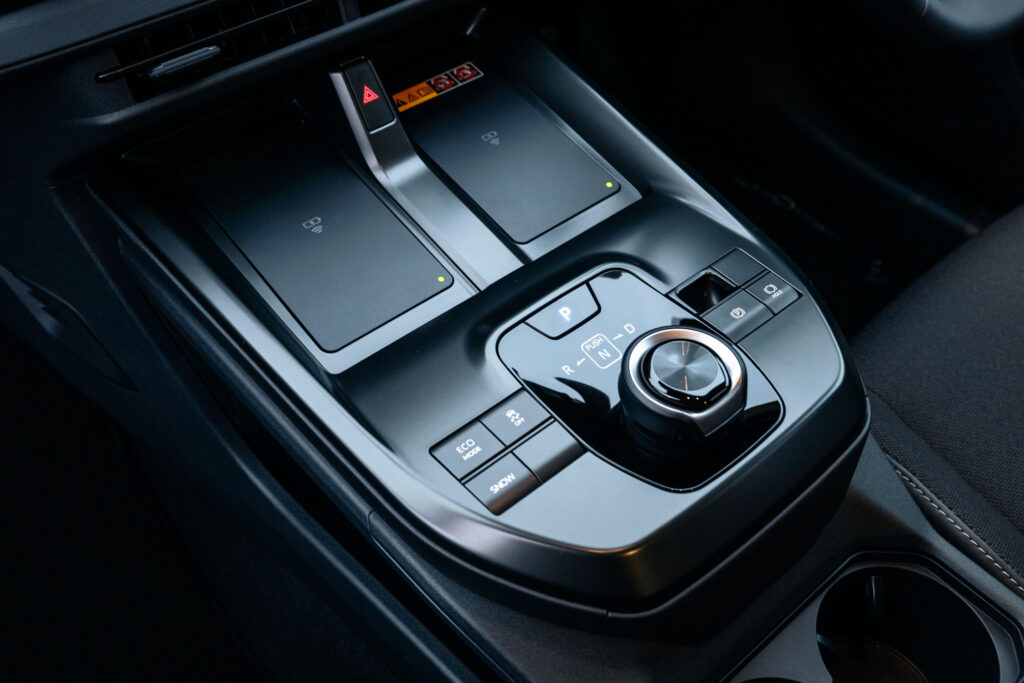
Spend time touching the controls and looking more closely at the construction, and there are still elements that remind you why Toyota earned its reputation.
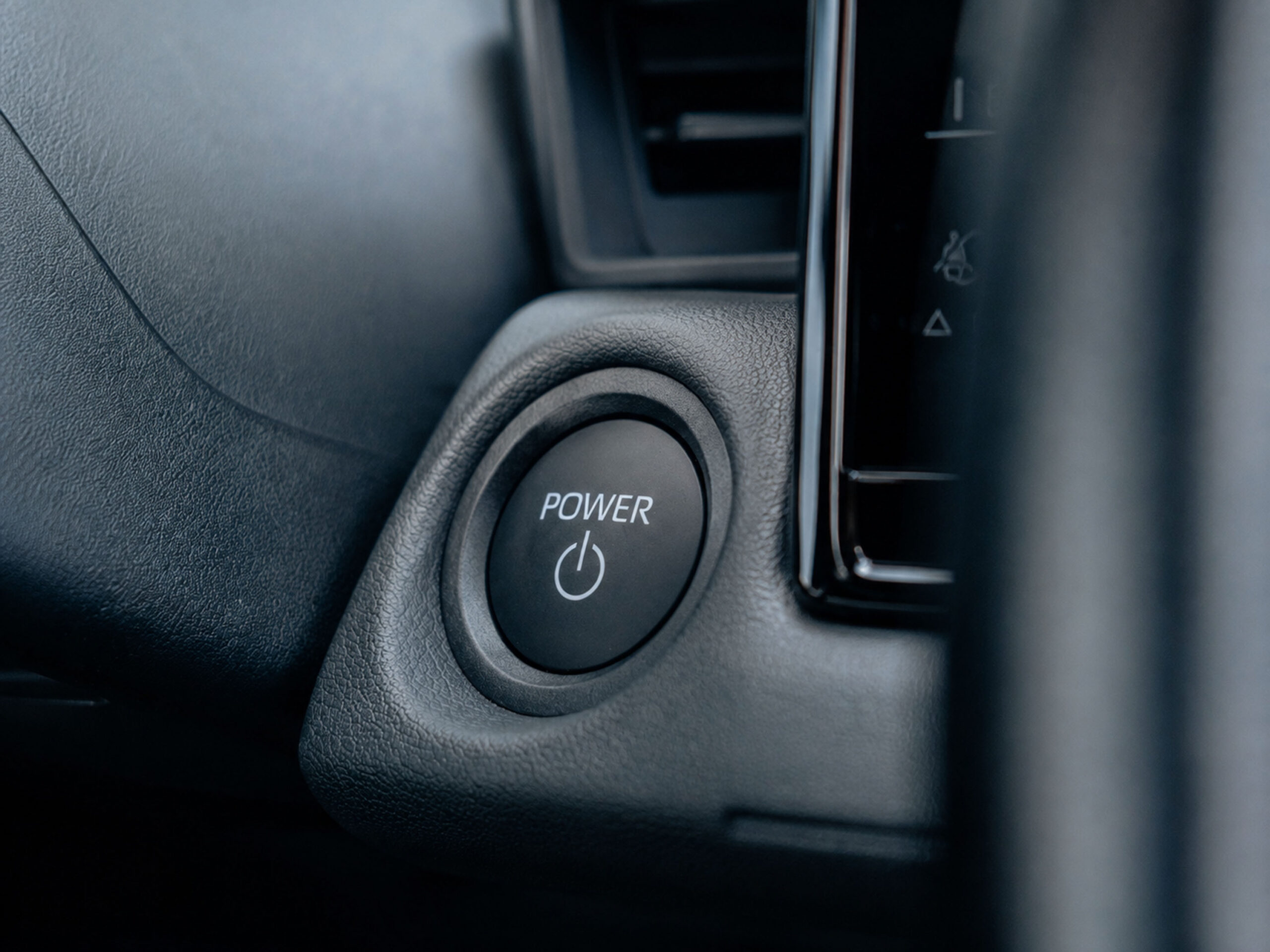
Switches operate cleanly. The controls generally feel durable. There is little of the superficial fragility sometimes found in vehicles designed primarily to create an impressive showroom experience.
Toyota still understands engineering discipline.
The issue is that perceived quality has evolved.
Customers do not experience quality only through longevity. They experience it through the appearance of materials, tactile response, graphics, sound quality, seat design, lighting, interface speed and dozens of other small interactions.
A beautifully damped switch no longer compensates for a dashboard that feels visually ordinary.
Toyota’s historic strengths remain present, but the definition of premium quality has expanded around them.
The C-HR+ therefore sometimes feels like a company continuing to perfect qualities customers increasingly take for granted.
Reputation Is Powerful, but It Can Become Dangerous
Toyota has one advantage that many newer competitors would desperately like to possess: trust.
Millions of customers associate the Toyota badge with reliability, low maintenance costs and vehicles that continue operating long after competitors begin developing problems.
That reputation was earned over decades.
But reputation can also insulate a manufacturer from recognising how quickly expectations are changing.
A customer comparing the C-HR+ with a Korean or Chinese electric vehicle may now find that the competitor offers a more luxurious-looking cabin, richer materials, more technology and a stronger sense of occasion.
The Toyota response remains quality, durability and reliability.
Those attributes absolutely matter.
But the assumption that customers will always prioritise them over everything else becomes increasingly risky when competing vehicles also become reliable.
Korean brands provide the clearest warning.
Hyundai and Kia spent decades improving precisely the attributes that once separated them from Toyota. Their reliability improved, their powertrains matured, their interiors became dramatically better and their design organisations became among the strongest in the industry.
Toyota can no longer assume that the historical hierarchy remains intact.
Chinese Competition Changes the Equation Again
The arrival of Chinese manufacturers creates an even more fundamental challenge.
Cars such as the BYD Seal U demonstrate how quickly expectations regarding equipment and perceived interior quality are changing. Features that established manufacturers once reserved for expensive option packages are increasingly standard.
Large screens, 360-degree camera systems, ventilated seats, panoramic roofs, advanced driver assistance and elaborate ambient lighting are rapidly becoming normal.
The question for Toyota is no longer whether it can match a Volkswagen or Hyundai.
It must also explain why customers should choose a C-HR+ when an unfamiliar Chinese brand may provide an interior that looks and feels considerably more expensive.
Toyota still has the stronger reputation.
But reputation is an historical asset.
Product is what the customer experiences today.
Ergonomics Are Mostly Conventional, Which Is Welcome
One area where Toyota deserves credit is its reluctance to eliminate every familiar control.
The C-HR+ still feels recognisably like a normal car to operate.
There is a 14-inch touchscreen, but Toyota has not entirely surrendered the interior to it. The steering wheel contains conventional controls, and important vehicle functions remain reasonably accessible.
This is particularly welcome after driving vehicles such as the Polestar 4, where minimalism sometimes requires the driver to learn new ways of performing familiar tasks.
Toyota’s conservatism works in its favour here.
Where the C-HR+ becomes more frustrating is in some of the electronic assistance systems and regenerative braking settings.
Regenerative Braking Should Be Easier to Make Permanent
Toyota provides four regenerative braking levels controlled through paddles behind the steering wheel. This is a sensible system because it allows the driver to quickly change the amount of deceleration without navigating through touchscreen menus.
The problem is persistence.
The driver can select stronger regeneration, but the preferred setting does not necessarily become the permanent default for future journeys.
This is a missed opportunity.
One of the great advantages of an electric drivetrain is the ability to tailor deceleration behaviour. Once a driver discovers a preferred level, requiring repeated selection after restarting the vehicle adds unnecessary interaction.
Toyota deserves credit for providing physical paddles.
It should go one step further and allow the chosen behaviour to become part of the driver profile.
Driver Warnings Illustrate a Wider European Problem
The same problem applies to the increasingly extensive collection of warning and assistance functions.
Modern European regulations require several systems to reactivate every time the vehicle is started. As a result, drivers who find particular warnings intrusive frequently develop a start-up routine in which they disable them repeatedly.
This is not exclusively Toyota’s fault.
Every manufacturer operating in Europe faces the same regulatory environment.
But manufacturers still control how easily those settings can be accessed and how sensitively the systems operate.
A well-calibrated assistance system should remain in the background. If drivers immediately want to switch it off, the implementation has failed regardless of whether the underlying intention is good.
The C-HR+ does not solve this problem.
Neither, to be fair, does most of the industry.
Space Is Better Than the Exterior Suggests
The C-HR+ does score strongly in packaging.
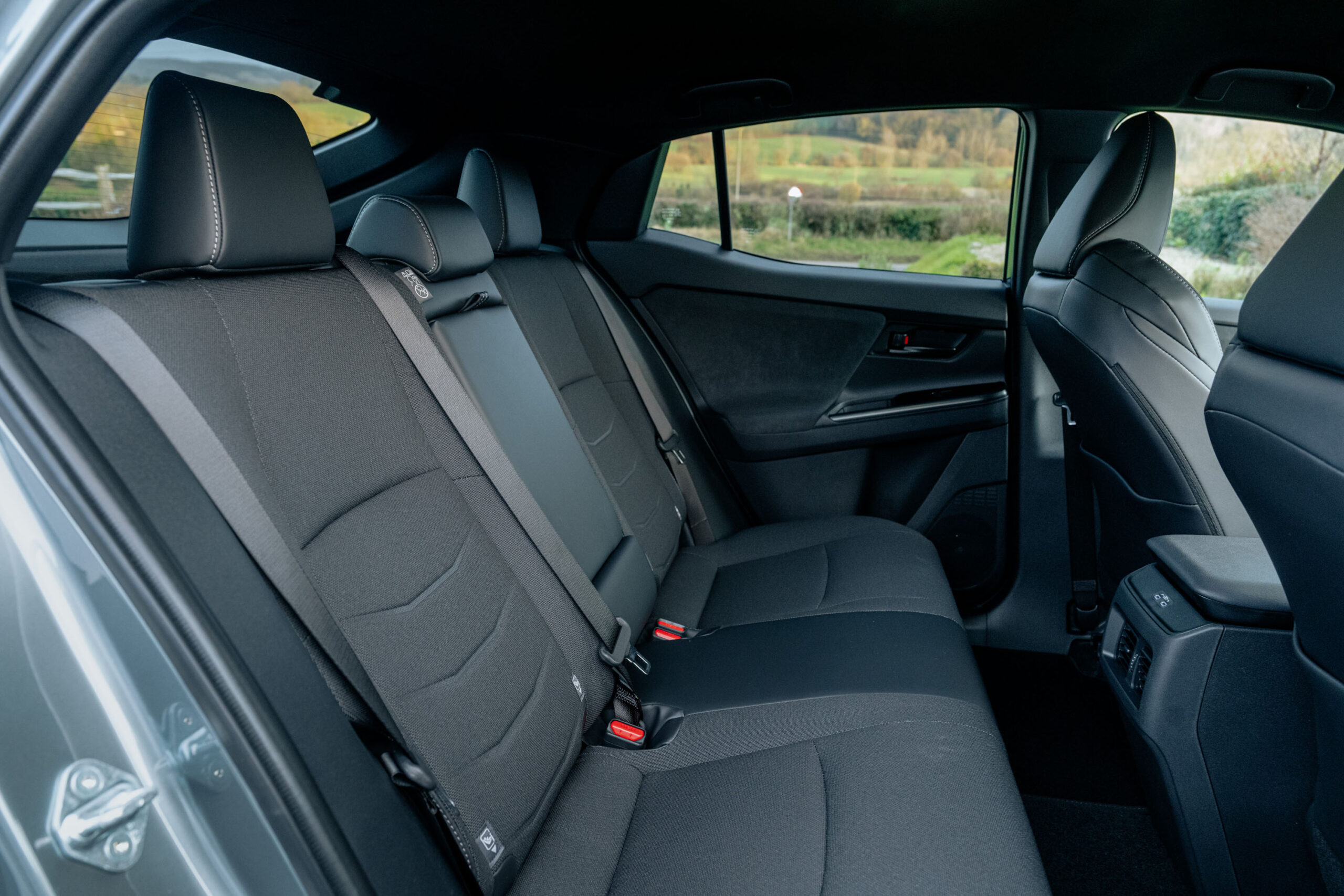
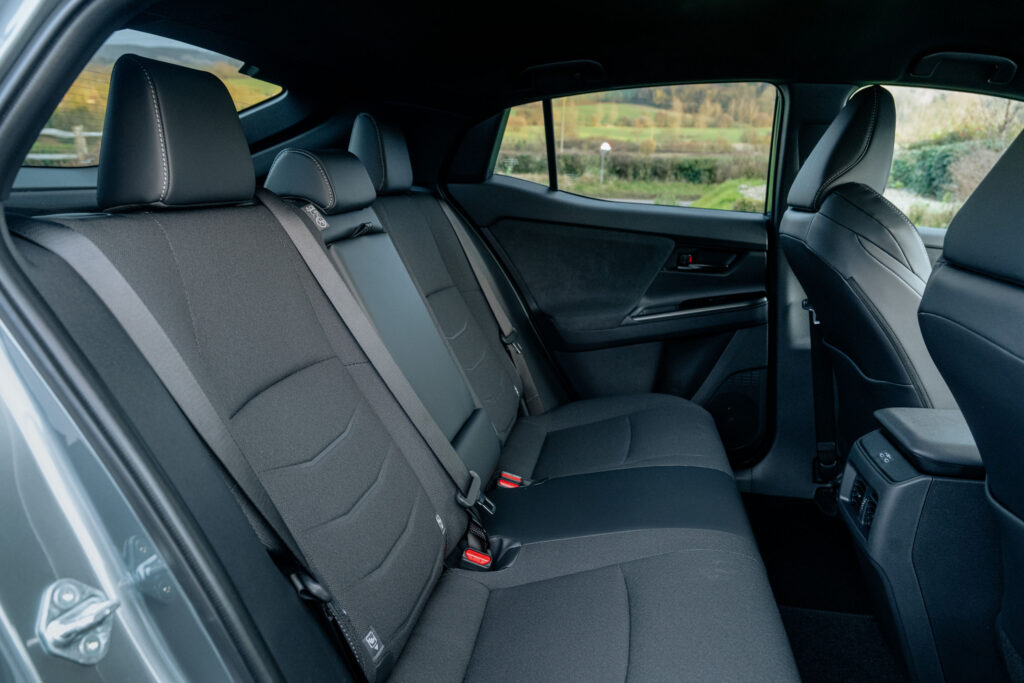
The 2,750 mm wheelbase creates considerably more passenger space than the low roofline suggests. Toyota quotes a front-to-rear seat distance of 900 mm, and rear legroom is genuinely useful.
The rear compartment does not suffer as badly from the coupé silhouette as might be expected, and the underfloor battery allows Toyota to exploit the dedicated BEV architecture efficiently.
Boot capacity is approximately 416 litres, which is respectable but hardly exceptional.
Again, the vehicle is competent rather than class-leading.
That description starts to recur surprisingly often.
Toyota Has Finally Built a More Convincing BEV Package
Technically, however, the C-HR+ represents a substantial improvement in Toyota’s electric offering.
The 77 kWh front-wheel-drive model’s official range of up to 607 km puts it firmly into competitive territory. Even allowing for the inevitable difference between WLTP and real-world driving, that is enough to remove range anxiety for most normal use.
The 150 kW maximum DC charging rate is adequate rather than spectacular, but Toyota has paid more attention to maintaining charging performance across different temperatures. Battery preconditioning can operate manually, automatically through navigation or according to a schedule.
Toyota also claims a 10 to 80 percent charging time of approximately 28 minutes under suitable conditions.
None of this moves the technological benchmark forward.
But crucially, Toyota is no longer dramatically behind it either.
Where Toyota Still Has a Genuine Advantage
Toyota’s most convincing argument may actually be the part of the car customers cannot evaluate during a short test drive.
Durability.
Toyota’s approach to battery longevity remains notably conservative, and the company offers extensive battery health coverage subject to regular checks. That philosophy reflects the same engineering mindset that built Toyota’s reputation in the first place.
For buyers planning to keep a vehicle for ten years rather than three, this matters enormously.
The challenge is communicating that value against competitors whose immediate showroom appeal is much stronger.
A customer can see a richer interior.
A customer can feel better materials.
A customer can experience a faster infotainment system.
Long-term durability requires trust.
Toyota still has that trust, but it is increasingly asking customers to buy partly on faith that the historical reputation will remain more valuable than the immediately visible advantages of competing products.
Has Toyota Become Too Comfortable?
This is ultimately the uncomfortable question raised by the C-HR+.
Toyota remains one of the world’s greatest automotive companies. Its manufacturing capability, engineering depth and accumulated knowledge are extraordinary.
But greatness can create inertia.
When Car Design TV began in 2006, Toyota and Lexus helped establish expectations that many competitors were still trying to reach. Korean manufacturers were improving but had not yet achieved comparable refinement. Chinese manufacturers were barely relevant outside their domestic market.
Today the environment is entirely different.
Toyota’s competitors have spent twenty years studying precisely what made Toyota successful.
Toyota, meanwhile, sometimes appears to have assumed that maintaining its traditional strengths would be enough.
The C-HR+ suggests otherwise.
From an Automotive Designer’s Perspective
The most revealing aspect of the C-HR+ is that neither its exterior nor interior feels unsuccessful.
They simply do not feel leading.
The exterior is energetic, recognisable and technically competent, but it relies heavily on graphical complexity to create identity. The result is quirky rather than sophisticated.
The interior is ergonomically reasonable, competently assembled and adequately equipped, but visually it feels familiar and conservative at a time when competitors are redefining what a mainstream cabin can look and feel like.
Toyota is therefore caught between two philosophies.
Outside, it works extremely hard to look different.
Inside, it does not work hard enough to feel different.
That imbalance is strange.
The better solution would be almost the reverse: a more confident, refined exterior supported by an interior that surprises customers through exceptional material quality, intelligent interface design and genuinely distinctive detail.
Instead, much of the C-HR+’s personality is concentrated on the body surface.
Design Identity Should Not Depend on Quirkiness
Toyota has clearly decided that strong visual identity is important, and that is correct.
The problem is how that identity is created.
The strongest automotive brands can produce distinctive vehicles without relying on arbitrary complexity. Porsche can remove almost every badge from a 911 and it remains unmistakable. Range Rover has built decades of identity around proportion rather than decoration. Volvo’s strongest modern products achieve recognition through stance, lighting and controlled surfaces.
Toyota often appears to be using unusual graphics as a substitute for this deeper design identity.
The C-HR+ is unquestionably recognisable.
But recognition created through visual noise is different from recognition created through design confidence.
Toyota’s next generation of electric vehicles should aim for the latter.
The C-HR+ Is Competent in an Era When Competence Is Not Enough
This may be the central problem.
Almost everything about the Toyota C-HR+ can be described as competent.
The range is competitive.
The charging is competitive.
The passenger space is competitive.
The technology is competitive.
The perceived quality is competitive.
The performance is competitive.
But the electric SUV market is now filled with competent vehicles.
Some competitors offer more emotional design. Others offer better perceived interior quality. Some provide considerably more technology for the money, while others have stronger digital interfaces or faster charging.
Toyota once succeeded because its quality and reliability placed it clearly above much of the mainstream market.
When everyone becomes competent, that historical advantage becomes much harder to see.
Verdict
The 2026 Toyota C-HR+ is not a bad car.
That is precisely the problem.
Toyota has produced a thoroughly competent electric SUV at a time when merely being competent is no longer enough to distinguish one of the world’s largest and most respected automotive manufacturers.
Its dedicated electric architecture provides useful interior space, the larger battery offers genuinely competitive range and Toyota has clearly invested considerable effort in charging consistency, battery conditioning and long-term durability.
The fundamental engineering is sound.
The disappointment lies elsewhere.
The exterior tries hard to stand out but achieves character mainly through quirkiness and graphical complexity rather than genuine refinement. It is recognisable, but not particularly sophisticated.
Inside, the opposite problem appears. The cabin is sensible, familiar and generally well constructed, yet it lacks the material richness, visual imagination and sense of occasion increasingly found in Korean, European and Chinese competitors.
There are still moments where the old Toyota quality philosophy can be felt. Switchgear feels durable and there remains a sense that engineering longevity has been prioritised beneath the surface.
Twenty years ago, that would have been enough to make the Toyota impressive.
Today, competitors have learned the same lessons.
Hyundai and Kia have transformed themselves. European manufacturers have evolved. Chinese companies are advancing at extraordinary speed and are redefining what customers expect in terms of technology, equipment and perceived quality.
Toyota still possesses an enormous reservoir of customer trust.
But trust cannot permanently substitute for product leadership.
The C-HR+ demonstrates that Toyota has successfully joined the modern electric-car market. It does not yet demonstrate that Toyota is leading it.
For a company that once helped establish the benchmark others were trying to reach, that may be the most telling criticism of all.