Porsche Mission S: Rediscovering the Essence of the Sports Car
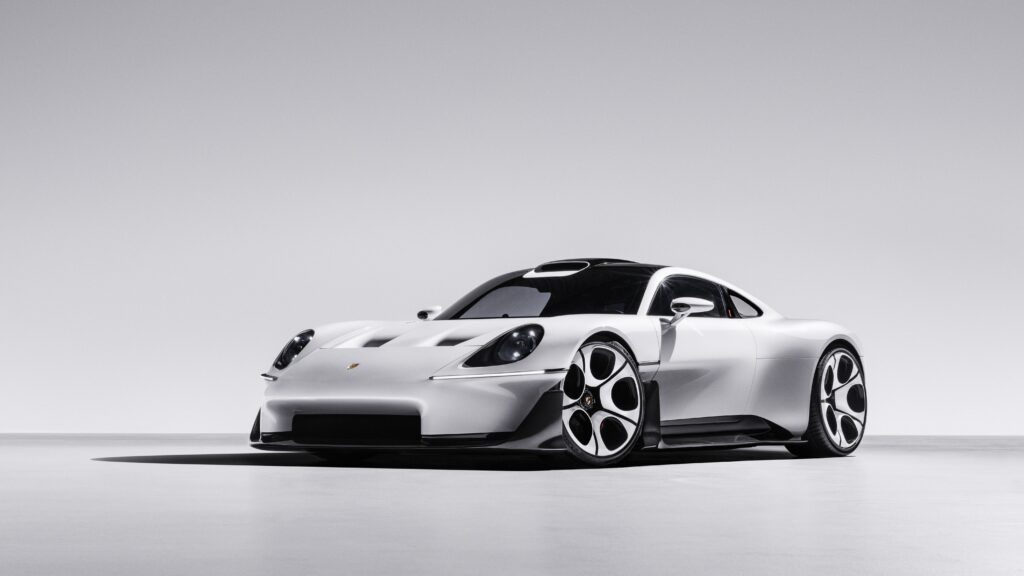
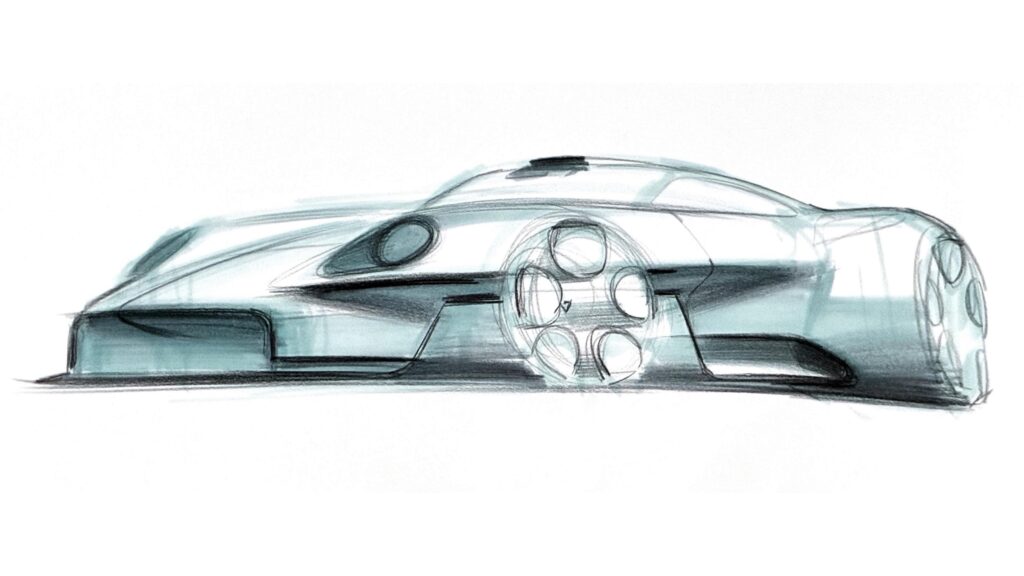
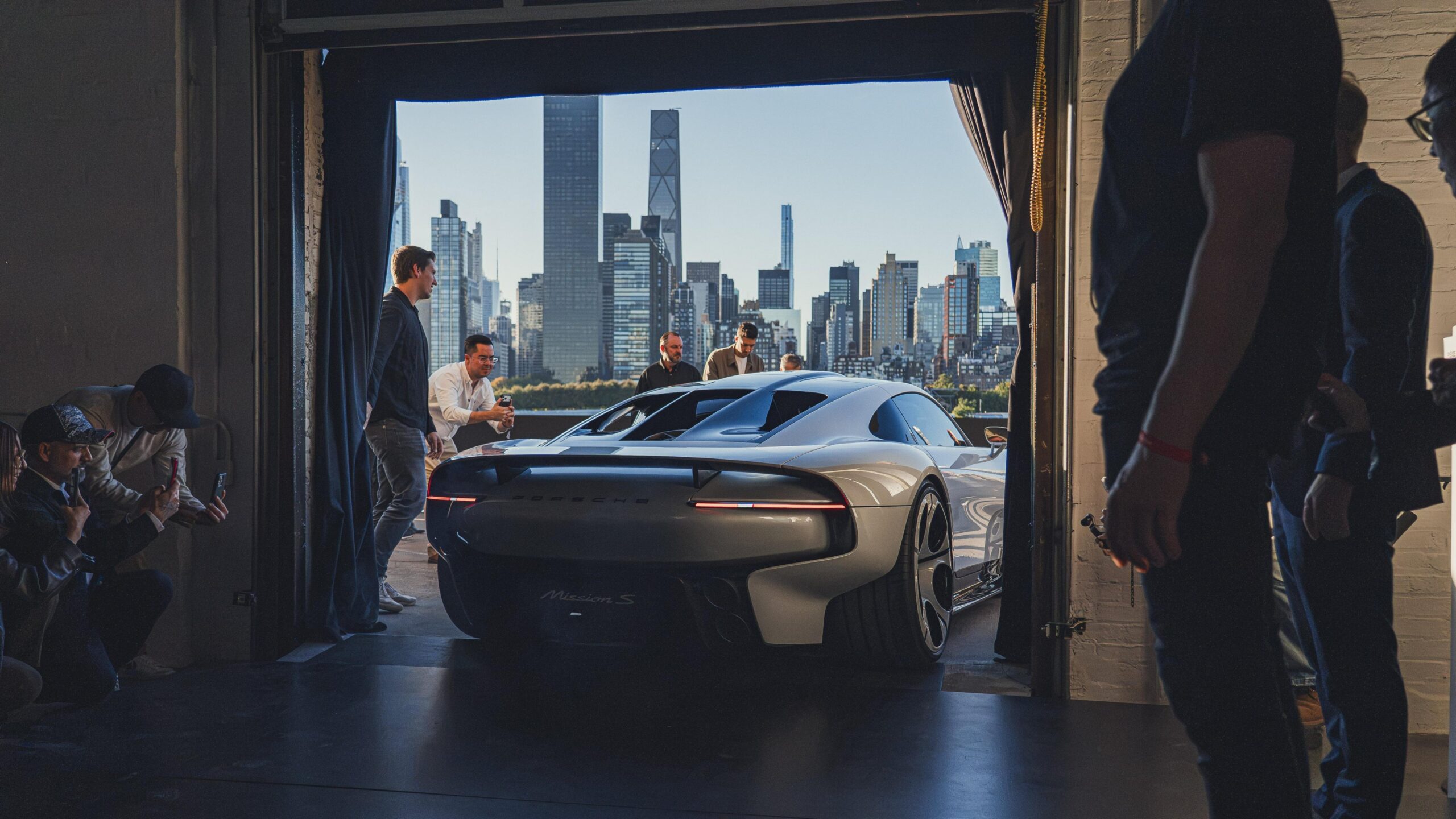
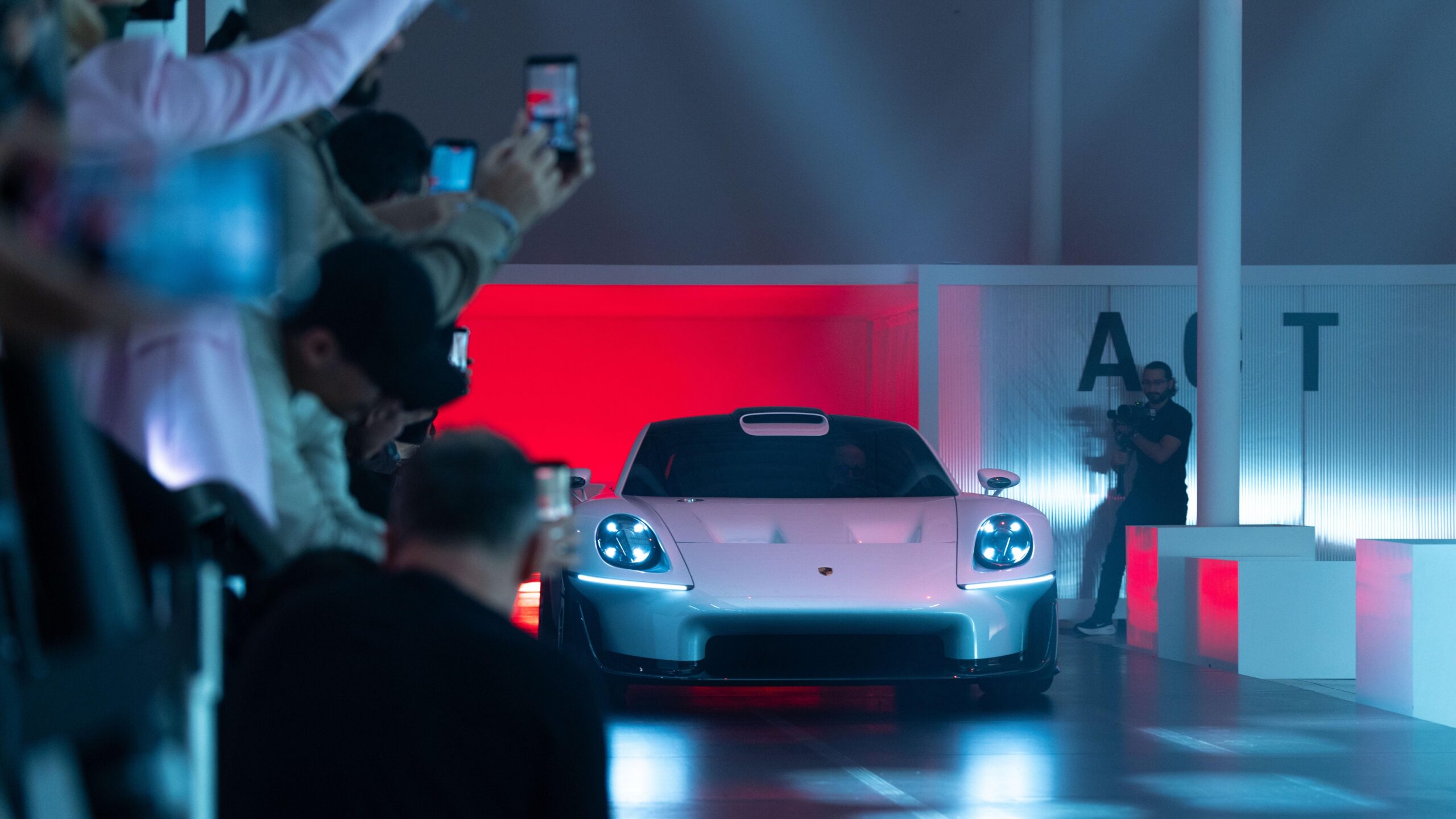
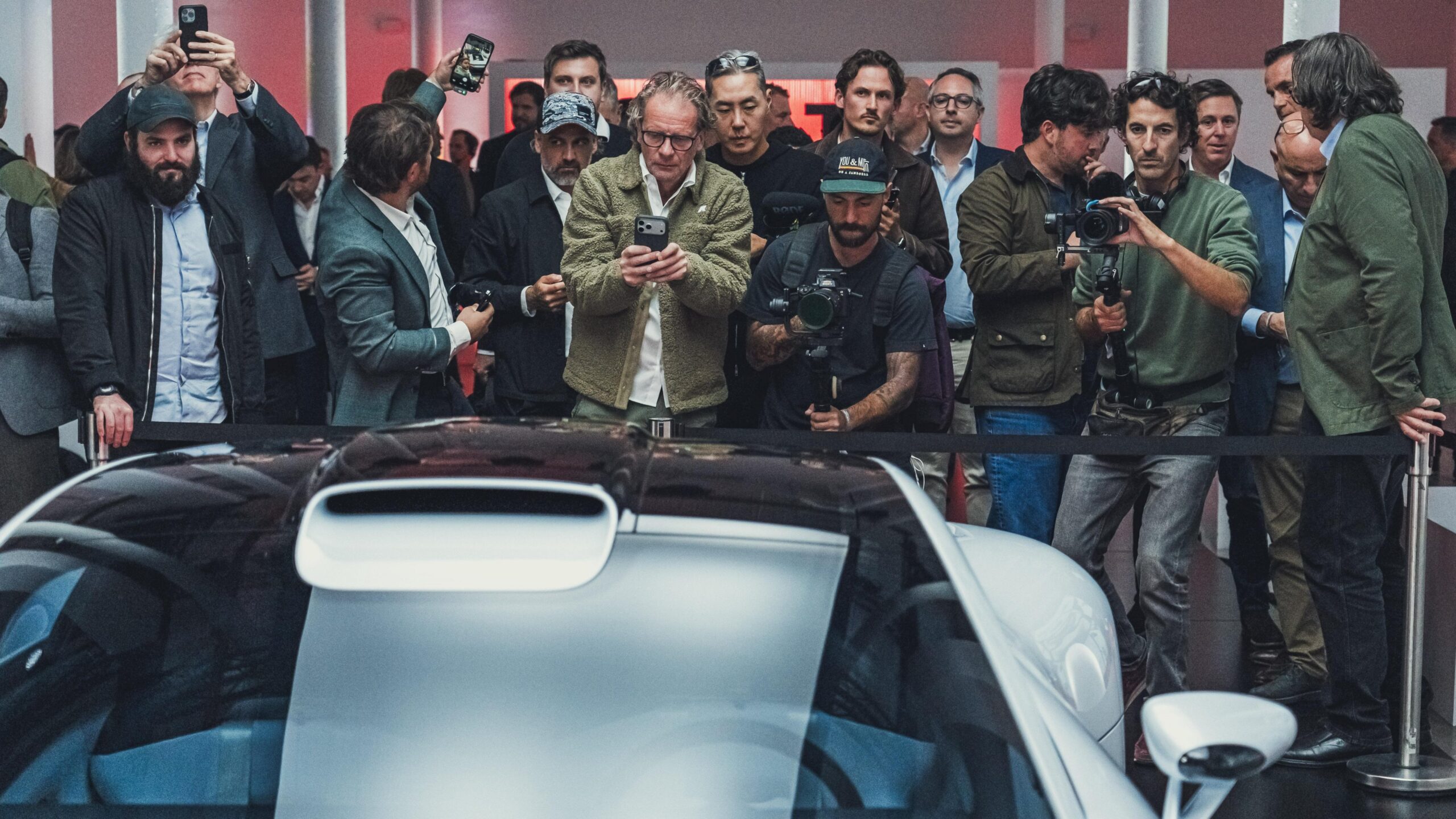
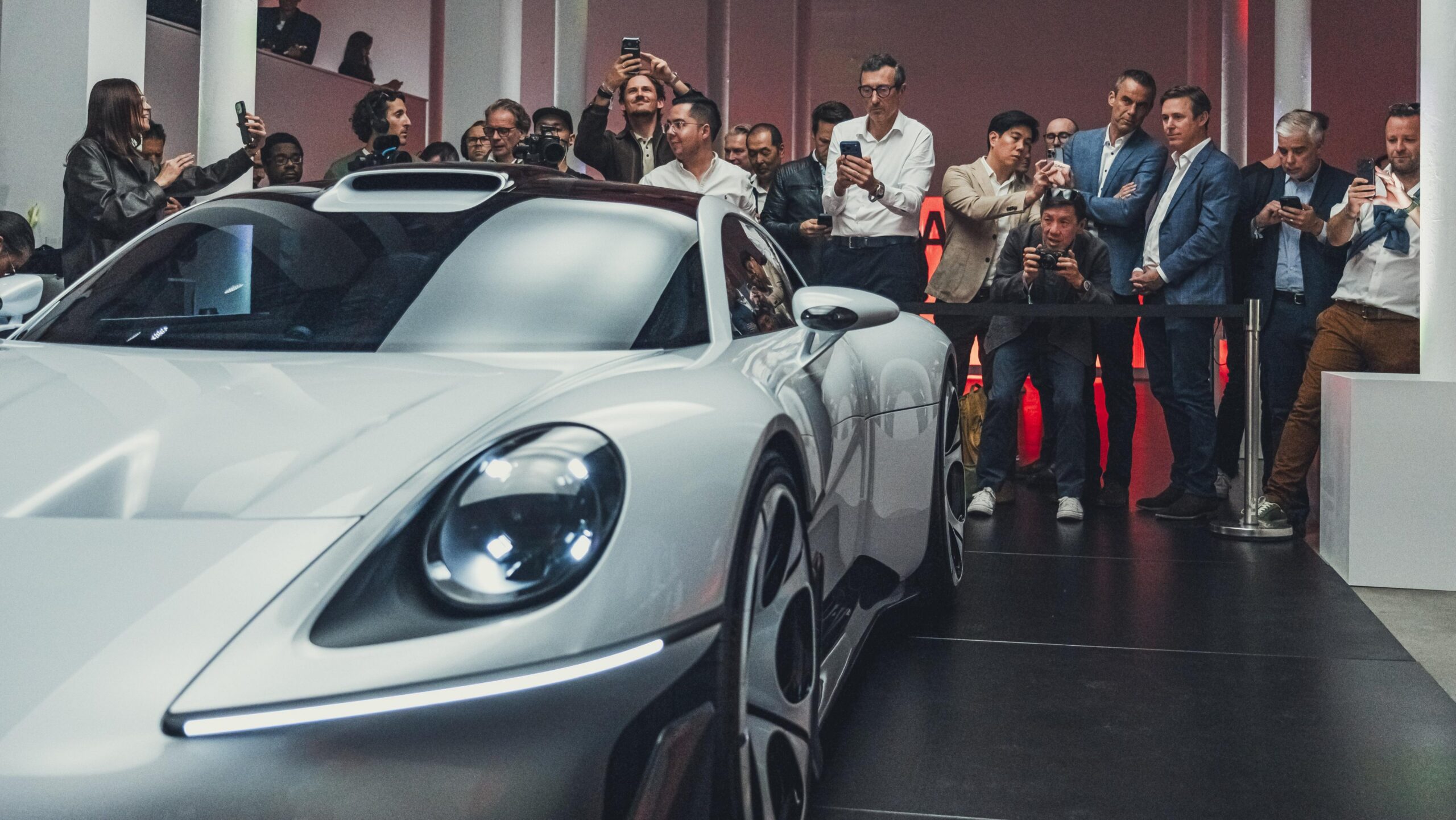
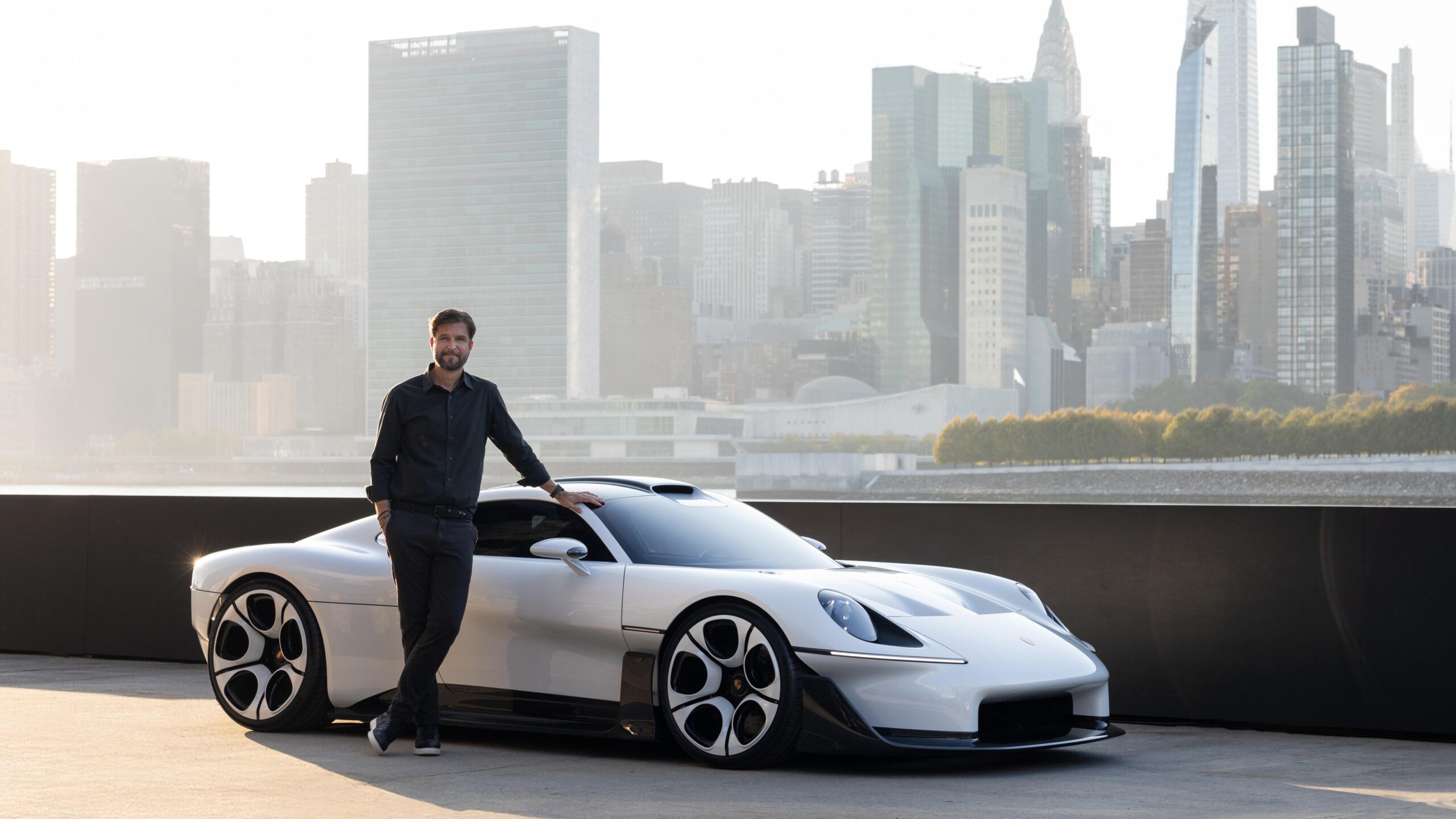
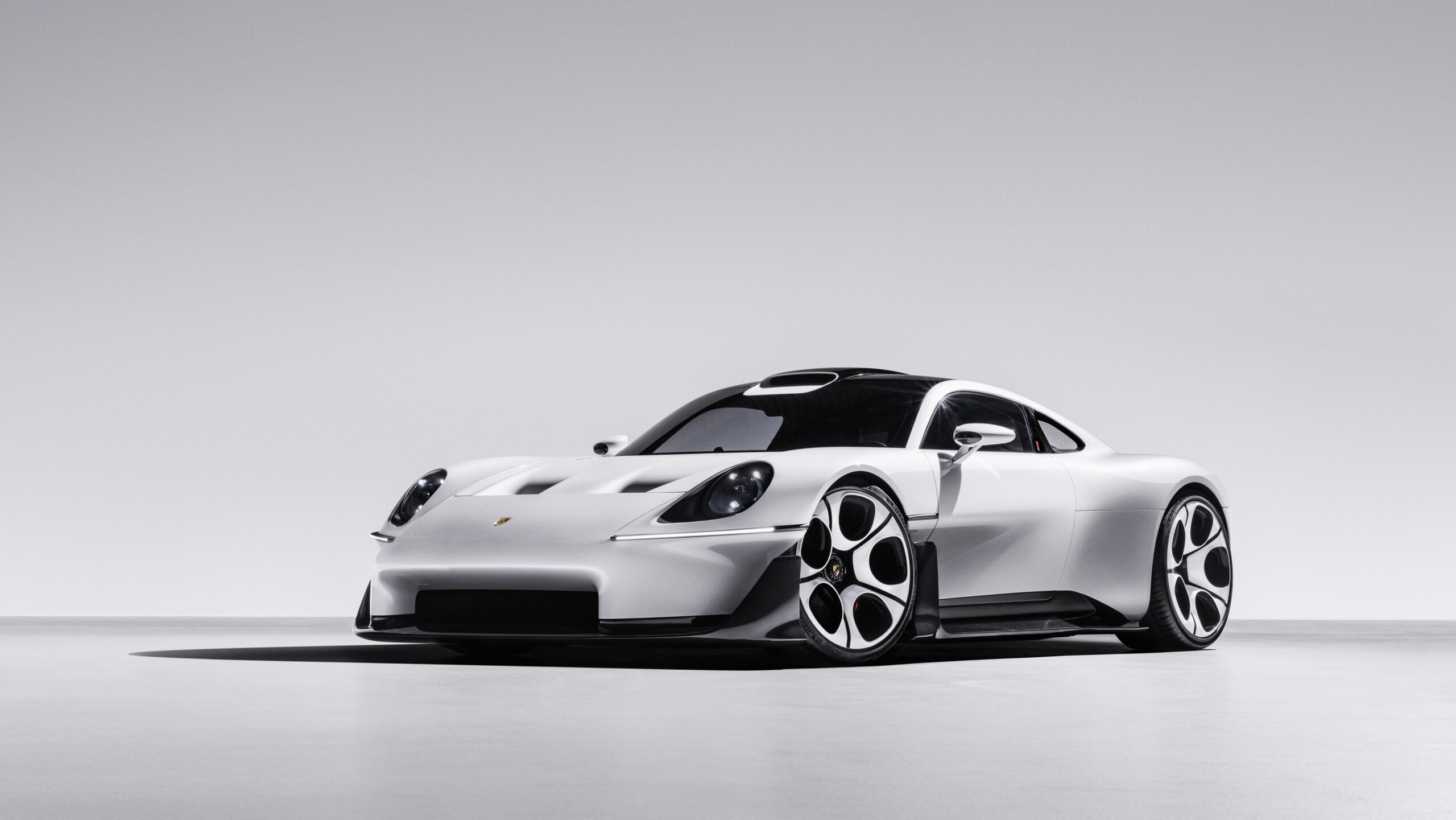
Porsche has unveiled the Mission S, a striking new concept that represents considerably more than another design exercise. Presented in New York on October 15, 2026, the Mission S introduces the next evolution of Porsche’s design identity while revealing plans for an entirely new mid-engine supercar platform positioned above the legendary 911.
Unlike previous Porsche hypercars, which have traditionally been produced in limited numbers, the Mission S represents the foundation for a permanent addition to the company’s sports-car portfolio. Porsche intends to develop a range of models around this new architecture, combining its motorsport heritage with a more focused interpretation of what a modern high-performance sports car should be.
Perhaps the most interesting aspect of the Mission S is its design philosophy. At a time when automotive manufacturers increasingly rely on elaborate lighting graphics, oversized displays and complicated surface treatments, Porsche is exploring a return to simplicity, authenticity and the fundamental relationship between driver and machine.
A New Chapter in Porsche’s Sports Car History
The Mission S has been developed as part of Porsche’s new strategic direction, known as Sportwagenschmiede ’35, which establishes the company’s vision for the next generation of sports cars.
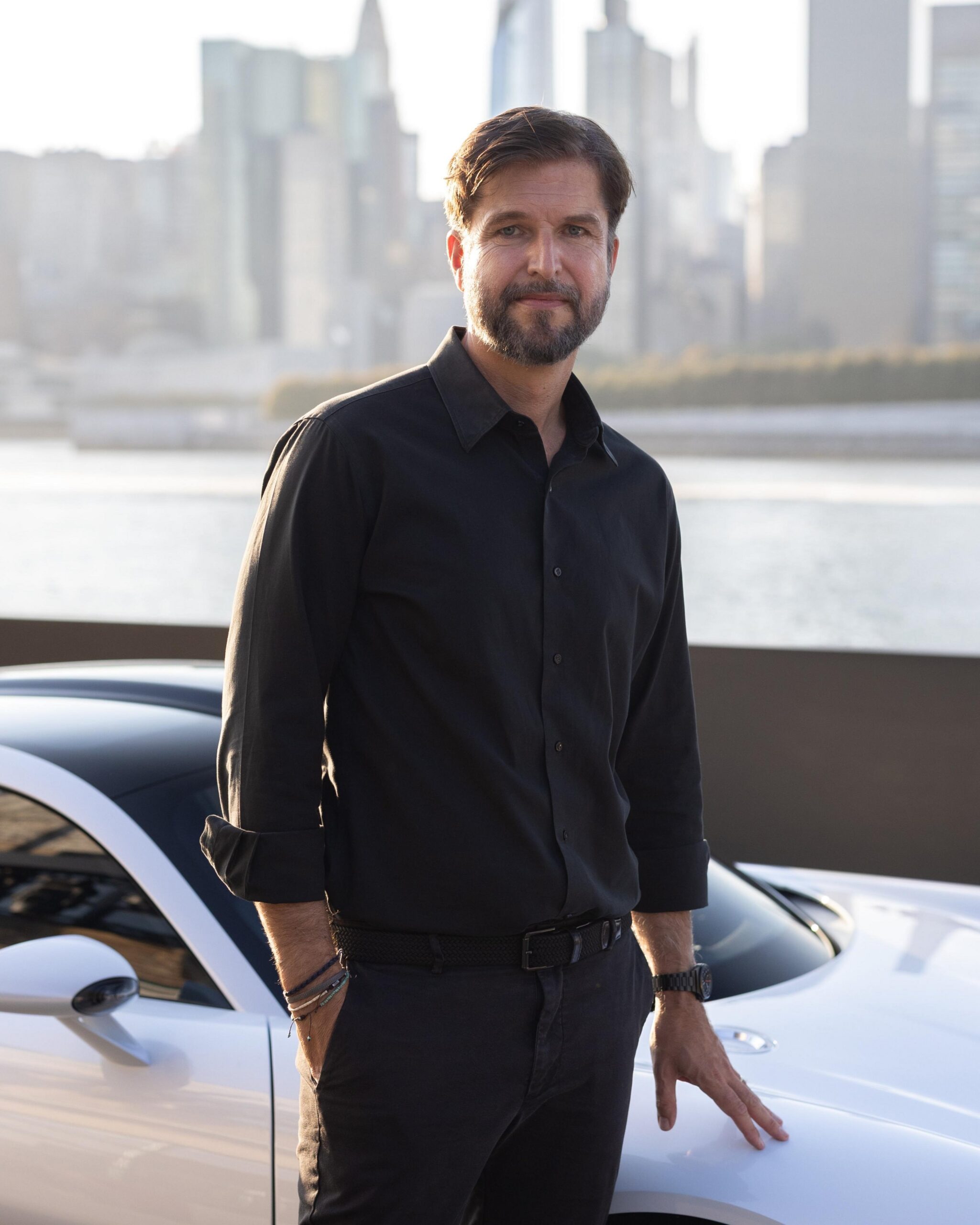
Porsche Chairman Michael Leiters emphasizes that every Porsche must remain immediately recognizable, regardless of how its technology or proportions evolve. The Mission S therefore combines familiar elements of Porsche’s design heritage with an entirely new mid-engine architecture.
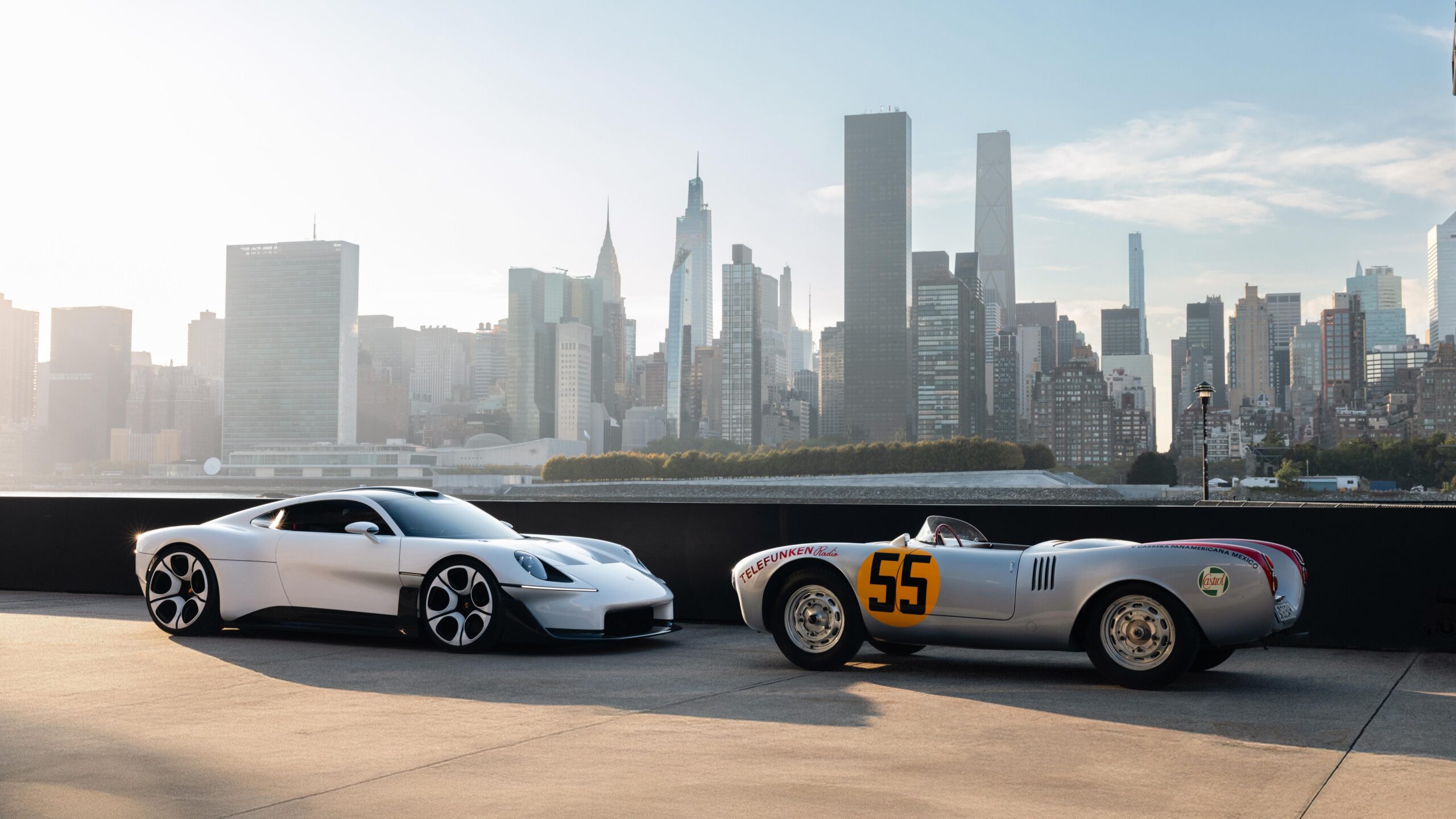
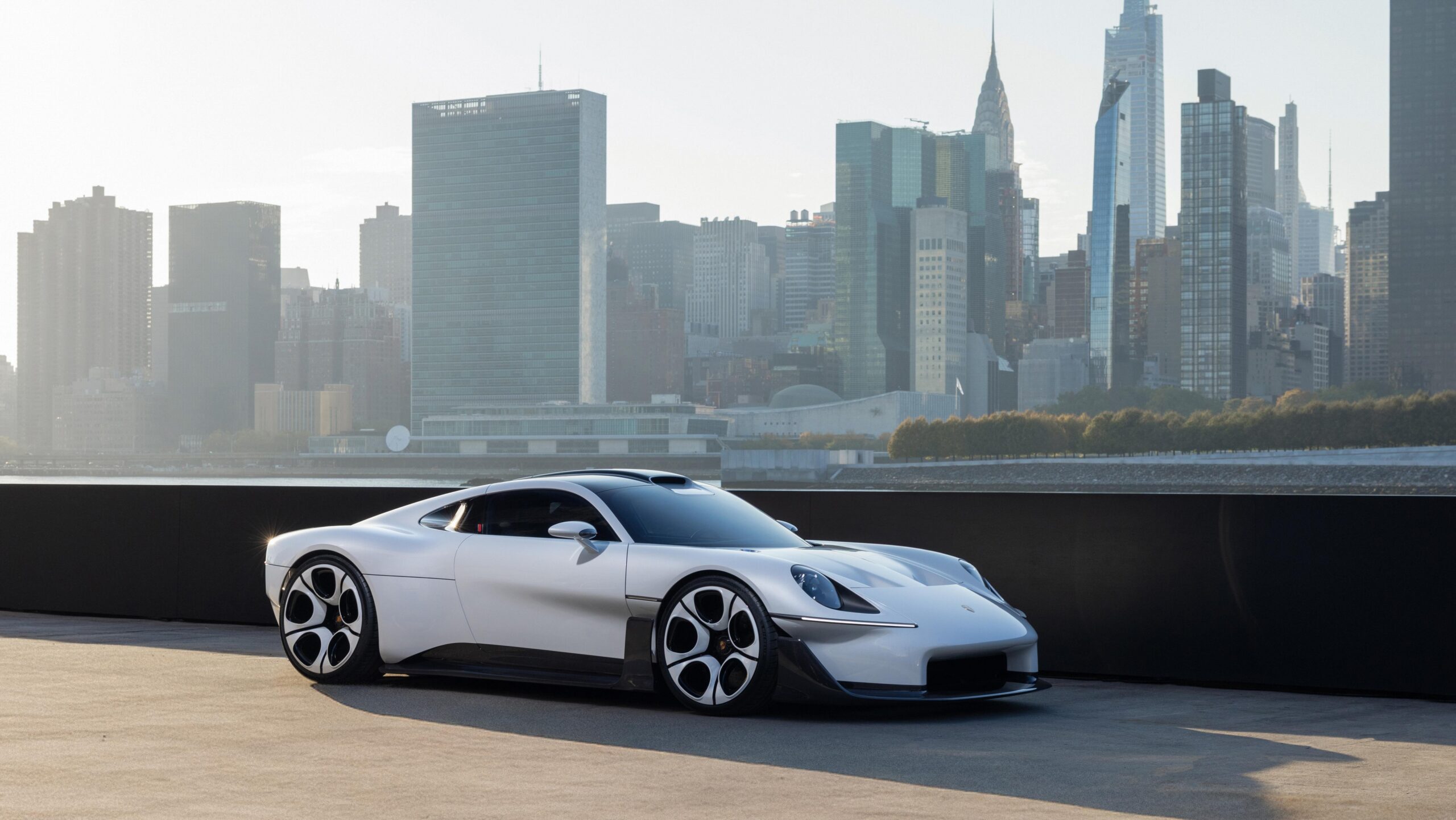
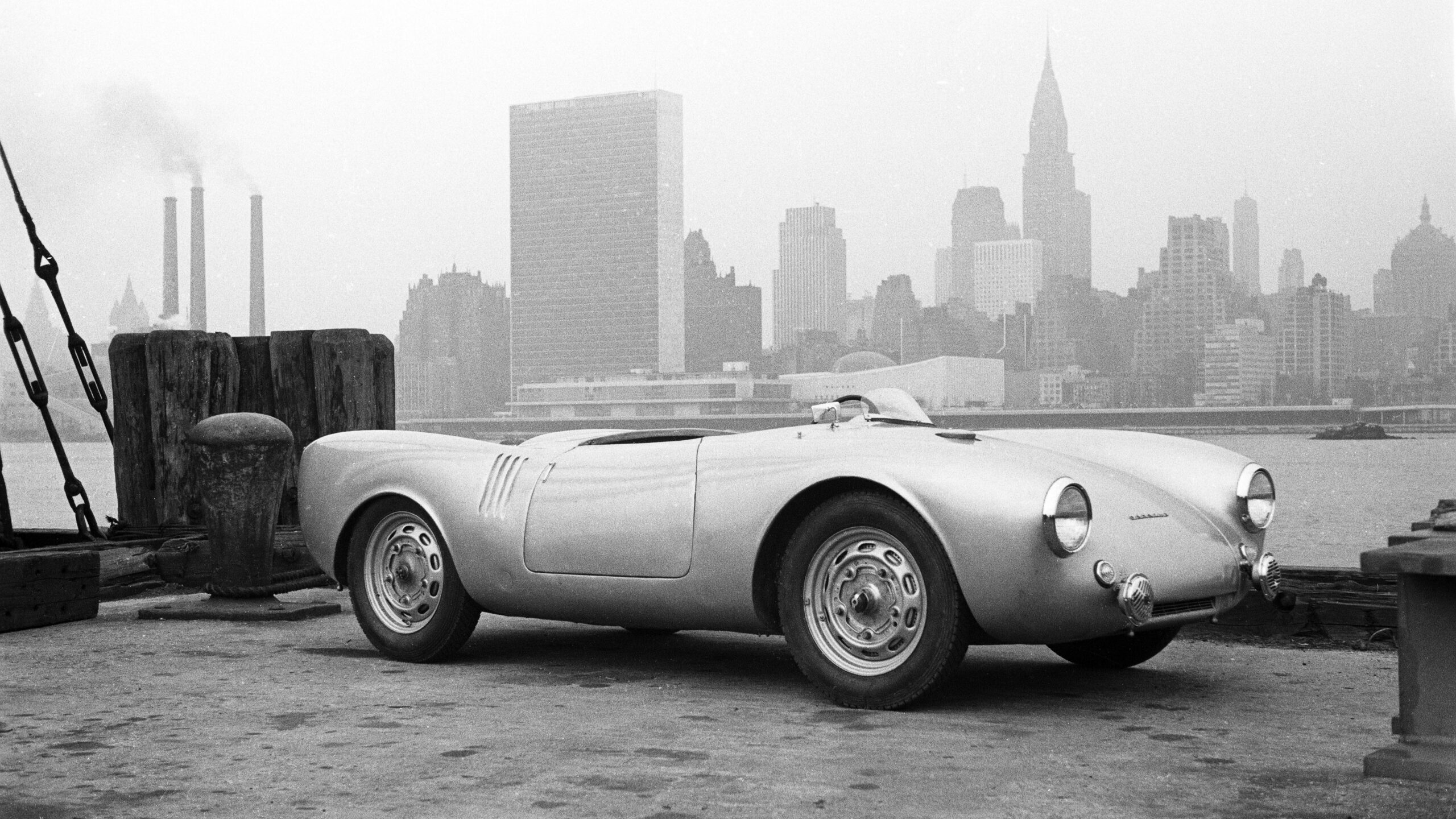
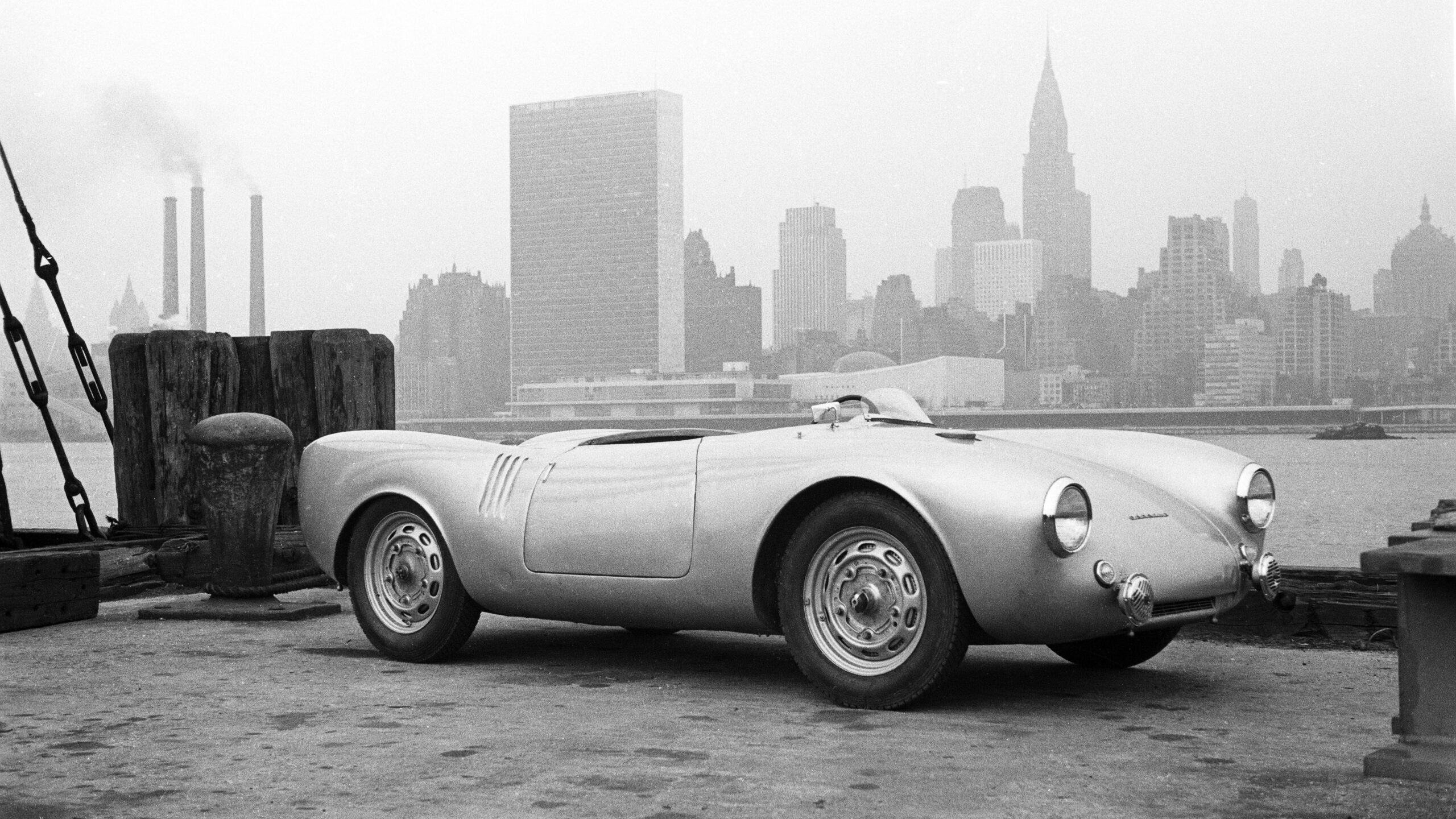
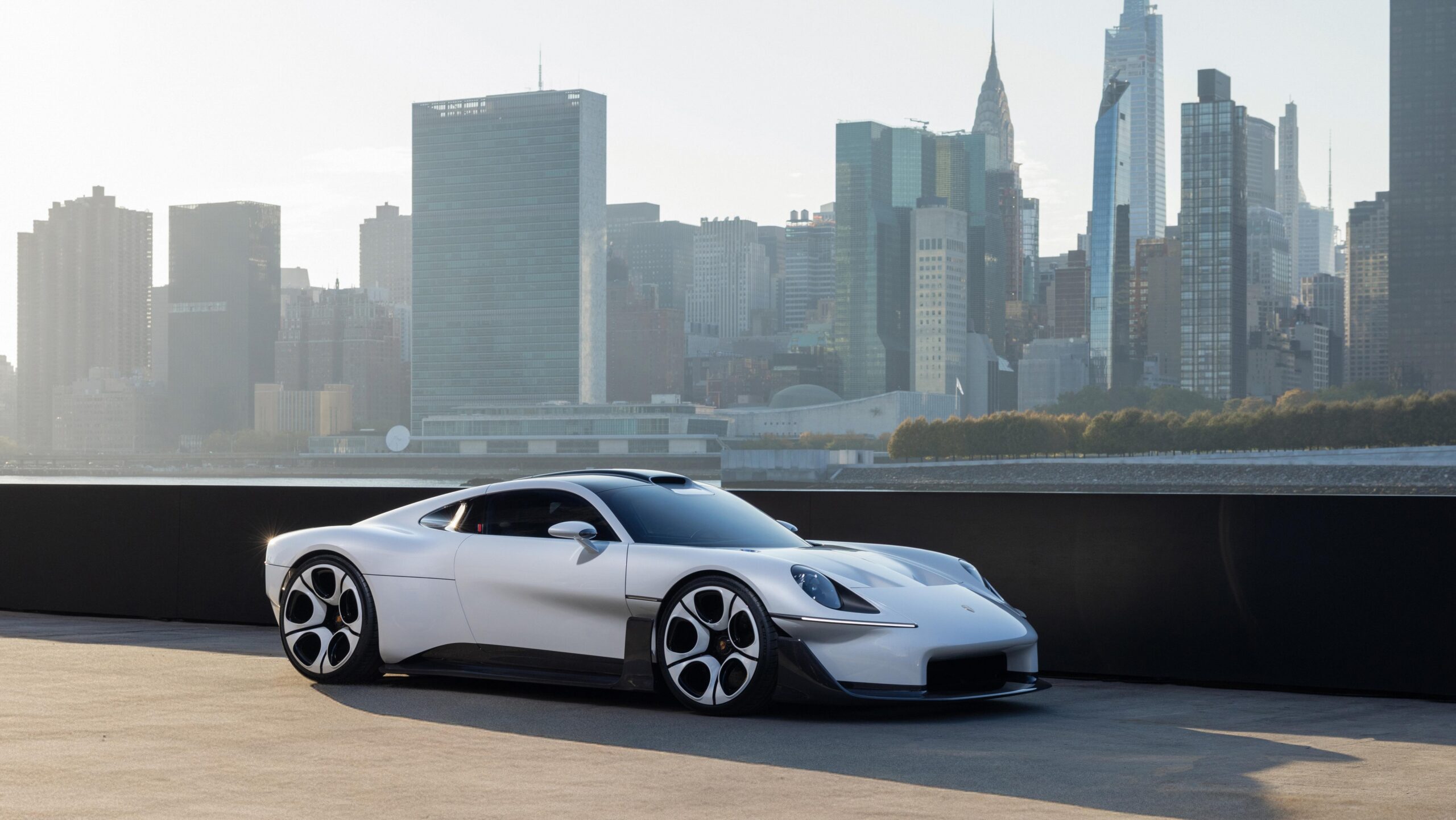
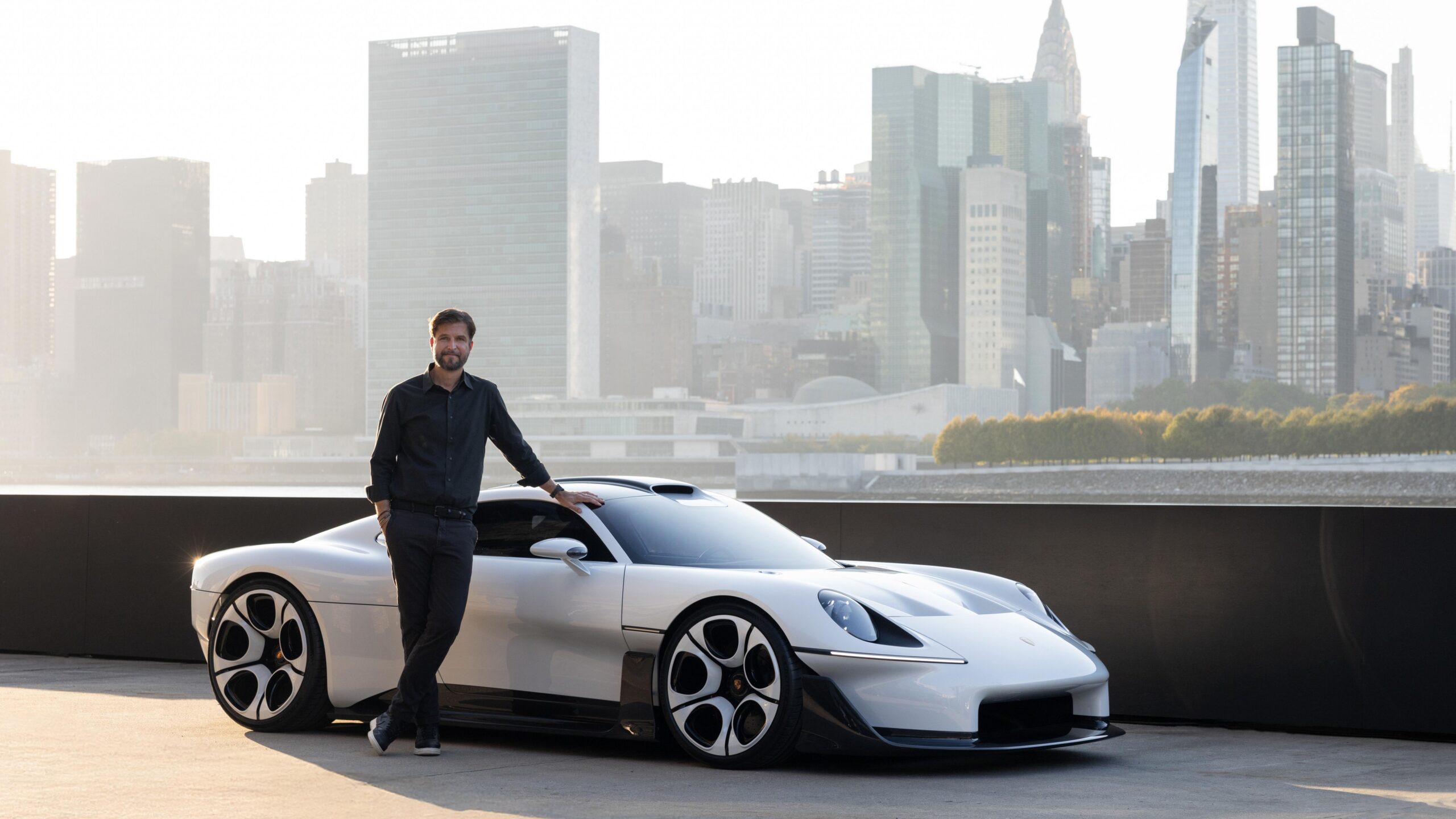
The location chosen for the concept’s world premiere was particularly significant. Porsche presented the Mission S at a pier in Queens, New York, overlooking Manhattan, where photographs of the original Porsche 550 Spyder helped establish the company’s reputation in the United States in 1953.
The connection is more than symbolic. The 550 Spyder was one of Porsche’s earliest and most influential mid-engine sports cars, establishing a philosophy of lightweight construction, precise handling and purposeful engineering that would become fundamental to the brand’s identity.
By referencing the 550 Spyder, Porsche is emphasizing that its future supercars will remain connected to the company’s engineering heritage rather than simply pursuing increasingly extreme performance figures.
A Distinctive Evolution of Porsche Design
Under the direction of Tobias Sühlmann, Head of Style Porsche, the Mission S introduces a design language built around three principles: authenticity, consistency and timelessness.
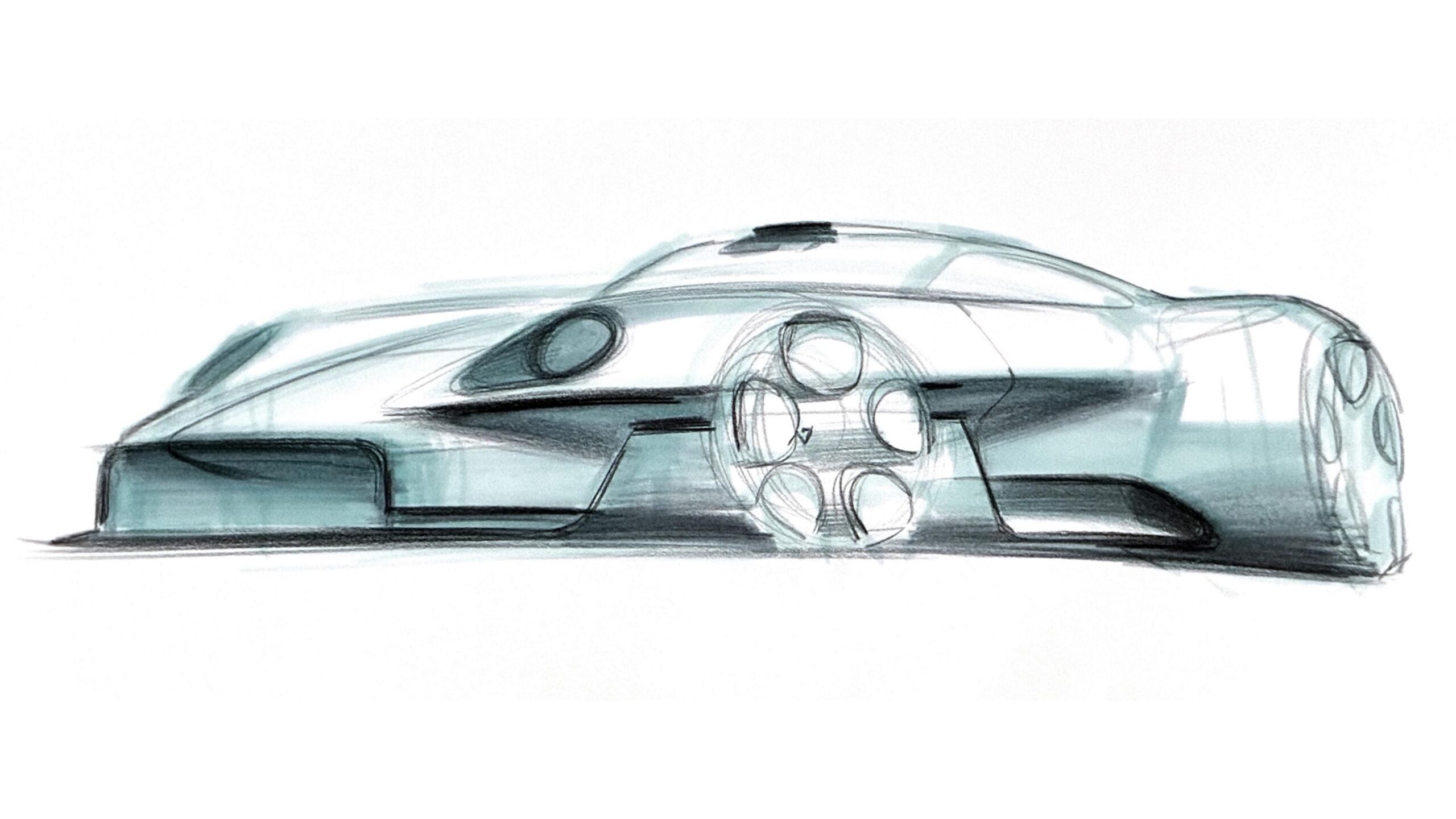
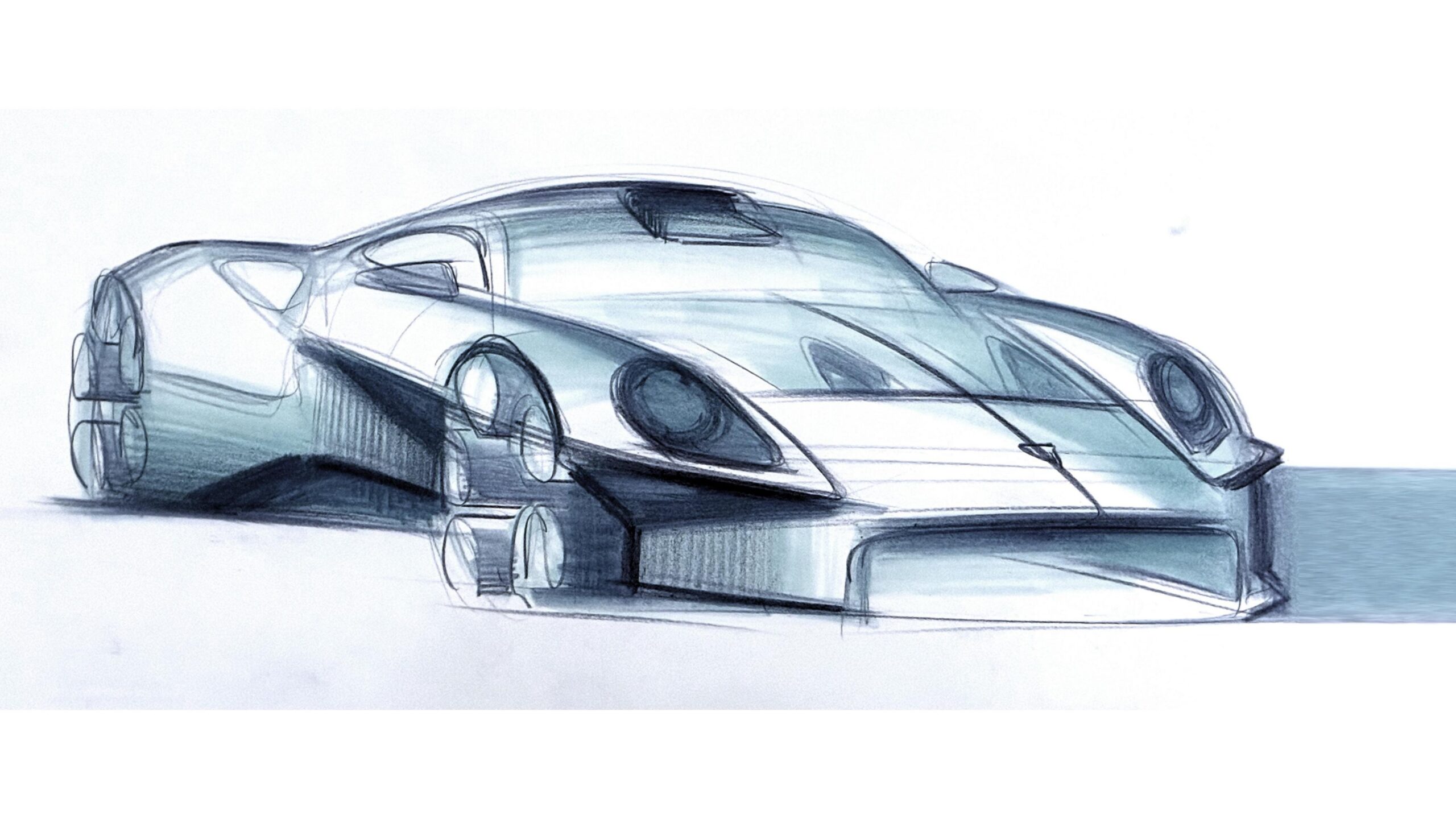
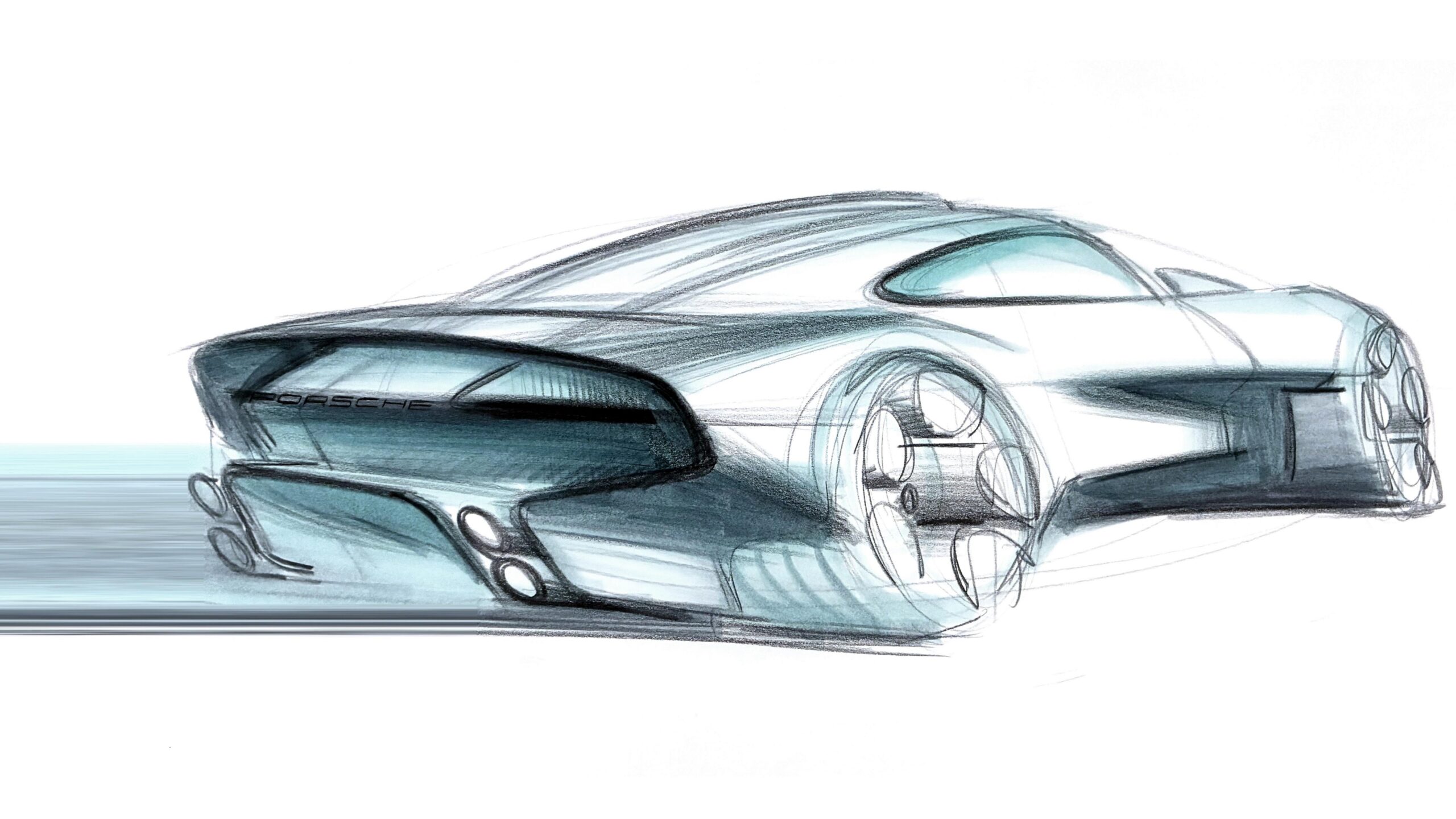
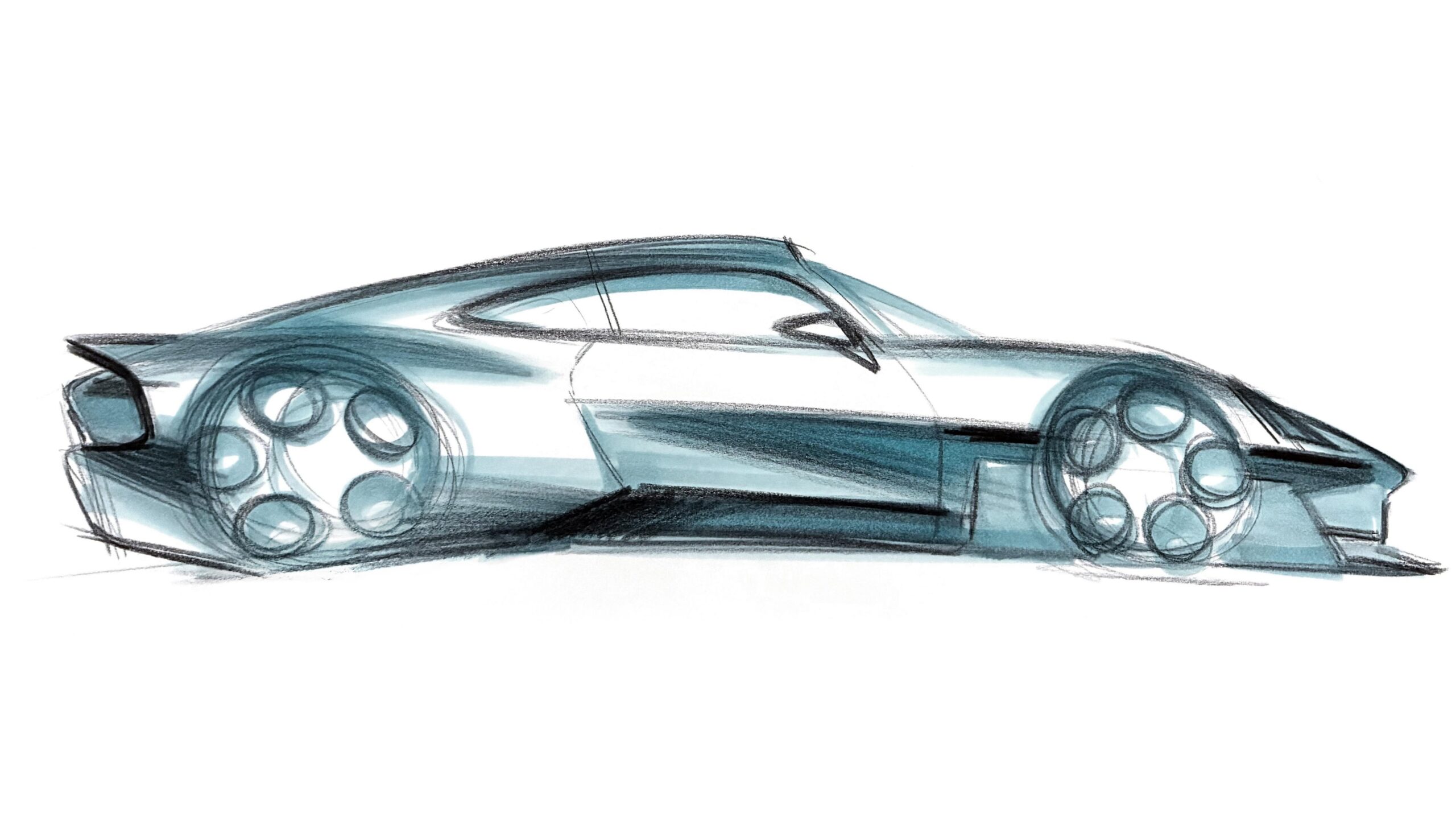
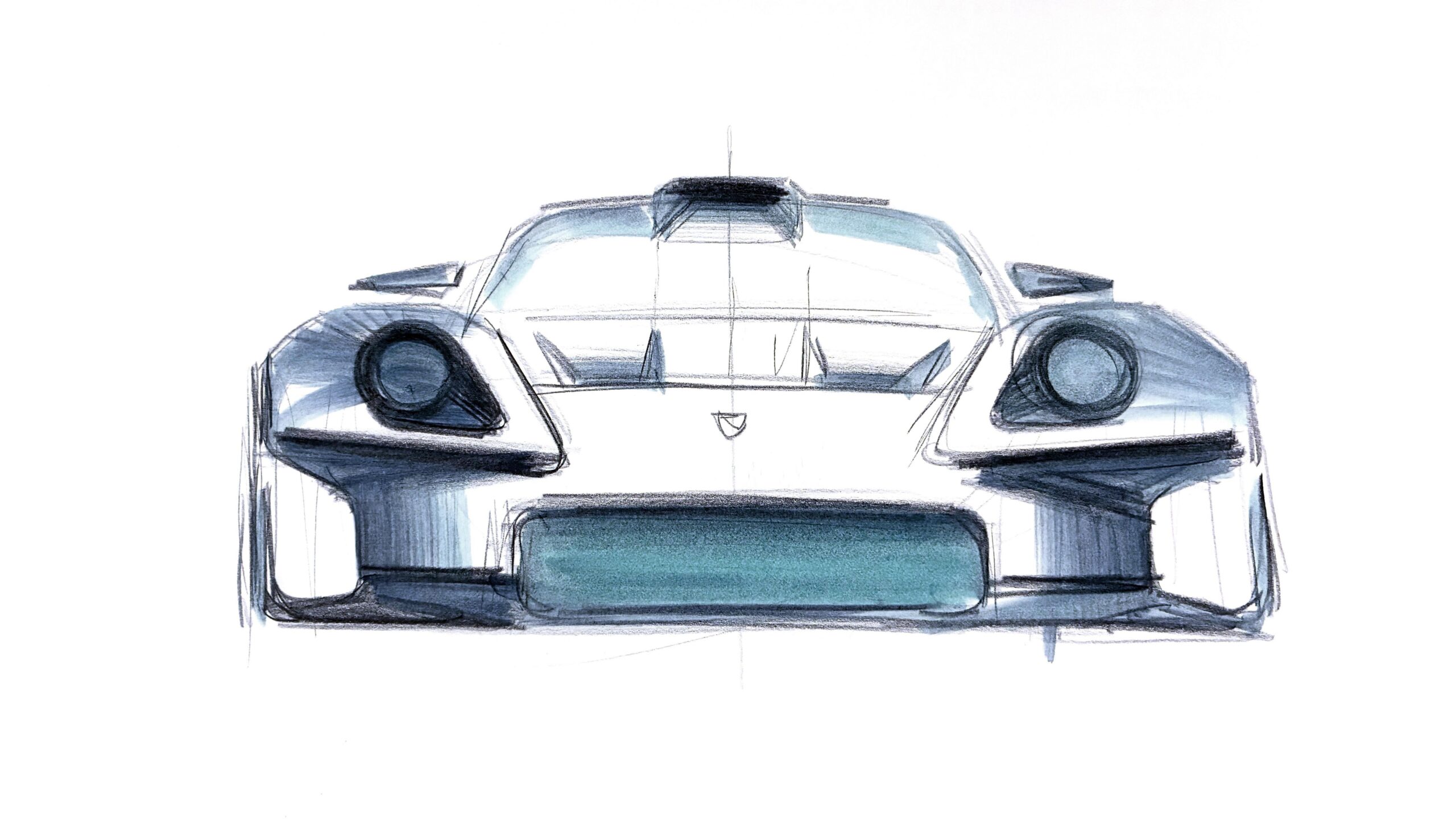
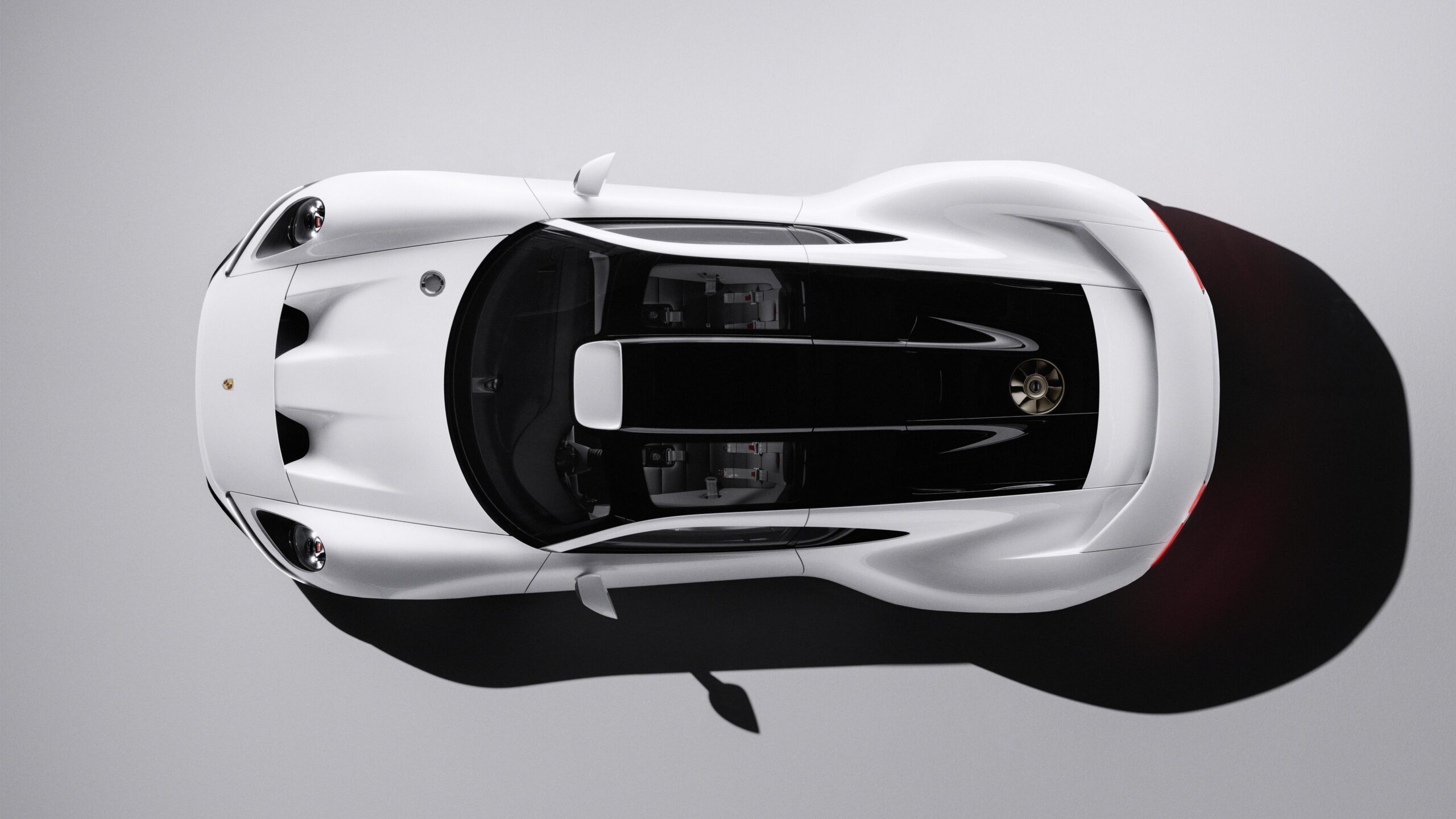
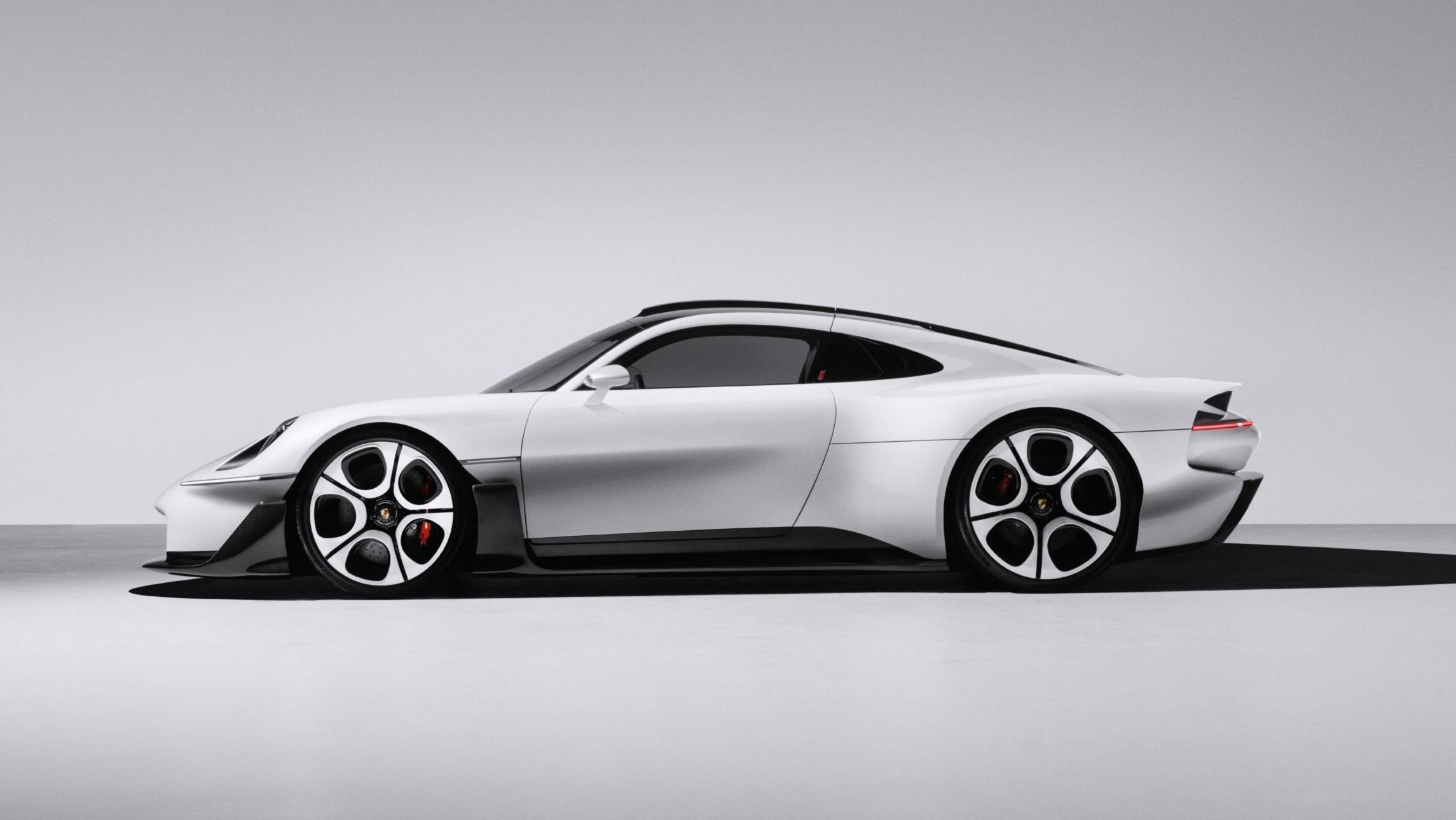
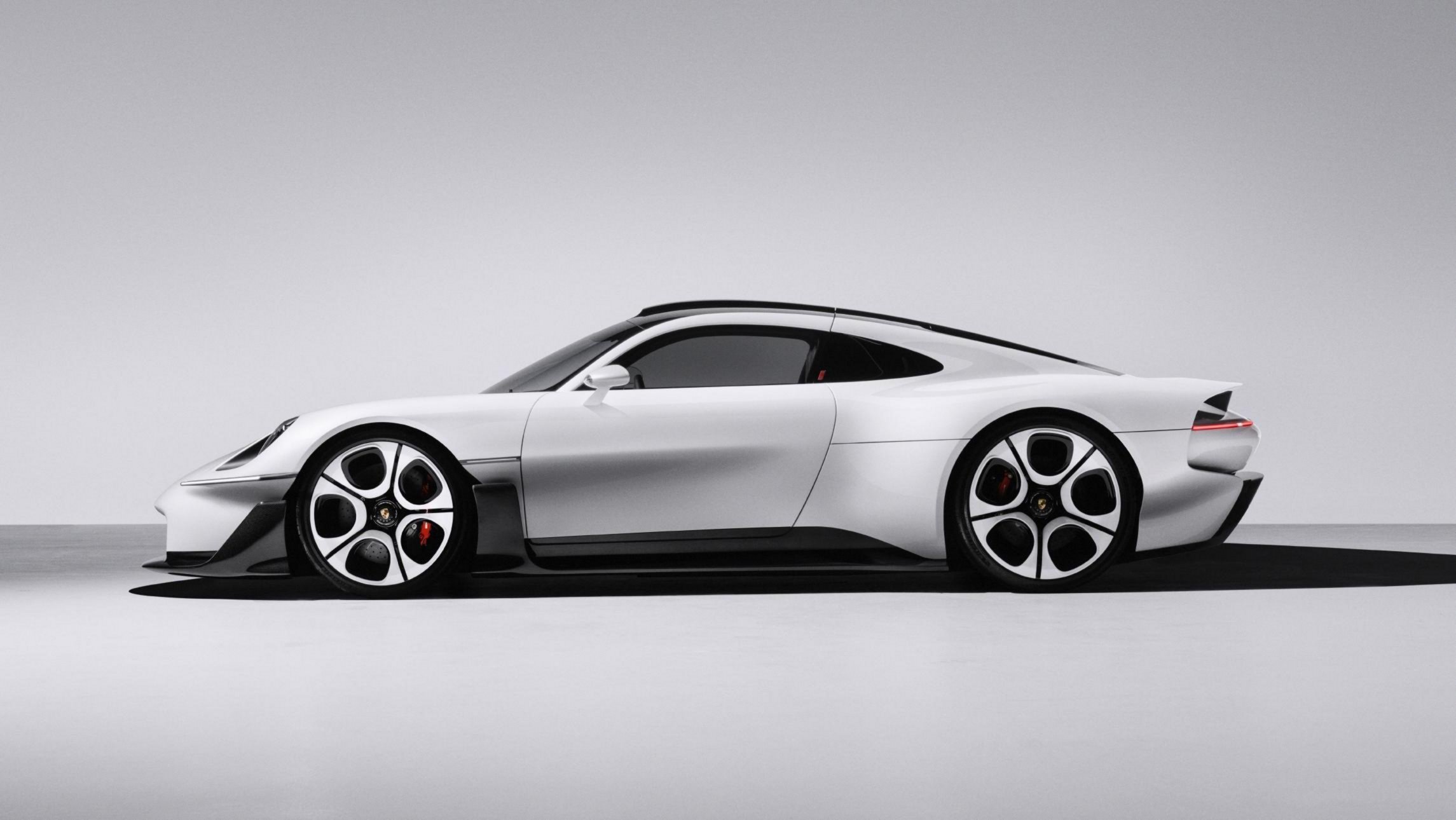
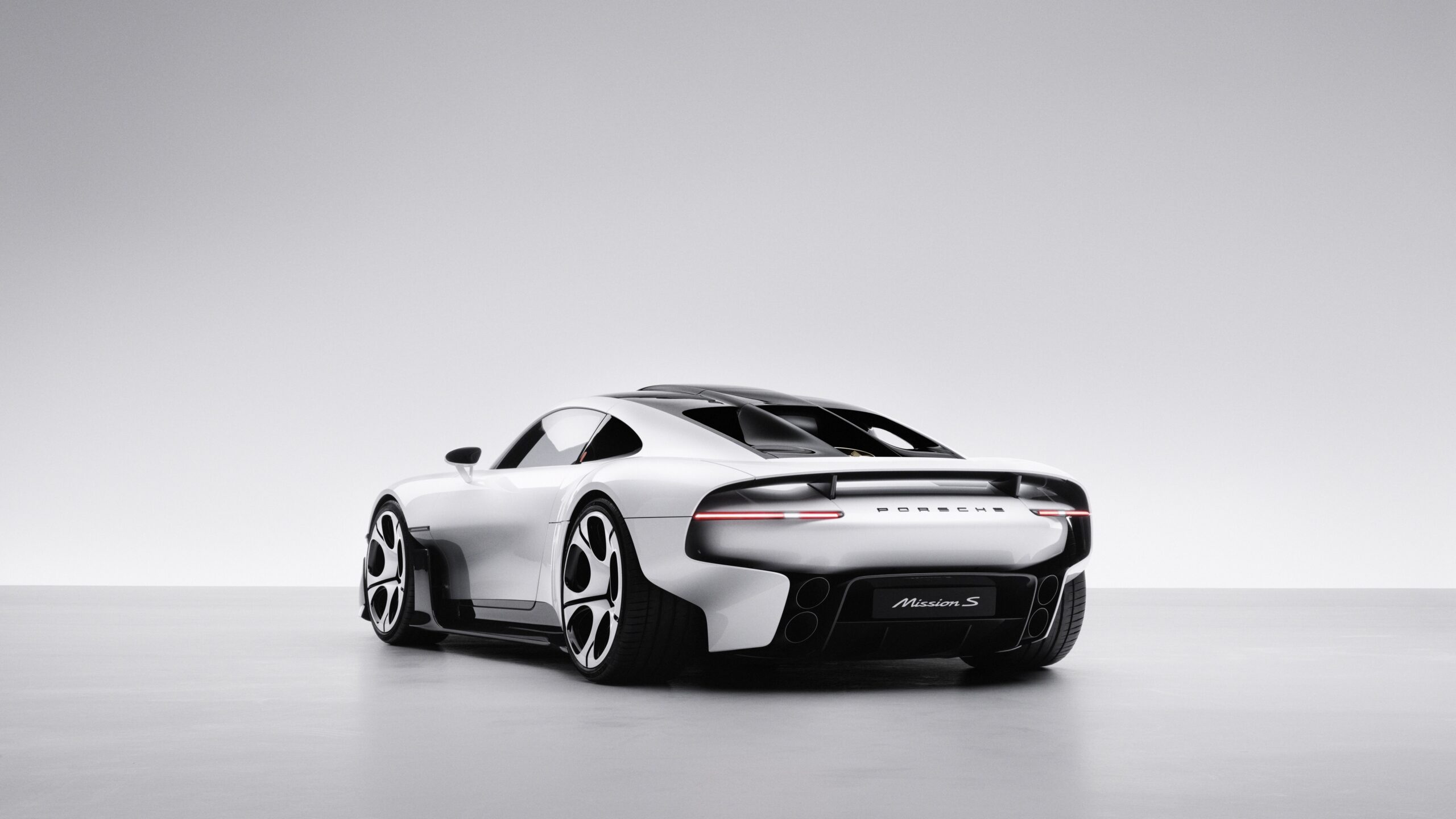
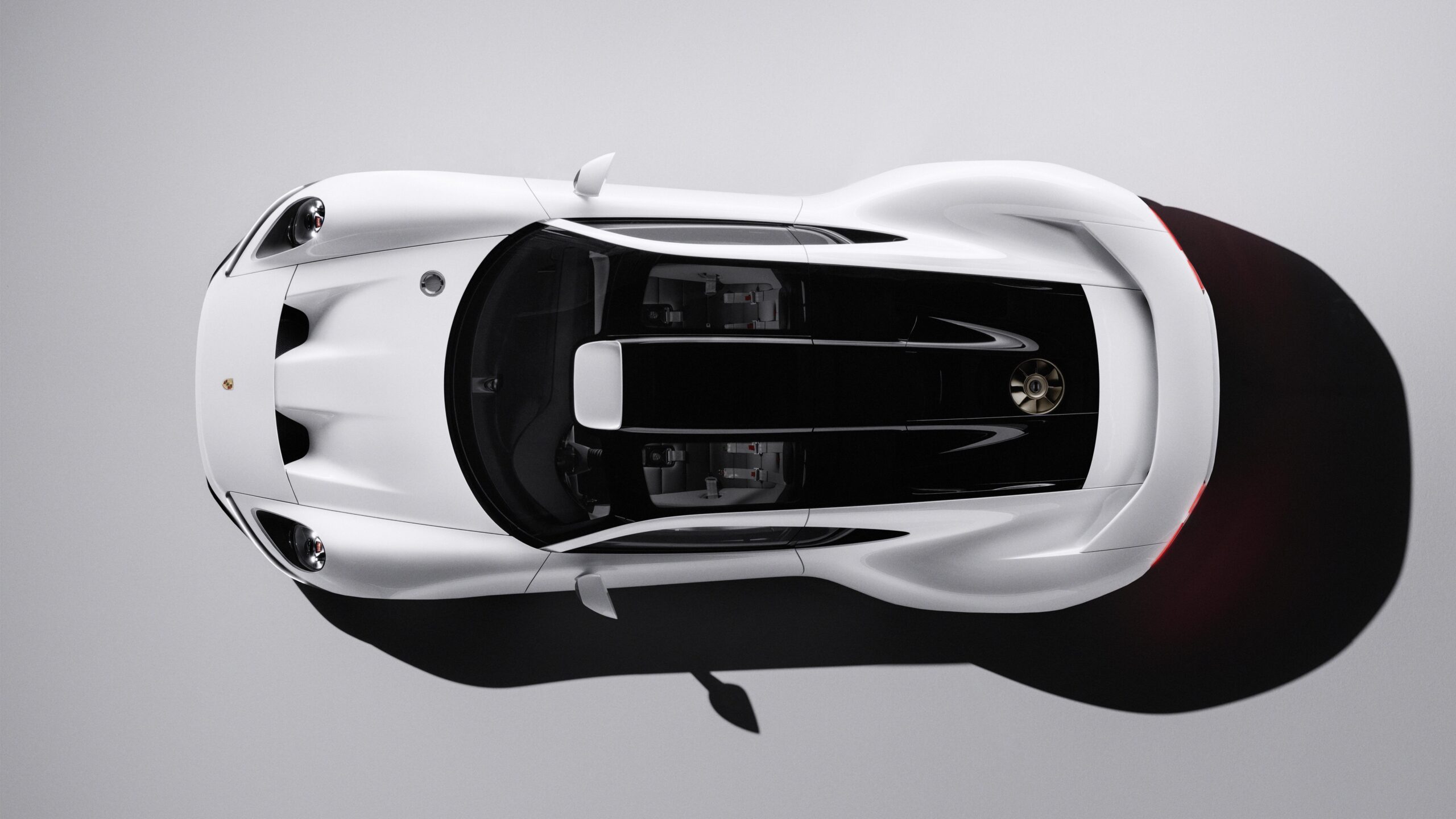
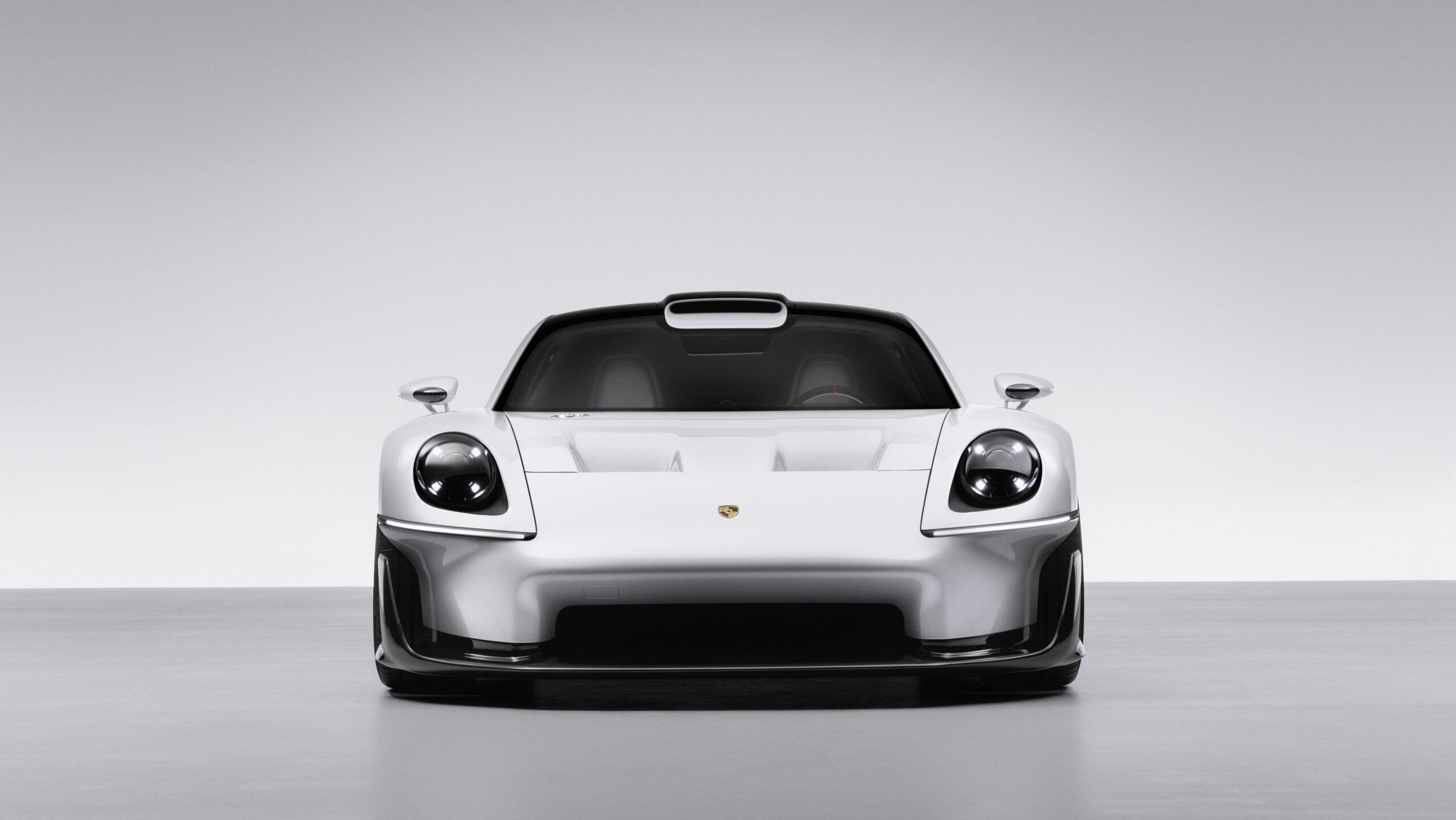
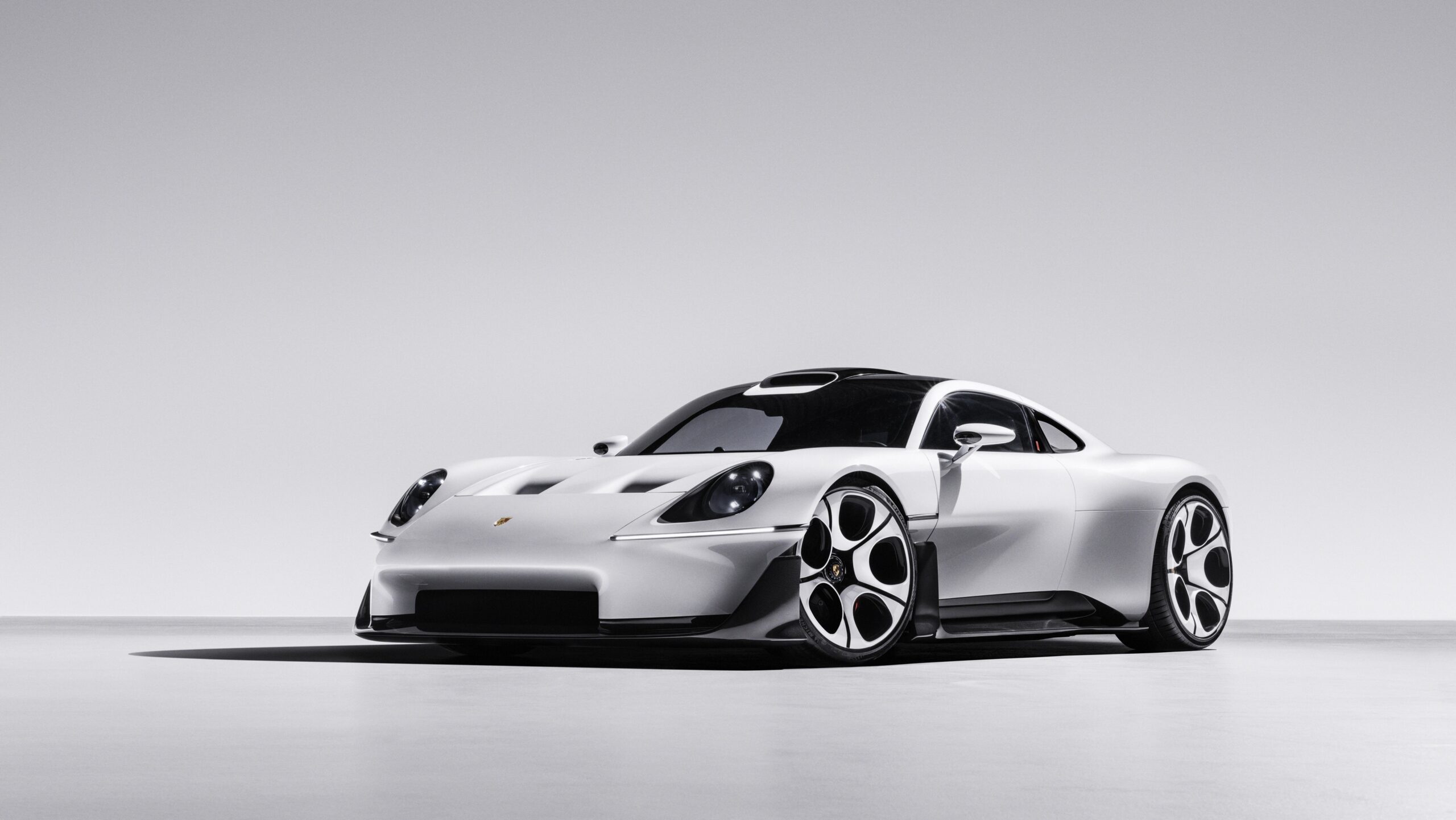
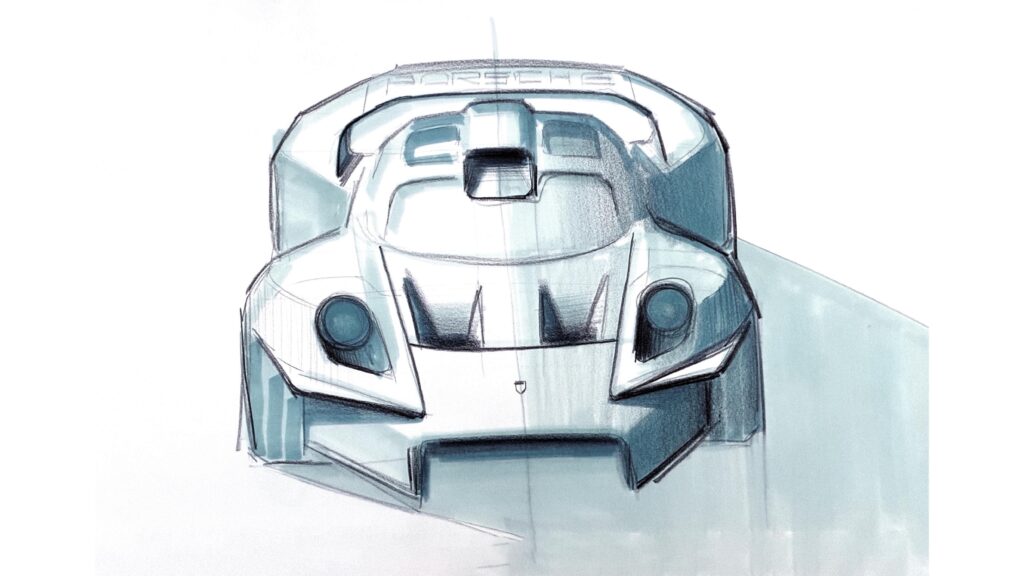
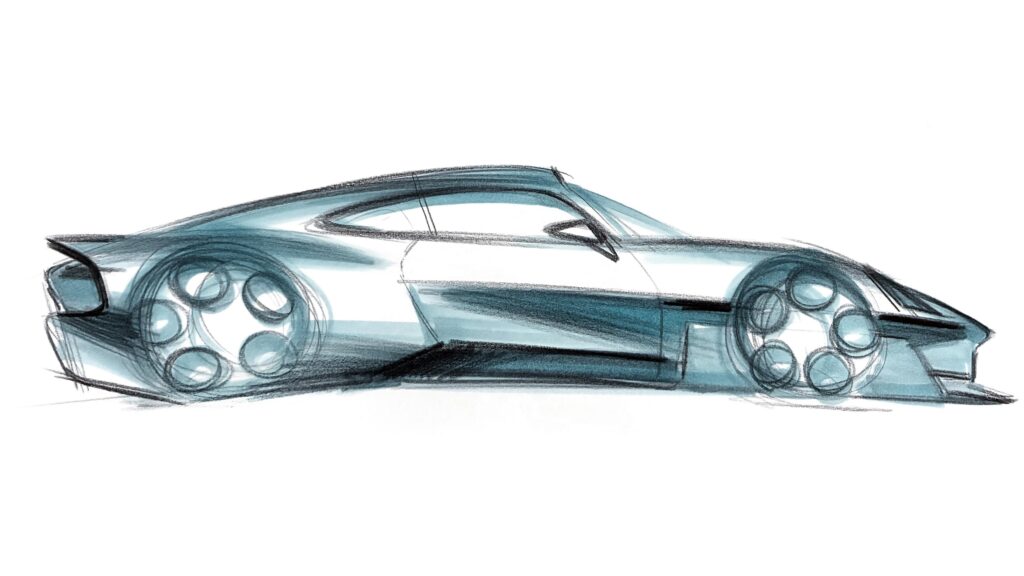
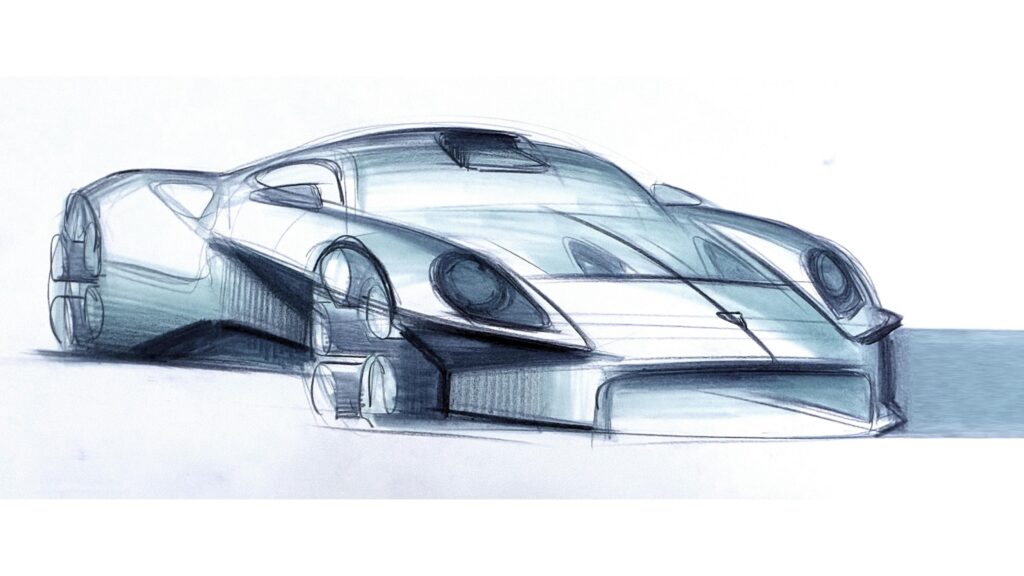
The exterior is immediately recognizable as a Porsche, yet its proportions are noticeably different from those of the 911. The low front, pronounced wheel arches, compact passenger compartment and broad rear shoulders establish a powerful mid-engine stance.
Particularly interesting is Porsche’s use of what its designers describe as floating volumes. Rather than defining the body through numerous sharp character lines, the surfaces appear to flow into one another, creating a continuous sculptural composition.
This approach gives the Mission S a particularly clean appearance. The bodywork relies on proportion, surface tension and the relationship between its principal volumes rather than excessive styling details to communicate performance.
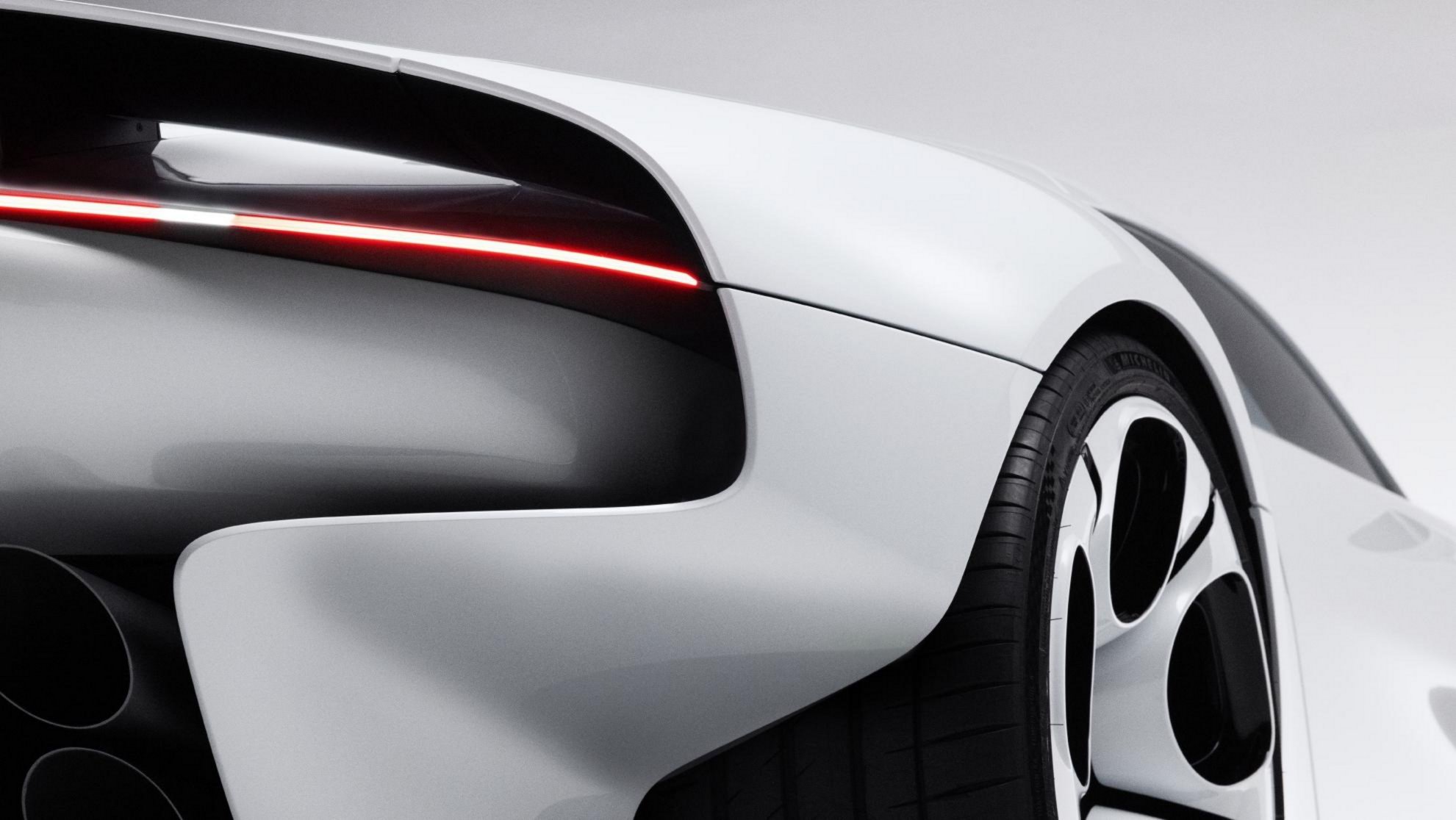
A continuous main character line connects the front and rear lighting signatures, establishing a visual boundary between the upper body sculpture and the more technical lower sections. Above this line, the surfaces emphasize muscularity and movement, while the lower body reveals more of the vehicle’s functional and aerodynamic architecture.
The result is a design that feels both familiar and contemporary, avoiding the temptation to create something futuristic simply for the sake of appearing different.
Drawing Inspiration From Porsche’s Greatest Icons
The Mission S incorporates references to several historically significant Porsche models, although these have been carefully integrated rather than reproduced literally.
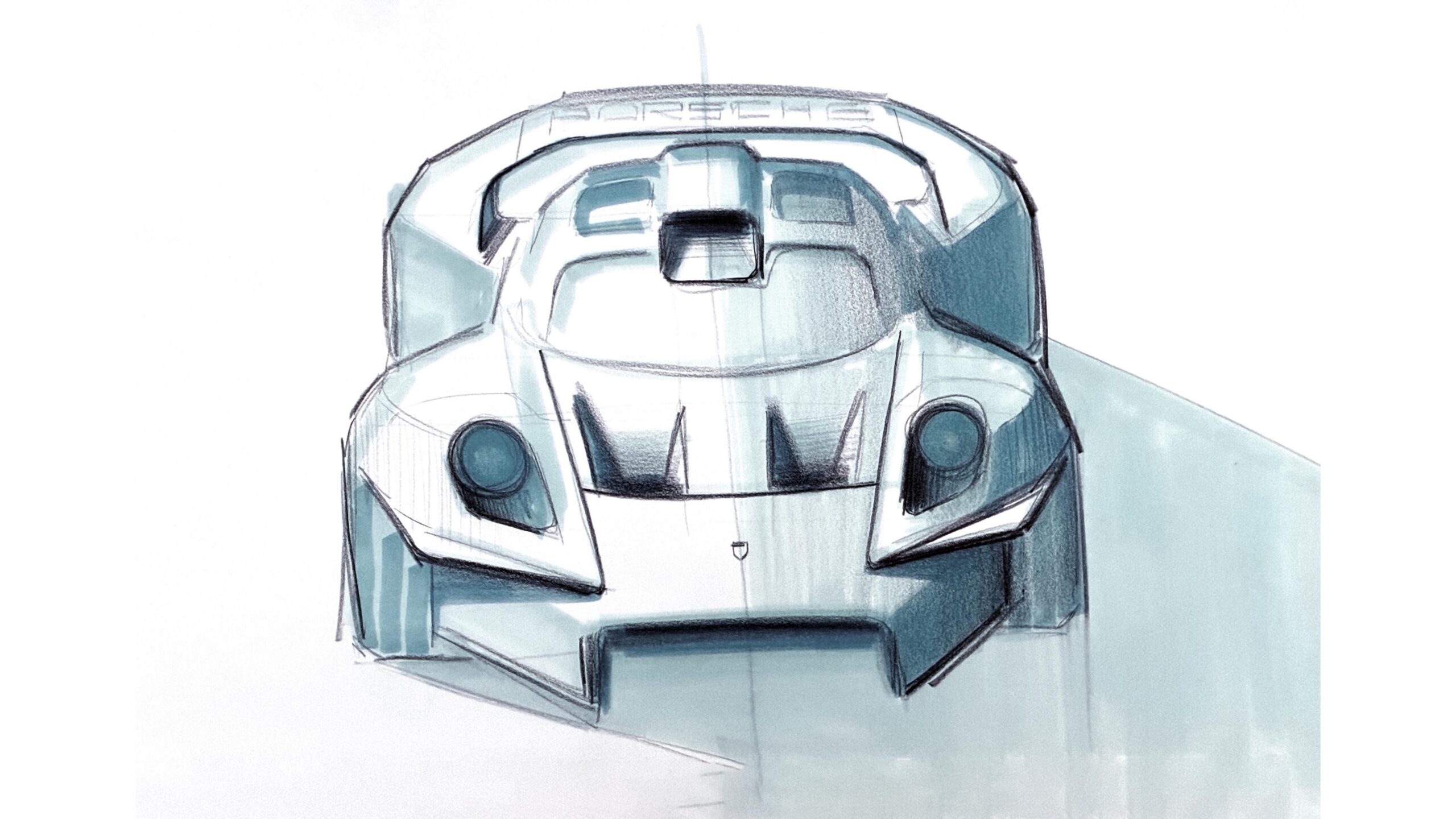
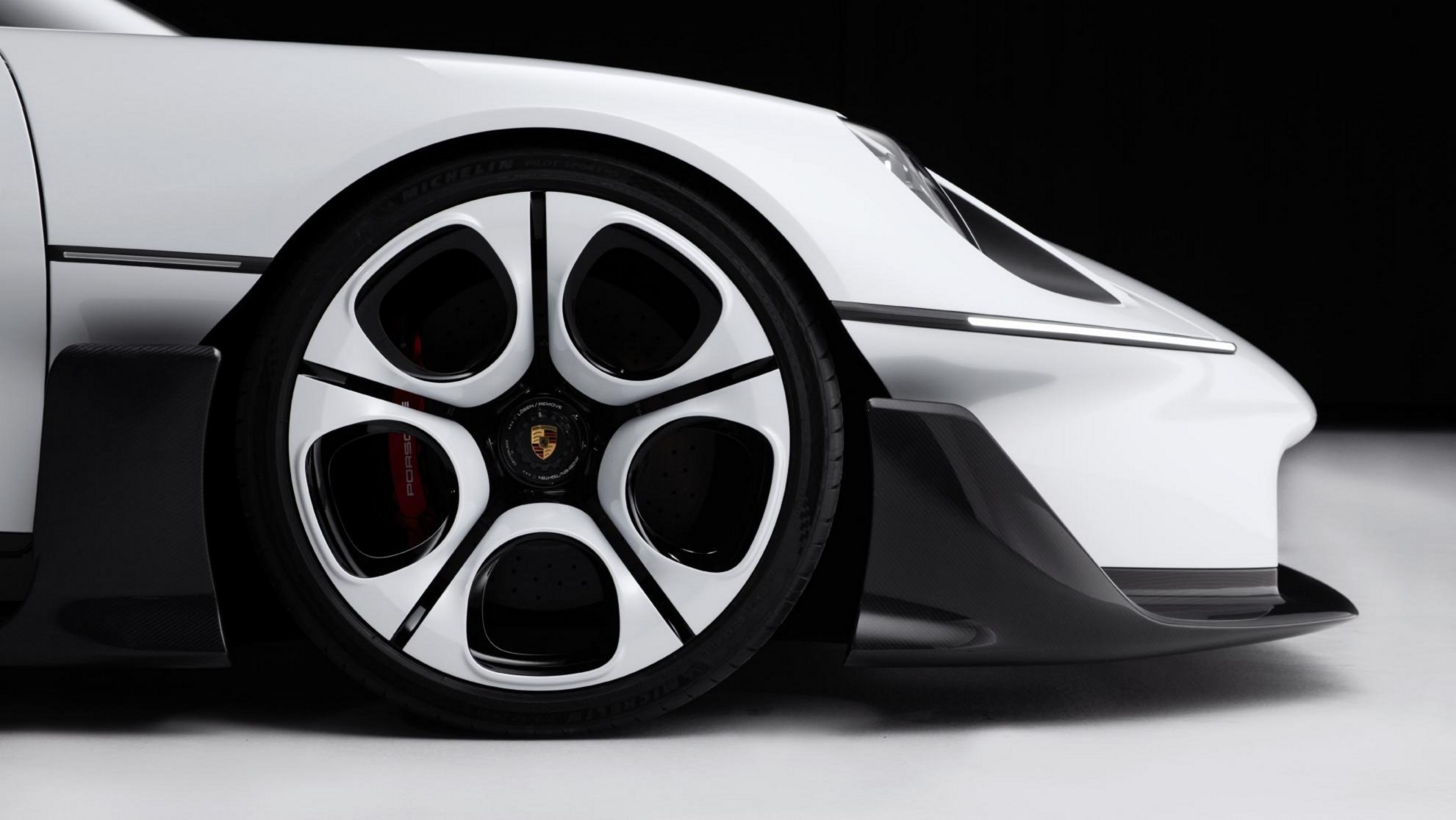
The pronounced front fenders and rounded headlights recall the familiar torpedo-shaped wheel arches of the 911. The treatment of the panel joints around the lighting graphics references the classic G-series 911, while the exceptionally low front-end architecture draws inspiration from the legendary 911 GT1.
The roofline provides another particularly interesting connection with Porsche’s history. Its flowing profile recalls the 959, extending beneath the rear wing before continuing into the rear bodywork.
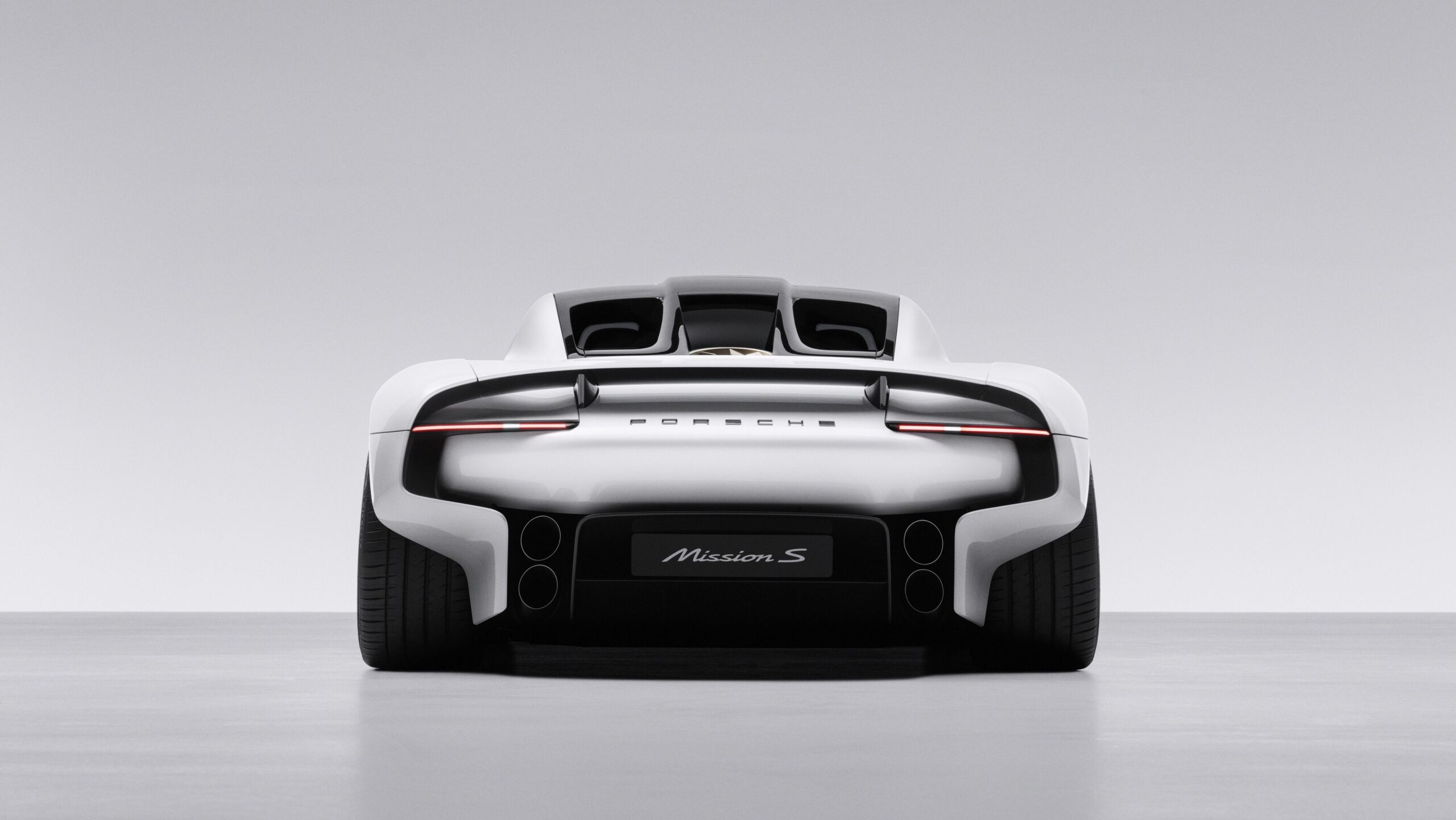
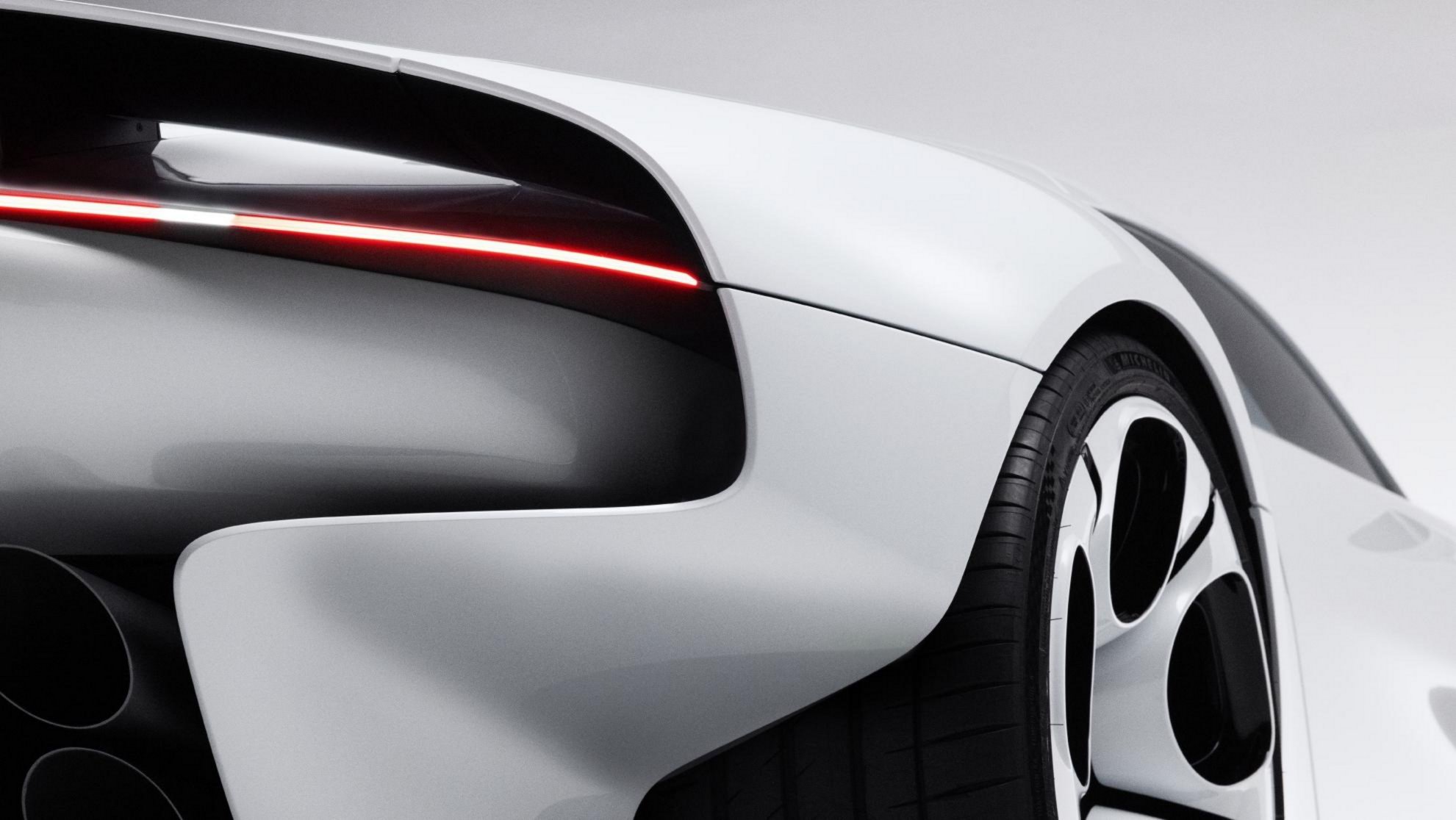
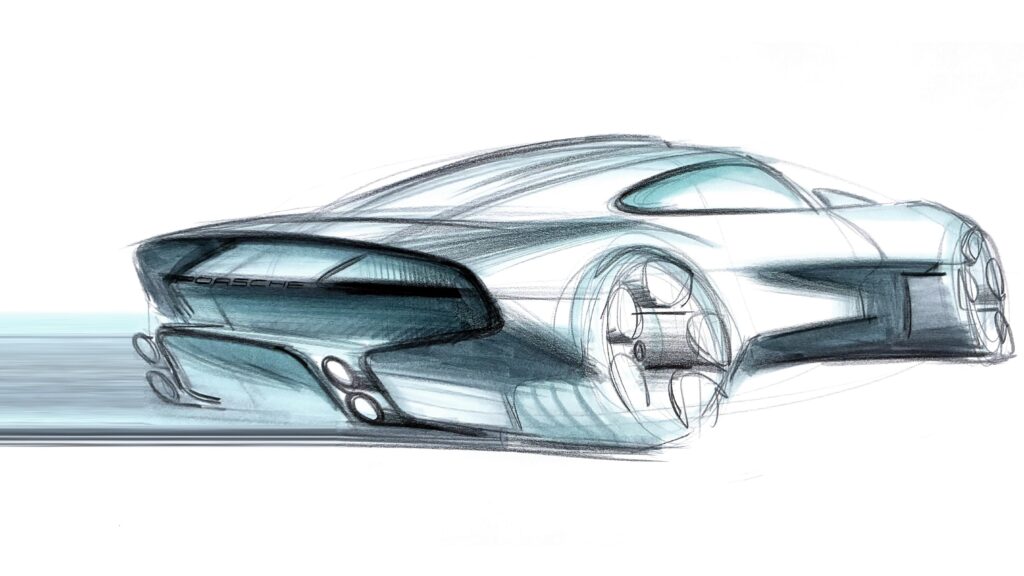
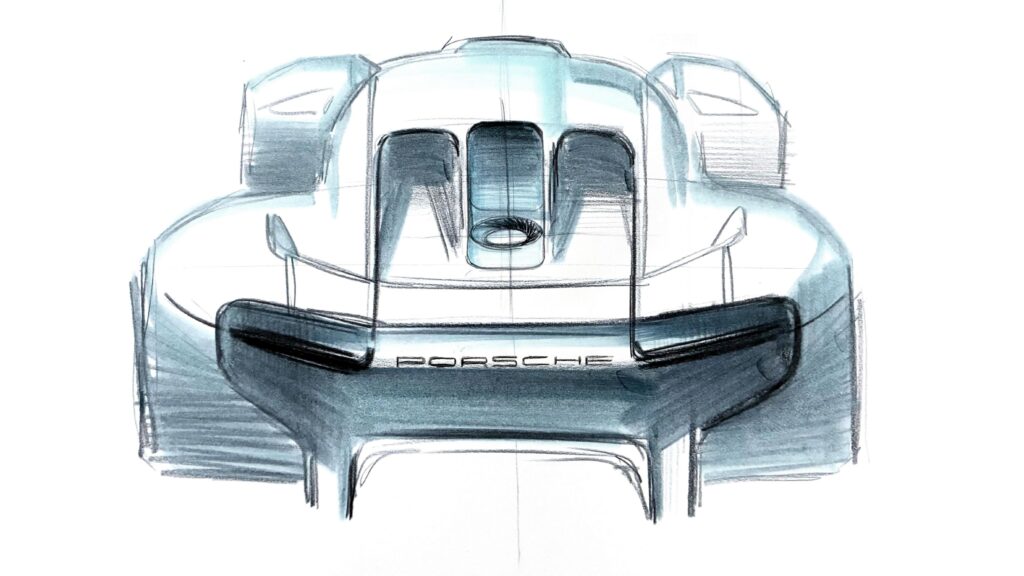
At the rear, Porsche has reinterpreted the Car-in-Car design principle associated with the GT1, creating a visually distinct technical structure within the larger body volume.
These references are particularly effective because they establish a recognizable Porsche identity without allowing the concept to become an exercise in retro styling. Each historical element has been adapted to support the proportions and aerodynamic requirements of the new architecture.
The result is a coherent design that demonstrates how a manufacturer can evolve its visual identity without abandoning the characteristics that made it distinctive in the first place.
Aerodynamics and Lightweight Construction
The Mission S’s mid-engine layout plays a fundamental role in its proportions, allowing Porsche to develop the familiar flowing roofline while concentrating the mechanical architecture around the centre of the vehicle.
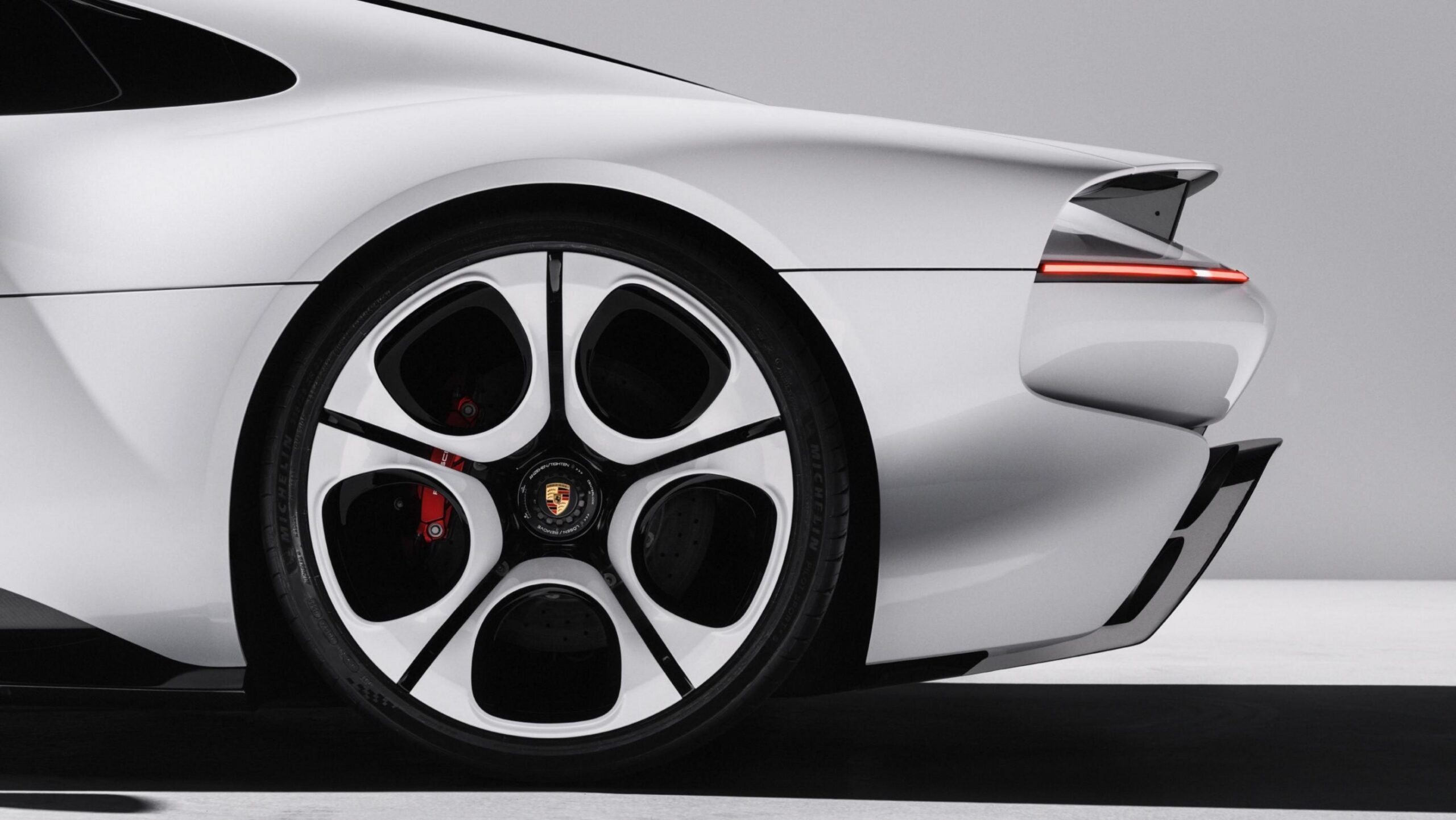
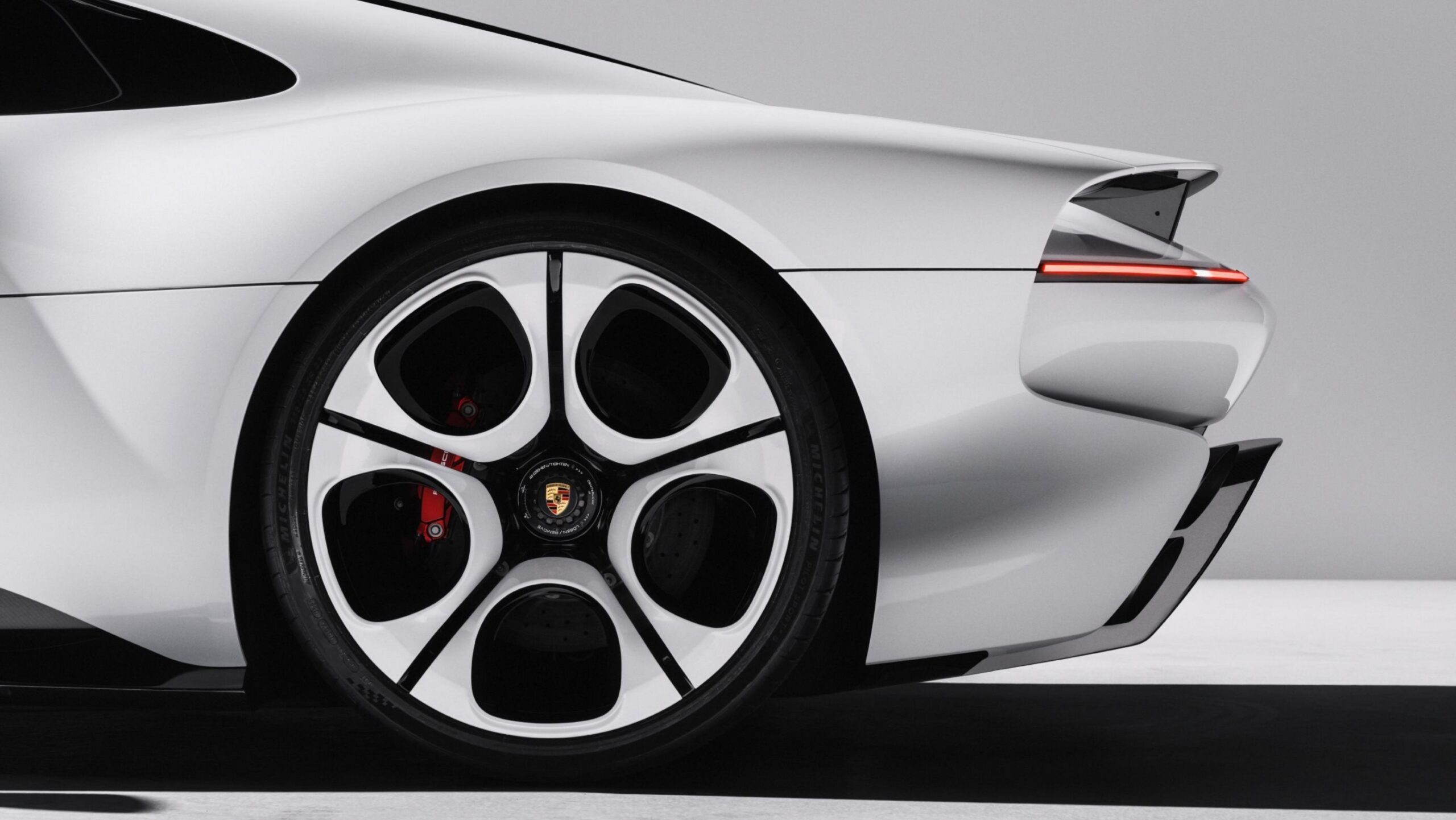
Several details demonstrate the close relationship between design and engineering. A cooling solution inspired by the distinctive fan arrangement of the Porsche 917 introduces another historical reference, while a fully integrated active rear wing combines aerodynamic functionality with the vehicle’s overall sculpture.
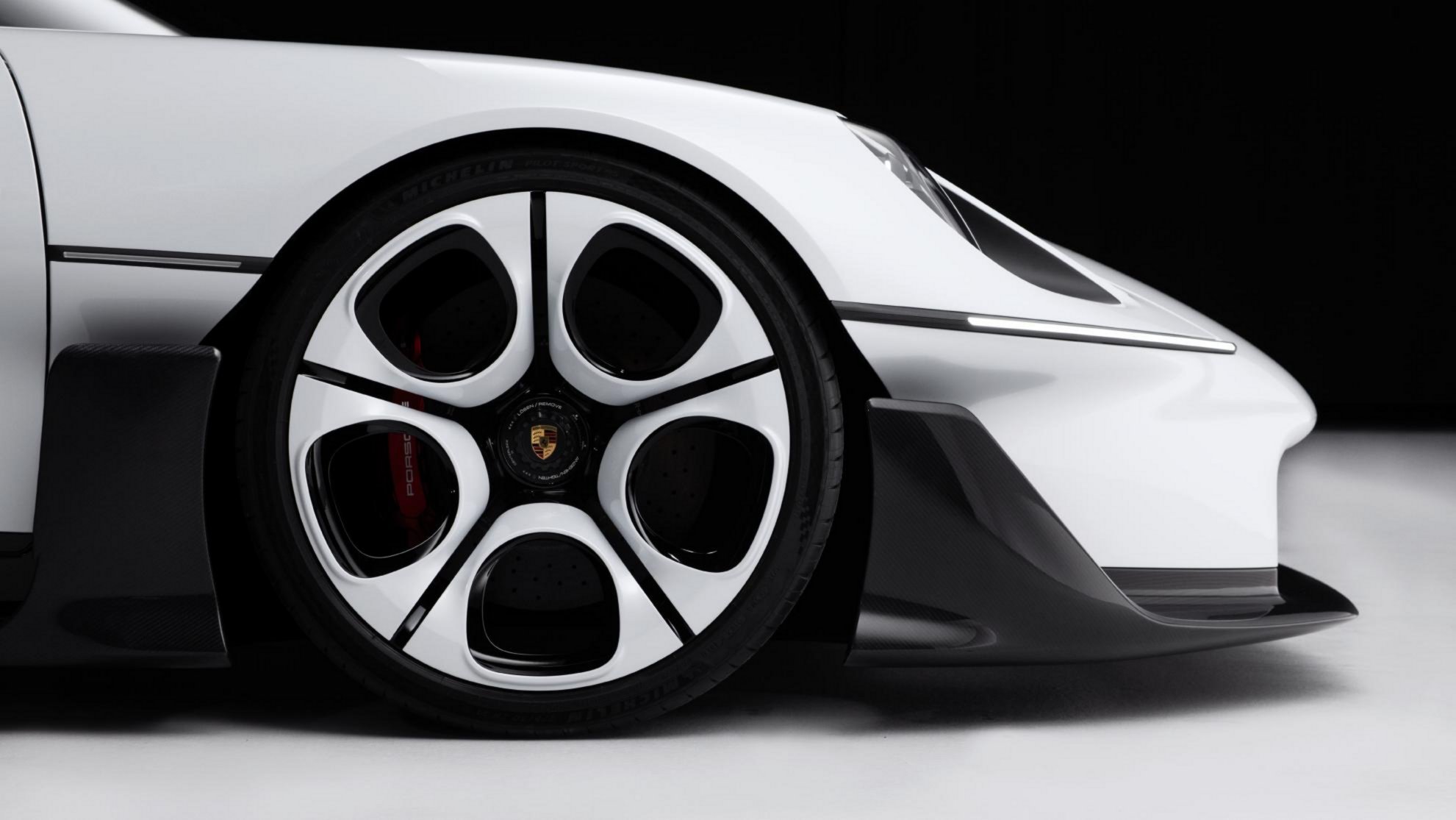
The wheel design is equally significant. Porsche has revisited the recognizable telephone-dial wheels of the 928, transforming their characteristic circular openings into a contemporary design emphasizing lightweight construction.
Rather than treating aerodynamic components as separate attachments, Porsche has attempted to integrate them into the overall architecture. This is particularly evident in the rear bodywork, where the wing, lighting elements and technical surfaces contribute to a unified composition.
From a design perspective, this integration is essential. The most successful high-performance vehicles are those in which aerodynamic functionality becomes part of the design language rather than an accumulation of unrelated wings, ducts and appendages.
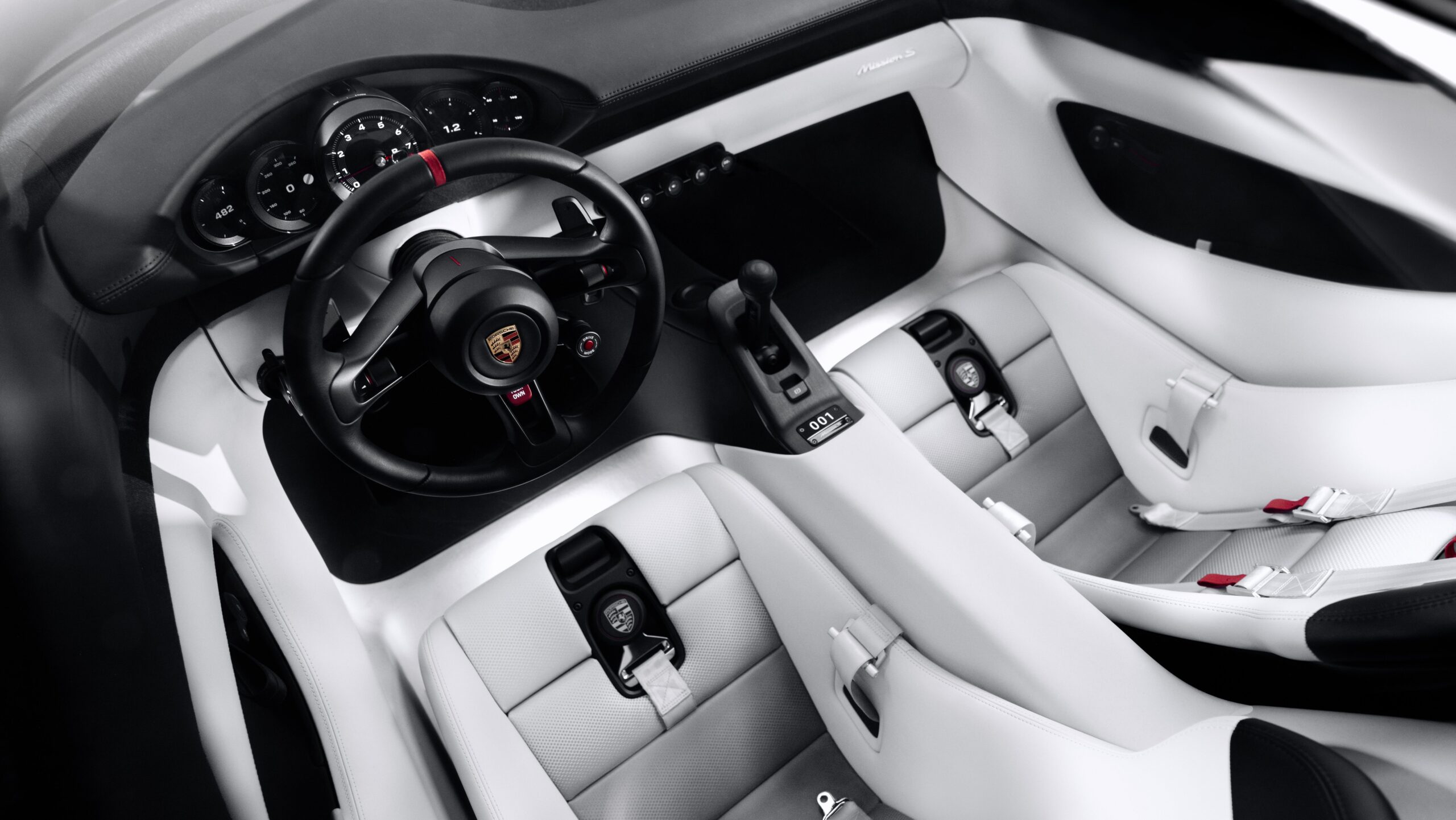
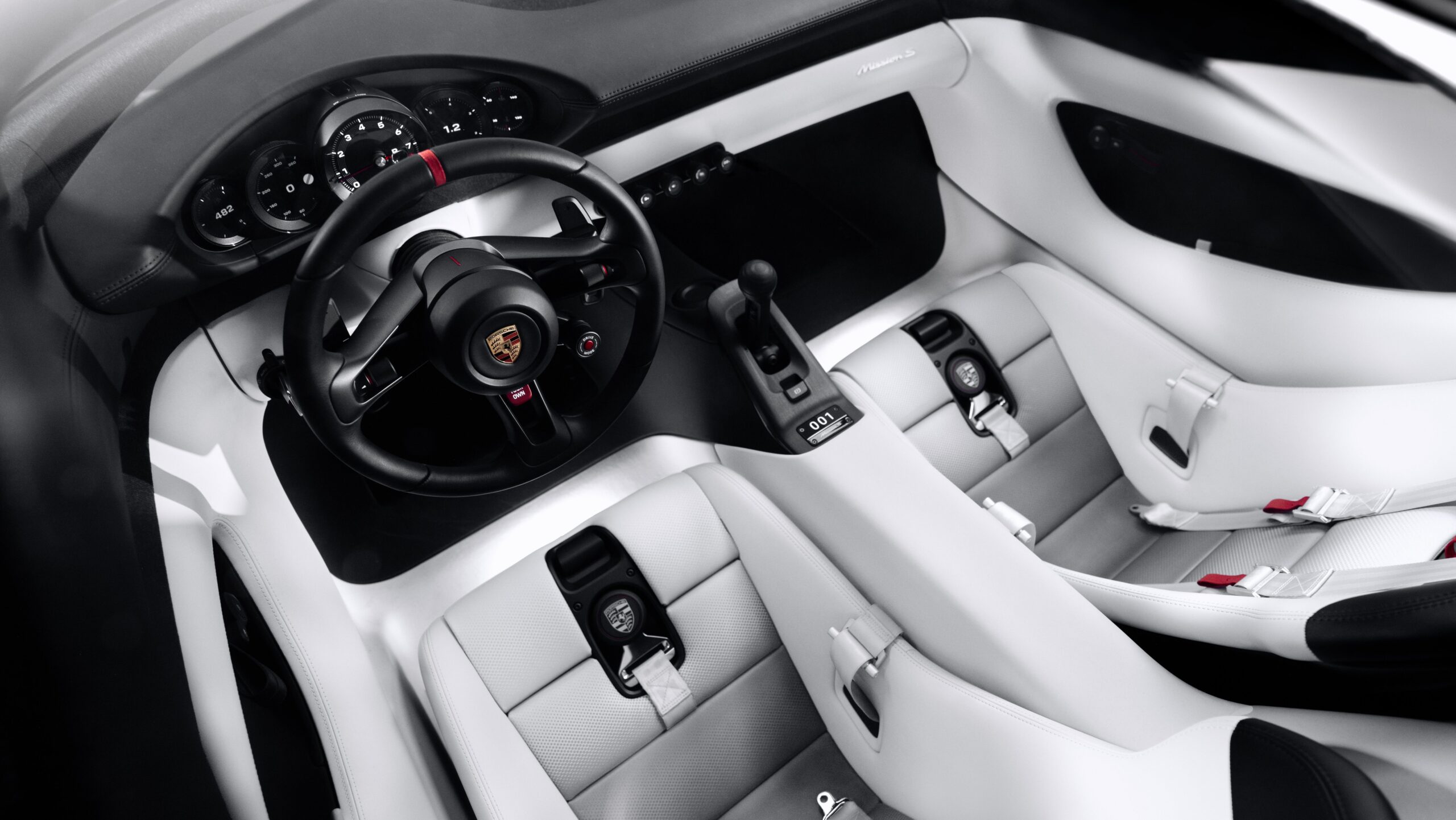
A Cockpit Designed Around the Driver
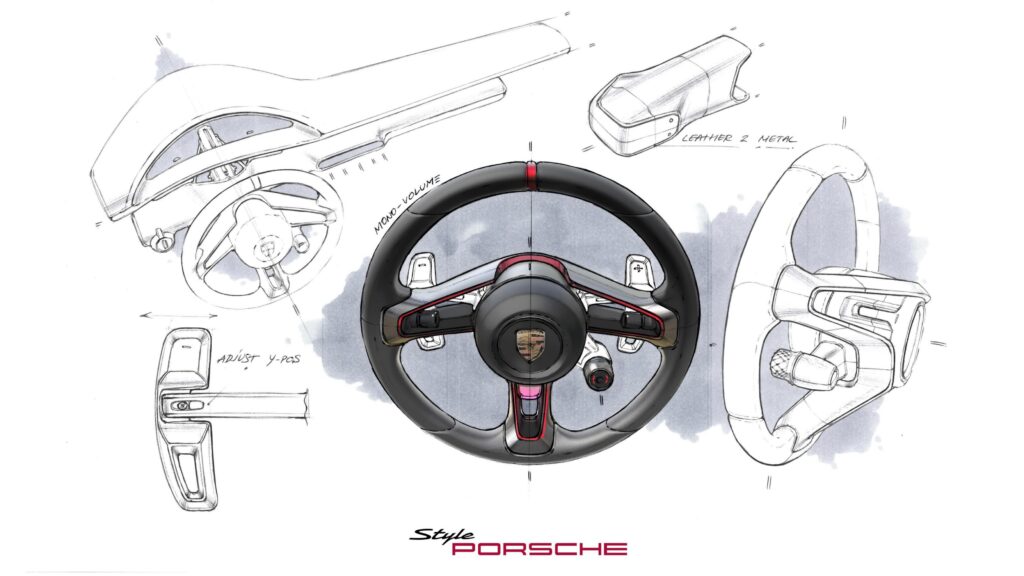
The interior represents perhaps the most refreshing aspect of the Mission S.
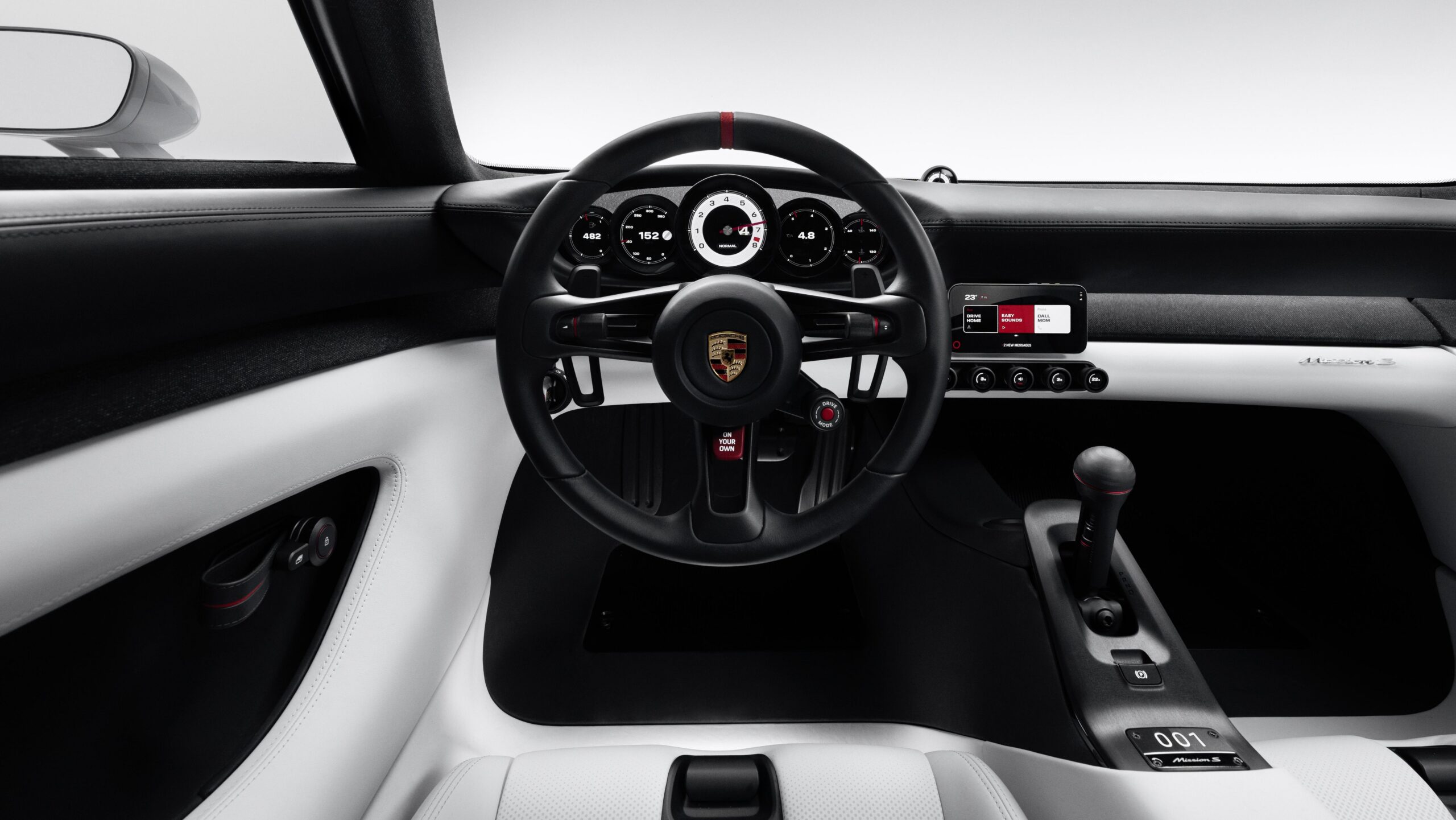
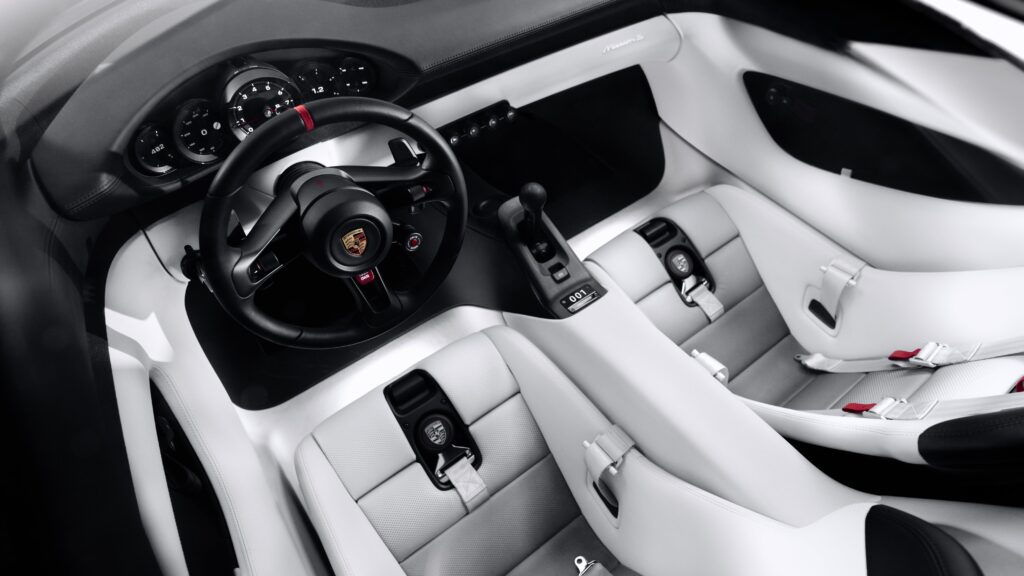
Porsche has deliberately reduced the number of digital displays, returning to a more traditional driver-focused environment inspired by historic models such as the 550 Spyder and 356.
Two principal lines extend through the dashboard and doors, visually wrapping around the occupants and reinforcing the sensation of sitting deep within the vehicle. This creates a direct connection between the interior architecture and the sculptural treatment of the exterior.
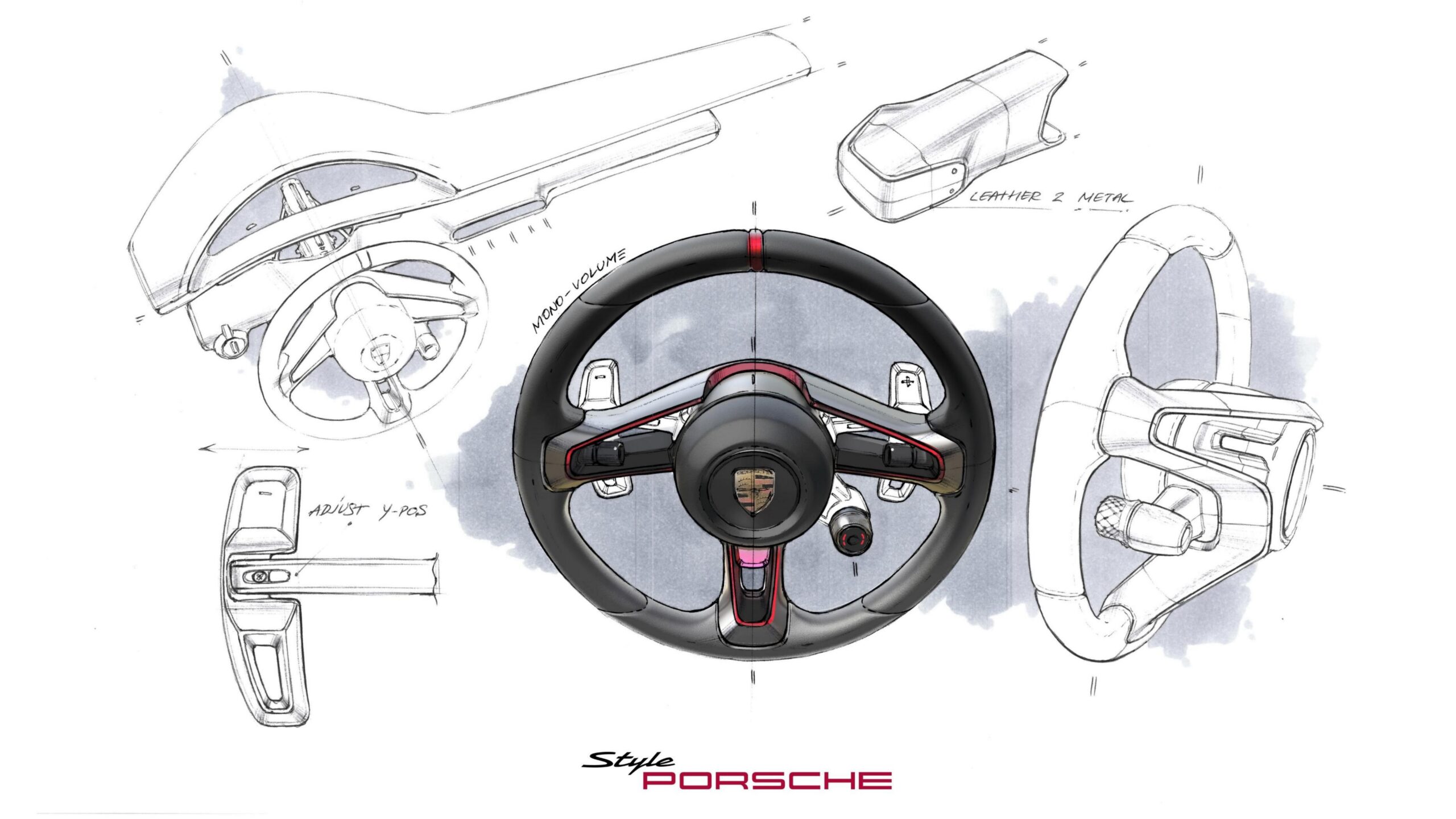
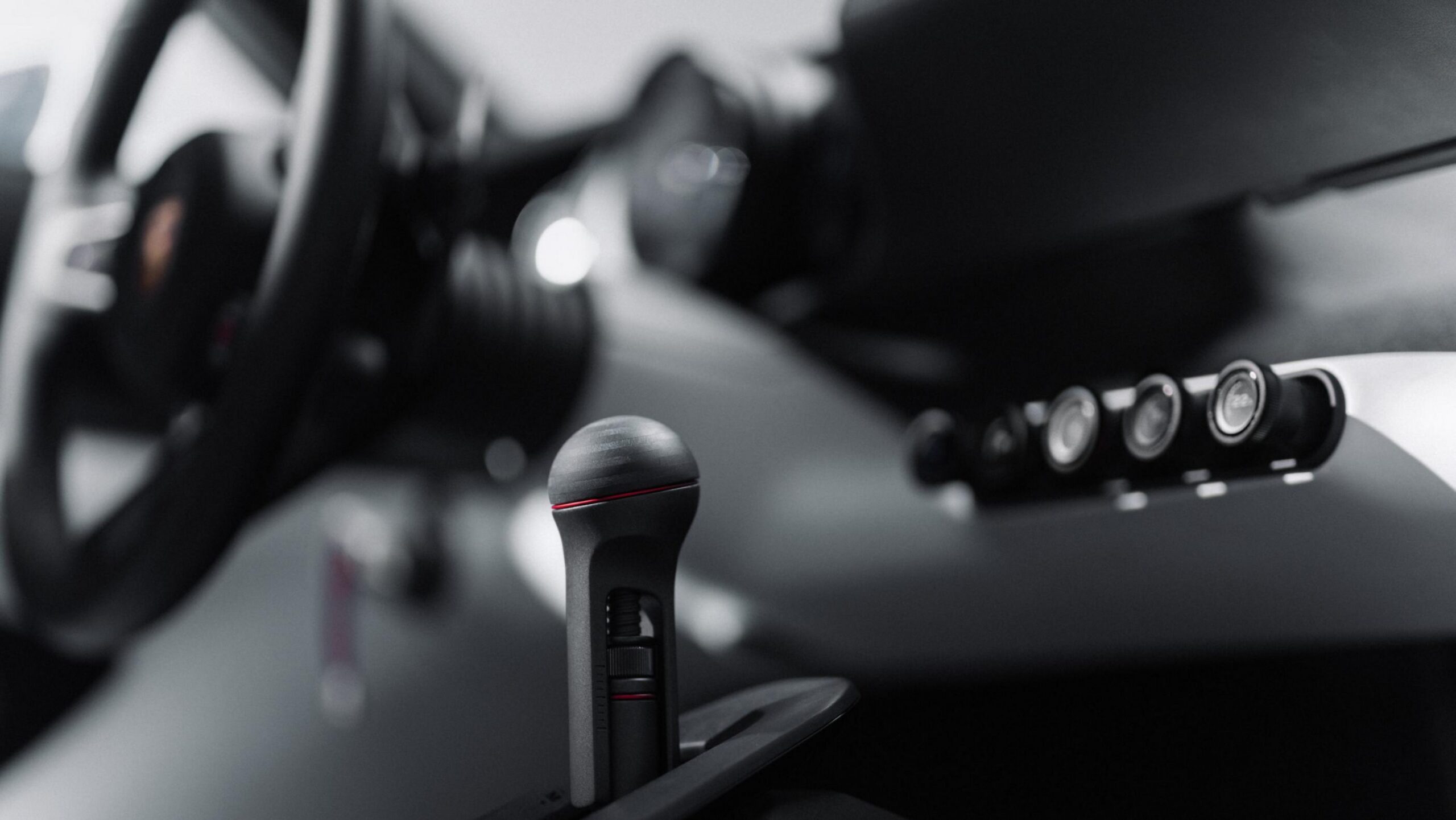
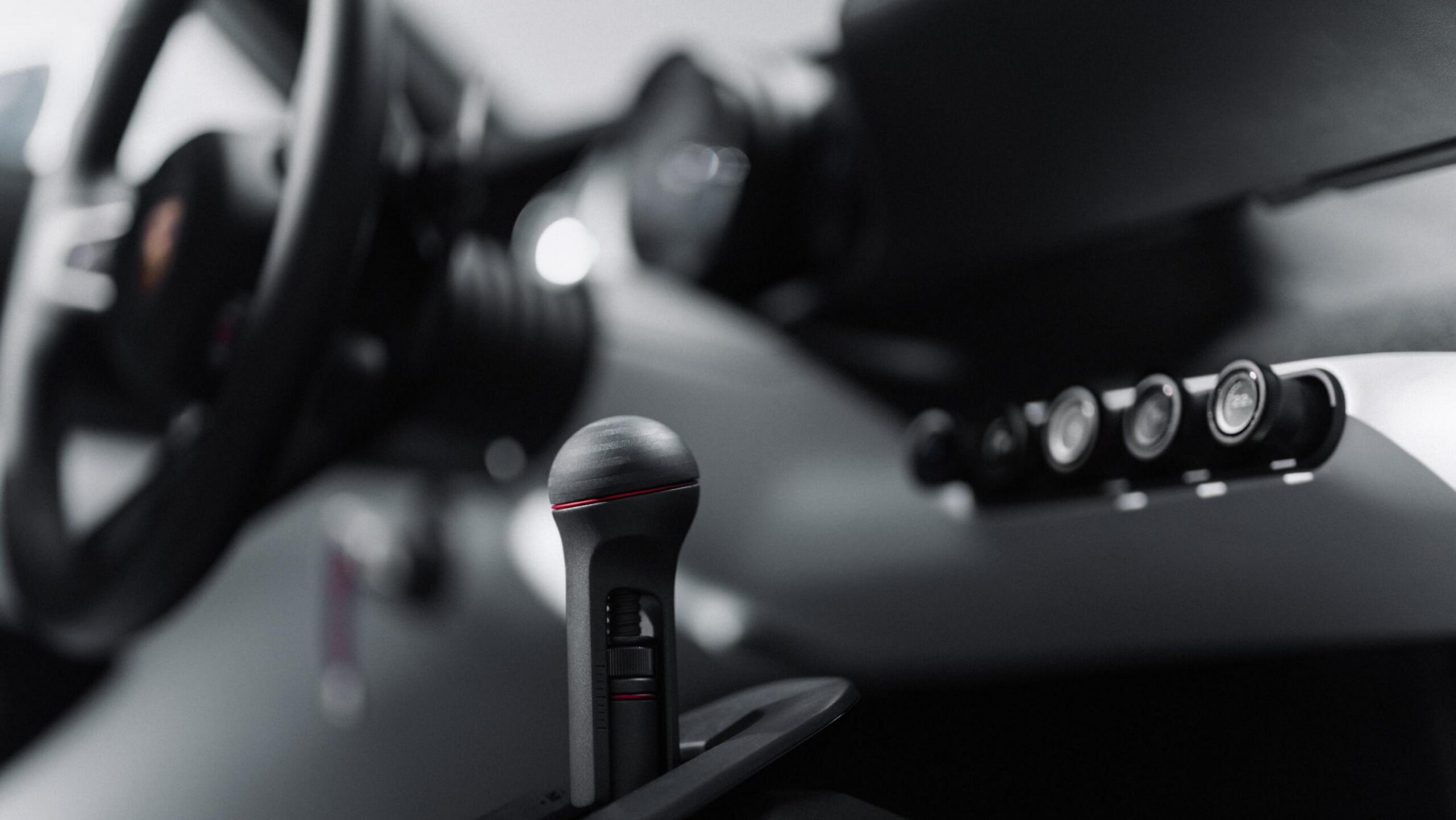
Instead of allowing large digital surfaces to dominate the dashboard, Porsche has combined conventional switches and physical controls with carefully integrated electronic displays.
The seats also introduce several interesting technical solutions, including a seatbelt buckle integrated into the central bolster and repositioned electric adjustment controls. These features demonstrate an emphasis on ergonomics and functionality rather than simply creating a visually dramatic cockpit.
The colour and material treatment draws on Porsche’s motorsport heritage, combining specially developed metallic white and red finishes with black chrome and darker interior surfaces.
Five Instruments and a Moving Tachometer
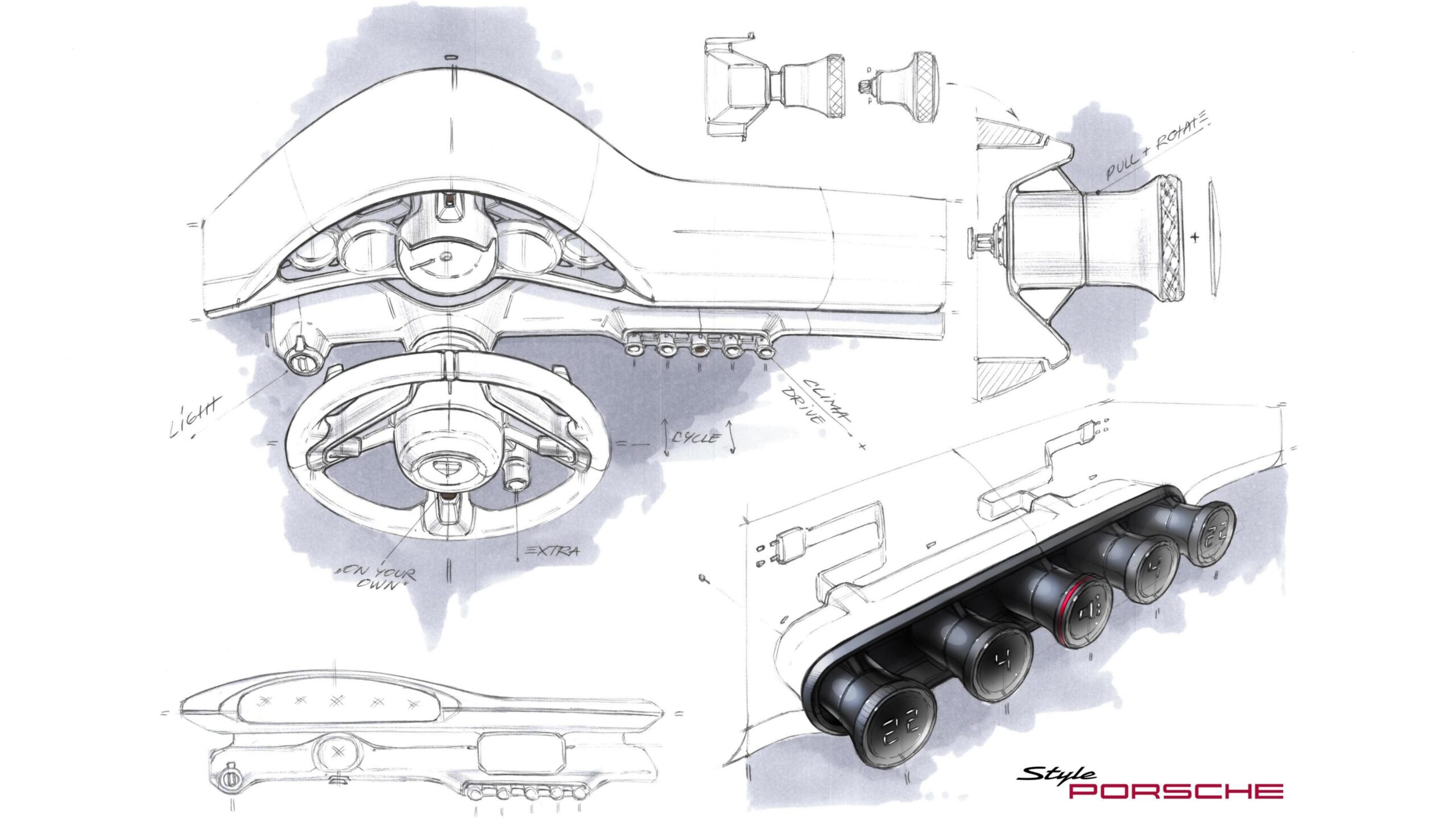
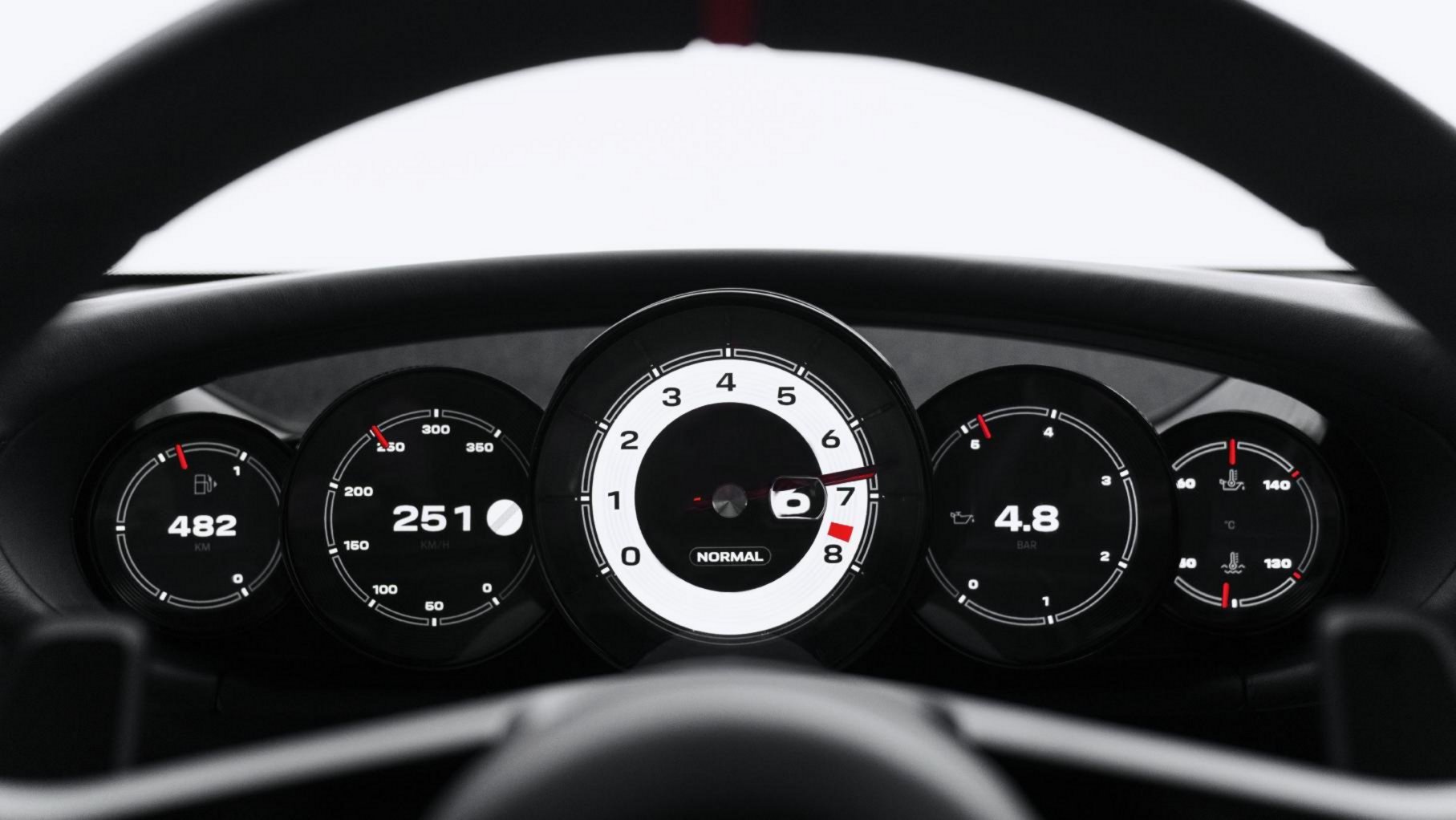
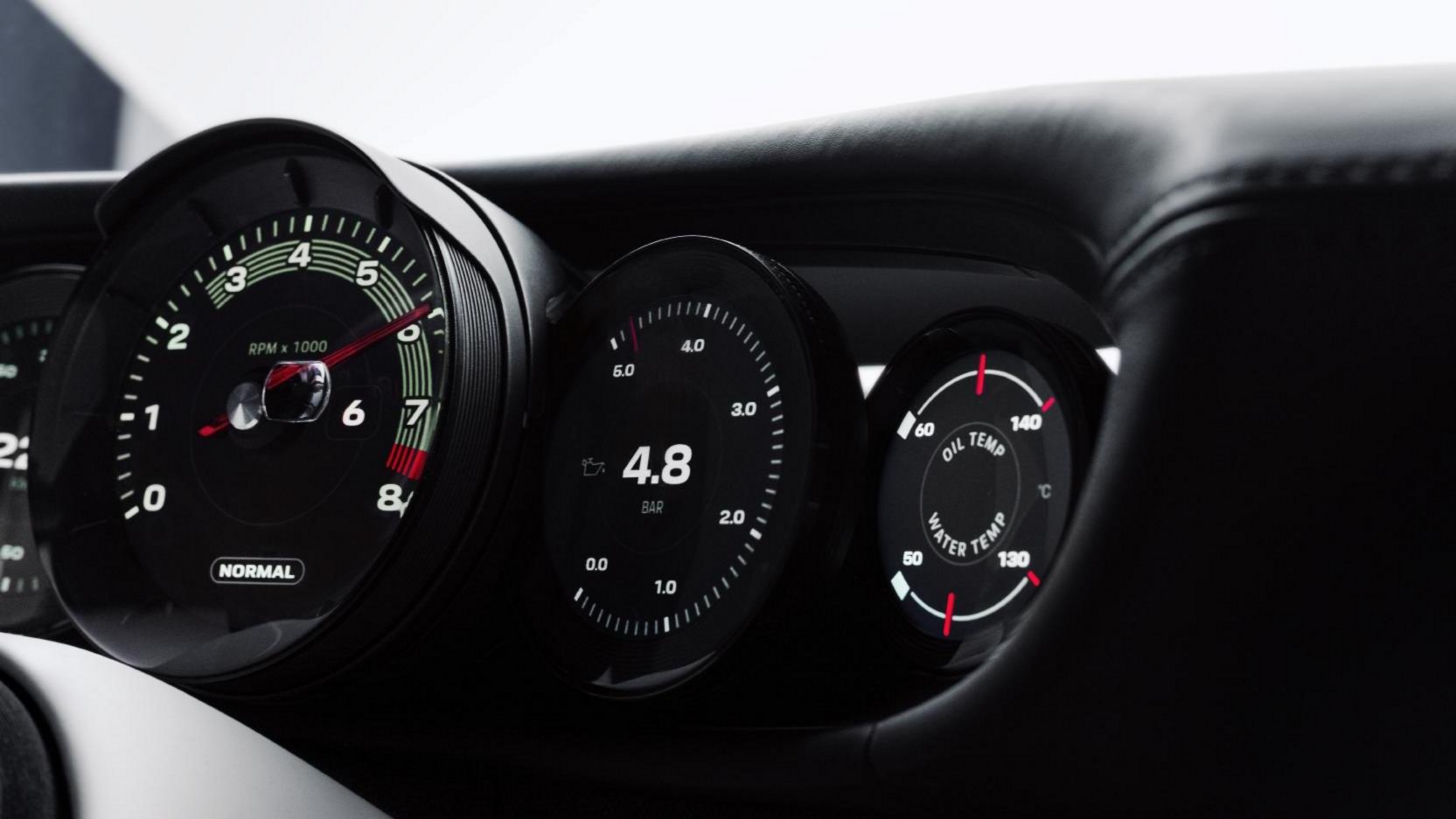
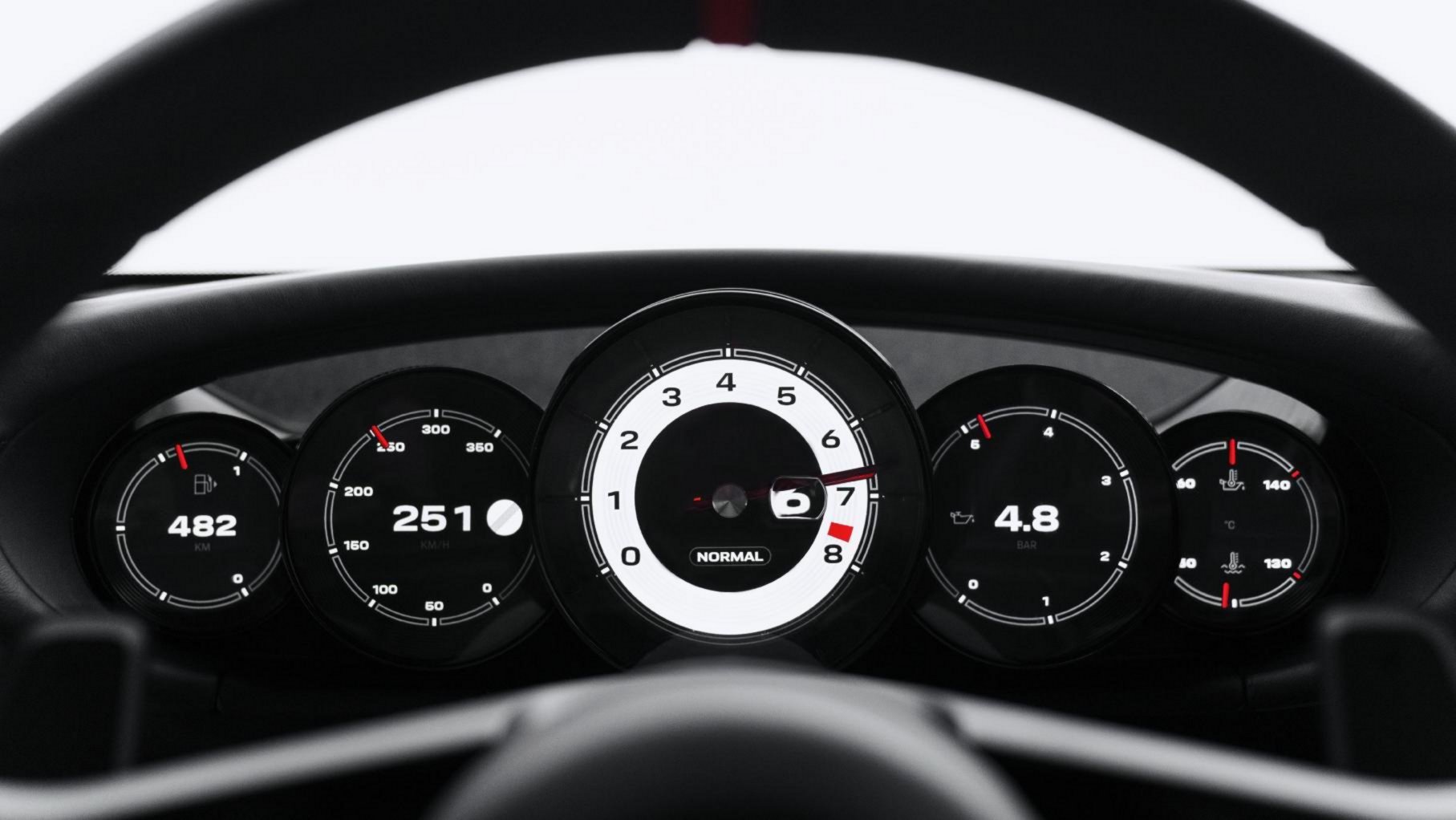
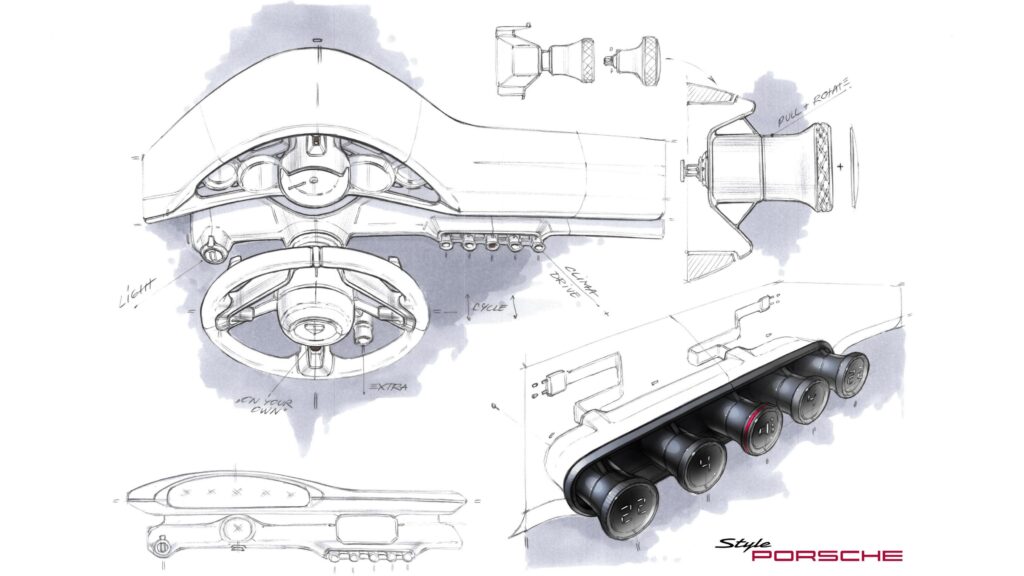
One of the Mission S’s most distinctive features is its reinterpretation of Porsche’s traditional five-dial instrument cluster.
Rather than replacing the familiar arrangement with a single rectangular display, Porsche has developed five individual circular instruments that can physically change their arrangement according to the selected driving mode.
At the centre is a tachometer combining a conventional analogue needle with a digital display positioned behind it. Depending on the driving mode, the tachometer moves closer to the driver, increasing its visual prominence and reinforcing the connection between engine performance and driver attention.
The surrounding instruments can also reposition themselves, appearing alongside or behind one another depending on the information required.
This is an interesting alternative to conventional digital instrumentation, where changing driving modes generally involves little more than switching graphics on a fixed display.
Porsche is exploring the possibility of using physical movement to communicate information and create a more engaging driving experience. Whether the additional mechanical complexity would be justified in production remains to be seen, but the underlying principle is particularly appealing.
Less Screen, More Driving
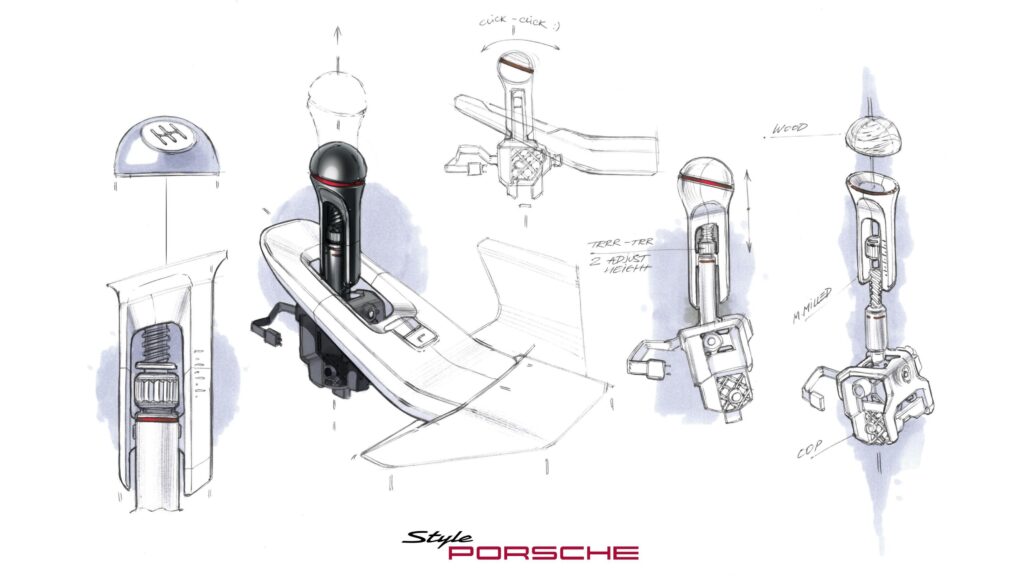
Perhaps the most radical interior decision is Porsche’s deliberate elimination of a permanently installed central infotainment screen.
The Mission S also dispenses with the increasingly fashionable passenger-side display. Instead, Porsche has developed a retractable smartphone interface compatible with Apple’s MagSafe technology.
When required, the driver’s smartphone can serve as a navigation or information display. When it is not needed, the system can disappear, leaving a clean and relatively uncluttered dashboard.
A simplified MyPorsche application provides access to vehicle functions and allows the driver to select historically inspired instrument graphics.
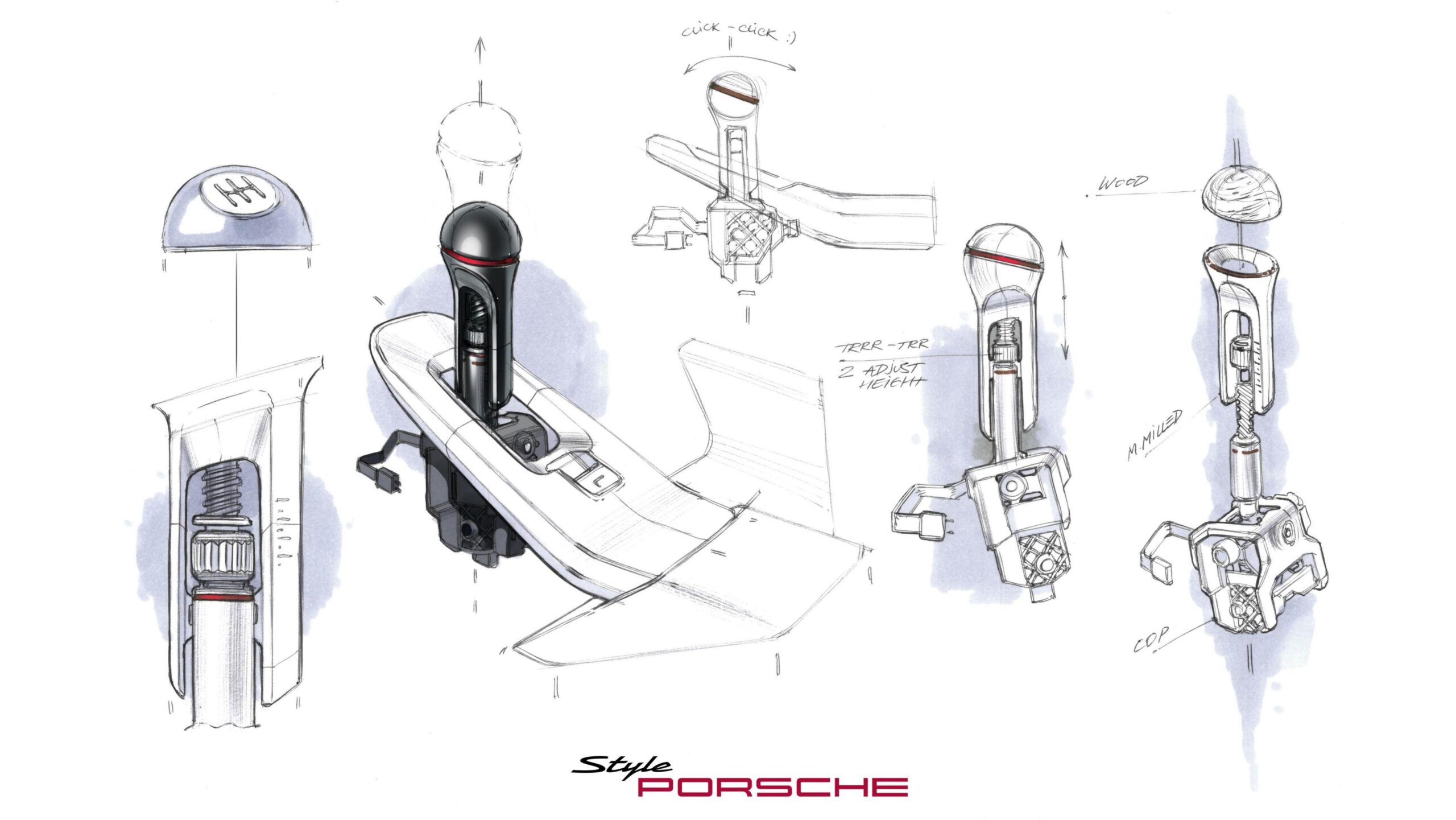
The concept also retains the traditional Porsche arrangement of positioning the ignition key to the left of the steering wheel, now interpreted through a dedicated key receptacle. Newly developed push-pull controls provide direct access to important driving and comfort functions, while the Sport Chrono element combines analogue character with digital precision.
This approach is particularly significant because it challenges the assumption that technological progress must inevitably result in larger and more numerous screens.
For a sports car, where concentration, ergonomics and immediate feedback are essential, reducing unnecessary visual information could be a genuine improvement rather than a compromise.
A New Supercar Family Above the 911
Beyond its design, the Mission S reveals an important change in Porsche’s future product strategy.
The company intends to establish a permanent mid-engine supercar range positioned above the 911, rather than relying exclusively on occasional limited-production hypercars such as the Carrera GT and 918 Spyder.
This suggests a broader family of high-performance vehicles, potentially incorporating different configurations and levels of performance while sharing a common architectural foundation.
Porsche has not yet announced detailed engine specifications, power output, acceleration figures or production dates for the Mission S. Consequently, the concept should be evaluated primarily as a design and architectural statement rather than a fully specified production vehicle.
Nevertheless, the decision to establish a permanent model family above the 911 is significant. It would allow Porsche to explore a different performance category without fundamentally altering the character or market position of its most important sports car.
Returning to What Makes a Porsche Special
The Porsche Mission S is particularly compelling because it does not attempt to redefine the sports car through technology alone.
Its design emphasizes recognizable proportions, carefully controlled surfaces and functional aerodynamic details, while the interior places renewed importance on physical controls, intuitive instrumentation and the relationship between driver and vehicle.
There is a clear connection with Porsche’s historical design philosophy, but the Mission S avoids becoming a nostalgic reproduction of earlier models. Instead, it translates familiar characteristics into a contemporary mid-engine supercar architecture.
The absence of detailed performance specifications is almost refreshing. Rather than concentrating on horsepower figures or acceleration records, Porsche is presenting a concept in which the design, ergonomics and overall driving experience take priority.
Of course, the production feasibility of some features, particularly the moving instrument cluster and retractable smartphone interface, remains to be established. However, these elements illustrate a willingness to reconsider established conventions rather than simply follow prevailing industry trends.
The Mission S suggests that Porsche’s future may be defined as much by what it chooses to remove as by what it adds. Fewer unnecessary displays, cleaner surfaces, more intuitive controls and a stronger emphasis on the driving experience could prove considerably more meaningful than another generation of increasingly complicated technology.
For a company whose reputation was built on the intimate relationship between driver, machine and road, that is a particularly encouraging direction.
And with a new mid-engine supercar family planned above the 911, the Mission S could represent one of the most important developments in Porsche’s modern history.