2026 Polestar 4 Design Review: When Innovation Starts Challenging Convention


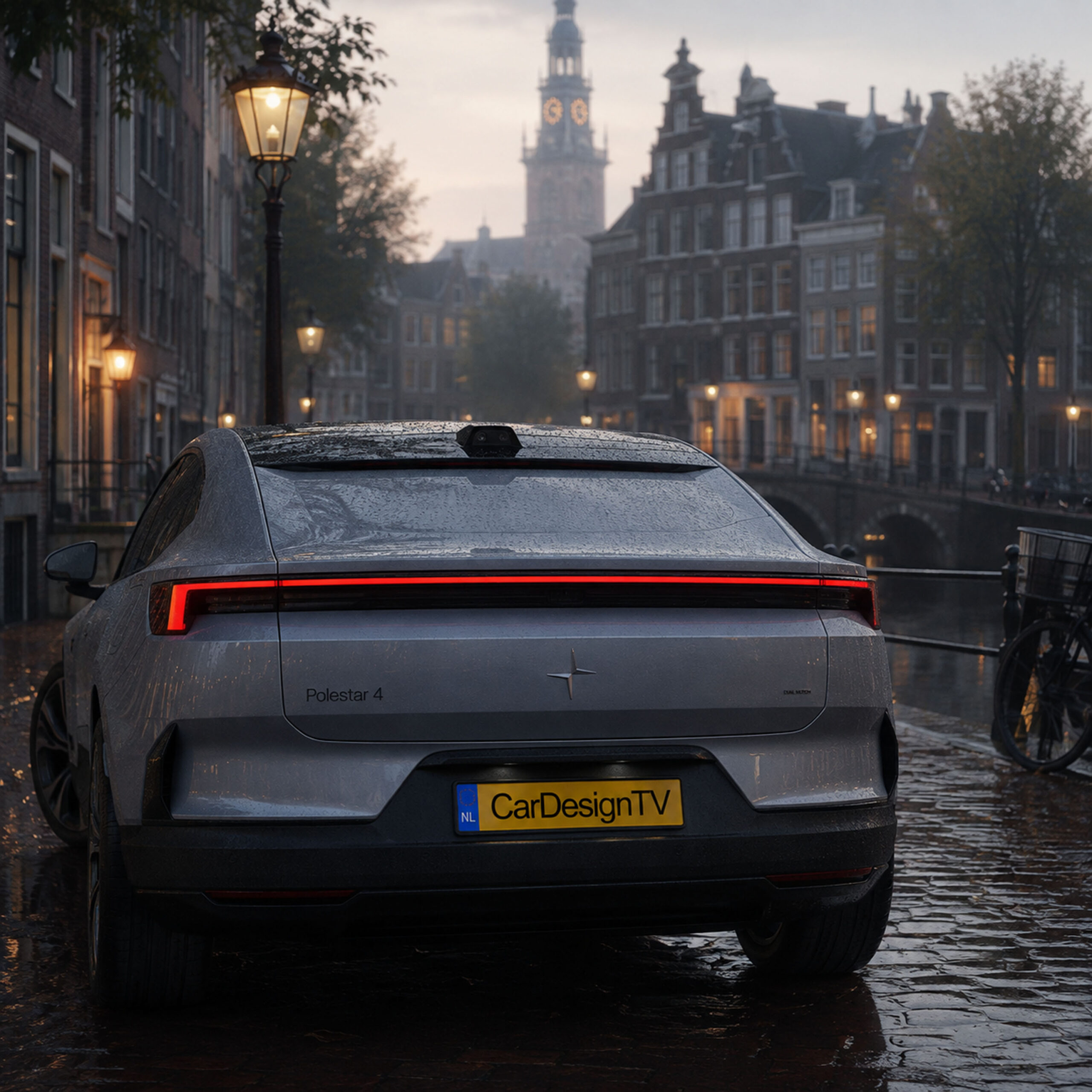
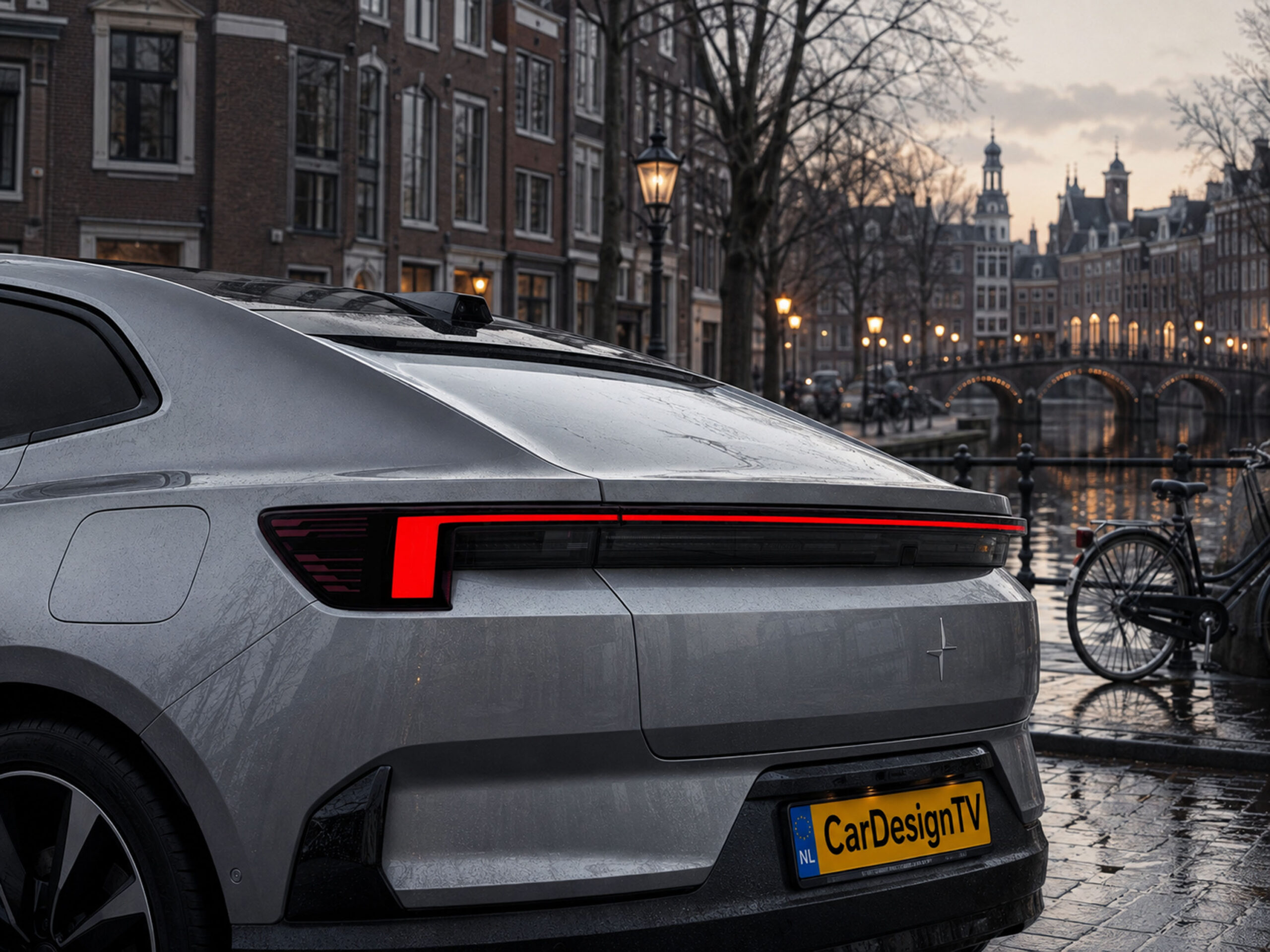
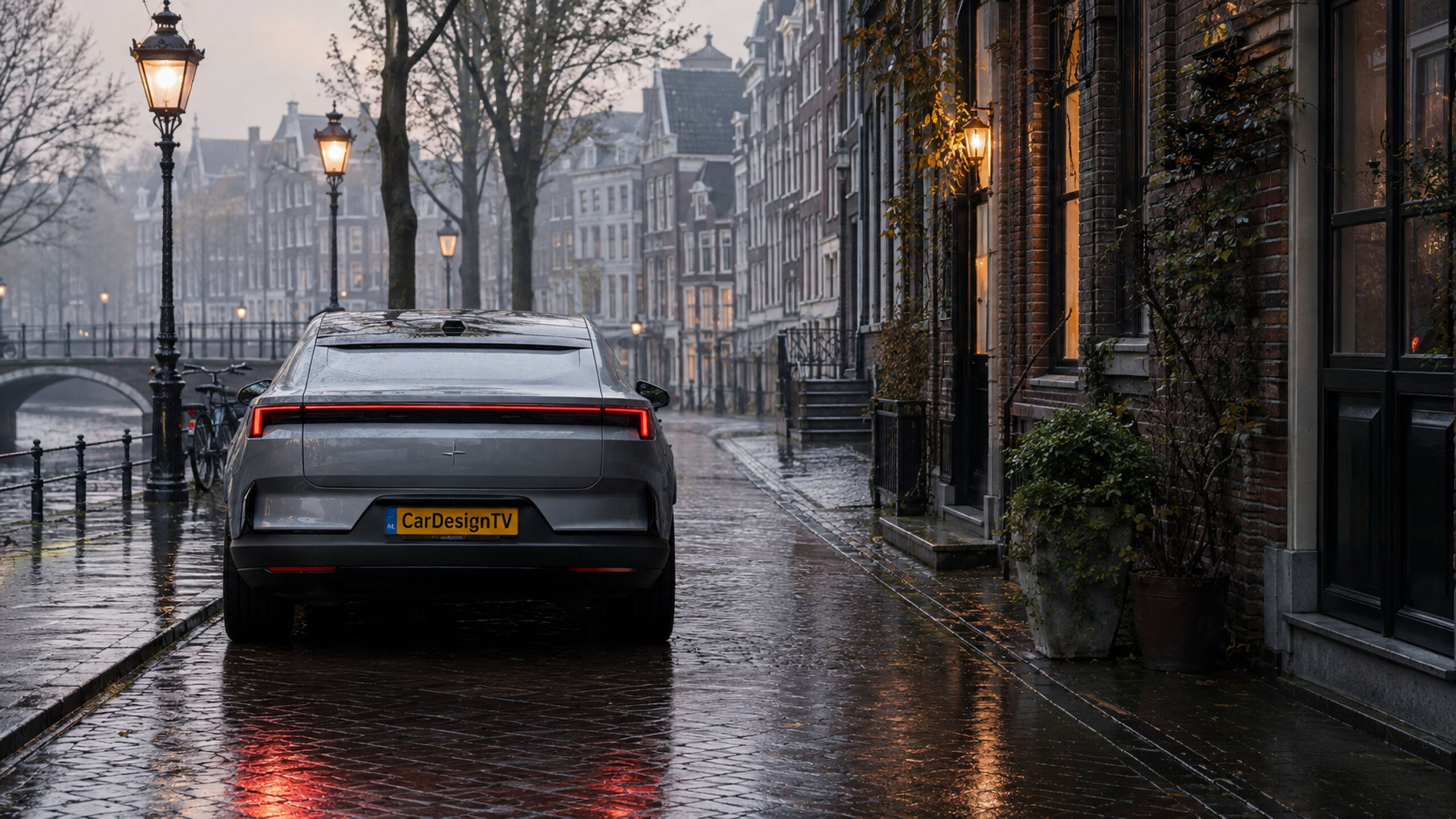
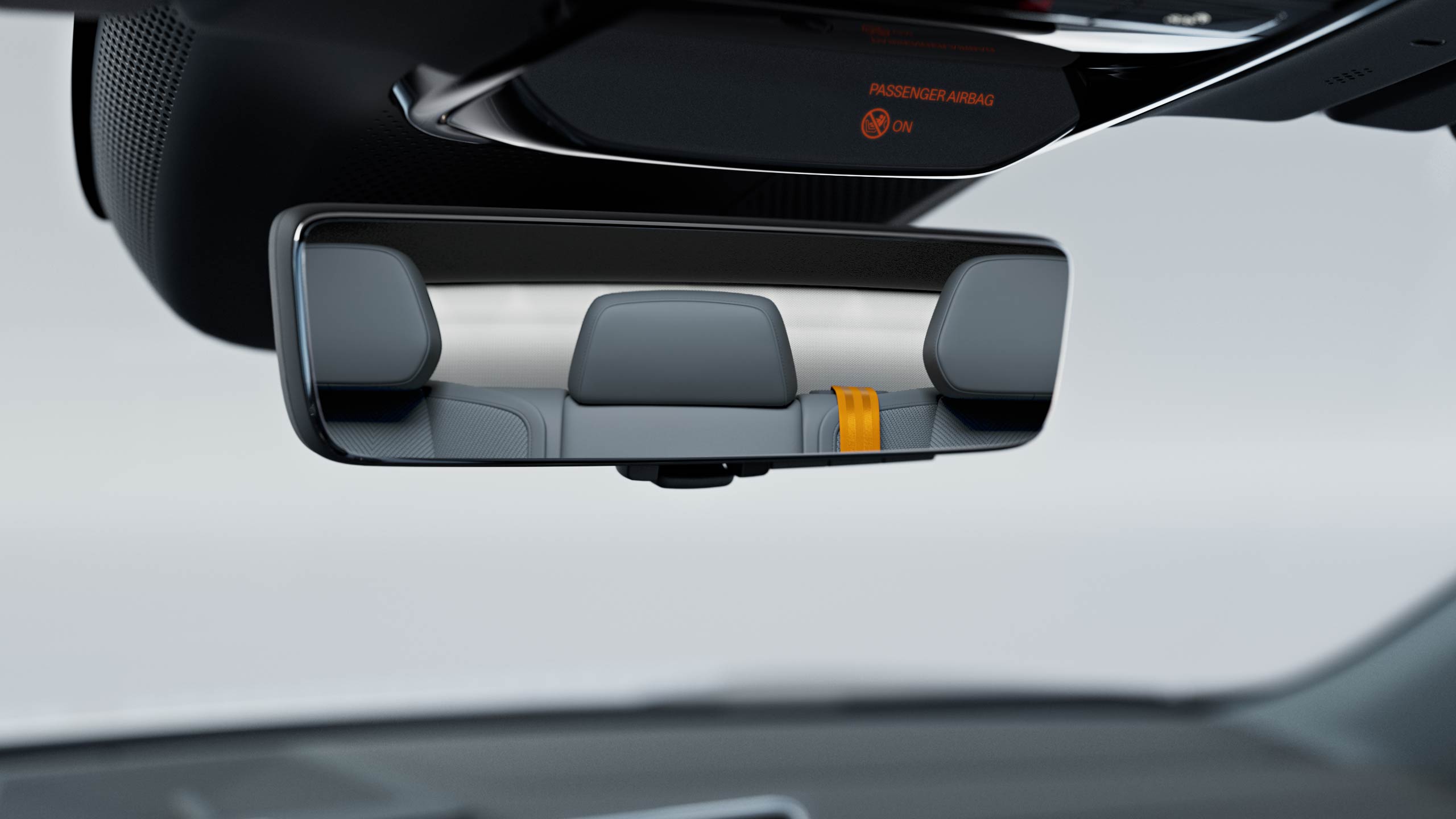
The 2026 Polestar 4 is one of those relatively rare production cars where a single design decision has the potential to dominate almost every conversation about the vehicle. It has no rear window. Instead, a camera mounted at the rear of the roof feeds a digital display positioned where a conventional interior mirror would normally be. It is a bold solution, visually distinctive and technically defensible, but it also neatly summarises the larger question surrounding the Polestar 4: when does genuinely innovative design improve the automobile, and when does being different begin to make something unnecessarily complicated?
That question becomes particularly interesting because the Polestar 4 is otherwise an exceptionally accomplished piece of automotive design. Its proportions are excellent, its exterior is cleaner and more coherent than those of most contemporary SUVs, and the interior demonstrates a level of restraint rarely found in vehicles attempting to establish themselves as technological flagships. There is an obvious confidence to the design that separates it from the increasingly busy appearance of many premium competitors.
Yet living with the Polestar 4 also reveals an unusual contradiction. The physical object has been simplified beautifully, while some of the interaction with that object has become more complicated. Conventional controls that generations of drivers understand immediately have been reconsidered, relocated or transferred into the central screen. The result is a car that can be visually calmer while simultaneously demanding more conscious attention from its driver.
That tension between simplicity and usability makes the Polestar 4 one of the most interesting vehicles currently on the road.
A New Interpretation of the SUV Coupé
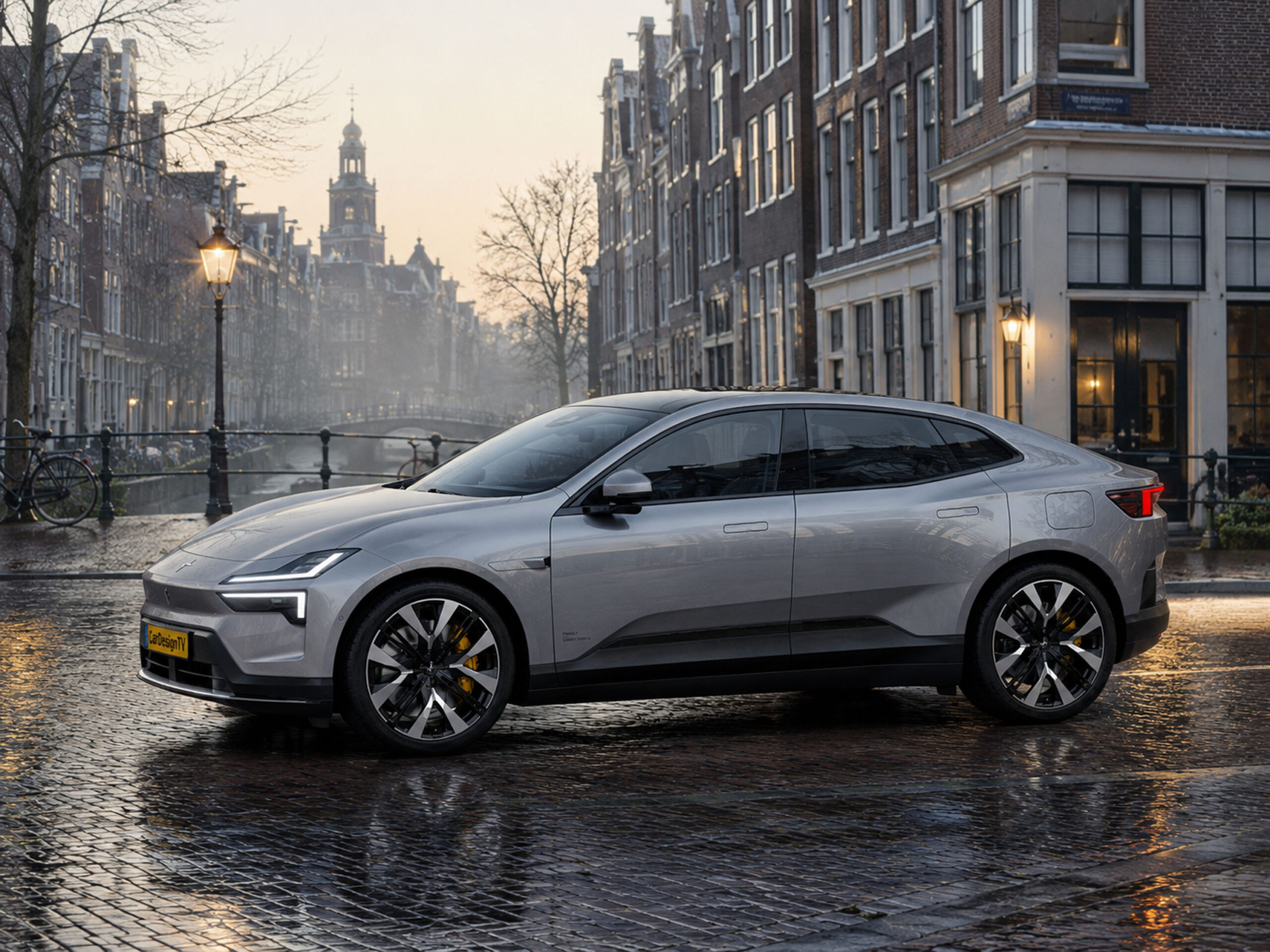
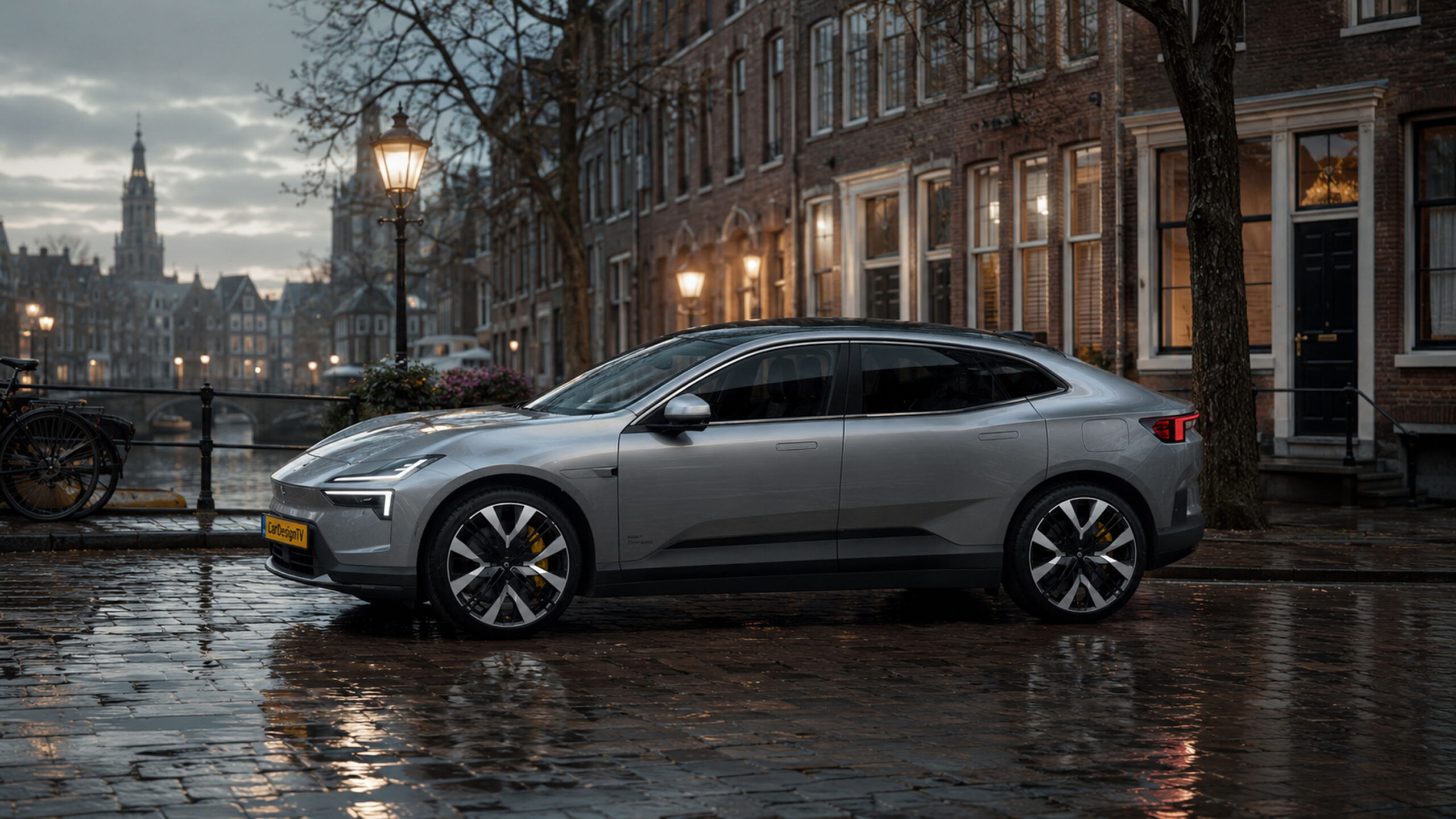
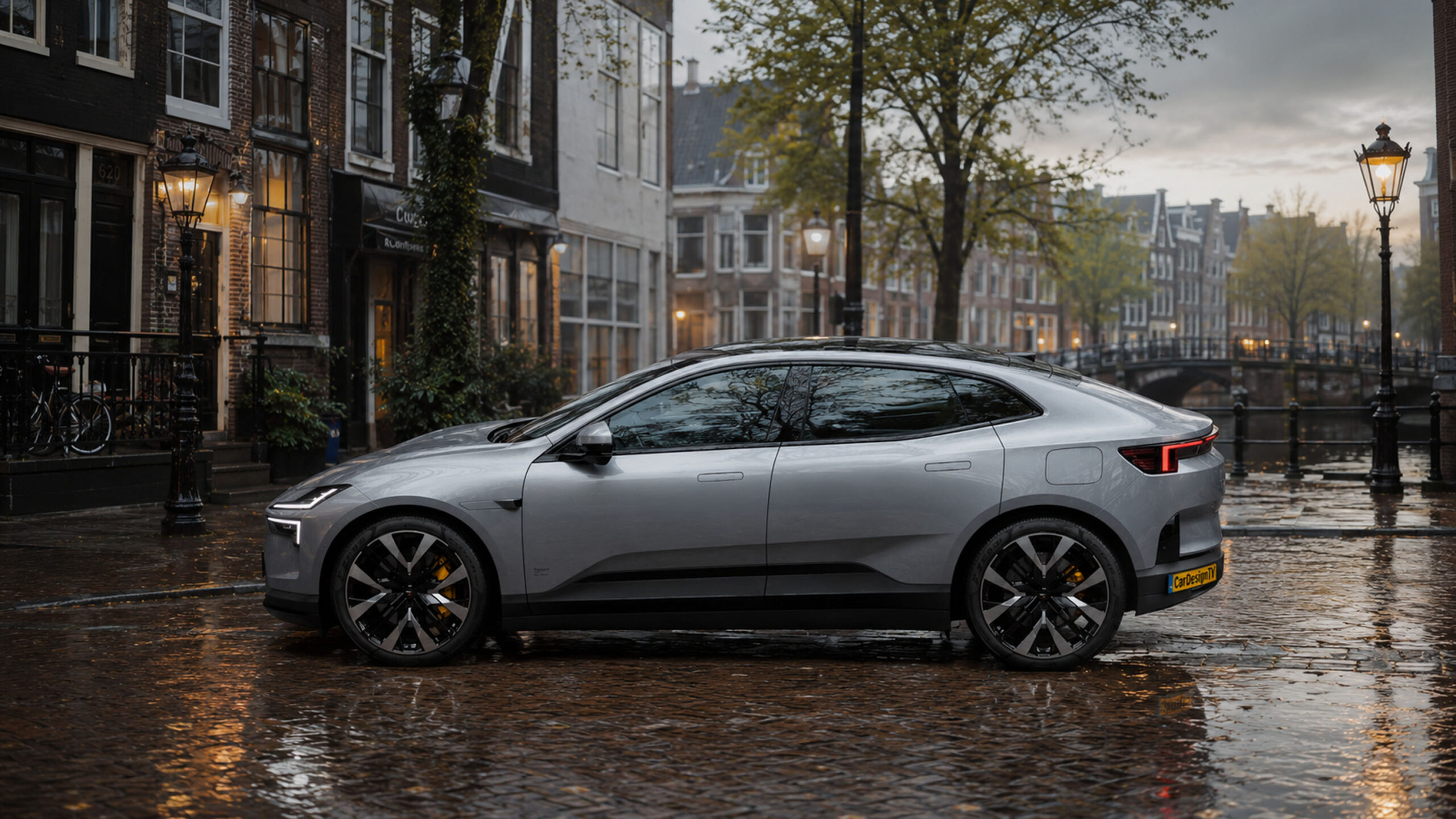
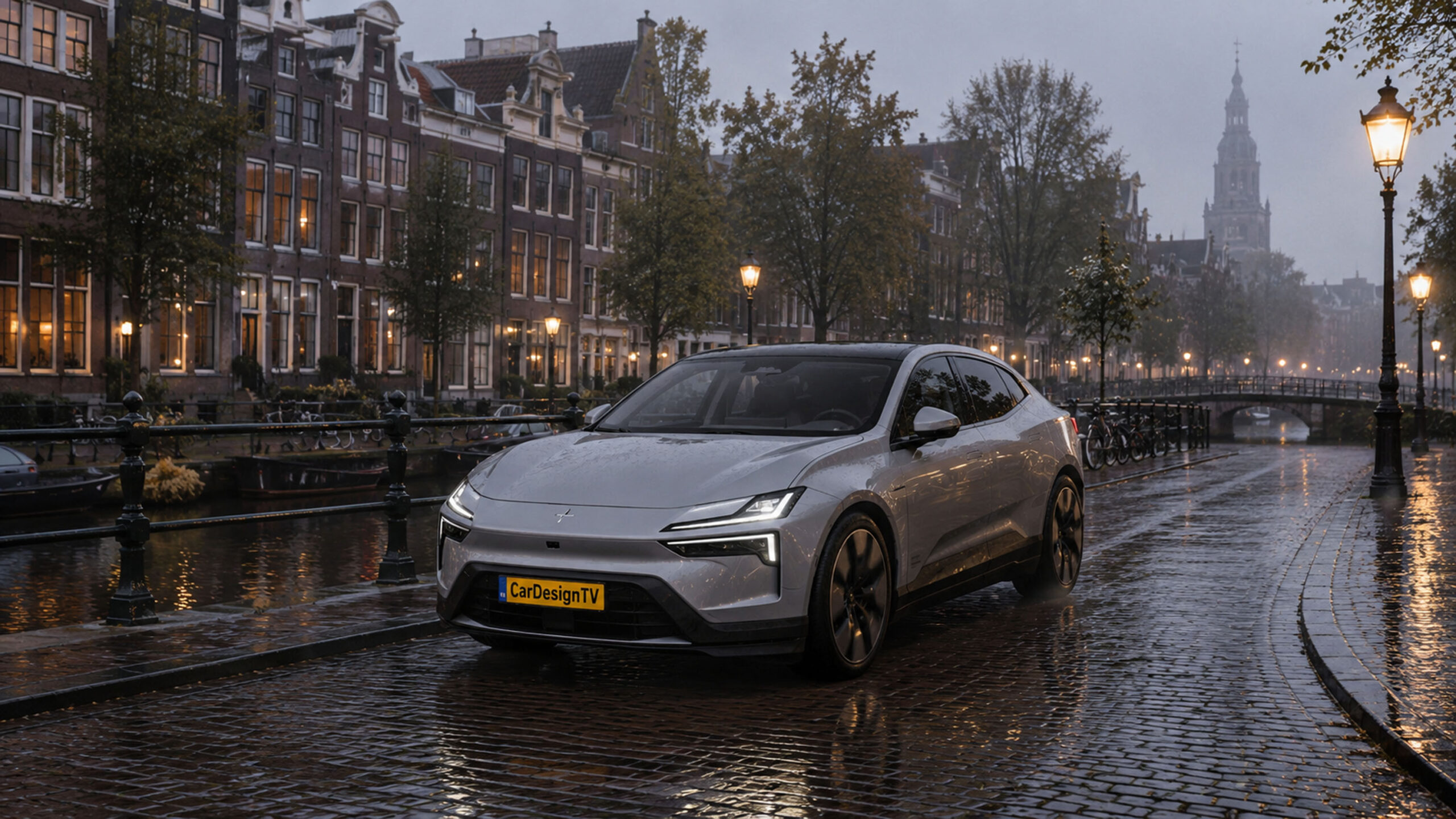
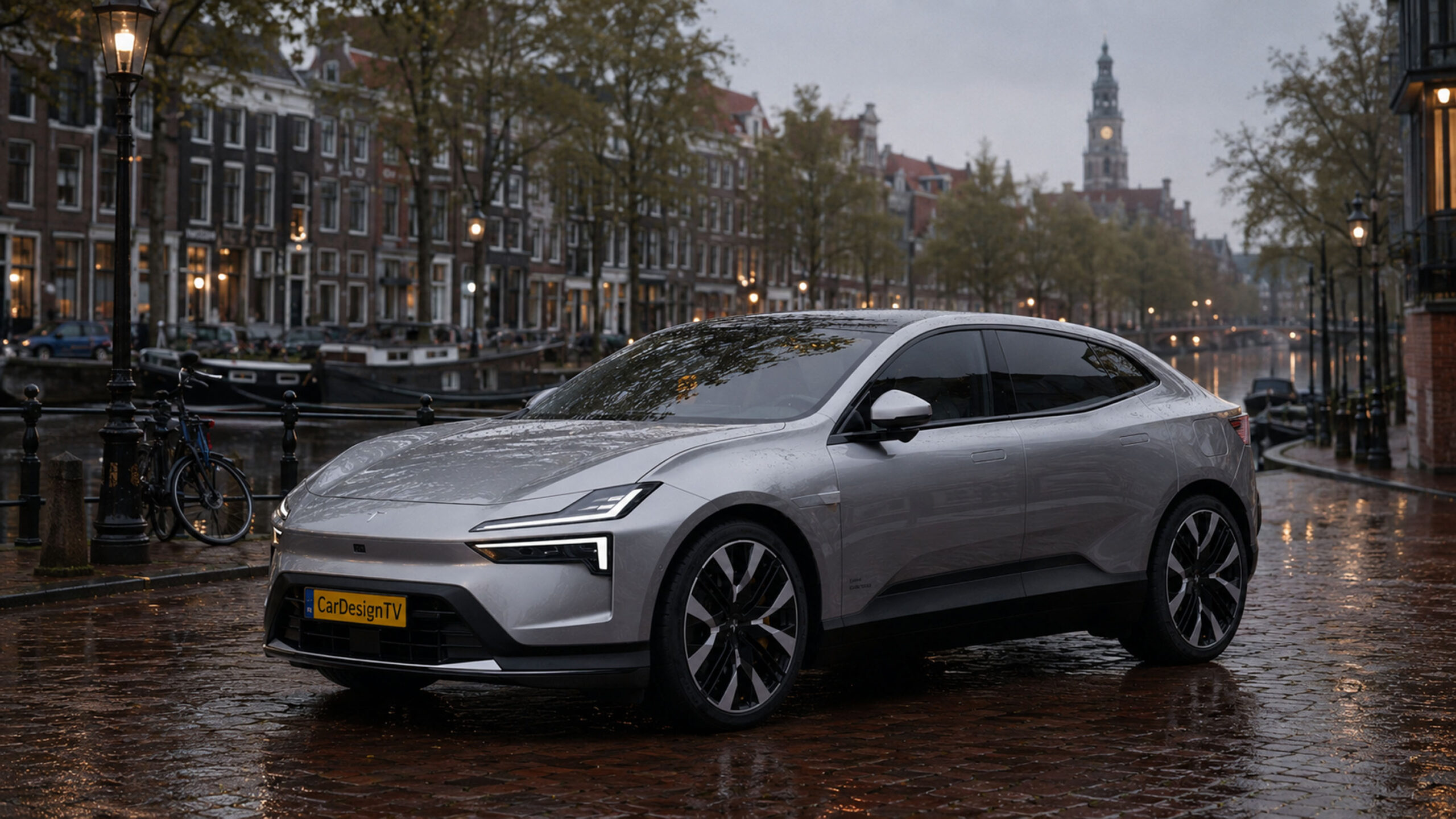
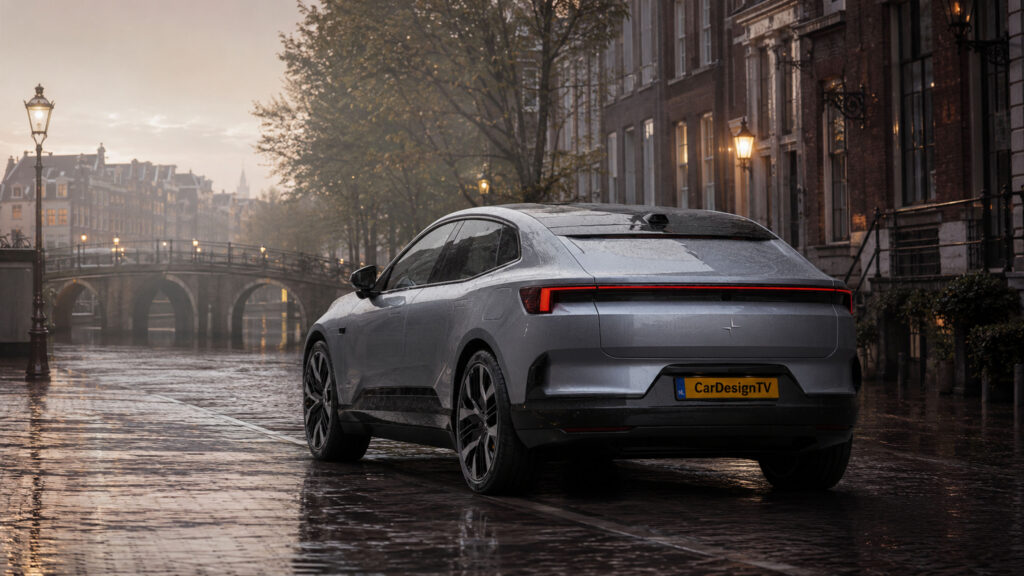
Polestar officially describes the 4 as an SUV coupé, although those words hardly do justice to its proportions. At 4,840 mm long, 2,067 mm wide with its mirrors folded and only 1,534 mm high, this is a remarkably low vehicle for something carrying an SUV designation. Its 2,999 mm wheelbase is particularly significant, accounting for almost 62 percent of the overall length and allowing the wheels to sit unusually close to the corners.
That proportion immediately gives the Polestar 4 a different visual character from a conventional combustion-engine SUV. There is relatively little front overhang, an equally controlled rear overhang and a very long passenger compartment between the axles. Rather than looking like a traditional SUV whose roof has simply been lowered to create a coupé derivative, the 4 appears to have been designed around its electric architecture from the beginning.
The stance is wide and planted, while the low roof prevents the substantial body width from making the vehicle look excessively tall or heavy. This is particularly important because the Polestar 4 is not a small or lightweight car. Depending on specification, it weighs well over 2.2 tonnes, yet the exterior design disguises that mass remarkably successfully.
The visual centre of gravity appears low, the bodyside is tightly controlled and there is little of the visual bulk found on many battery-electric SUVs. It looks more like an oversized sporting fastback than a traditional utility vehicle.

One of Polestar’s Strongest Exterior Designs
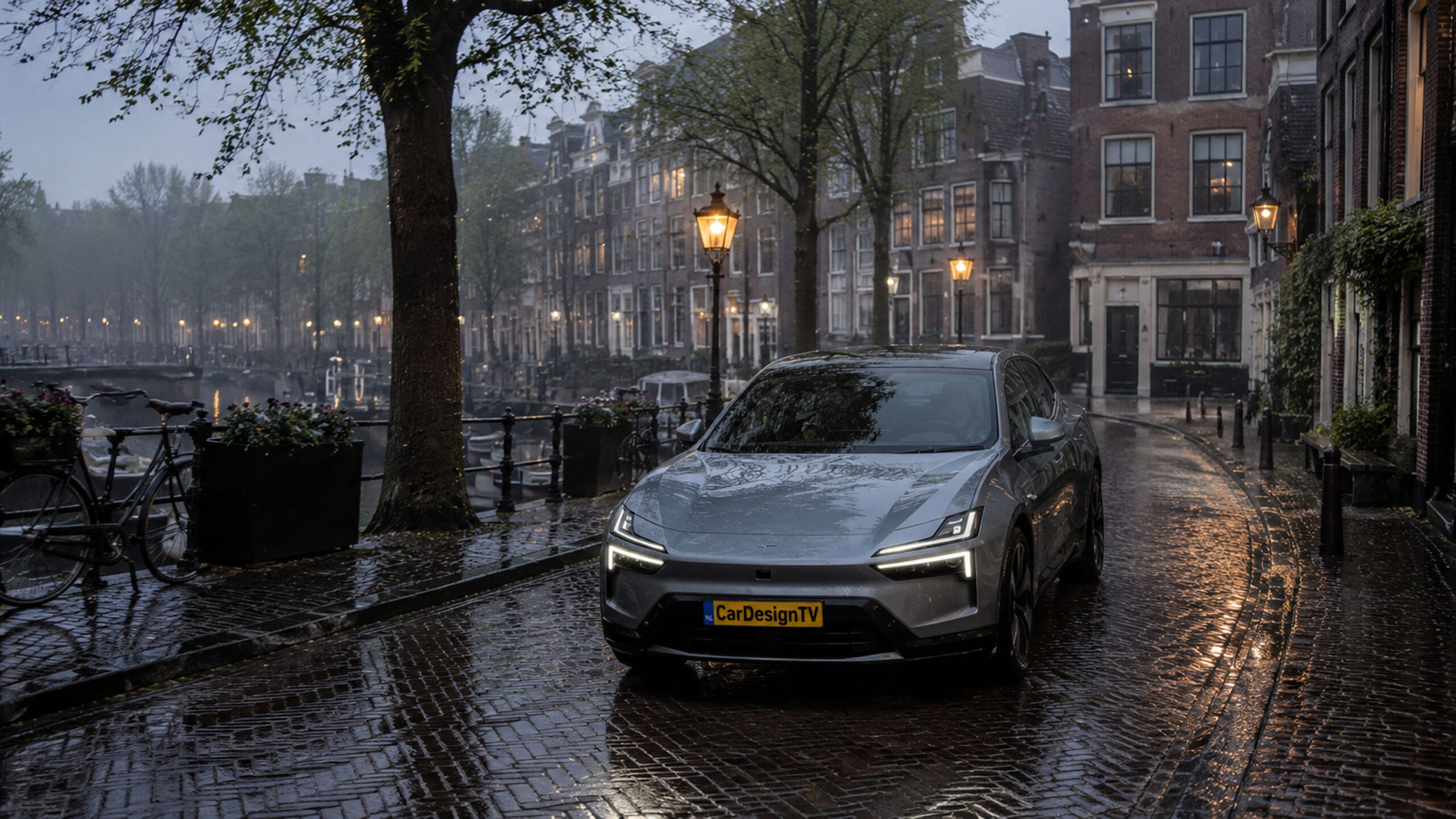
Polestar has steadily developed a highly recognisable design language since separating itself from Volvo, and the Polestar 4 may be the clearest expression of it so far. Earlier cars still displayed an obvious relationship with Volvo design, particularly through their lighting graphics and Scandinavian minimalism. The 4 feels considerably more independent.
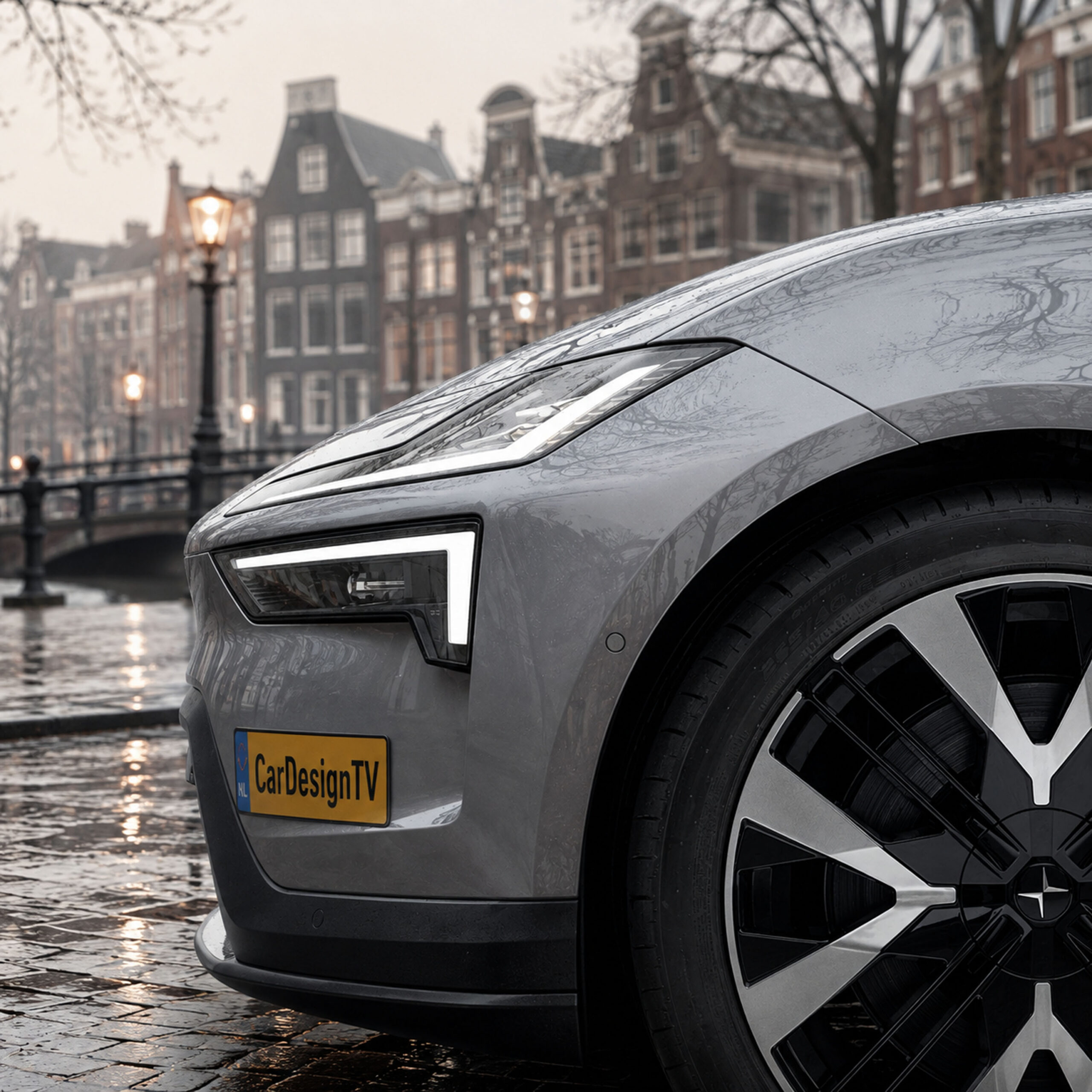
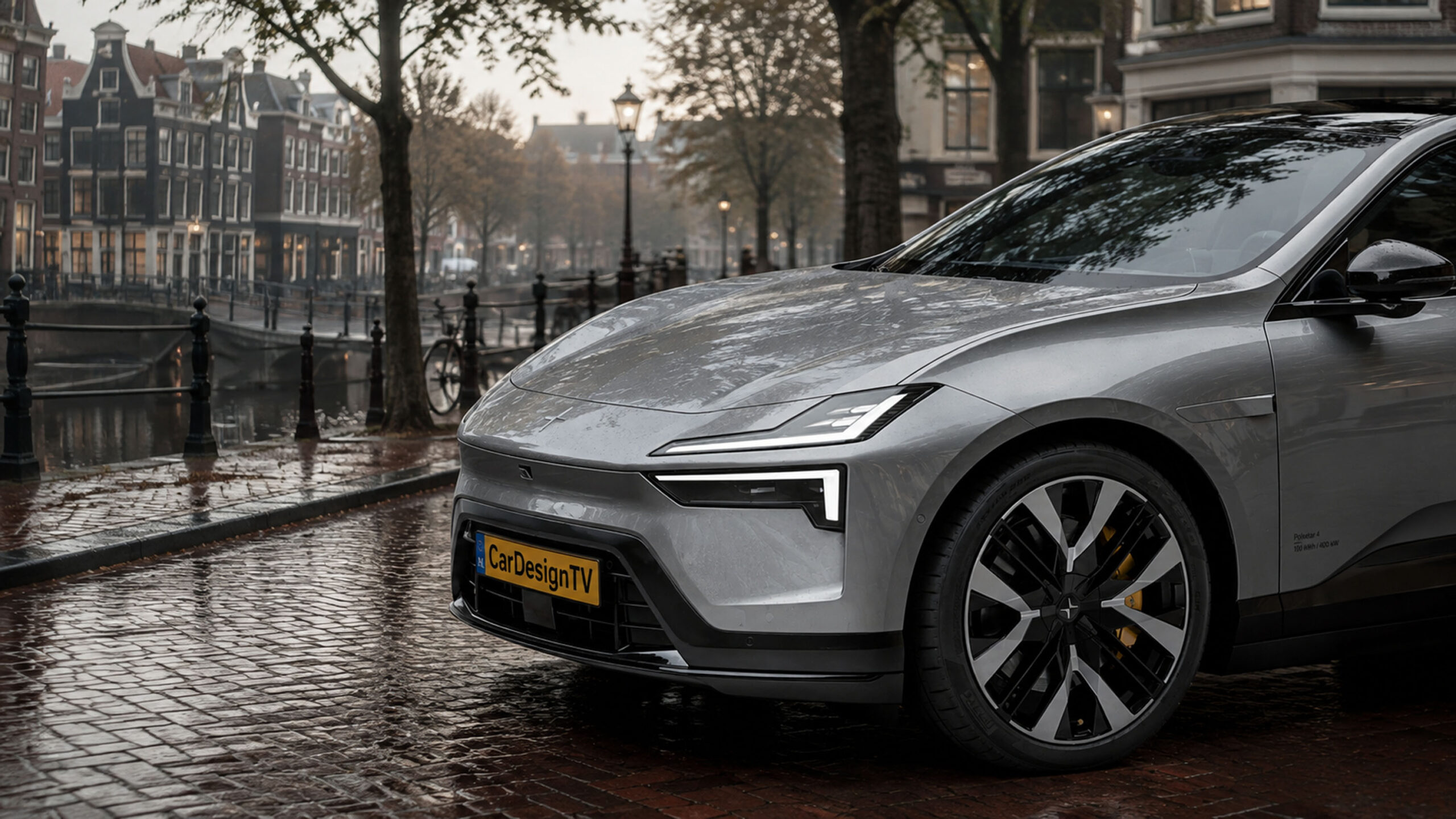
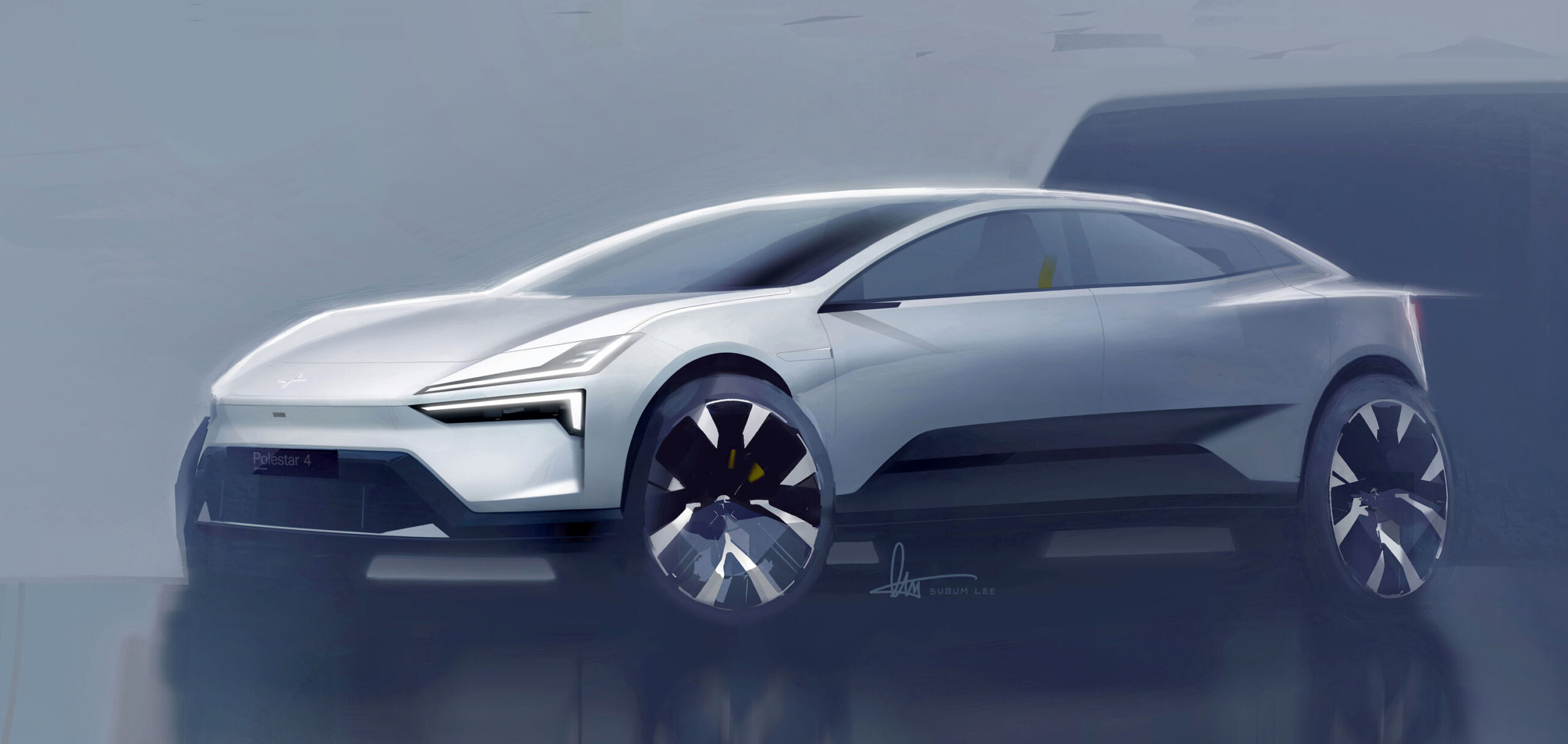
At the front, the familiar Thor’s Hammer-influenced headlamp graphic has evolved into separated upper and lower lighting elements. The result is more technical and less decorative, giving the car a sharper identity without resorting to an oversized illuminated grille or a full-width light bar.
The front surface itself is remarkably clean. Because an electric vehicle does not require a traditional radiator opening, Polestar has avoided pretending that one exists. The lower cooling openings are functional and visually secondary, while the upper surface is almost architectural in its simplicity.
This is where the Polestar 4 demonstrates one of the strengths of Scandinavian design thinking. Minimalism does not have to mean absence. The front still has character, but that character has been created through proportion, lighting and surface relationships rather than decorative graphics.

The Side View Is Exceptionally Well Resolved
The profile is arguably the most successful view of the car. The enormous wheelbase and extremely short overhangs create excellent basic proportions before any styling begins. From there, the designers have resisted the temptation to overwork the surfaces.
A strong lower body provides the visual foundation, while the glazing remains comparatively shallow. The roof flows continuously toward the rear rather than stopping at a conventional hatchback header, which is only possible because Polestar eliminated the rear window.
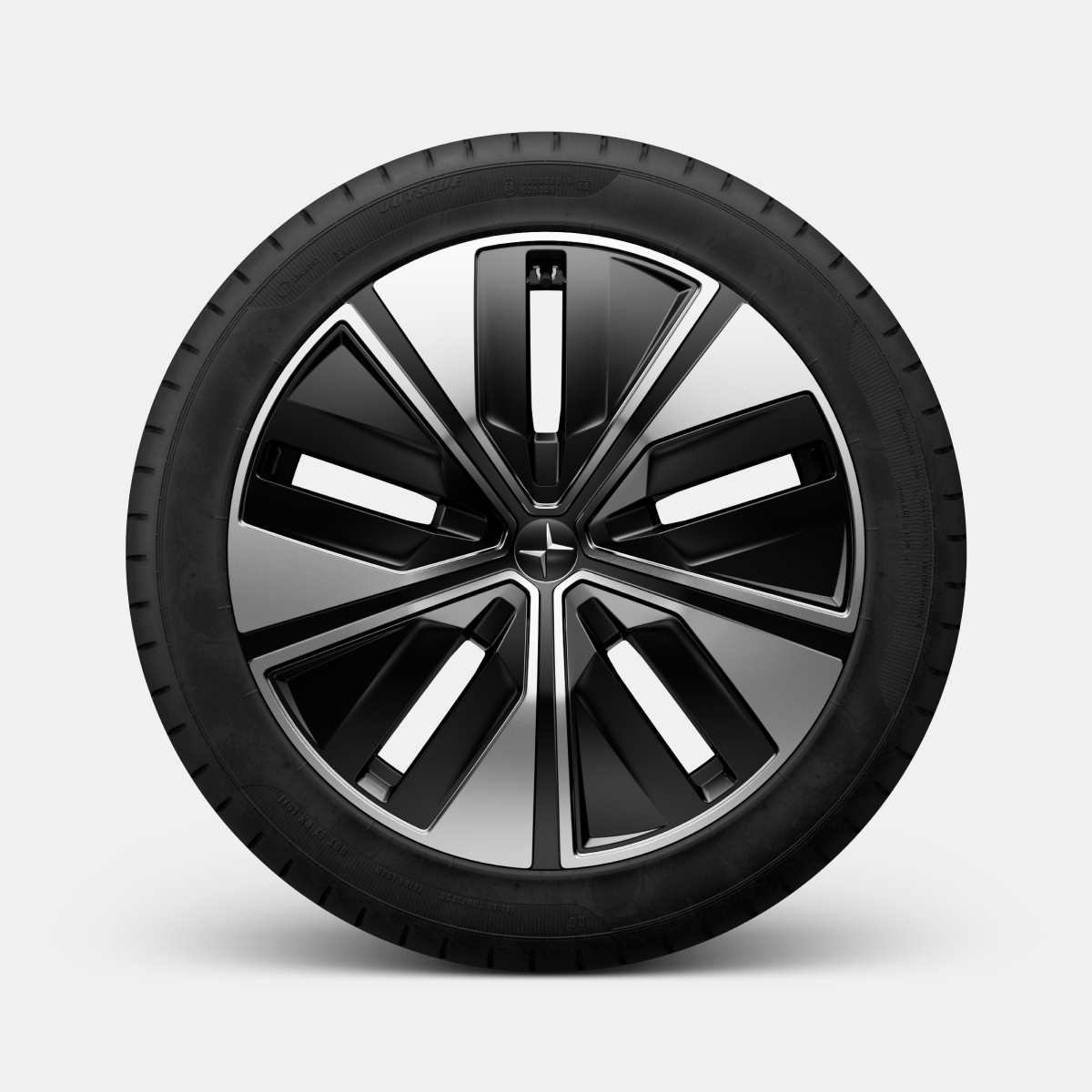
The wheel openings are large but cleanly treated, and the wheels themselves are pushed outward to establish an unusually strong stance. Even the standard 20-inch wheels look substantial, while larger alternatives can be fitted without making the car appear under-bodied.
There is also relatively little conventional SUV vocabulary. The Polestar 4 does not depend on enormous black wheel-arch extensions, fake skid plates or rugged lower-body treatments to establish its identity. Its SUV character comes more from stance, wheel size and body width than from cosmetic off-road references.
That gives it an unusually sophisticated appearance.
Removing the Rear Window Changes the Entire Architecture
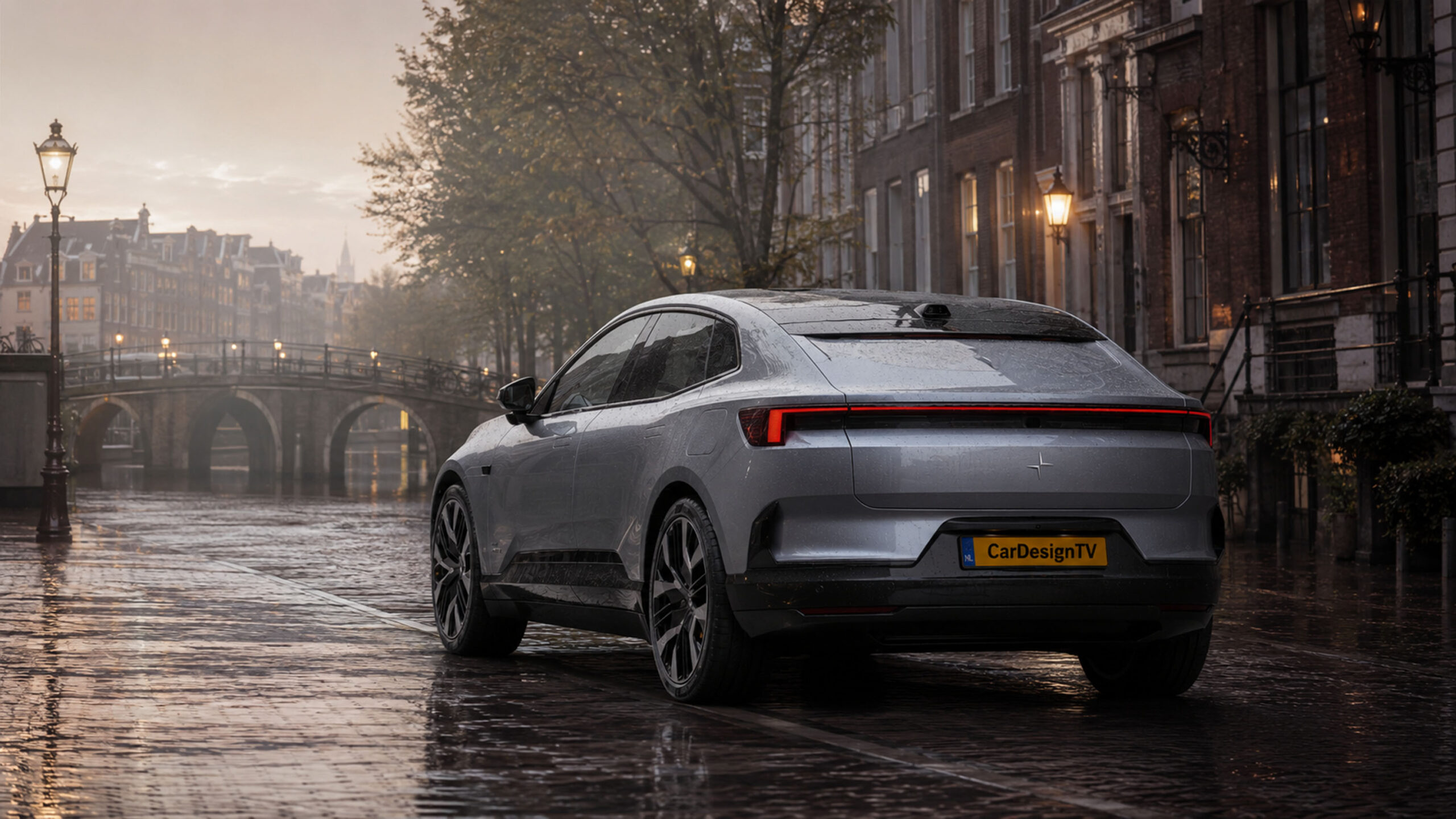
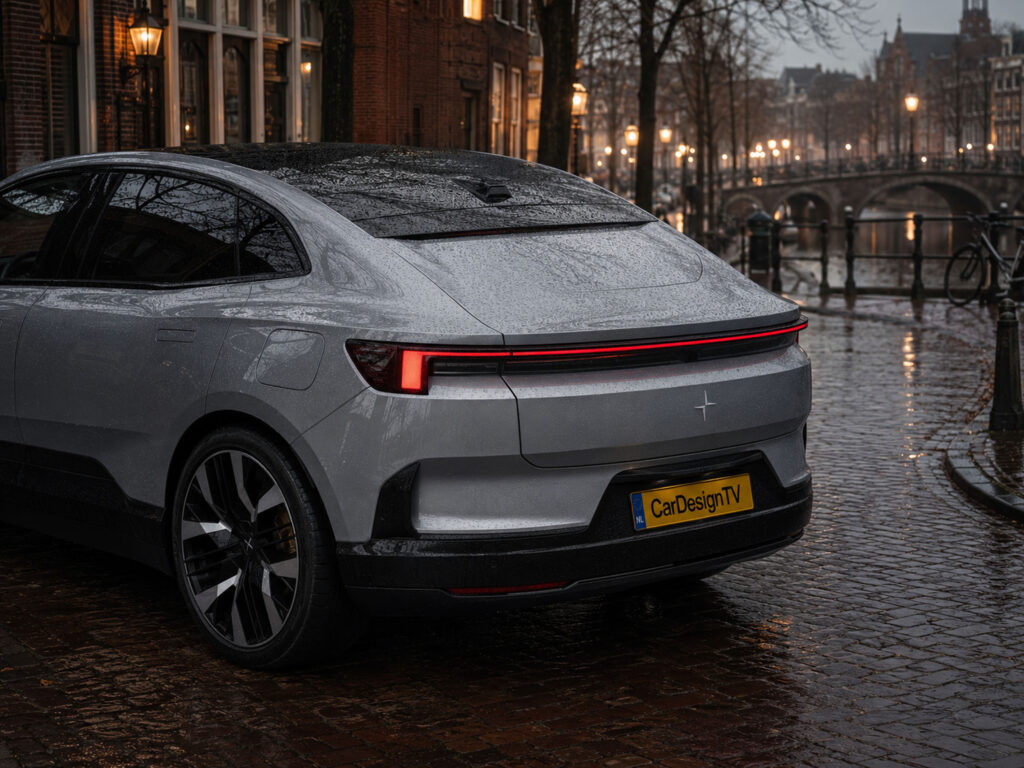
The absence of a rear window is not simply a styling trick. It fundamentally changes the rear architecture of the car.
Normally, designers working on a fastback or coupé-shaped SUV face a difficult compromise. Lowering the roof improves aerodynamics and appearance, but eventually the upper edge of the rear glass begins moving forward. That reduces rear headroom and forces rear passengers to sit beneath an increasingly intrusive roof header.
Polestar removed that limitation entirely.
Without needing to provide a direct sightline through a conventional rear-view mirror, the structural header above the tailgate could be moved further rearward. This allowed the roof to continue lower and further back while preserving surprisingly good passenger space beneath it.
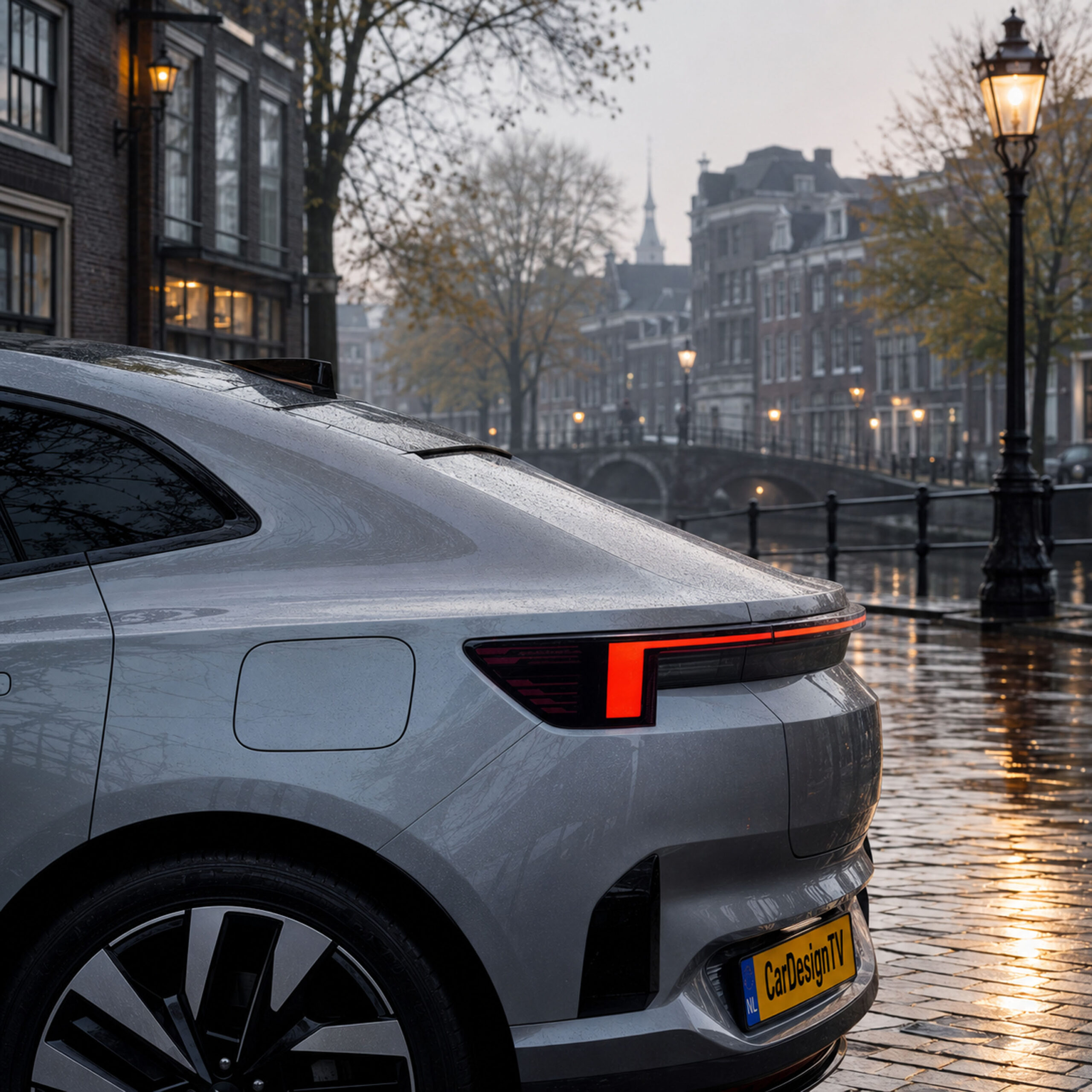
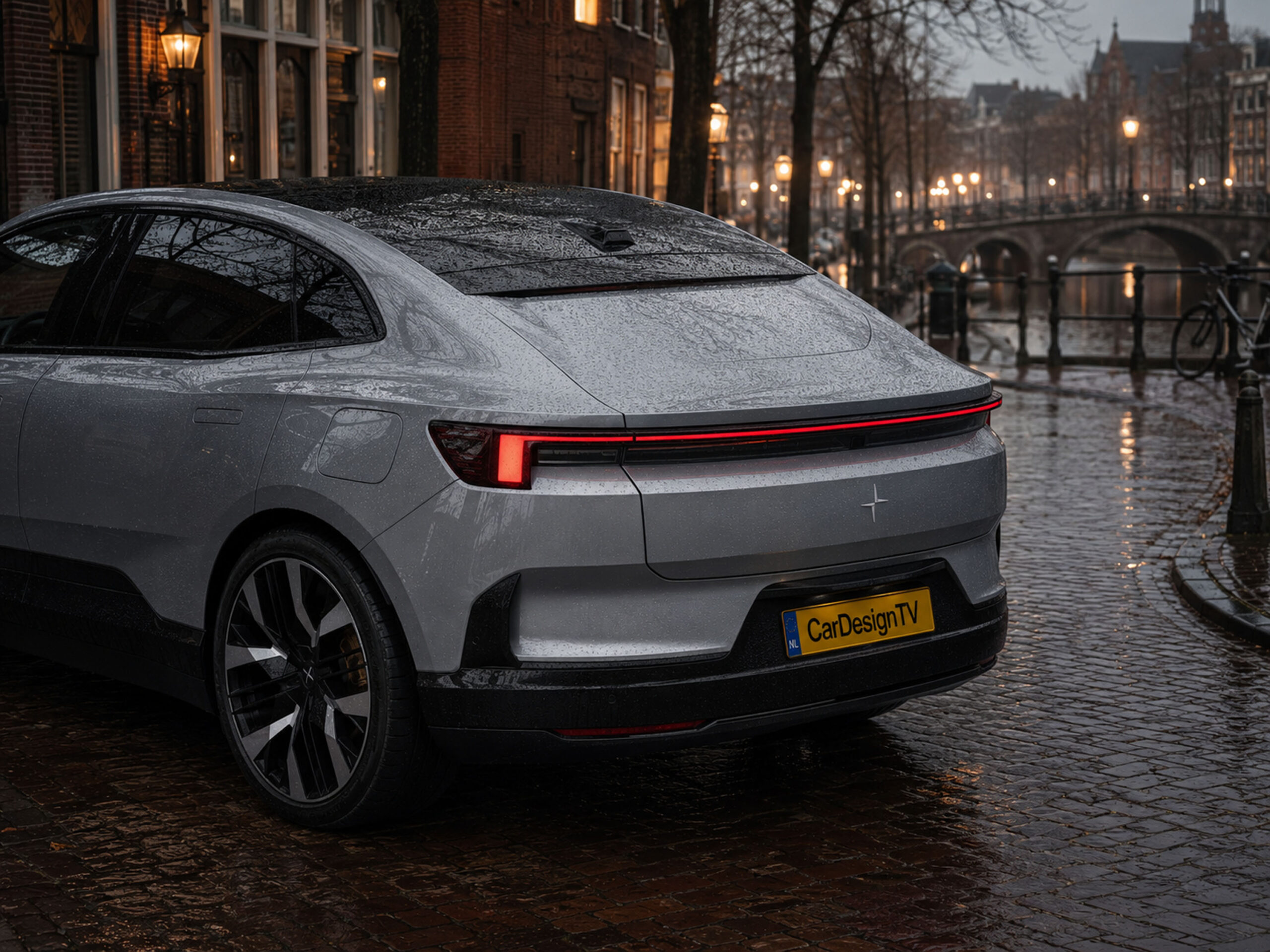
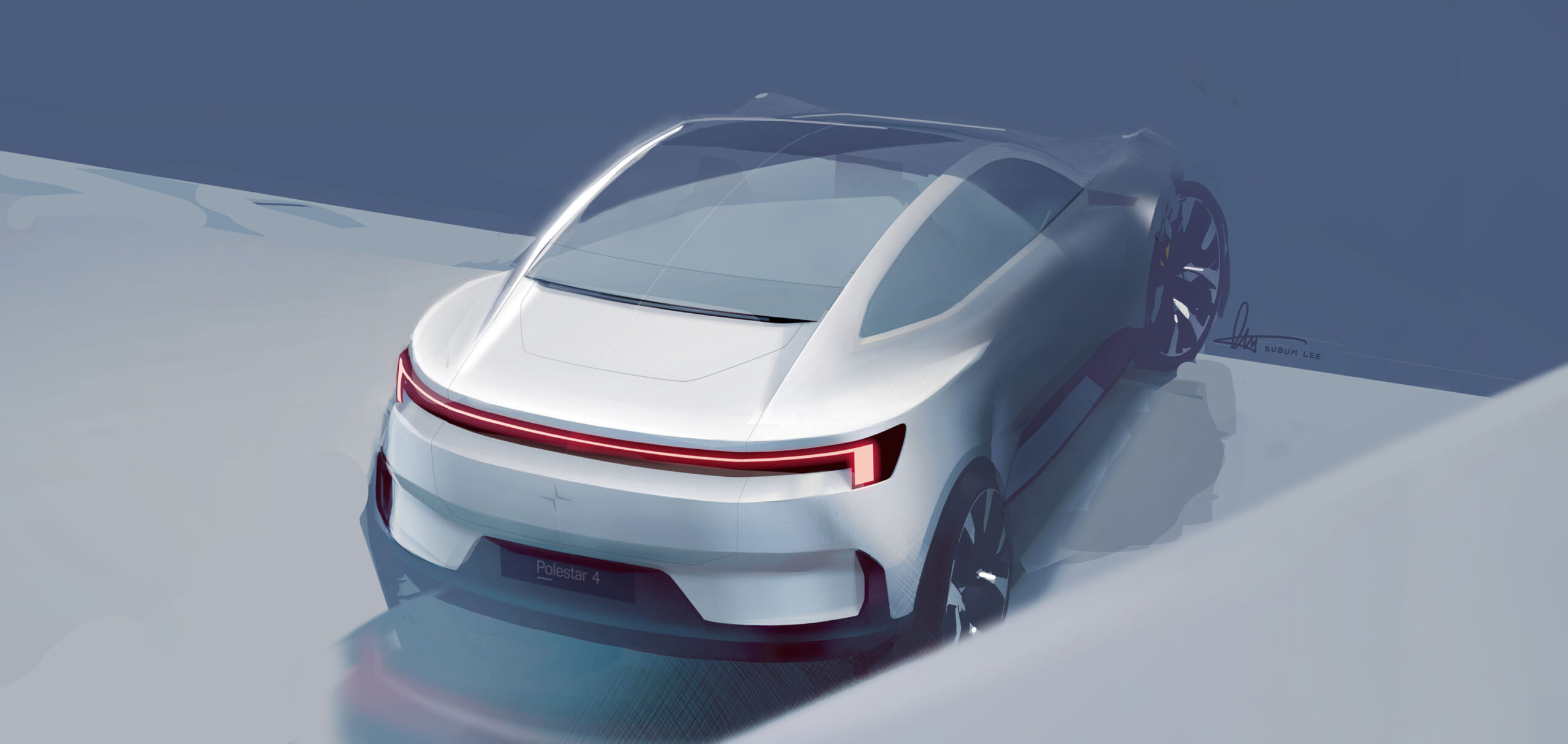
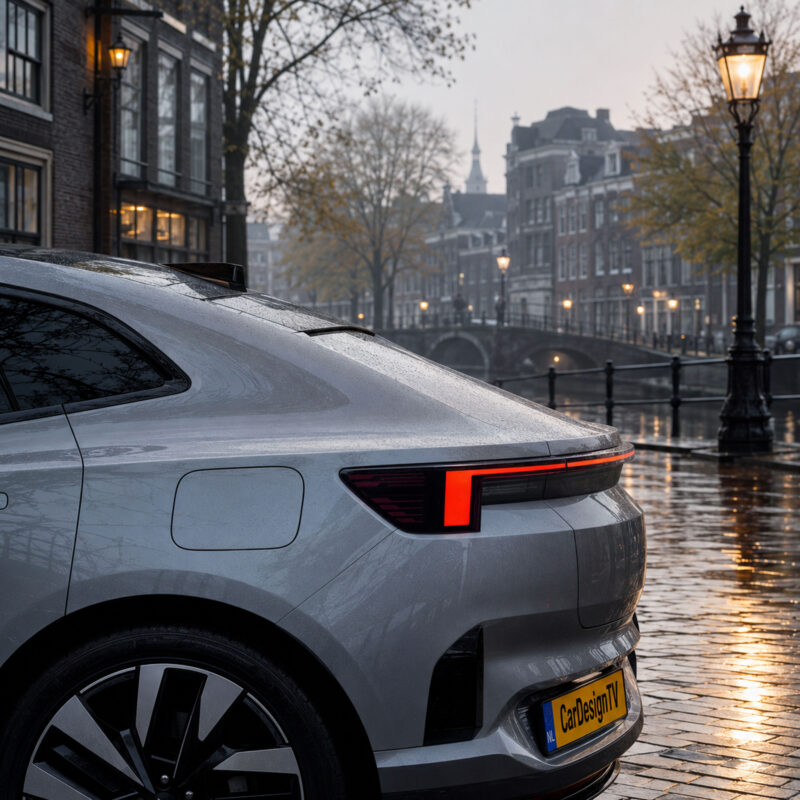
From the exterior, the result is excellent. The rear becomes a continuous piece of architecture rather than a hatch with a glass panel inserted into it. The upper body appears almost helmet-like, and the unusual proportion gives the Polestar 4 a rear three-quarter view unlike almost anything else on the road.
There is genuine design logic here.
The more difficult question is whether the benefit to the driver justifies eliminating one of the oldest and simplest visual systems in the automobile.
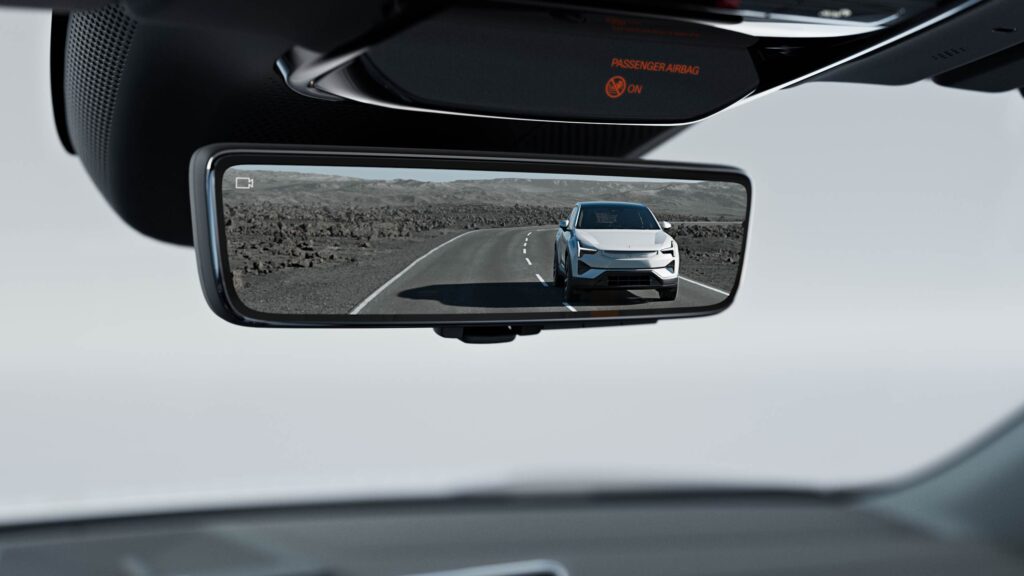
The Digital Rear-View Mirror: Clever Solution or Solving the Wrong Problem?
The camera system provides a much wider field of view than a conventional rear window and mirror arrangement. Because the camera is mounted externally, rear passengers, head restraints and luggage cannot obstruct the driver’s view. The image also changes slightly when indicating or reversing, providing additional visual information.
Technically, it works remarkably well.
But a camera display is not physiologically identical to a mirror.
With a conventional mirror, the eye focuses optically at the apparent distance of the object behind the vehicle. With a digital mirror, the eye must focus on a screen only a short distance away. For younger drivers this may require almost no conscious adjustment, but for drivers using reading or distance correction, the difference can become more noticeable. A screen also provides a two-dimensional representation of depth rather than the natural stereoscopic and motion cues obtained from looking through glass.
There is also a behavioural difference. With a conventional mirror, moving your head slightly alters the view. It allows the driver instinctively to look around an obstruction or change perspective. A camera image remains fixed regardless of head movement.
None of these issues make the Polestar system unusable. It is actually an impressive implementation of digital rear vision. But they raise a legitimate design question: was the conventional rear window really a problem requiring elimination?
From the exterior designer’s perspective, the answer may be yes. From the driver’s perspective, the argument is less conclusive.

The Rear Design Benefits Enormously
Whatever one’s opinion of the camera mirror, the exterior rear design is extremely successful because of it.
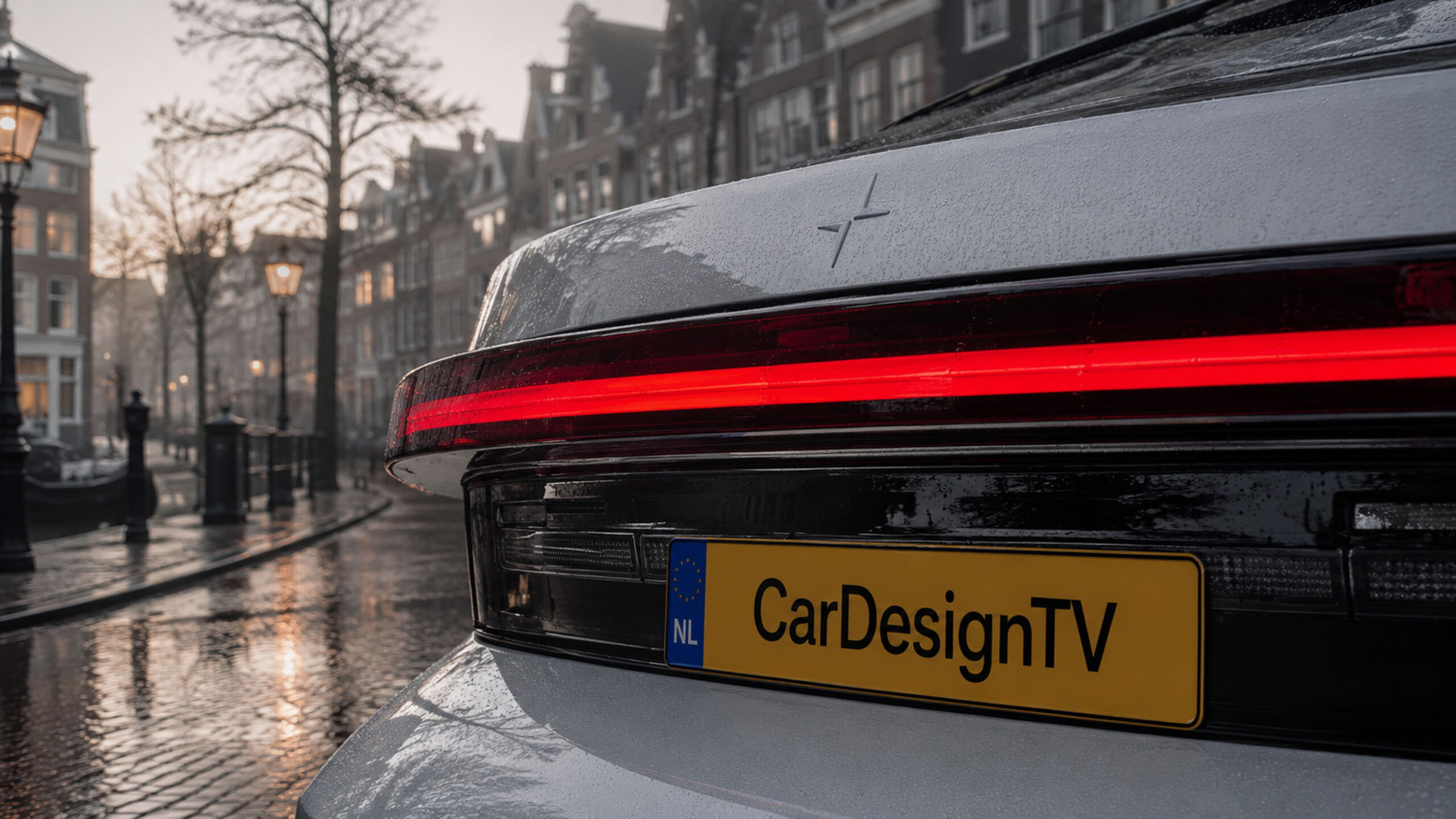
Without a conventional rear window, the upper portion of the body becomes an uninterrupted surface. The horizontal rear lighting graphic sits low across the vehicle, emphasising width, while the body above it remains surprisingly clean.
The rear has almost architectural solidity. Instead of visually dividing the upper half into glass, pillars and painted sheet metal, Polestar treats the entire structure as one volume.
This also helps distinguish the Polestar 4 immediately from the enormous number of coupé-SUVs entering the market. Most competitors still rely on essentially the same rear architecture: narrow rear glass, large roof spoiler, full-width lamps and a heavily sculpted bumper.
The Polestar does something genuinely different.
Whether customers ultimately consider the missing window an inspired innovation or an unnecessary sacrifice, it unquestionably allowed the designers to create a far more distinctive vehicle.

The Interior Continues the Scandinavian Theme
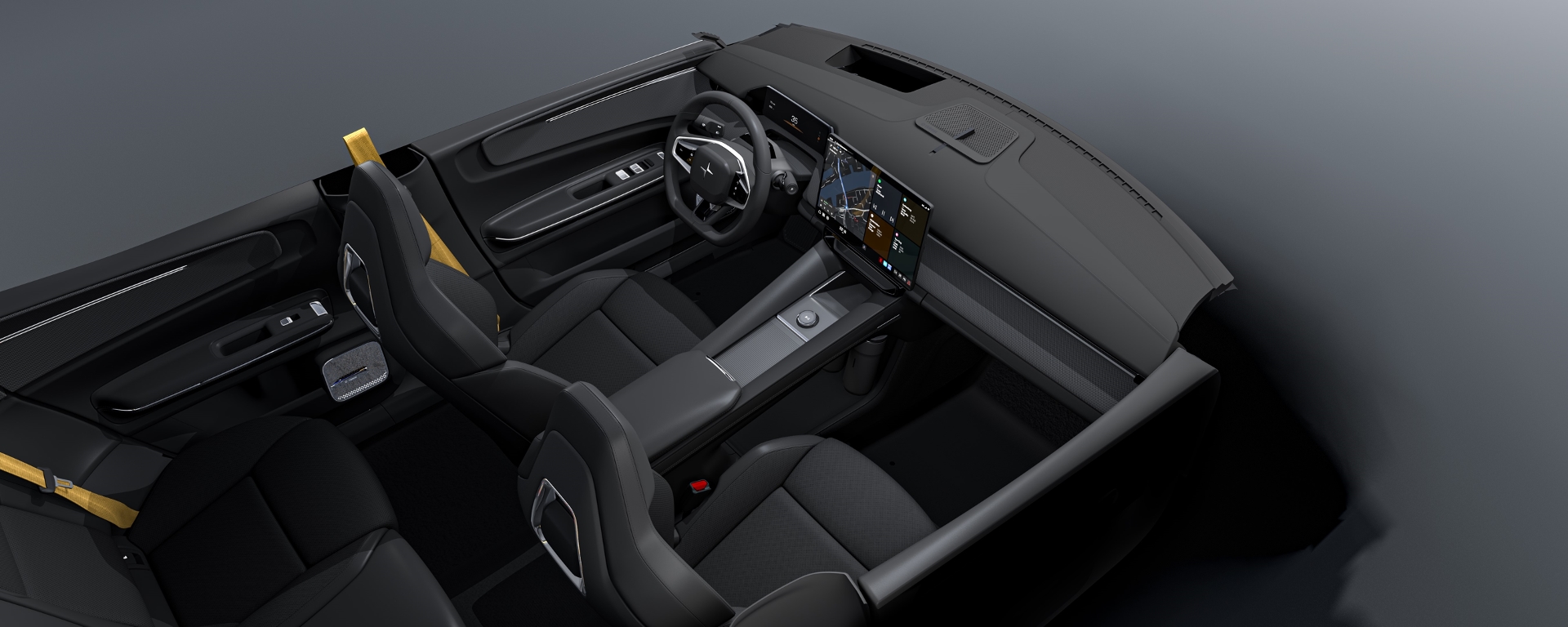
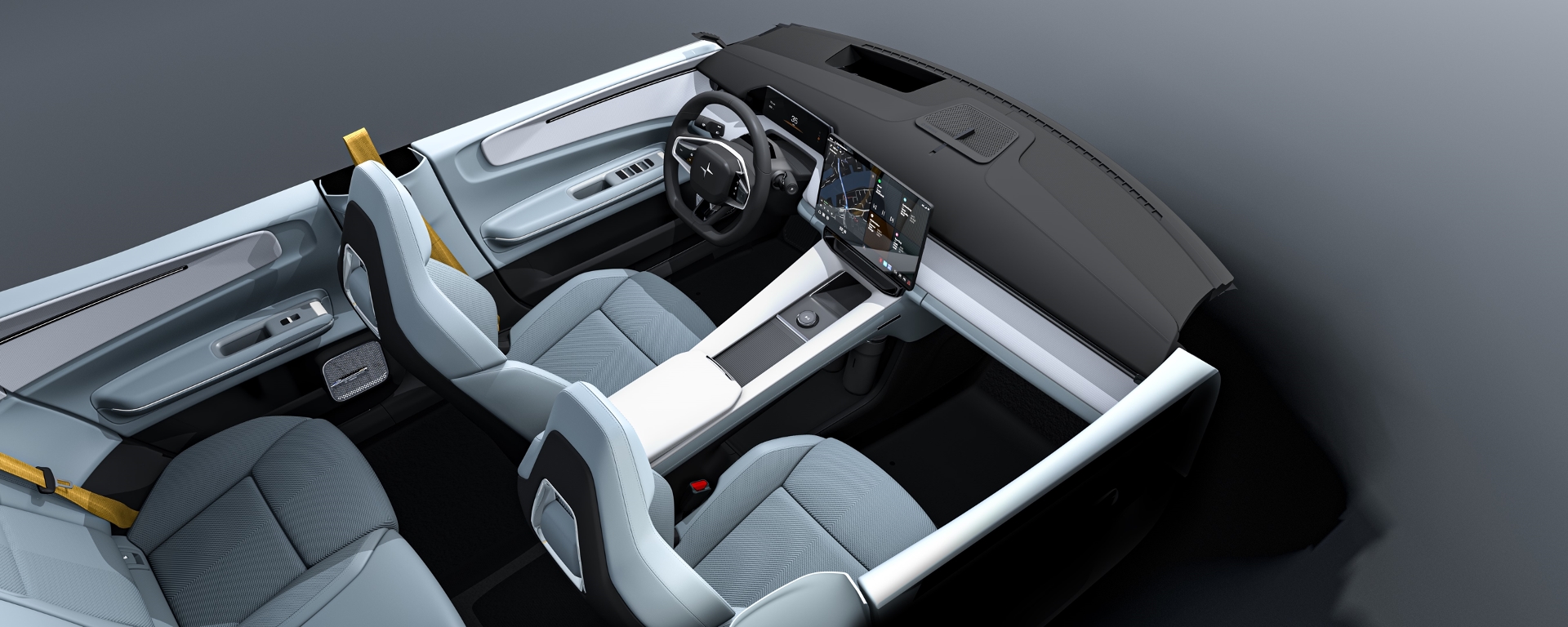
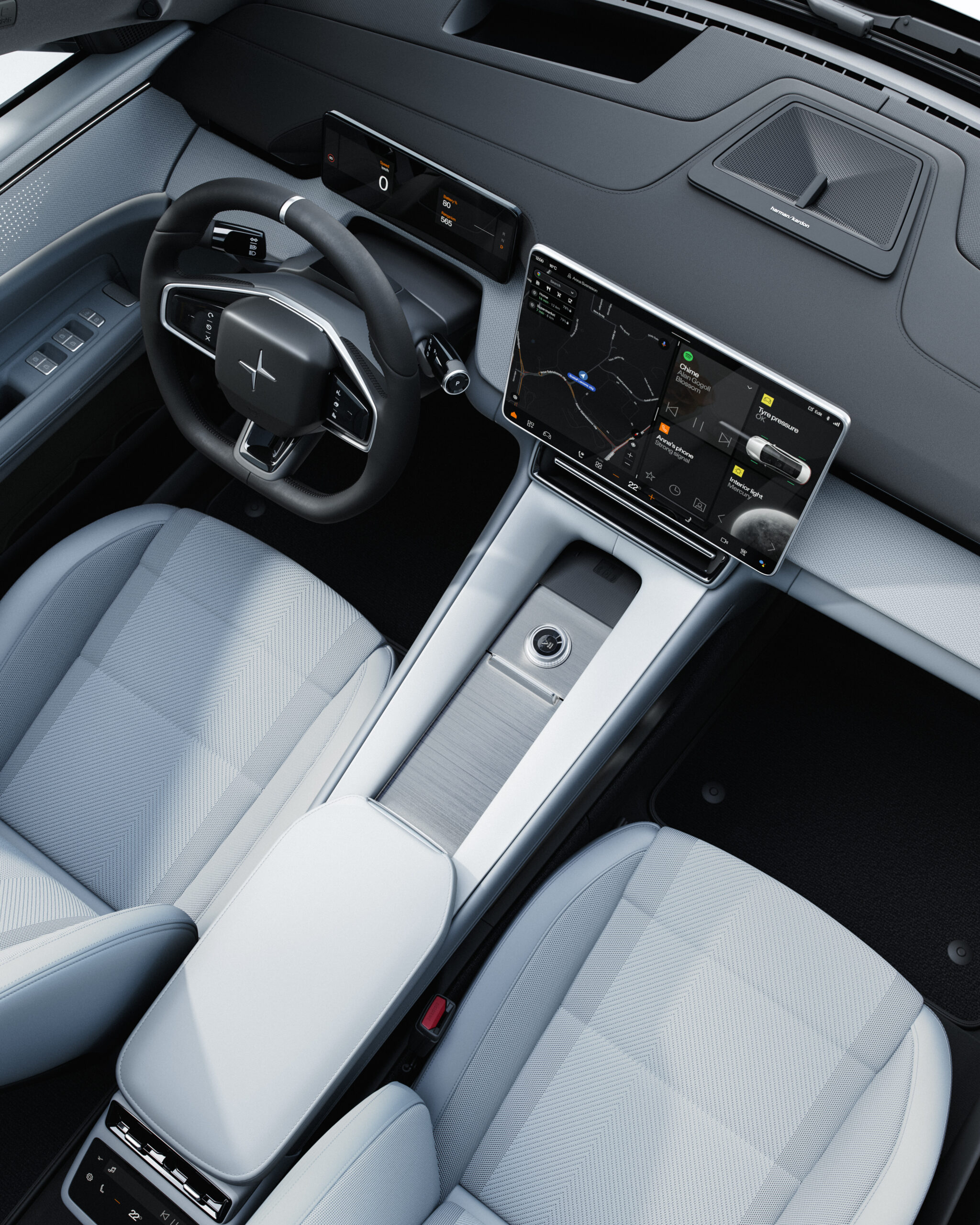
Inside, the Polestar 4 is equally restrained. The architecture is extremely horizontal, with a relatively low dashboard and few conventional control elements competing for attention.
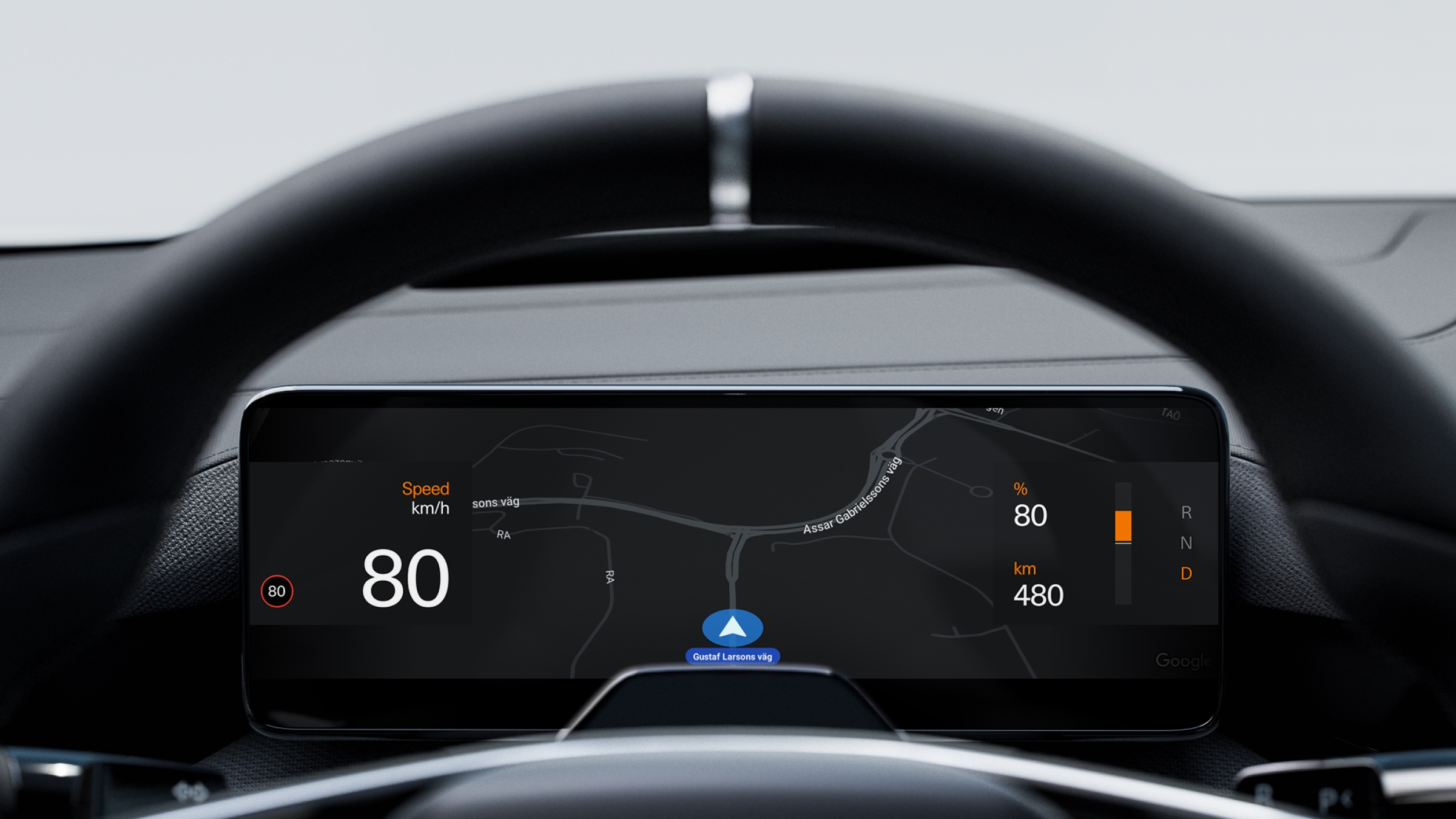
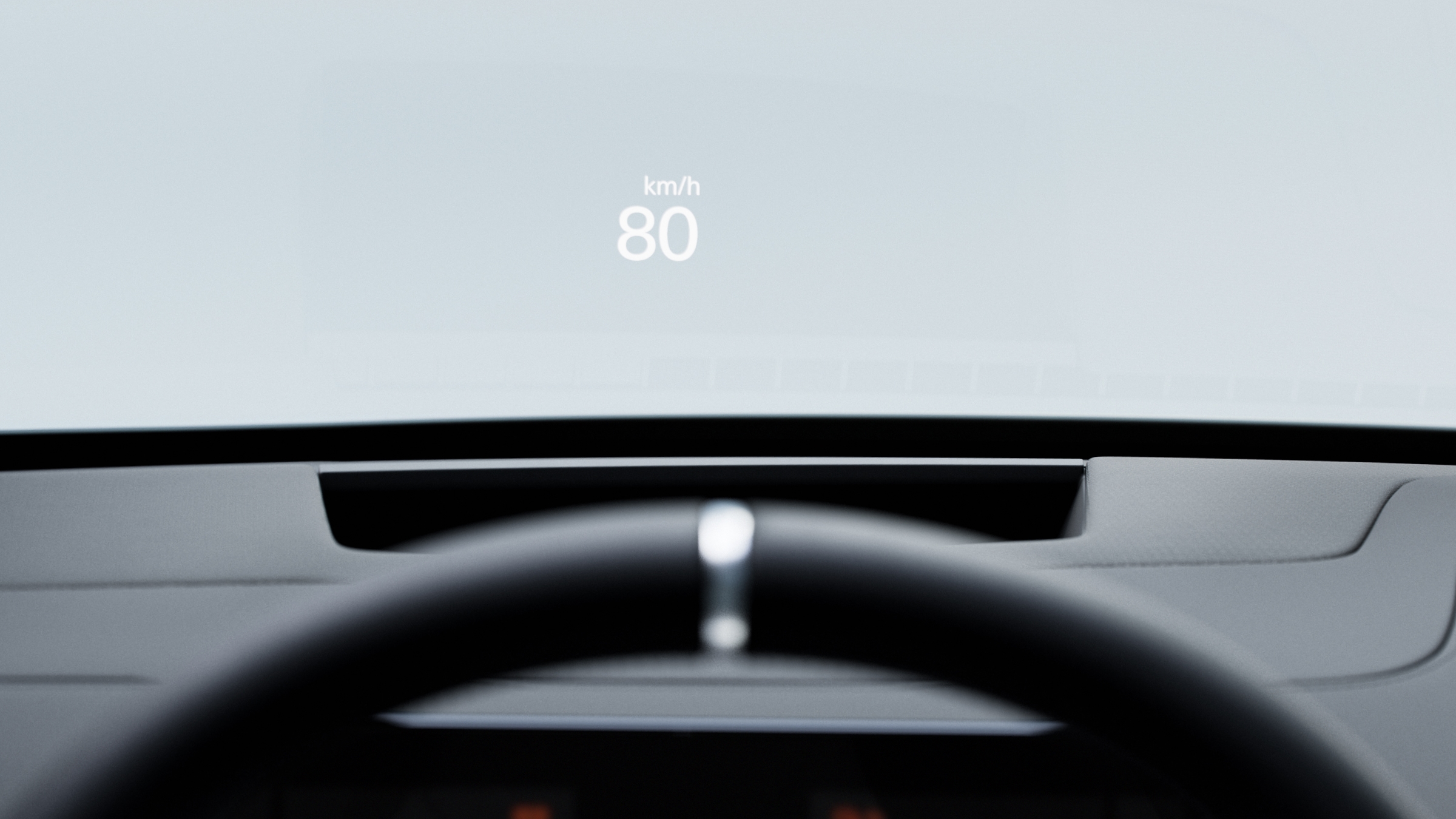
A small digital instrument display remains directly in front of the driver, which is an important decision. Polestar has not followed Tesla in forcing all vehicle information onto the central touchscreen. There is also a head-up display available, allowing basic driving information to remain within the driver’s forward field of vision.
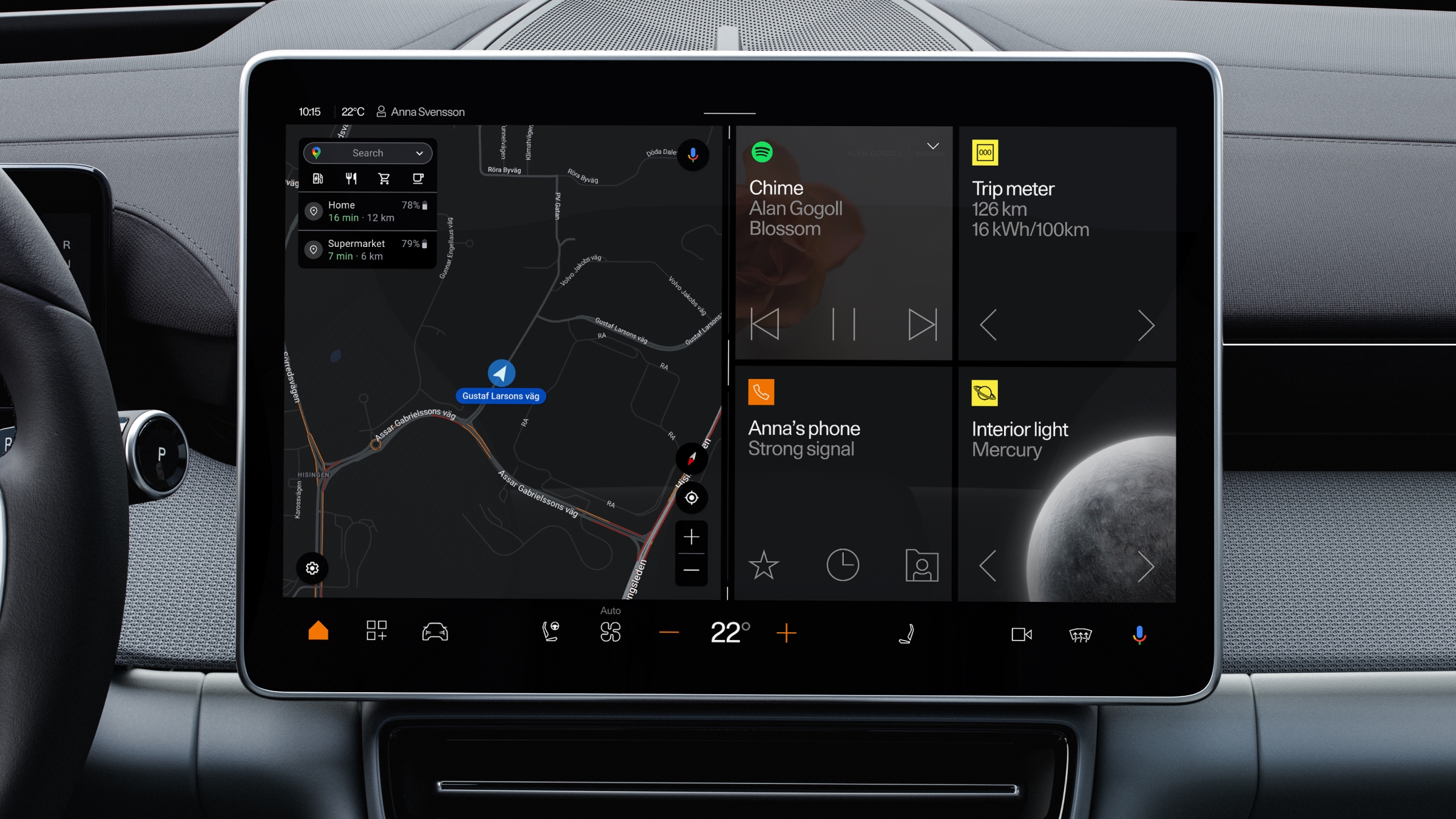
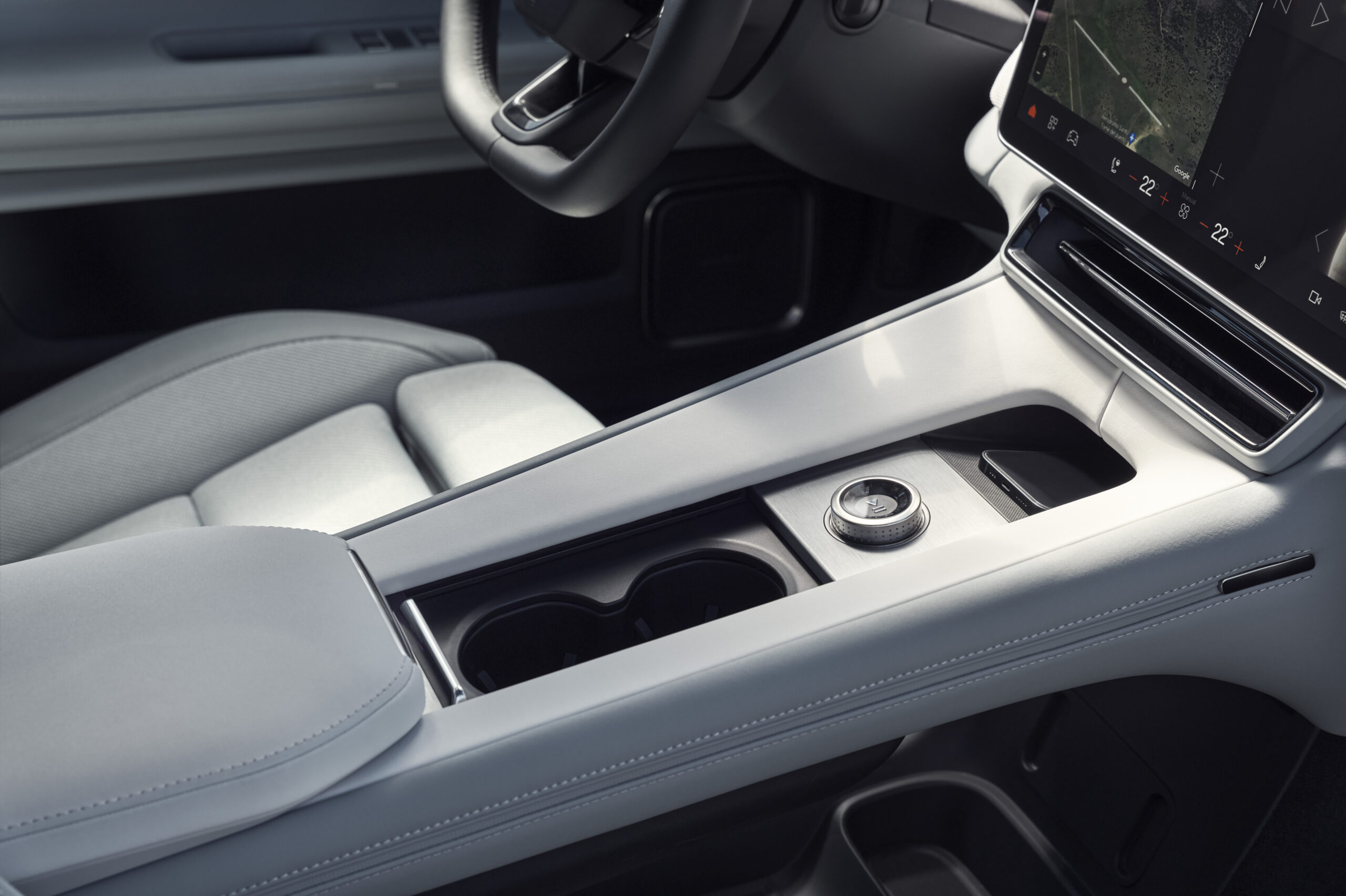
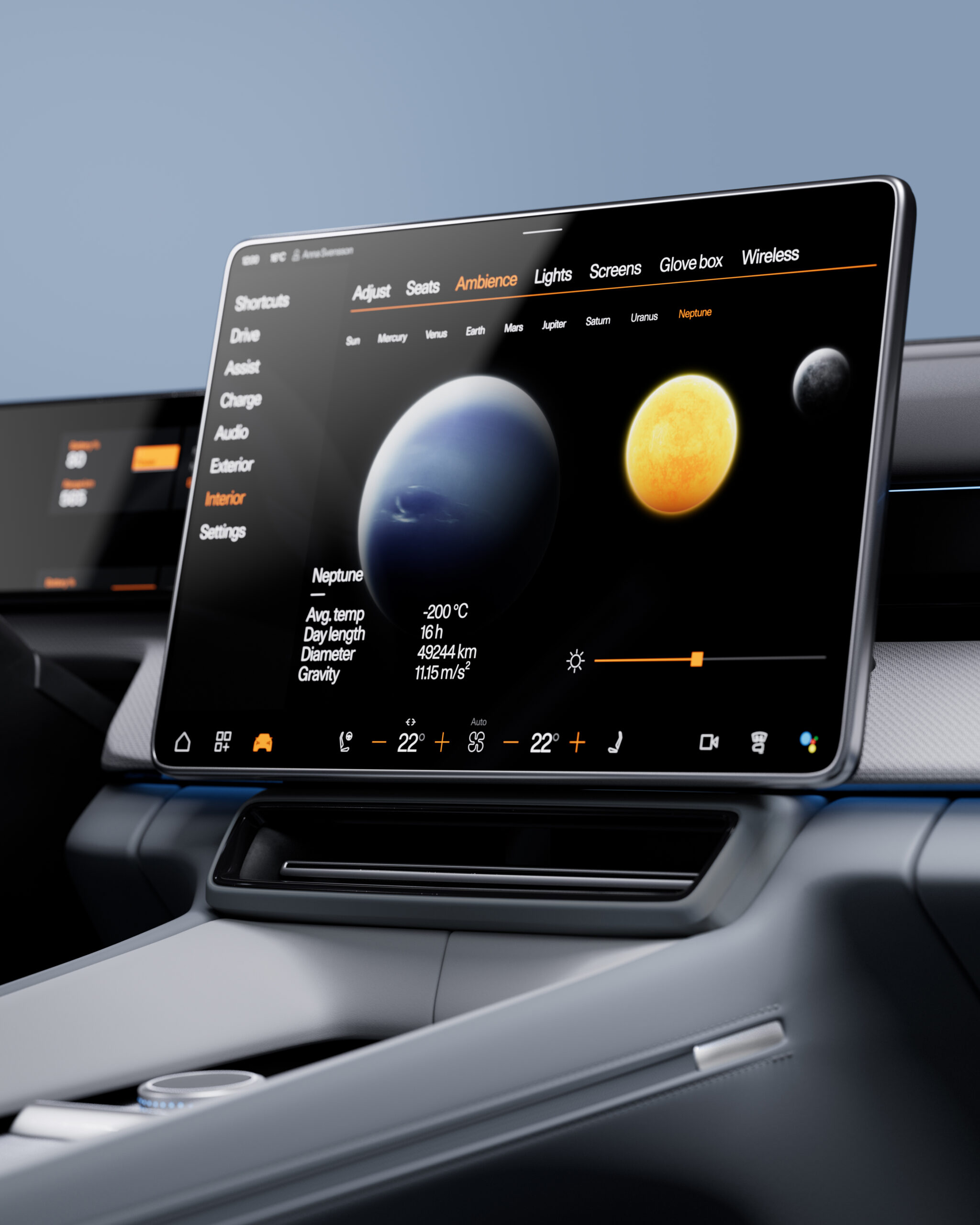
The dominant element is the 15.4-inch landscape-oriented centre display. Unlike BYD’s rotating screen, it is permanently horizontal and visually integrated into the architectural composition of the dashboard.
The underlying interface is based around Google’s automotive ecosystem, providing integrated Google Maps, Google Assistant and access to compatible applications. The graphical treatment is generally clean and visually consistent with the rest of the vehicle.
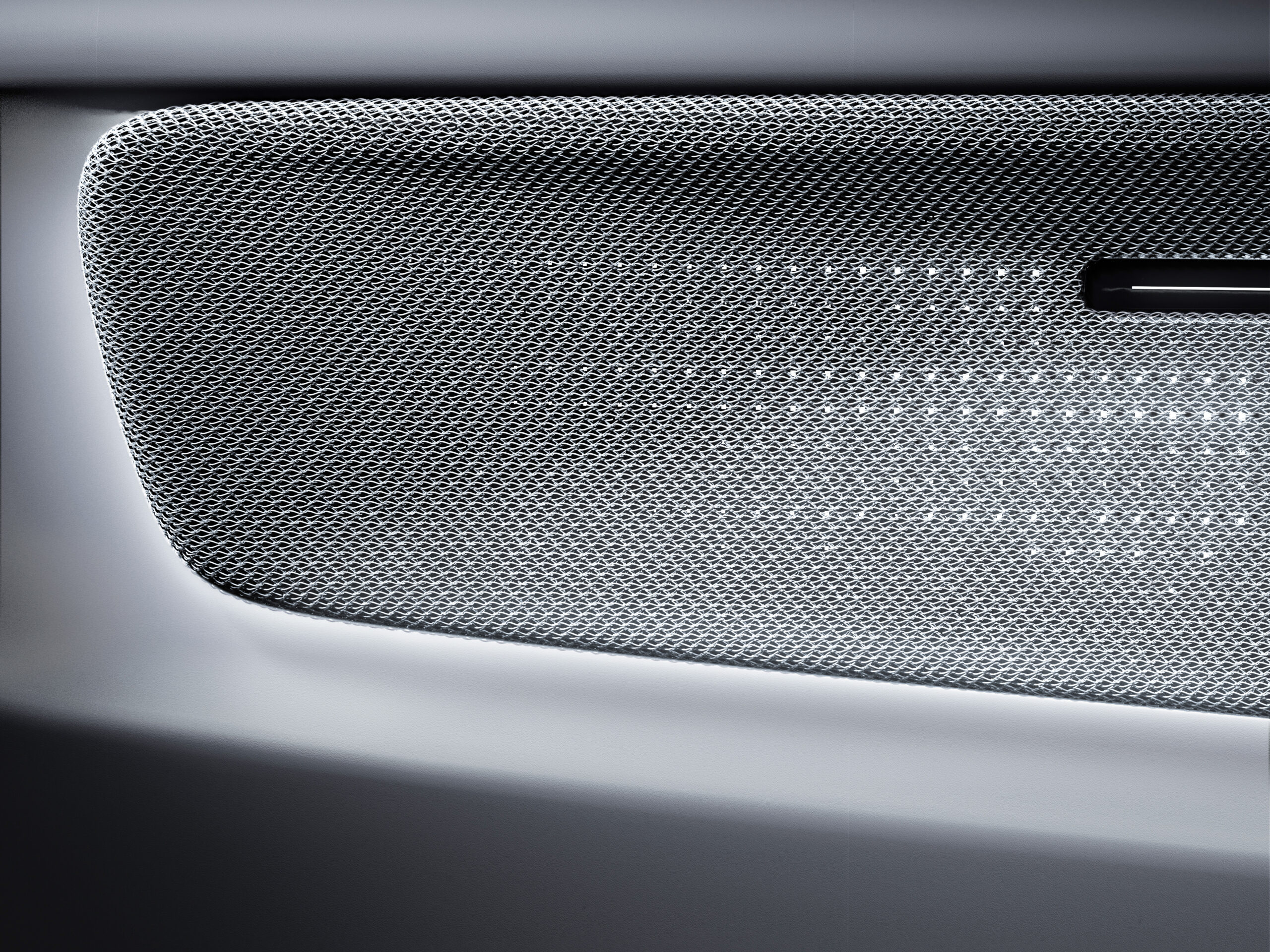
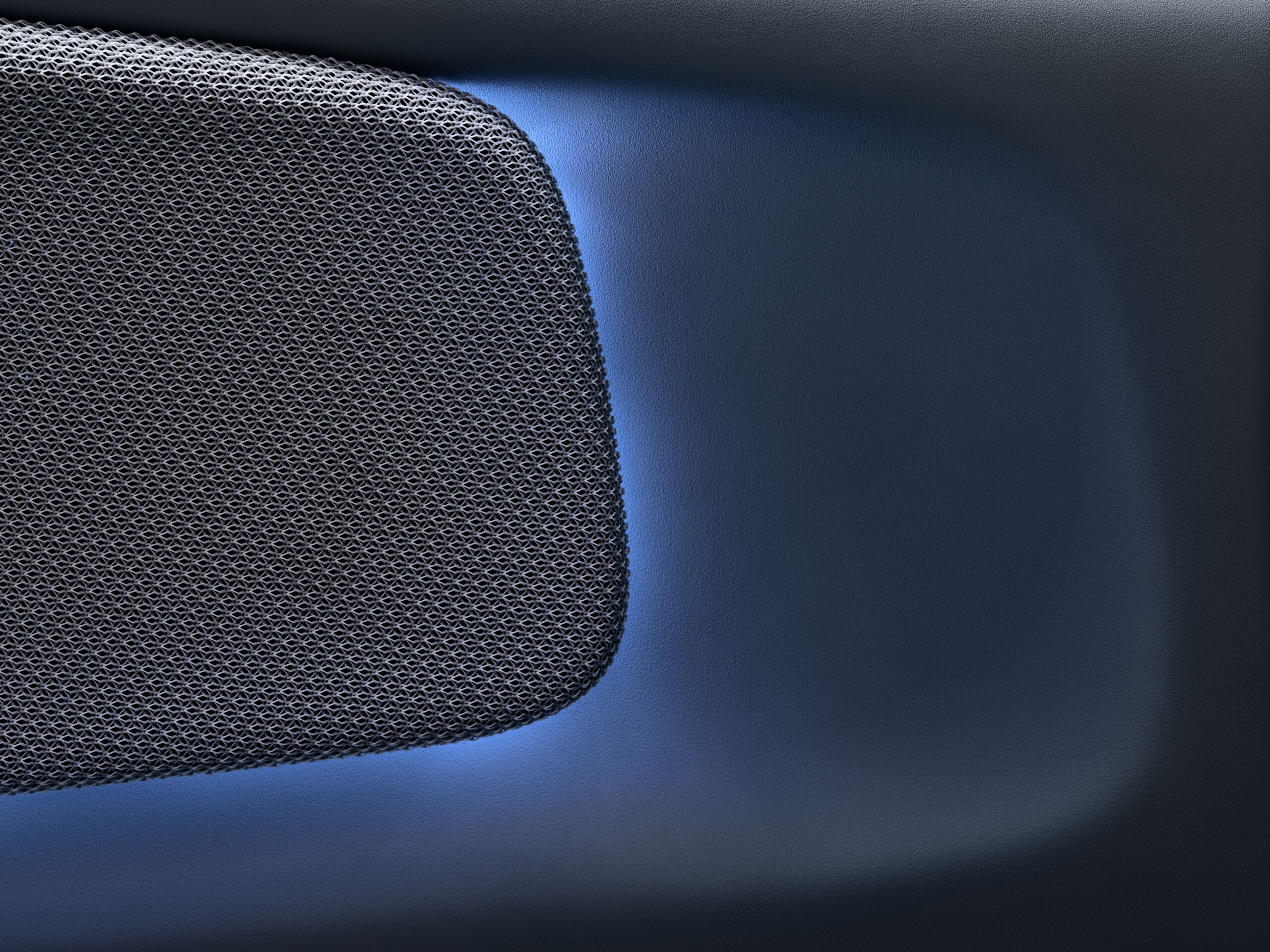
Materials are also used thoughtfully. Rather than attempting to simulate traditional luxury through large quantities of glossy wood, chrome and leather, Polestar employs textiles, engineered materials and carefully controlled colour combinations. The approach feels contemporary without appearing inexpensive.
The interior is particularly successful at night, when subtle lighting works with the broad horizontal surfaces to create an atmosphere closer to modern Scandinavian architecture than traditional automotive luxury.

Minimalism Comes at a Cost
The problem is that visual minimalism and ergonomic simplicity are not necessarily the same thing.
This is where the Polestar 4 becomes considerably more debatable.
Several basic vehicle functions depend on the touchscreen. Mirror adjustment, steering-wheel adjustment in some configurations, climate functions and numerous other settings require interaction with the central display. The steering-wheel controls themselves are highly simplified and multifunctional, meaning their behaviour can depend upon what is currently selected on the screen.
From a purely visual perspective, this is beautiful. There are almost no redundant switches, the dashboard remains extremely clean and the steering wheel avoids the clutter increasingly found on conventional cars.
But a driver does not experience an interior only by looking at it.
A vehicle is an interactive product used while travelling at speed. Controls should ideally become instinctive enough that the driver can operate them with minimal visual attention. A physical switch has location, shape, resistance and movement that can often be identified by touch. A touchscreen offers virtually none of those cues.
The Polestar 4 therefore illustrates a broader issue affecting modern automotive interior design: removing a control does not necessarily simplify the experience. Sometimes it merely transfers the complexity from the dashboard to the driver.

Innovation Should Reduce Cognitive Load
This became especially noticeable when comparing the Polestar 4 with the BYD Seal U DM-i shortly afterwards. The BYD is technologically sophisticated but uses much more familiar primary controls. It is possible to get in and drive almost immediately without first discovering where basic functions have been relocated.
The Polestar requires more acclimatisation.
That is not inherently wrong. Every genuinely new interface requires some degree of learning, and younger customers who have grown up with smartphones may adapt extremely quickly. But automotive interface design must still answer a fundamental question: what does the new solution improve?
If an established control is replaced, there should ideally be a measurable benefit in safety, packaging, functionality or ease of use. Changing something simply because software makes an alternative possible is not necessarily innovation.
The strongest technology in the Polestar 4 is technology that disappears into the background. The drivetrain, battery management and sophisticated electronic architecture require almost no conscious involvement from the driver. Some of the interior controls do the opposite.
The contrast is revealing.

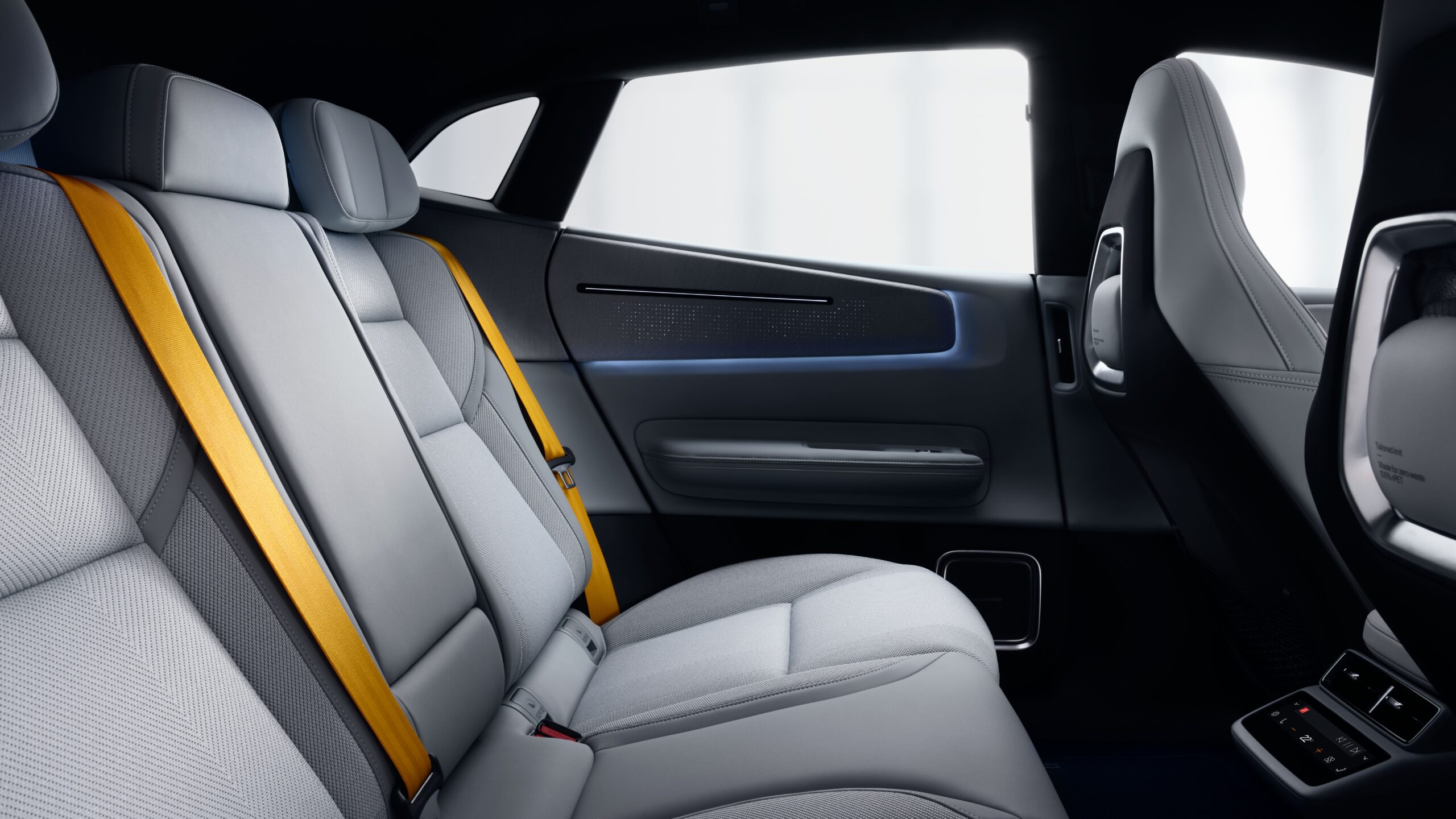
Rear Passenger Space Is a Genuine Achievement
One area where the unconventional architecture delivers obvious benefits is rear accommodation.
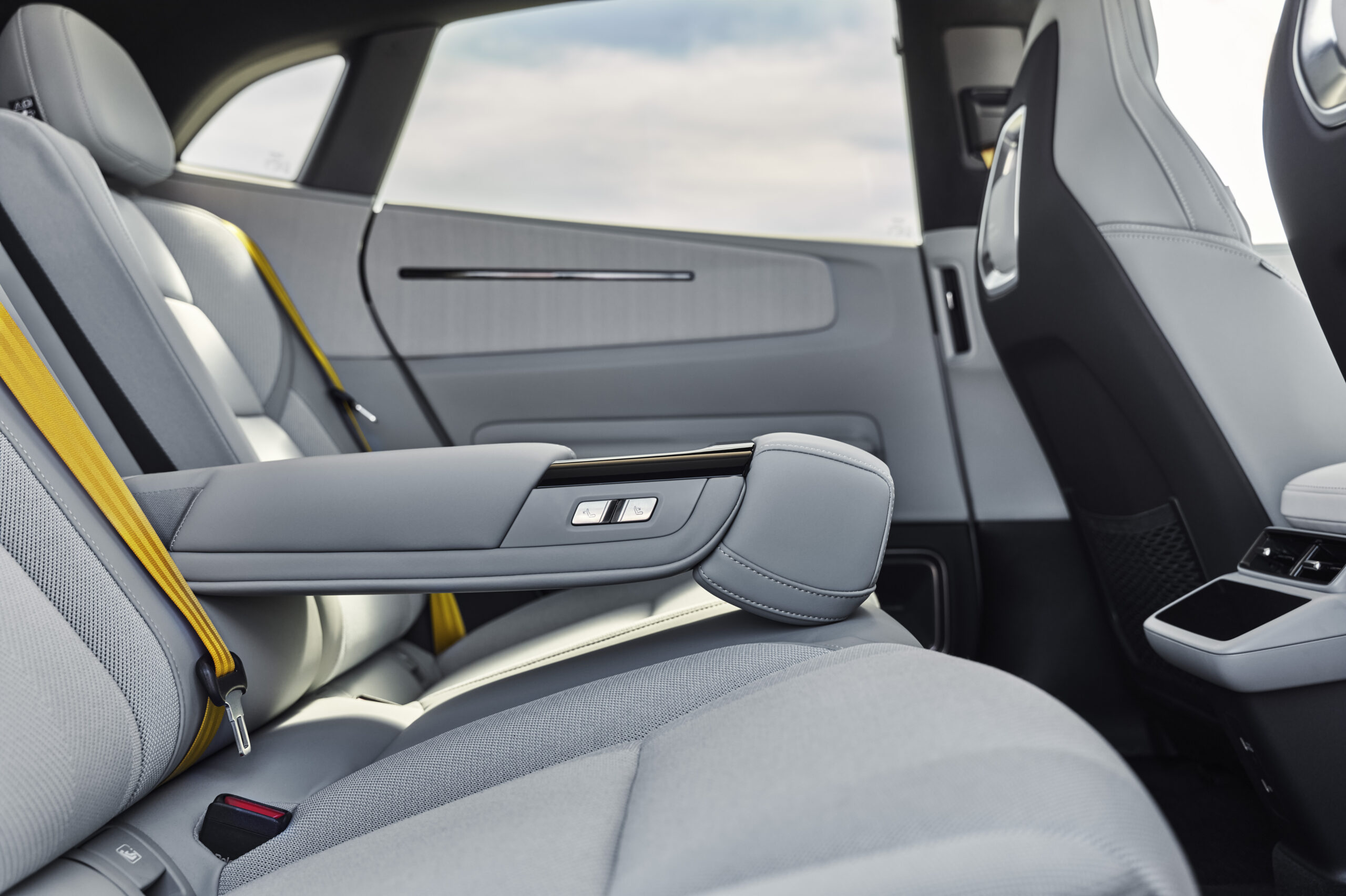
The wheelbase is just one millimetre short of three metres, which provides substantial longitudinal space. Rear passengers receive generous legroom, and eliminating the conventional rear window allowed Polestar to optimise the roof structure more effectively than a normal fastback design would permit.
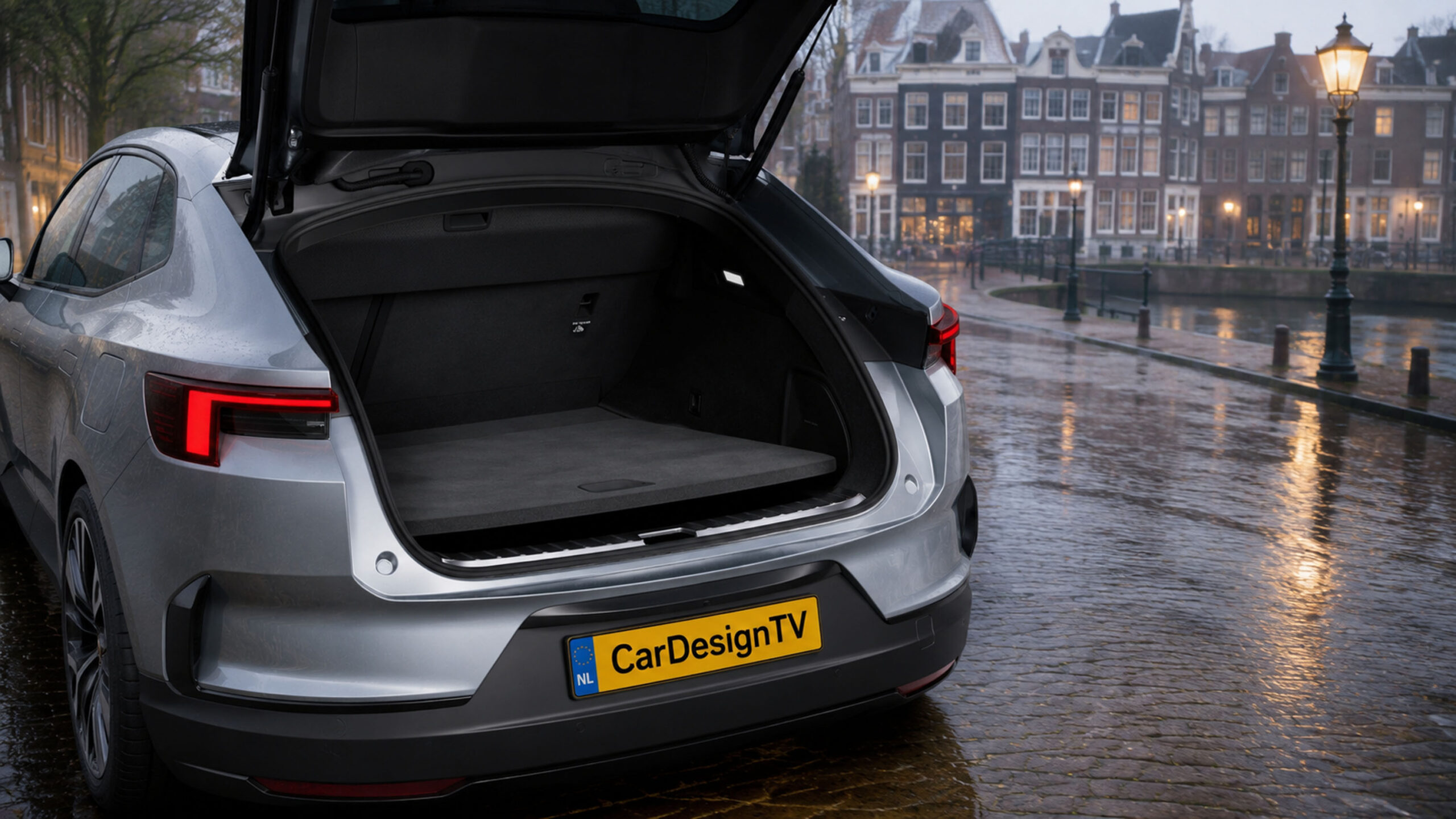
There is still an elevated floor, as expected in a large battery-electric vehicle, but the overall seating environment is remarkably spacious given the exterior height.
The large panoramic glass roof is particularly important because the lack of a rear window could otherwise make the rear compartment feel enclosed. The roof brings significant daylight into the cabin and visually opens the upper portion of the interior.
From the rear seat, the experience is almost more lounge-like than traditionally automotive. The relationship between seat, roof and side glazing creates a sense of privacy without making the cabin feel completely isolated from its surroundings.
This may ultimately be one of the strongest arguments for Polestar’s controversial rear architecture.
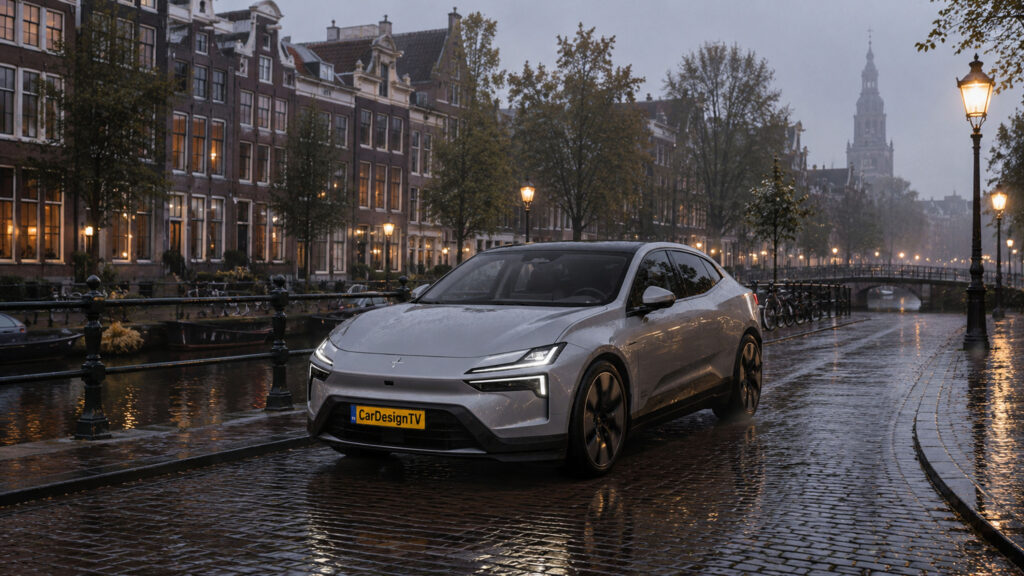
A Large Car That Conceals Its Size
At 4.84 metres long and over two metres wide with the mirrors folded, the Polestar 4 is a large vehicle by European standards. Yet it does not necessarily appear enormous from behind the wheel.
The low dashboard and relatively good forward visibility help, while the camera systems compensate for some of the compromises created by the thick rear structure.
The 360-degree camera system becomes especially important in tight parking situations. With a body width exceeding two metres, the car occupies a significant portion of a typical European parking space, and technology becomes essential rather than merely convenient.
The turning circle of approximately 11.6 metres is reasonable considering the three-metre wheelbase, but the Polestar 4 remains a vehicle whose external dimensions need to be respected.
Its designers have done an excellent job of disguising those dimensions visually. Physics remains less easily persuaded.

The Electric Architecture Creates Outstanding Proportions but Considerable Mass
The Polestar 4 uses a 100 kWh lithium-ion battery in its current European specification. That large battery contributes significantly to the vehicle’s usable range but also to its considerable weight.
The Rear Motor version weighs approximately 2,230 kg, while the Dual Motor rises to around 2,355 kg before adding occupants and luggage.
This is perhaps the least Scandinavian characteristic of the vehicle.
Everything about the design communicates visual efficiency: clean surfaces, short overhangs, restrained decoration and aerodynamic thinking. Yet beneath that efficient appearance sits well over two tonnes of material.
This contradiction is not unique to Polestar. It is one of the defining challenges of contemporary premium EV development. Large batteries provide the range customers demand, but those batteries require stronger structures, heavier suspension components and larger brakes, all of which add further mass.
The resulting vehicle then requires additional energy to move its own weight.
Polestar has concealed the physical bulk remarkably well through design. The next generation must increasingly solve it through engineering.
Rear Motor or Dual Motor?
The current Rear Motor version produces 272 hp and 343 Nm, which is already entirely sufficient for a premium road car. It accelerates from 0 to 100 km/h in approximately 7.1 seconds and offers the longest quoted WLTP range, at around 620 kilometres.
The Dual Motor version doubles system output to 544 hp and 686 Nm, reducing the 0–100 km/h time to only 3.8 seconds. Range falls slightly to around 590 kilometres, while the additional hardware increases weight by approximately 125 kg.
As with many modern EVs, the performance figure is extraordinary but raises the familiar question of necessity. A 2.35-tonne SUV coupé capable of reaching 100 km/h in under four seconds is an engineering achievement, but it is difficult to argue that family transportation requires this level of acceleration.
The Rear Motor version arguably fits the design philosophy more naturally. Polestar communicates intelligent efficiency and restrained Scandinavian sophistication, and 272 hp already provides effortless electric performance. Doubling the power feels more like participation in the industry’s ongoing specification race than something essential to the vehicle’s character.
The Chassis Retains Some Polestar Character
Despite its weight, the Polestar 4 does not drive like a traditional luxury SUV. The low seating relationship, wide track and relatively low centre of gravity help give it a more controlled character.
Steering effort can be adjusted through several settings, and regenerative braking can likewise be configured according to preference. The standard suspension prioritises a balance between body control and everyday comfort rather than attempting to create the floating isolation of a conventional luxury limousine.
Versions equipped with the Performance Pack take matters considerably further, adding specialised active dampers, larger wheels and substantial Brembo brakes. That package makes sense for customers deliberately seeking the more sporting side of Polestar, although again it introduces a philosophical conflict with the fundamental mass of the vehicle.
The standard car arguably provides the more coherent interpretation.
The Polestar 4 is at its best when driven as a rapid, refined grand tourer rather than an oversized sports car.
Sustainability Is More Than a Marketing Theme
Polestar has consistently attempted to make sustainability part of the actual design process rather than simply an advertising message.
This is visible particularly in the interior, where materials are selected not only for appearance but also for their construction and potential recyclability. Certain components have been designed around mono-material principles, making eventual separation and recycling easier than when multiple incompatible materials are permanently bonded together.
Textile surfaces and engineered alternatives to traditional luxury materials also give the interior a distinctive character. Rather than attempting to imitate established premium-car conventions, Polestar has created its own interpretation of what a modern luxury environment can be.
This is where the brand’s design language becomes most convincing. Sustainability has influenced the aesthetic rather than merely being added as a technical footnote.
The Polestar 4 Is More Distinctive Than the Polestar 2
The Polestar 2 was an important product for establishing the brand, but visually it remained heavily connected to Volvo and to the design language developed before Polestar became a separate manufacturer.
The Polestar 4 feels different.
There are still Scandinavian foundations, but the proportions, lighting and rear architecture belong far more clearly to Polestar itself. This is essential if the brand is to maintain a meaningful identity alongside Volvo rather than simply becoming its more performance-oriented electric relative.
The absence of a rear window plays an enormous role in that differentiation. Whether one likes the solution or not, nobody is likely to confuse the rear of a Polestar 4 with anything else.
That kind of recognition is extremely valuable for a relatively young automotive brand.
Where the Polestar 4 Is Brilliant
As an exterior design, the Polestar 4 is one of the more successful premium electric vehicles currently available. Its basic proportions are excellent, the surfaces are disciplined and the designers have resisted almost every temptation to add unnecessary visual decoration.
The lack of a rear window has enabled a genuinely distinctive rear architecture rather than merely serving as a publicity stunt. It contributes to the unusual silhouette, improves the designers’ freedom around the rear roof structure and reinforces Polestar’s emerging visual identity.
The interior is similarly impressive as a physical environment. Material selection, colour, graphics, lighting and architecture create a coherent space that feels unmistakably modern without attempting to imitate conventional luxury.
This is sophisticated industrial design.
Where Polestar Tries Too Hard to Be Different
The weakness appears when visual minimalism becomes operational minimalism.
The automotive industry needs to recognise that a clean dashboard is not automatically an easy dashboard to use. A photograph of an interior and the actual experience of driving that interior are fundamentally different design challenges.
The Polestar 4 occasionally prioritises the former.
Basic controls should disappear from the driver’s conscious attention, not necessarily from the dashboard. There is enormous ergonomic value in a familiar physical control that can be found without looking.
The same argument applies to the digital rear-view mirror. It is technologically impressive and enables genuine architectural advantages, but it asks the driver to adapt to a solution that is not unambiguously superior in every circumstance.
There is nothing inherently wrong with experimentation. Automotive design advances precisely because somebody is willing to challenge accepted solutions. But the test of innovation should ultimately be whether the resulting product works better, not merely whether it works differently.
From an Automotive Designer’s Perspective
The Polestar 4 is fascinating because it demonstrates both sides of contemporary automotive design exceptionally clearly.
Its exterior proves what happens when designers are given the freedom to rethink an established architectural constraint. Removing the rear window changed the roof, rear header, passenger package and visual relationship between the upper and lower body. It produced a distinctive result that could not have been achieved simply by decorating a conventional hatchback differently.
That is genuine architectural design innovation.
The interior demonstrates the opposite risk. Digital technology makes it possible to remove almost every physical control, but the ability to eliminate something does not automatically justify doing so.
Automotive design is ultimately about the relationship between human beings and a moving machine. Ergonomics, habit, perception and muscle memory are every bit as important as visual purity.
The Polestar 4 is therefore most successful when its innovation solves a genuine packaging or architectural problem. It is less convincing when innovation appears to exist primarily because a familiar solution seems insufficiently modern.
That distinction should become increasingly important as software gains greater influence over vehicle design.
What the Next Polestar Should Learn From the 4
Polestar should preserve almost everything about the exterior philosophy. The proportions are strong, the brand identity is emerging clearly and the restrained surface language gives the vehicle a sophistication increasingly absent from over-designed competitors.
There is no reason to retreat from bold architectural experimentation either. The rear-window solution may remain controversial, but it shows that Polestar is willing to challenge genuinely fundamental aspects of vehicle design rather than simply creating different lamp graphics.
The interior, however, could benefit from a more nuanced relationship between physical and digital controls. Frequently used functions should be immediately accessible without compromising the minimalist atmosphere. A handful of carefully designed controls would not destroy the interior; they might actually make its apparent simplicity more authentic.
Future Polestars should also concentrate heavily on reducing mass. A brand whose identity is based partly around sustainability and Scandinavian efficiency cannot indefinitely accept vehicles weighing more than 2.3 tonnes as the normal consequence of electrification.
Verdict
The 2026 Polestar 4 is one of the most intellectually interesting cars currently in production because it asks questions that extend far beyond styling. What happens when a rear window is no longer considered essential? How much traditional automotive architecture can be reconsidered once cameras and displays become reliable enough to replace direct vision? How minimal can an interior become before simplicity begins increasing rather than reducing cognitive load?
Not all of Polestar’s answers are equally convincing, but the willingness to ask those questions deserves recognition.
As an exterior design, the Polestar 4 is exceptionally strong. Its nearly three-metre wheelbase, short overhangs, low roof and enormous width create excellent proportions, while disciplined surfacing prevents its considerable physical dimensions from becoming visually heavy. The rear-window deletion gives the car an unmistakable identity while simultaneously creating genuine packaging advantages.
The interior is equally attractive as a designed environment. Material selection, lighting and architectural simplicity create one of the more convincing contemporary interpretations of Scandinavian luxury.
Where the car becomes less successful is in its assumption that technological progress sometimes requires the driver to abandon familiar behaviour. The digital rear-view mirror requires adaptation, and the migration of conventional functions into a central touchscreen can turn visually simple solutions into operationally complicated ones.
That became particularly apparent when moving afterwards into a car such as the BYD Seal U DM-i, where almost every primary control was immediately where experience suggested it should be. The BYD asks almost nothing of the driver before allowing the driving to begin. The Polestar asks the driver to understand some of its design philosophy first.
That difference does not make the Polestar 4 a bad design. In fact, it makes it considerably more interesting.
The Polestar 4 is what happens when designers are genuinely allowed to challenge convention. Some of those challenges produce outstanding results. Others demonstrate why certain conventions became conventions in the first place.
The important lesson is not that automotive design should stop experimenting. Quite the opposite. Cars desperately need designers willing to question assumptions that have survived for a century.
But innovation is at its best when it makes a product easier, safer, more efficient or more useful. Being different is not, by itself, an improvement.
The Polestar 4 is beautiful, intelligent, ambitious and occasionally frustrating. It is also one of the few current production cars interesting enough to provoke a serious discussion about what automotive design should become next.
For Car Design TV, that may ultimately make it far more significant than a vehicle that simply gets everything right.
#Polestar, #Polestar4, #ElectricVehicle, #EVDesign, #CarDesign, #AutomotiveDesign, #ScandinavianDesign, #CarDesignTV