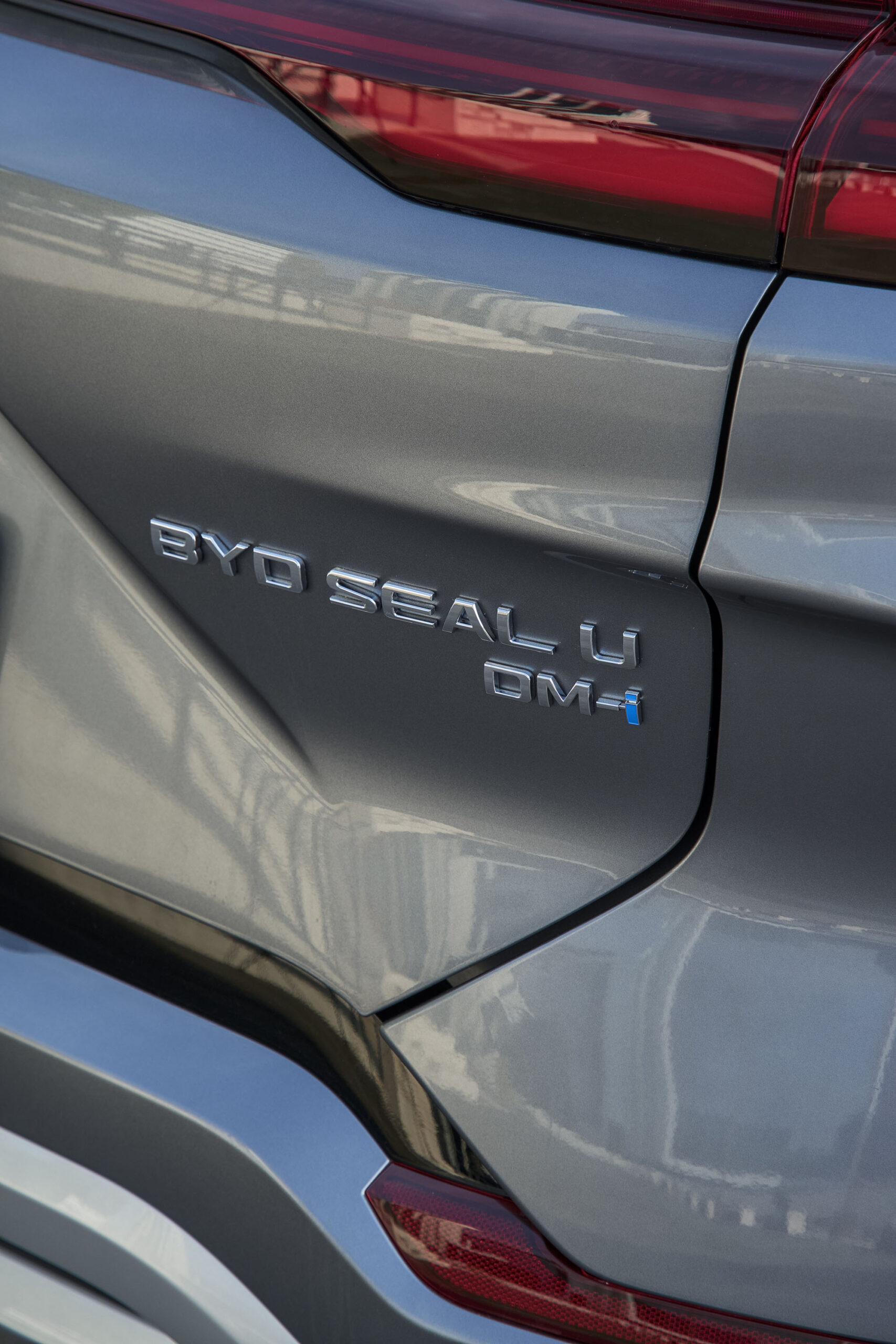
2026 BYD Seal U DM-i Review: A Plug-In Hybrid That Gets the Basics Right
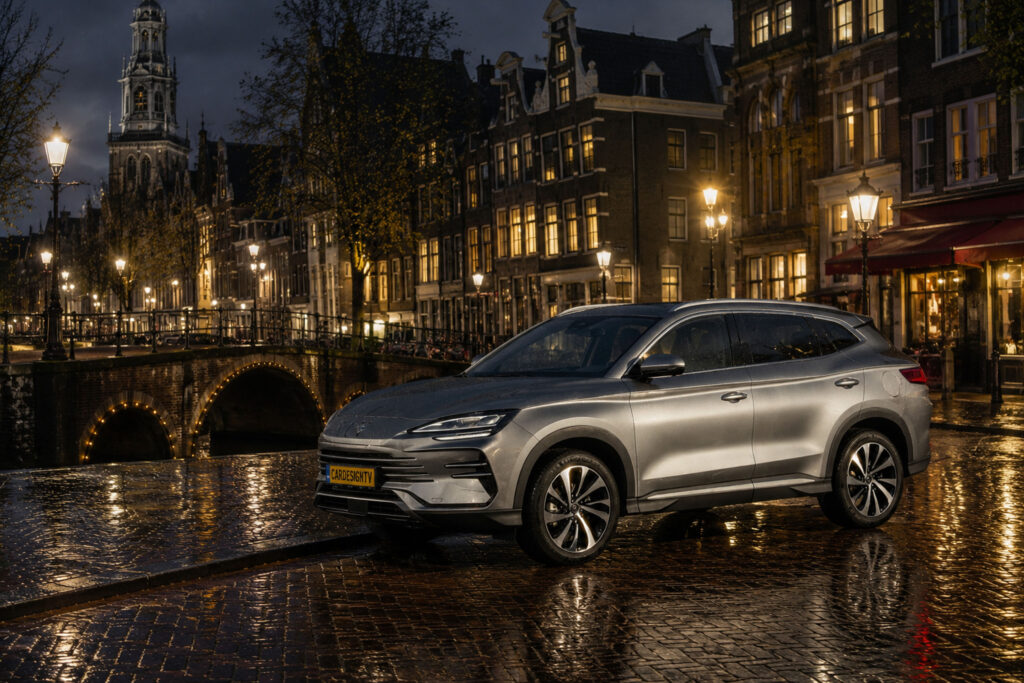
The 2026 BYD Seal U DM-i is not the kind of car that tries to impress you by making everything unfamiliar. There is no strange start-up procedure, no unexpected primary control layout and no sense that basic functions have been redesigned simply to prove how technologically advanced the car is. You get in, adjust the seat and mirrors, select Drive and leave. After recently driving the Polestar 4, that immediately became one of the most noticeable and most welcome characteristics of the BYD.
The Polestar 4 is an impressively sophisticated vehicle, but it also represents a current design philosophy in which manufacturers sometimes appear determined to reconsider established automotive conventions simply because modern electronics make that possible. The Seal U takes a very different approach. It contains a large touchscreen, digital instrumentation, extensive driver-assistance technology and a sophisticated plug-in hybrid drivetrain, but the primary interaction with the car remains completely familiar.
That may sound like an unremarkable achievement, but it increasingly is not. In an industry where indicator stalks disappear, mirror adjustment migrates into touchscreens and even opening a glovebox can become a menu function, the ability to enter an unfamiliar car and immediately know how to operate it has become a genuine design virtue.

A Different Kind of Chinese Car
Chinese manufacturers have moved into the European market at extraordinary speed. Only a few years ago, most discussions about Chinese cars still revolved around whether they could eventually become serious competitors to European, Japanese and Korean manufacturers. That question now feels outdated. BYD, in particular, is no longer simply another new entrant. It has become one of the world’s most significant manufacturers of electrified vehicles and develops much of its own technology, including batteries, electric motors, power electronics and semiconductors.
That background is important because it explains the philosophy behind the Seal U DM-i. Most established manufacturers approached the plug-in hybrid by starting with a conventional combustion-engine vehicle and adding electrification. BYD comes at the same problem from almost the opposite direction. The Seal U often feels more like an electric vehicle that has been given a petrol engine to extend its capabilities than a petrol car that happens to contain an electric motor.
That difference is central to the character of the vehicle. The technology underneath is considerably more adventurous than the body surrounding it.
Conservative Exterior Design, Deliberately So
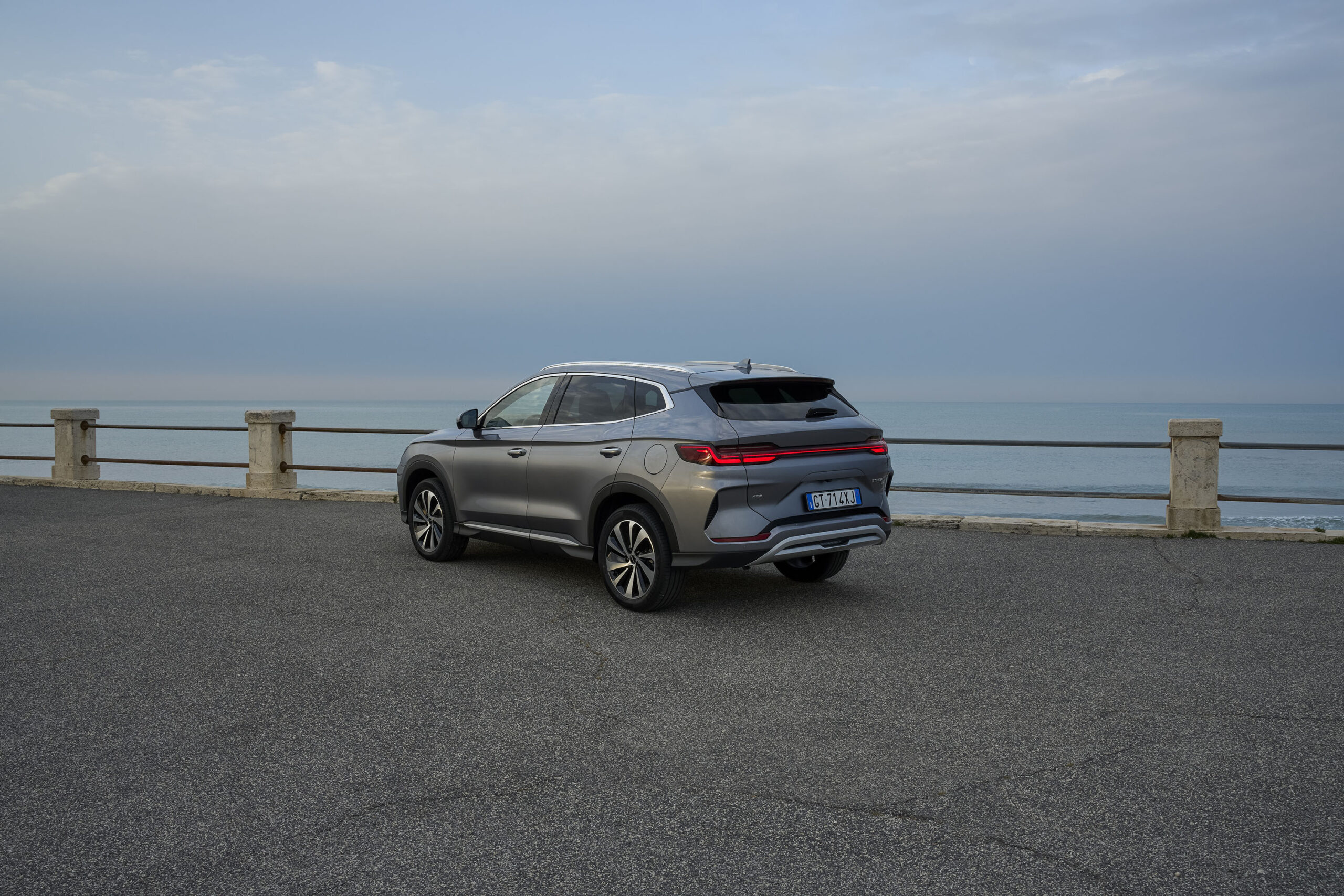
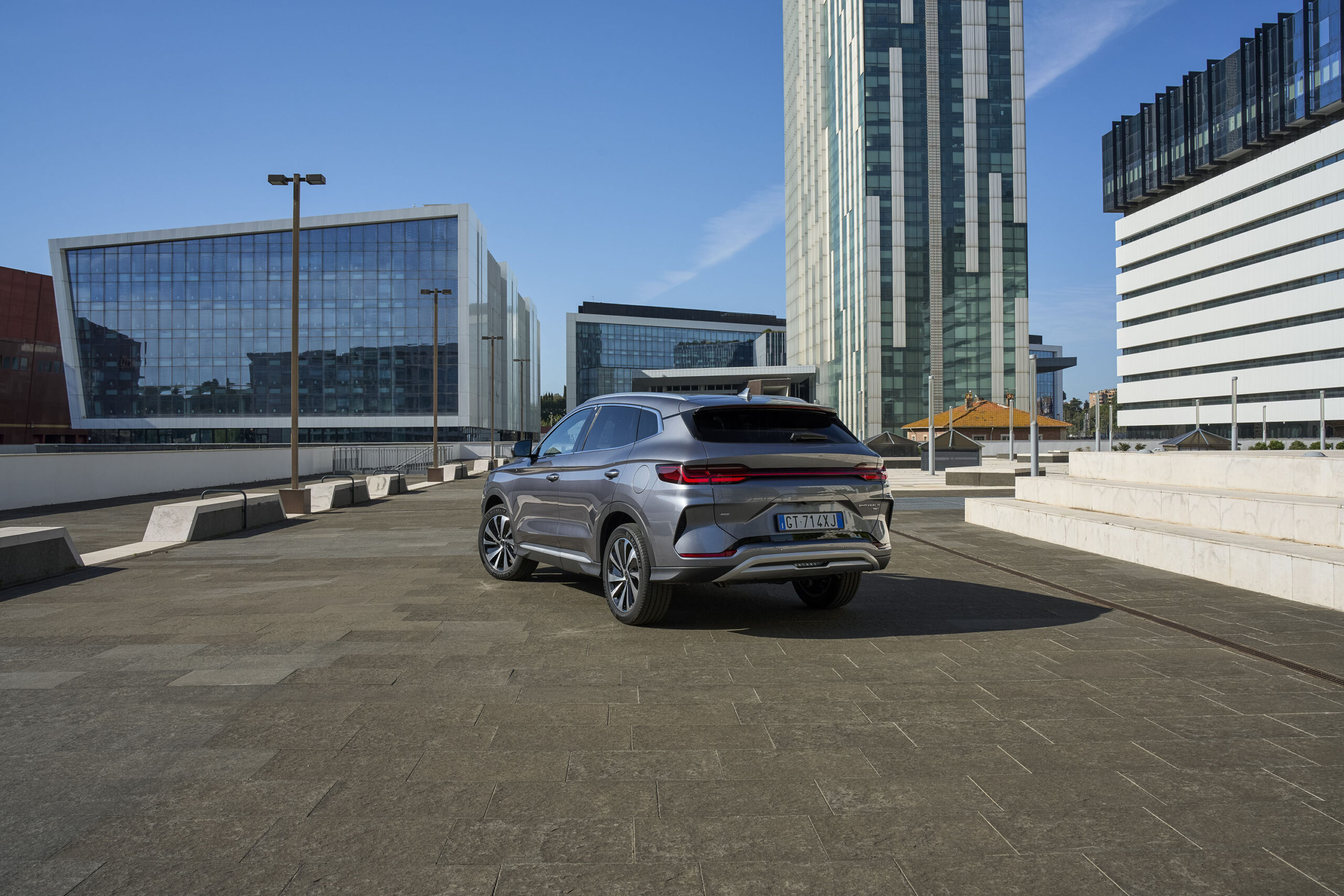
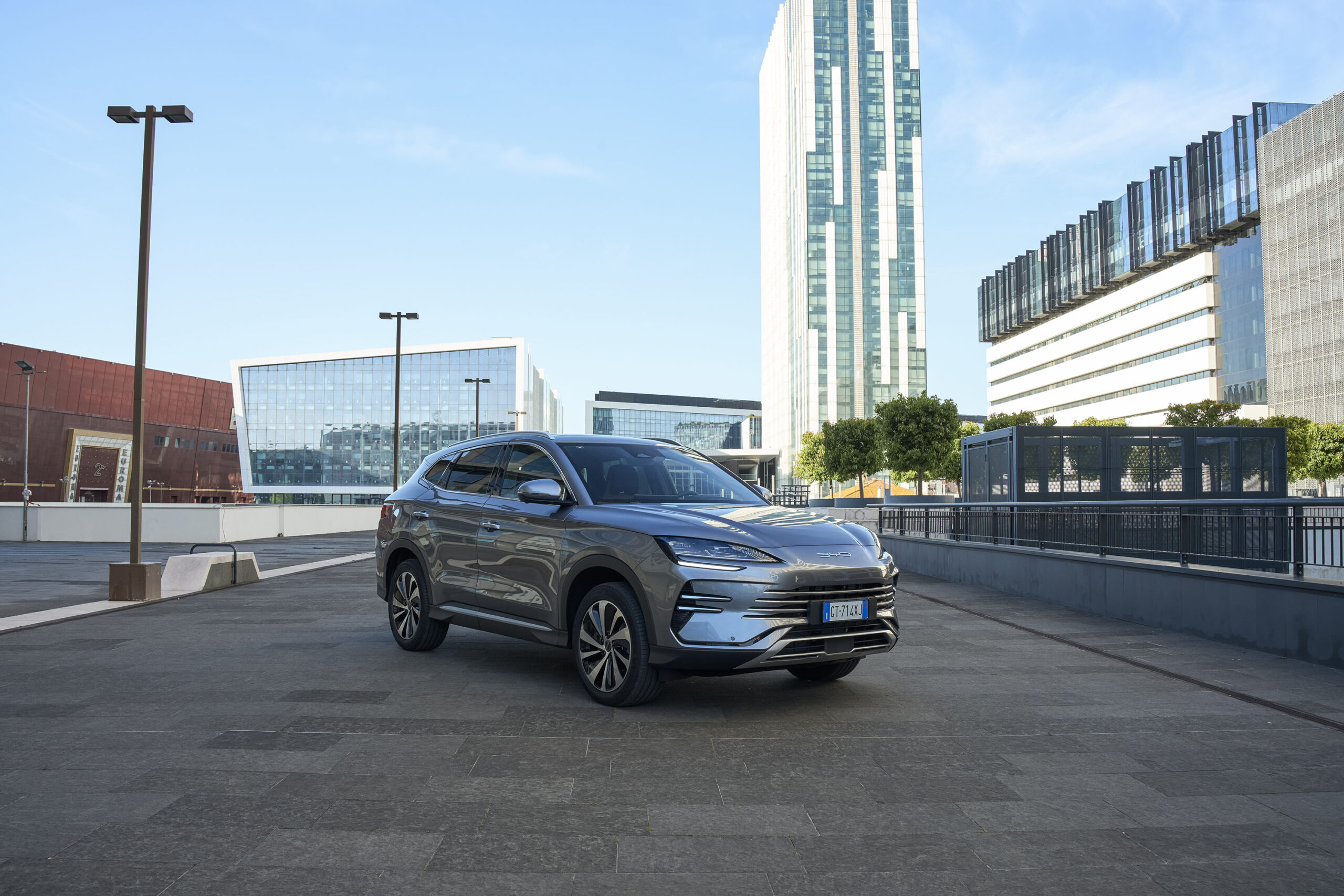
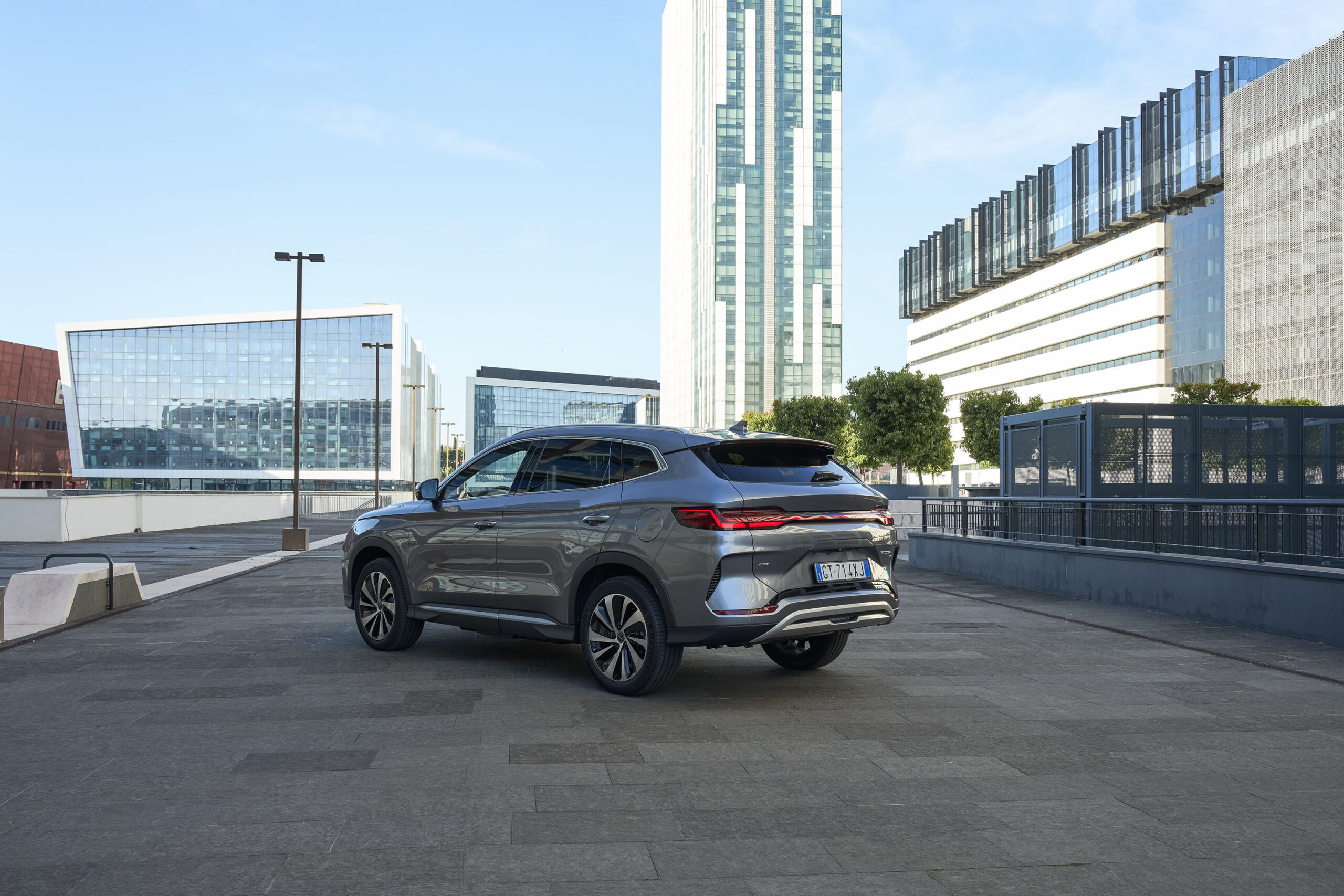
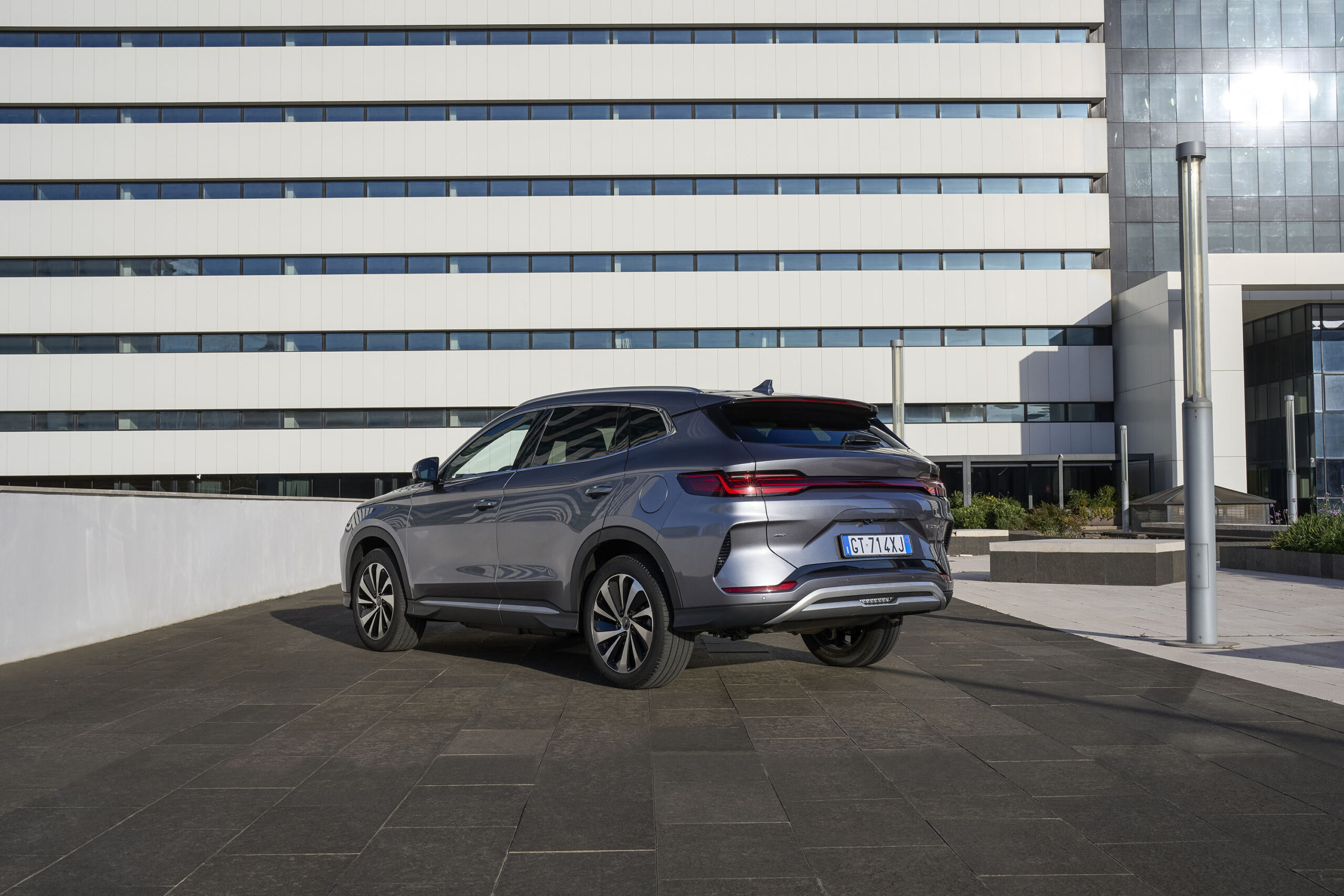
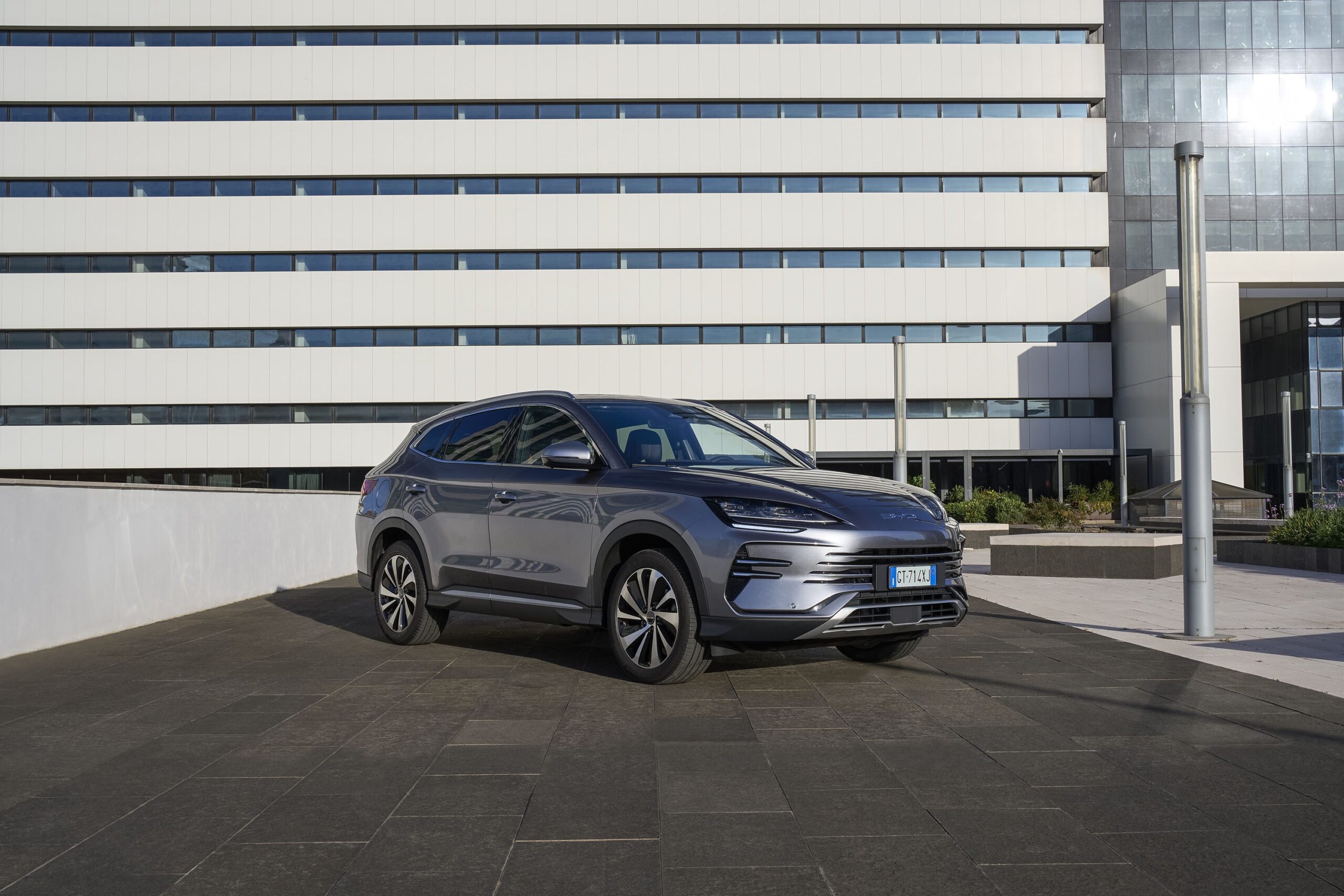
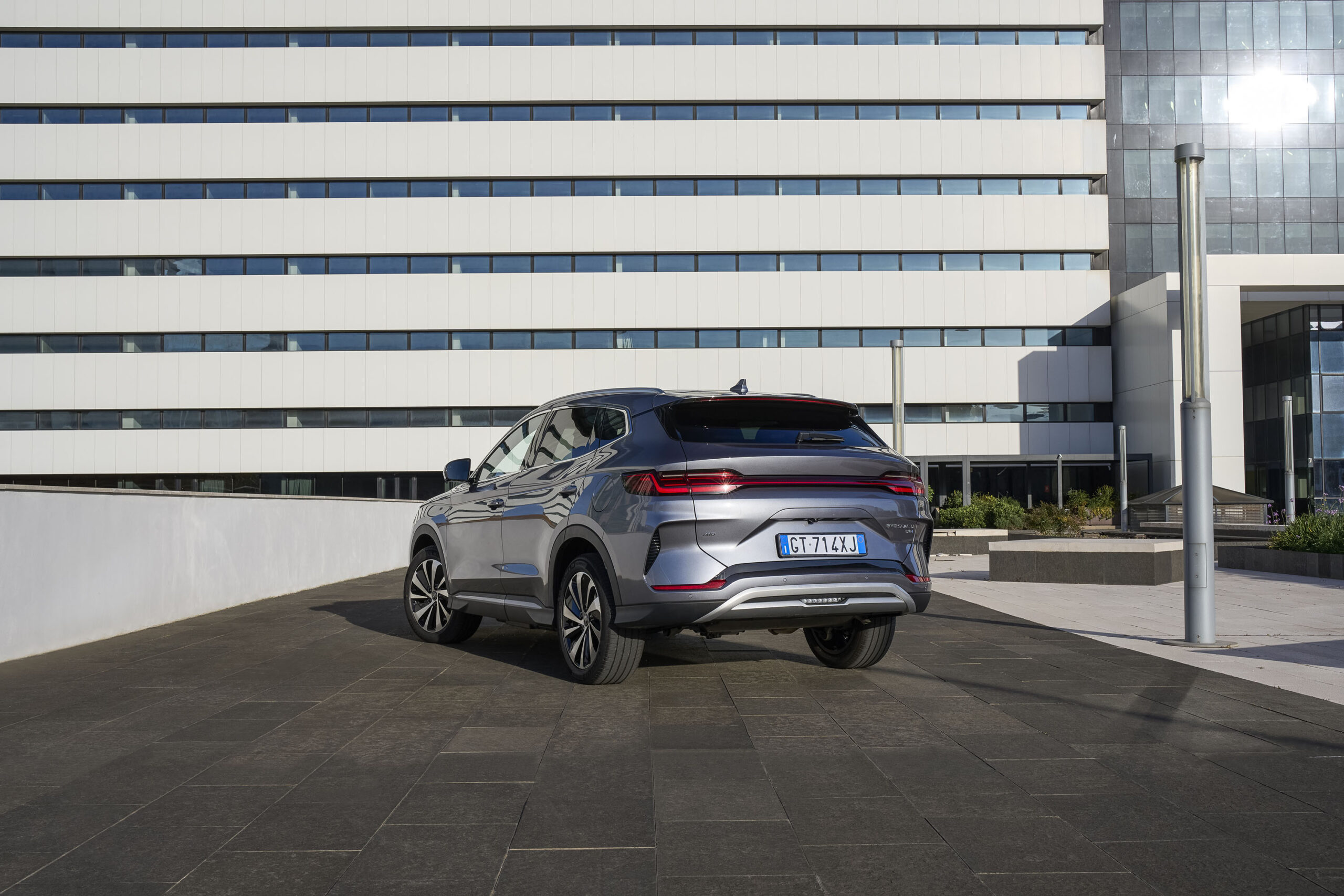
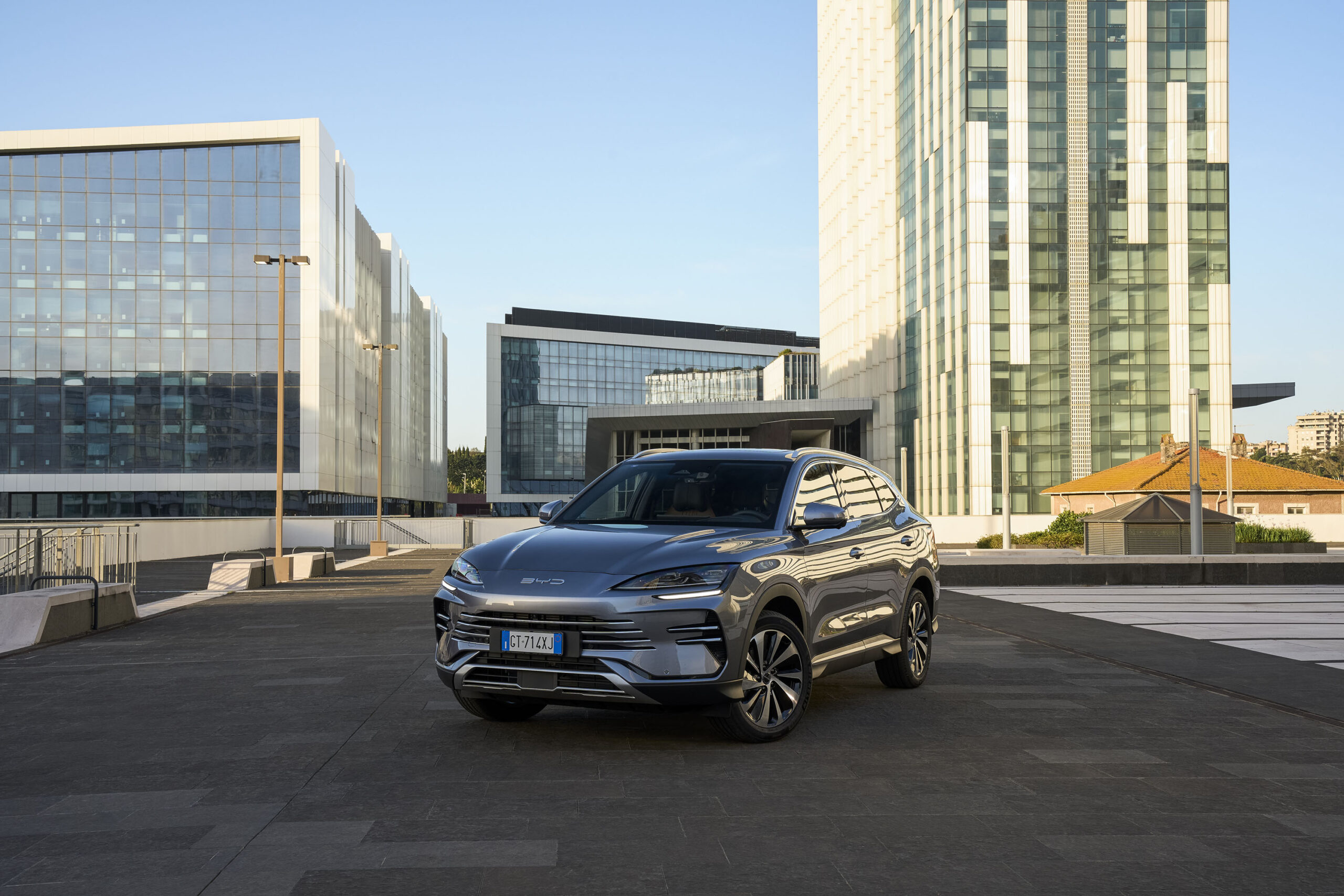
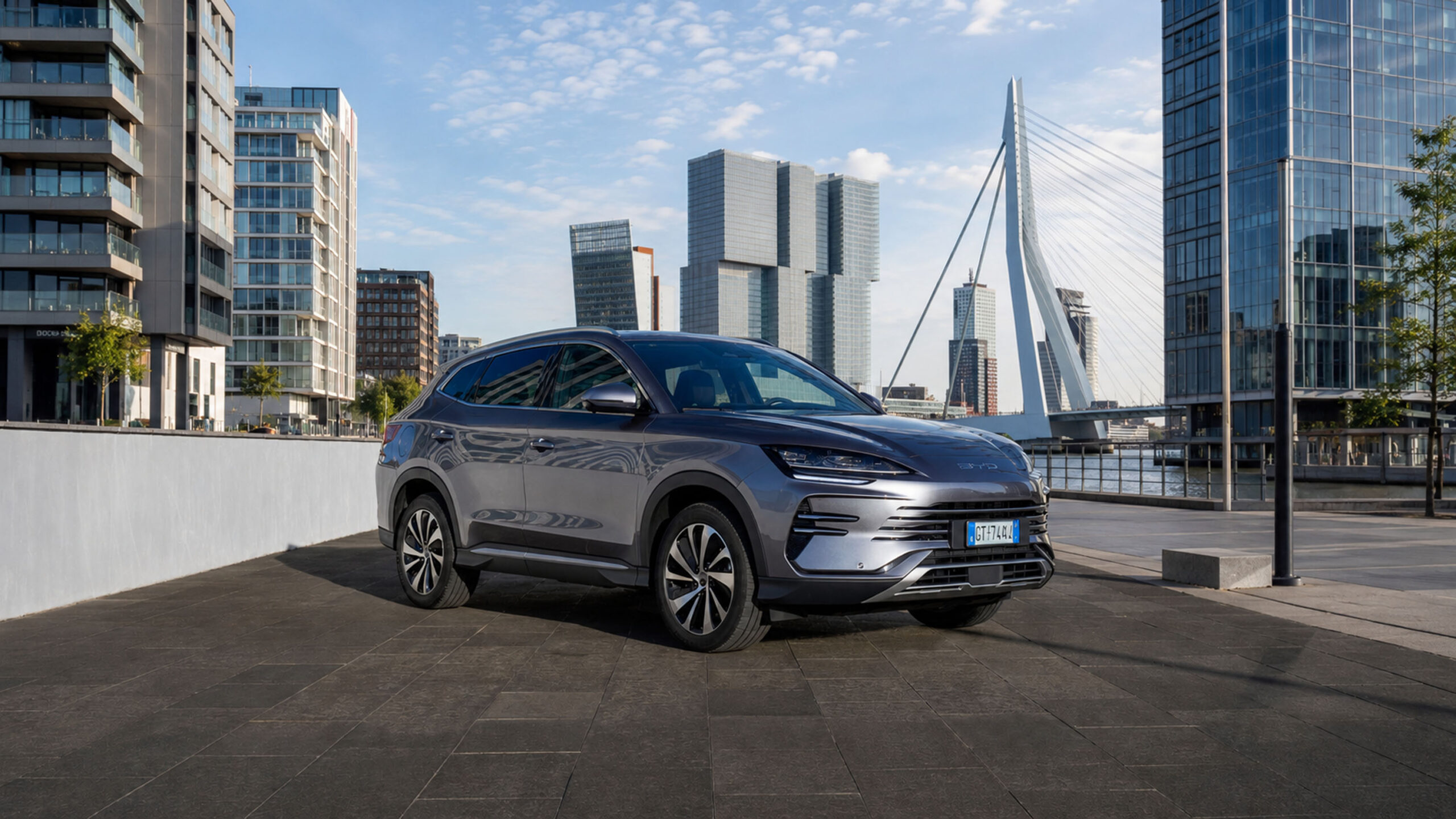
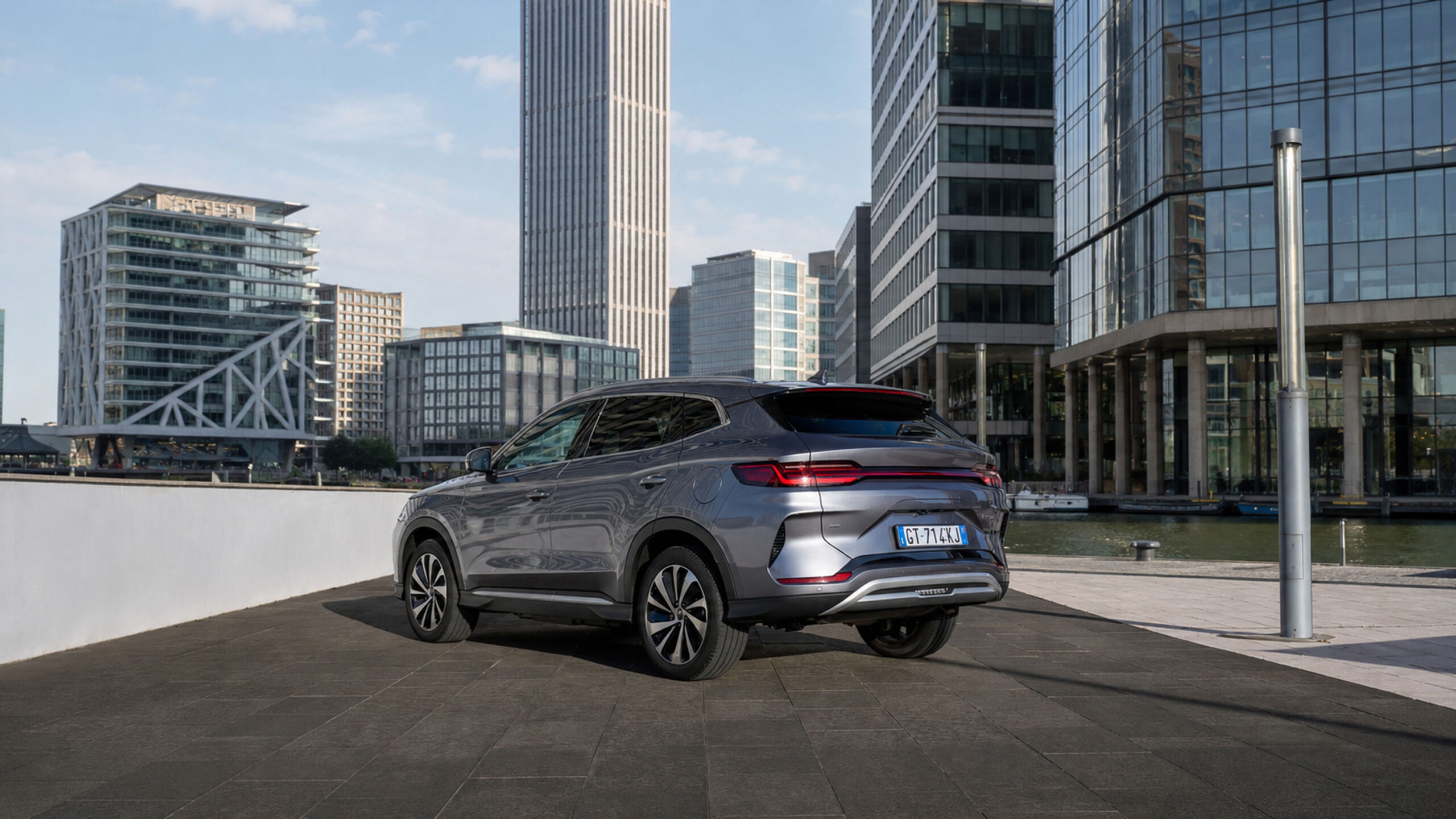
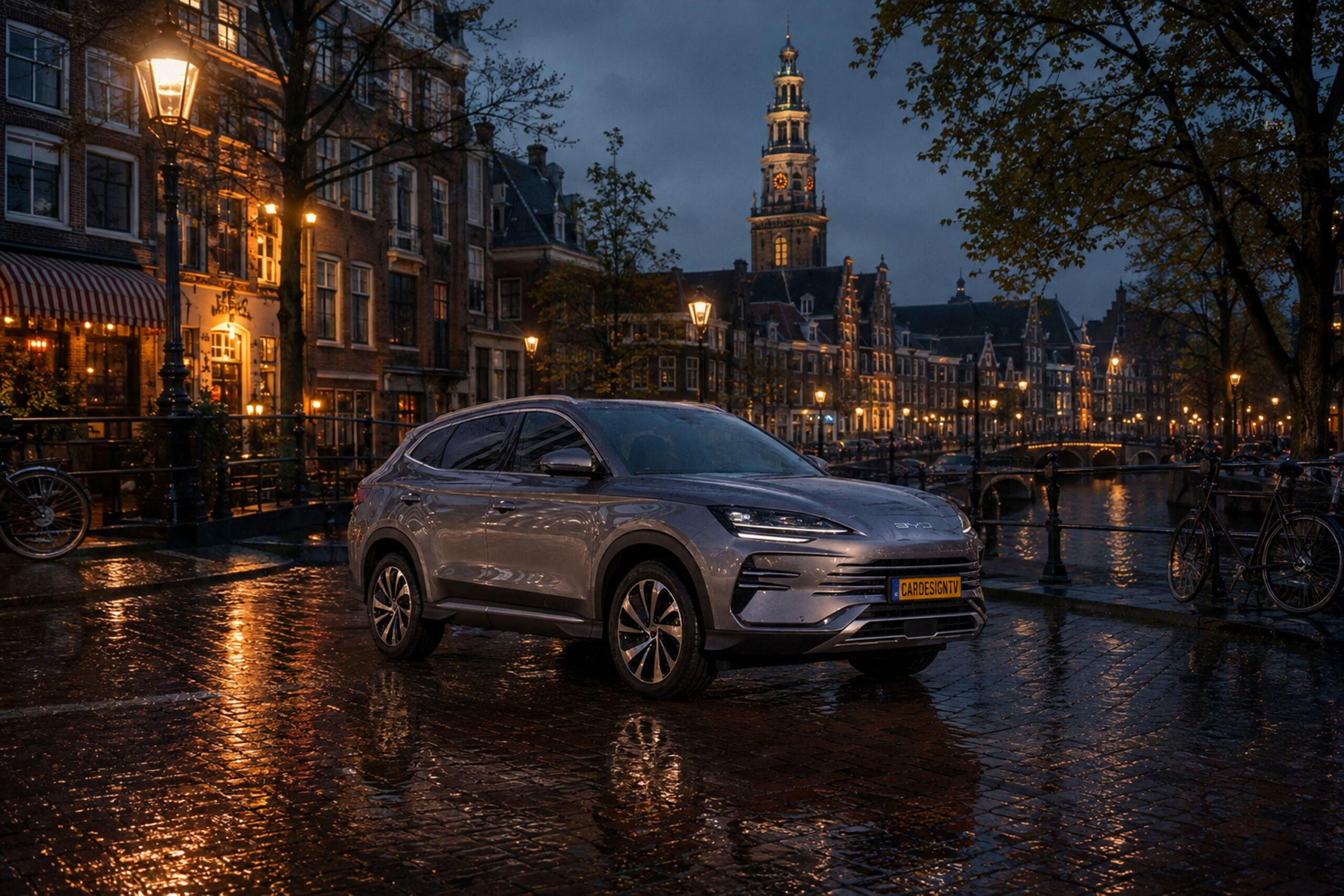
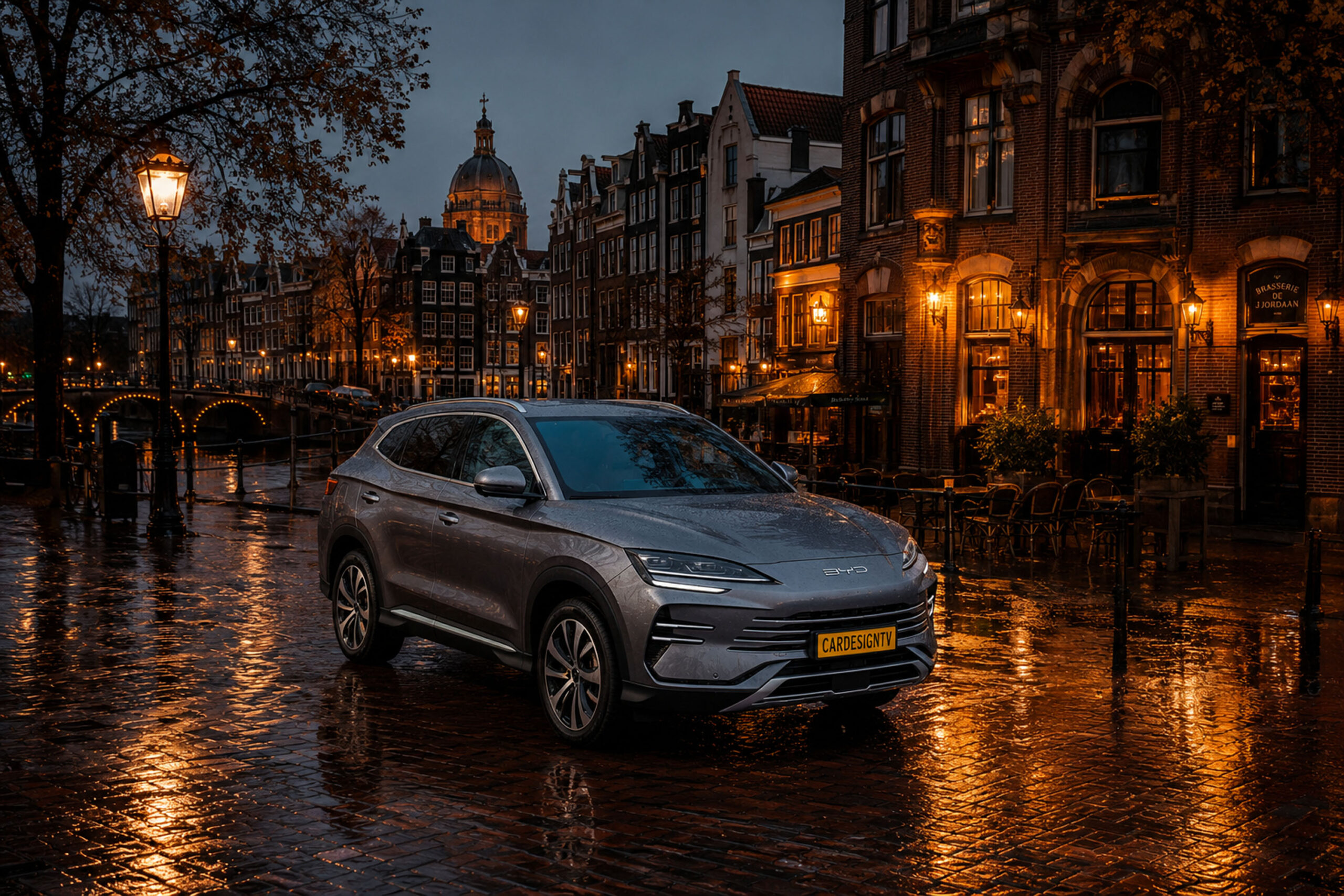
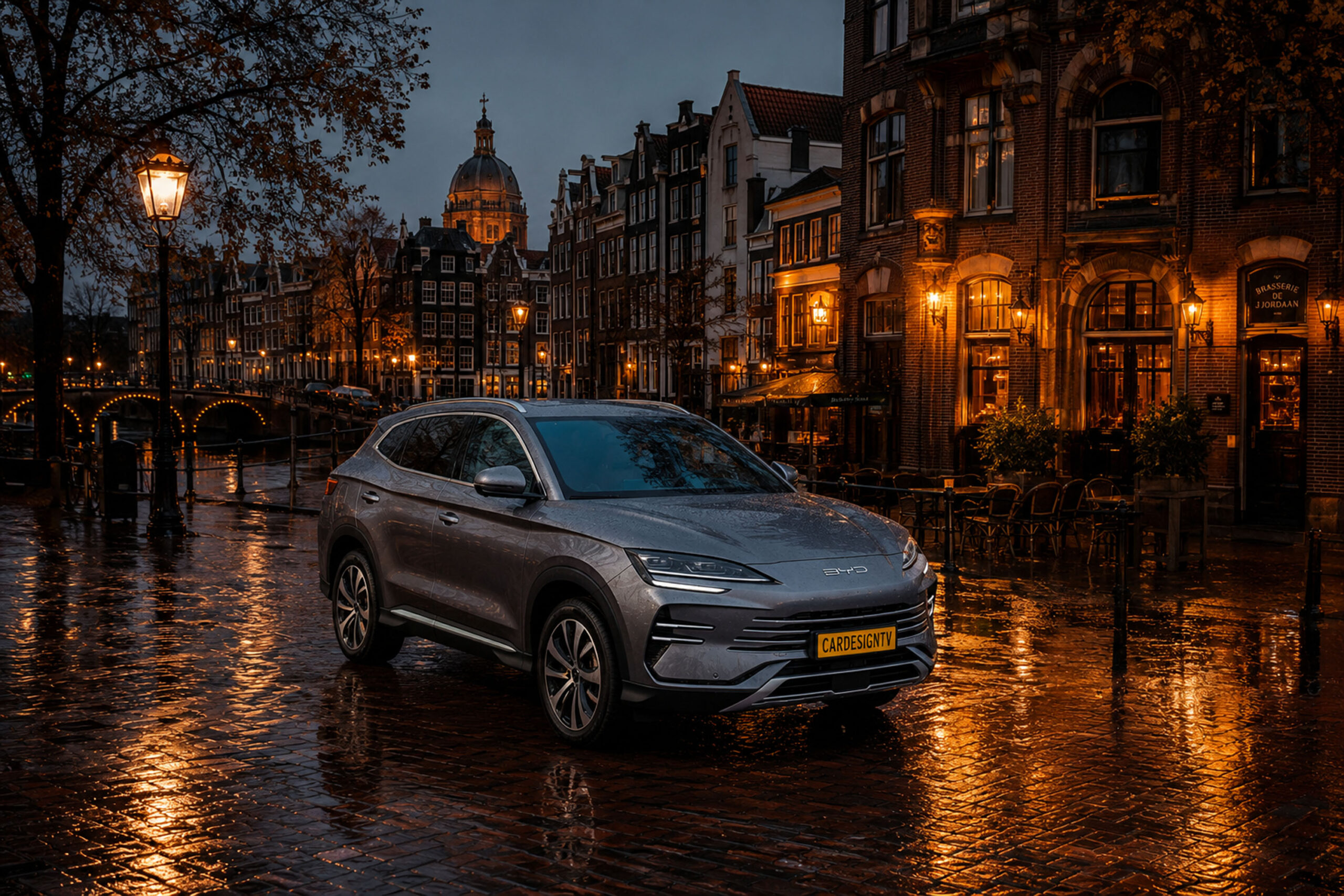
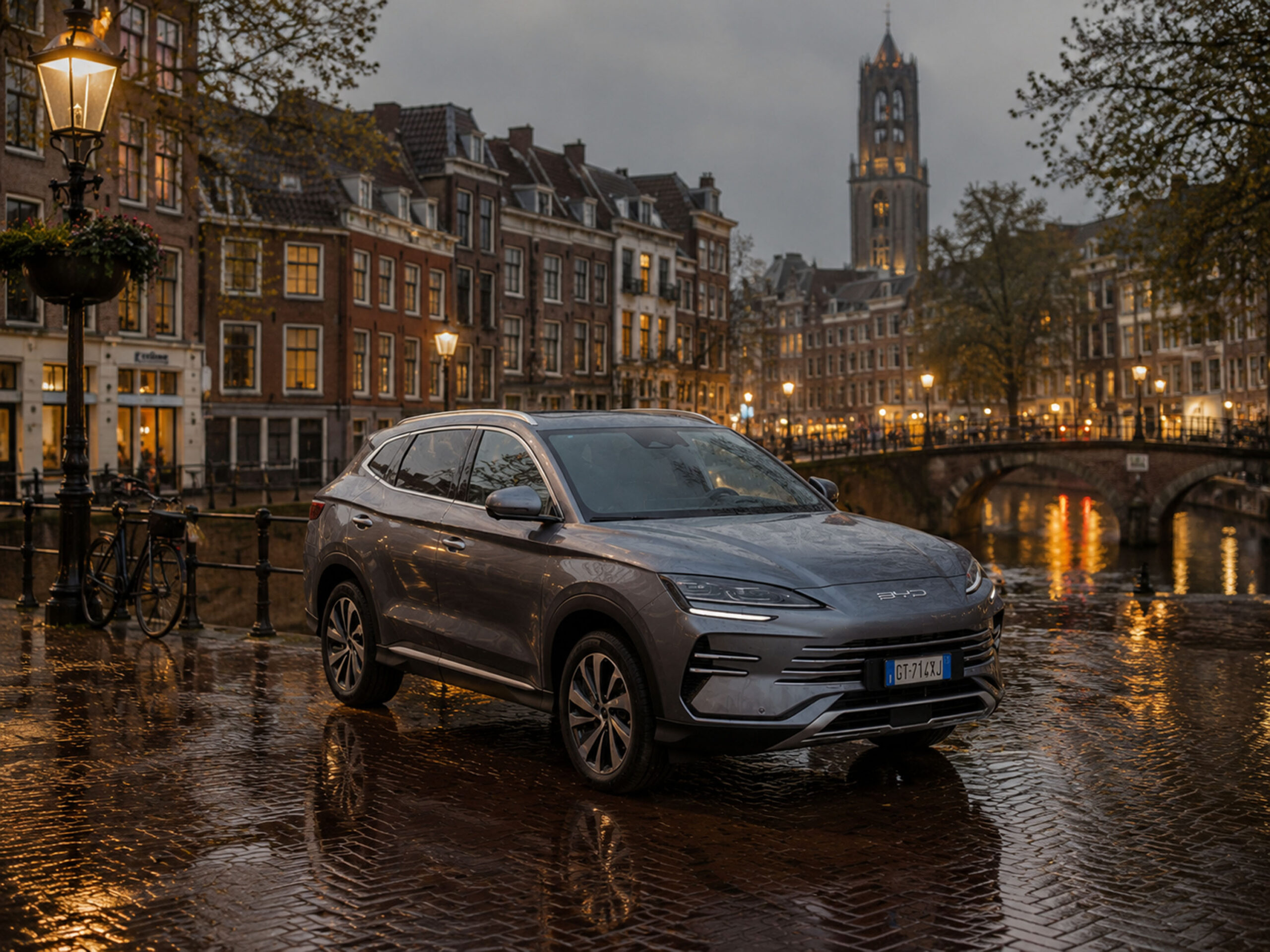
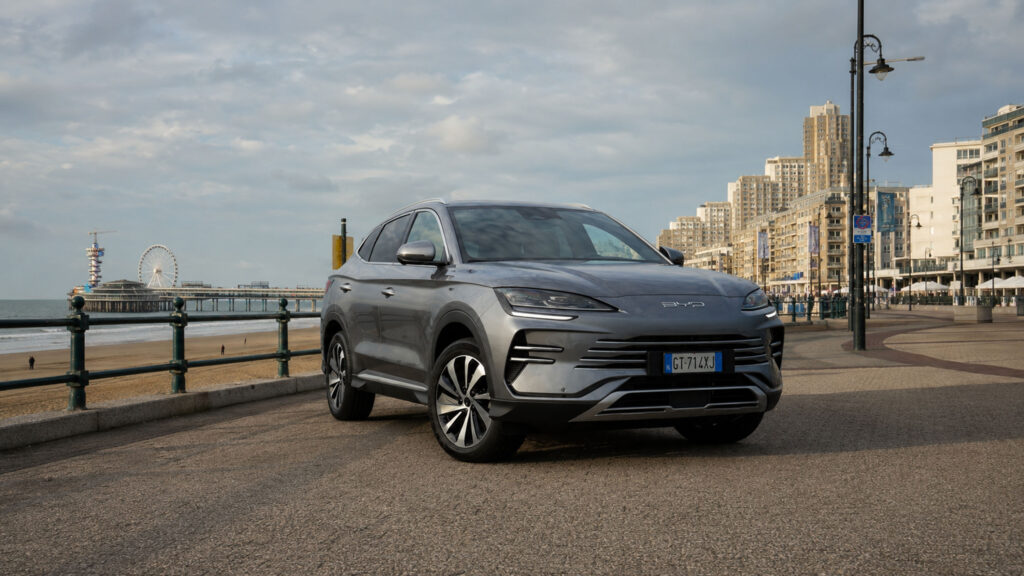
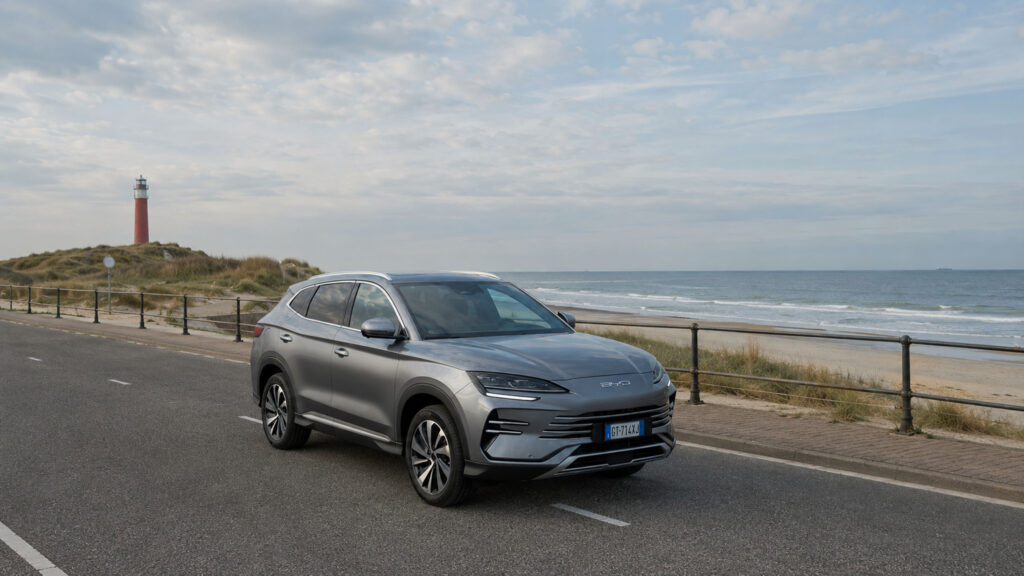
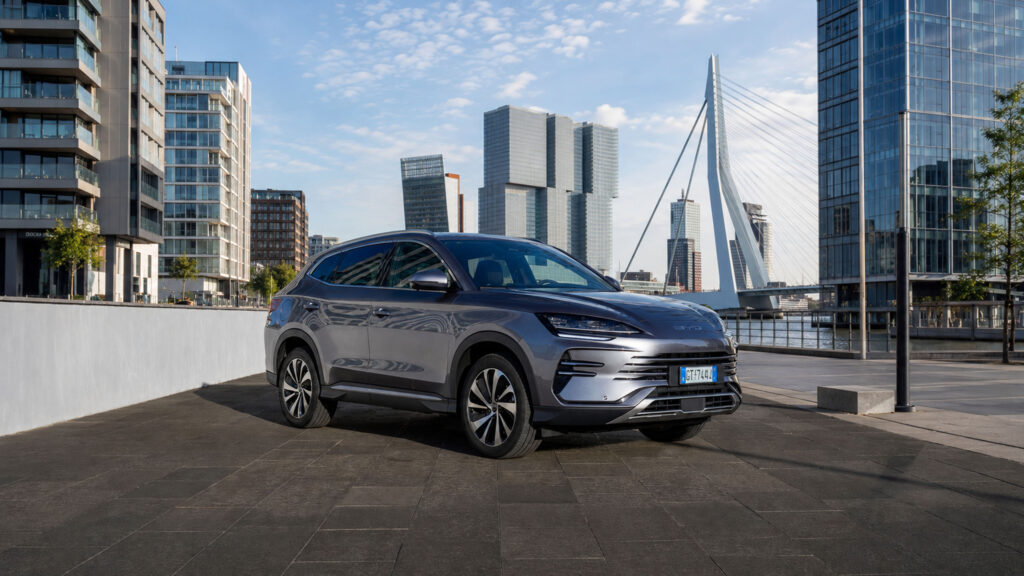
The Seal U is a substantial family SUV, measuring approximately 4.78 metres in length and 1.89 metres in width, with a wheelbase of around 2.77 metres. Its proportions are conventional and immediately understandable. It has a normal five-door SUV body, a reasonably upright rear section and none of the extreme packaging or styling exercises seen on some newer electric vehicles.
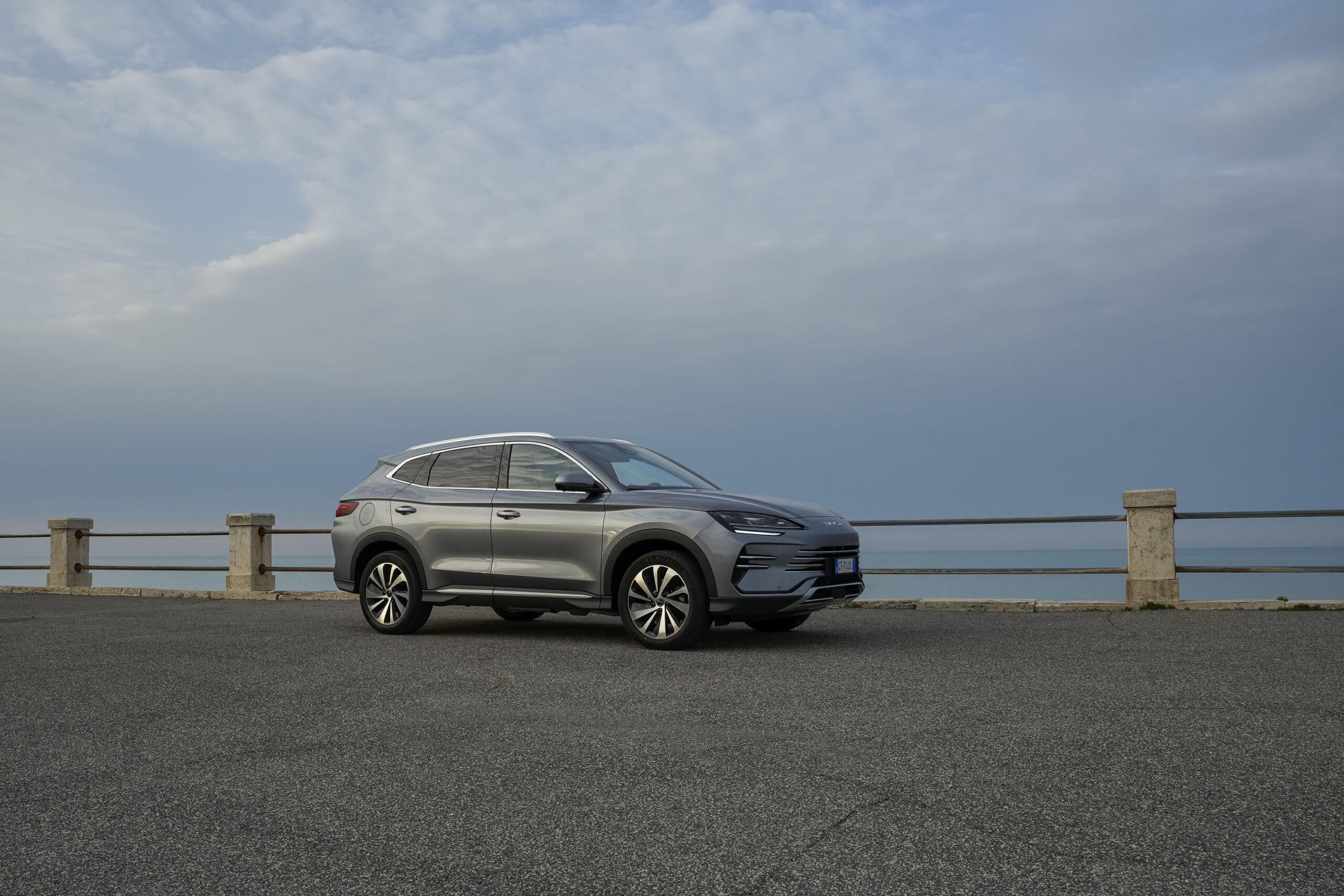
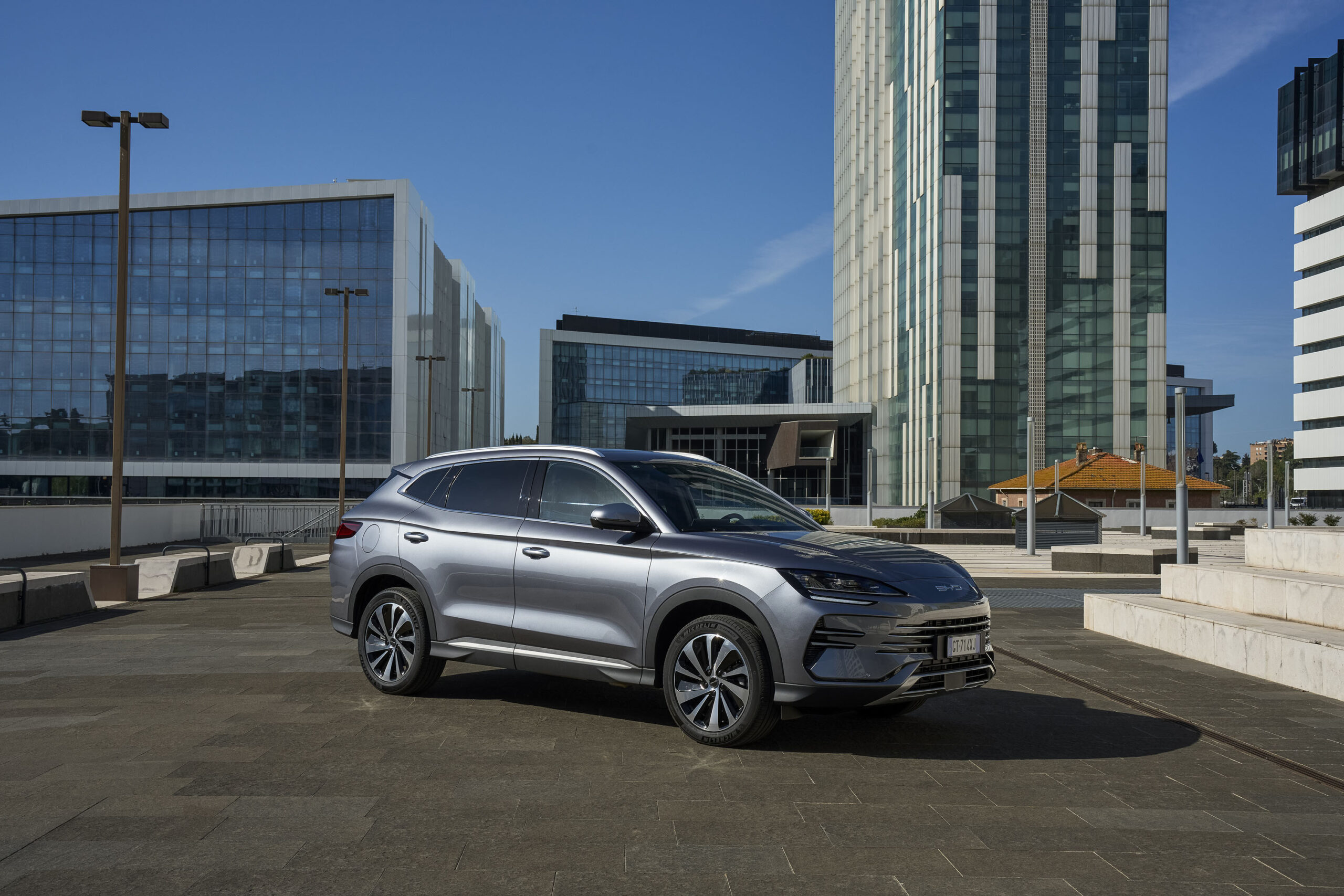
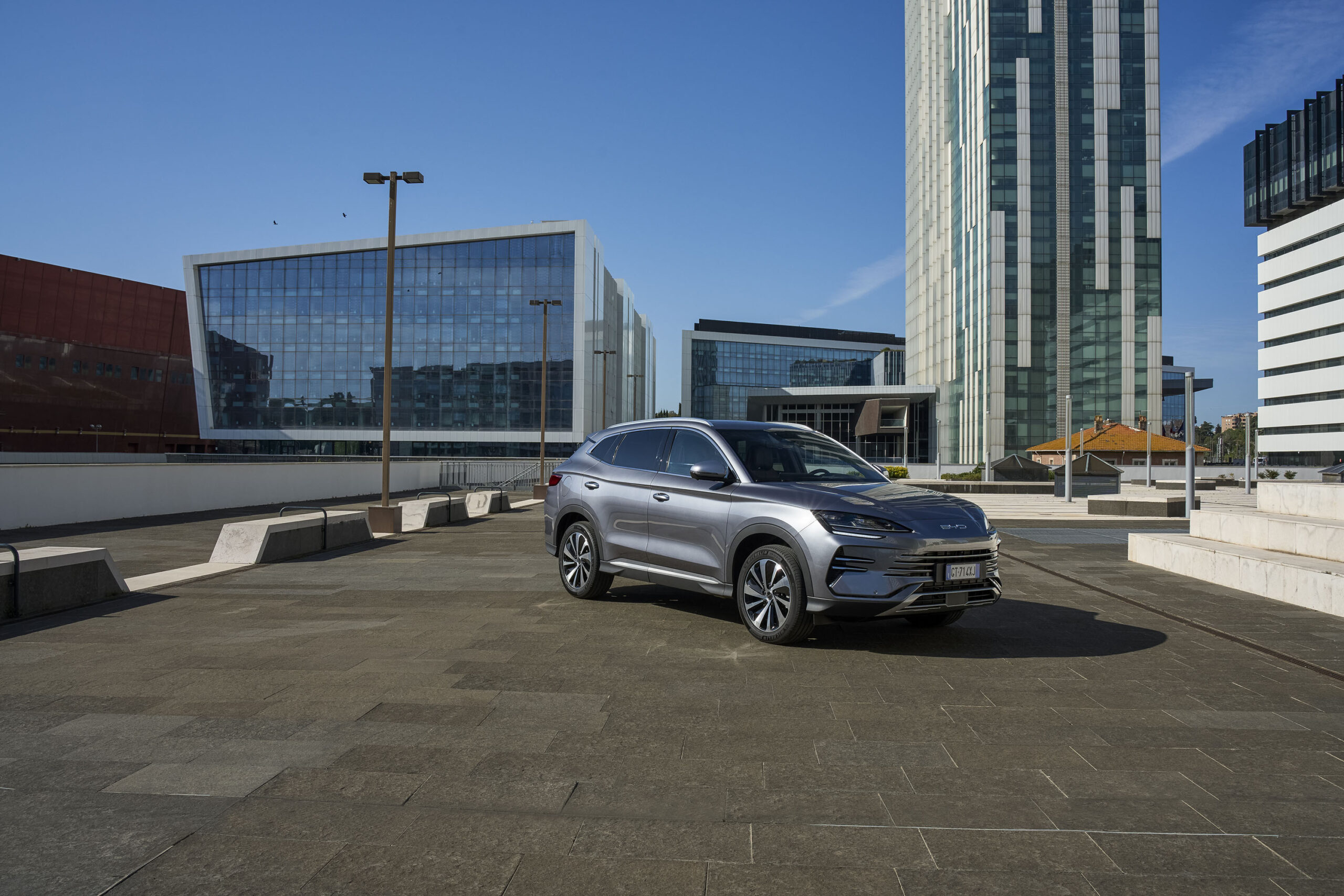
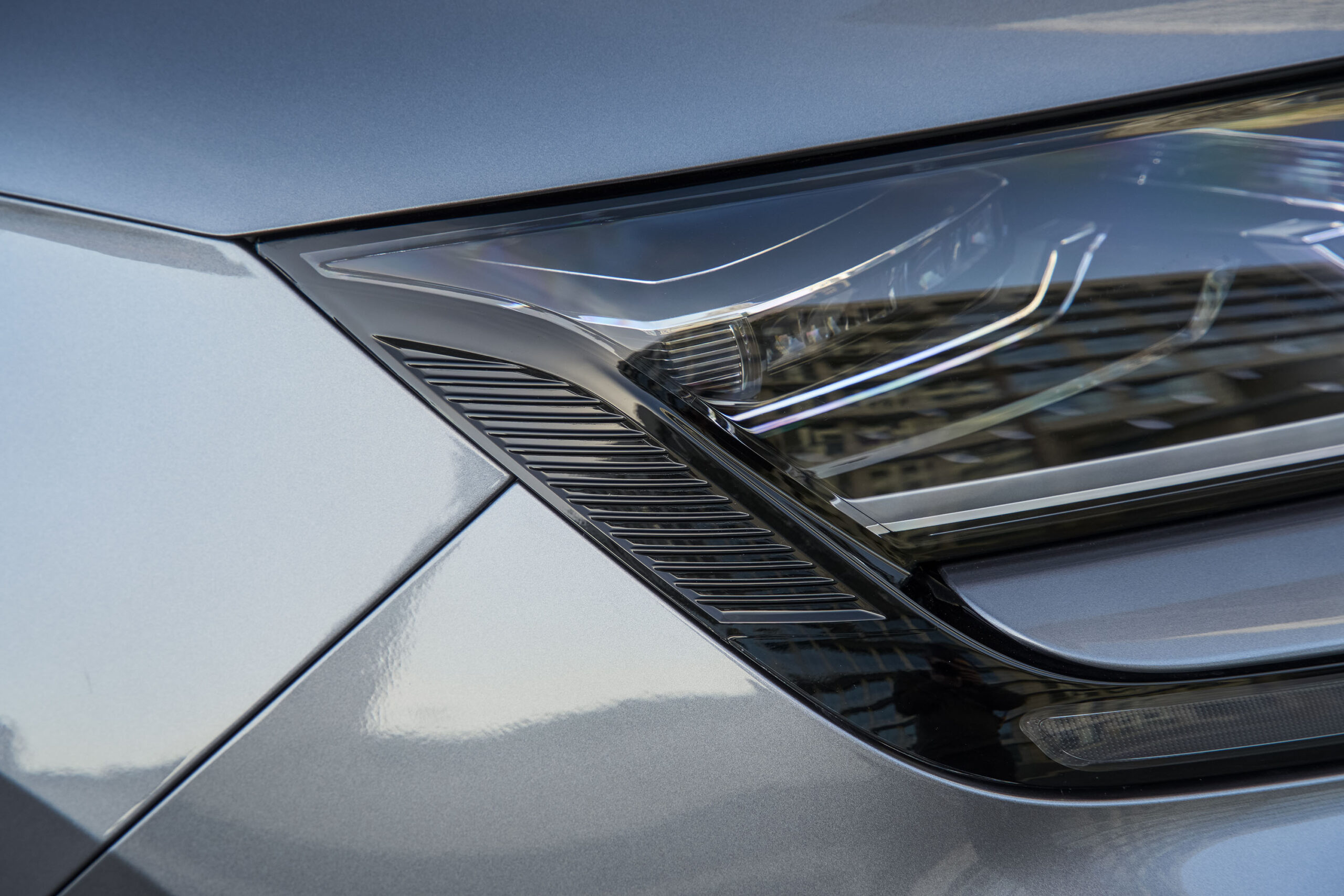
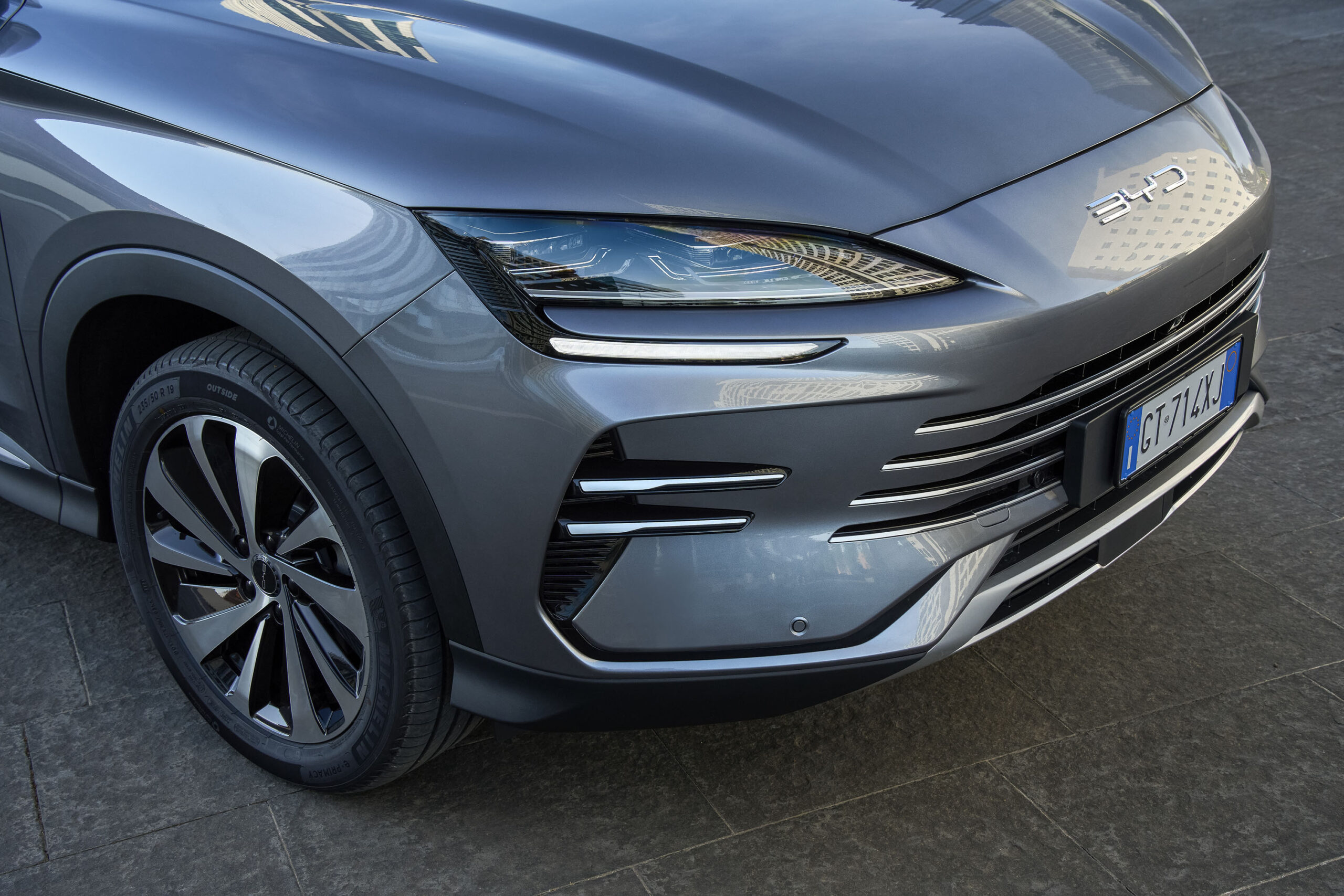
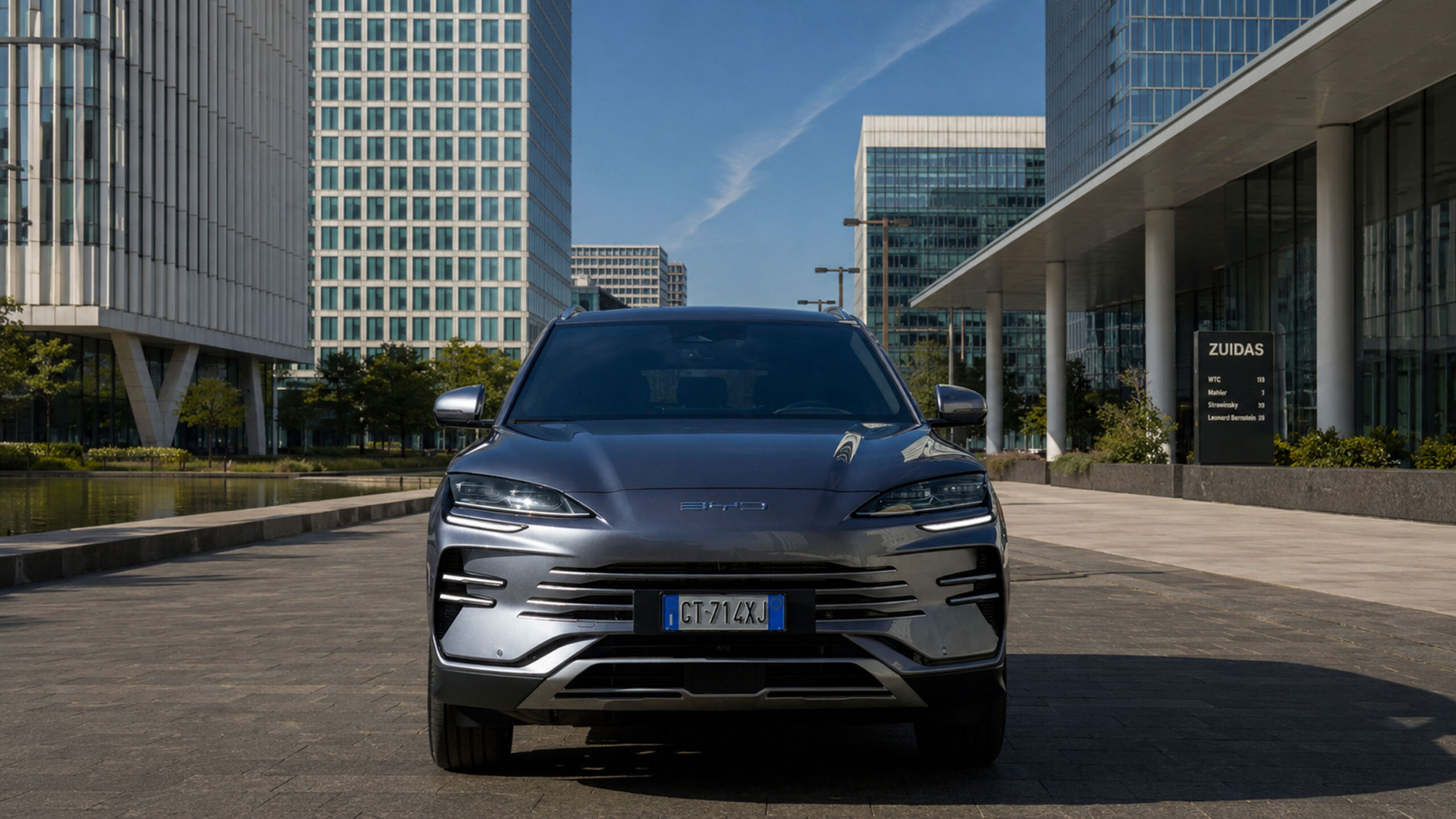
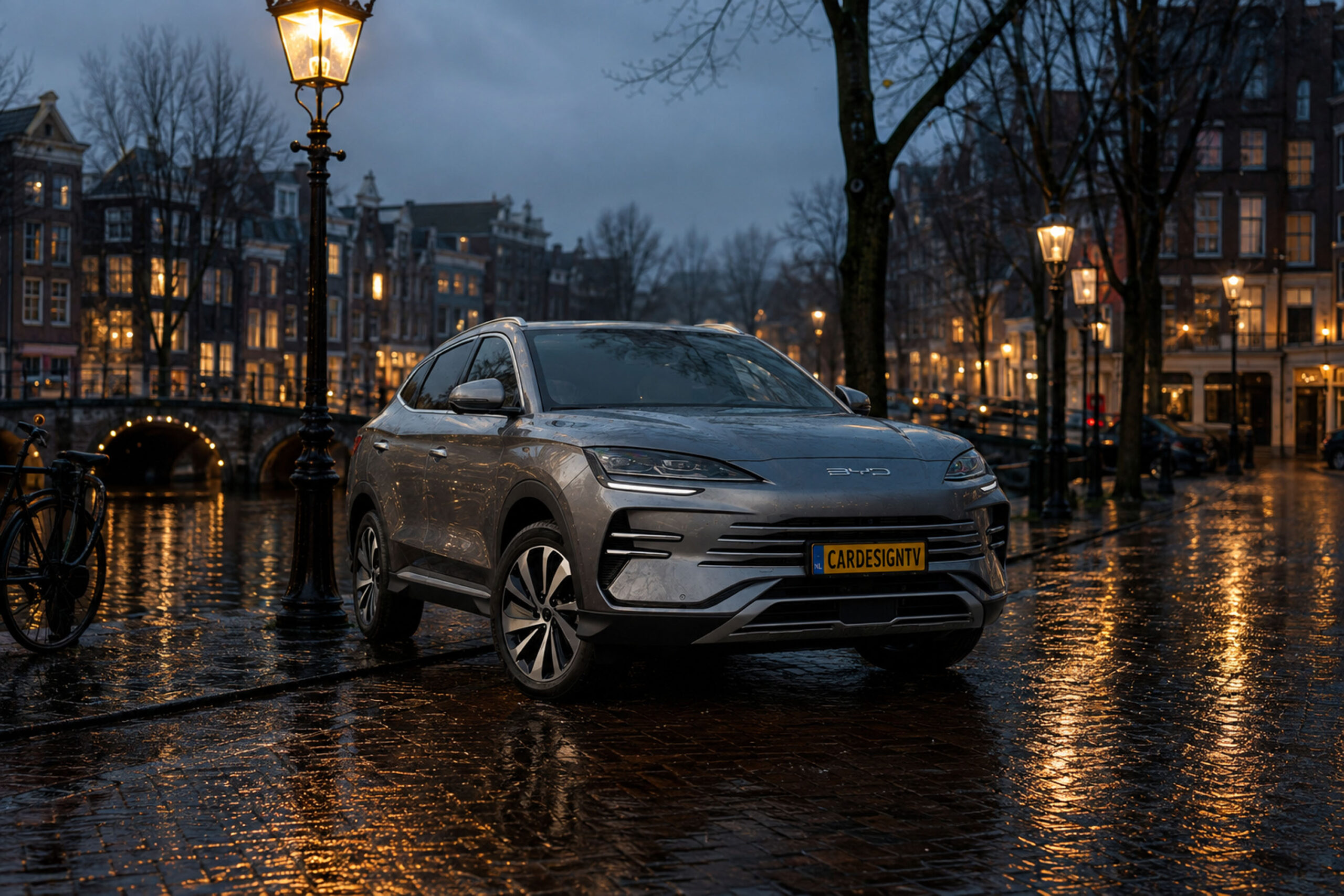
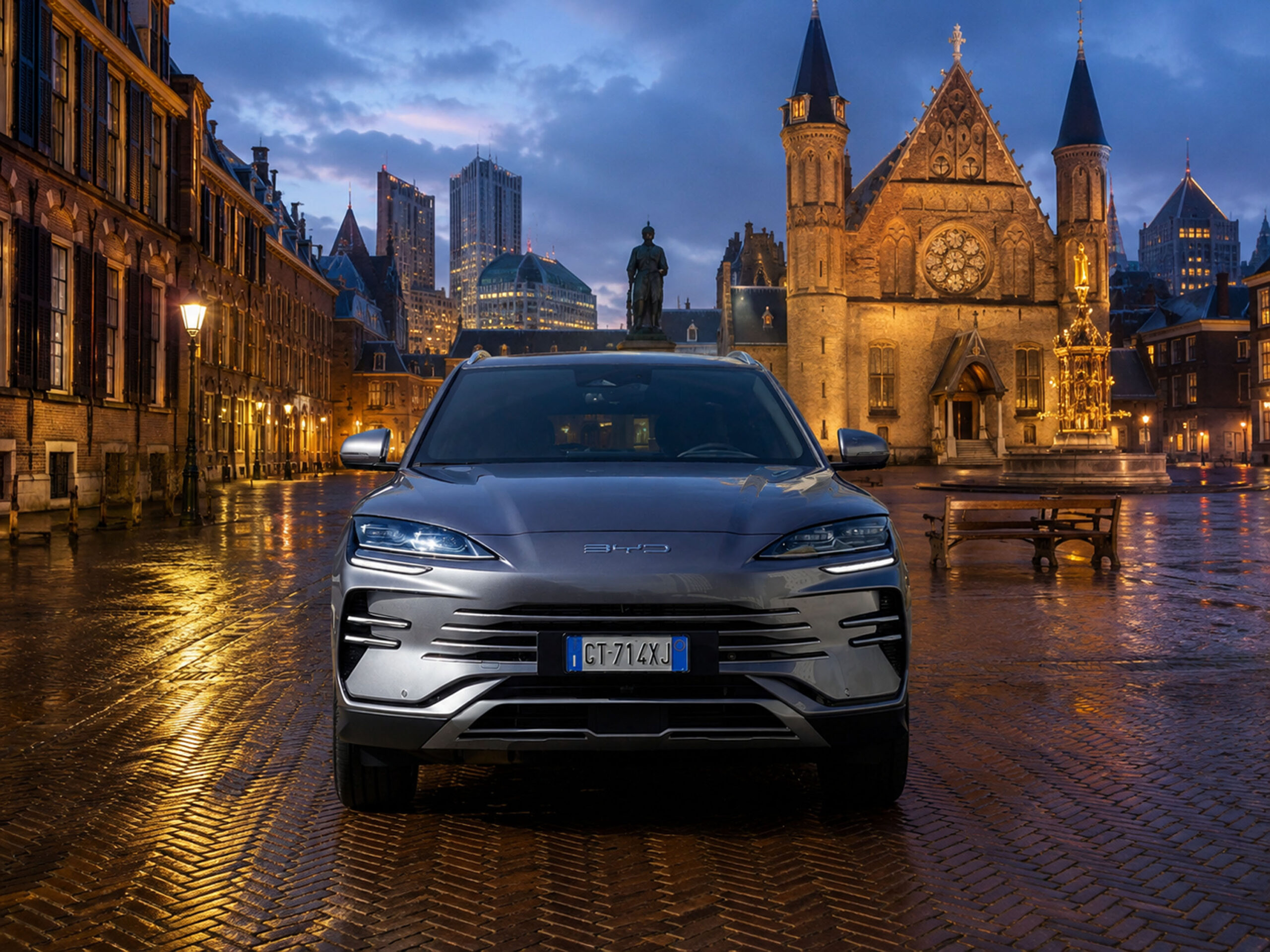
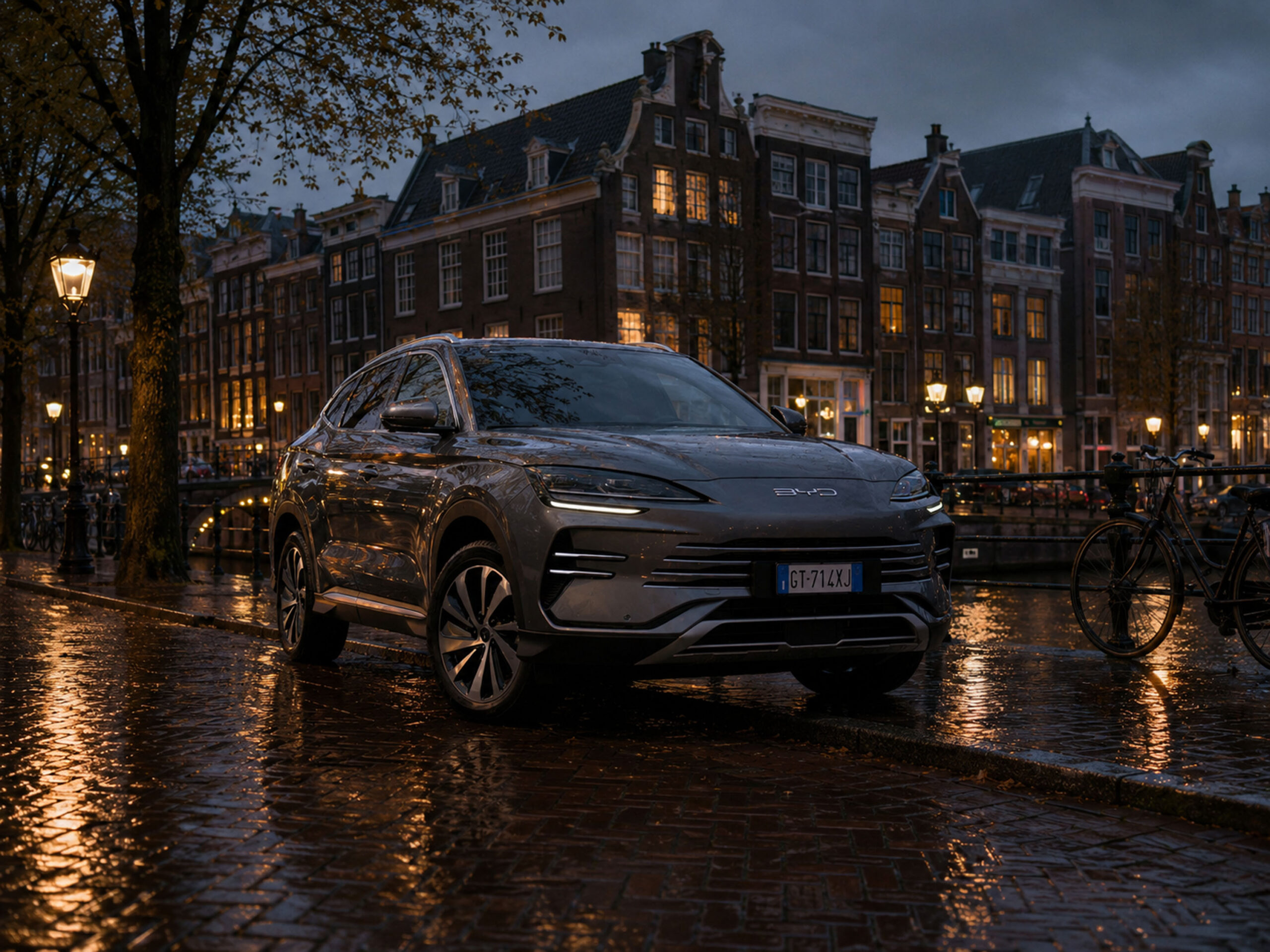
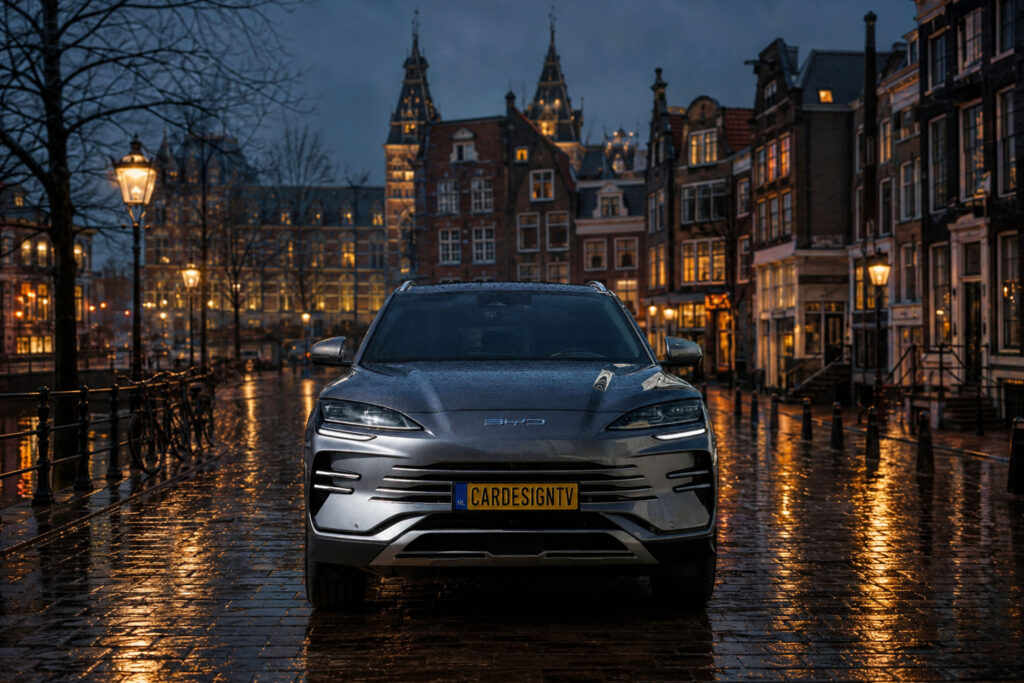
BYD describes its current design philosophy as Ocean Aesthetics, and the Seal U shares some thematic connections with the lower and considerably more dramatic Seal sedan. On the SUV, however, those ideas have been translated into a much more restrained form. The front is clean and relatively smooth, the main cooling opening is positioned low in the bumper and the lighting graphics provide most of the visual identity.
There is very little to object to in the design, but equally little that makes the vehicle unmistakably BYD. Remove the badges and many people would probably struggle to identify the manufacturer. The proportions are sensible, the surfacing is controlled and the detailing is contemporary, but the Seal U has yet to establish the kind of visual identity that instantly identifies a BMW, Volvo, Mercedes-Benz or even a Hyundai from a distance.
For BYD, that may have been intentional. A manufacturer still expanding rapidly into Europe may benefit from a design that feels familiar and broadly acceptable rather than one that demands customers make a stylistic statement. The car looks modern without becoming provocative, and for the mainstream family market that may be a sensible strategy.
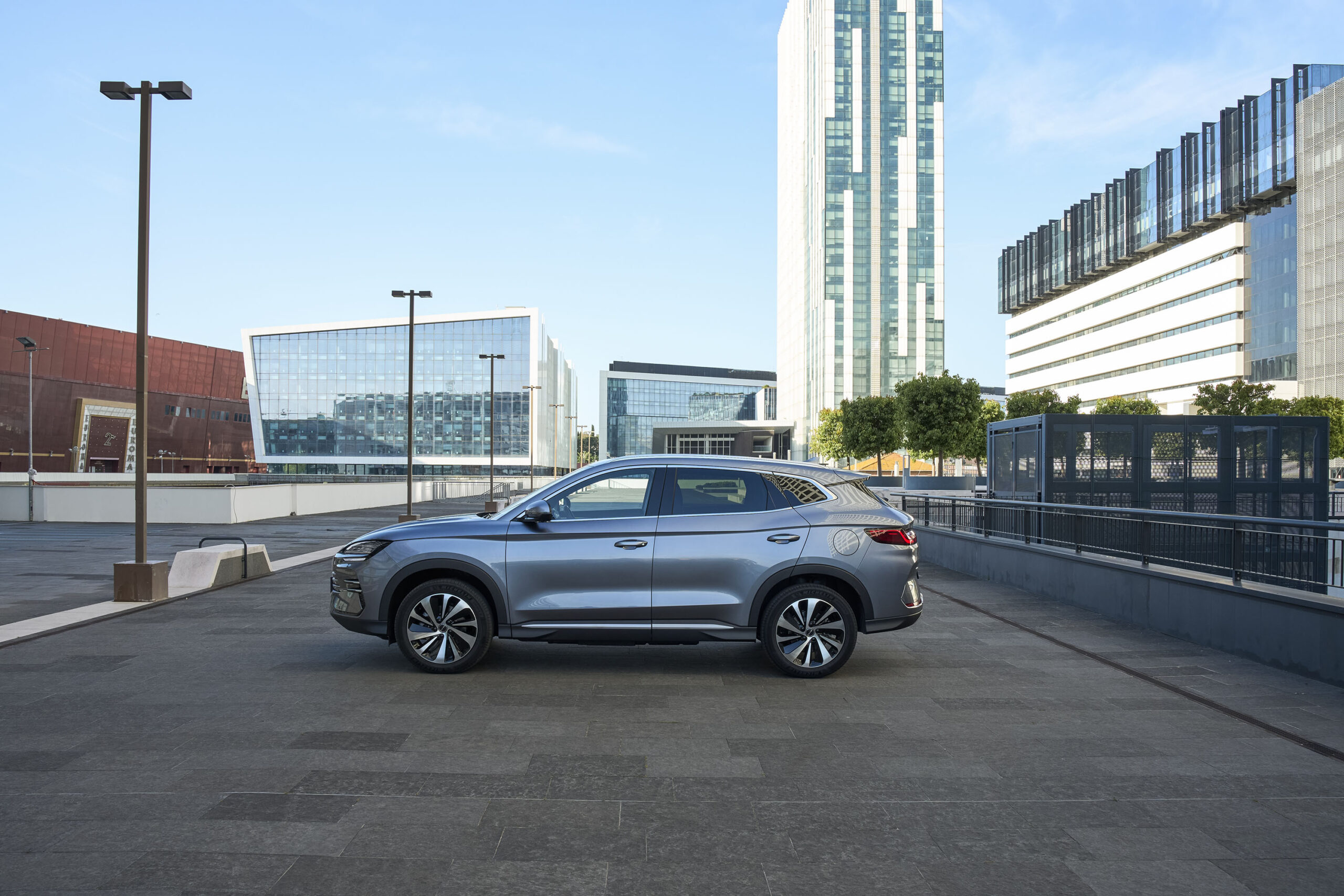
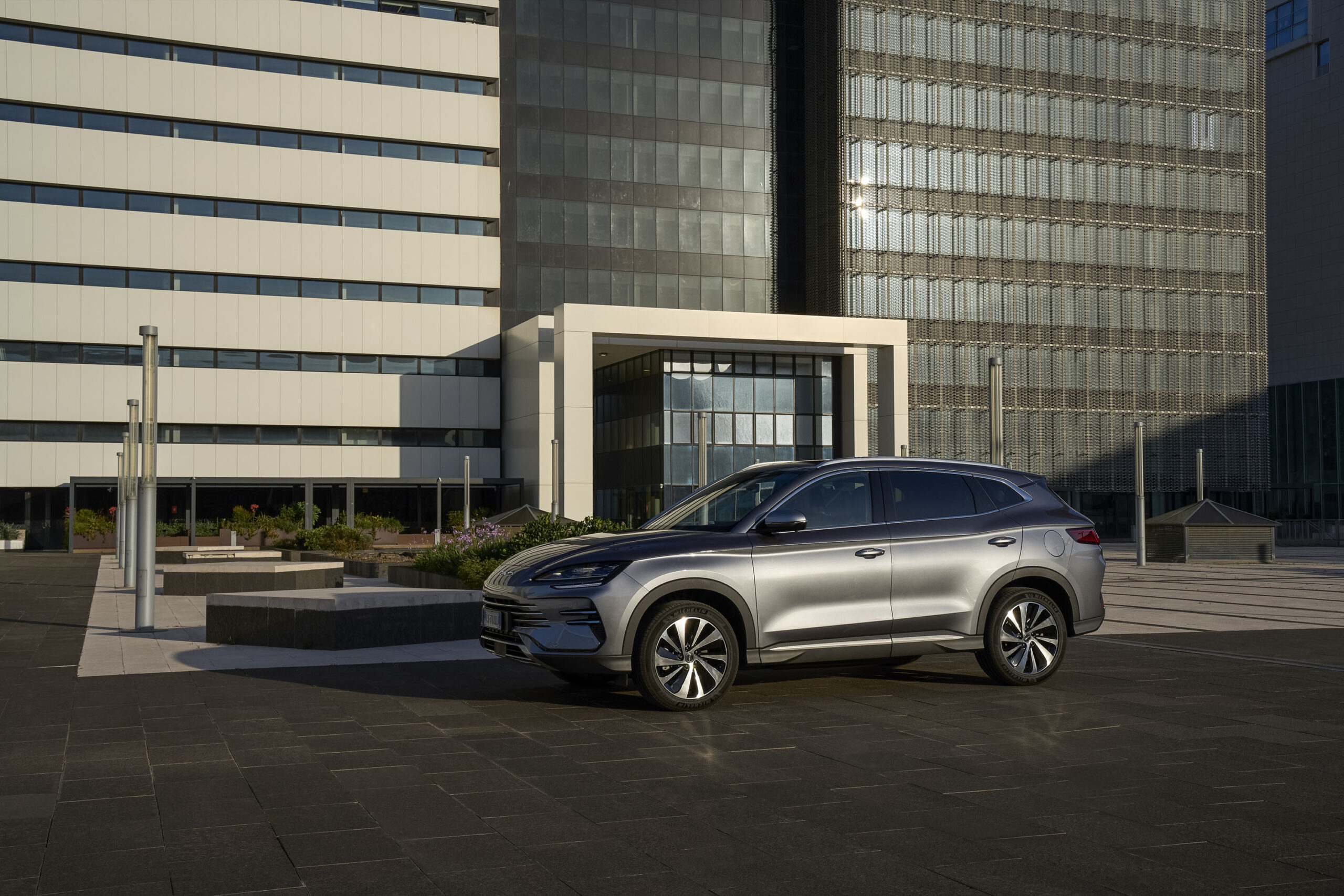
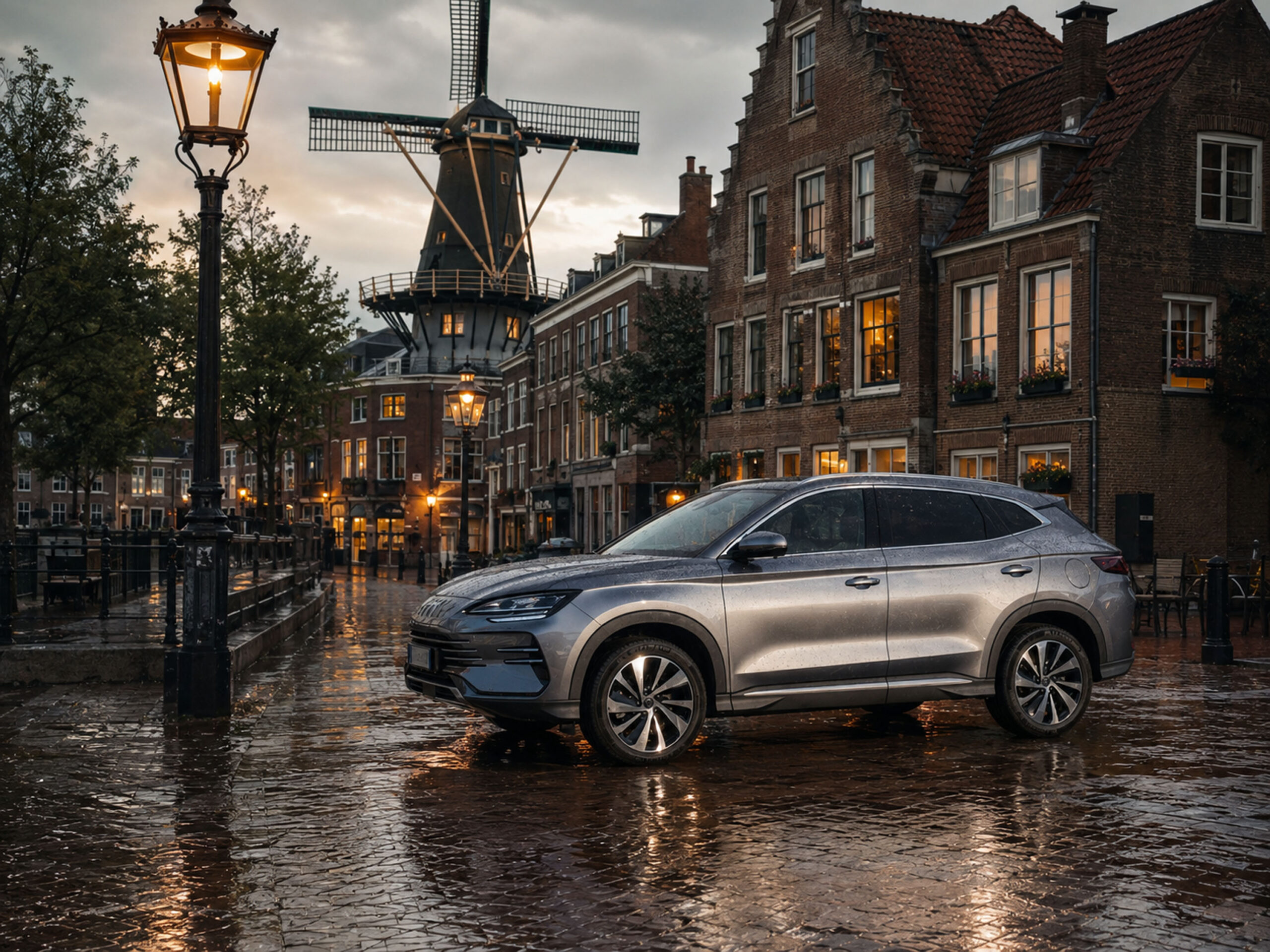
The Side View Is One of Its Strongest Angles
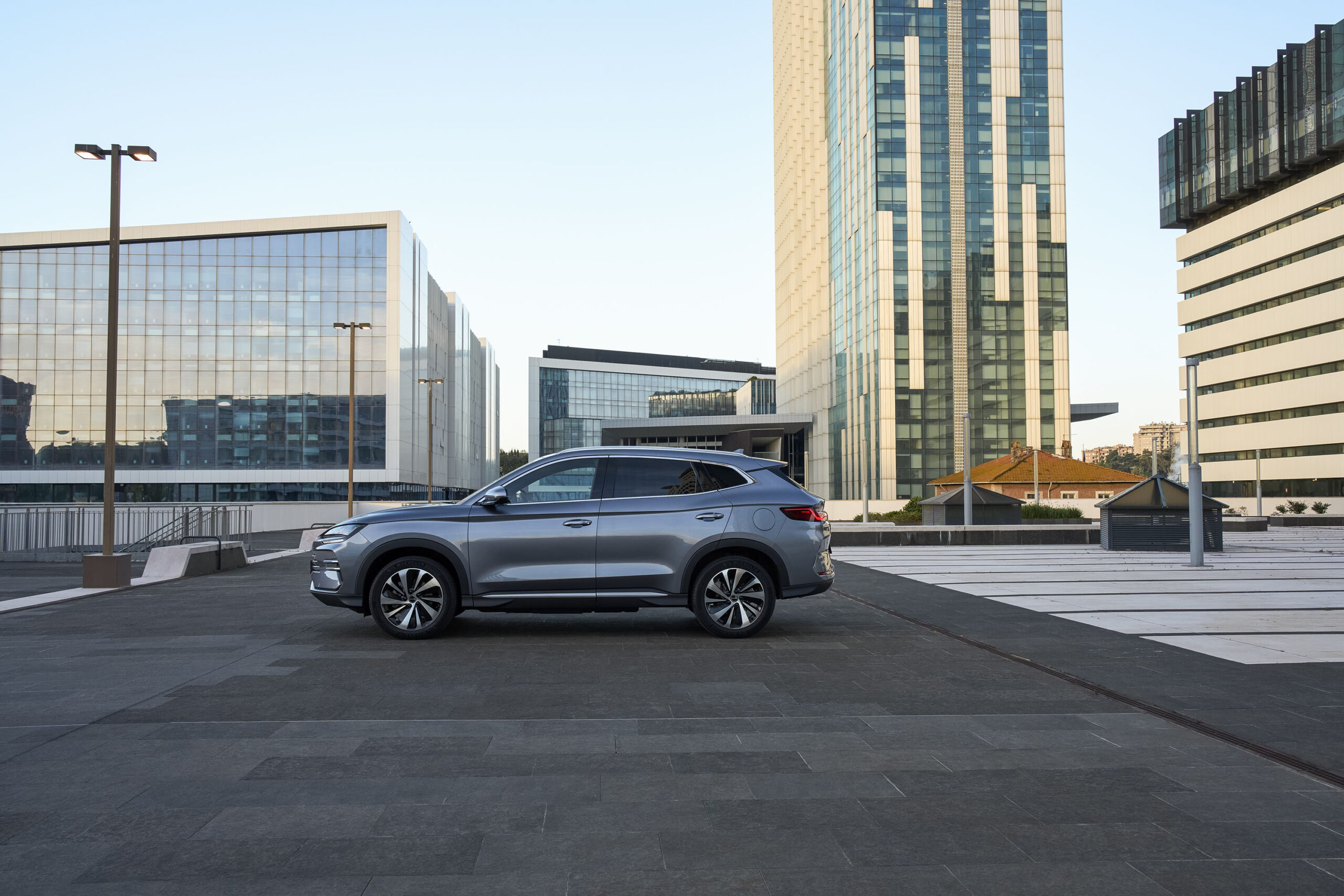
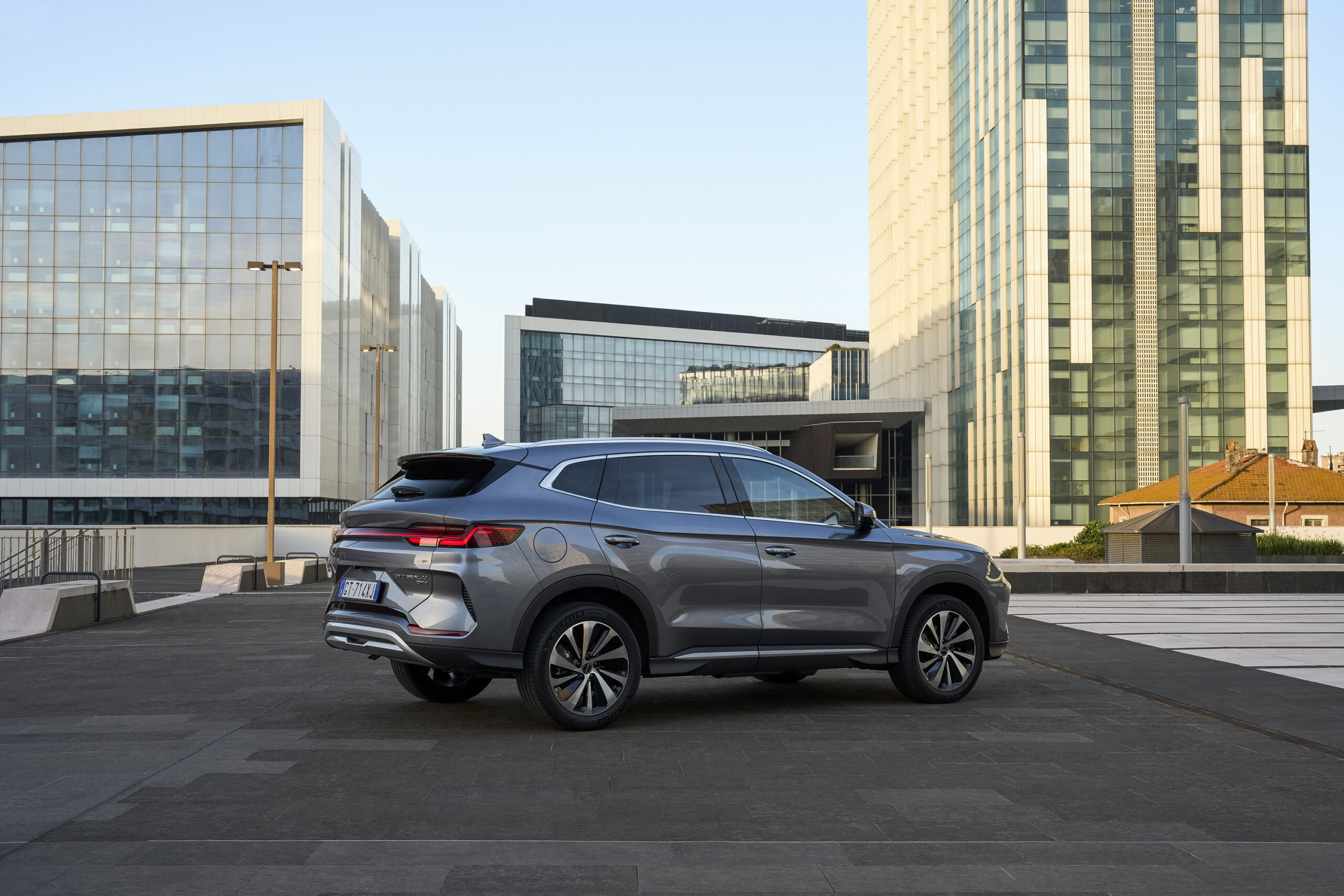
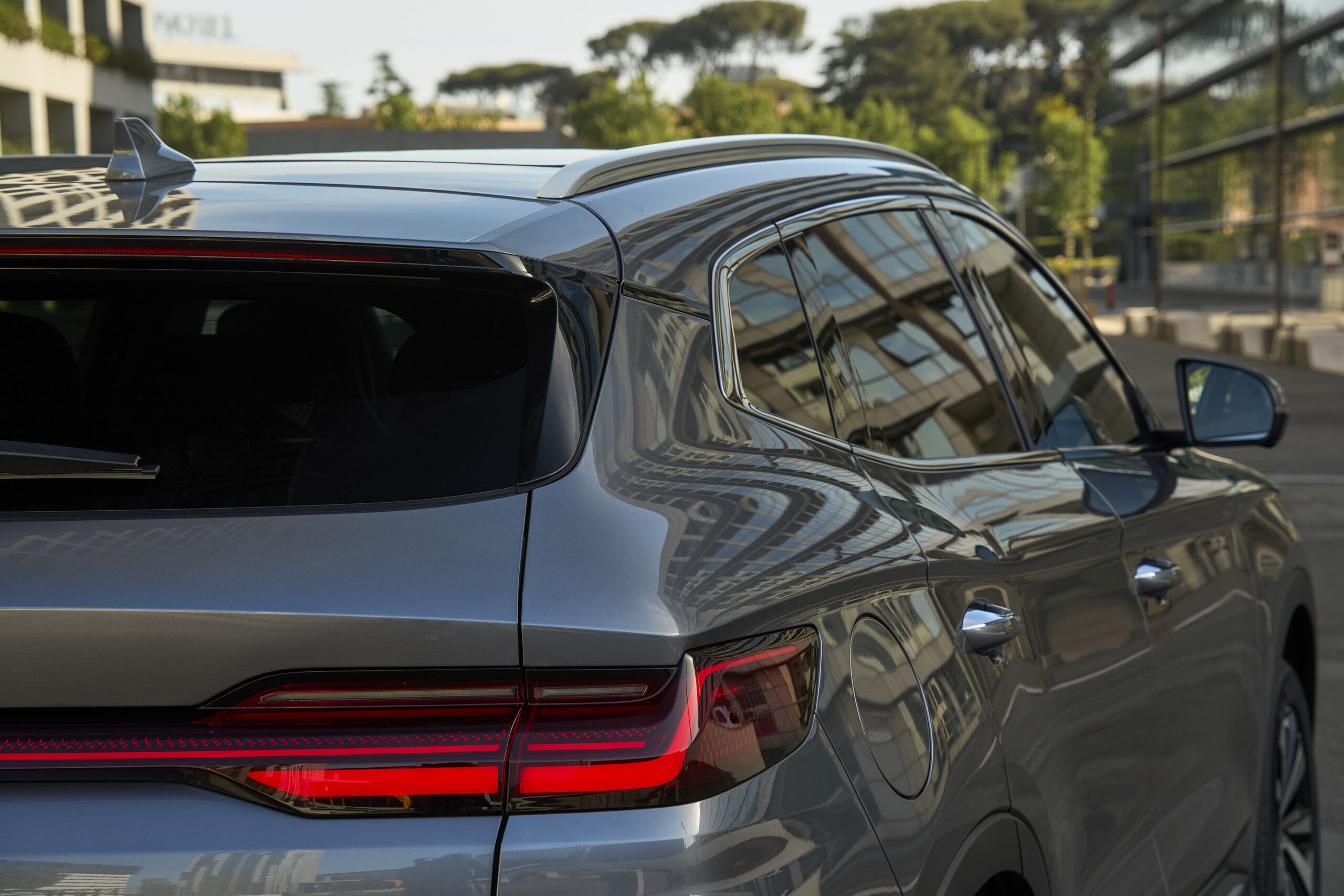
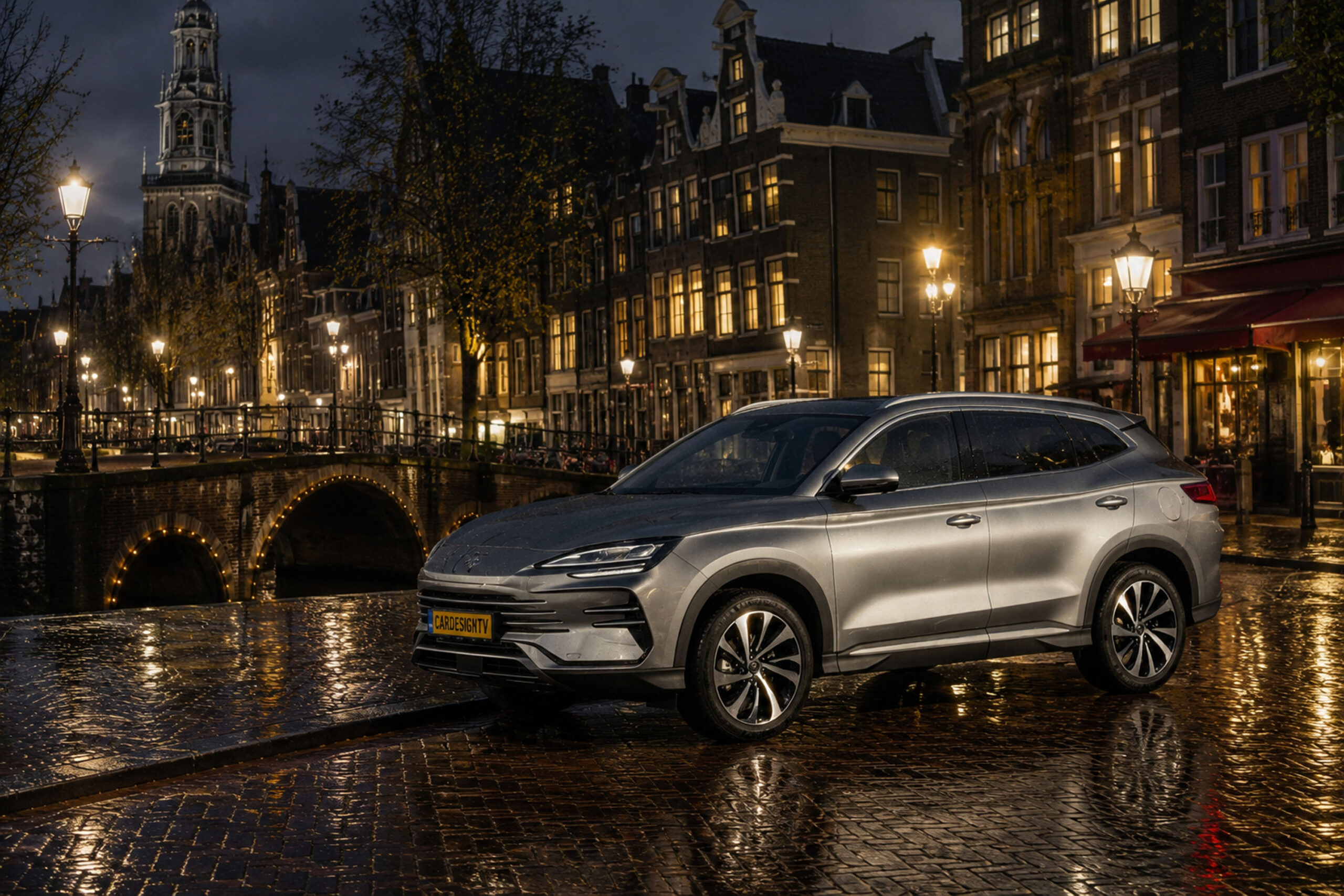
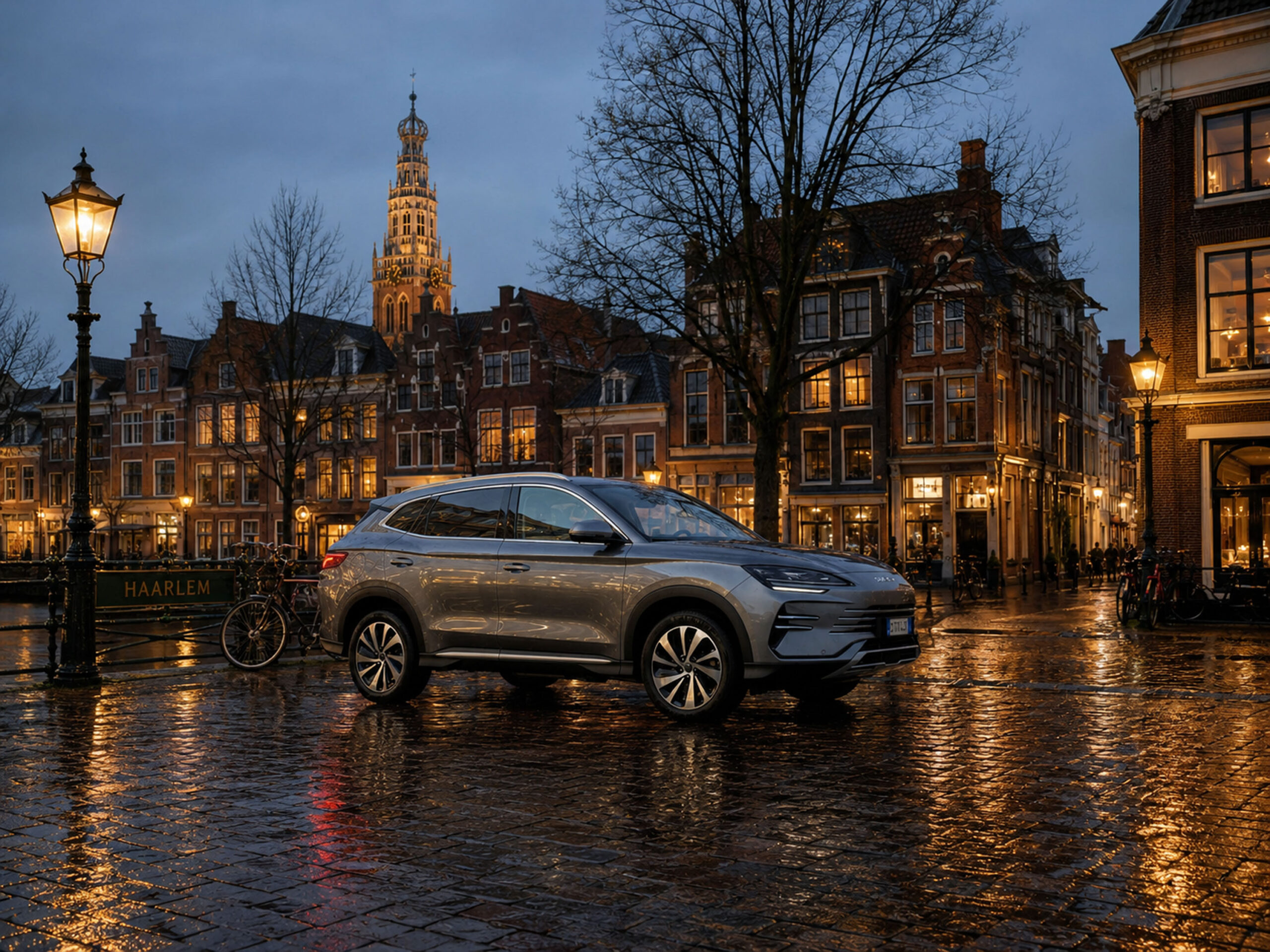
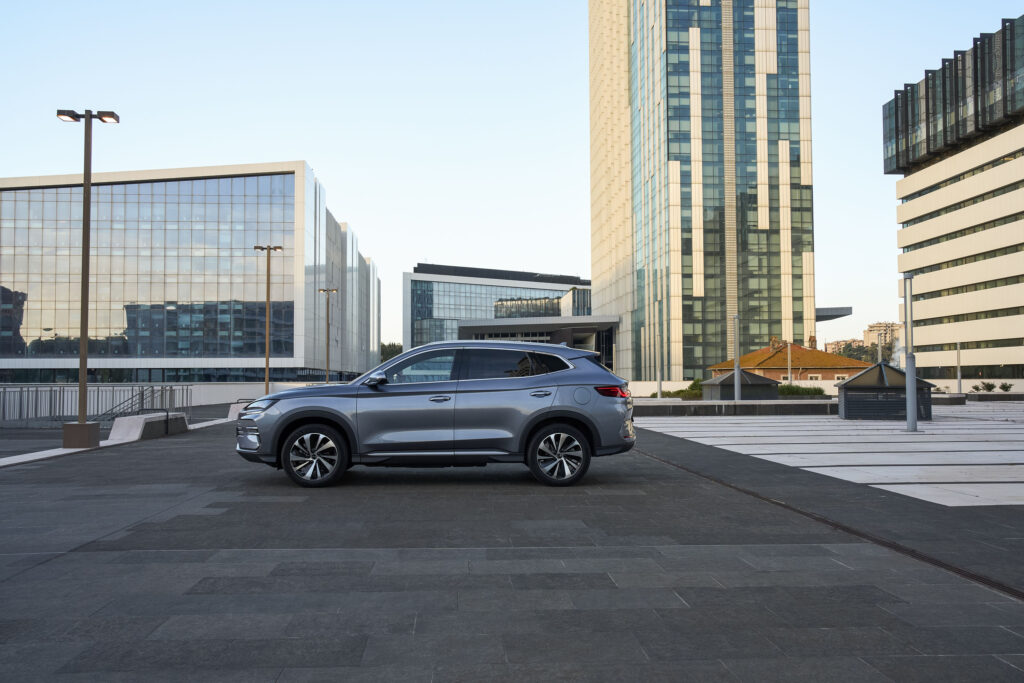
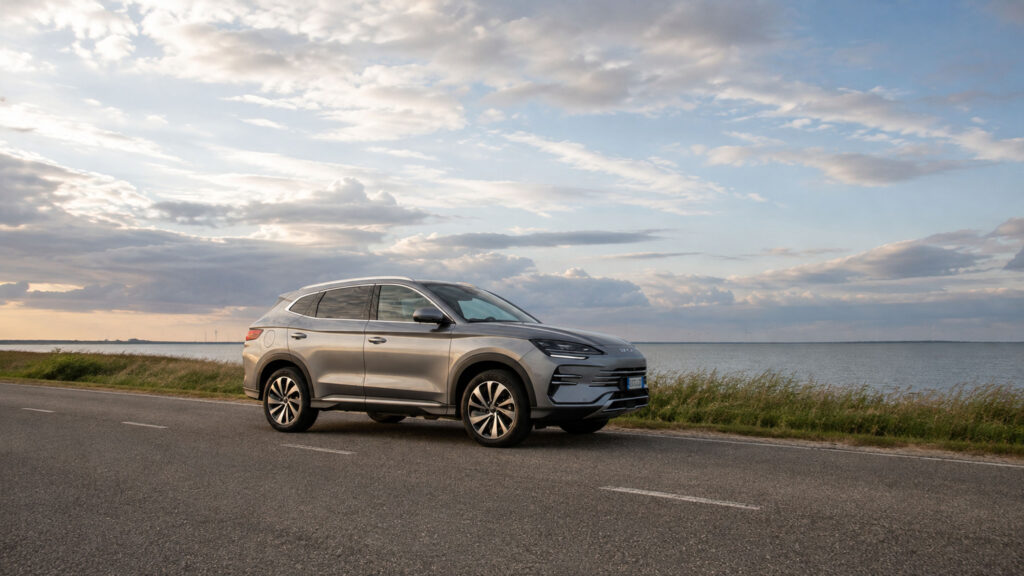
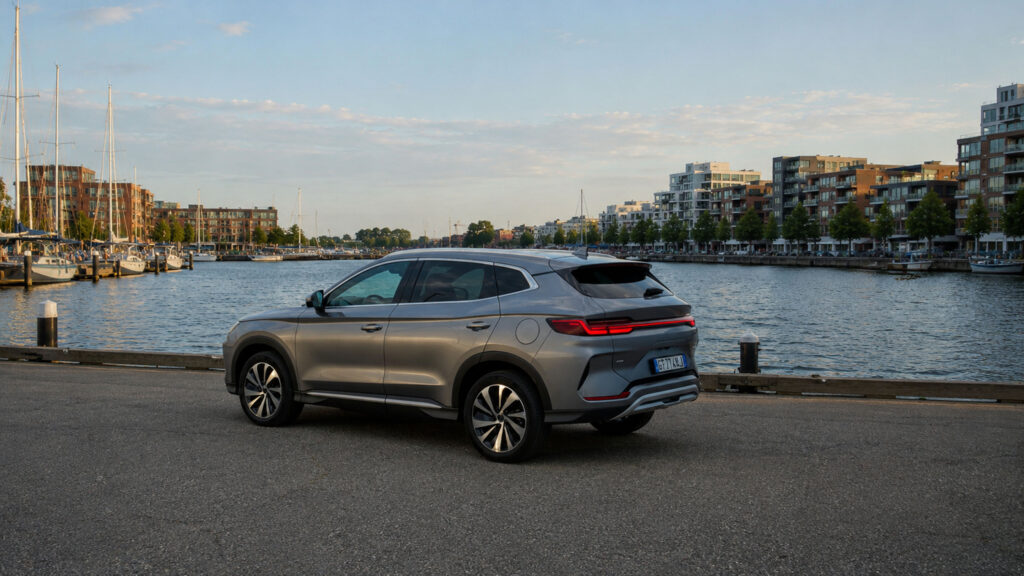
The side profile is particularly successful because it avoids many of the excesses now common in SUV design. There is a clean shoulder line running through the body, while the lower doors receive enough sculpture to prevent them appearing slab-sided without becoming covered in decorative creases. The wheel arches are defined but not exaggerated, and the body avoids the huge quantities of black cladding increasingly used to make SUVs look more rugged than they really are.
The 19-inch wheels also suit the vehicle well. Modern manufacturers frequently fit enormous wheels primarily for visual impact, then compensate for the resulting reduction in ride comfort, increased tyre cost and greater susceptibility to damage. The Seal U avoids that trap. The wheels are large enough to fill the arches convincingly but still look appropriate for a vehicle whose main purpose is comfort and everyday usability.
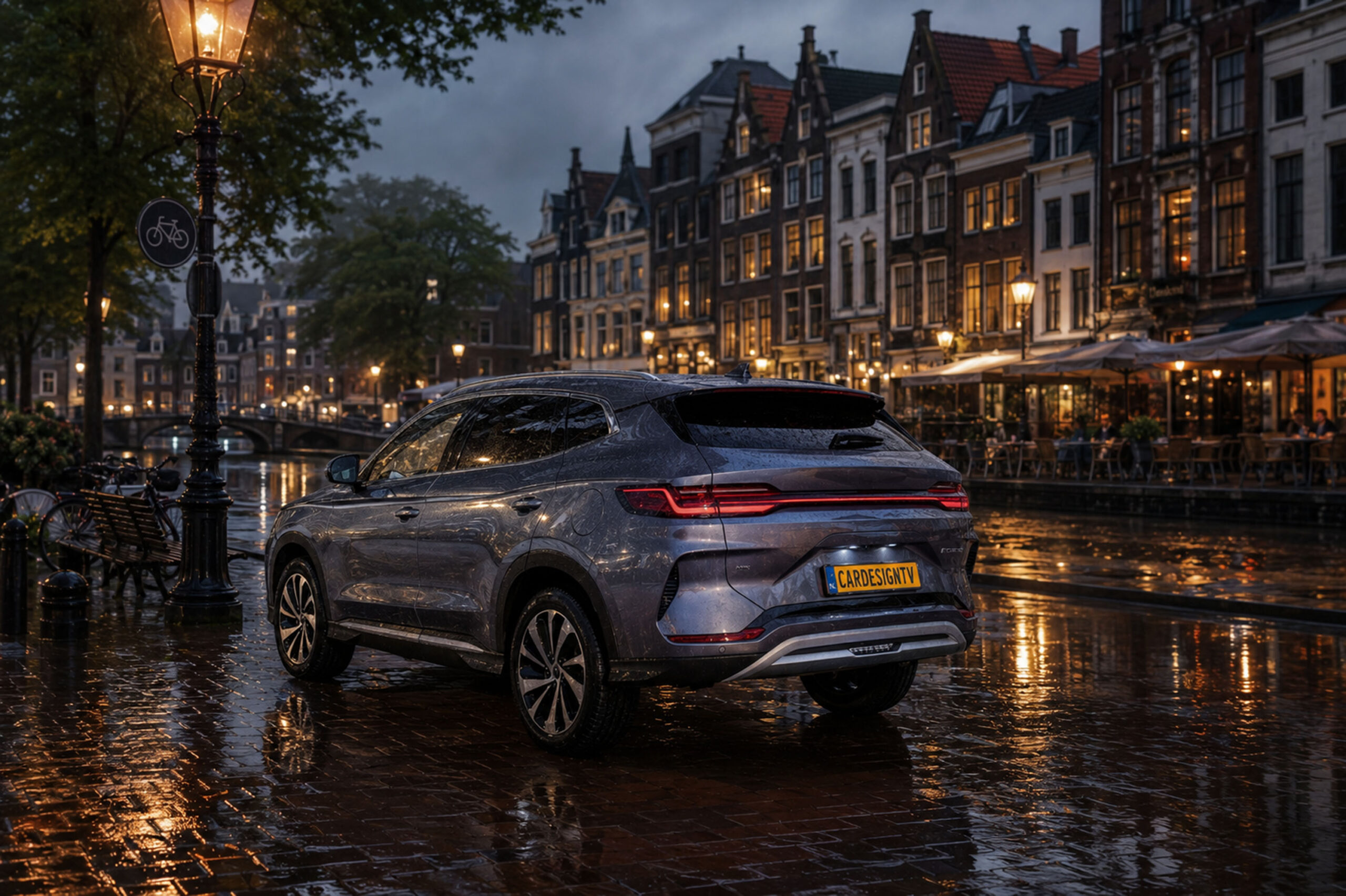
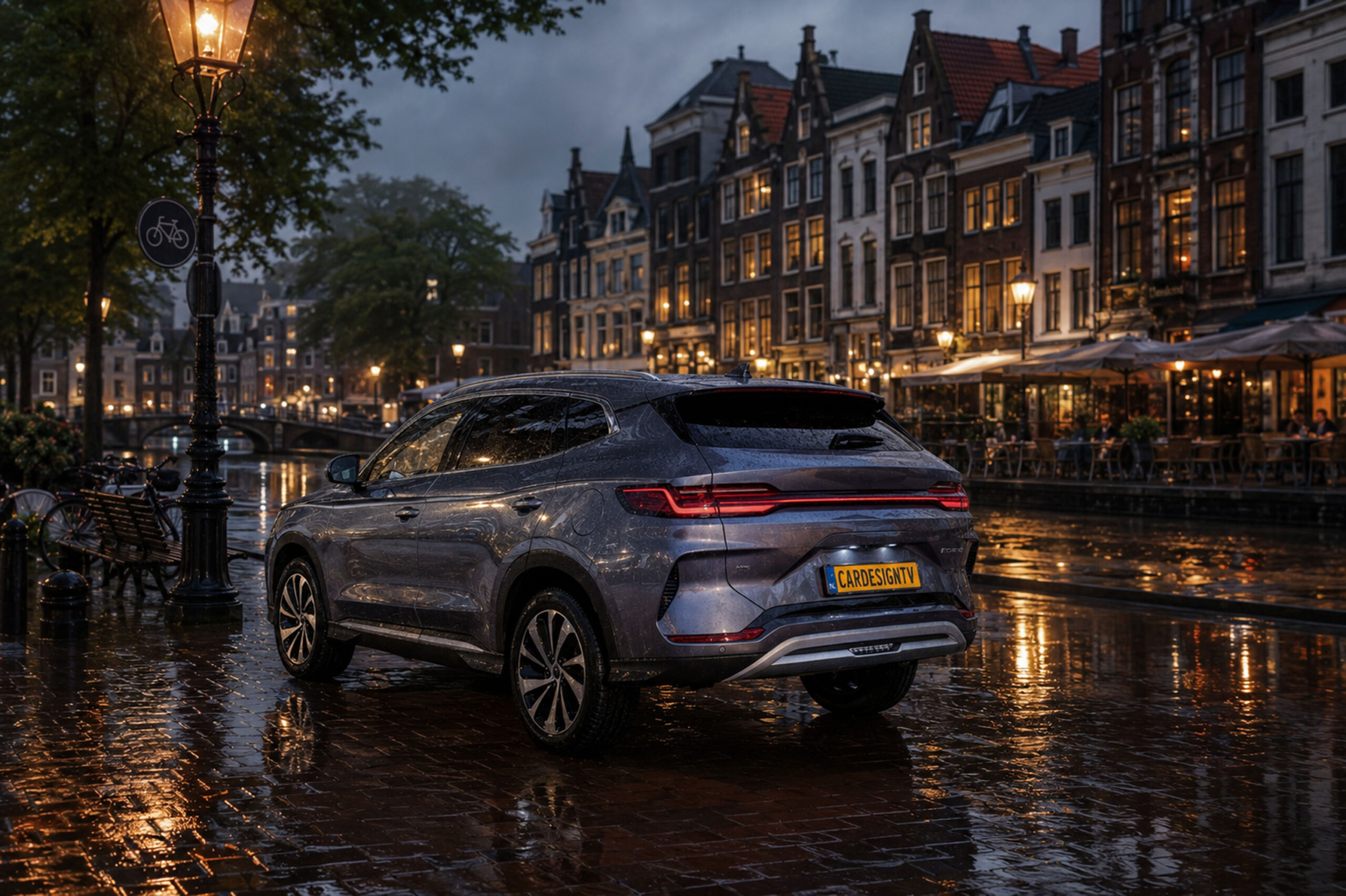
The roofline is another sensible decision. BYD has resisted turning the Seal U into yet another SUV coupé, so the roof remains high over the rear passengers and the rear doors are generously sized. The rear side glass is useful rather than decorative, and the overall package prioritises interior space over fashion. The result may be less dramatic in a promotional photograph, but it is considerably more effective as a family vehicle.

The Interior Makes a Stronger Impression Than the Exterior
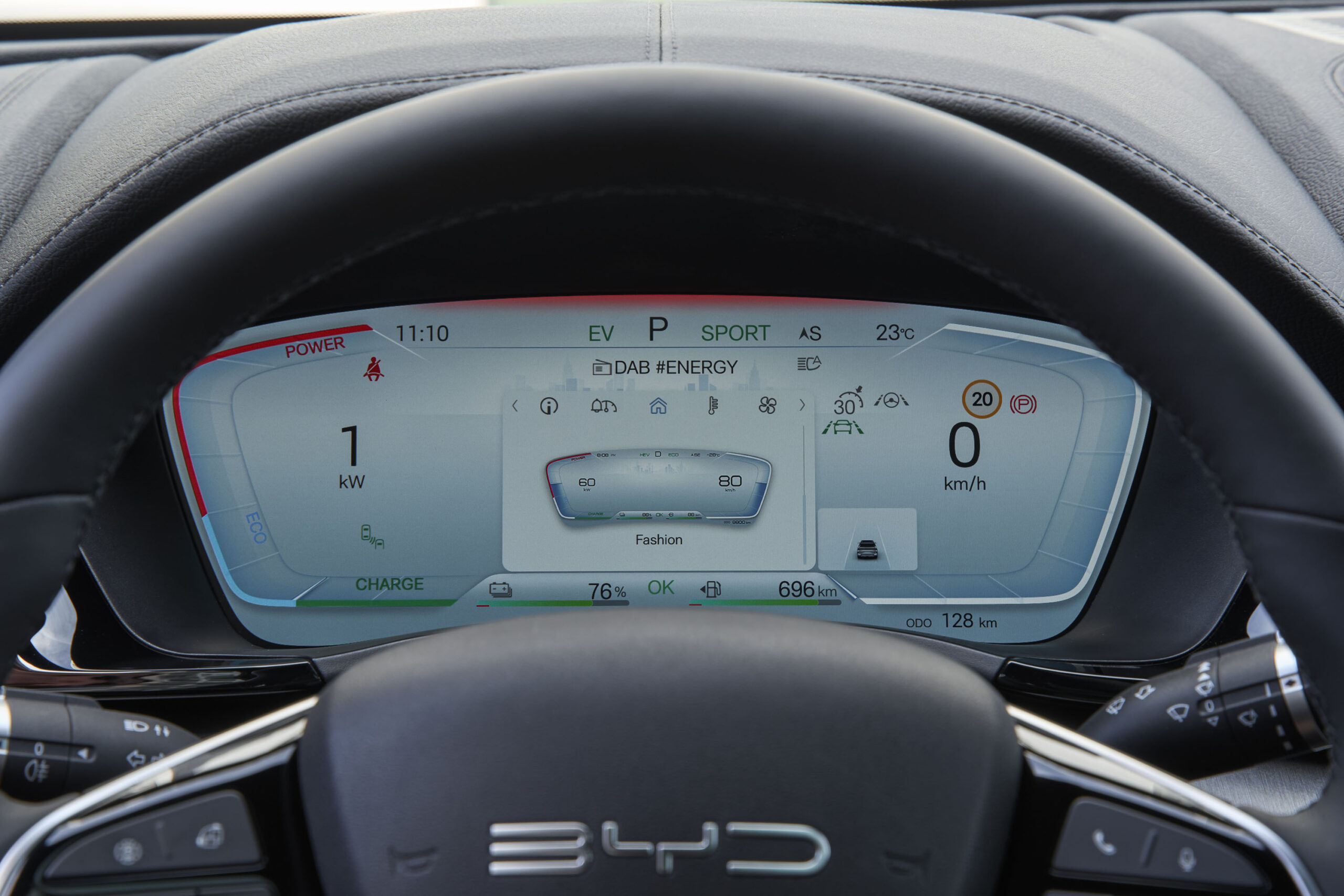
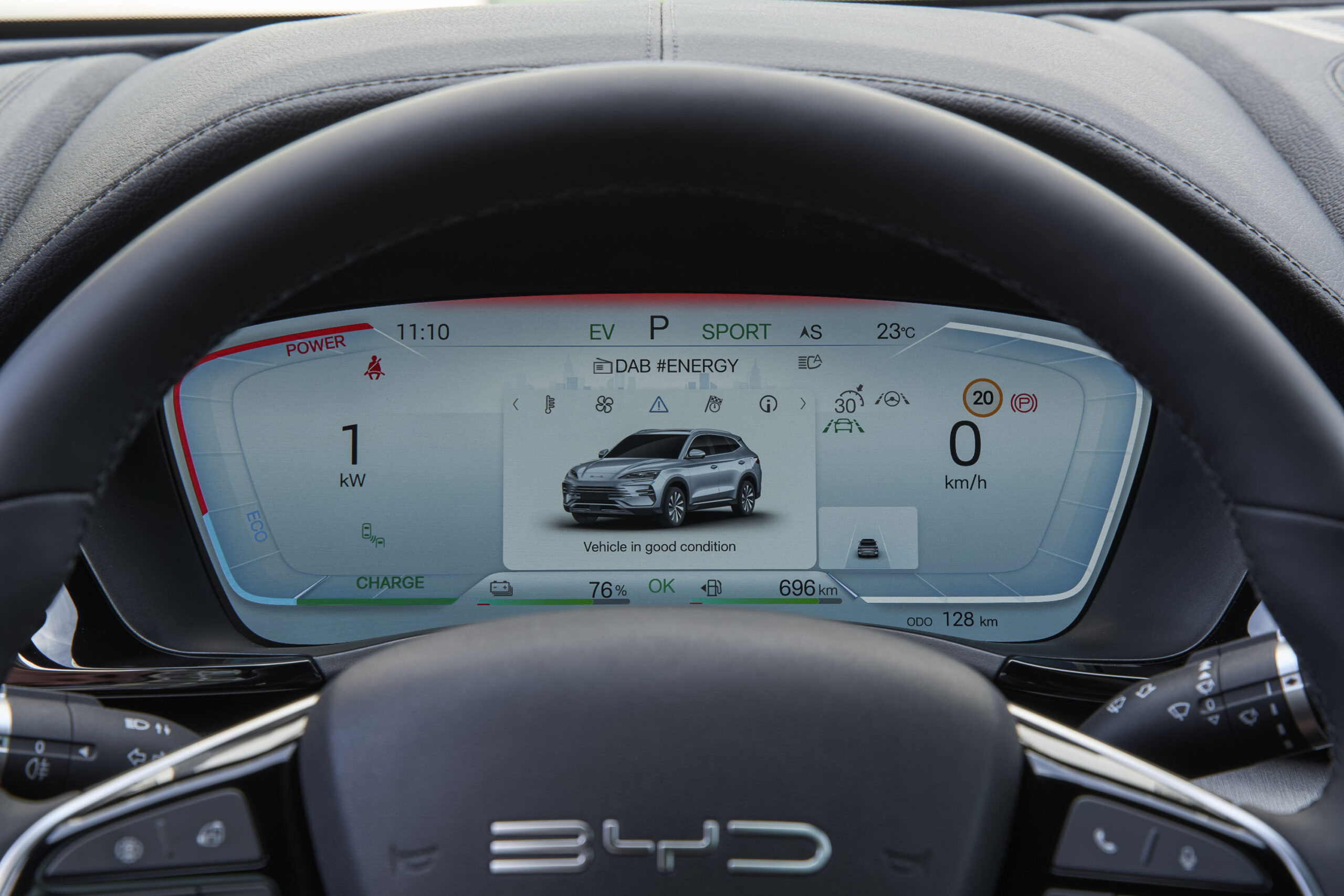
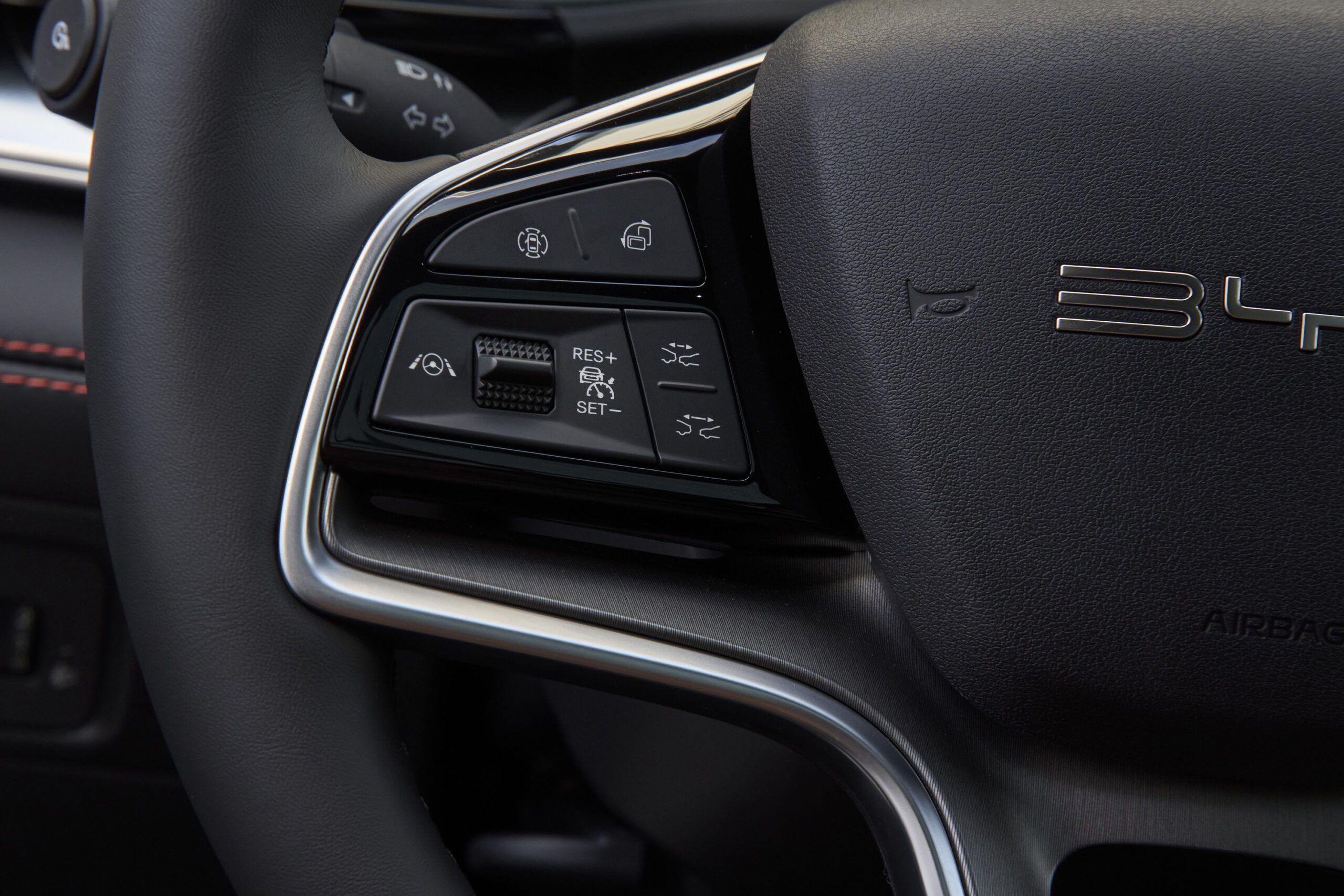
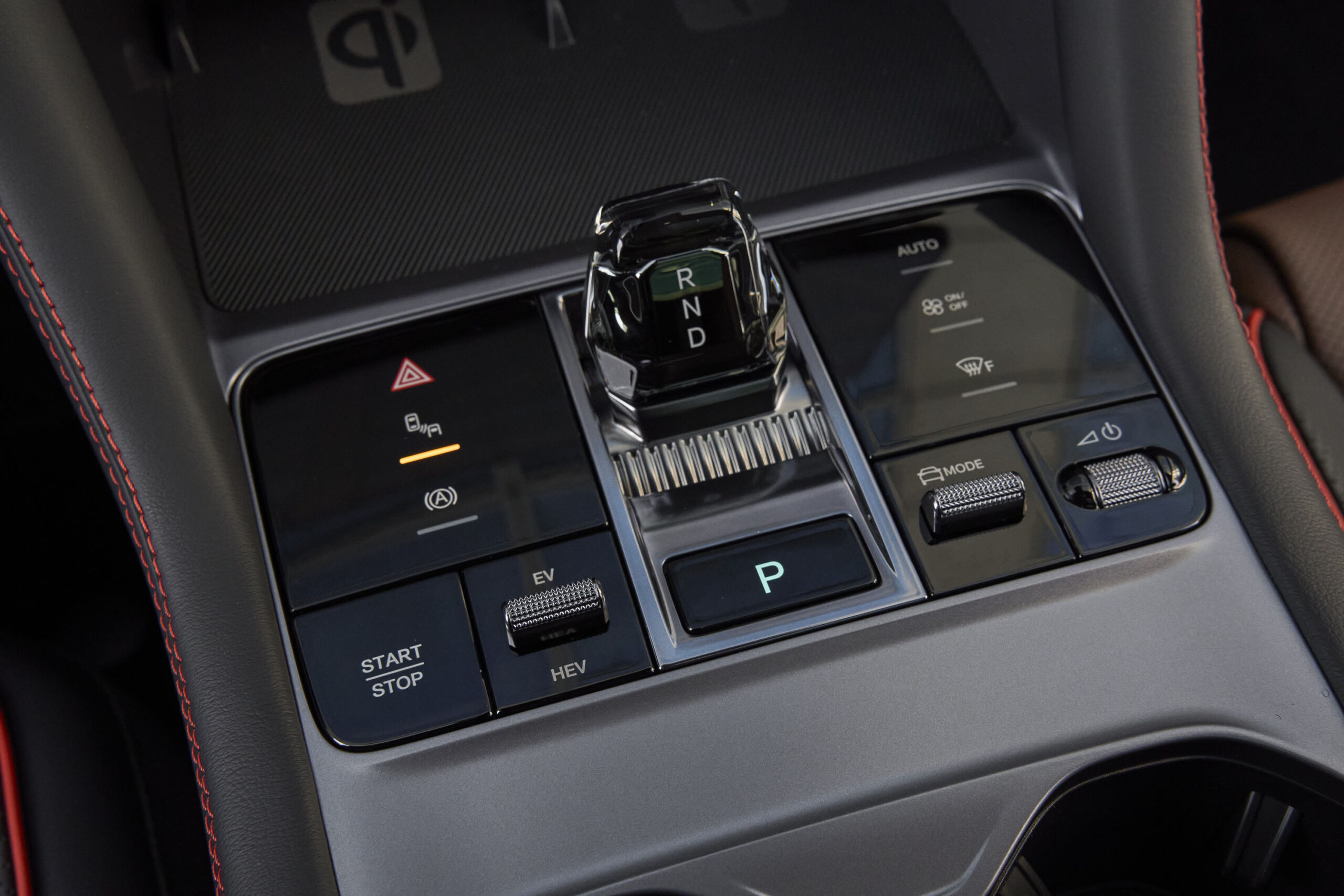
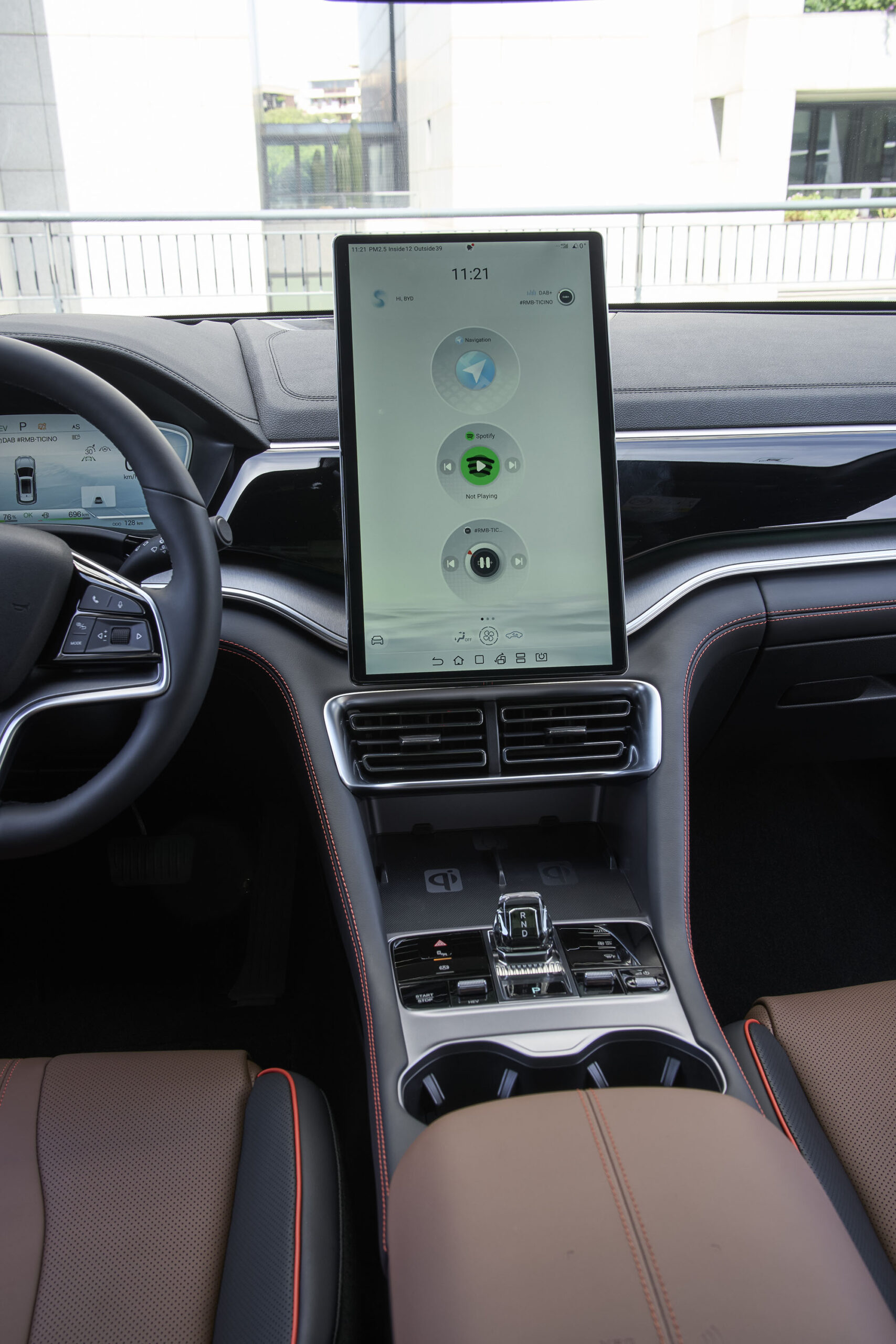
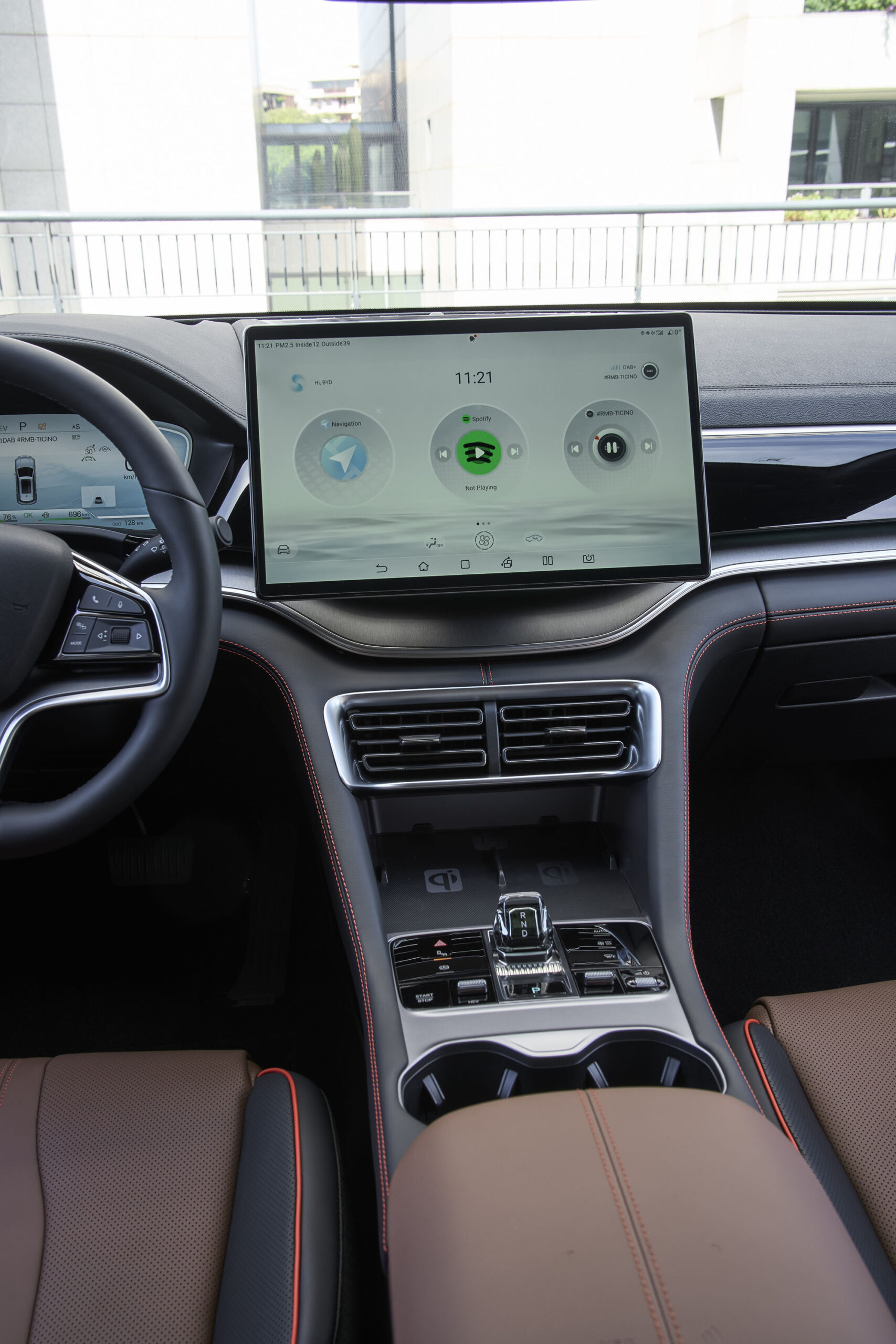
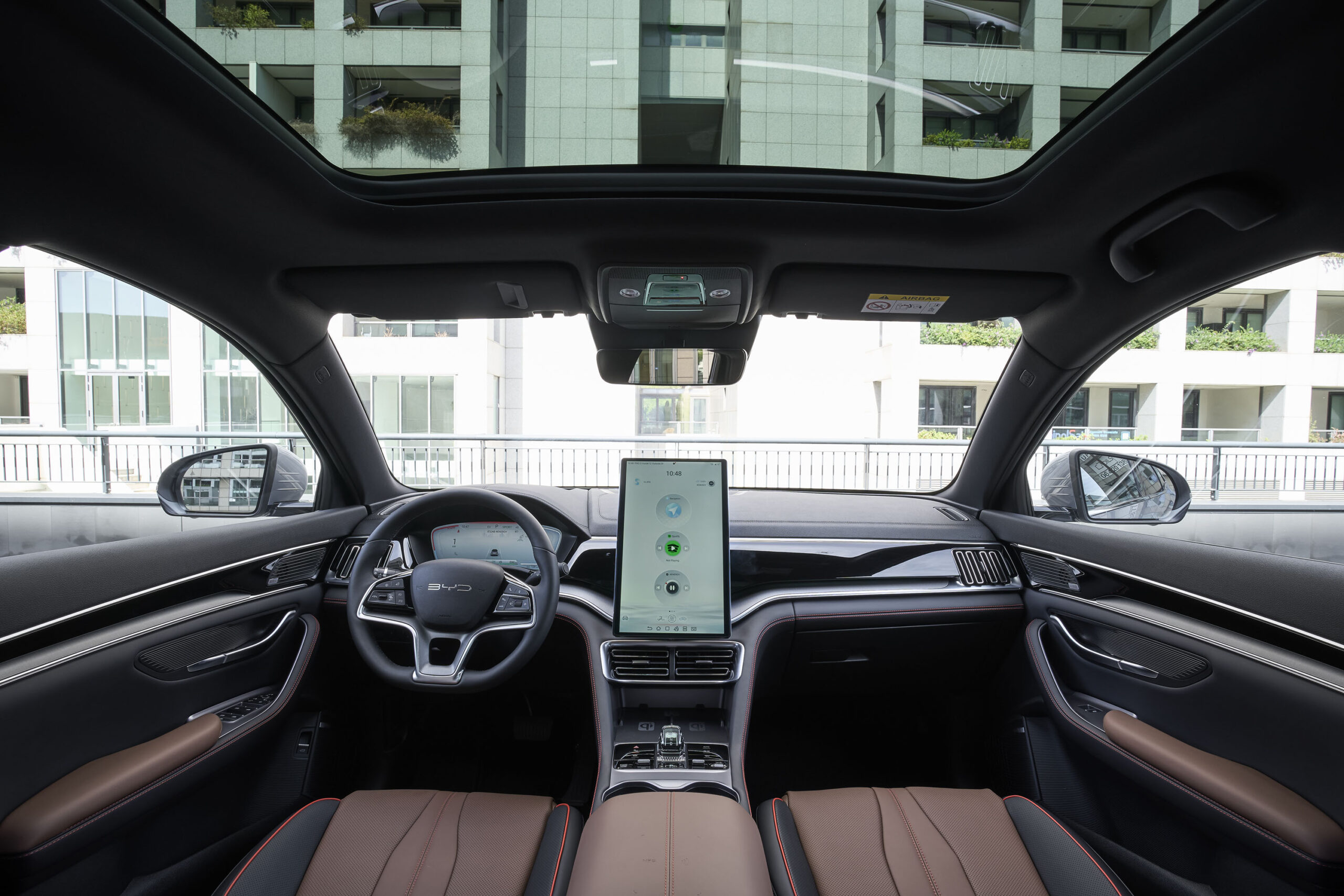
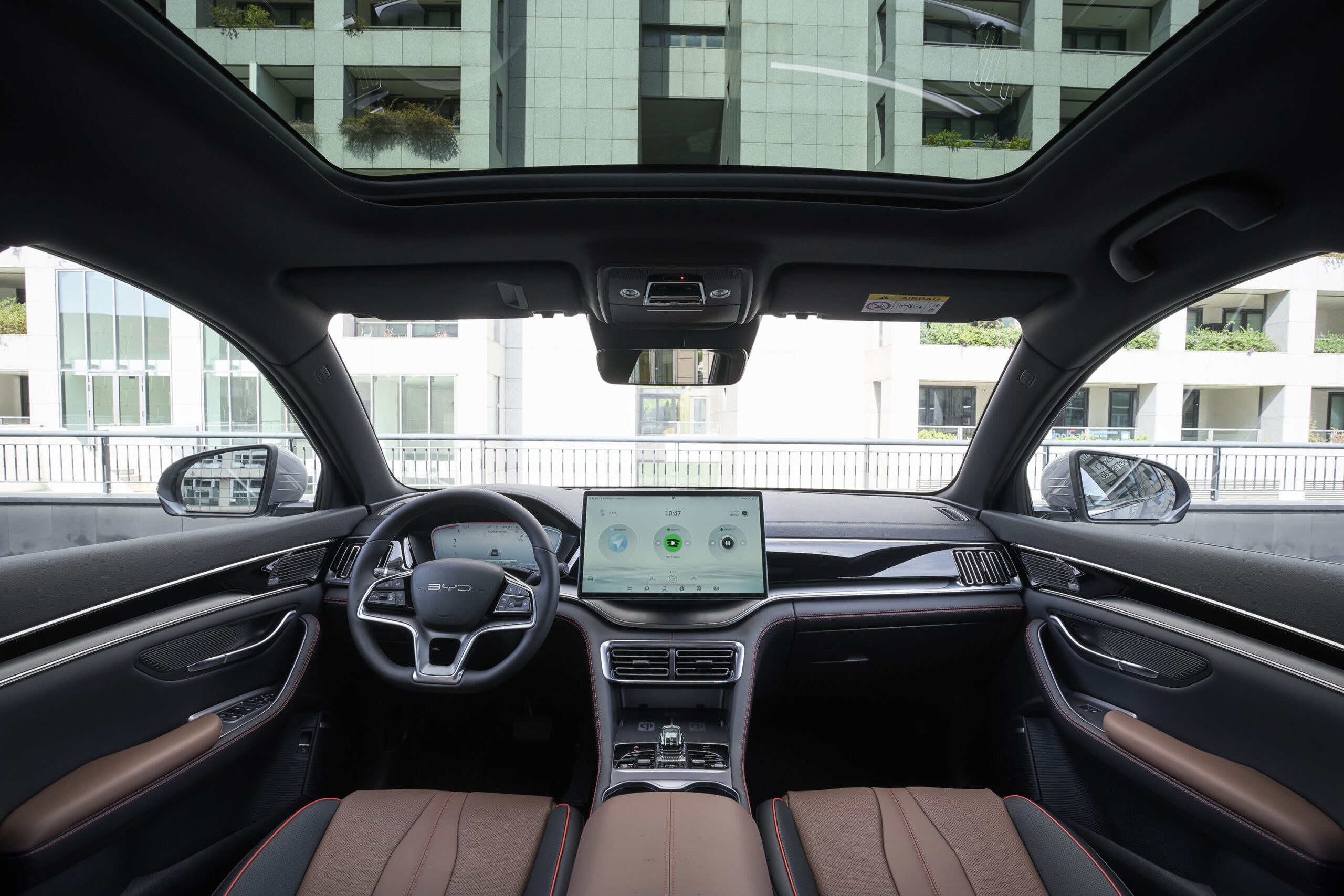
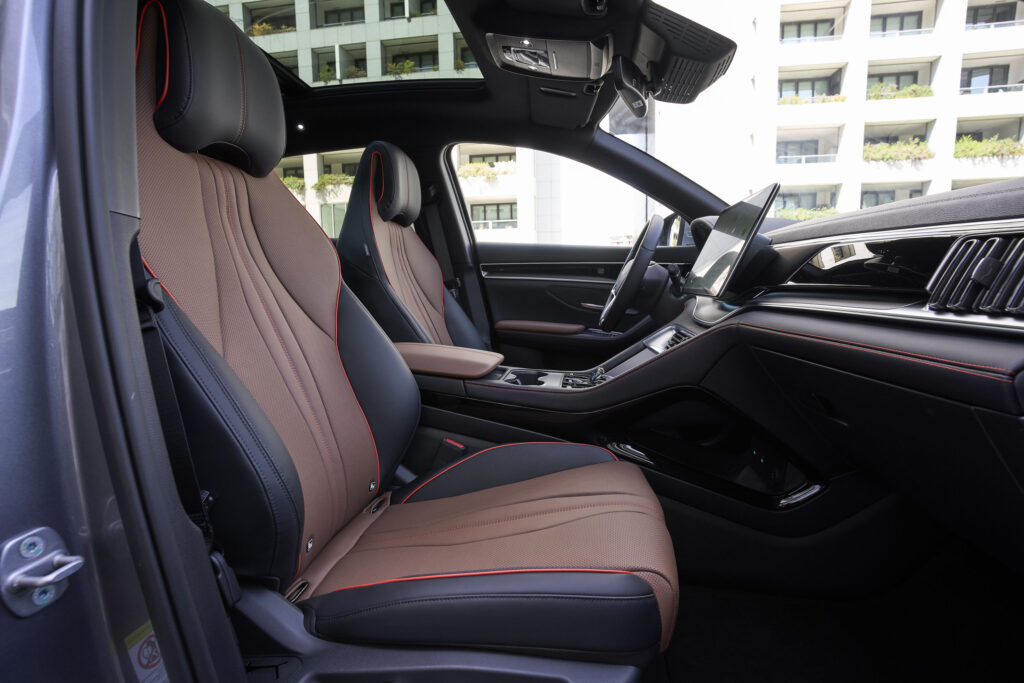
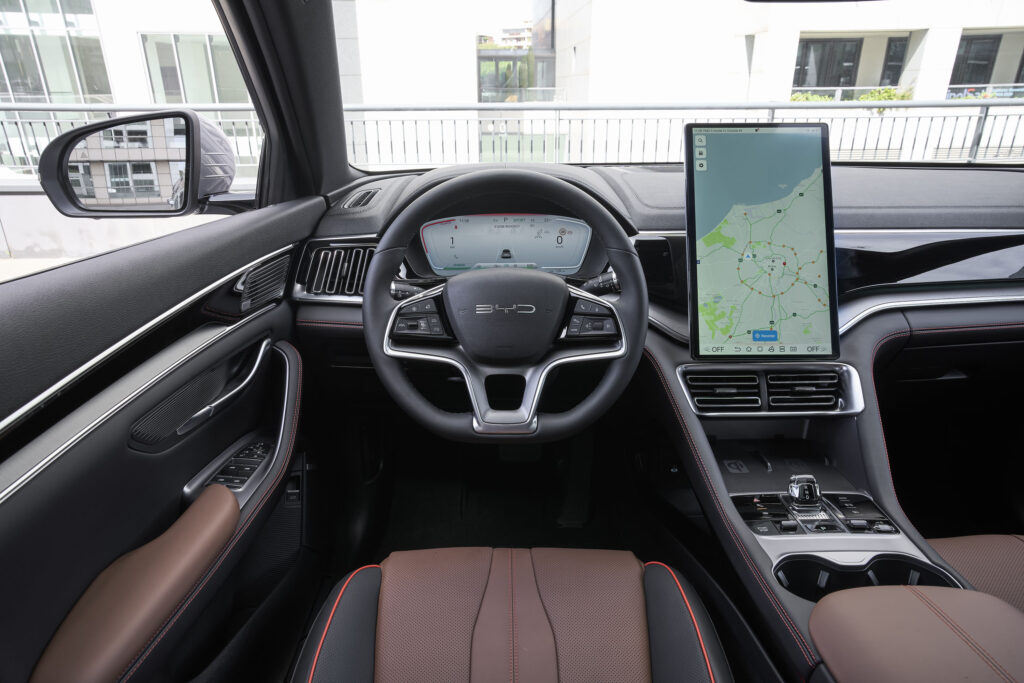
The interior is more distinctive and arguably more convincing. Rather than reducing the dashboard to a single screen floating above an almost featureless surface, BYD has retained a recognisable automotive architecture. There is a proper instrument display directly ahead of the driver, a head-up display, visible ventilation outlets, a substantial centre console and physical steering-wheel controls.
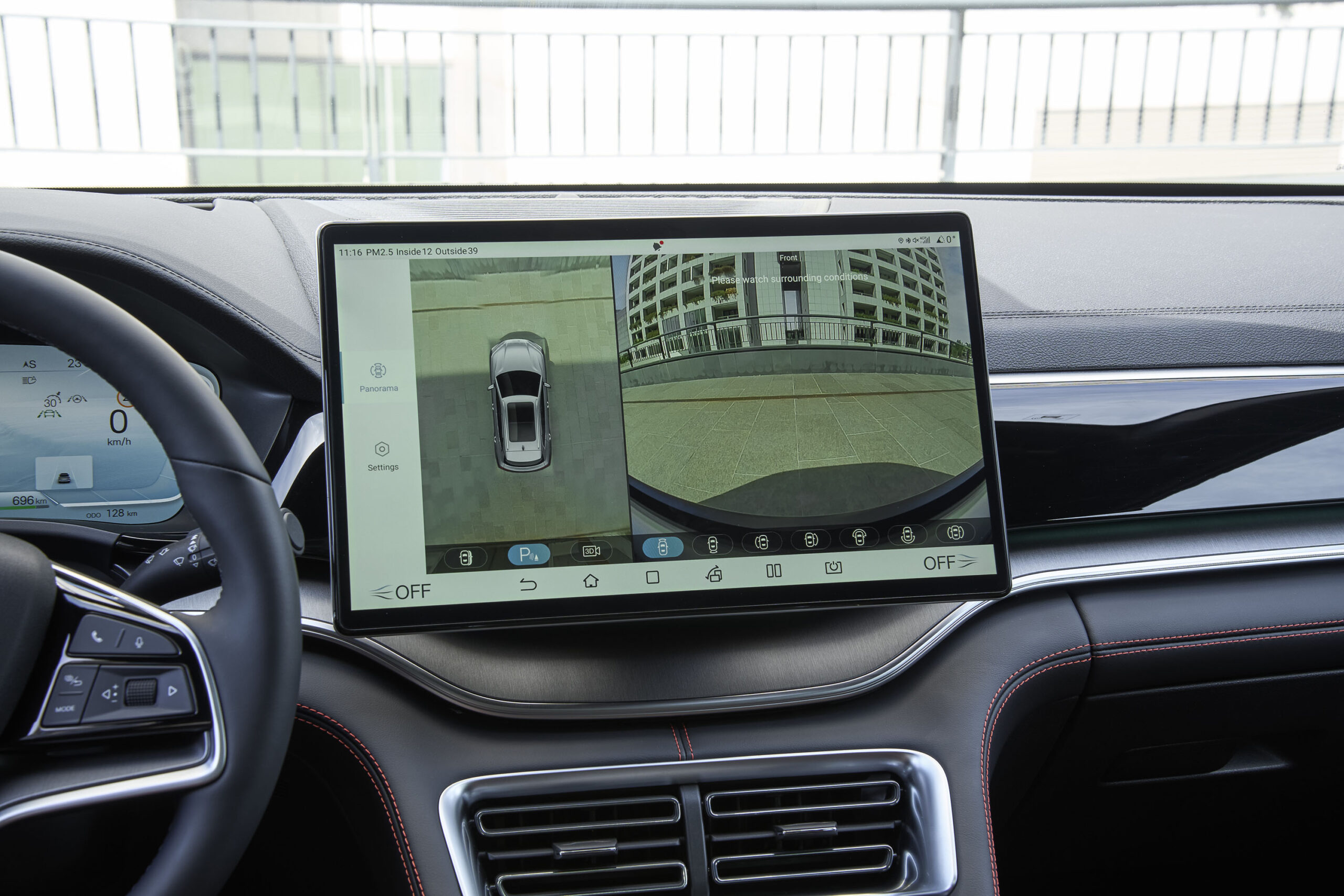
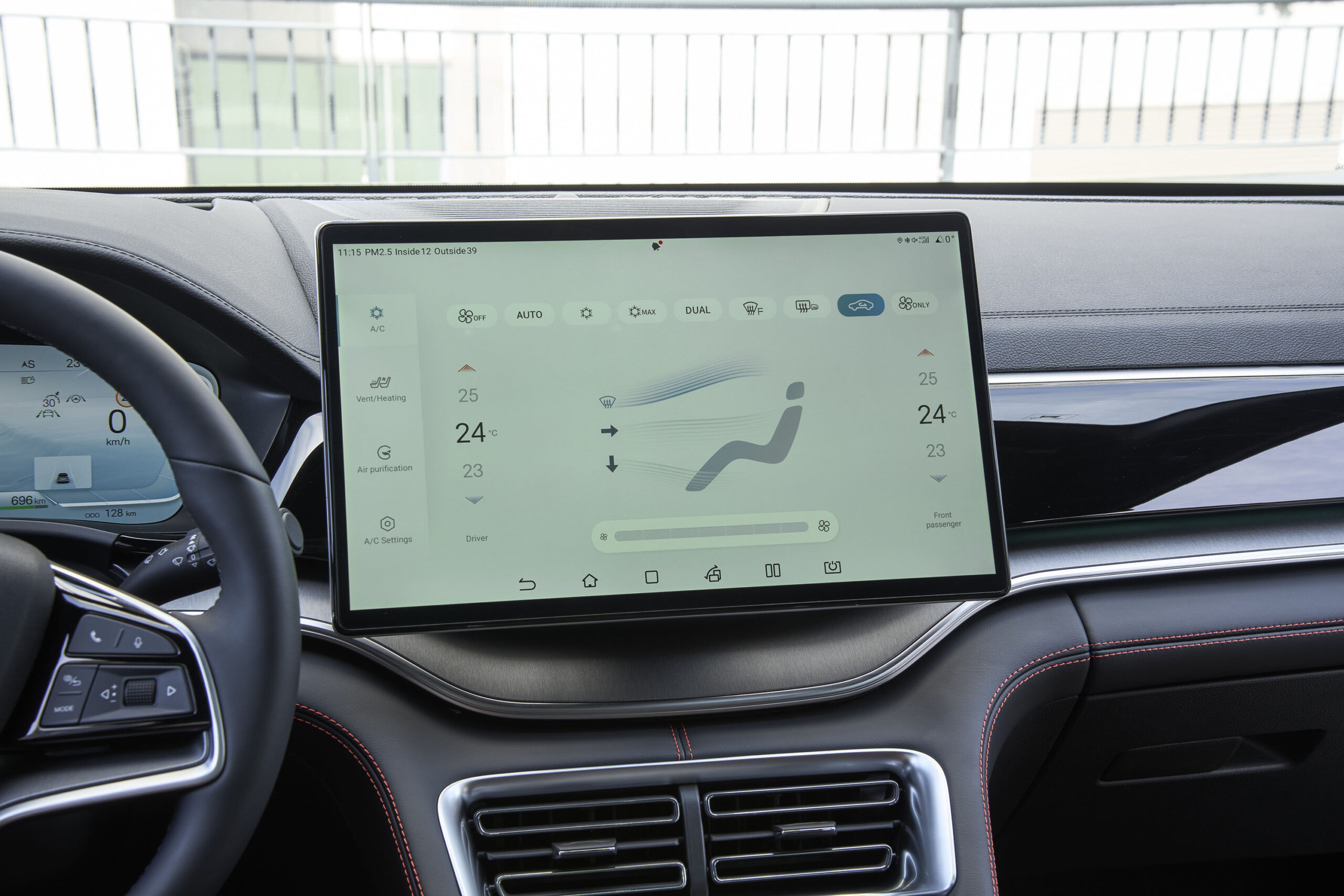
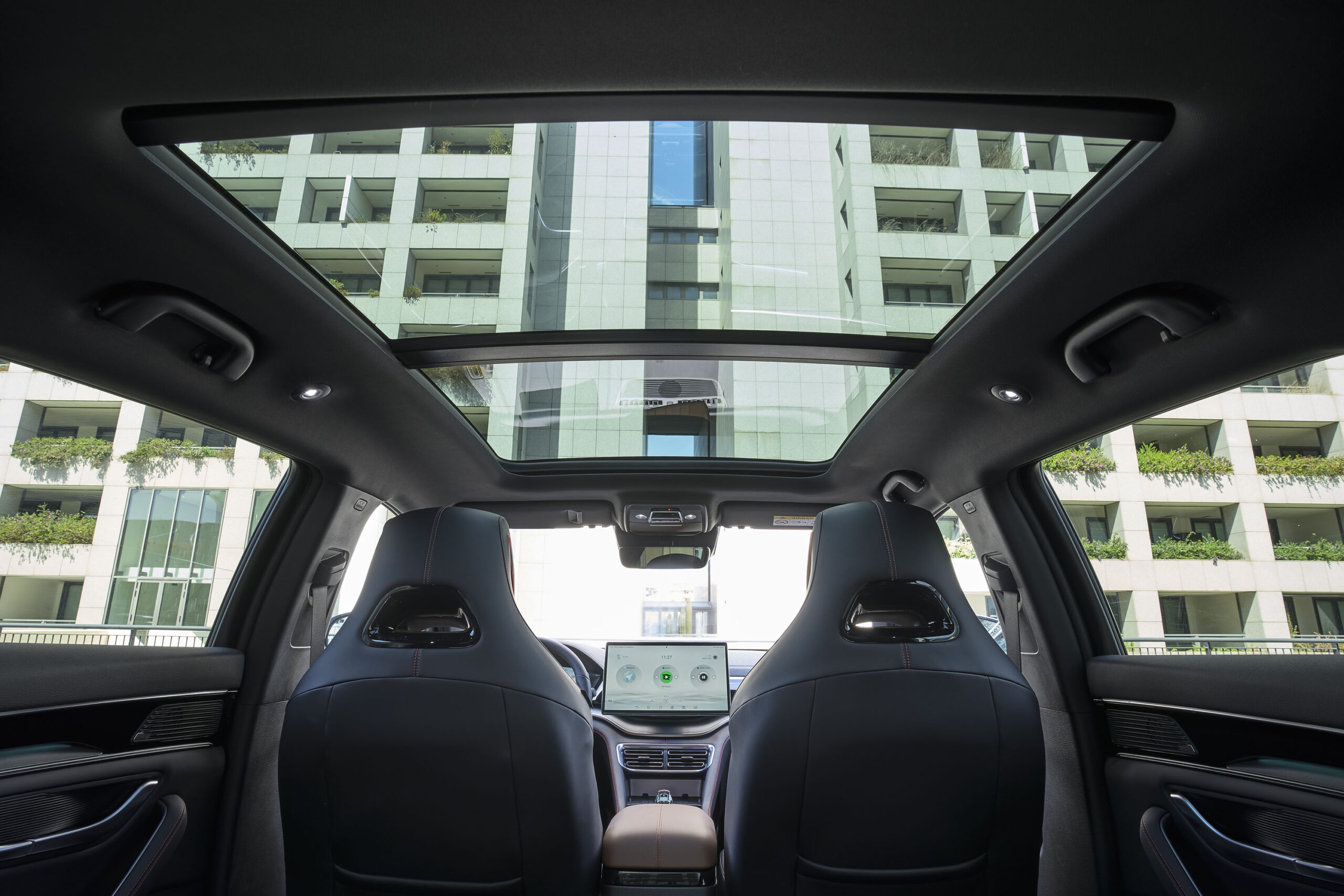
The centrepiece is the large 15.6-inch touchscreen, which can rotate electrically between landscape and portrait orientations. It is one of BYD’s most recognisable interior features and, while it can easily be dismissed as a gimmick, portrait orientation can be useful for navigation while landscape remains better suited to most infotainment functions.
More importantly, the screen does not replace everything around it. The driver is not forced to look toward the centre of the dashboard for every piece of essential information, and the basic interaction with the vehicle remains familiar. That balance makes the interior considerably easier to live with than some more aggressively minimalist alternatives.
Familiarity Is a Form of Good Design
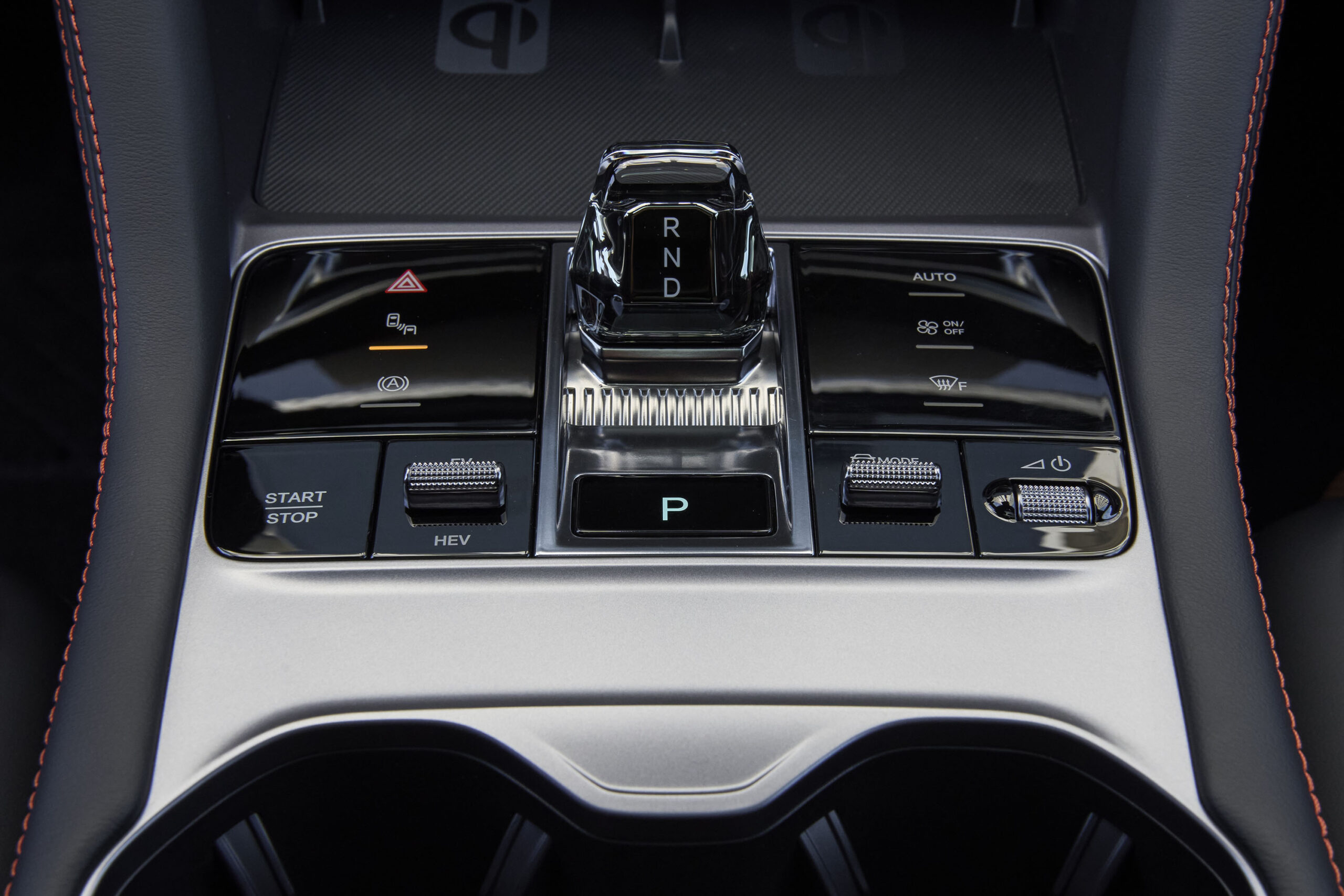
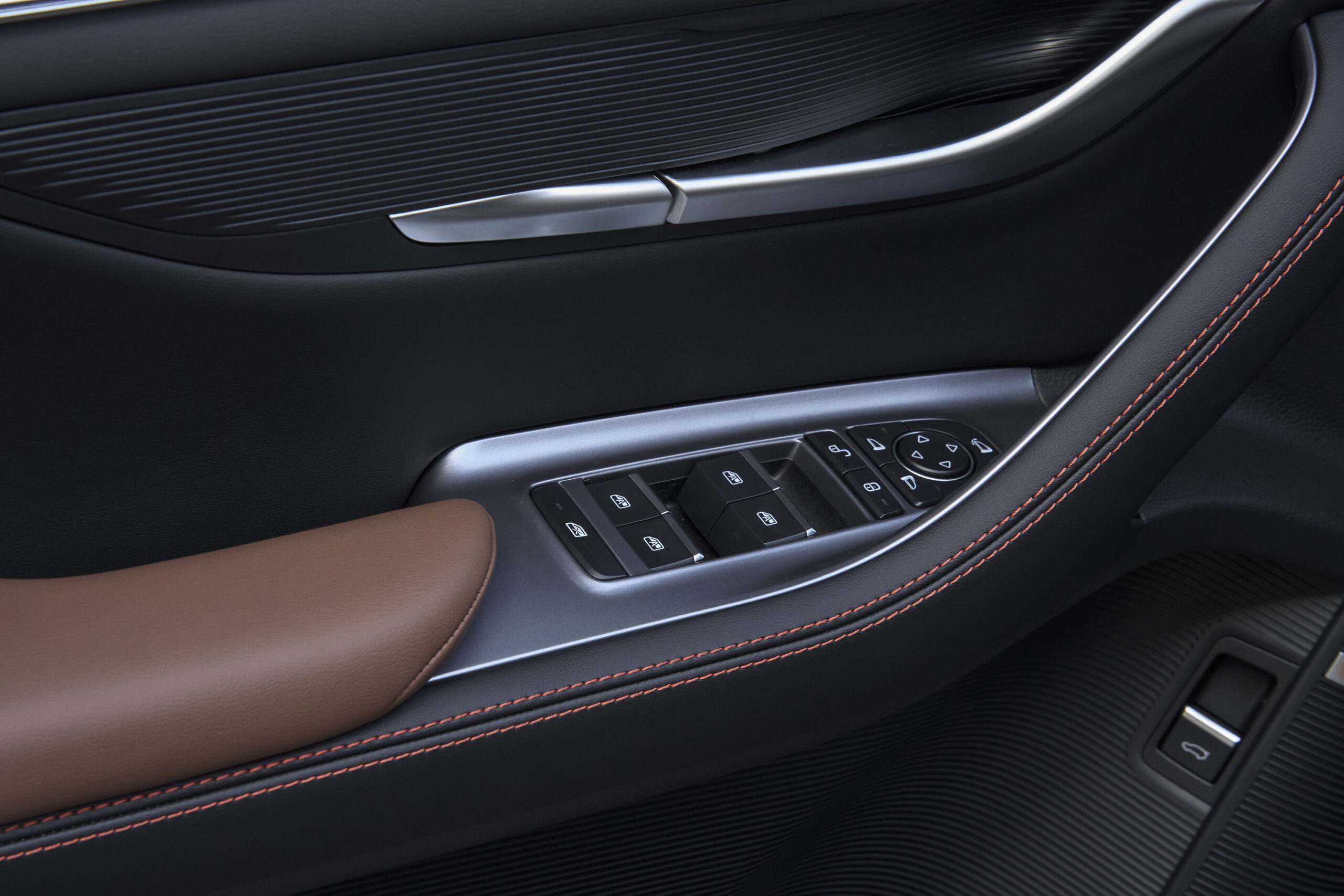
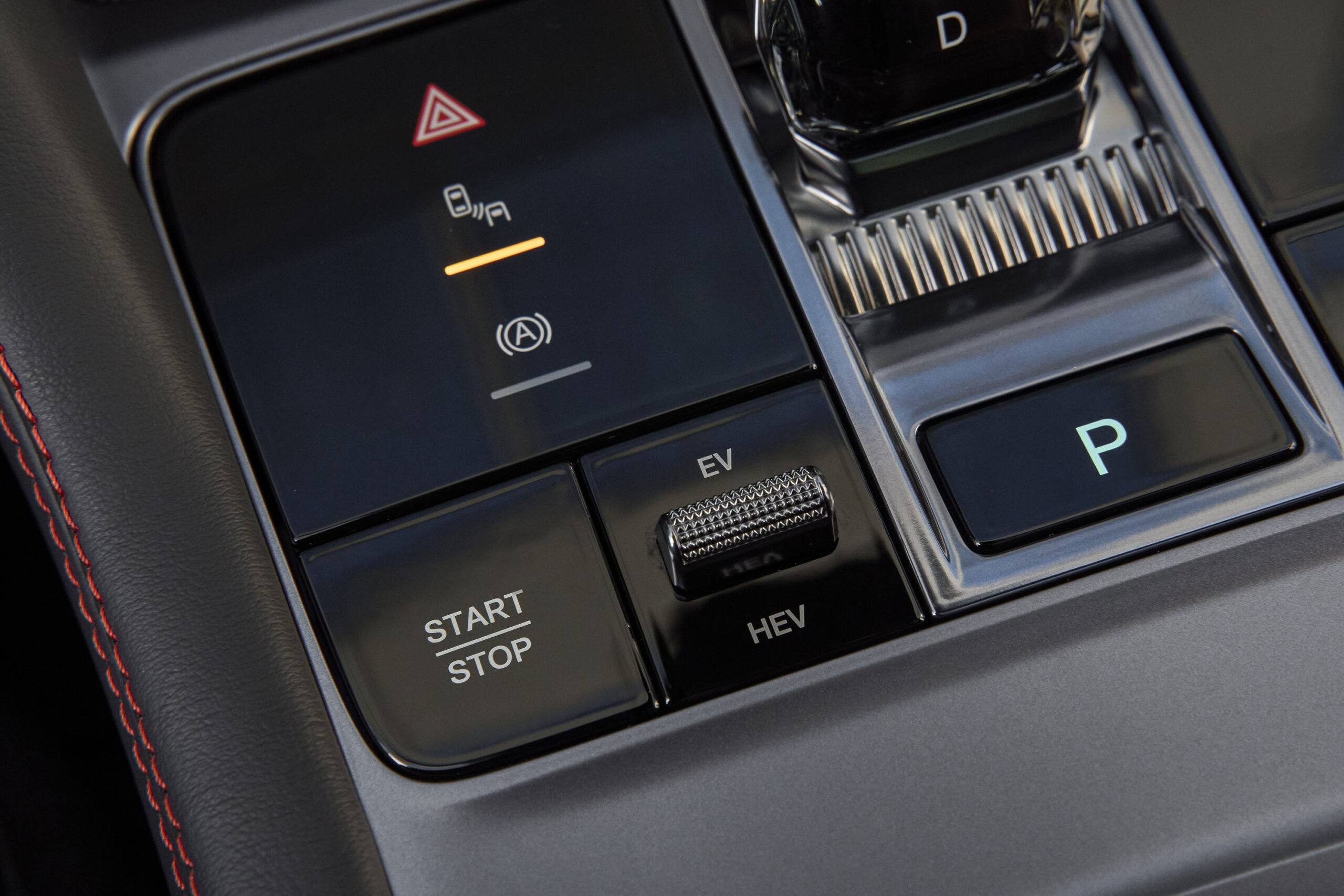
The most striking thing about moving into the Seal U after the Polestar 4 was how little explanation the BYD required. The primary controls were where years of driving experience suggested they should be. The indicators, steering-wheel functions, mirrors and basic driving controls all behaved in ways that felt immediately natural.
This is an important design lesson. Familiarity is not the same as conservatism. A control that millions of people already understand possesses enormous value because it no longer demands conscious thought. Good ergonomics become invisible. Once drivers develop muscle memory, they can concentrate on the road rather than on operating the product.
A manufacturer should therefore only replace an established solution if the new one provides a genuine improvement. Changing a control simply because a touchscreen makes it possible to remove a switch is not necessarily progress. Moving an indicator function from a stalk to touch-sensitive steering-wheel buttons does not automatically make a car more advanced. Requiring the driver to enter a menu to adjust the mirrors is not inherently more sophisticated than using a conventional control.
The Seal U generally understands this. Its technology has been added around the task of driving rather than used as an excuse to reinvent that task.

A Cabin Designed to Feel More Expensive Than Expected
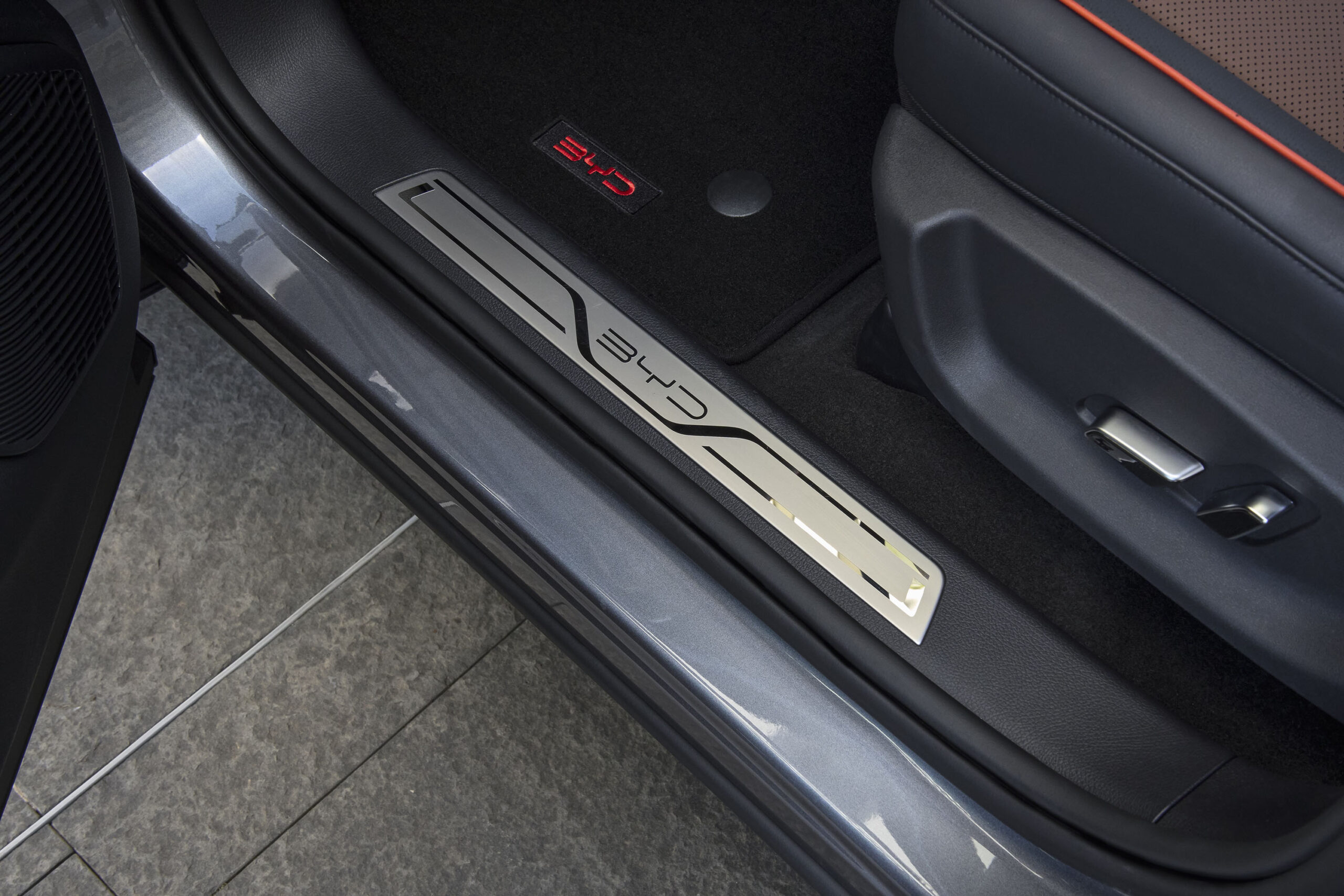
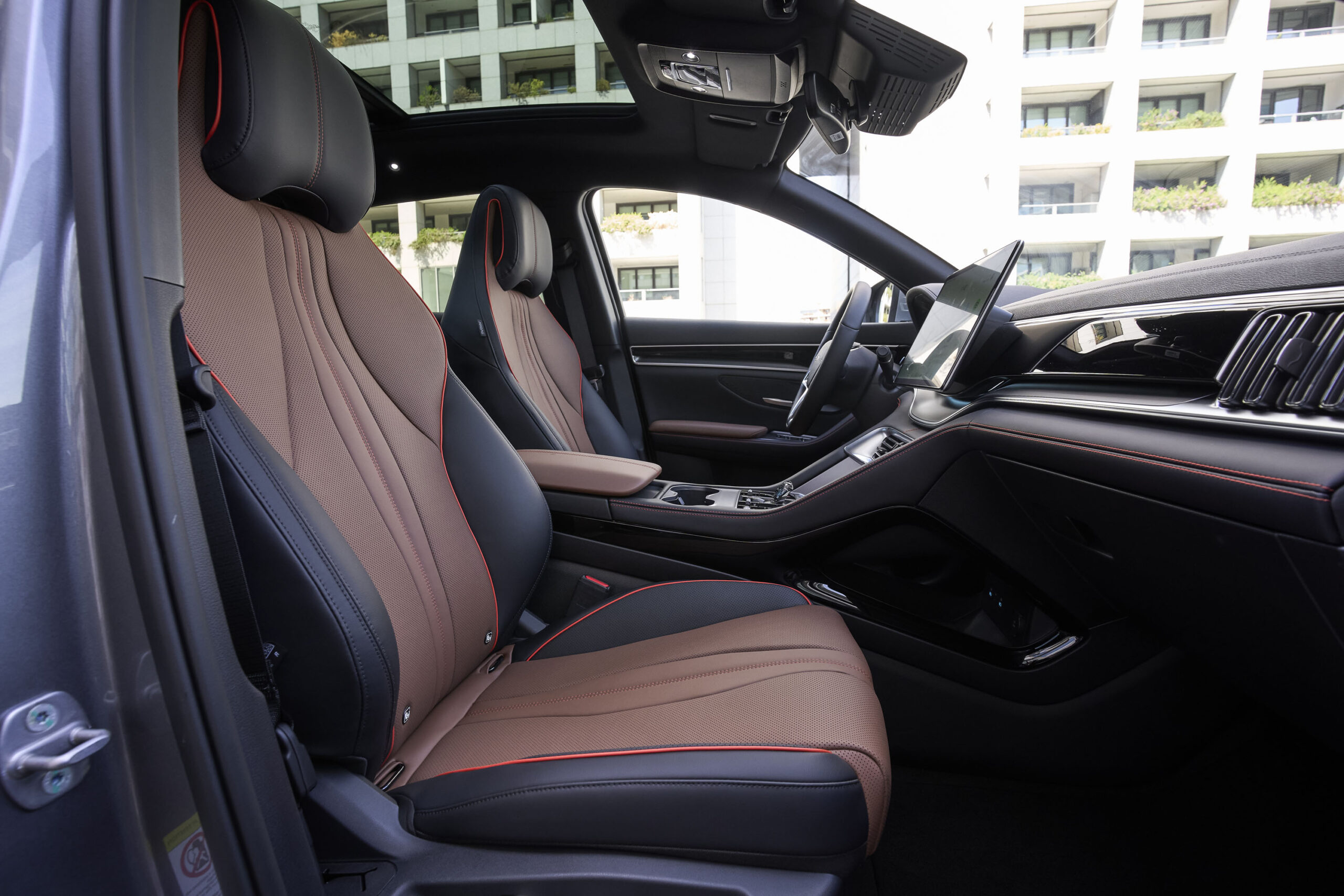
Material quality is another area where the Seal U makes a positive first impression. The dashboard is layered rather than flat, stitching and decorative elements are used generously and the major surfaces occupants touch feel suitably soft. The front seats are substantial and well padded, giving the cabin a more traditional sense of comfort than the deliberately thin and minimalist seating used in some EV interiors.
The equipment level also contributes strongly to the perception of value. Features such as a panoramic roof, electrically adjustable front seats, heating and ventilation, a head-up display, 360-degree camera coverage and extensive driver-assistance technology create the impression that the car has been specified as a complete product rather than built around an attractive base price with a long list of expensive options.
This is becoming one of the most significant competitive strengths of Chinese manufacturers. For decades, European brands became highly skilled at offering an appealing starting price and then charging separately for many of the features buyers actually wanted. BYD’s approach is much closer to providing a comprehensively equipped car from the outset.
Not Everything Needs to Become Digital
The Seal U is not completely free from the industry’s touchscreen obsession. There are still secondary functions that require more interaction with the central display than would ideally be necessary, and some settings could be easier to access.
The important distinction is between configuration and operation. Navigation, entertainment, detailed vehicle preferences and infrequently changed functions work naturally within a touchscreen. Frequently used driving controls require much greater care because they need to be operated quickly and often without the driver looking away from the road.
The best interior is therefore not the one containing the fewest physical controls. It is the one requiring the least mental effort. The Seal U is not perfect in this respect, but its primary functions are handled more intelligently than in many current vehicles.
The DM-i Drivetrain Is the Real Technical Story
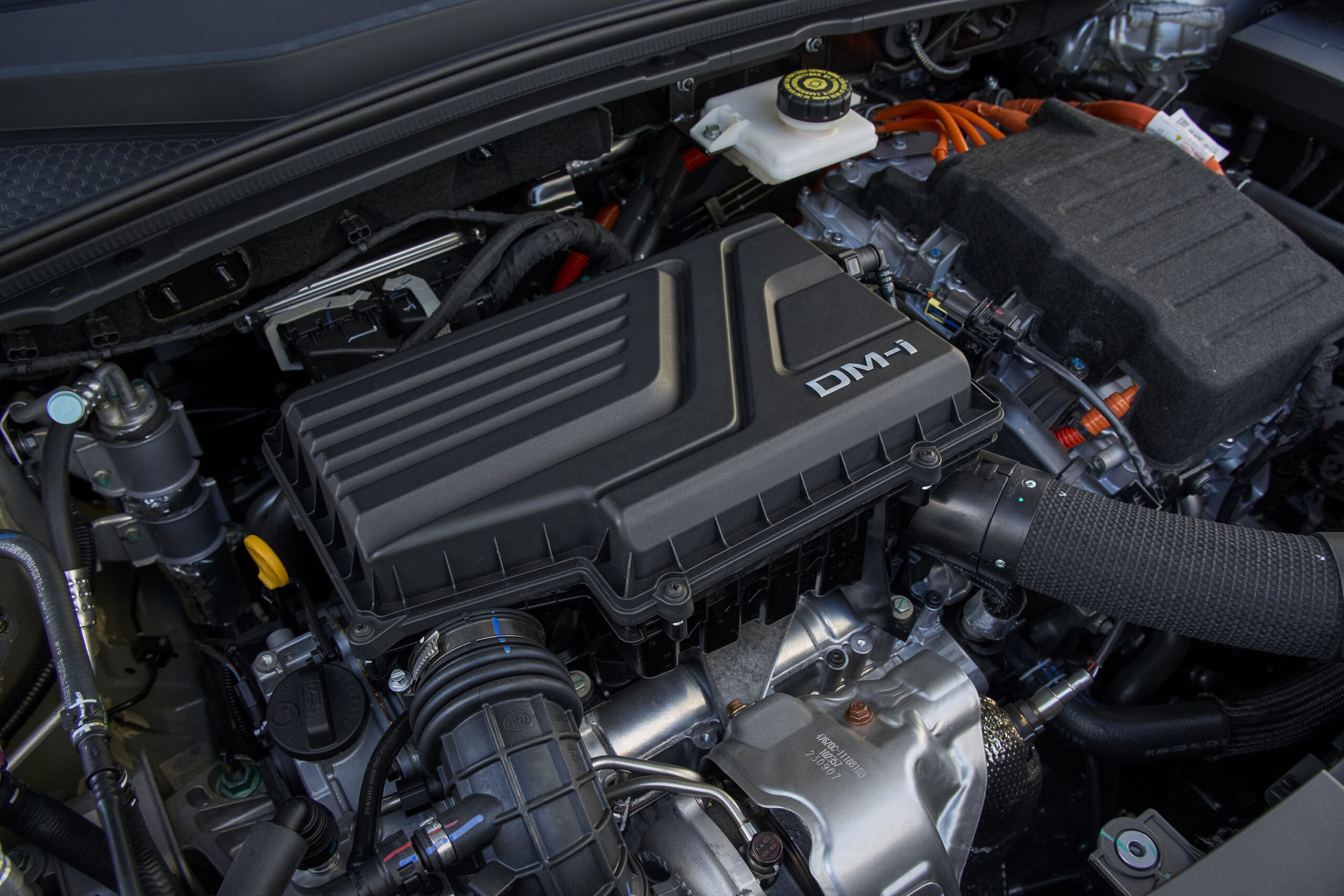
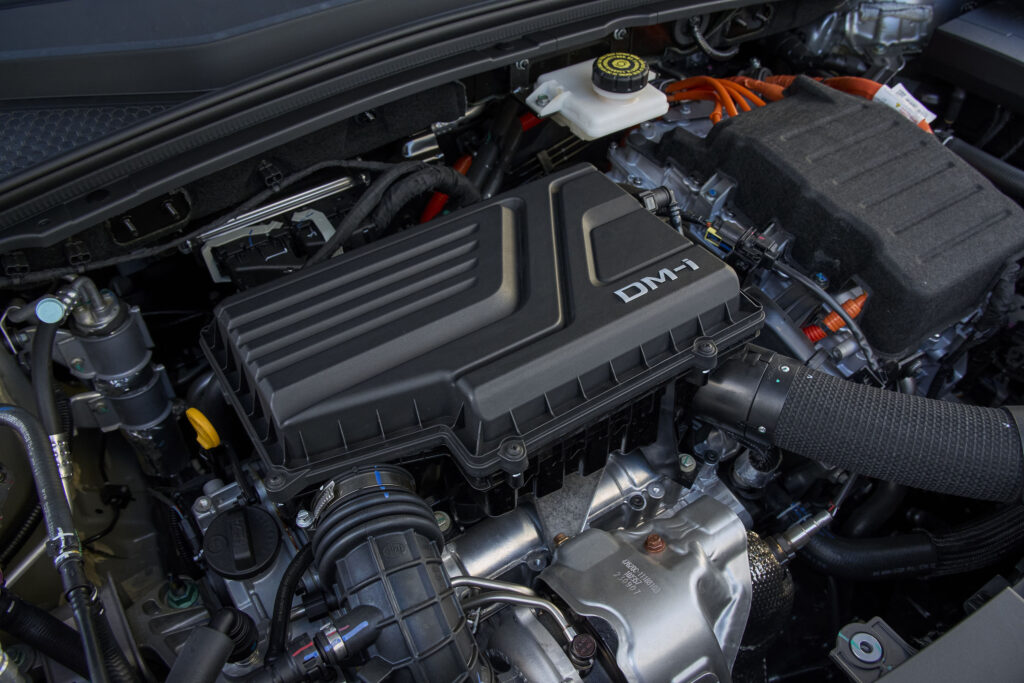
The front-wheel-drive Seal U DM-i tested here combines a 1.5-litre petrol engine with an electric motor and an 18.3 kWh BYD Blade Battery. Total system output is approximately 217 hp, with around 300 Nm available at the driven front wheels.
On paper, the performance figures are hardly dramatic by today’s standards. Acceleration to 100 km/h takes around 8.9 seconds, which would once have been regarded as reasonably quick for a family SUV but now risks sounding modest in an era of 400 and 500 hp electric crossovers.
In reality, it is more than sufficient. The electric motor provides immediate response from low speed, the car moves away smoothly and overtaking performance is entirely adequate for everyday driving. At no point does the Seal U feel as though it requires dramatically more power.
That is significant because the character of the chassis is not sporting. The vehicle is designed around comfort, refinement and ease of use. The 217 hp drivetrain suits that character considerably better than an unnecessarily extreme performance figure would.

A Plug-In Hybrid That Thinks Like an EV
The way the Seal U delivers its performance is more interesting than the number itself. BYD’s DM-i system is fundamentally electric in its behaviour. Depending on the conditions, the petrol engine can generate electricity, contribute mechanically to propulsion or work together with the electric motor, but much of that complexity remains invisible to the driver.
Around town, the car frequently feels like a normal battery-electric vehicle. It moves quietly and smoothly, with immediate low-speed response and without the repeated gear changes associated with a conventional automatic transmission. When the petrol engine becomes involved, the transition is generally unobtrusive during normal driving.
Under heavier acceleration the engine naturally becomes more noticeable, but it usually feels like a supporting component rather than the dominant power source. This is what makes the DM-i concept convincing. The hierarchy appears reversed compared with many traditional plug-in hybrids: instead of electricity helping a petrol drivetrain, the petrol engine often feels as though it exists to support electric propulsion.
That is arguably the more logical way to design a modern PHEV.
217 Horsepower Is Entirely Enough
The front-wheel-drive Seal U does not encourage the driver to exploit enormous performance, and that is not a criticism. Its steering is relatively light, its suspension is comfort-oriented and the overall experience favours relaxed progress rather than aggressive driving.
There is a strange tendency in the current industry to assume every new vehicle must deliver sports-car acceleration. Family SUVs now routinely produce power figures that would have belonged to serious performance cars only a decade ago, even though most owners will never need or use that capability.
The Seal U feels more rational. Its performance is sufficient, predictable and well matched to the chassis. There is enough power for motorway driving, overtaking and everyday use without turning the vehicle into something its suspension and steering were never intended to support.
Comfort Comes Before Sporting Pretensions
The suspension tuning reinforces that philosophy. The Seal U rides comfortably and generally absorbs poor road surfaces without unnecessary harshness. There is more body movement than in some European rivals, but the car does not attempt to disguise its size or weight by adopting excessively stiff damping.
The steering is light and somewhat isolated, but that also makes the car easy to manoeuvre in towns and parking areas. There is little incentive to push it hard on a winding road, but there is equally little reason why the target customer should consider that a major weakness.
Not every family SUV needs to pretend to be a sports car. Comfort is a legitimate engineering objective, particularly in a vehicle likely to spend most of its life commuting, carrying passengers and travelling on motorways.
The Seal U understands this better than many rivals.
The Weight Is Harder to Ignore
The plug-in hybrid architecture does, however, impose a considerable penalty. The front-wheel-drive Seal U has a ready-to-drive mass of around two tonnes, which is substantial for a vehicle of this size and performance.
The reason is obvious. It carries a sizeable traction battery, electric motor and associated electronics while also carrying a complete petrol engine, fuel tank, exhaust system and supporting hardware. A plug-in hybrid effectively carries two complete energy systems.
That flexibility is one of the car’s greatest advantages, but it comes at the cost of mass. Weight affects handling, braking, tyre loading, efficiency and the amount of material required to manufacture the vehicle. Electric torque disguises much of that mass in normal driving, but the laws of physics remain unchanged.
Future generations of PHEVs will need to reduce this duplication penalty significantly if the concept is to remain competitive with increasingly efficient full-electric alternatives.
Electric Range That Is Finally Meaningful
The Seal U’s approximately 80 kilometres of official electric range is one of its strongest arguments. Earlier plug-in hybrids often offered such limited electric capability that the petrol engine would become involved during even modest daily journeys. An official range of around 80 kilometres changes the ownership experience considerably.
Many commuters could complete an entire working day without using petrol, particularly if the car is charged overnight. Someone driving 20 to 30 kilometres each way could potentially operate almost entirely as an EV during normal weekday use.
When a longer journey becomes necessary, however, the petrol engine removes the dependency on public charging infrastructure. That combination remains the strongest argument for the PHEV format. It can behave like an EV during routine use without requiring the driver to plan long journeys around charging stops.

But a Plug-In Hybrid Needs to Be Plugged In
The efficiency argument only works if the owner actually charges the vehicle. Official PHEV fuel-consumption figures are frequently misunderstood because they assume a significant proportion of driving takes place using electricity supplied from an external source.
If the Seal U is charged regularly and most daily journeys remain within its electric range, petrol consumption can be extremely low. If it is never connected to a charger, much of the advantage disappears and the driver is effectively carrying an 18.3 kWh battery around inside a two-tonne petrol hybrid.
This is not a BYD problem. It is fundamental to the PHEV concept. The technology works best for owners whose normal daily journeys can be completed electrically but who still need the freedom to undertake much longer journeys without relying entirely on charging infrastructure.
Used in that way, the Seal U makes considerable sense.
Charging Is Better Integrated Than on Many PHEVs
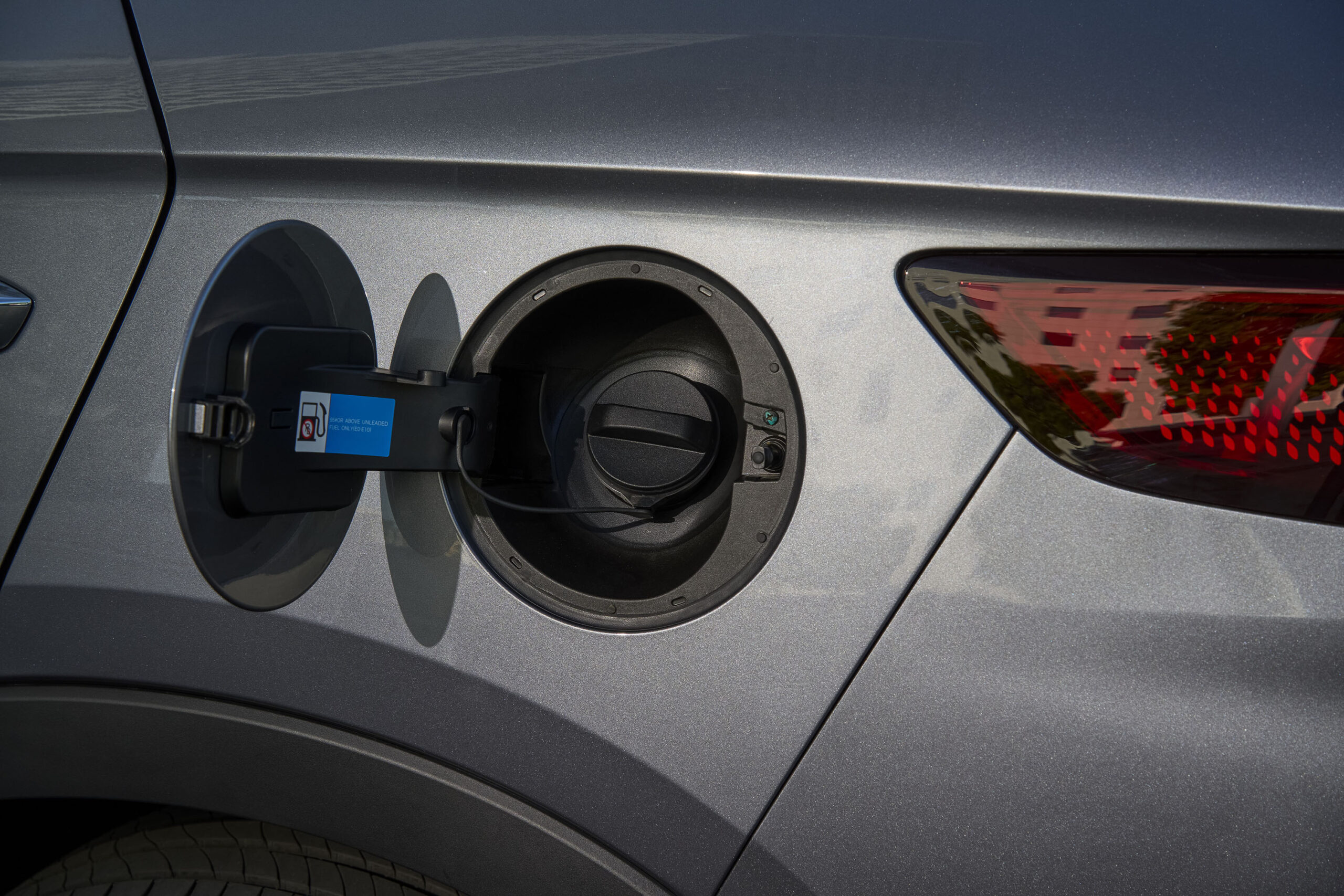
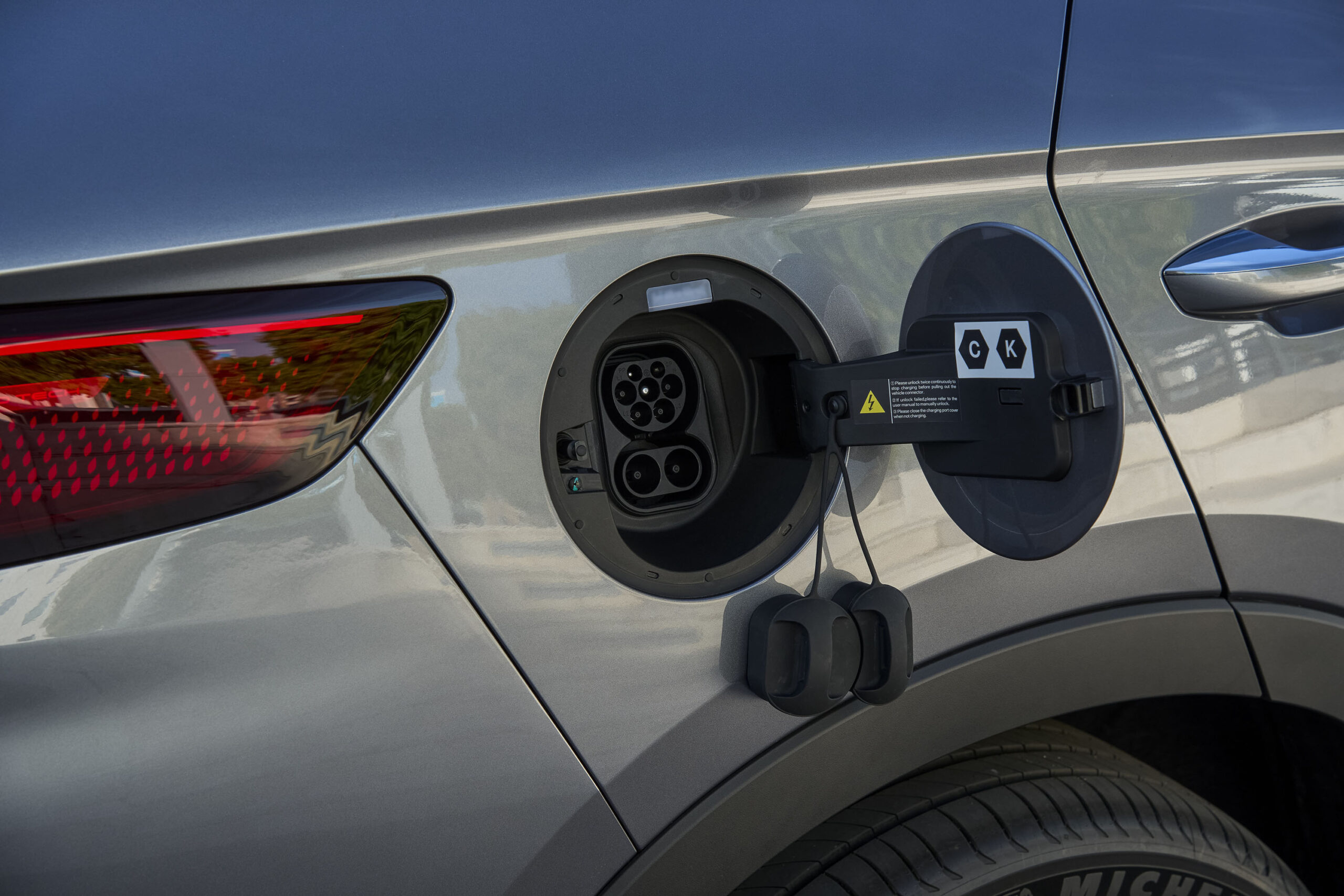
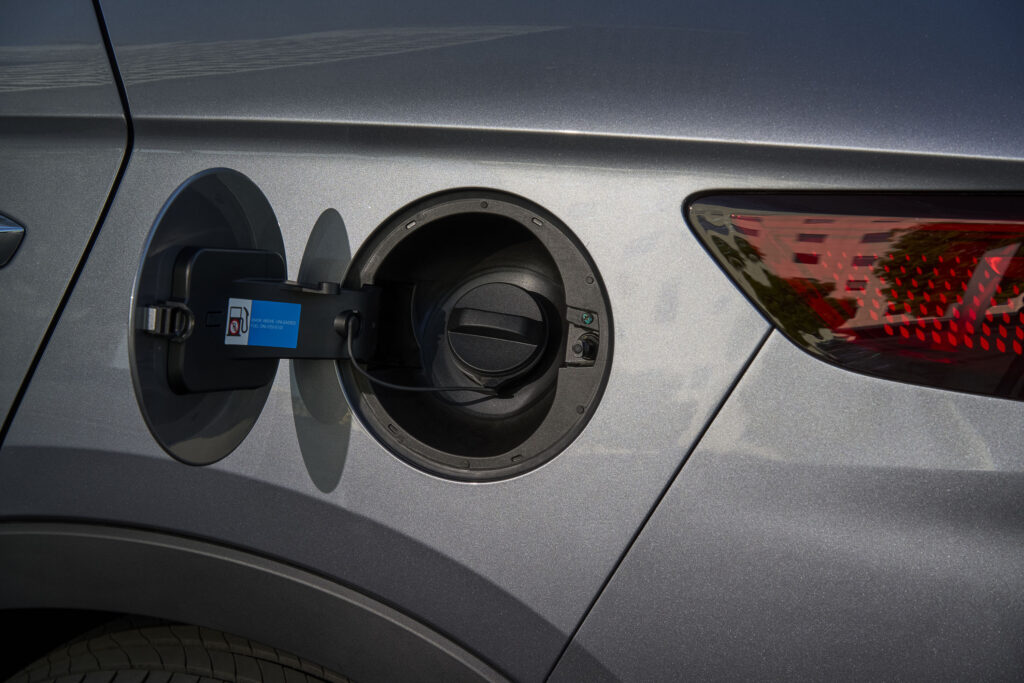
BYD has treated charging as an important part of the vehicle rather than as an afterthought. The Seal U can use three-phase AC charging at up to 11 kW, which is more than sufficient for an 18.3 kWh battery and allows the car to be replenished relatively quickly at home or from many public chargers.
It also supports DC charging. The peak figure is modest compared with a full battery-electric vehicle, but that comparison is not particularly meaningful because the battery is so much smaller. A relatively short charging stop can restore a useful amount of electric range.
For a plug-in hybrid, that additional flexibility is valuable.
Vehicle-to-Load Is More Useful Than It First Appears
The Seal U also offers Vehicle-to-Load capability, allowing external electrical equipment to be powered from the traction battery through an adapter. This can supply camping equipment, lighting, laptops, tools and numerous other devices.
It initially sounds like one of those features designed mainly to make the equipment list more impressive, but the usefulness becomes obvious as soon as circumstances require portable electrical power.
The fact that such technology is becoming available on mainstream Chinese vehicles illustrates how quickly expectations regarding standard equipment are changing.

Passenger Space Is Strong, Luggage Space Less So
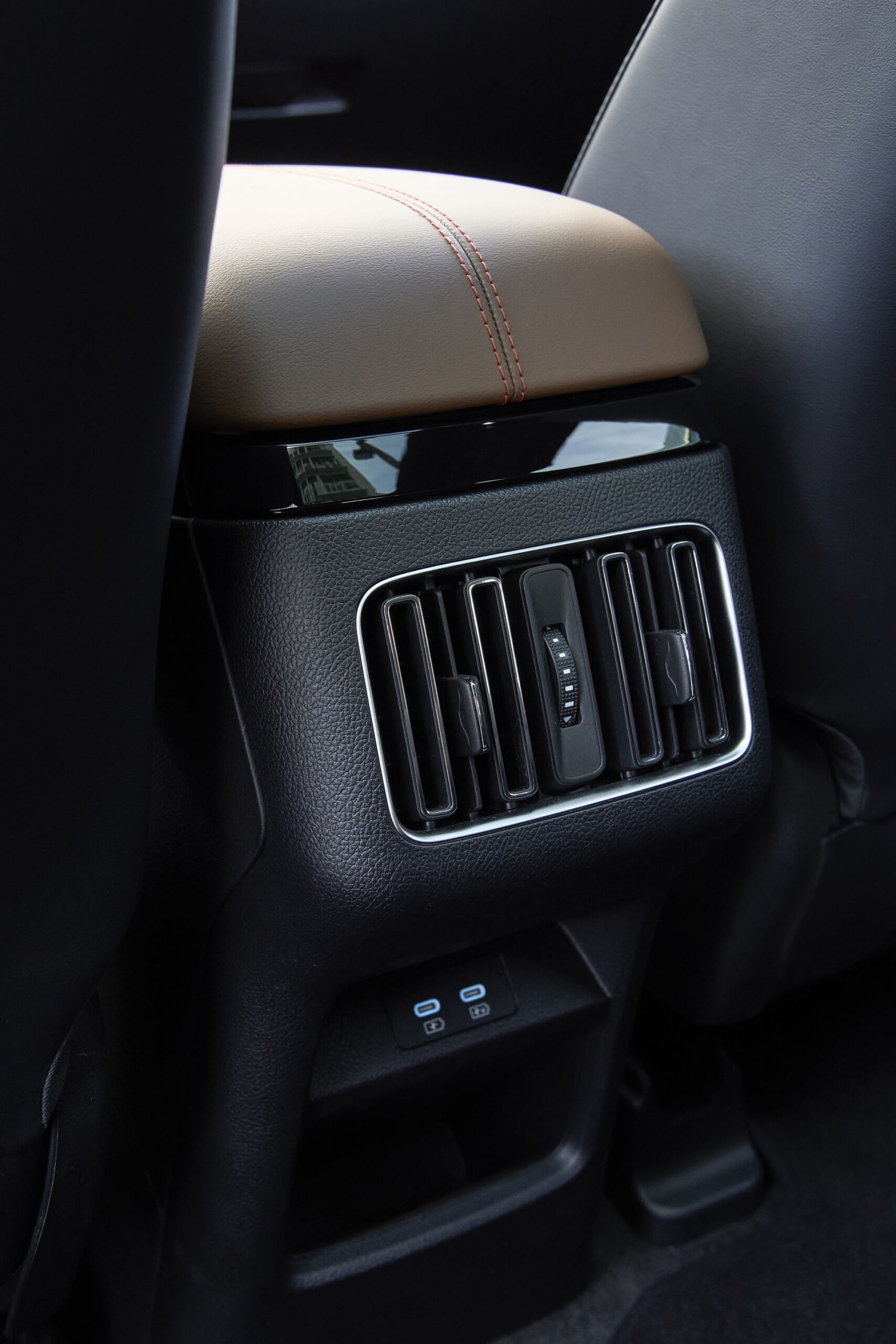
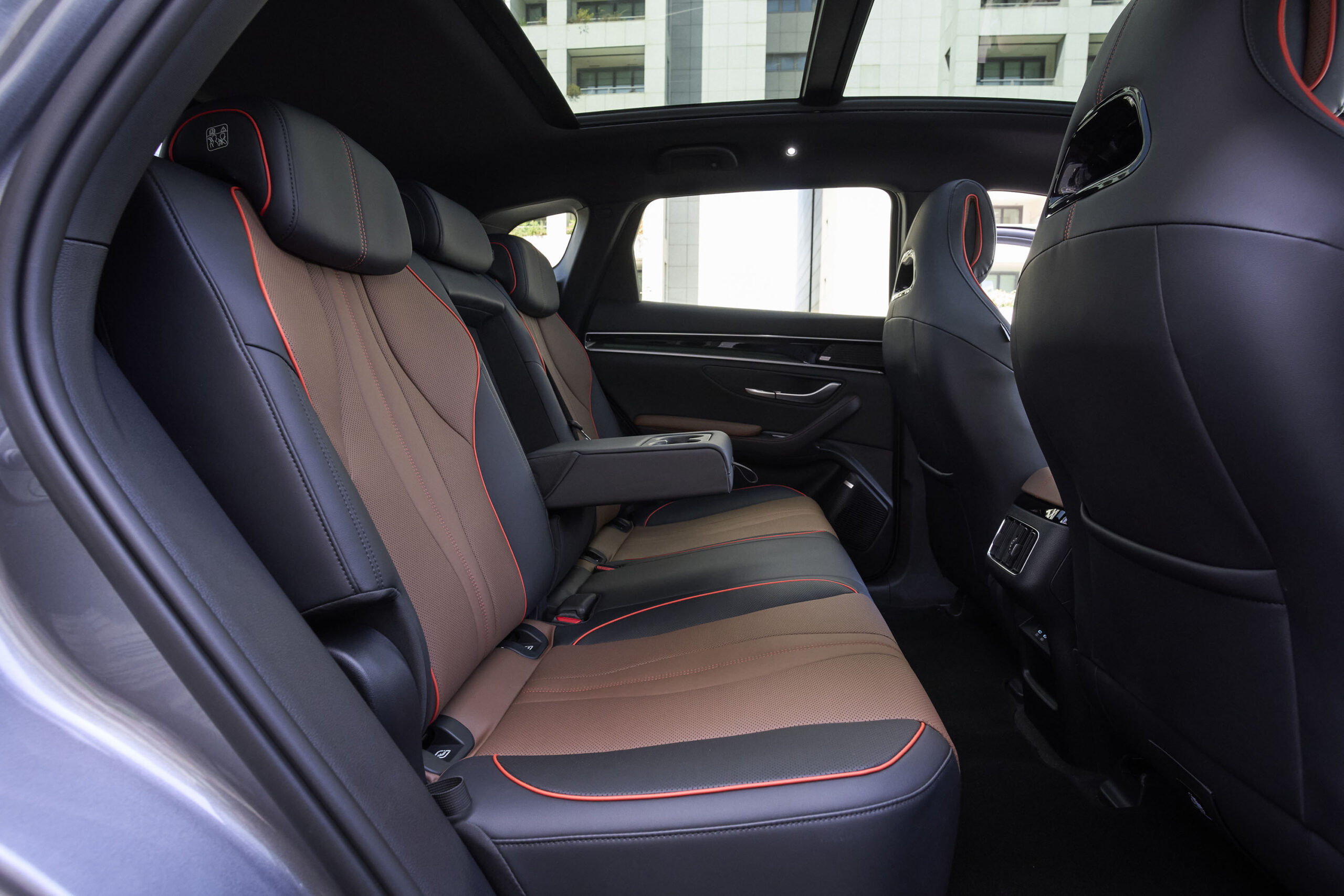
The Seal U’s sensible exterior proportions translate into good passenger accommodation. Rear-seat legroom and headroom are generous, access through the large rear doors is straightforward and the relatively upright roofline avoids the compromises increasingly associated with SUV-coupé styling.
This is another example of the vehicle prioritising usability over visual theatre. Cars are continuing to grow externally, yet some manufacturers simultaneously reduce interior usefulness in pursuit of dramatic proportions. The Seal U avoids that contradiction.
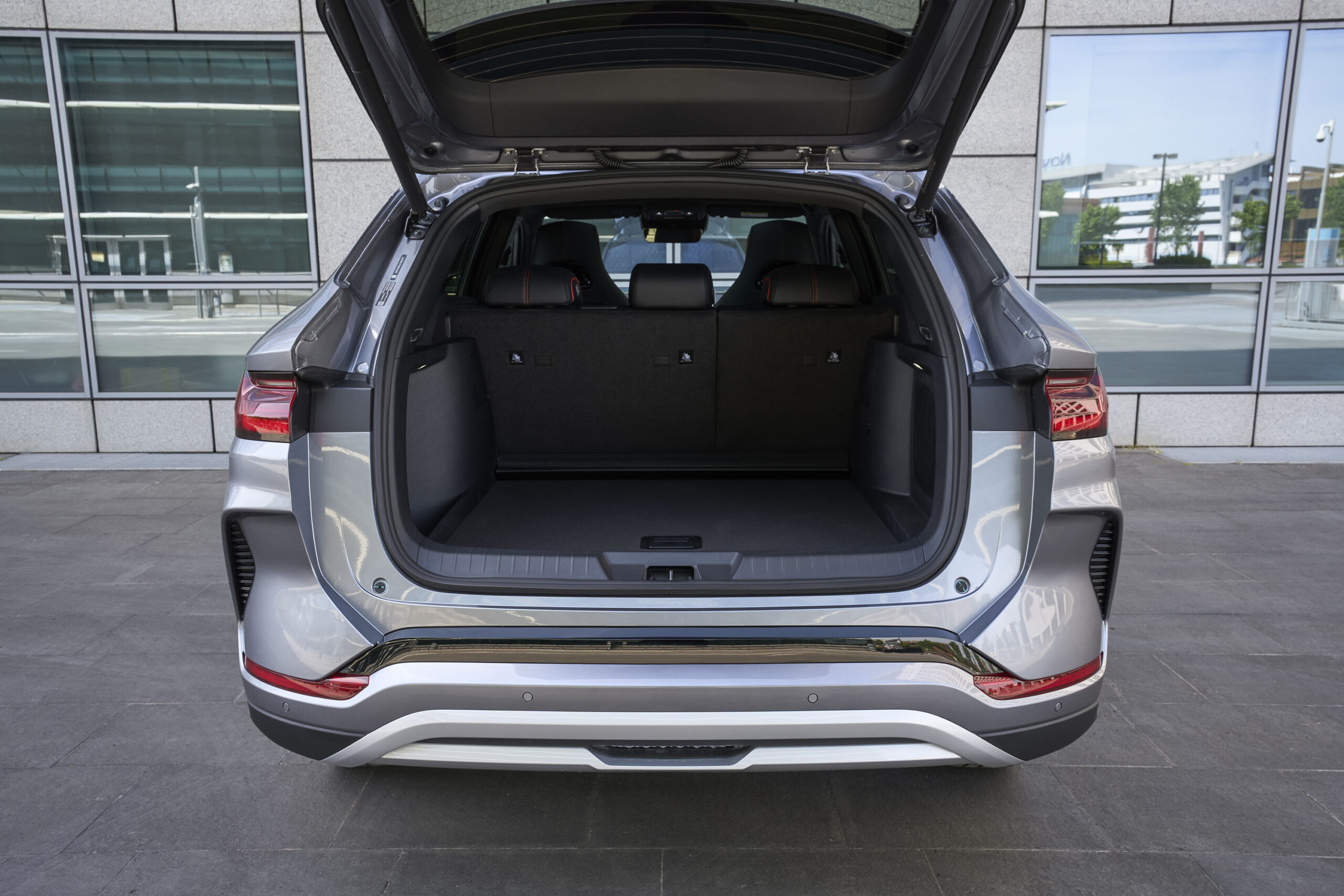
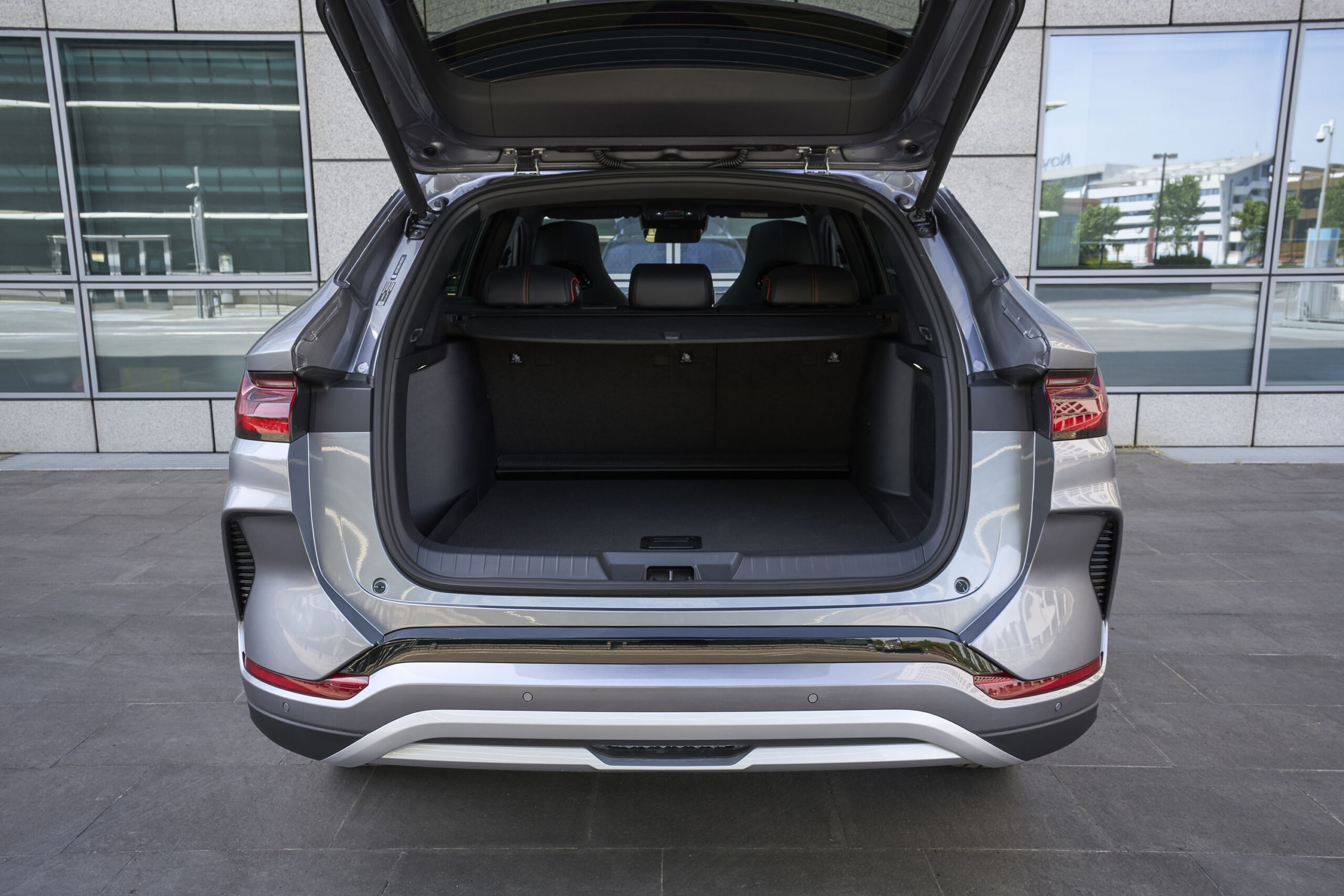
The luggage area is less impressive. For a vehicle approaching 4.8 metres in length, the boot is adequate rather than exceptional. The hybrid components inevitably consume some of the available package space, and this is one of the clearer compromises created by carrying both electric and combustion systems.
Standard Equipment May Be BYD’s Strongest Weapon
One of the Seal U’s greatest competitive advantages is not a single piece of technology but the amount of equipment included in the vehicle. The large central display, separate digital instruments, head-up display, panoramic roof, electrically adjustable seats, heating and ventilation, 360-degree cameras and extensive driver assistance all contribute to the impression of a comprehensively specified car.
This has major implications for established manufacturers. European premium brands spent decades developing increasingly complicated equipment structures in which desirable functions were grouped into costly packs. The advertised starting price often represented a car very different from the one shown in promotional photography.
Chinese manufacturers are challenging that model. Their approach is increasingly to provide most of the desirable technology as part of the normal vehicle specification.
That makes simple price comparisons misleading because two cars with similar list prices may contain dramatically different levels of equipment.
BYD’s Real Advantage Is Vertical Integration
The Blade Battery is central to BYD’s technical story. It uses lithium iron phosphate chemistry, commonly referred to as LFP, which offers strong thermal stability and durability while avoiding nickel and cobalt. The chemistry generally sacrifices some energy density compared with certain alternative lithium-ion systems, but its safety, longevity and cost advantages make it particularly attractive for mass-market electrified vehicles.
More importantly, BYD develops and manufactures this technology itself. The company’s vertical integration extends into motors, electronics and other major components, giving it considerable control over the complete drivetrain.
The Seal U is therefore not simply a conventional SUV assembled from components sourced from numerous suppliers. Its propulsion philosophy reflects the capabilities of a company that has grown from battery technology into complete vehicle manufacturing.
Driver Assistance Still Needs Careful Calibration
The Seal U includes the familiar collection of modern driver-assistance systems, including adaptive cruise functionality, lane-related assistance, blind-spot monitoring, rear cross-traffic systems and comprehensive camera coverage.
The 360-degree camera is particularly useful on a vehicle almost 1.9 metres wide, especially in European parking environments.
As with many modern cars, however, some assistance systems can become more noticeable than desirable. European regulations increasingly require various warning functions to reactivate every time the vehicle is restarted, creating a difficult challenge for manufacturers. Systems must remain active without becoming so intrusive that drivers immediately attempt to switch them off.
Good driver assistance should reduce workload without constantly reminding the driver that it is there. The entire industry is still learning how to achieve that balance consistently.
The Greatest Strength May Be What the Seal U Does Not Do
After spending time with the Seal U, one of its strongest qualities remains something that does not appear on a specification sheet: it does not force the driver to relearn basic automotive interaction.
That has become surprisingly unusual.
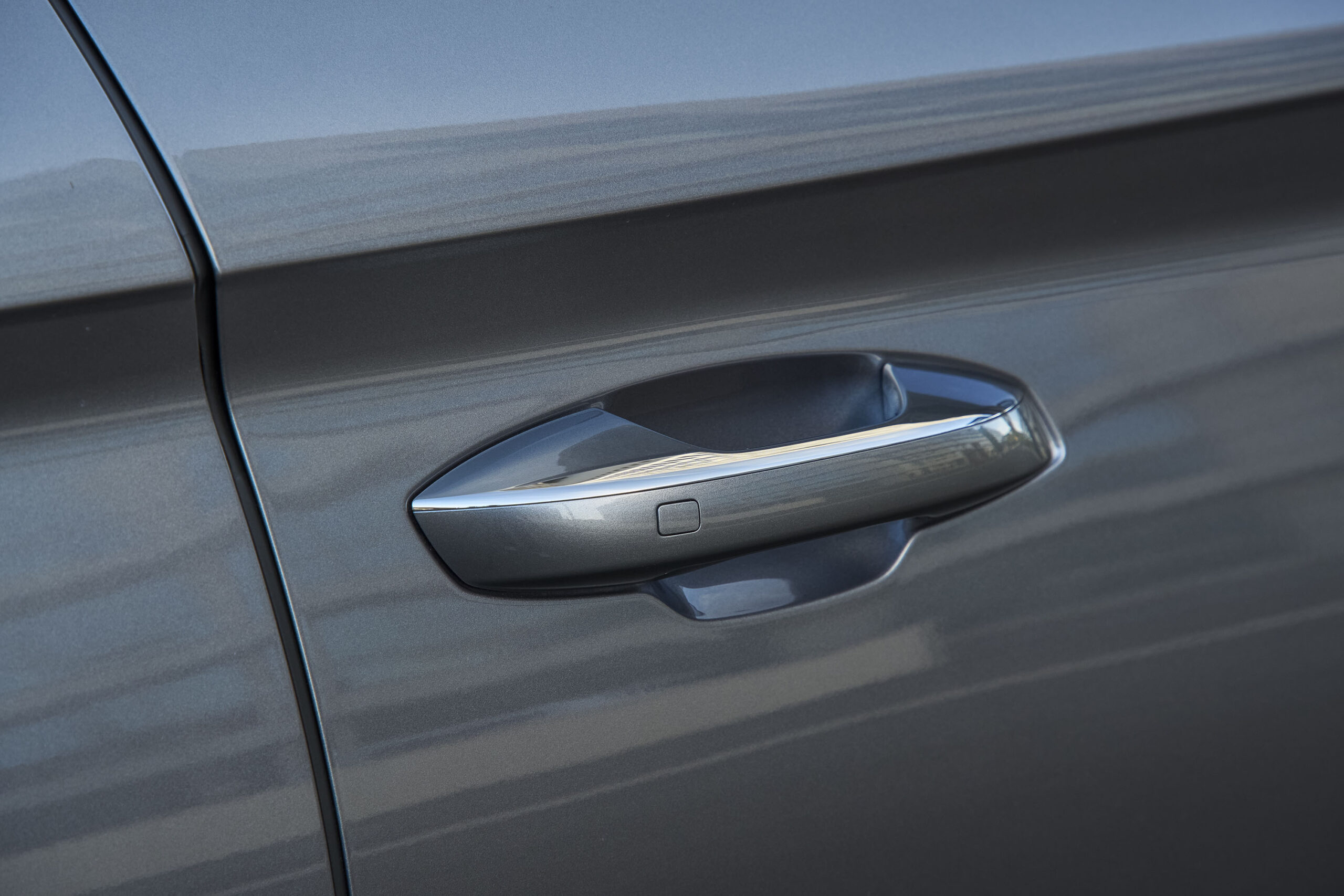
The industry currently appears fascinated by the possibility of redefining every control. Door handles disappear into bodywork, gear selectors migrate to unexpected locations, mirror controls move into screens, indicator stalks are deleted and ventilation systems become entirely digital.
Each individual change may be defensible, but together they can result in cars that require a period of training before they become intuitive.
The Seal U largely avoids this. The technology is sophisticated, but the driver does not have to adapt to it simply for the sake of novelty.
That is perhaps the most important contrast with the Polestar 4. The Polestar makes a deliberate statement about how different the modern car can become. The BYD demonstrates that technological progress does not necessarily require unfamiliarity.
Both approaches are valid, but for everyday usability the BYD’s restraint has considerable appeal.
From an Automotive Designer’s Perspective
The Seal U presents an interesting contradiction. The exterior design is arguably the least innovative aspect of the vehicle, while the technology underneath is considerably more progressive.
The body architecture is conventional, the proportions are familiar and the primary controls are traditional. Yet beneath that reassuring exterior sits a sophisticated electrified powertrain developed by one of the world’s most vertically integrated automotive manufacturers.
There is an important design lesson in that contrast. For years, the automotive industry associated innovation with visible novelty. Concept cars demonstrated progress by making doors, dashboards, controls and proportions look different from anything that came before.
But genuine innovation does not always need to announce itself.
The DM-i system performs complicated transitions between electric and combustion power without requiring the driver to understand or manage the process. That is arguably more sophisticated than forcing the driver to learn a new way of operating a familiar control.
Good design makes complexity disappear.
In that respect, the Seal U is a remarkably mature product.
Where BYD Can Improve
The exterior still needs a stronger identity. BYD is now sufficiently established that its vehicles should eventually become recognisable without relying heavily on badges or lighting signatures. The next Seal U can remain restrained while developing a more distinctive proportional or graphical character.
Weight reduction should also be a major priority. A family SUV of this size weighing around two tonnes demonstrates the inherent compromise of carrying both electric and combustion powertrains. Better structural efficiency and further drivetrain integration would improve almost every aspect of the vehicle.
The luggage compartment could also make better use of the vehicle’s external dimensions, while the chassis would benefit from slightly tighter control without sacrificing its comfort-oriented character.
Most importantly, BYD should preserve the straightforward primary controls. The temptation to remove switches and move more functions into the touchscreen will undoubtedly remain as interior design continues to evolve, but the current car’s immediate usability is one of its greatest strengths.
Verdict
The 2026 BYD Seal U DM-i is not a revolutionary piece of automotive design, and that is not necessarily a weakness. Its exterior is handsome but still somewhat anonymous, its chassis prioritises comfort over enthusiasm and its plug-in hybrid architecture results in considerable weight.
Yet the vehicle succeeds in areas that matter enormously in everyday use. It is spacious, comfortable, comprehensively equipped, straightforward to operate and built around a technically interesting drivetrain that allows it to behave like an EV for much of normal driving.
The front-wheel-drive 217 hp version tested here feels particularly well matched to the car. It has enough performance for every realistic family use, offers meaningful electric range and avoids the increasingly common temptation to turn an ordinary SUV into a specification-sheet performance car.
Most of all, it is refreshingly easy to understand.
You get into the Seal U and drive it.
The important switches are where experience tells you they should be. The basic controls do what you expect them to do. The car does not demand admiration for having reinvented something that was already working perfectly well.
Coming from the Polestar 4 makes that contrast especially clear. The Polestar demonstrates the possibilities of radically reconsidering the automotive interface. The BYD demonstrates why some established conventions survived for decades in the first place.
A new car does not become better simply because the driver has to learn how to use it.
Sometimes the most intelligent design decision is to leave the familiar things alone and concentrate the real innovation where the driver cannot see it.
The Seal U DM-i does exactly that.