Volkswagen’s Real Problem Isn’t Its Factories. It’s Its Brands.
Only a few months ago, we examined one of the more fundamental problems facing the Volkswagen Group: an enormous portfolio of brands and products that increasingly appear to compete as much with each other as they do with the outside world.
Since then, the situation has become considerably more serious.
Volkswagen CEO Oliver Blume is overseeing what has become one of the most substantial restructuring efforts in the Group’s history. Job reductions are being discussed and implemented, manufacturing capacity is being reconsidered, and Volkswagen is attempting to create a much leaner organisation. The Group is dealing with excess capacity, declining competitiveness in China, pressure from increasingly capable Chinese manufacturers, trade pressures and a cost structure that is becoming increasingly difficult to support.
Some of these measures are undoubtedly necessary. Volkswagen cannot continue operating factories for volumes that no longer exist, nor can it maintain layers of management and development infrastructure simply because they have historically existed.
But there is a danger in treating Volkswagen’s present difficulties primarily as an industrial problem.
Before deciding how many factories Volkswagen needs, perhaps an even more important question should be asked:
What exactly should Volkswagen Group be building?
Cost Cutting Does Not Solve Product Strategy
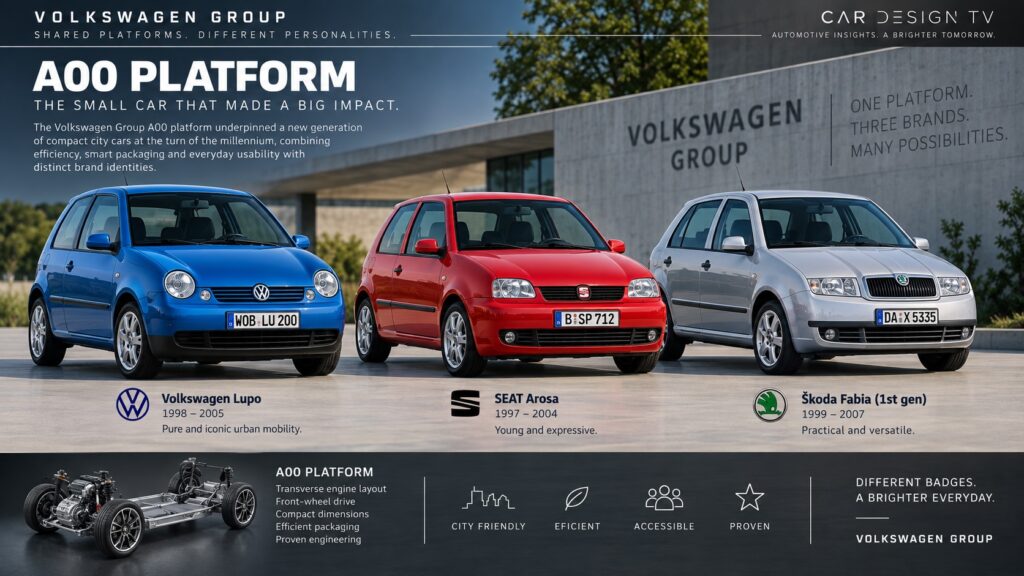
Volkswagen’s restructuring is heavily focused on efficiency. Production, technical development, procurement and increasingly software and electronics are being coordinated across brands. Financially, the logic is compelling.
Strategically, however, Volkswagen needs to be extremely careful.
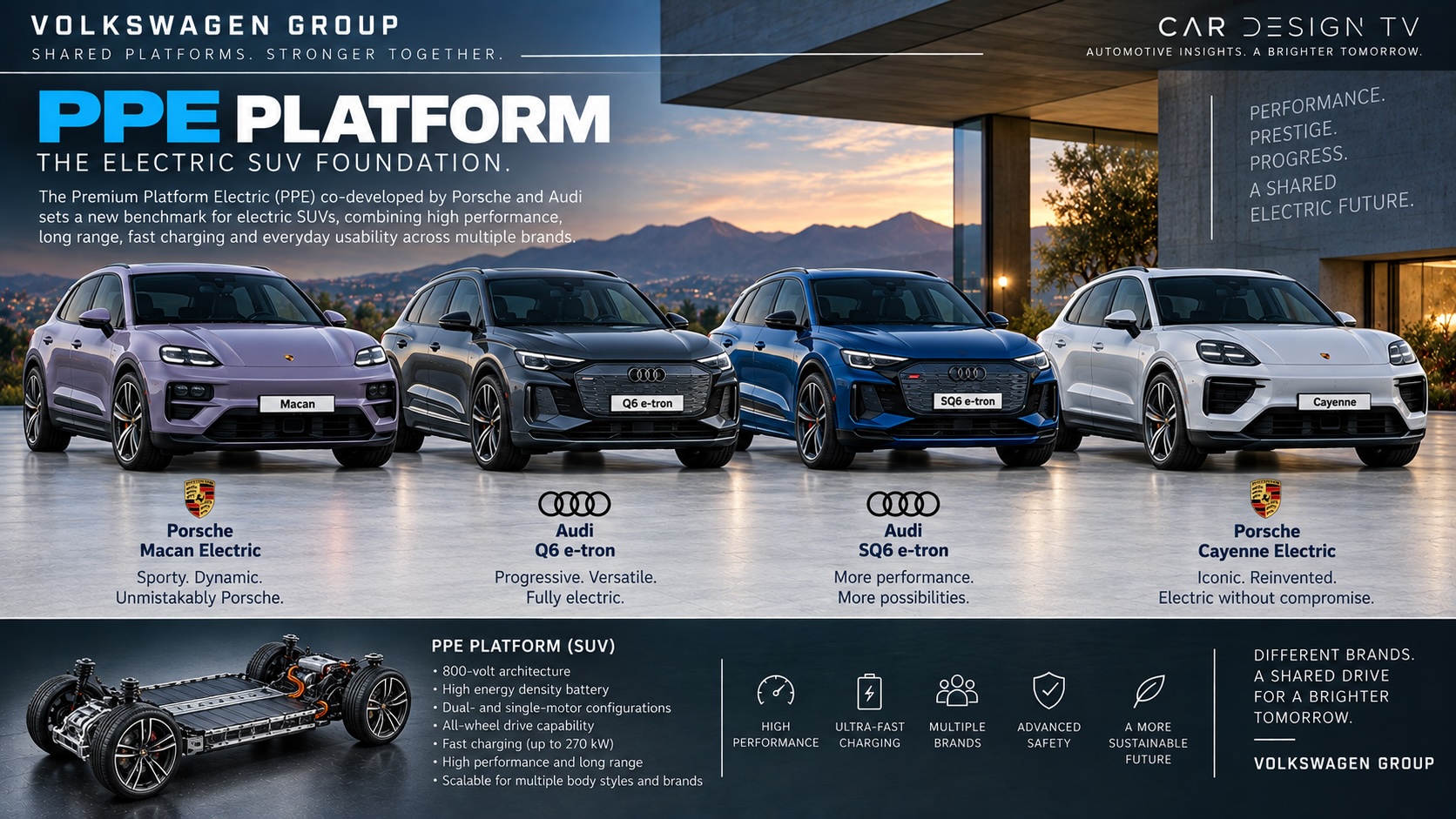
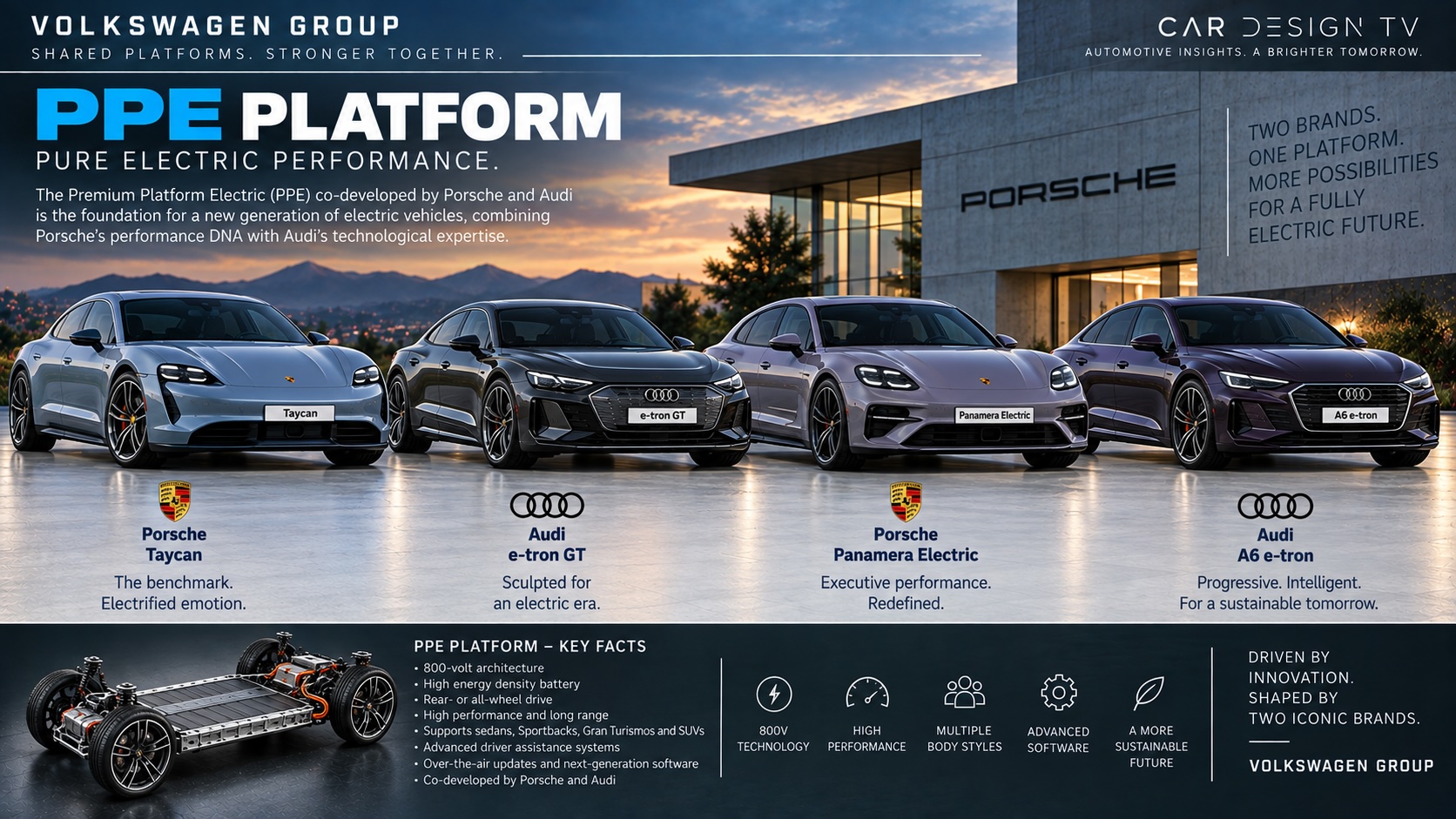
Sharing platforms, batteries, electronics, powertrains, software architectures, purchasing and even manufacturing is not inherently a problem. In fact, it is one of the greatest advantages Volkswagen possesses. Few manufacturers have sufficient scale to amortise enormously expensive technology across so many vehicles.
The problem begins when shared engineering produces shared products.
There is a critical distinction between common architecture and common identity.
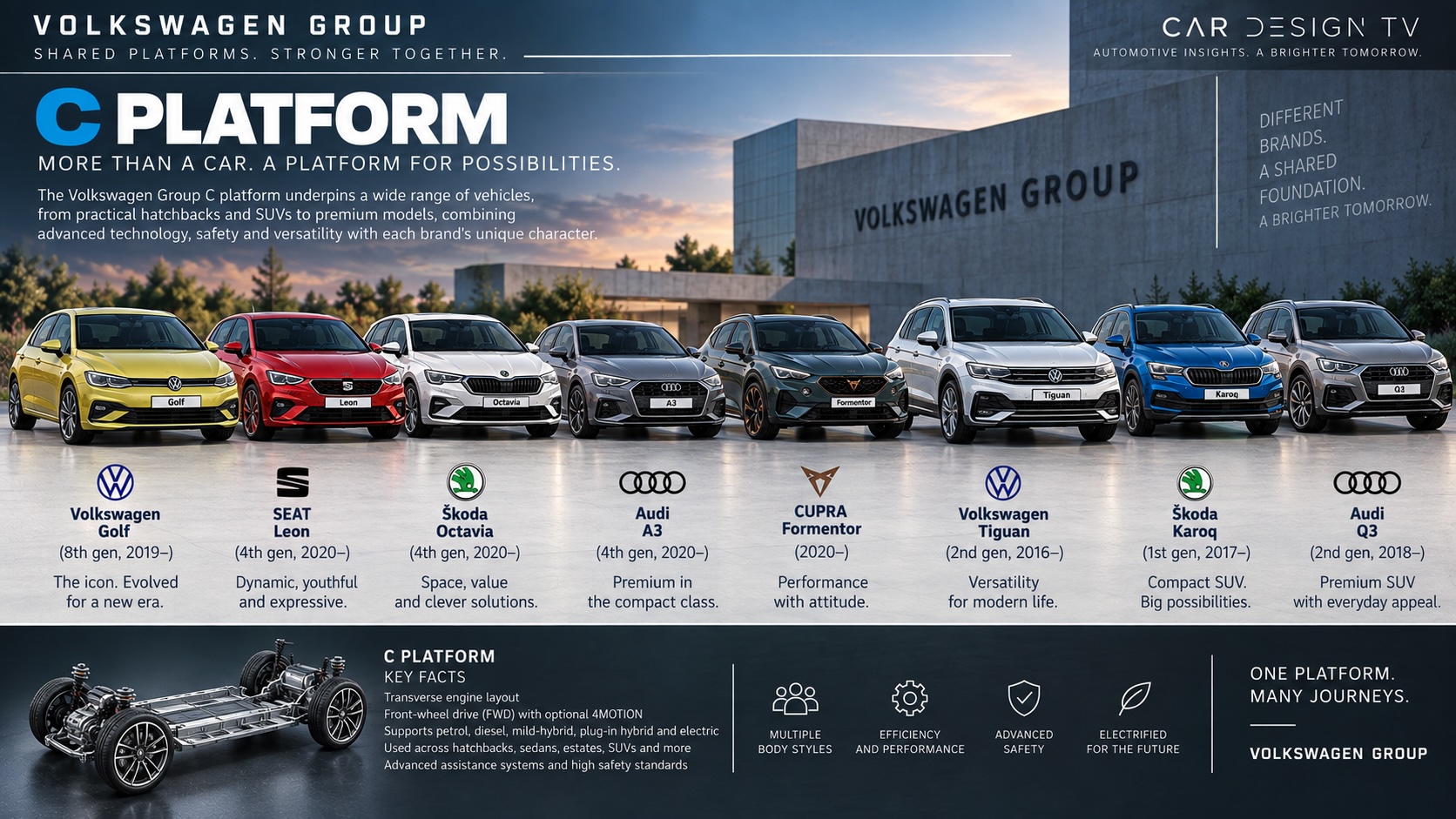
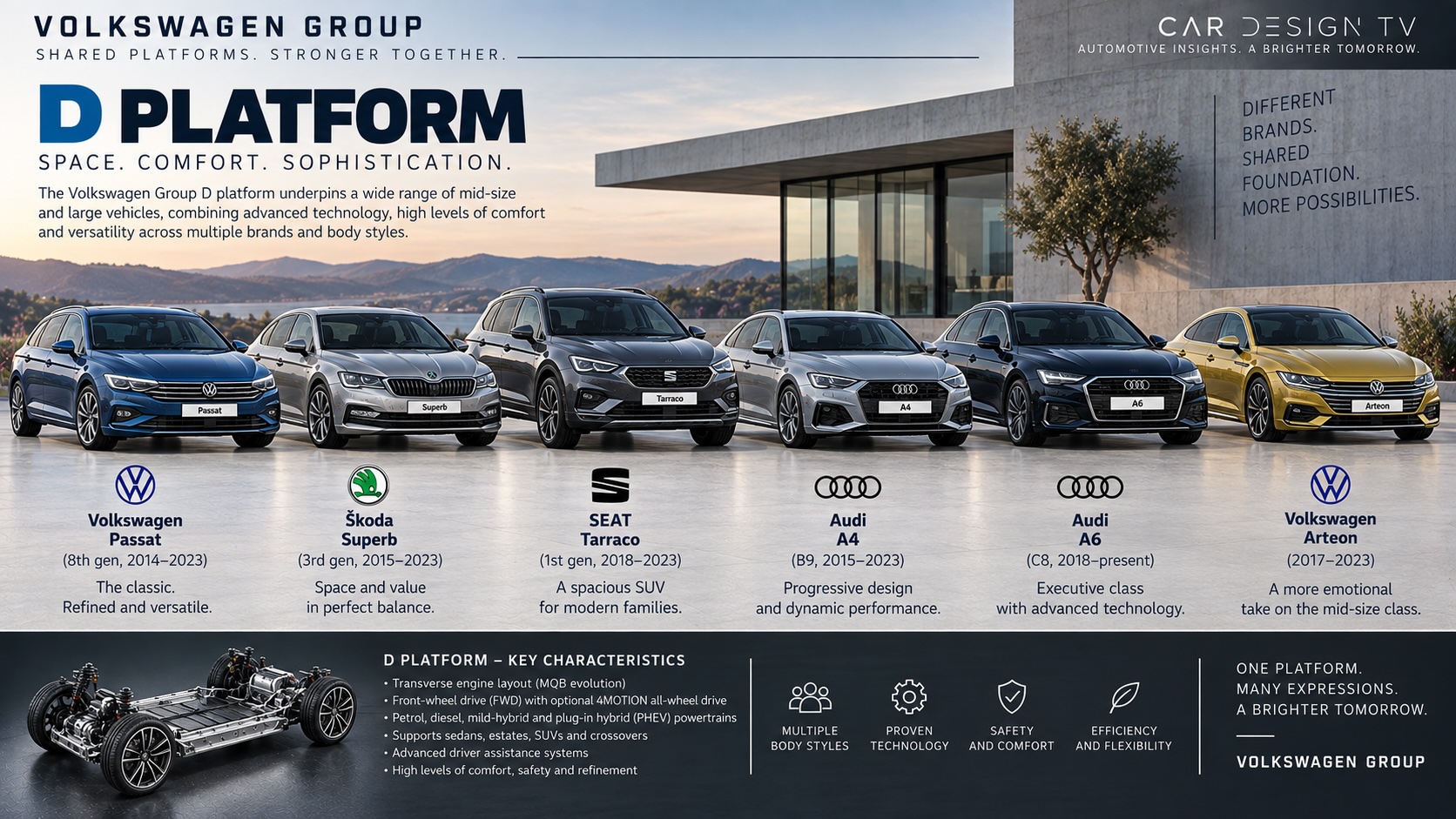
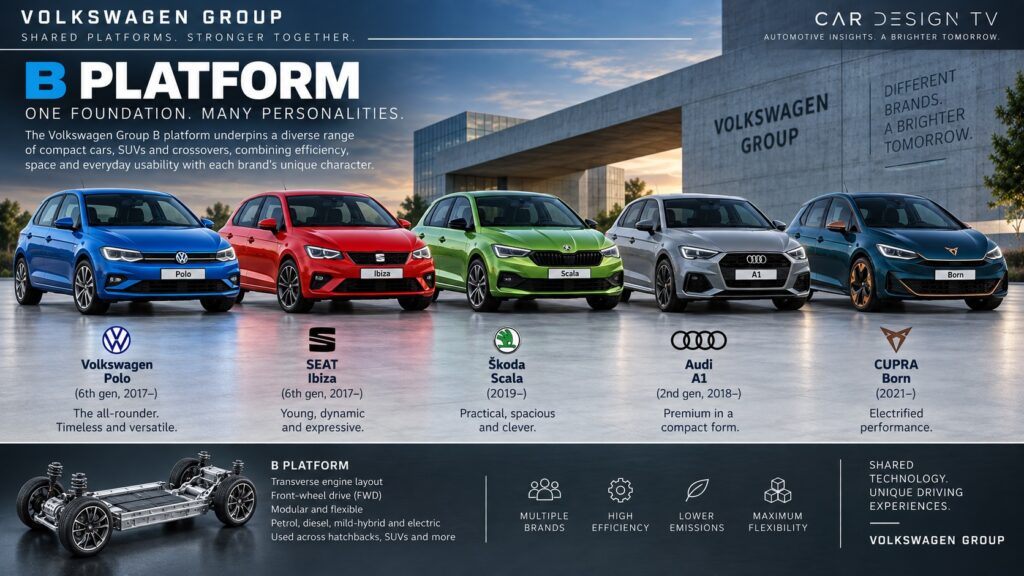
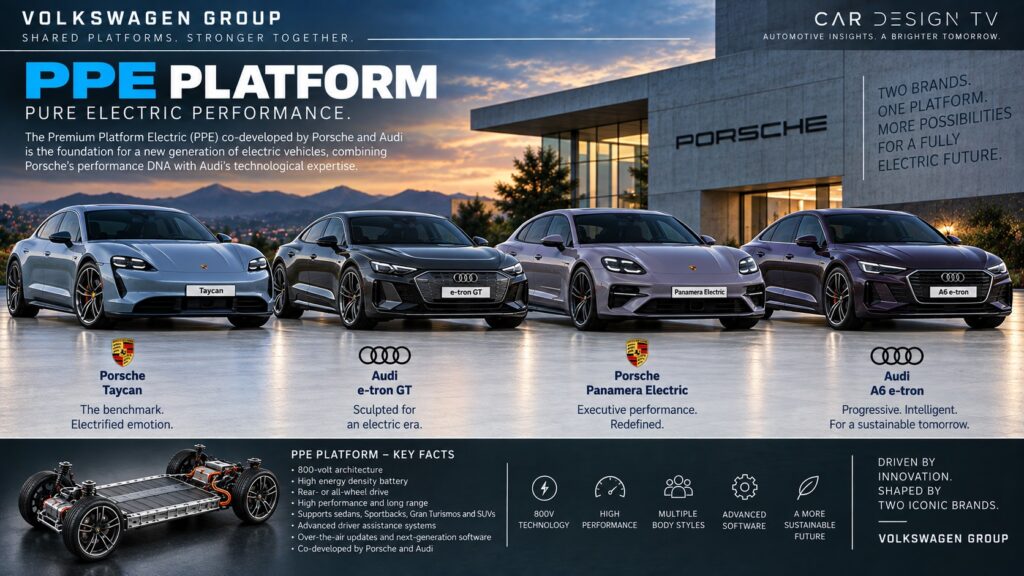
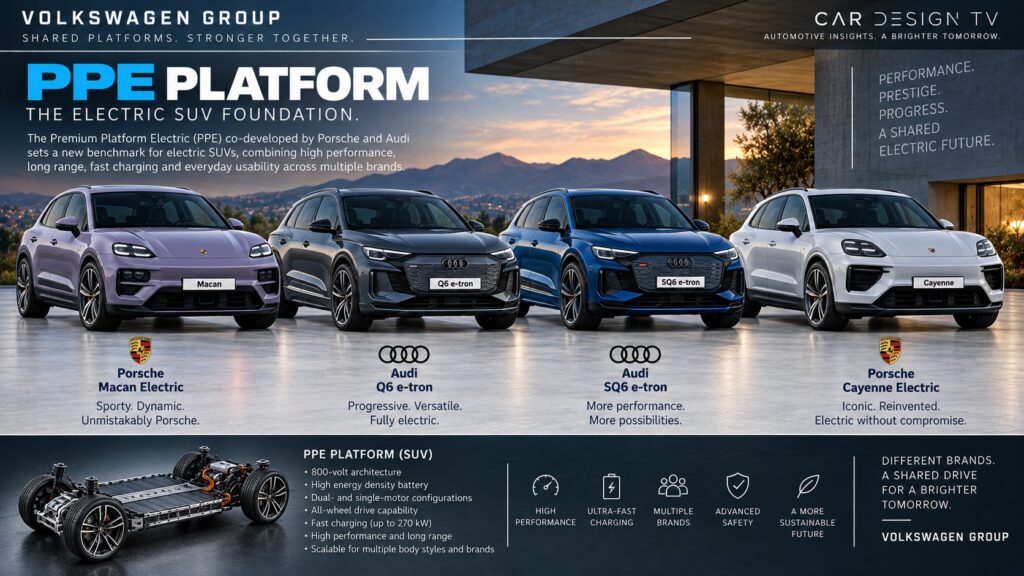
A Volkswagen, Škoda, CUPRA and Audi can share a substantial amount underneath their surfaces. Customers do not necessarily care whether suspension components, electric motors, electronic controllers or battery modules are common.
But they should care enormously about which one they want.
And increasingly that distinction has become blurred.
Volkswagen Is Competing With Volkswagen
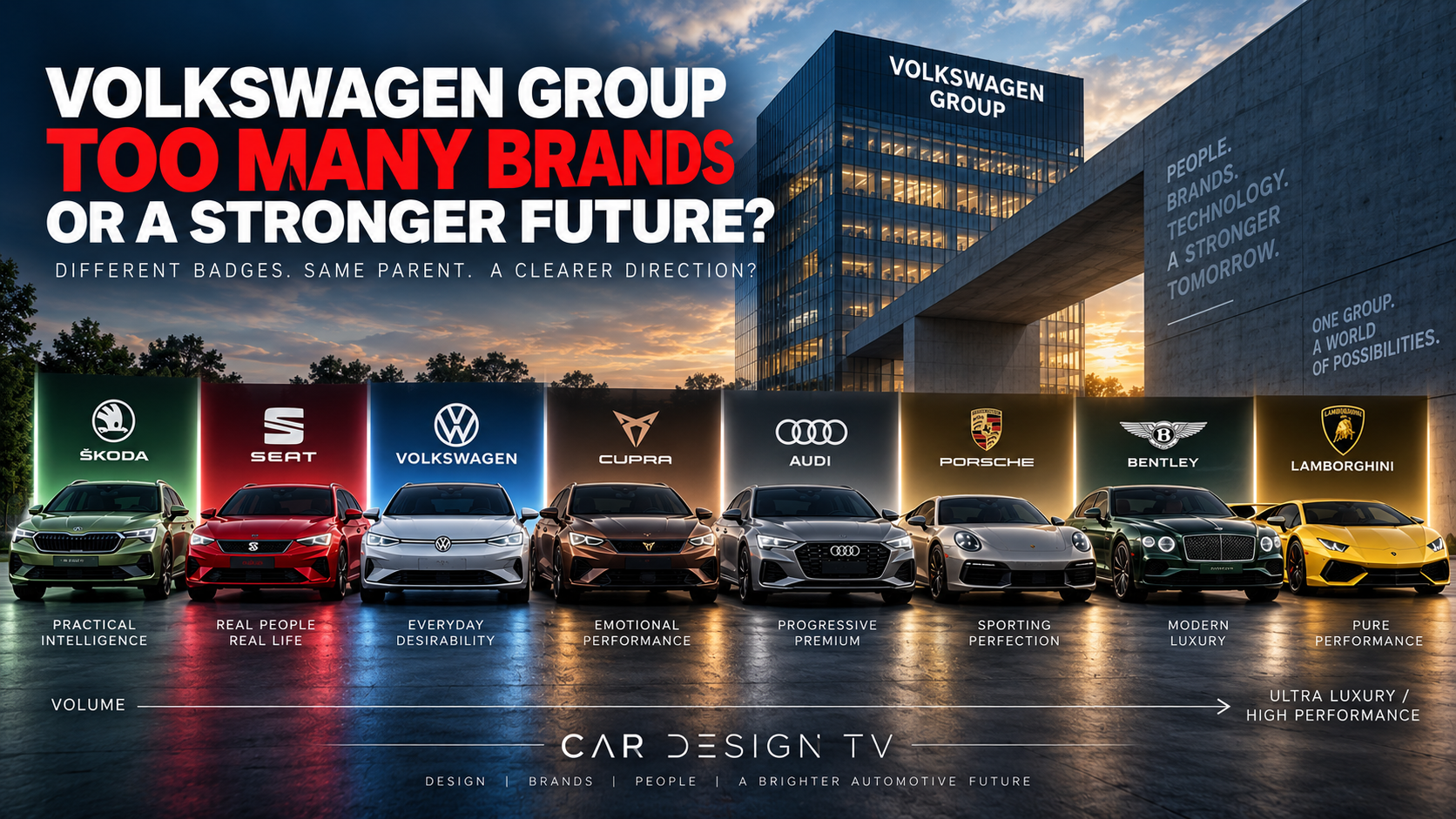
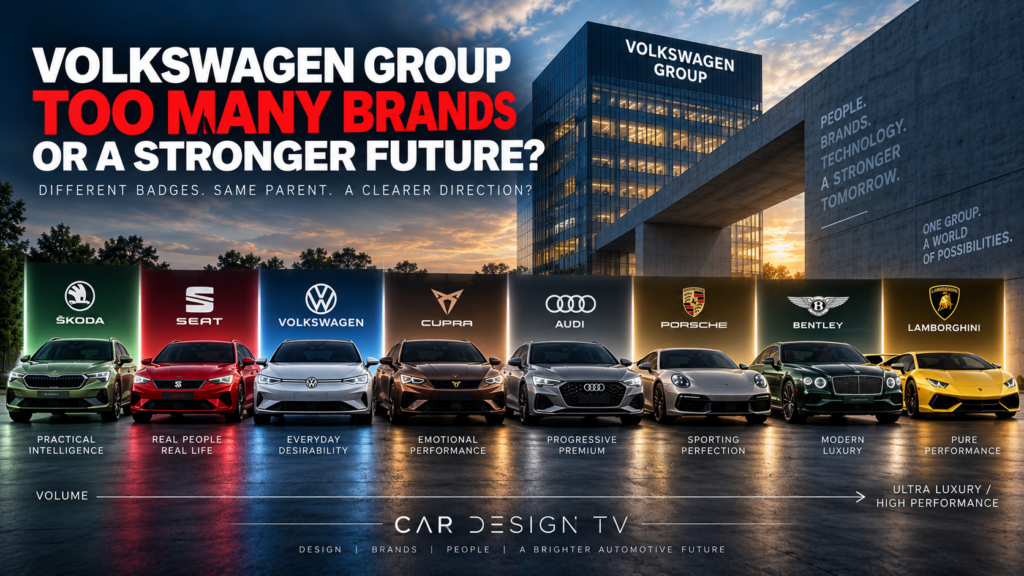
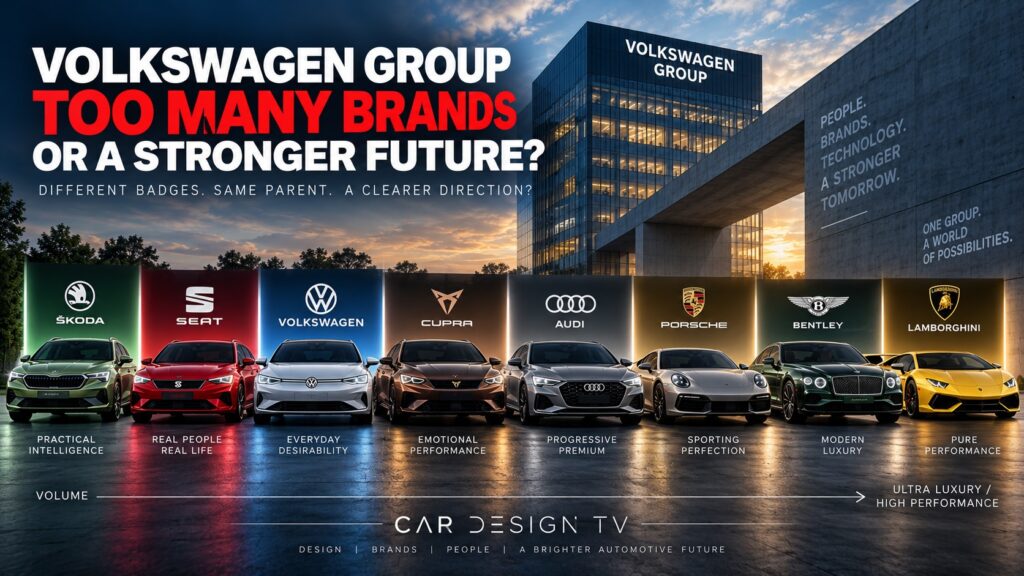
Look at the extraordinary portfolio Volkswagen Group controls:
- Škoda
- SEAT
- Volkswagen
- CUPRA
- Audi
- Porsche
- Bentley
- Lamborghini
And that is before considering the Group’s commercial vehicle activities and other specialist interests.
On an organisational chart, this enormous spread can look impressive. Volkswagen Group can theoretically offer a vehicle for almost every customer, from relatively affordable mainstream transportation through premium, sports, ultra-luxury and exotic automobiles.
But that only works if each brand occupies clearly defined territory.
Walk through the European marketplace and the distinctions become considerably less obvious at the volume end of the Group.
Škoda has evolved enormously from its original position as Volkswagen Group’s inexpensive Eastern European alternative. Its products are mature, well designed, spacious, technologically sophisticated and increasingly desirable. In many cases, Škoda offers customers essentially everything they genuinely need from a Volkswagen Group vehicle while providing exceptional practicality and value.
CUPRA, meanwhile, has been given permission to be emotional. Its designers can use stronger graphics, more aggressive proportions, unconventional materials, dramatic interiors and a much more distinctive visual identity.
Audi retains the strength of a globally recognised premium badge, despite facing its own identity challenges.
Porsche occupies a remarkably strong sporting and premium position.
Bentley has a clearly understandable ultra-luxury role.
Lamborghini needs virtually no explanation at all. Its purpose, image and customer proposition are unmistakable.
And somewhere in the middle sits Volkswagen.
That may actually be the most dangerous position in the entire Group.
What Is Volkswagen Supposed to Be?
This was one of the central conclusions of our earlier analysis, and subsequent developments have done little to change it.
Volkswagen risks becoming the Group’s default brand rather than its desirable brand.
The other brands increasingly have propositions that can be expressed remarkably simply:
- Škoda: the intelligent choice
- CUPRA: the emotional choice
- Audi: the premium choice
- Porsche: the sporting choice
- Bentley: the luxury choice
- Lamborghini: the exotic choice
So what is Volkswagen?
For decades there was a remarkably good answer.
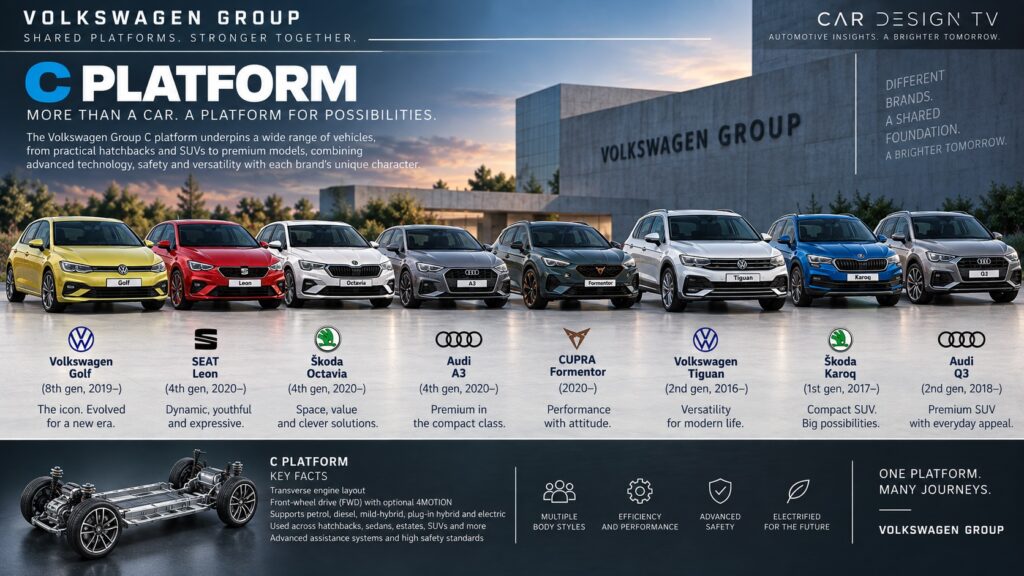
Volkswagen offered something approaching German engineering democracy. A Golf wasn’t a cheap car pretending to be expensive. It was a beautifully resolved mainstream car. A Passat wasn’t a junior Audi. It was an exceptionally competent Volkswagen. Even vehicles such as the Scirocco, Corrado, GTI and, at the other extreme, the Phaeton demonstrated that Volkswagen could occasionally surprise its customers.
There was engineering seriousness to the brand, but also character.
Somewhere along the way, seriousness increasingly became caution.
Many contemporary Volkswagens are perfectly competent automobiles. But competence is no longer sufficient when competitors from Korea, China and elsewhere can provide competence together with technology, theatre, design and increasingly convincing quality.
Worse still, Volkswagen’s most dangerous competitors may sometimes be sitting in the same corporate parking lot.
Škoda Should Never Make Volkswagen Look Ordinary
This is where the hierarchy becomes problematic.
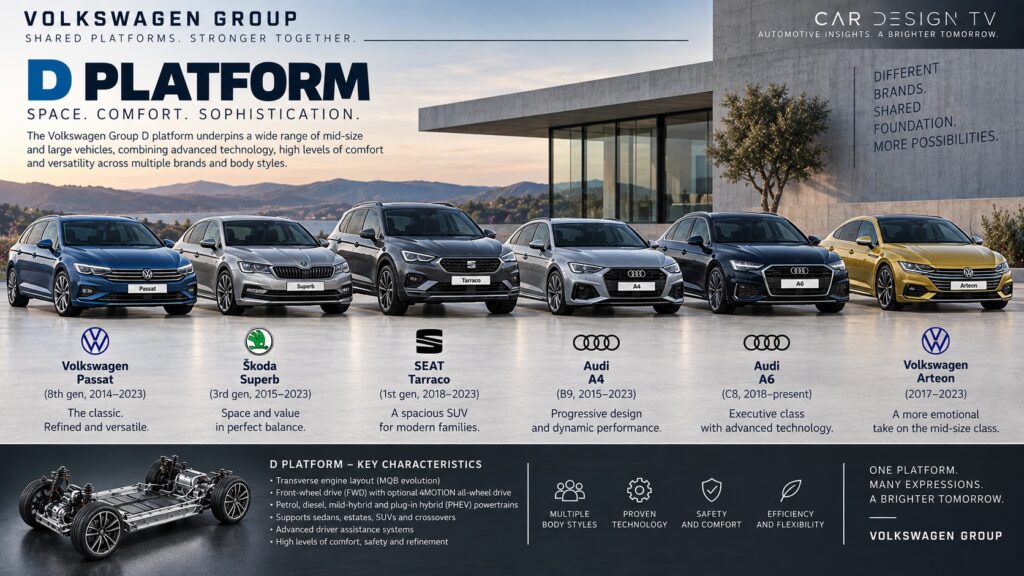
Historically, Volkswagen could justify sitting above Škoda because the Volkswagen generally felt like the more sophisticated product. Škoda provided extraordinary value by using proven Group technology in practical, rational products.
But Škoda has become exceptionally good at its job.
That success should be celebrated. The answer certainly isn’t to deliberately make Škoda worse.
Instead Volkswagen must become better.
The distinction cannot simply be a slightly different dashboard, different front and rear graphics and a higher price.
Volkswagen needs to offer something that Škoda deliberately does not.
That doesn’t necessarily mean more luxury. Trying to turn Volkswagen into a cheaper Audi merely moves the internal competition upstairs.
It needs a different philosophy:
- Škoda should own practical intelligence: exceptional packaging, usability, space, value and thoughtful everyday solutions.
- Volkswagen should own intelligent desirability: beautifully engineered, exceptionally resolved, contemporary products that feel more sophisticated than their price suggests.
Those are related propositions, but they are not the same.
A Škoda should make you think, That’s incredibly clever for the money.
A Volkswagen should make you think, I really want that.
At present, that second reaction is too often missing.
CUPRA Complicates the Equation
The creation and rapid expansion of CUPRA makes the issue even more interesting.
CUPRA has been an impressive branding achievement. What began as a performance derivative of SEAT became a standalone brand and has subsequently been allowed to establish an unusually strong personality.
But strategically, CUPRA also created another Volkswagen Group brand occupying roughly the same broad market territory.
The conventional explanation was straightforward: SEAT occupied the younger mainstream position while CUPRA moved upward as an emotional, sporting alternative, positioned between mainstream Volkswagen products and premium Audi models.
That sounds sensible until one considers just how narrow those spaces are becoming:
- A well-equipped Škoda can move upward.
- Volkswagen occupies the centre.
- CUPRA approaches from the emotional side.
- Audi reaches downward with its smaller products.
The Group therefore risks surrounding Volkswagen from every direction with its own brands.
And then there is SEAT.
Whether SEAT continues indefinitely in its traditional role or its position is gradually diminished in favour of CUPRA, the strategic question remains the same.
Was creating another brand above Volkswagen really the best solution when Volkswagen itself was already struggling to define what it stood for?
Don’t Start With the Brands. Start With the Customers.
Perhaps Volkswagen’s portfolio review should begin with a blank sheet of paper.
Forget temporarily that Volkswagen owns Volkswagen, Škoda, SEAT, CUPRA, Audi, Porsche, Bentley and Lamborghini.
Instead, start with four questions:
- Who is the customer?
- What does that customer value?
- Which external manufacturers are competing for that customer?
- What product does Volkswagen Group need to win that customer?
Only then decide which badge belongs on it.
This would fundamentally change the internal conversation.
A future Škoda shouldn’t primarily be positioned relative to a Volkswagen. It should be designed to defeat the strongest external competitors in its price and segment.
A CUPRA shouldn’t exist simply because there is theoretically room between Volkswagen and Audi. It should have a clearly identifiable customer who might otherwise buy an Alfa Romeo, MINI, Tesla, Hyundai N product or one of the increasingly sophisticated Chinese alternatives.
Audi shouldn’t merely receive more expensive versions of Group architectures. It must offer design, materials, technology, performance and ownership experience capable of competing convincingly against BMW, Mercedes-Benz and emerging premium EV manufacturers.
Porsche, Bentley and Lamborghini illustrate why this differentiation matters.
Nobody needs to explain why a Lamborghini and a Bentley both exist despite belonging to the same corporate group. Their missions are completely different. One represents extreme visual drama and exotic performance; the other represents craftsmanship, luxury and grand touring.
Likewise, Porsche has such a powerful identity that sharing technology within the Group does not automatically diminish the brand.
The differences are understood emotionally before they are explained technically.
That should be the benchmark for the rest of the Group.
Volkswagen itself should not be defined by the products above and below it.
Volkswagen needs to be defined by Volkswagen.
Every Brand Needs an External Enemy
This may be the simplest way to restructure the entire portfolio.
Every Volkswagen Group brand should have a clearly identifiable group of external competitors:
- Škoda: Toyota, Hyundai, Kia, Renault and increasingly Chinese value-oriented manufacturers.
- Volkswagen: Peugeot, Toyota, Hyundai, Kia, Ford and sophisticated Chinese mainstream brands.
- CUPRA: MINI, Alfa Romeo, Hyundai N and other emotional or performance-oriented alternatives.
- Audi: BMW, Mercedes-Benz, Lexus and emerging premium Chinese manufacturers.
- Porsche: Ferrari, Aston Martin, McLaren and high-performance Mercedes-AMG and BMW M products where appropriate.
- Bentley: Rolls-Royce and the highest levels of the luxury market.
- Lamborghini: Ferrari, McLaren and the next generation of exotic performance manufacturers.
Obviously these boundaries cannot be absolute. There will always be overlap.
But the primary battlefield should be outside the Group.
When a Volkswagen product team spends more time worrying about the equivalent Škoda than the equivalent Toyota, Hyundai, Kia or Chinese competitor, something has gone wrong.
Fewer Models Could Actually Be an Opportunity
Volkswagen’s restructuring could provide exactly the opportunity required.
A substantially leaner product portfolio need not simply be a cost-saving exercise.
It could become a brand clarification exercise.
Instead of maintaining every conceivable crossover size and derivative because a competing Group brand has one, Volkswagen could eliminate products that lack a distinct purpose.
Every remaining model should have to answer three questions:
- Who is it for?
- Which external product is it intended to beat?
- Why should it exist alongside the other Volkswagen Group products using the same architecture?
If the answer to the third question amounts to little more than styling, equipment and badge, perhaps that vehicle should not exist.
This could reduce engineering complexity, marketing expenditure, tooling, inventory and production requirements while simultaneously making each remaining model more meaningful.
That would be considerably healthier than simply spreading fewer sales across too many superficially differentiated products.
The Volkswagen Brand Needs a Design Renaissance
There is also an uncomfortable design issue that restructuring alone cannot solve.
Volkswagen needs more desirable cars.
Not necessarily more aggressive cars. Not more complicated cars. And certainly not cars covered in arbitrary creases, illuminated graphics and enormous screens simply because those elements are currently fashionable.
Volkswagen’s greatest design periods were often based on restraint.
The difference is that restraint and anonymity are not the same thing.
The best Volkswagens possessed exceptionally disciplined proportions, strong graphics, excellent stance and an almost architectural simplicity. They looked inevitable rather than decorated.
That philosophy could be extraordinarily relevant today.
Against increasingly theatrical Chinese products and visually complicated competitors, Volkswagen could once again become the master of confident simplicity.
But simplicity has to be beautifully executed.
Panel relationships, stance, glass-to-body proportions, wheel positioning, lighting graphics, material transitions, switchgear and user interfaces all become more important when decoration is removed.
Minimalism without obsessive execution simply looks cheap.
Volkswagen has already indicated that future products will concentrate more heavily on quality, value, functionality, intuitive operation and a clearer design language. The return of physical controls for important functions is one encouraging example.
But this must become much more than a product-development correction.
Volkswagen needs an emotional reset.
Volkswagen Doesn’t Need to Become CUPRA
There is another potential trap.
The answer to Volkswagen’s perceived dullness is not to make Volkswagen more like CUPRA.
That would simply create more internal competition.
CUPRA should be allowed to be provocative.
Volkswagen should be confident.
Those are very different design qualities.
A Volkswagen does not need bronze trim, dramatic lighting animations, extreme graphics or deliberately aggressive forms to become desirable.
Think instead about what made the original Golf so powerful.
It was:
- Clear
- Modern
- Rational
- Beautifully proportioned
- Distinct from the ageing conventional cars surrounding it
Volkswagen needs to rediscover that ability to make rationality look progressive.
There is enormous room in today’s automotive market for a brand that rejects unnecessary visual complexity while delivering exceptionally sophisticated design.
That could become Volkswagen’s territory.
The ID. Era Should Probably End as a Separate Era
Volkswagen’s move toward combining its established model names with its electric products is therefore significant.
It suggests that the company has recognised that throwing away decades of model equity in names such as Golf and Polo was questionable.
The electric Volkswagen should not feel like a technological sub-brand living beside the real Volkswagen.
It should simply be a Volkswagen.
The transition to electric propulsion should eventually become invisible from a branding perspective. Customers don’t need to buy Volkswagen’s electrification strategy. They need to buy a Polo, Golf, Tiguan or whatever future Volkswagen best suits their lives, powered by whichever technology makes sense for that market and period.
The product should come first.
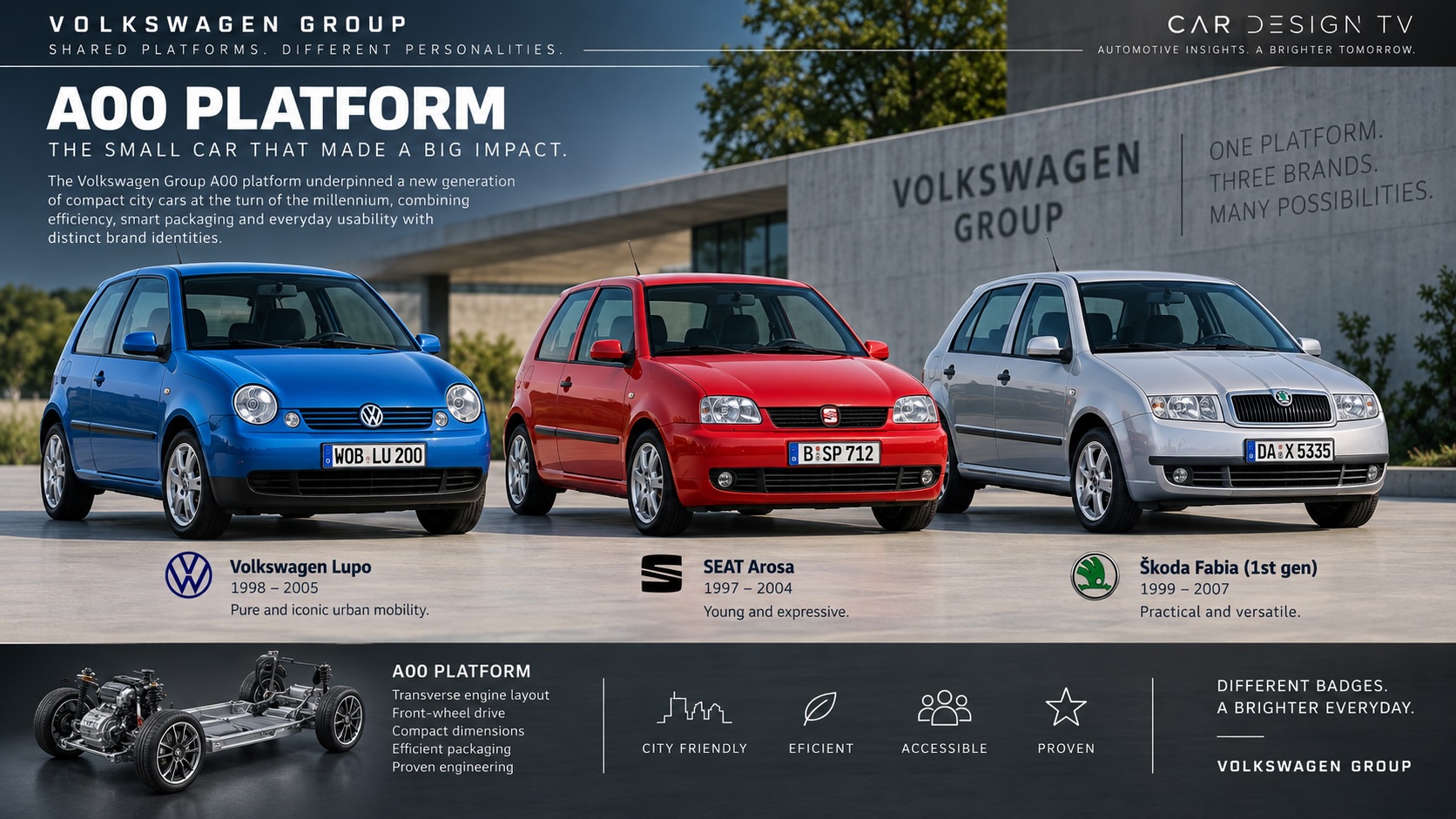
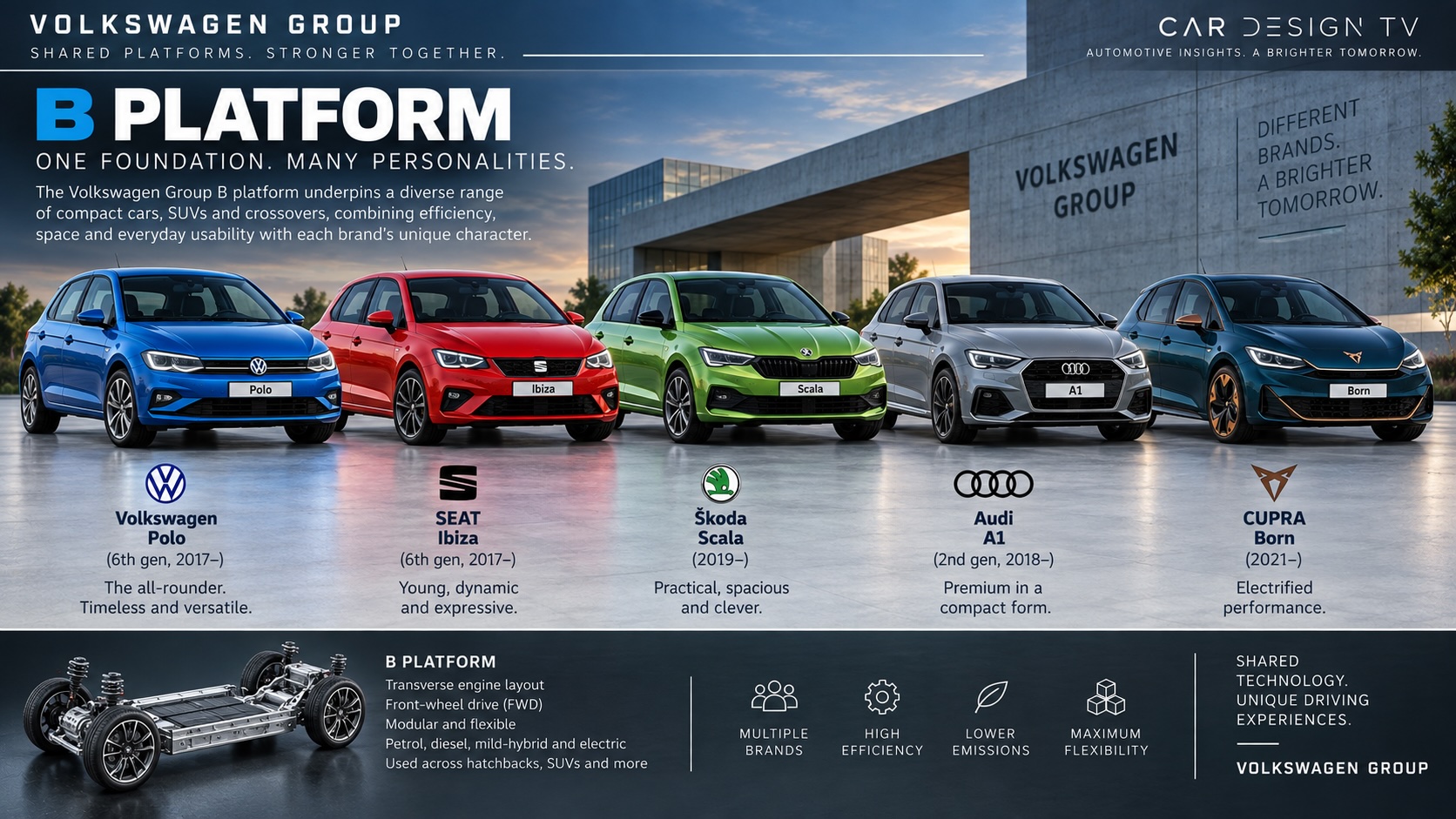
Shared Engineering, Separate Personalities
Ironically, Volkswagen’s drive toward greater technical consolidation could make stronger brand differentiation more important rather than less.
Common technology should be considered an enormous corporate advantage. Volkswagen should aggressively share the expensive things customers cannot see:
- Battery modules
- Electric motors
- Software architecture
- Electronics
- Structural components
- Development resources
- Manufacturing facilities
Then hide as much of that commonality from the customer as possible.
The visible and experiential elements should become much more brand-specific:
- Give Škoda its packaging.
- Give CUPRA its emotion.
- Give Volkswagen its precision.
- Give Audi its progressive premium character.
- Give Porsche its engineering-driven performance.
- Give Bentley its craftsmanship and luxury.
- Give Lamborghini its theatre.
Allow different seating positions, different interior architectures, different graphics, different suspension tuning, different material philosophies and, where economically possible, sufficiently different proportions.
The customer should never need a specification sheet to understand why these vehicles exist.
The difference should be apparent from twenty metres away and obvious within thirty seconds of sitting inside.
What About SEAT?
SEAT may be the most difficult decision of all.
There is genuine heritage and substantial recognition in the name, particularly in Southern Europe. Simply abandoning that equity should not be done casually.
But preserving a brand also requires giving it somewhere meaningful to live.
If CUPRA permanently owns Spanish emotion and performance, Škoda owns value and practicality, and Volkswagen occupies sophisticated mainstream territory, finding an economically viable and globally scalable role for SEAT becomes difficult.
The solution should not be to manufacture another artificial niche simply to justify keeping the badge.
Nor should CUPRA automatically be expanded into every segment previously occupied by SEAT.
That could be equally dangerous.
Part of CUPRA’s attraction comes from its relative focus and distinctiveness. Filling every market niche with CUPRA crossovers, hatchbacks and derivatives could eventually turn CUPRA into precisely the conventional volume brand it was created to escape.
Scarcity of purpose can be valuable.
Volkswagen should therefore decide SEAT’s future based not on nostalgia and not on factory politics, but on whether the brand can serve a clearly identifiable customer better than another Group brand can.
If it can, invest in it.
If it cannot, preserving it indefinitely merely perpetuates the problem.
Bentley and Lamborghini Show That the Strategy Can Work
Ironically, Volkswagen Group already demonstrates at the top of its portfolio that extensive corporate integration does not necessarily destroy individuality.
A Bentley does not feel like a Lamborghini.
A Lamborghini does not feel like a Porsche.
A Porsche does not feel like an Audi.
There may be technologies, architectures, components and corporate resources connecting them behind the scenes, but their identities remain strong enough that customers largely don’t care.
Nobody looks at a Lamborghini Urus and concludes that Lamborghini has become meaningless simply because there are engineering relationships elsewhere within the Volkswagen Group.
Why?
Because Lamborghini’s identity overwhelms the commonality.
The same principle should apply further down the organisation.
If Volkswagen, Škoda and CUPRA feel too similar, the problem isn’t necessarily that they share too much engineering.
It may simply be that they don’t possess enough individual character to disguise it.
Reorganise the Portfolio Before Reorganising the Factories
Oliver Blume faces an extraordinarily difficult task.
Volkswagen is a vast industrial organisation with hundreds of thousands of employees, enormous political importance, powerful labour representation, expensive manufacturing infrastructure and a global market changing faster than at perhaps any point in the company’s history.
Several things clearly have to happen:
- Costs have to come down.
- Factory utilisation must be addressed.
- Management structures need to become leaner.
- Development cycles need to become dramatically faster.
But those measures primarily make Volkswagen more efficient at producing cars.
They do not automatically determine whether Volkswagen is producing the right cars.
That distinction may decide the Group’s future.
The restructuring should therefore go much deeper than factories, headcount and organisational charts.
Volkswagen Group needs a complete product and brand audit:
- Every brand needs a defined customer.
- Every model needs a defined opponent.
- Every product needs a reason to exist.
- Those opponents should overwhelmingly come from outside the Volkswagen Group.
The ultimate measure of success shouldn’t be whether Volkswagen can build a Volkswagen, Škoda and CUPRA more cheaply from the same architecture.
It should be whether the Volkswagen beats the best competing mainstream car, the Škoda beats the best value-oriented competitor, the CUPRA beats the most desirable sporting alternative and the Audi beats the premium establishment.
Further upward, Porsche, Bentley and Lamborghini demonstrate how powerful a multi-brand organisation can become when each brand possesses an unmistakable purpose.
That should be the model for the entire Group.
If two Volkswagen Group products are primarily fighting each other for the same customer, one of them is probably in the wrong place.
Volkswagen’s factories may indeed need restructuring.
Its workforce may unfortunately have to become smaller.
Its organisation certainly needs to become faster.
But none of those measures addresses the fundamental question that comes before all of them:
Why should somebody want a Volkswagen?
Until Wolfsburg can answer that question as convincingly as Škoda, CUPRA, Audi, Porsche, Bentley and Lamborghini answer it for their own products, the Group’s biggest problem isn’t how many cars its factories can build.
It is deciding which cars they should be building in the first place.