Citroën 2 CV Concept: Reinventing Simplicity for the Electric Age
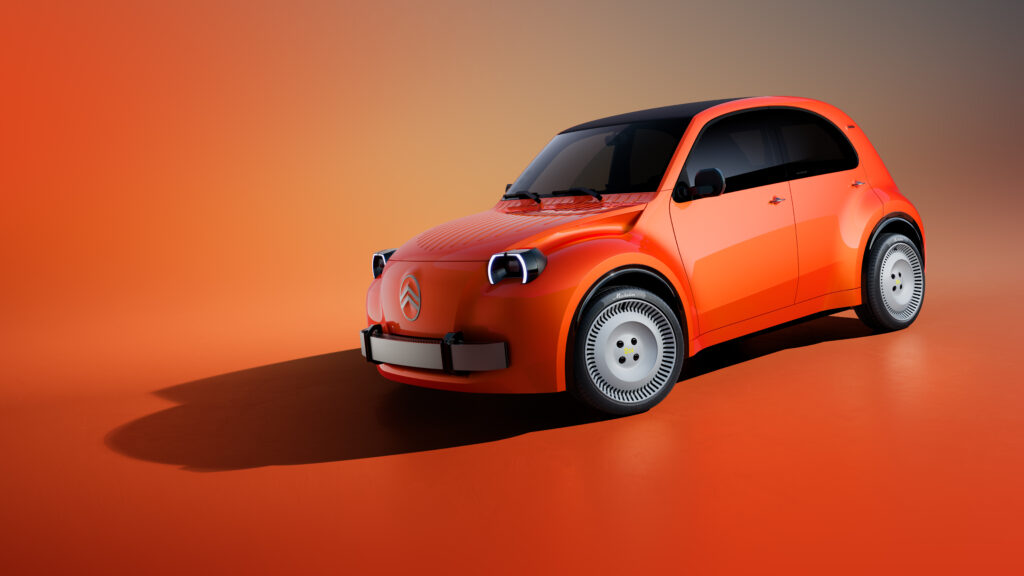
Citroën has unveiled one of the most interesting concepts at the 2026 Paris Motor Show, bringing back one of the most recognizable and beloved automobiles in history. The new Citroën 2 CV Concept reinterprets the legendary Deux Chevaux as a compact, affordable electric car, combining the original’s unconventional character with a contemporary approach to design, comfort and everyday practicality.
Unlike many modern concept cars that concentrate on extreme performance, elaborate technology or increasingly complicated styling, the 2 CV Concept returns to a philosophy that has largely disappeared from today’s automotive industry: providing exactly what people need without making the vehicle unnecessarily expensive, heavy or complicated.
More importantly, Citroën is not simply celebrating its past. The concept previews a new European-built electric model expected by 2028, with an ambitious starting price of approximately €15,000.

A Familiar Shape With Contemporary Proportions
The original Citroën 2 CV was introduced in 1948 as an extraordinarily practical solution to affordable personal transportation. Its unconventional proportions, distinctive rounded bodywork and minimalist construction were determined primarily by functionality rather than fashion.
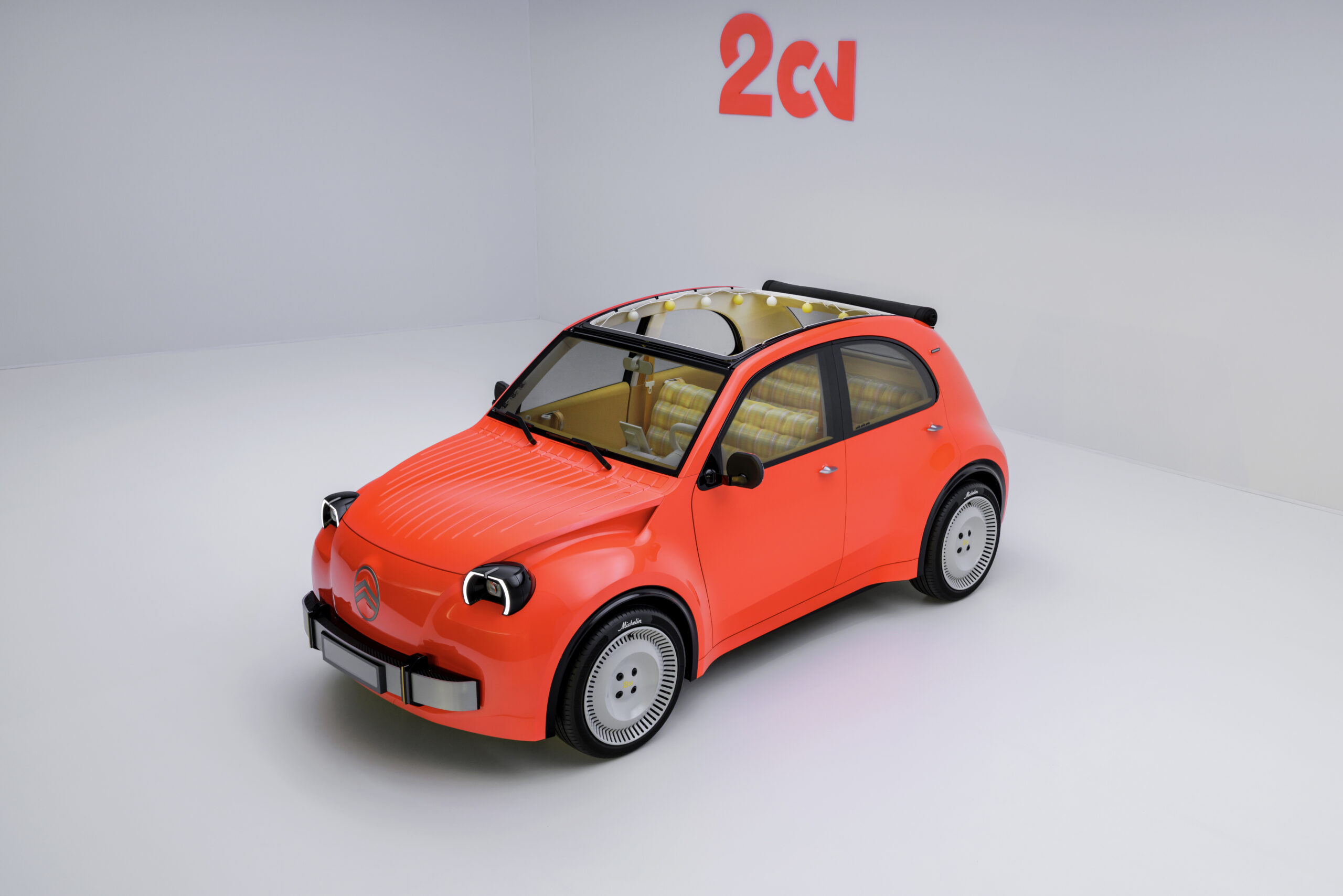
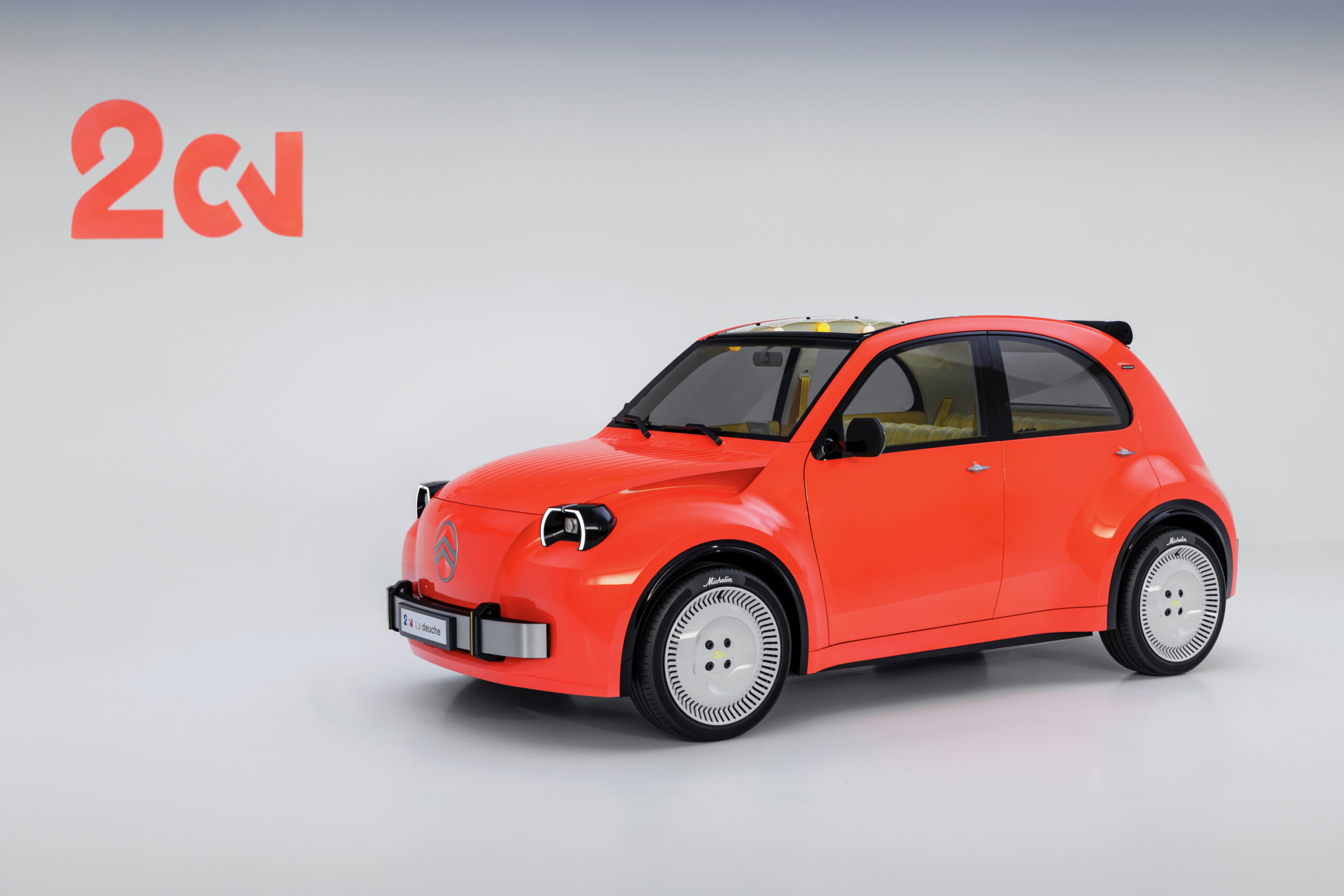
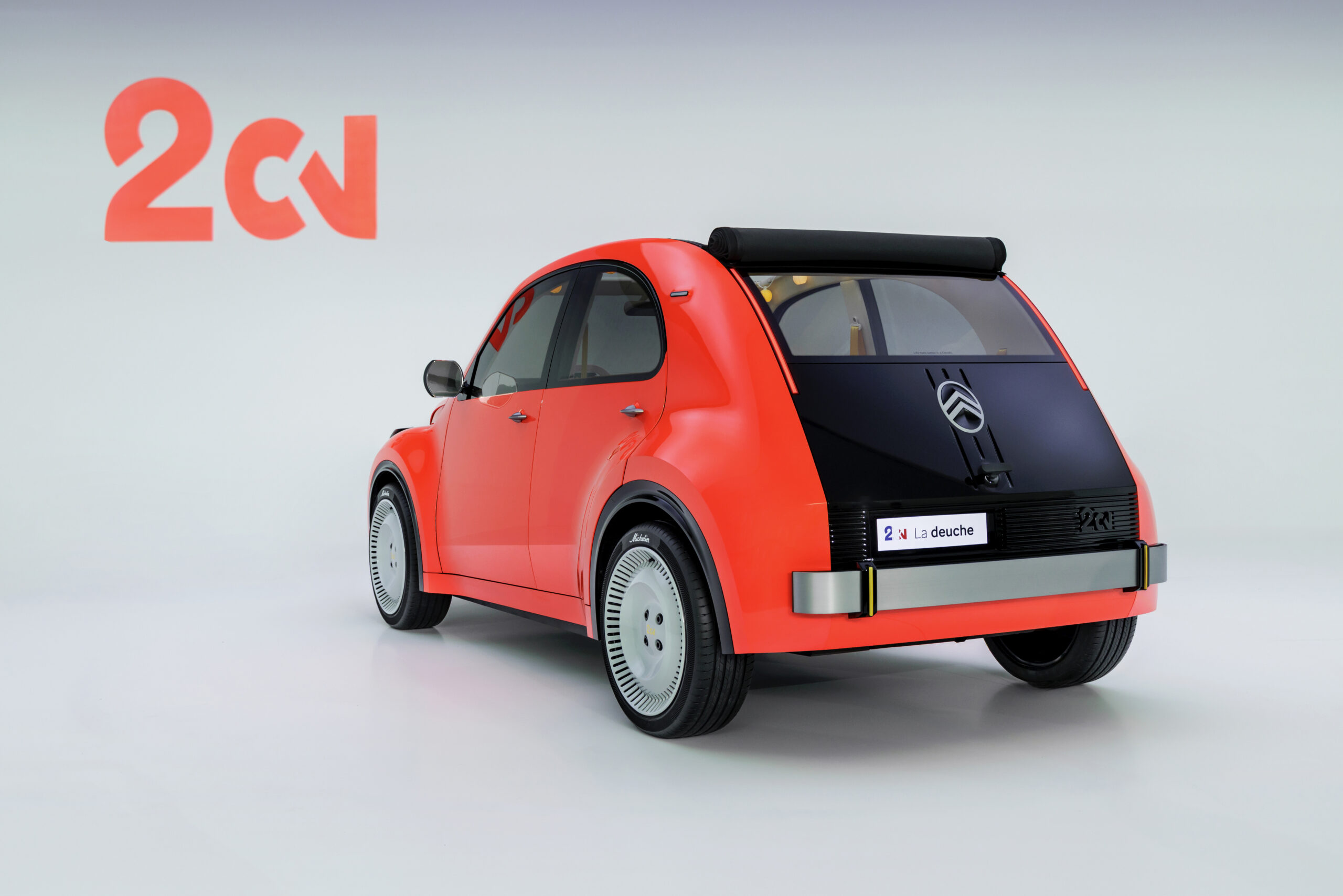
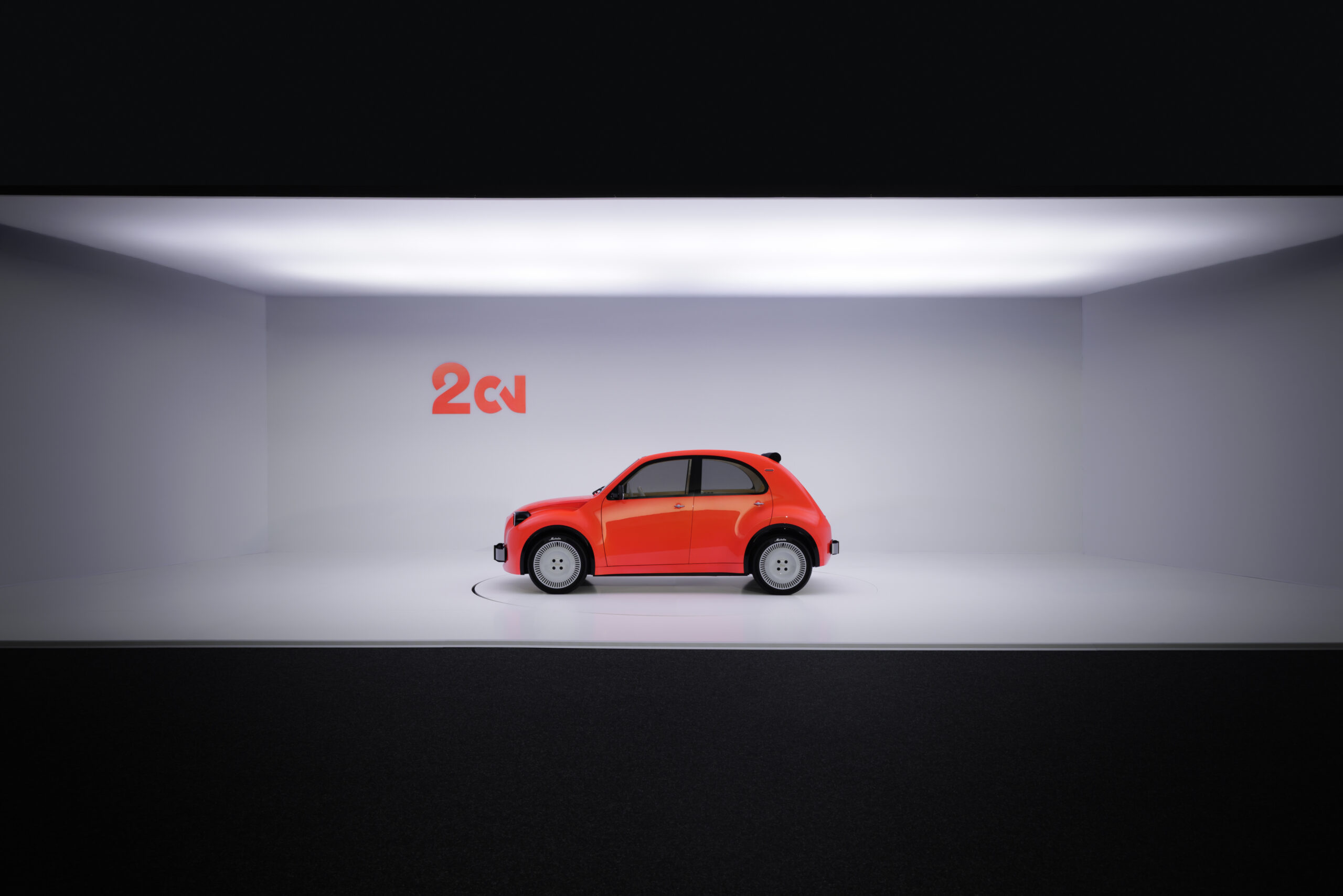
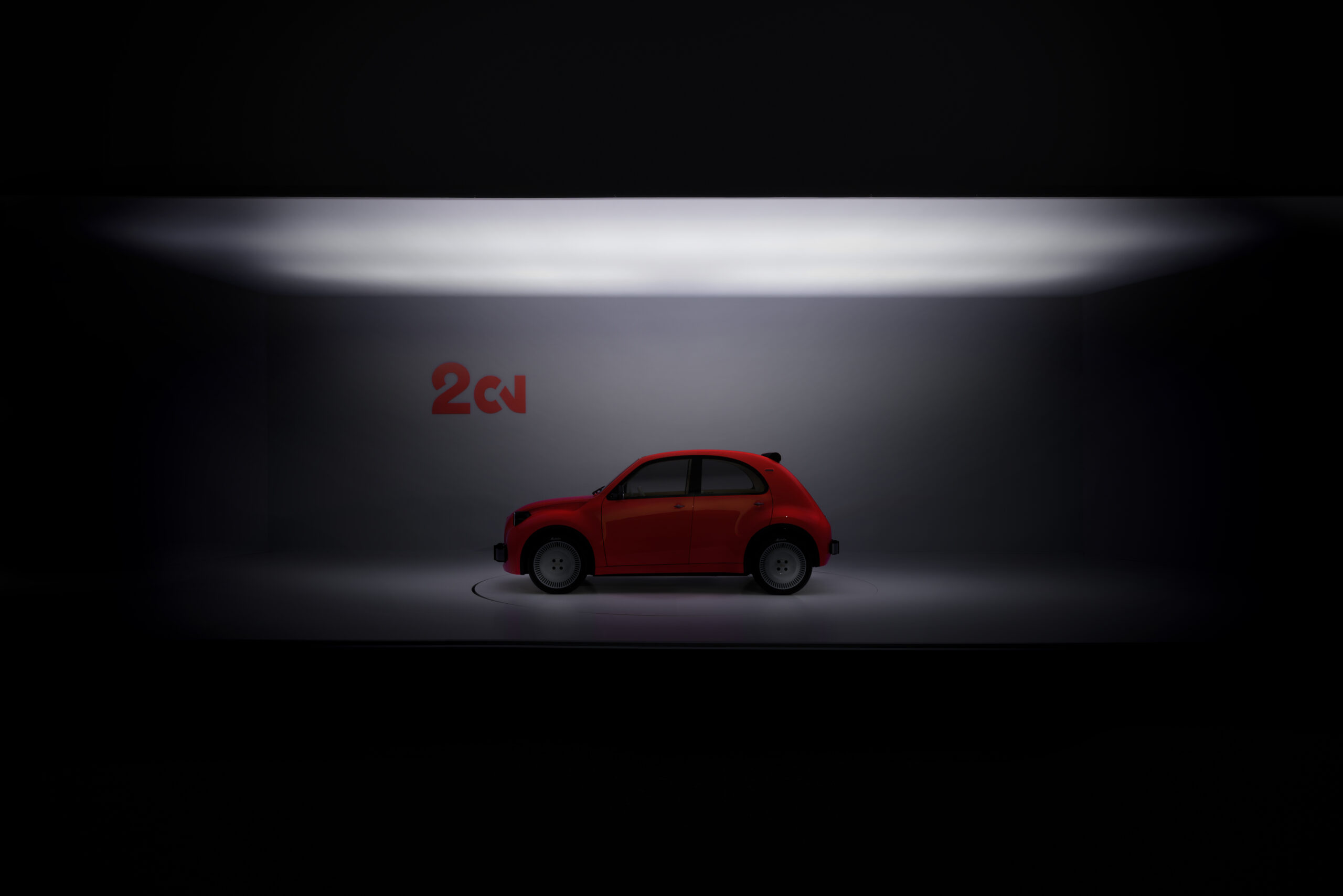
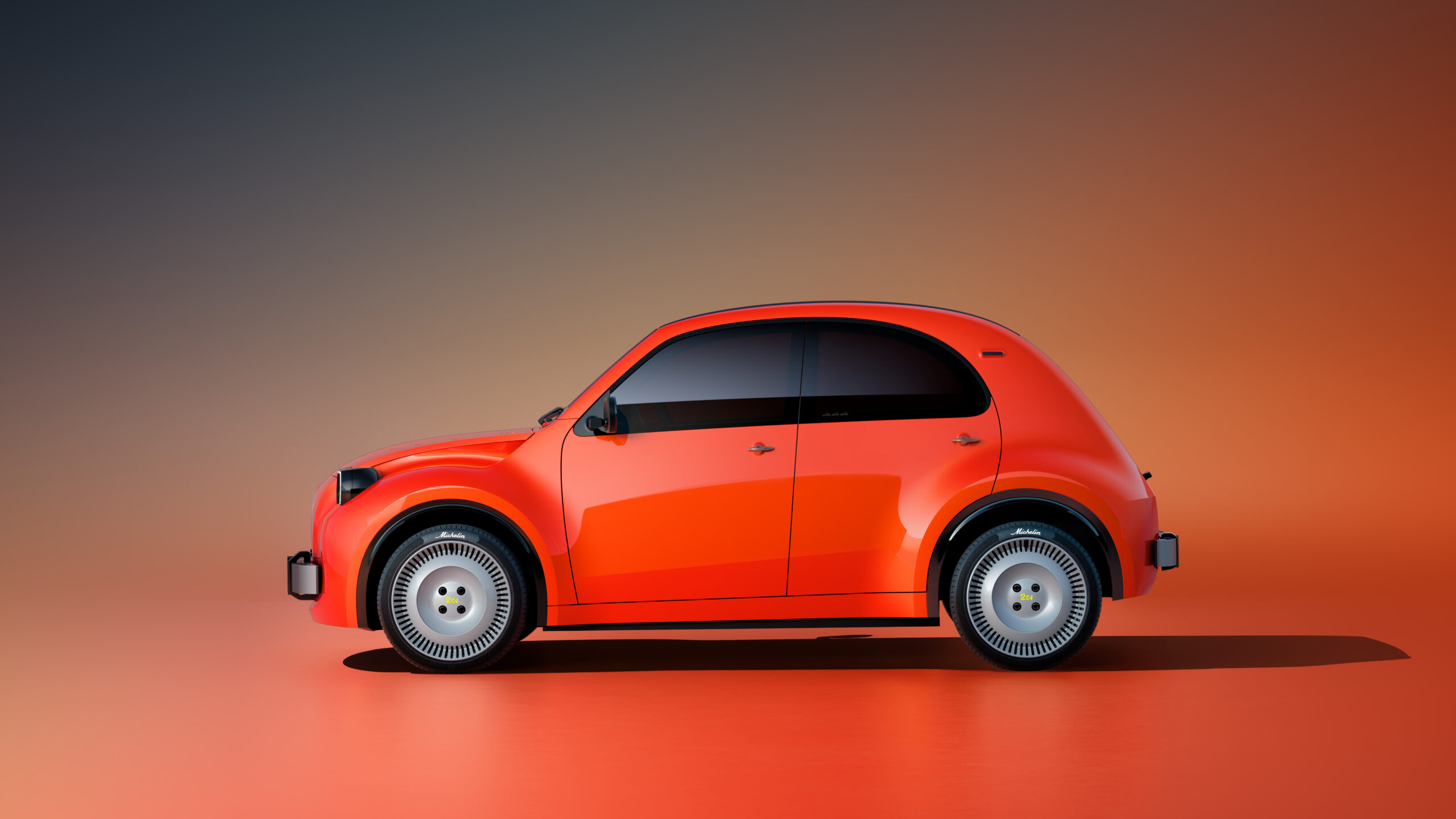
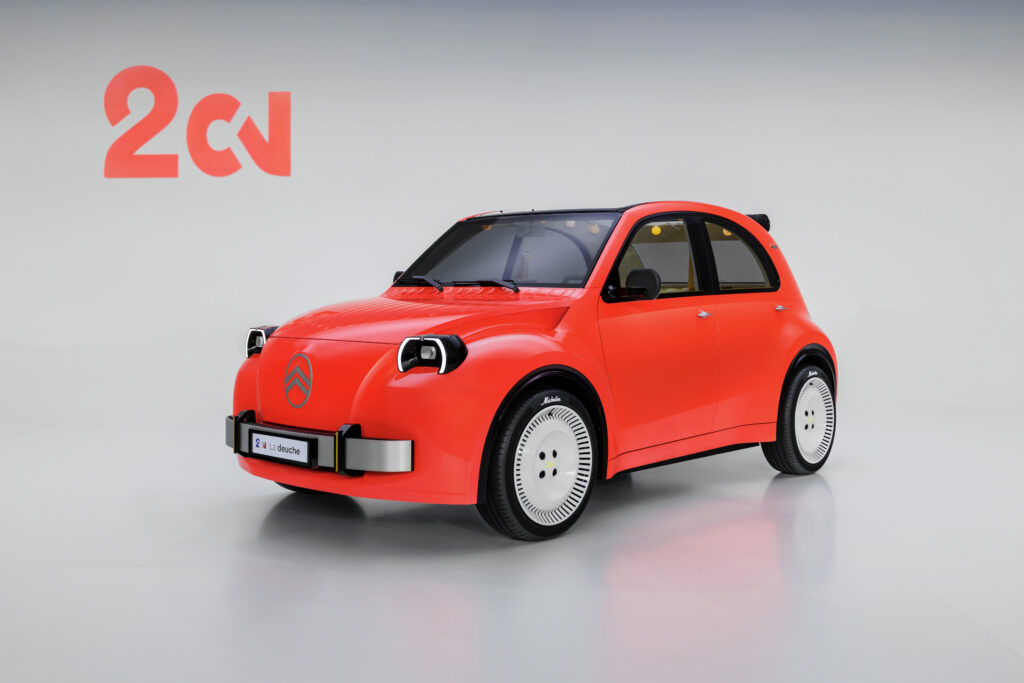
The new concept preserves that recognizable identity while giving it a much more contemporary appearance. Measuring just 3.76 metres long, it is actually shorter than the original 2 CV, an unusual achievement in an industry where successive generations of vehicles almost invariably become larger.
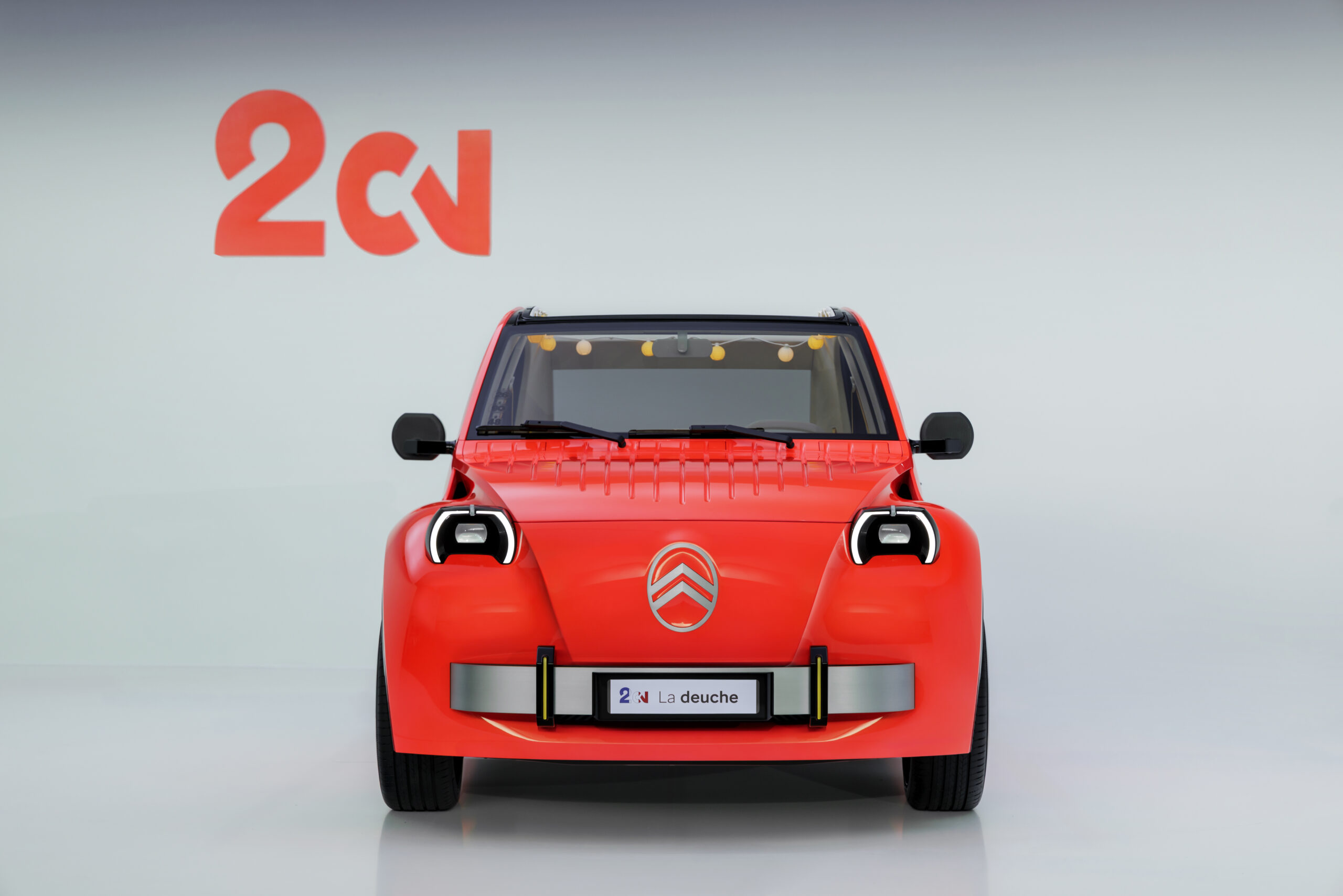
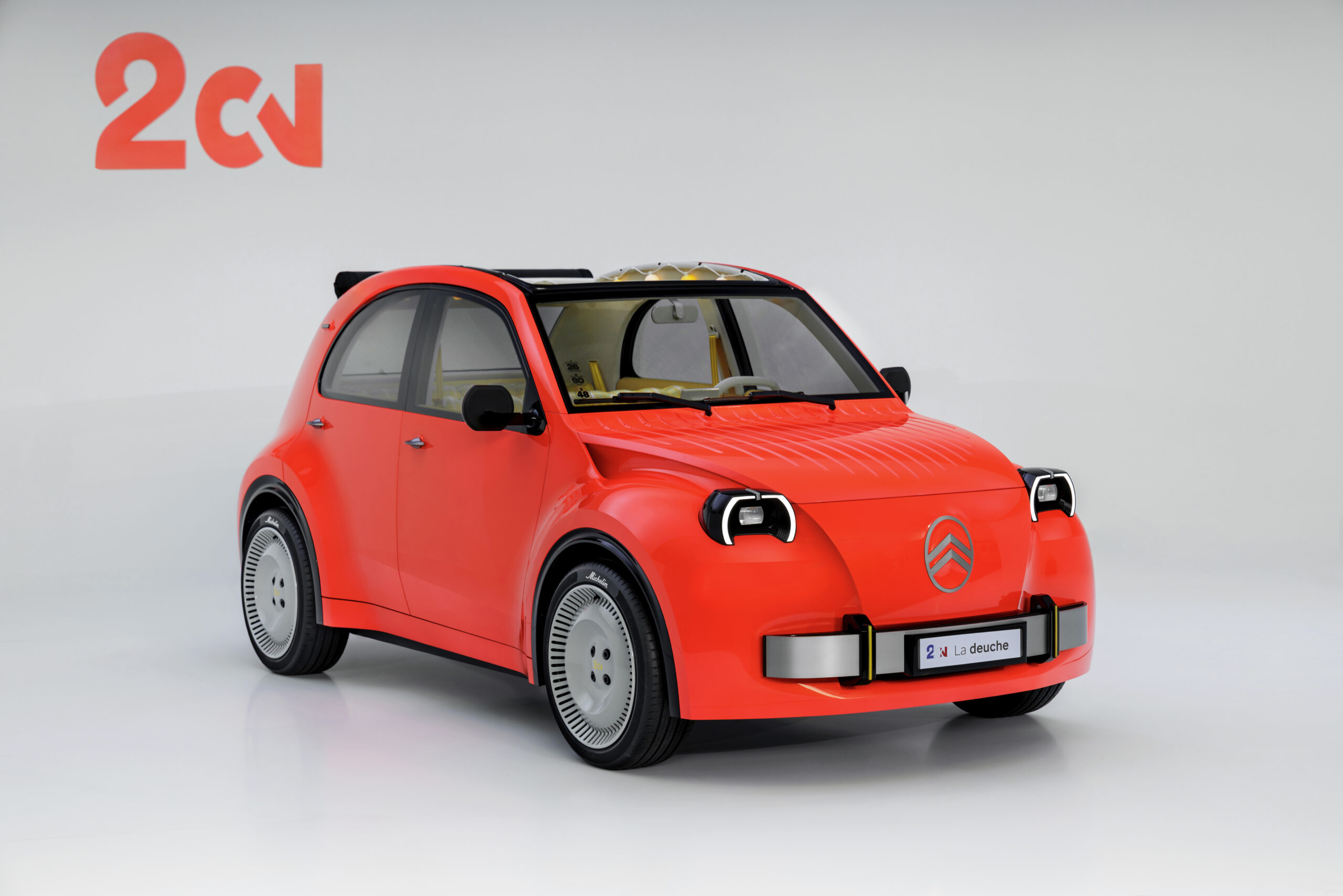
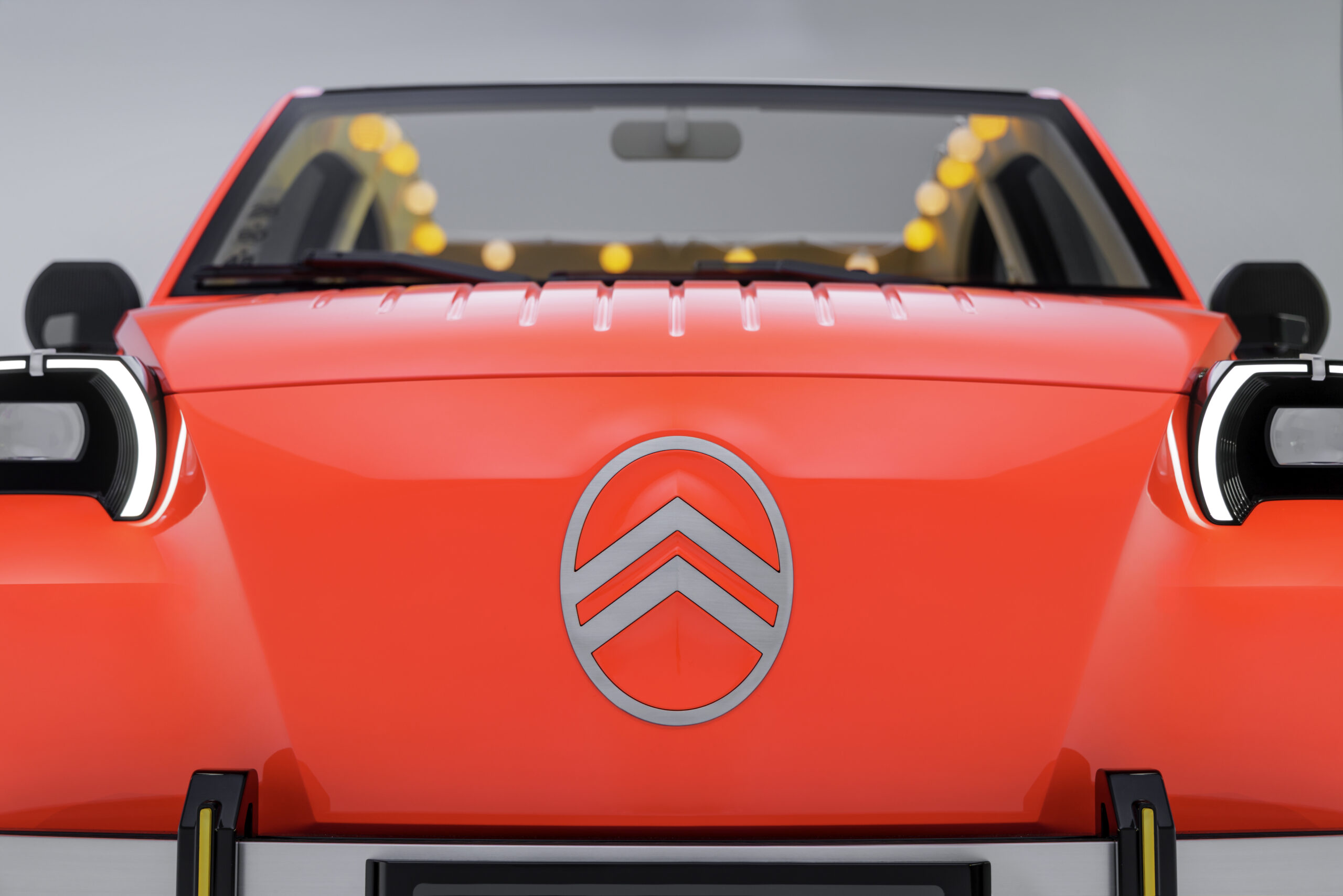
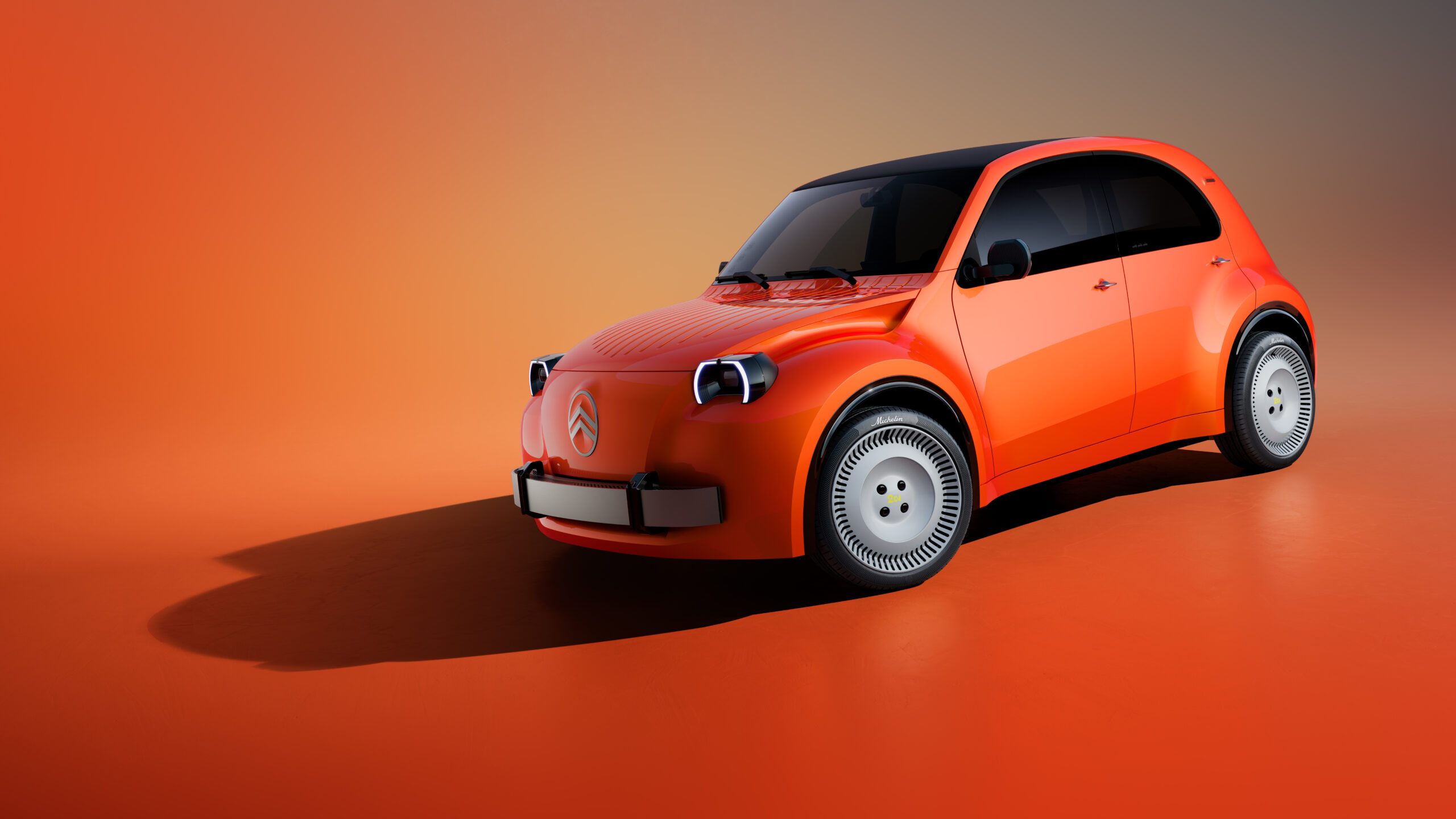
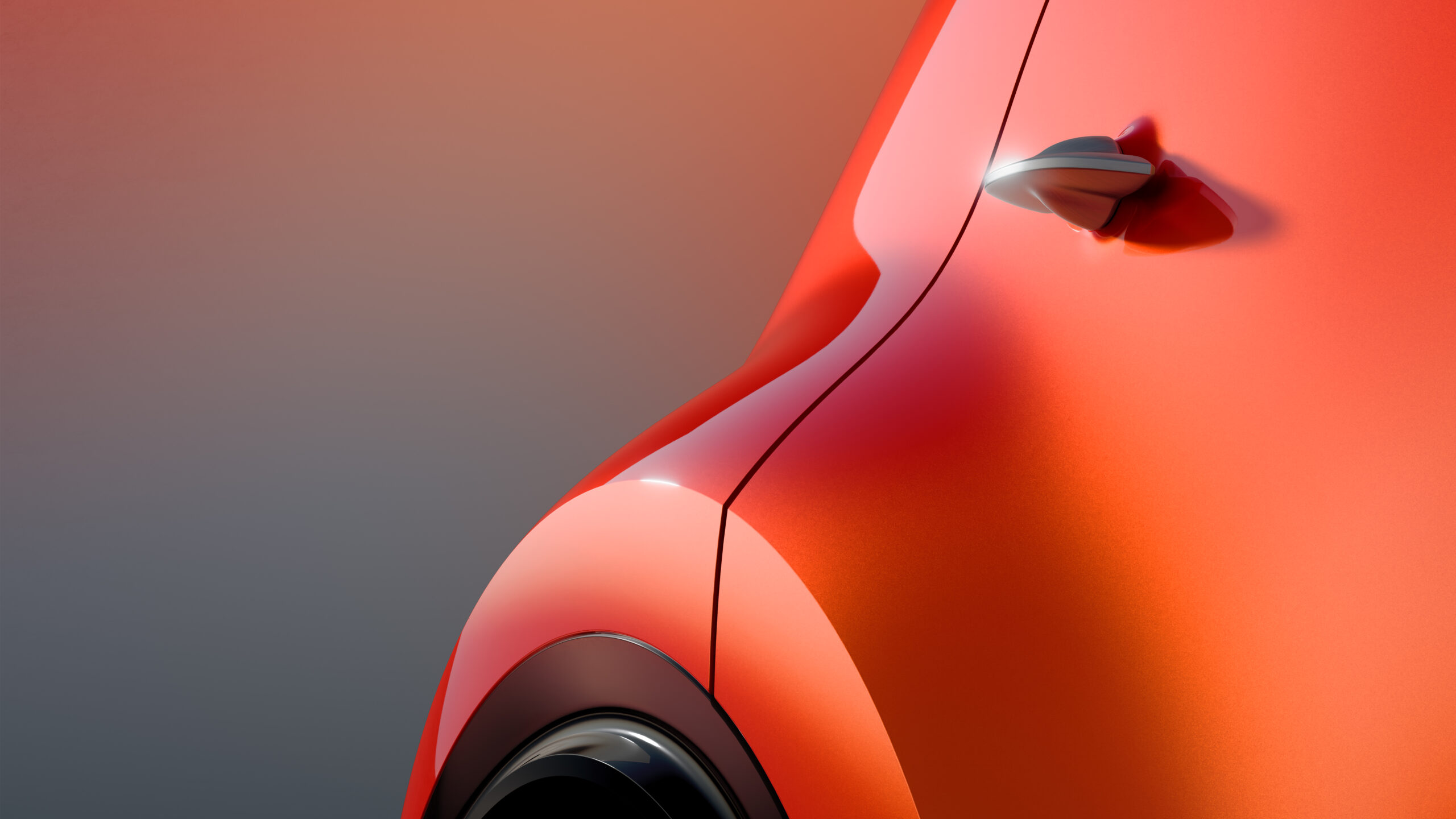
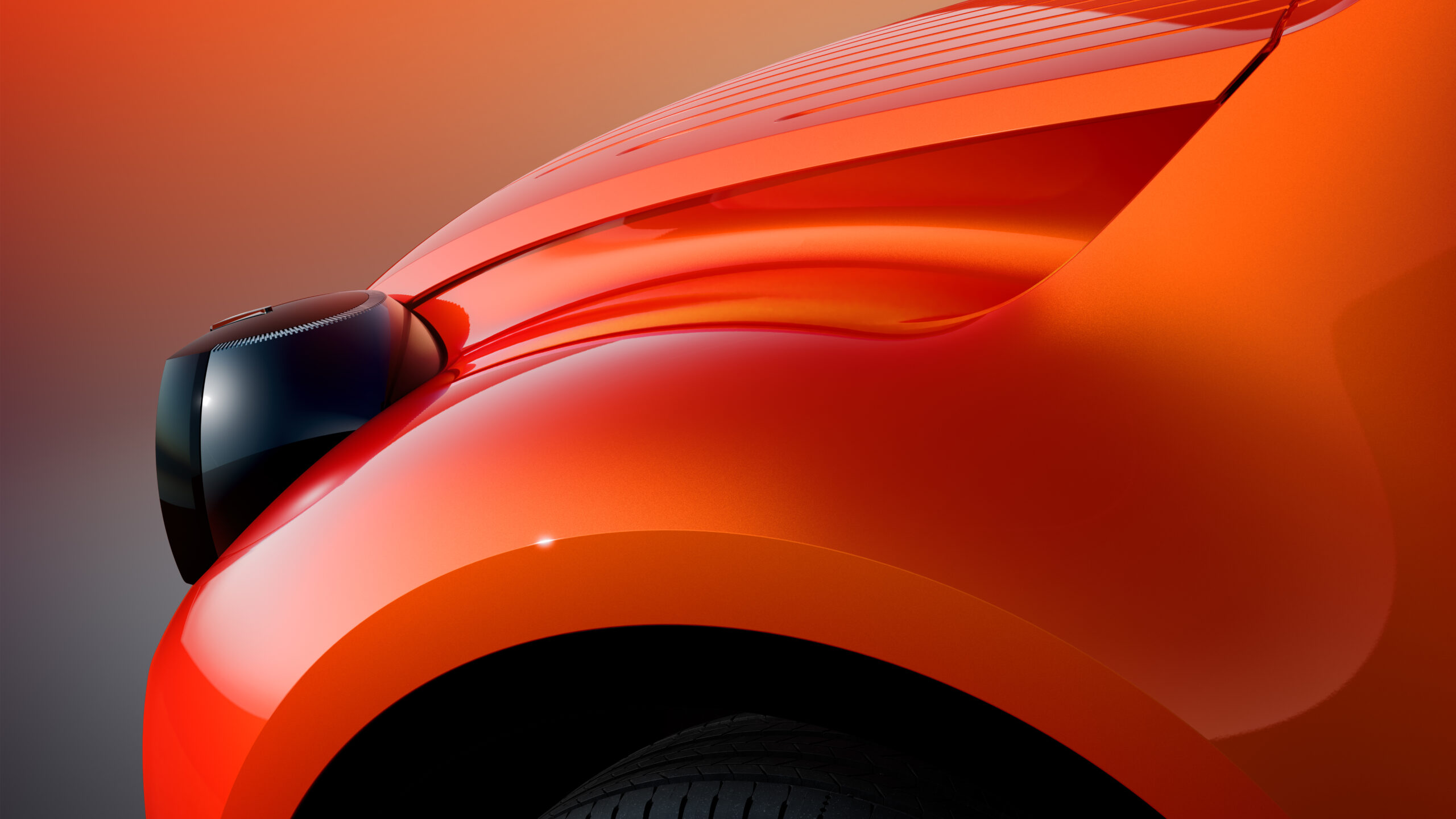
The upright windscreen, gently curved roof, rounded fenders and prominent headlights establish an immediate connection with the original. However, the surfaces are noticeably fuller and more controlled, creating a stronger visual stance without losing the friendly, almost animated personality that made the 2 CV so appealing.
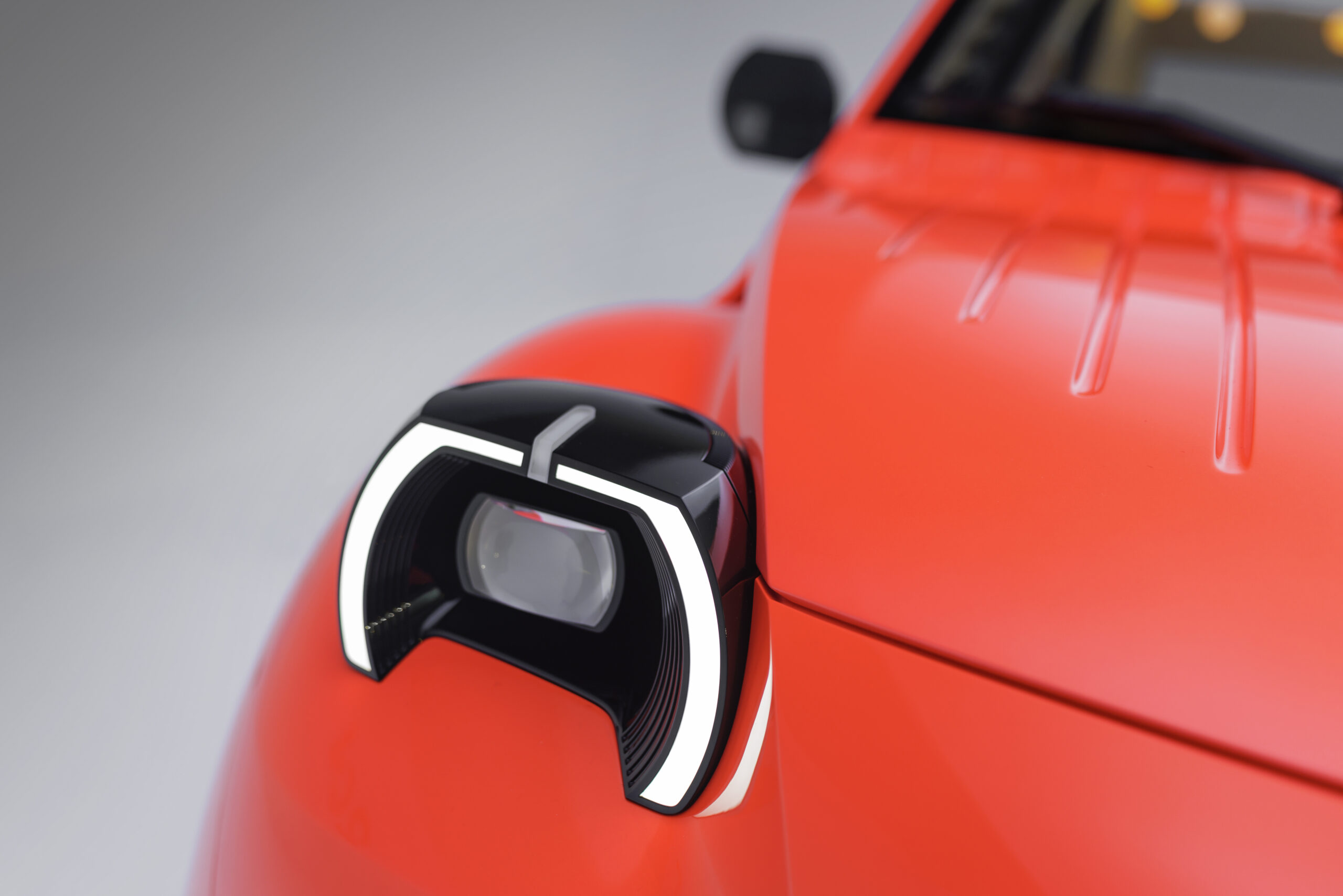
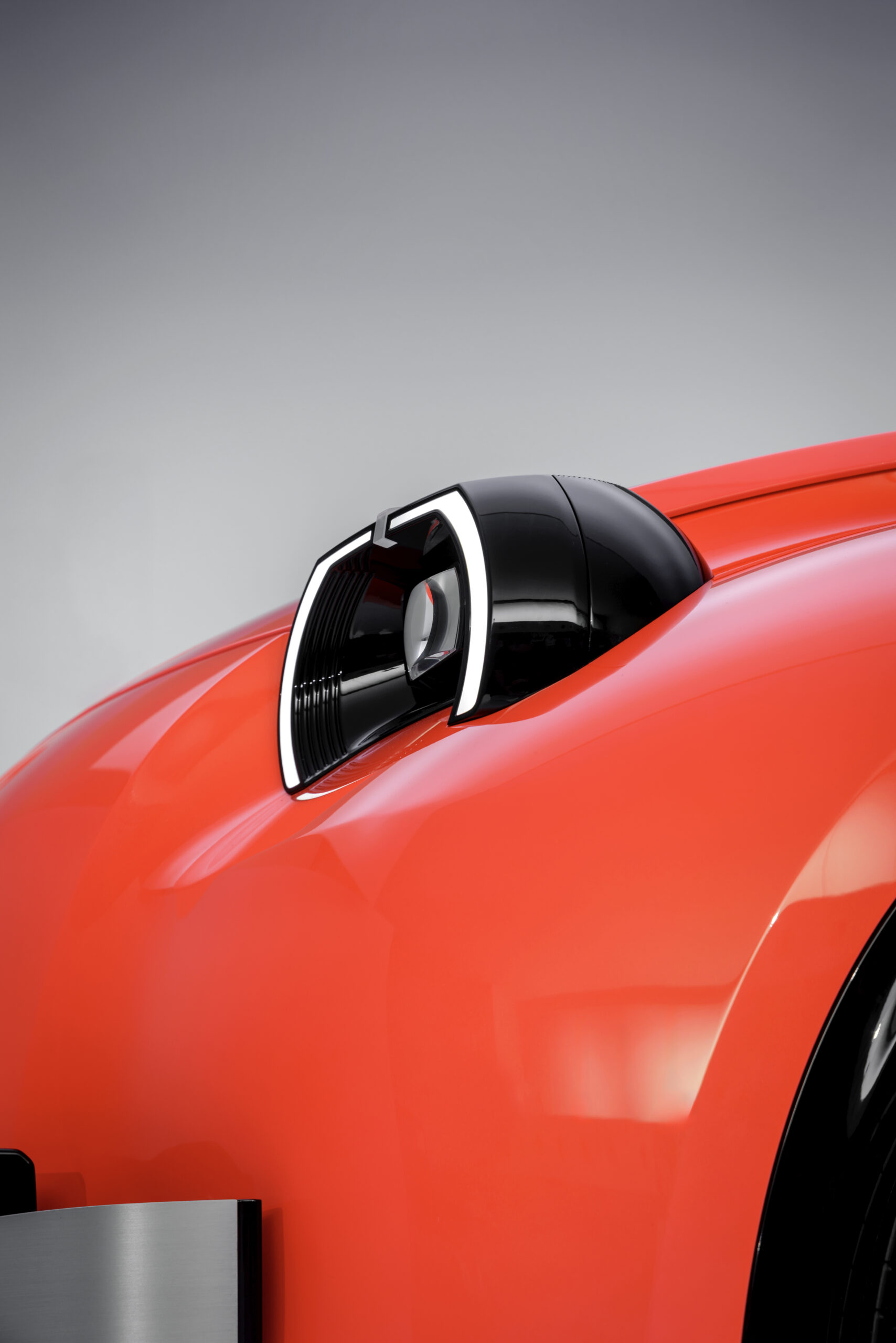
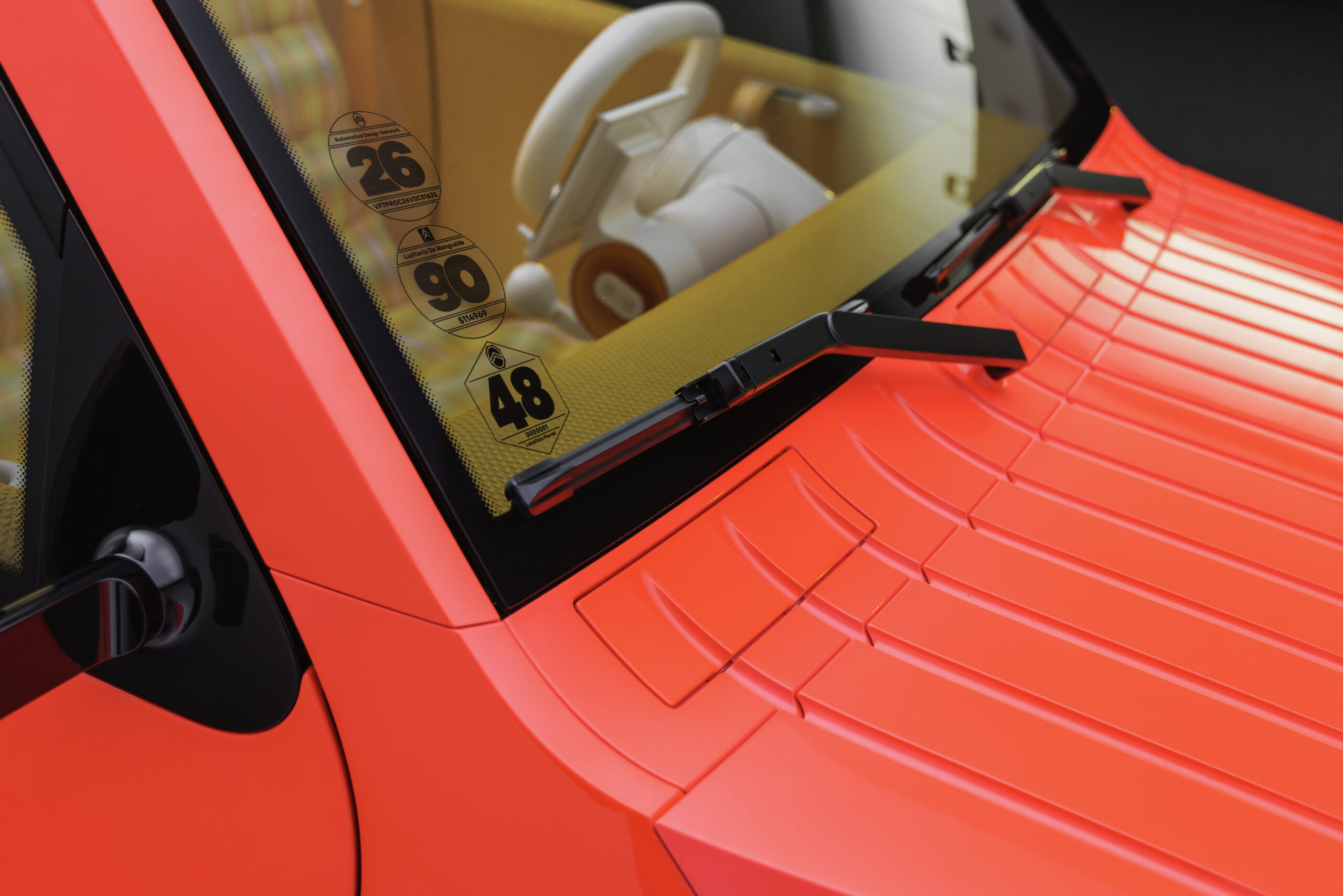
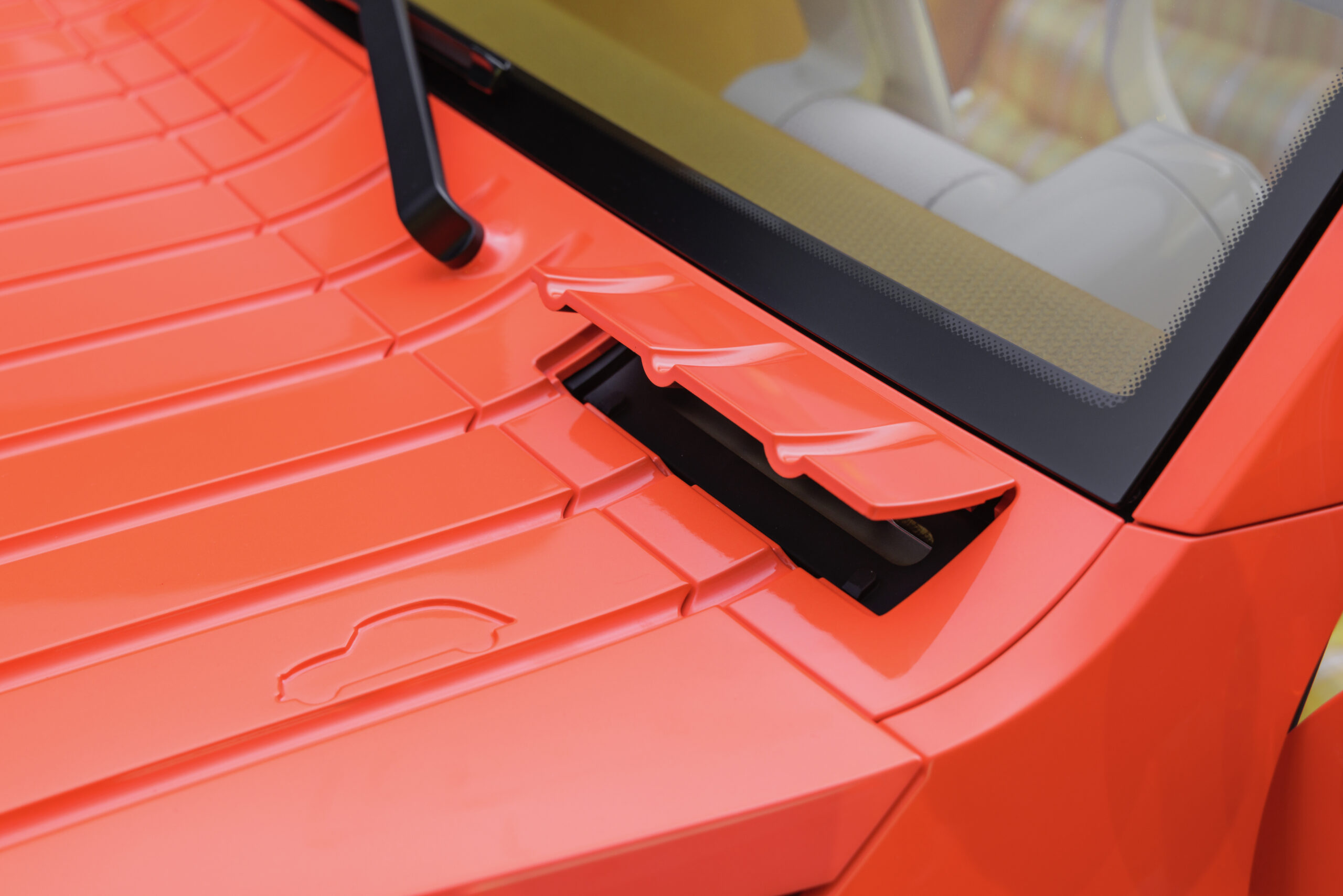
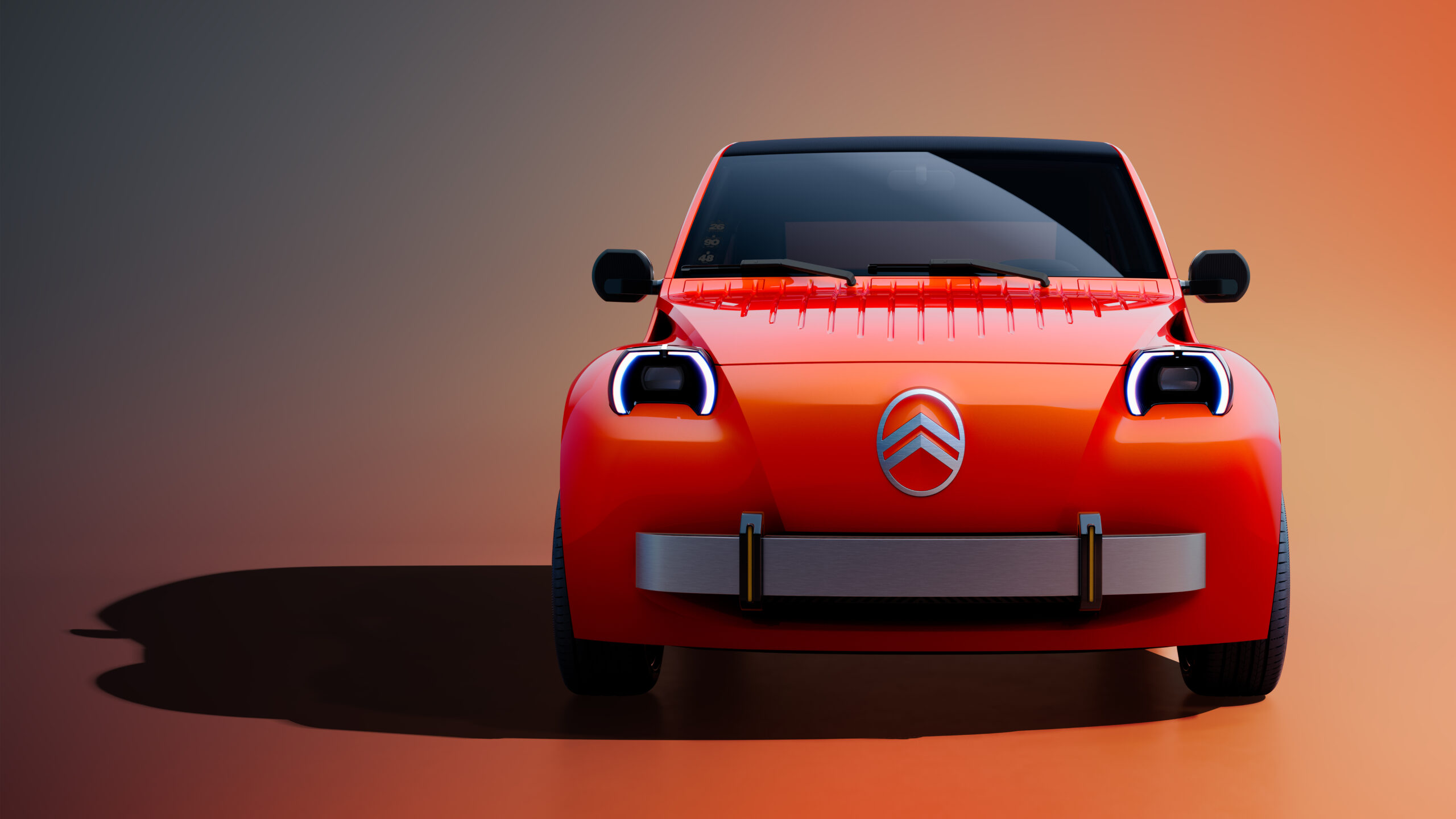
At the front, the circular LED headlights appear to float independently from the bodywork, while the sculpted bonnet incorporates subtle references to the original TPV prototype. The exposed windscreen wipers and carefully integrated air intakes reinforce the deliberately straightforward design philosophy.
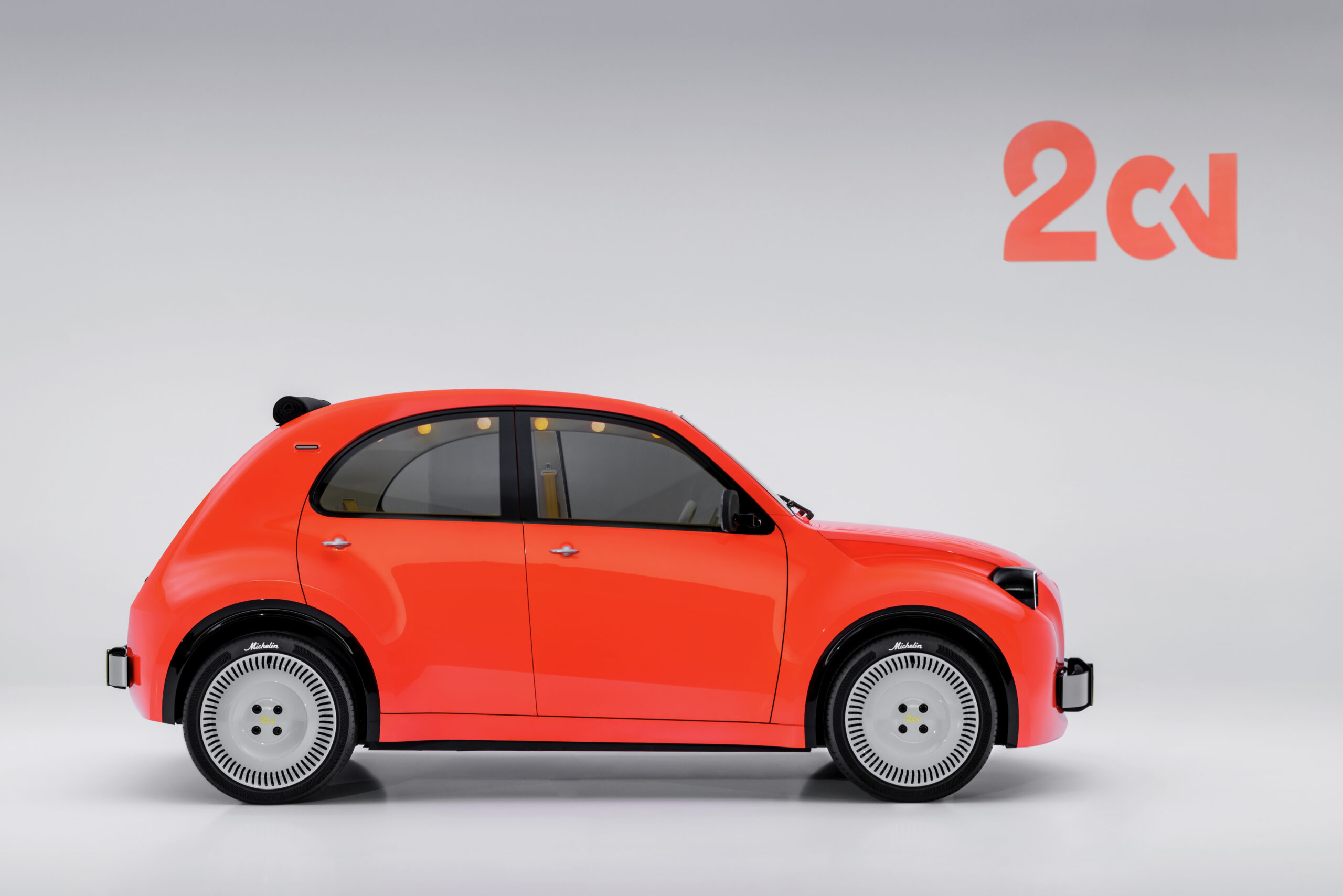
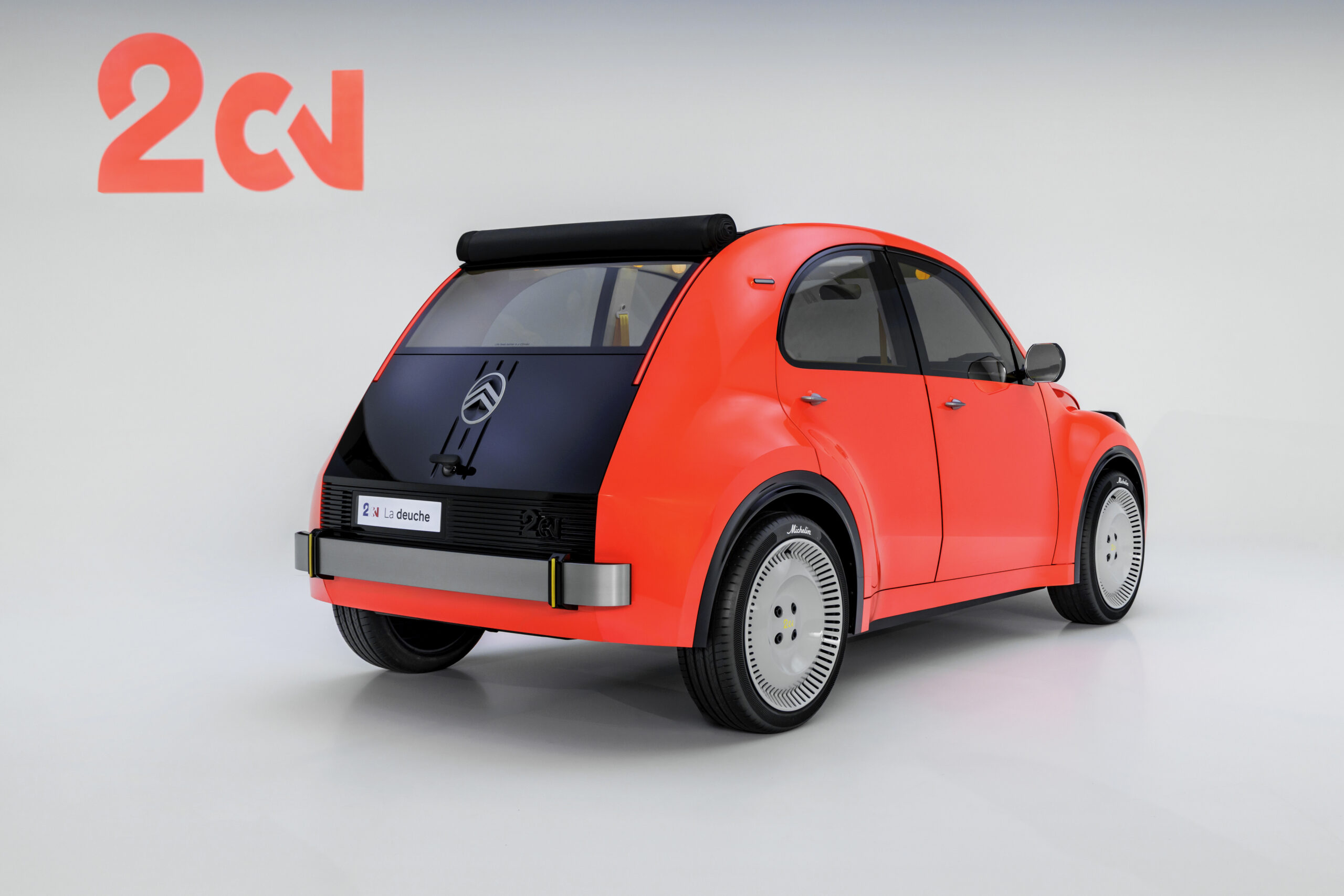
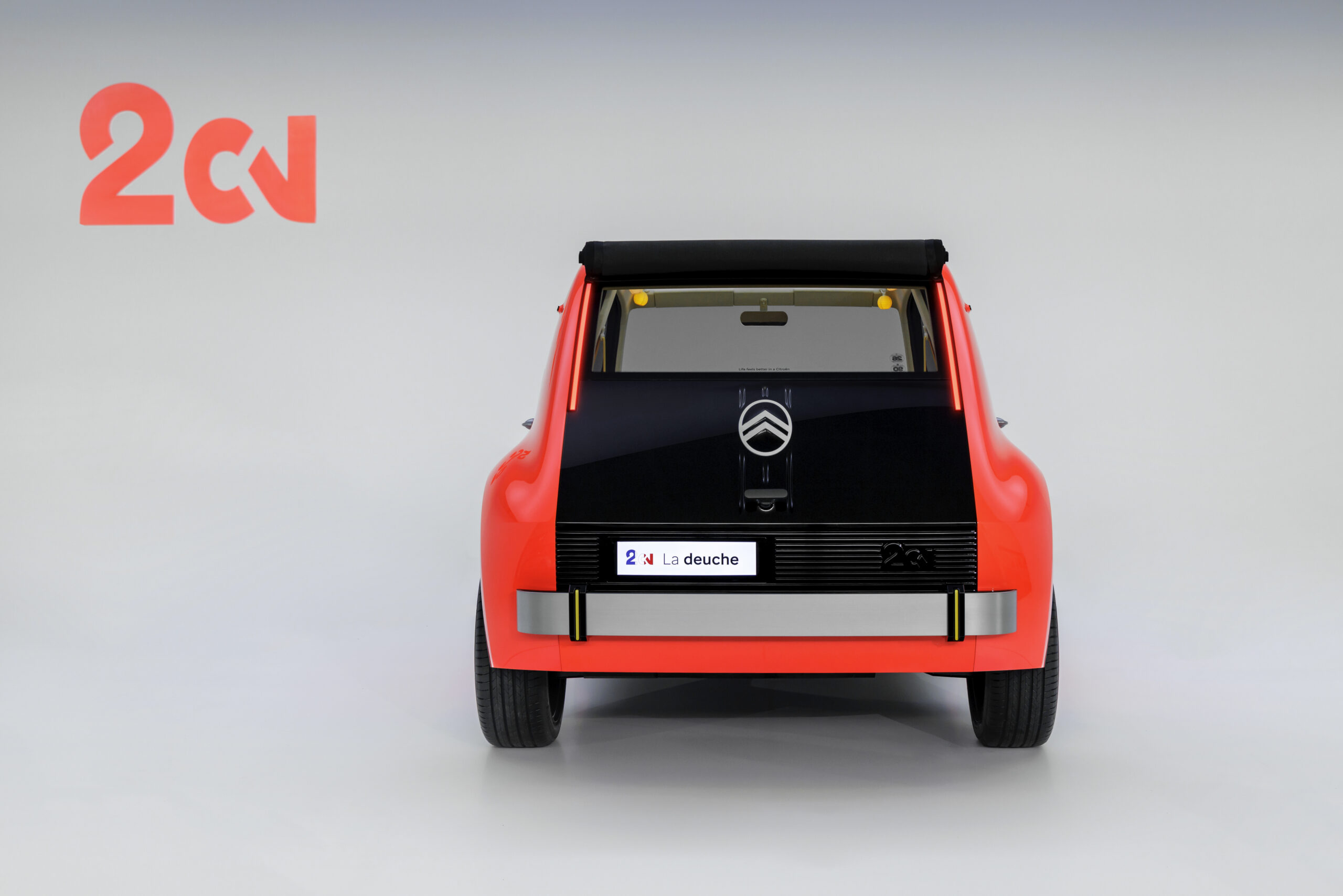
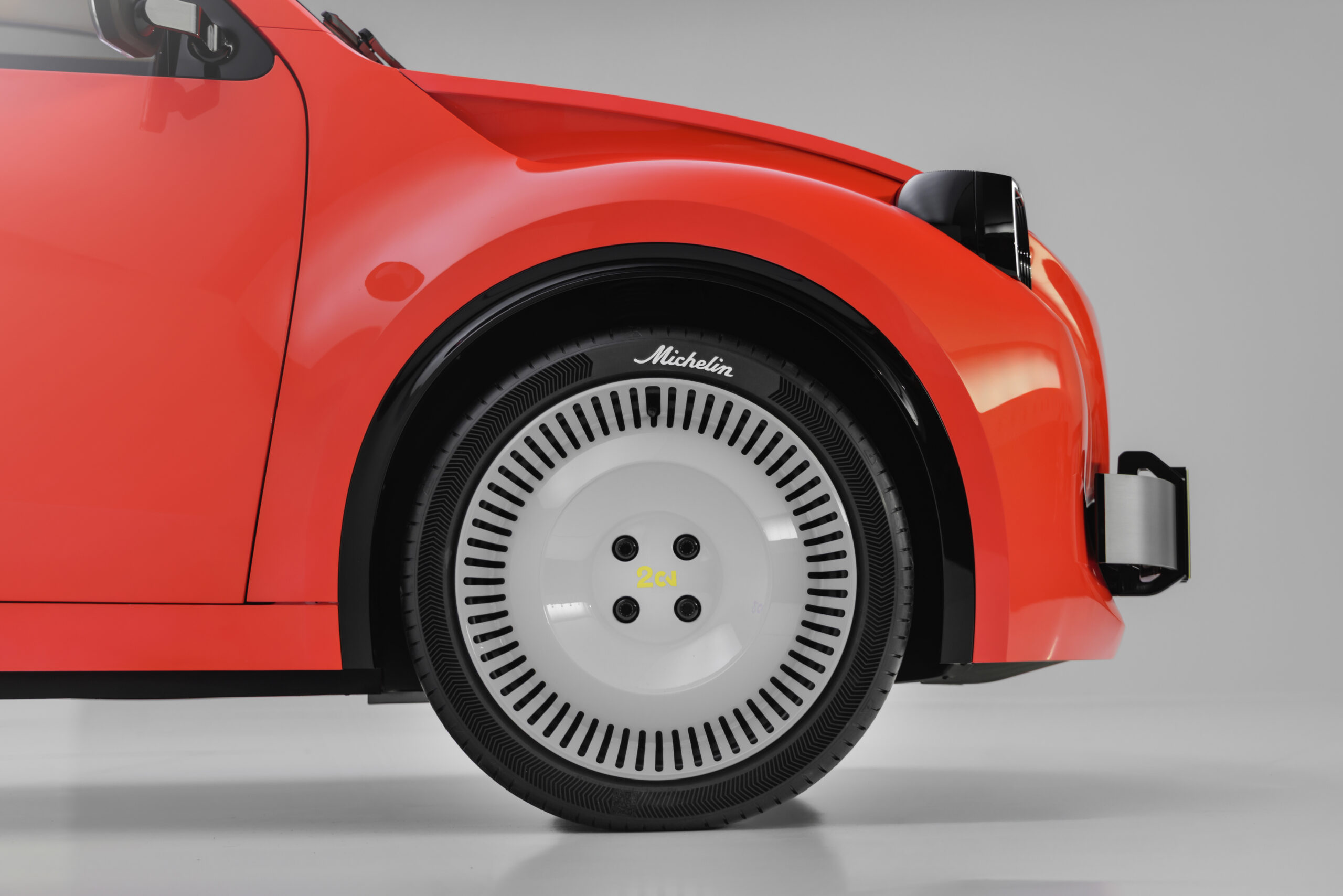
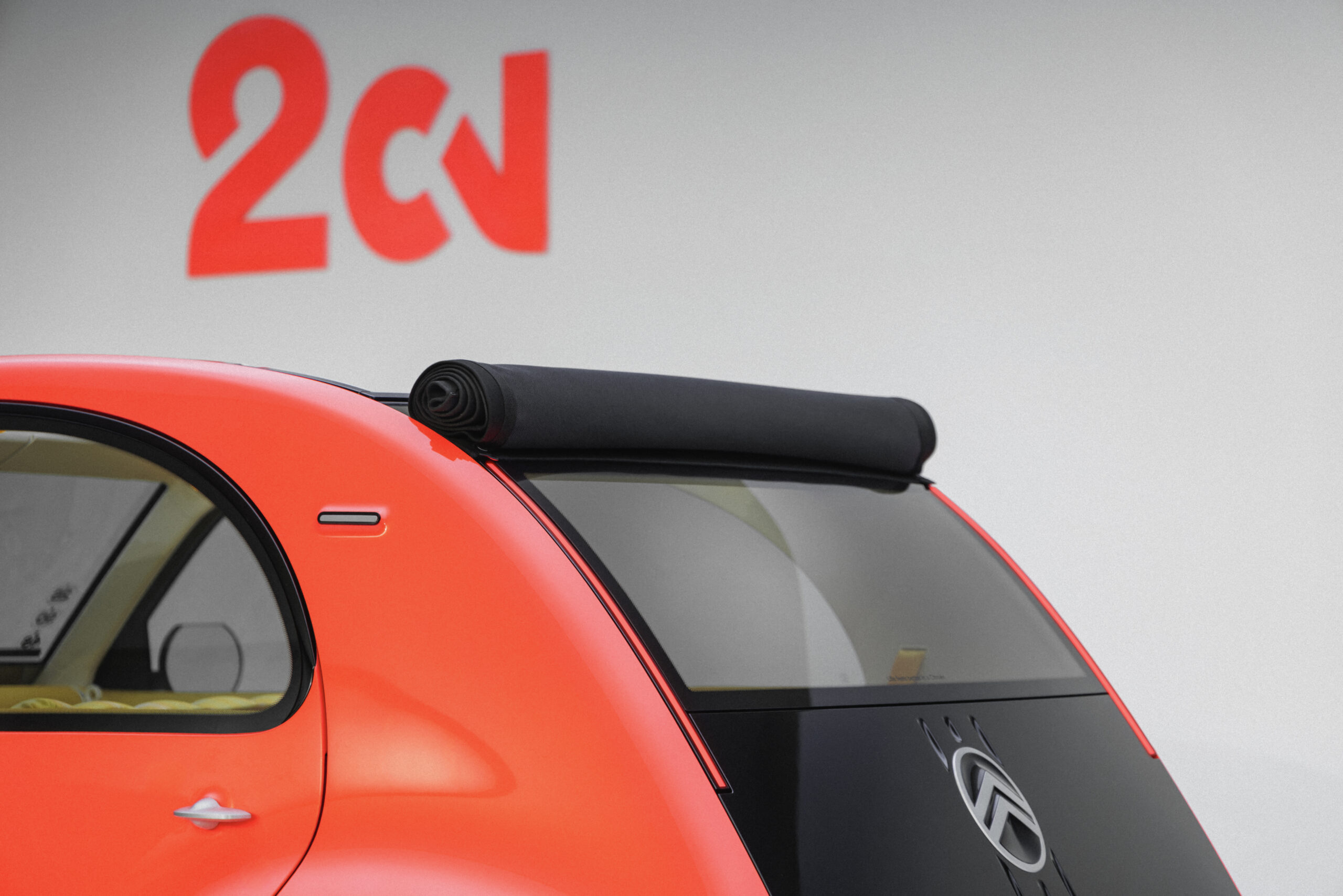
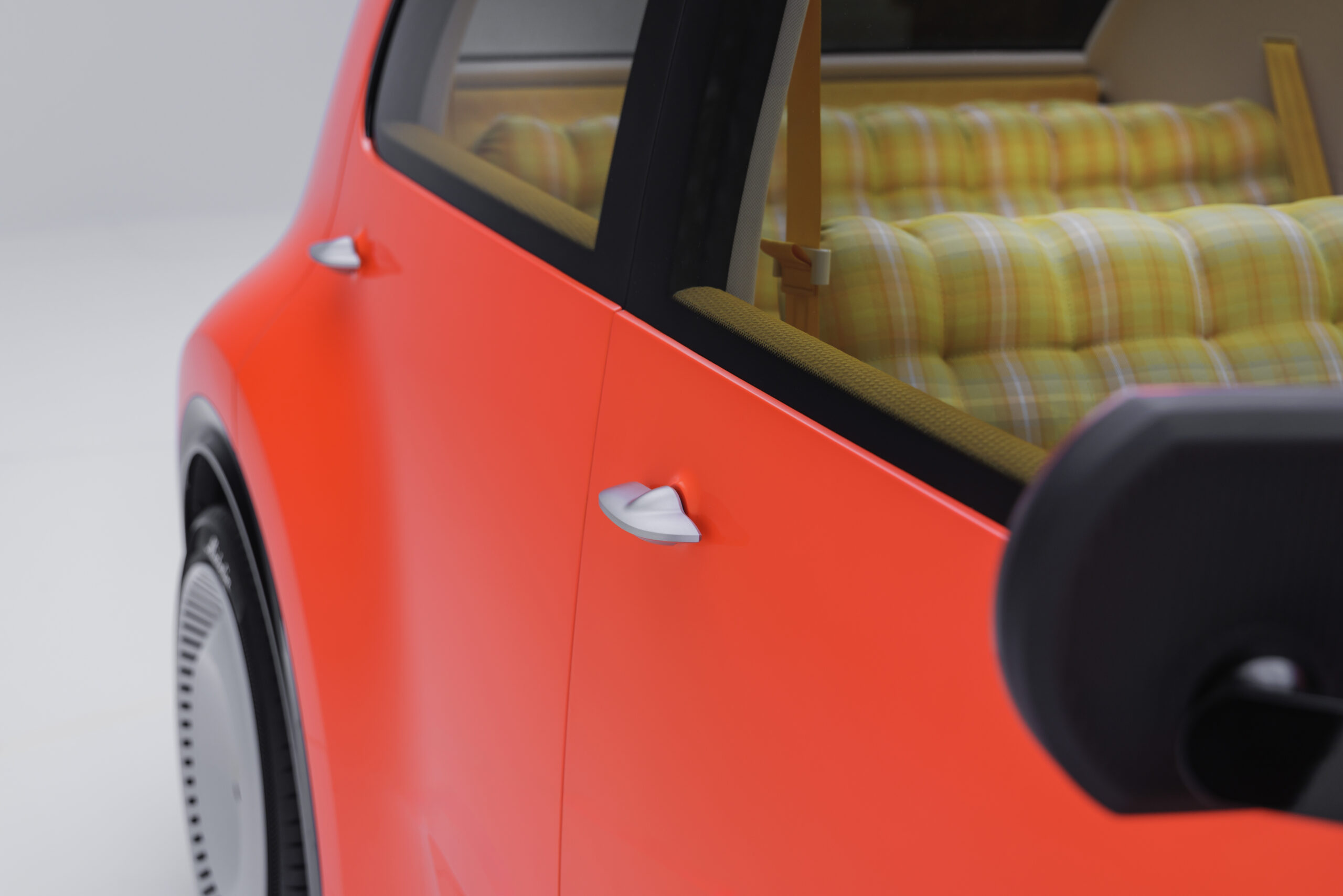
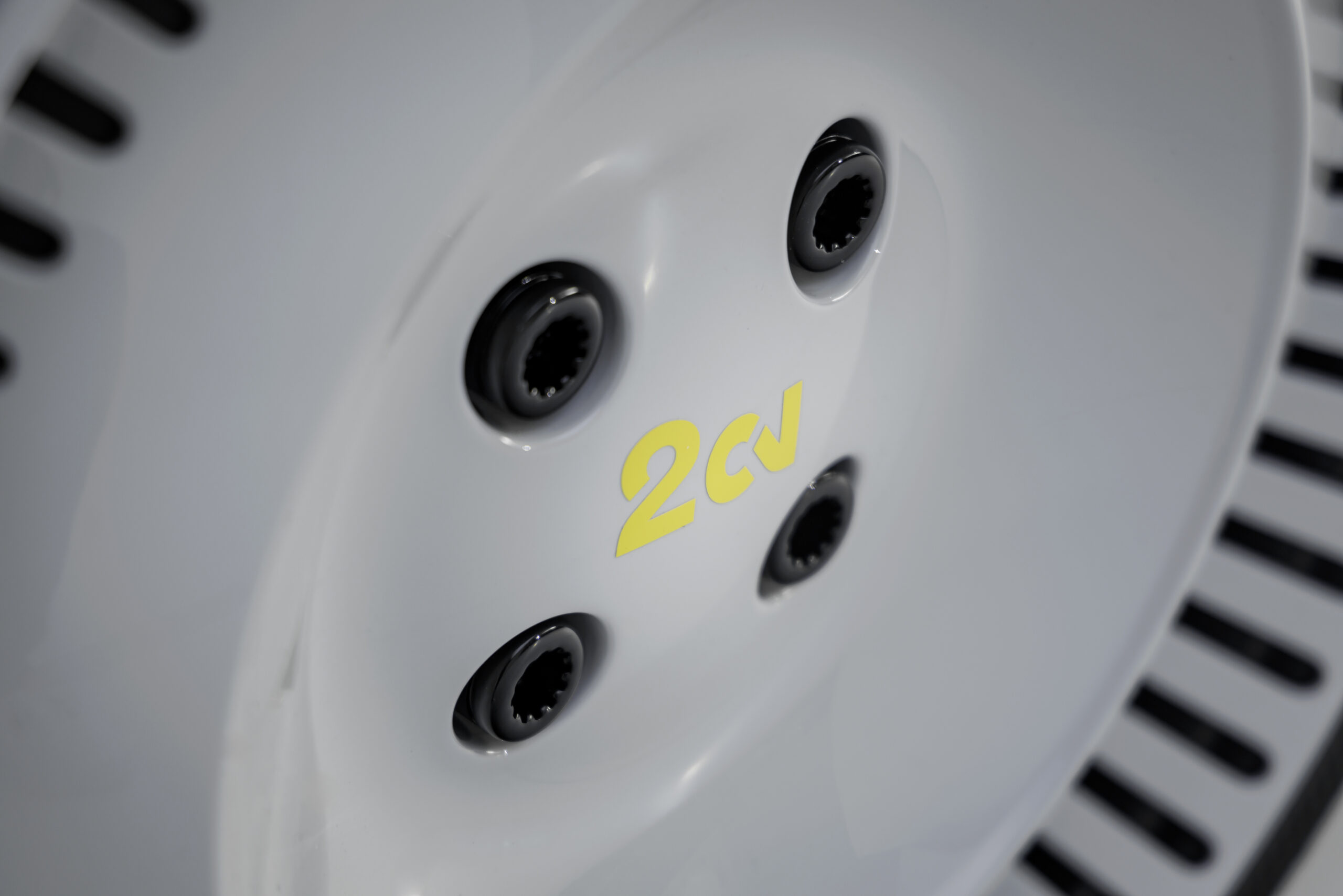
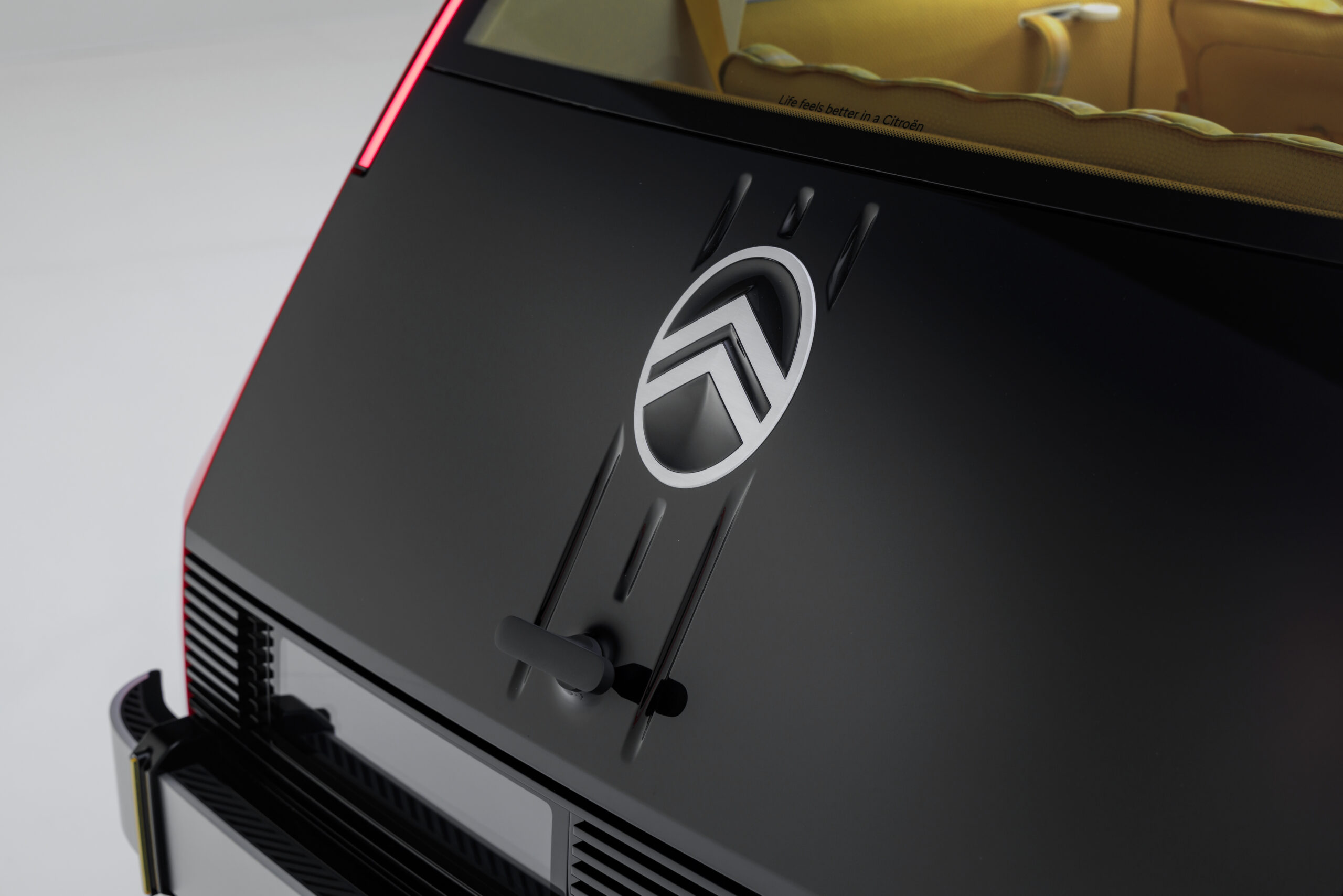
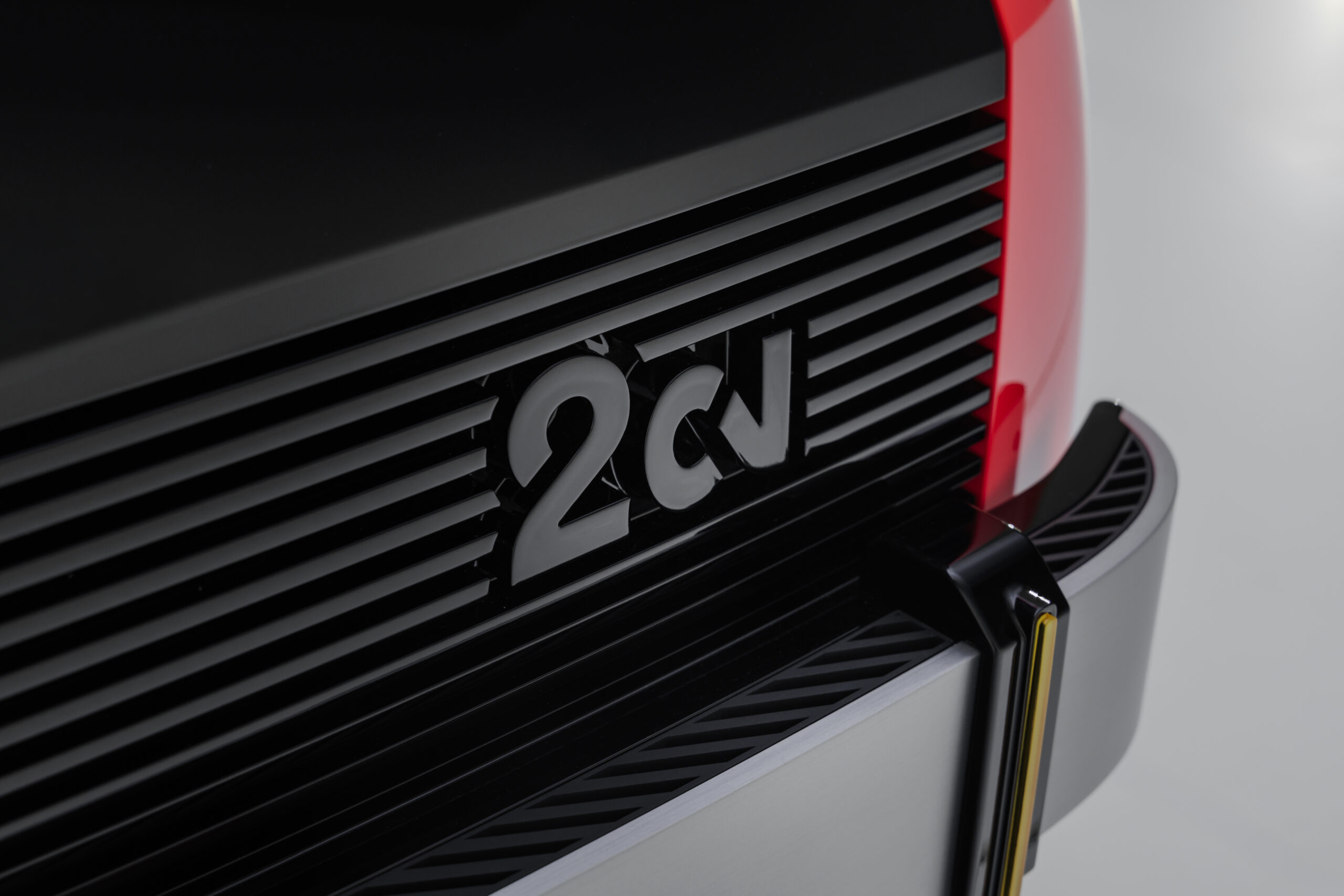
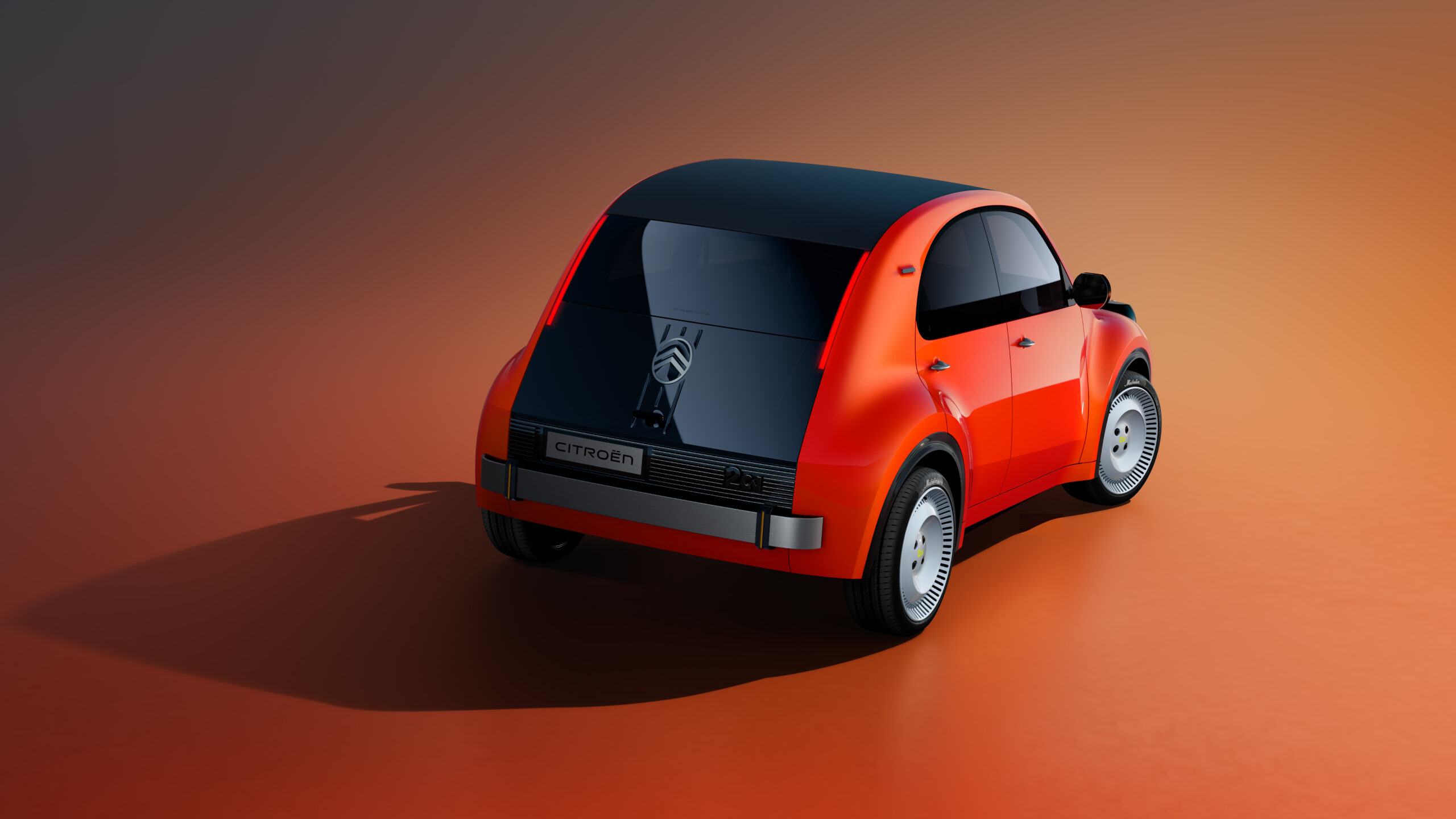
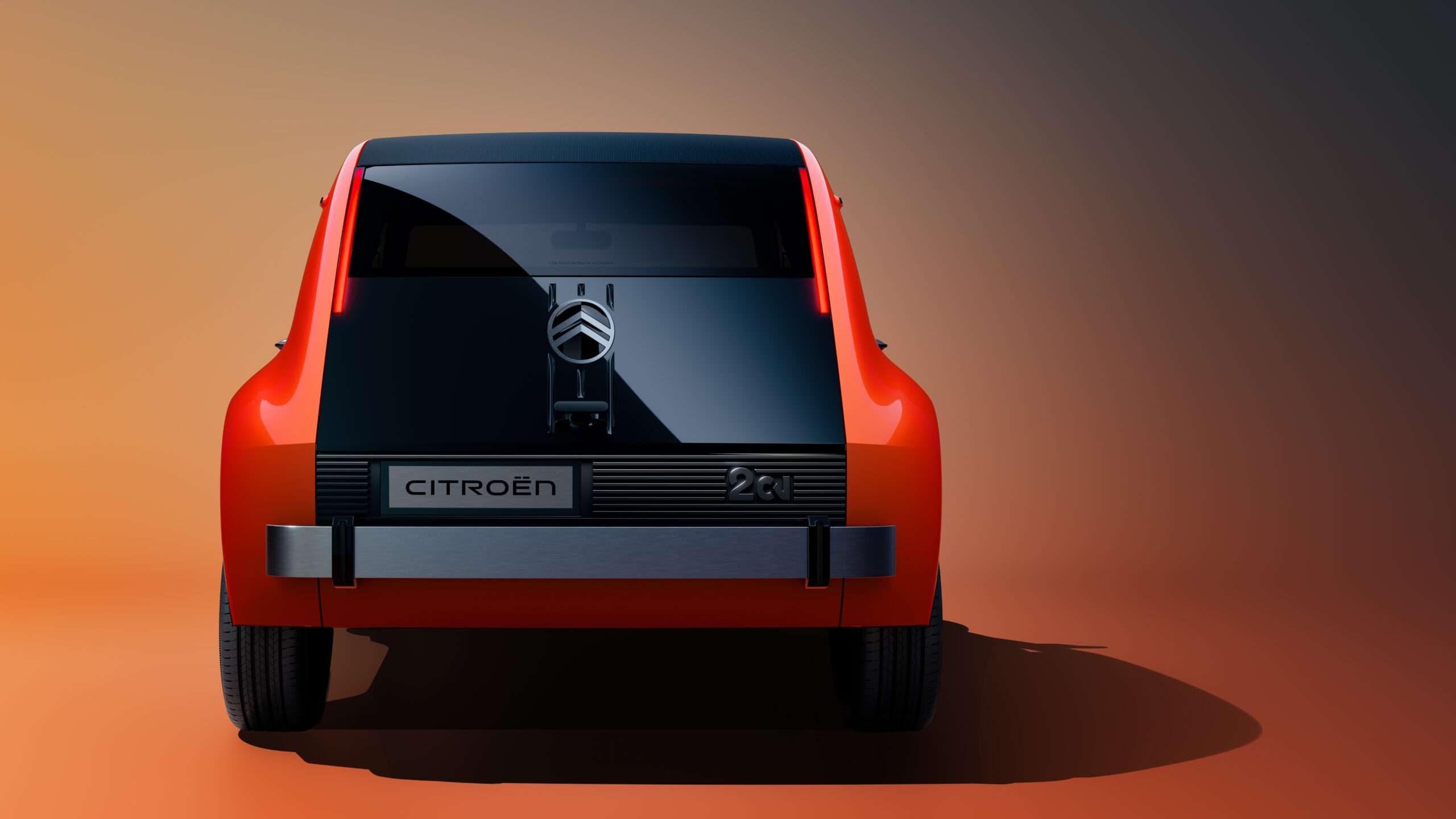
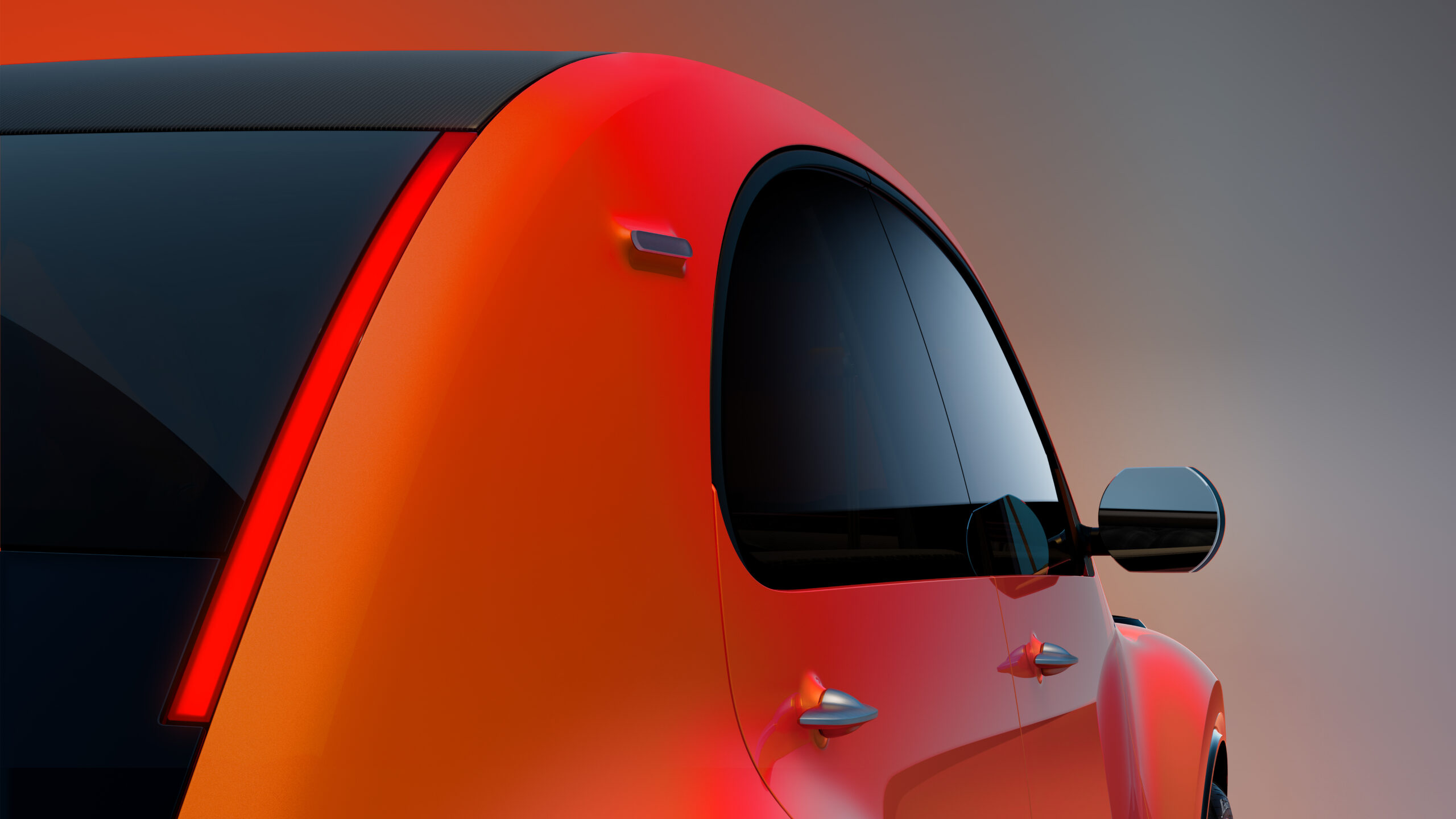
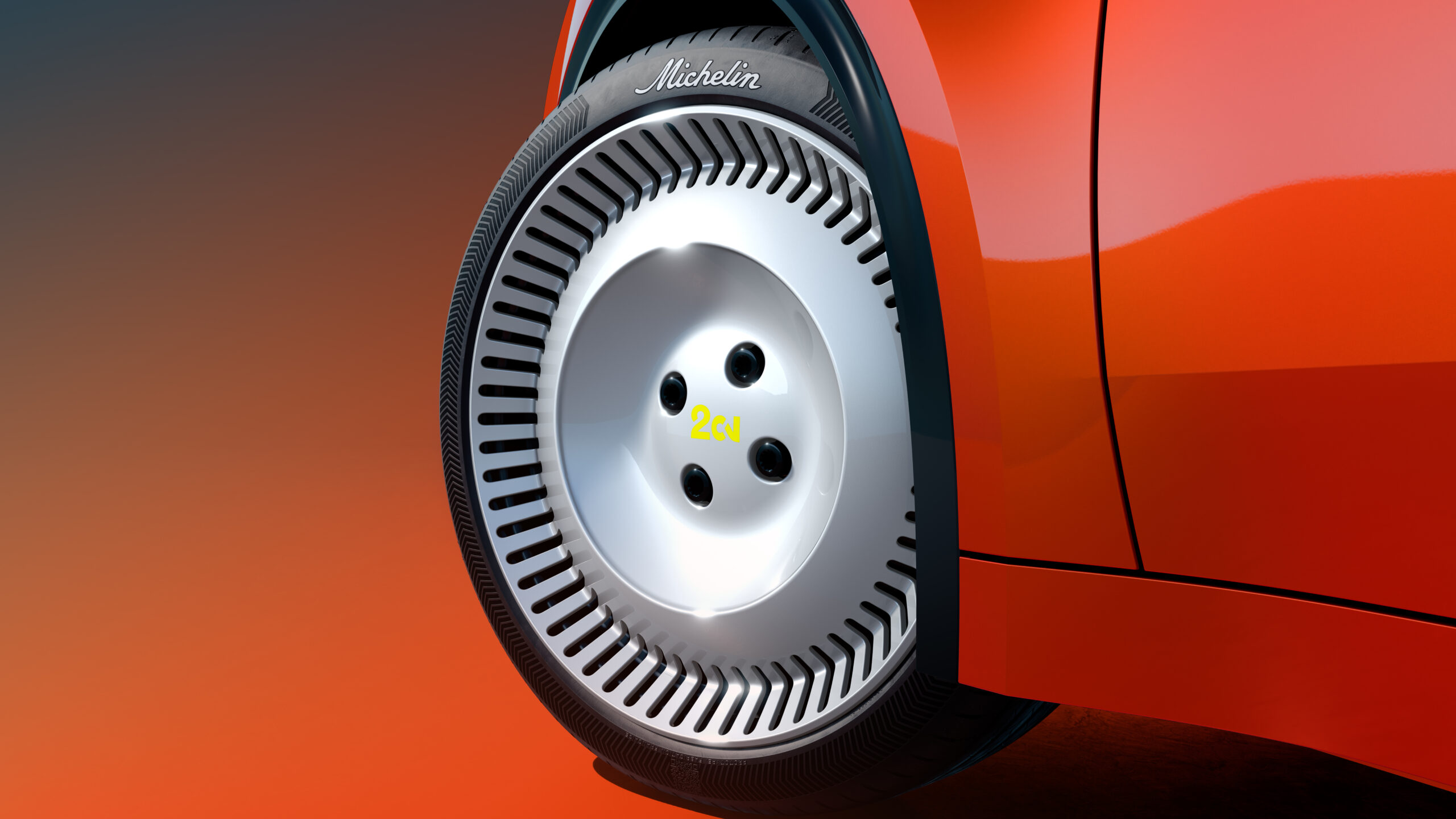
The side profile combines traditional rounded fenders with more contemporary body surfaces, while the 18-inch steel wheels reinterpret the original wheel design. At the rear, the descending roofline and contrasting black tailgate preserve the familiar 2 CV silhouette, complemented by simple LED lighting elements.

Intelligent Design Instead of Unnecessary Complexity
One of the concept’s most promising aspects is Citroën’s determination to reduce weight and manufacturing complexity.
The company is targeting a vehicle weight of approximately 1,000 kilograms, considerably less than many contemporary electric cars. Reducing weight allows a smaller and less expensive battery to provide sufficient range for everyday journeys, while also improving efficiency and reducing running costs.
The design reflects this philosophy through relatively simple body surfaces, independently replaceable bumpers and components intended to be easier to manufacture and repair. Rather than disguising these practical decisions, Citroën has incorporated them into the vehicle’s visual character.
This approach recalls the original 2 CV, where engineering simplicity was not merely a cost-saving exercise but an essential part of the car’s identity.
An Interior That Celebrates Space and Comfort
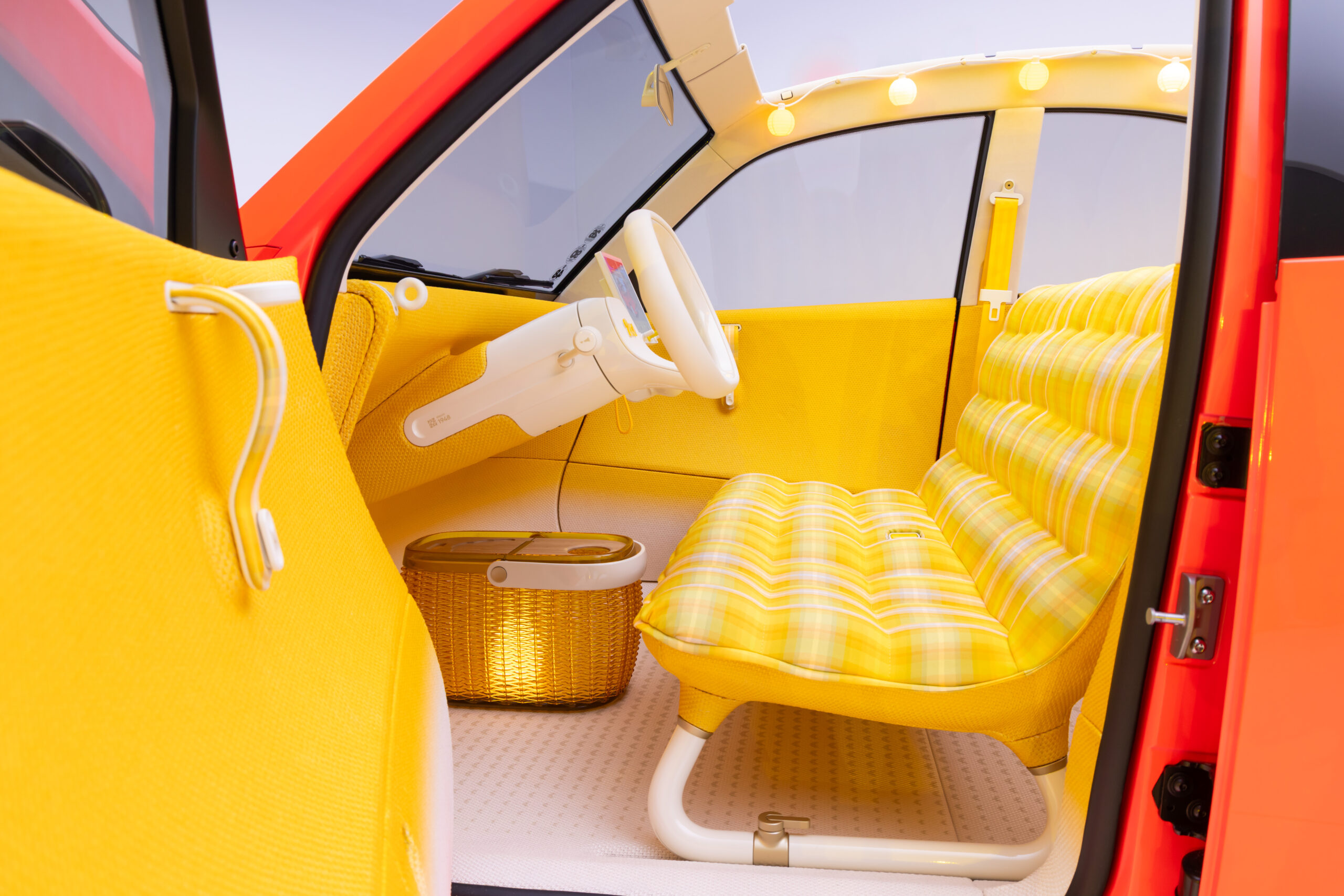
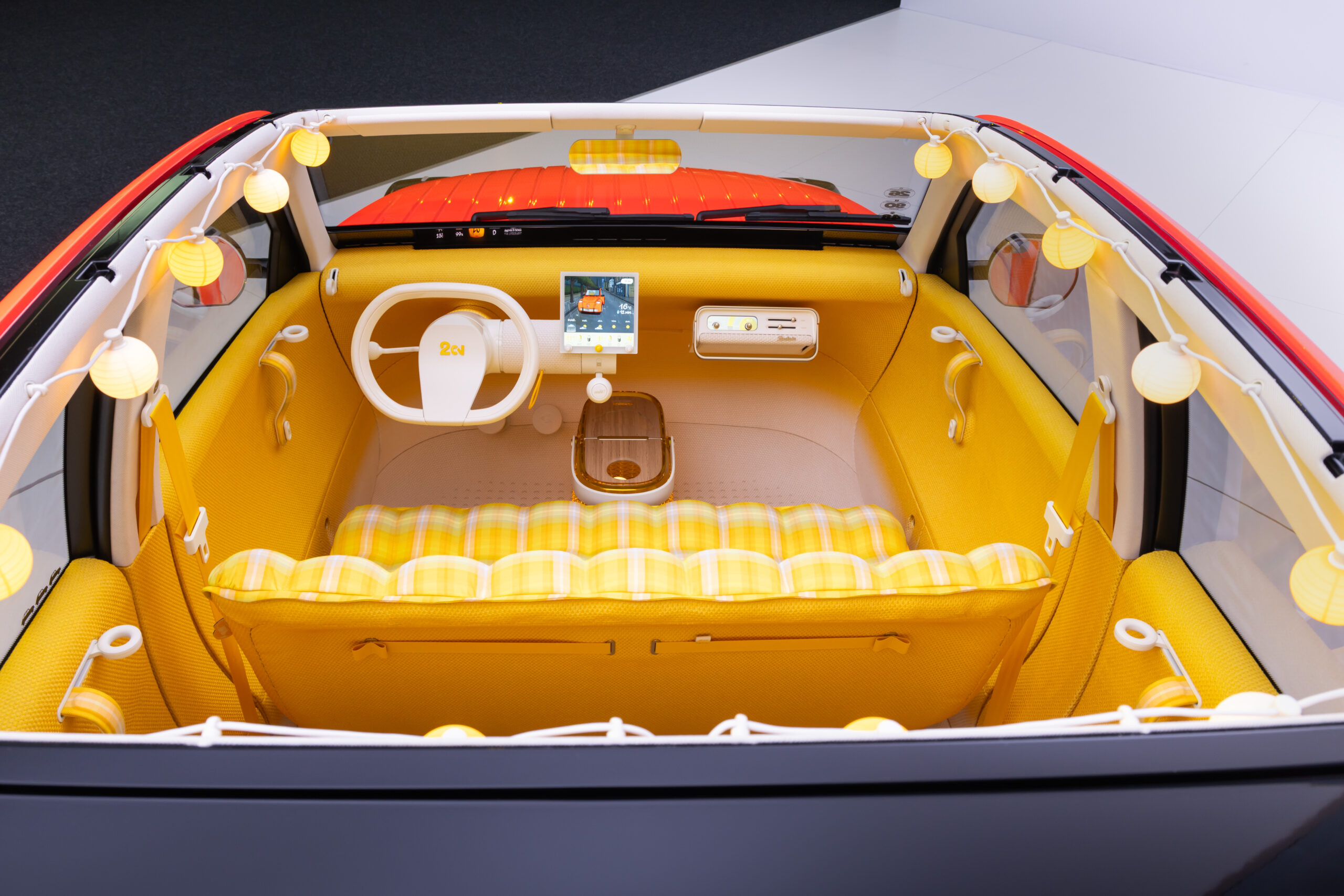
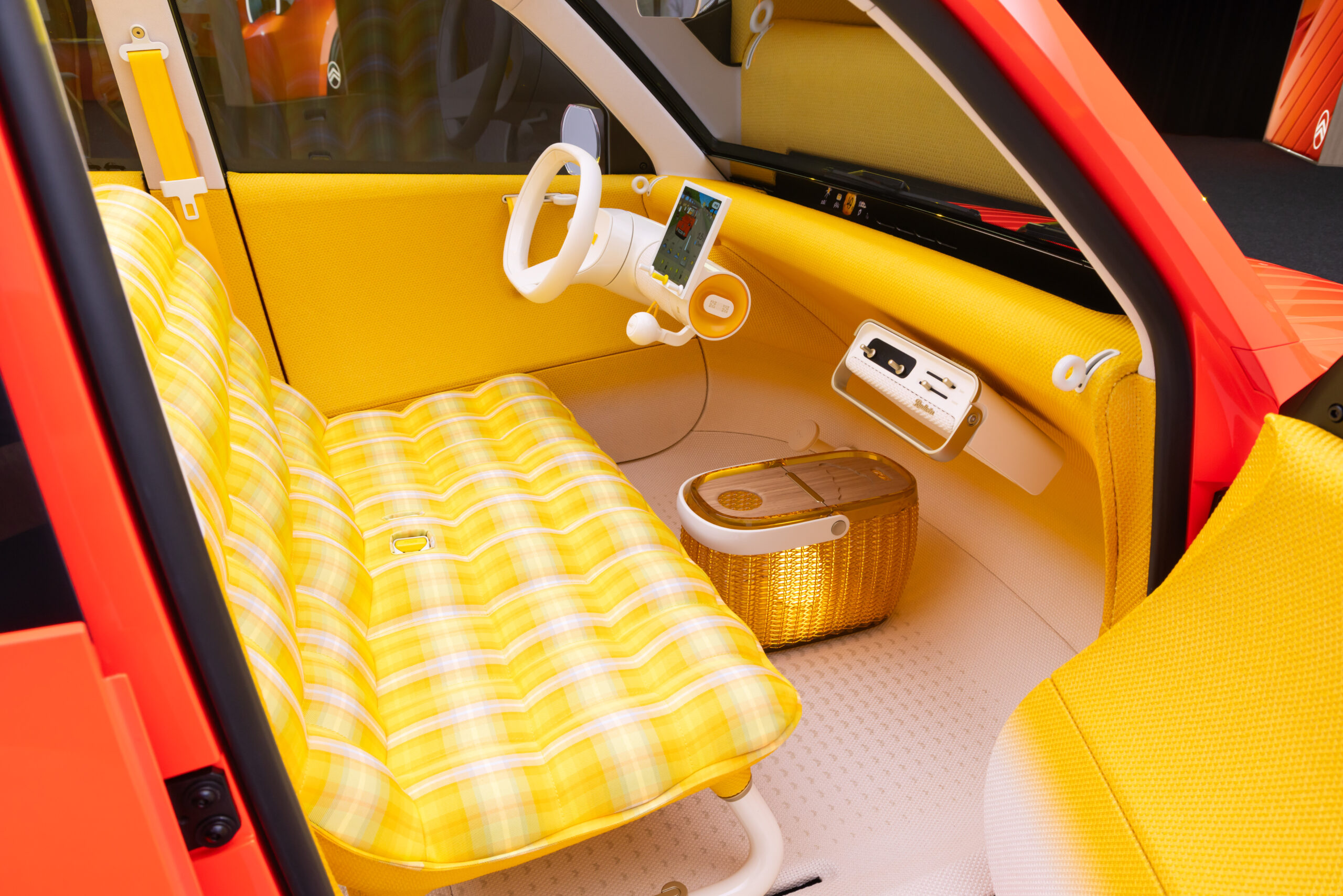
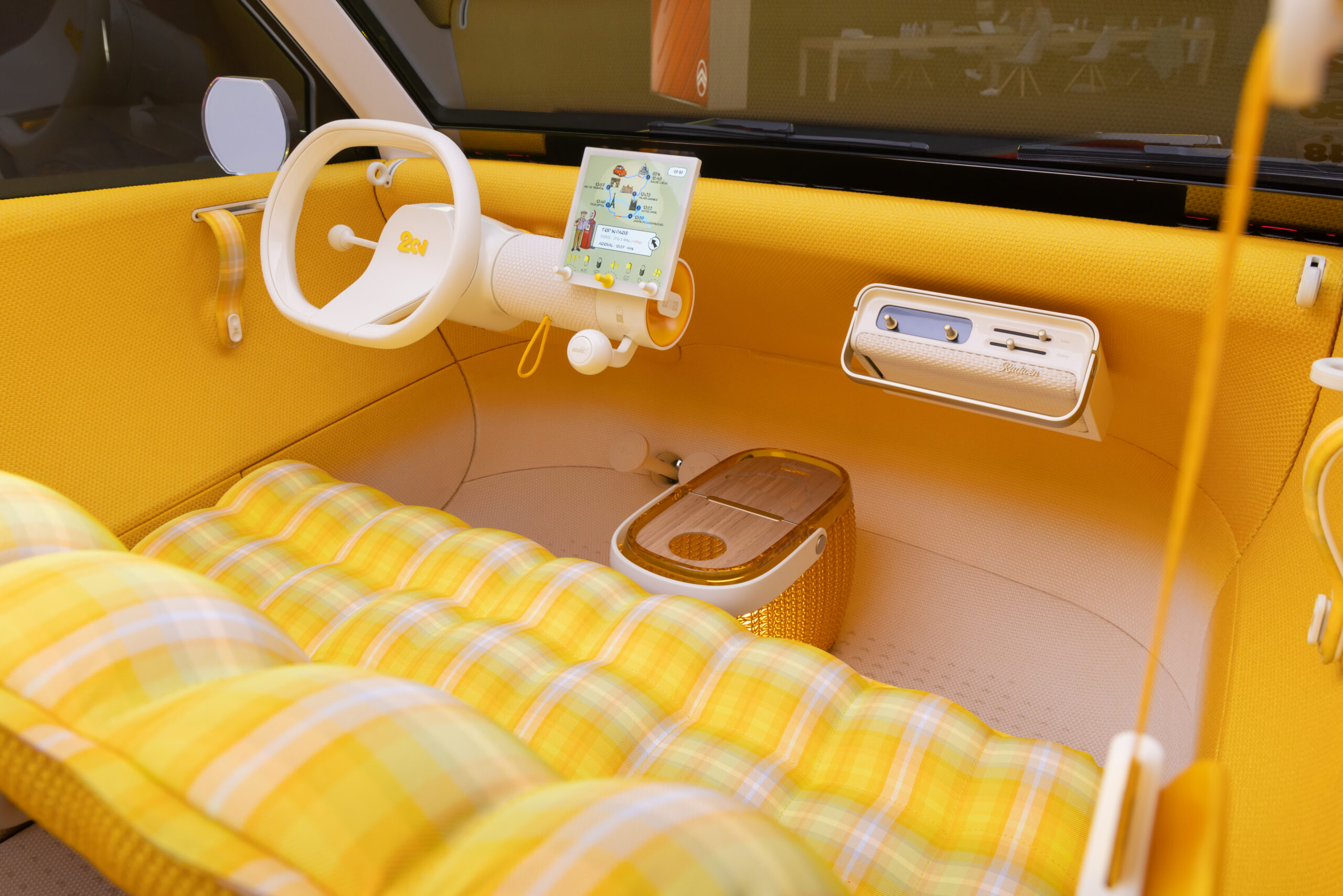
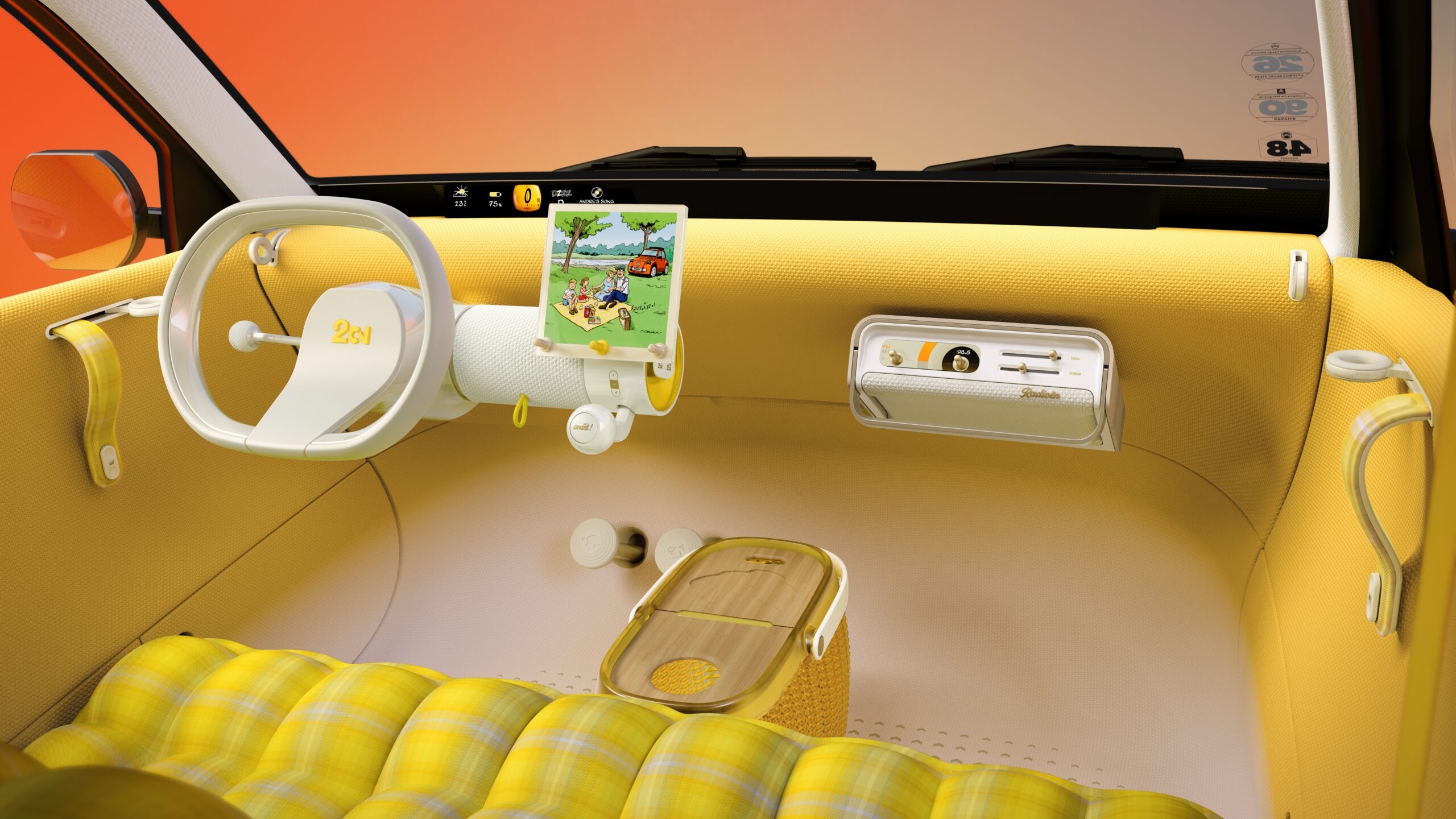
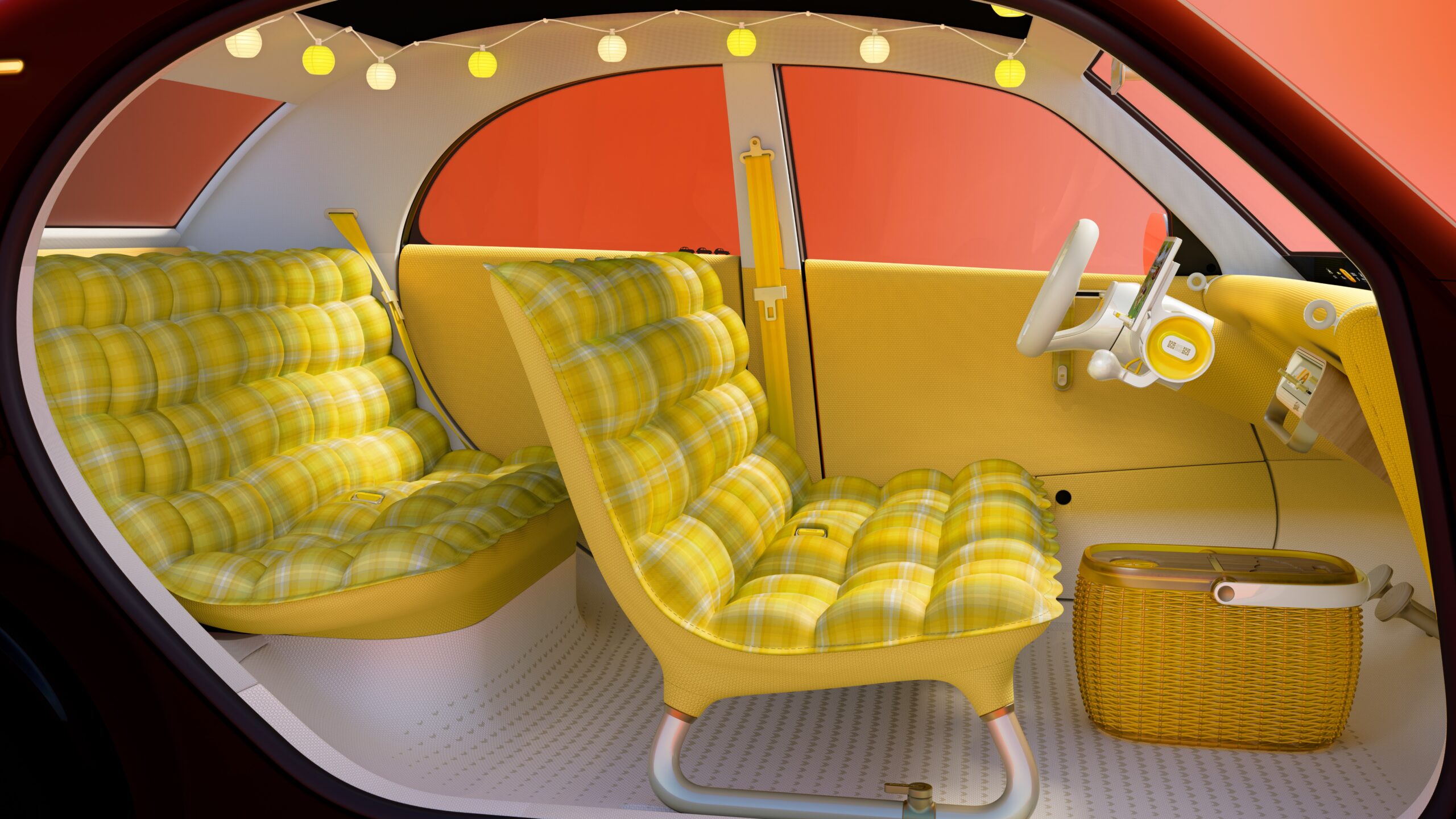
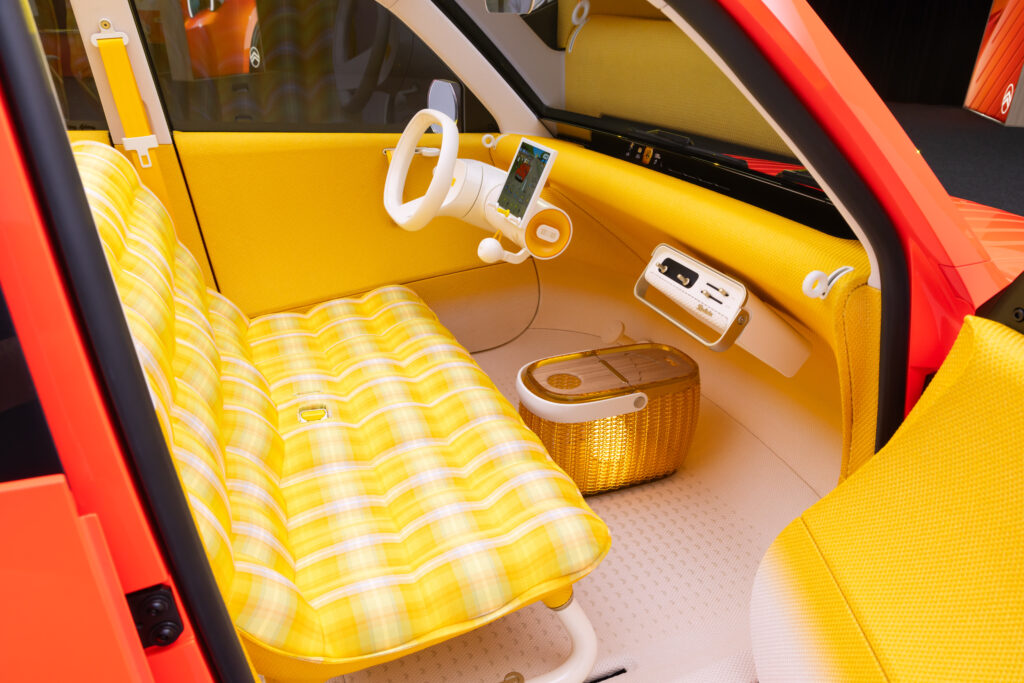
The interior is perhaps the most refreshing part of the concept. Instead of the increasingly familiar combination of enormous digital screens, high centre consoles and complicated controls, Citroën has created an open, welcoming passenger compartment.
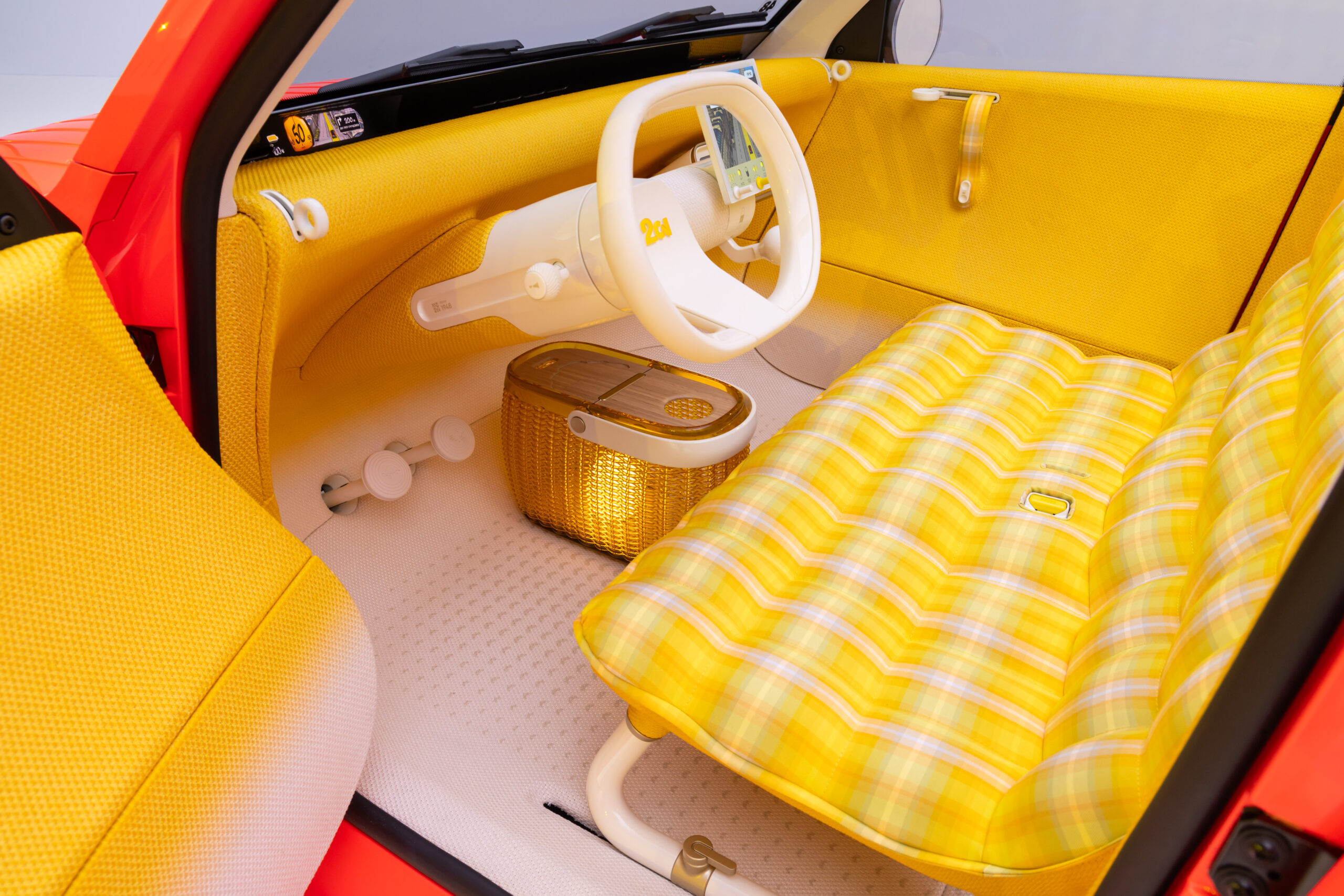
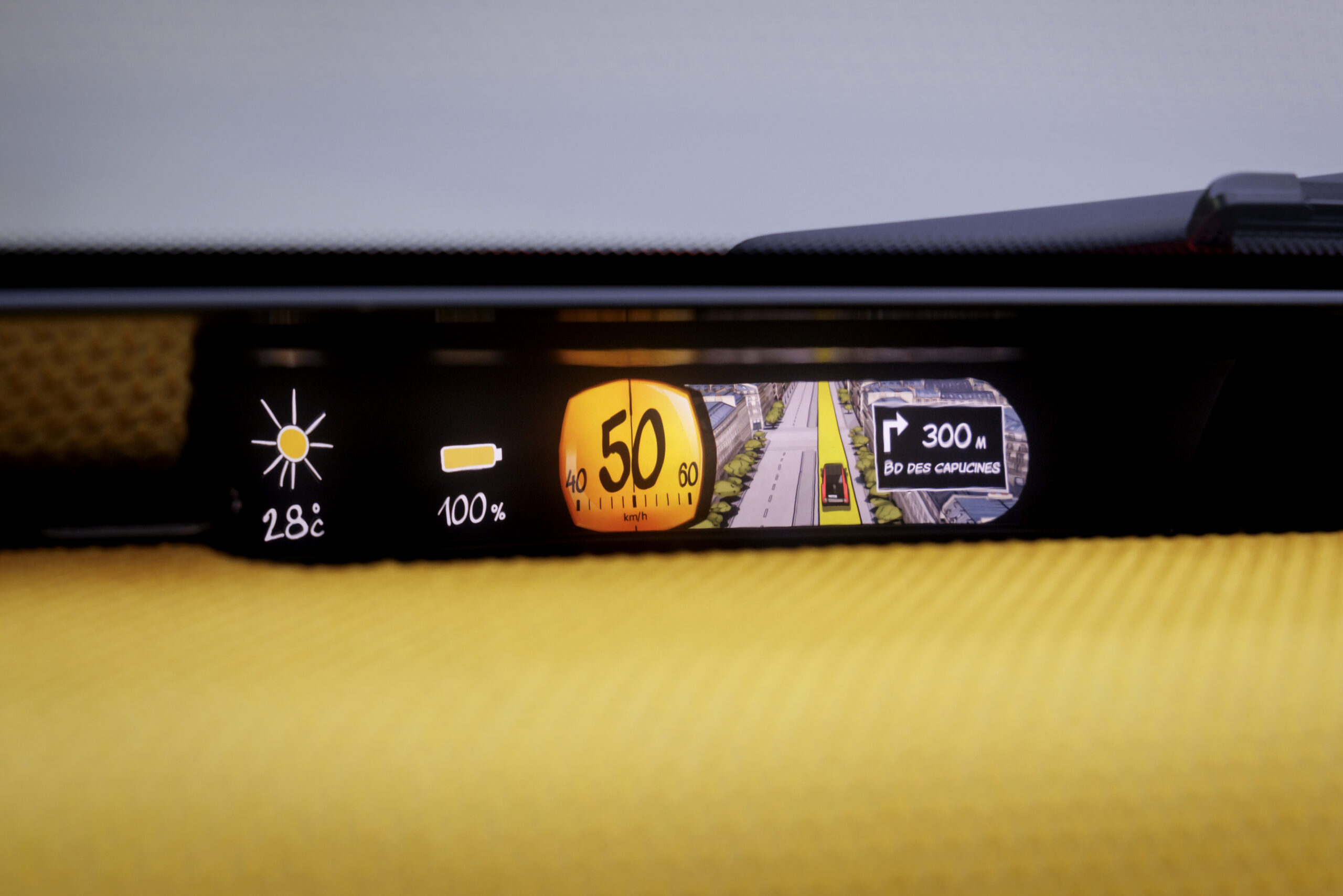
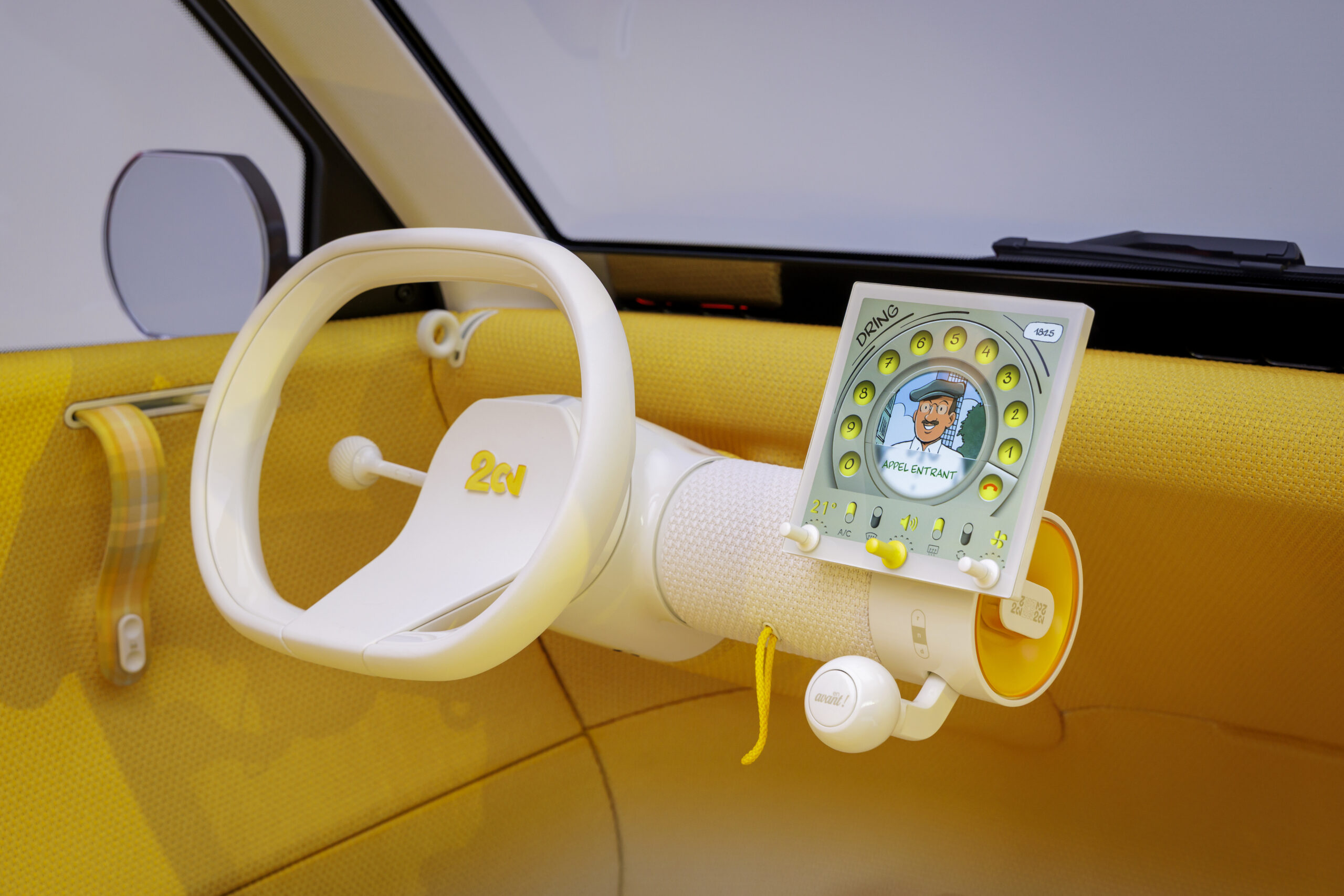
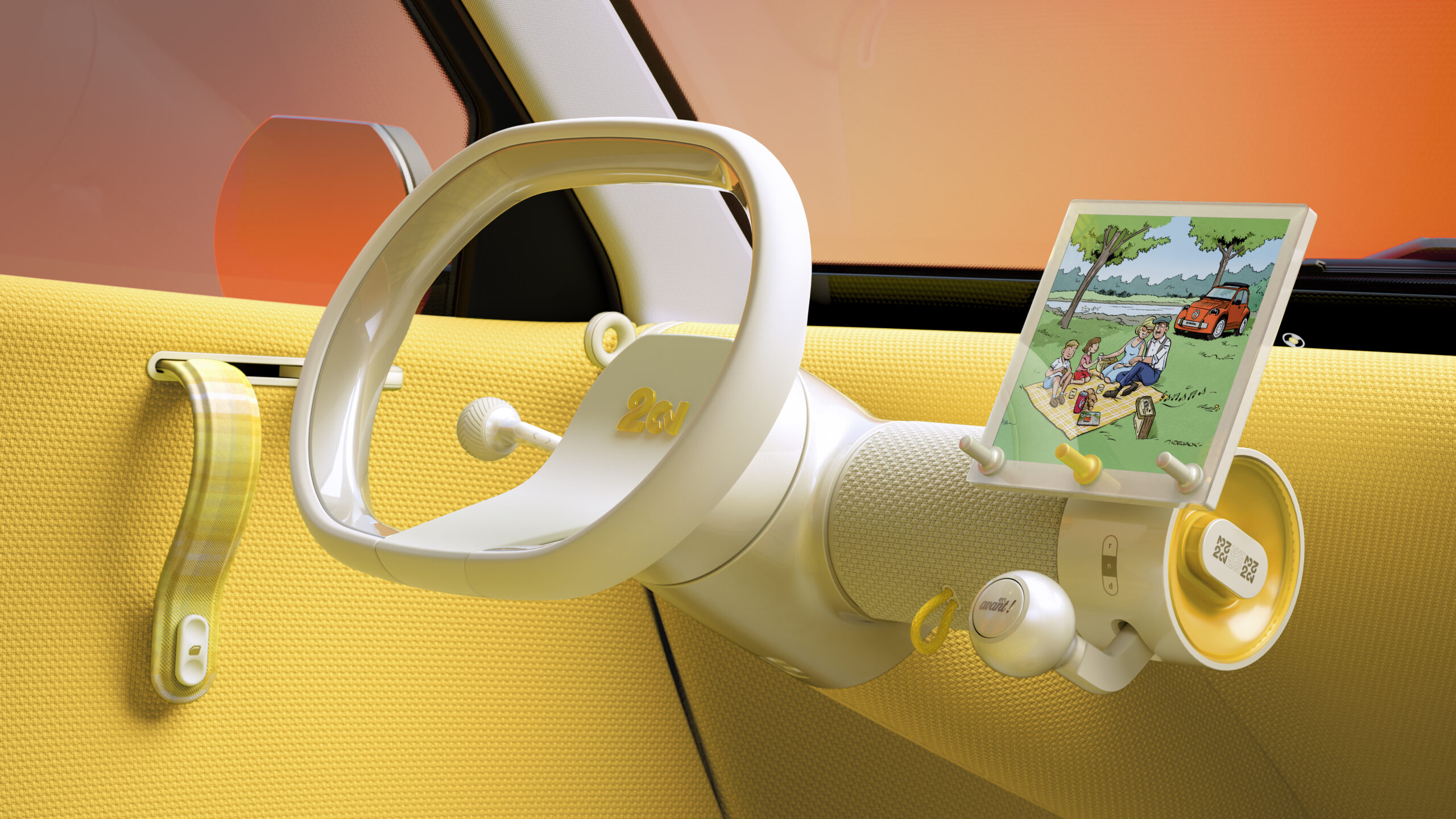
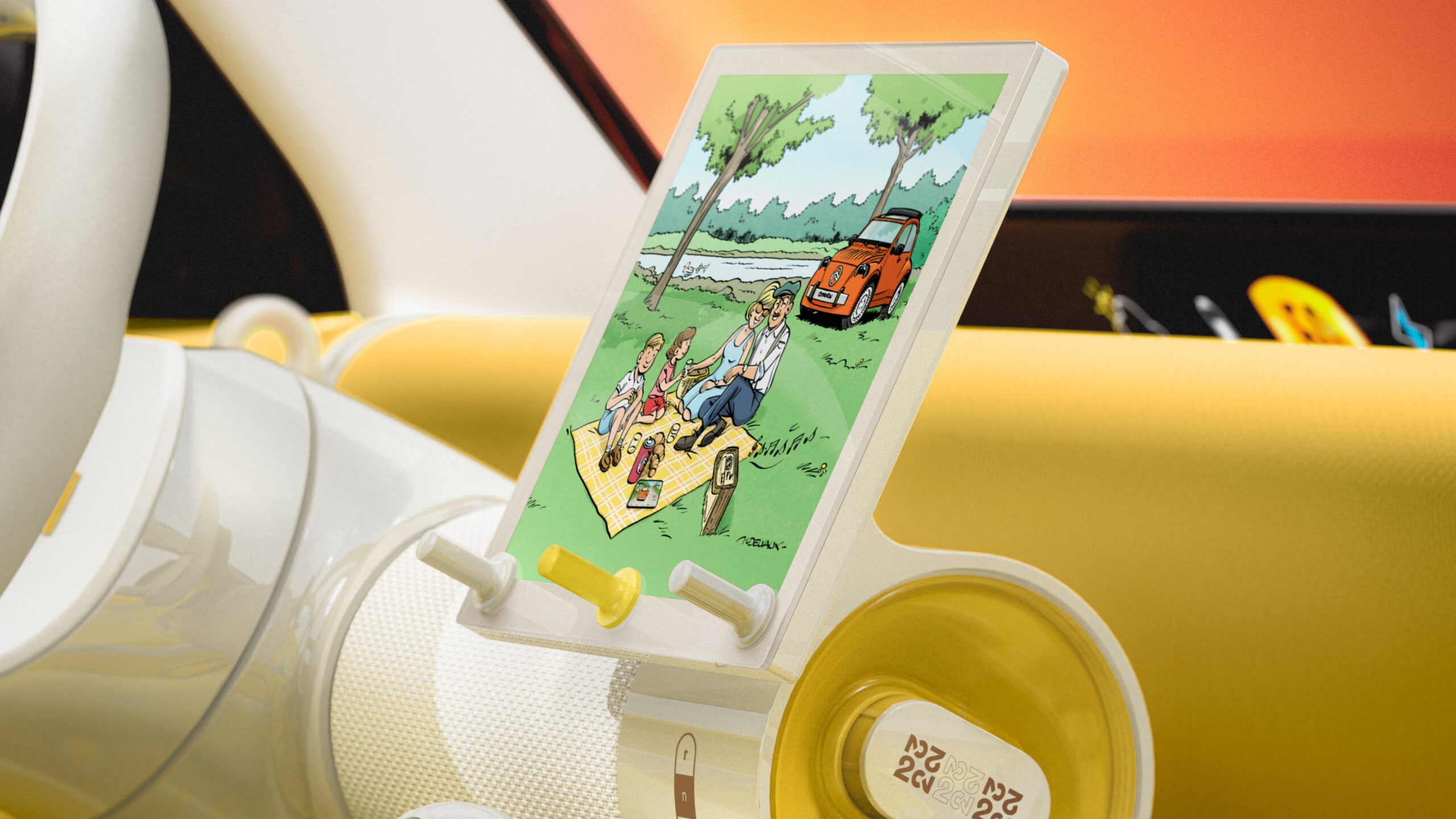
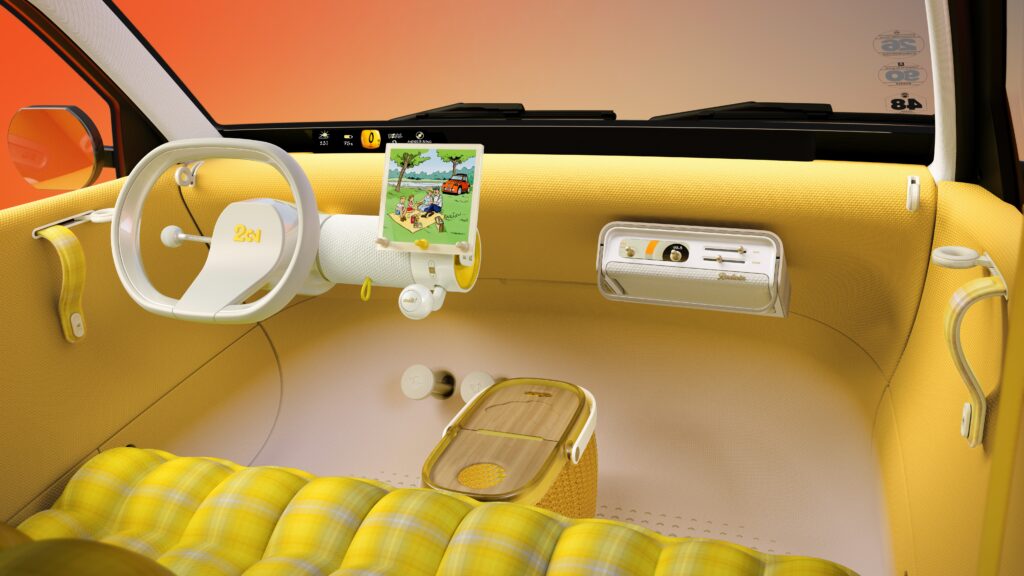
A conventional dashboard is replaced by a simple horizontal cylindrical structure incorporating a single-spoke steering wheel, essential controls and a compact digital display. An additional 8-inch square touchscreen provides infotainment functions while retaining physical controls for frequently used features.
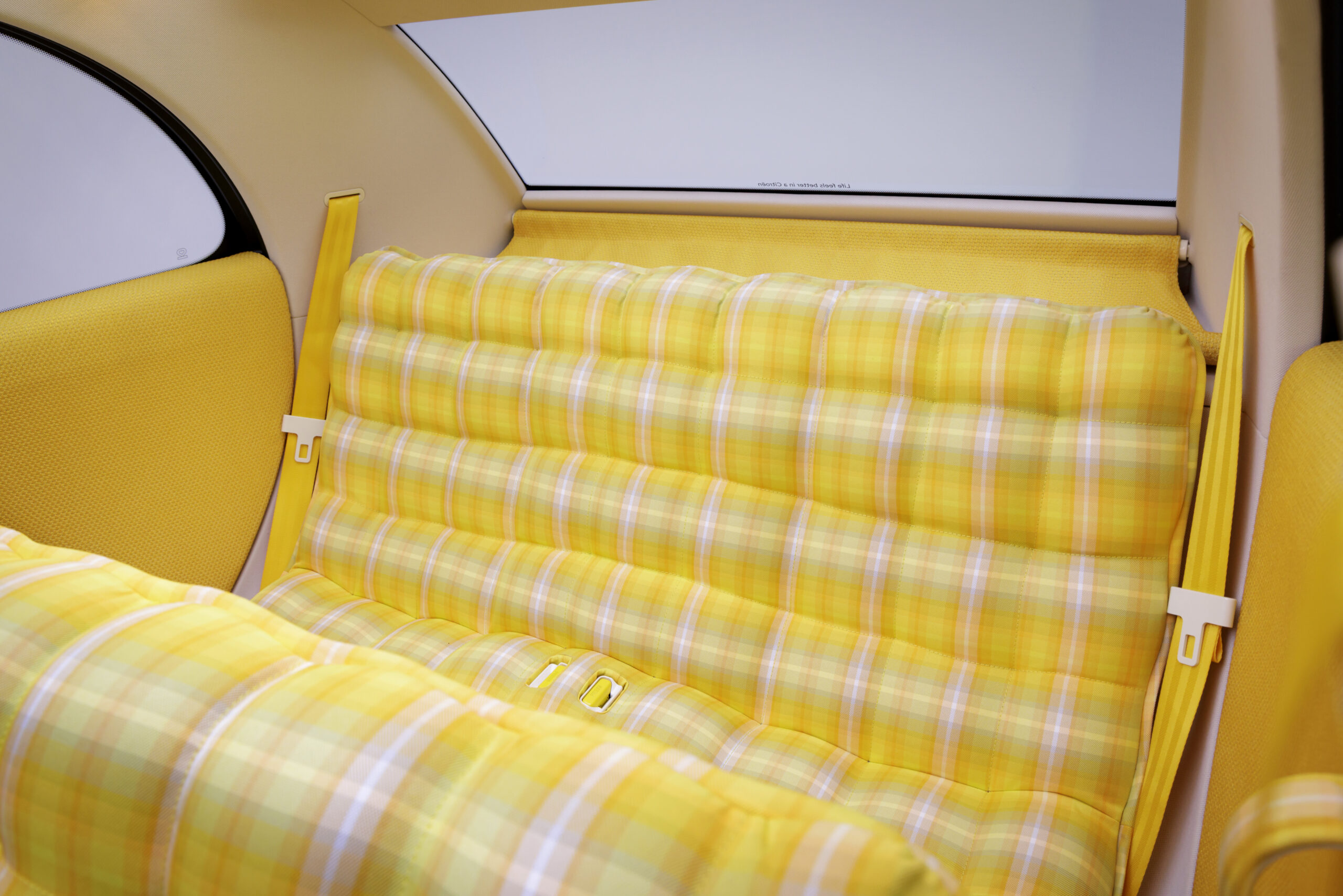
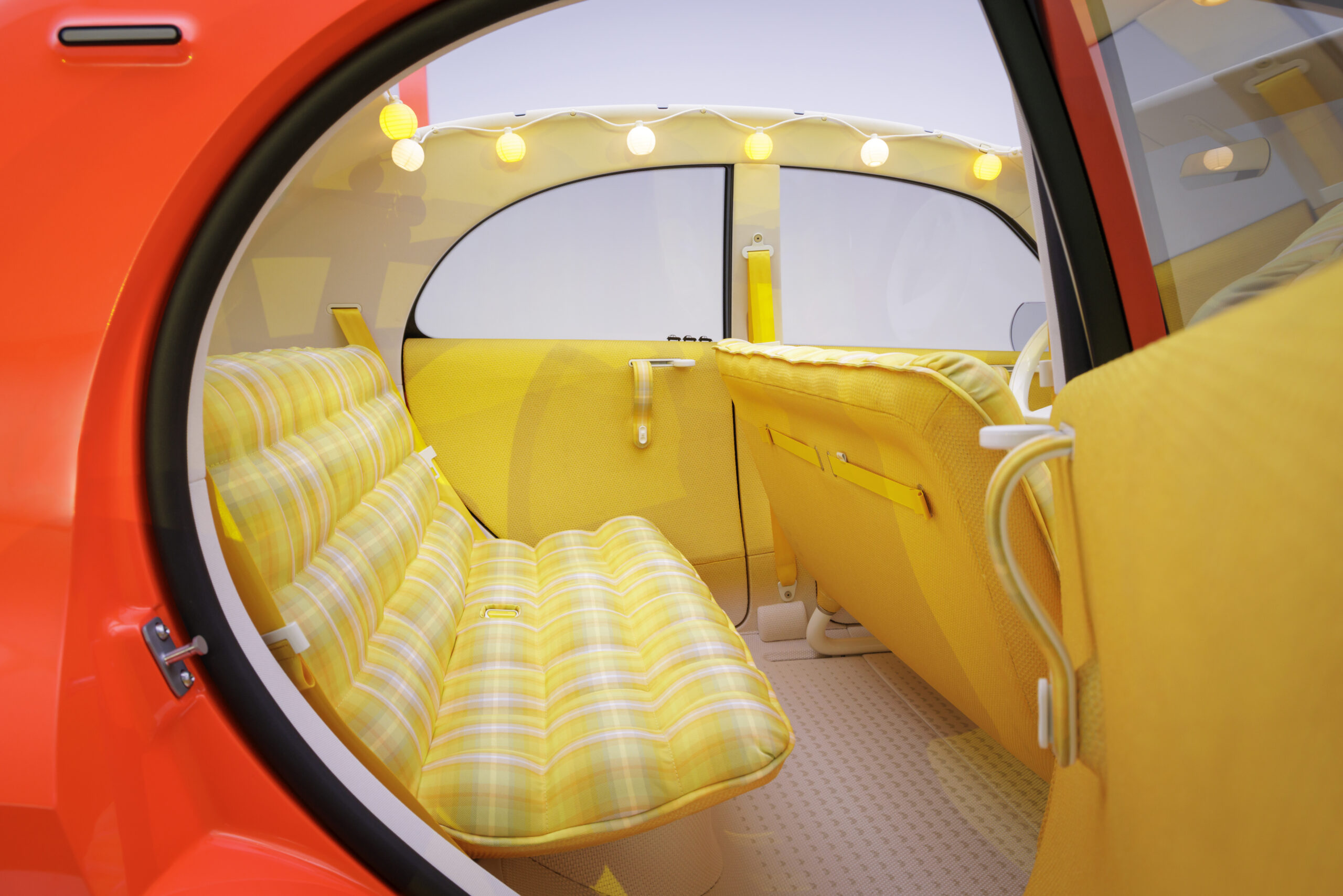
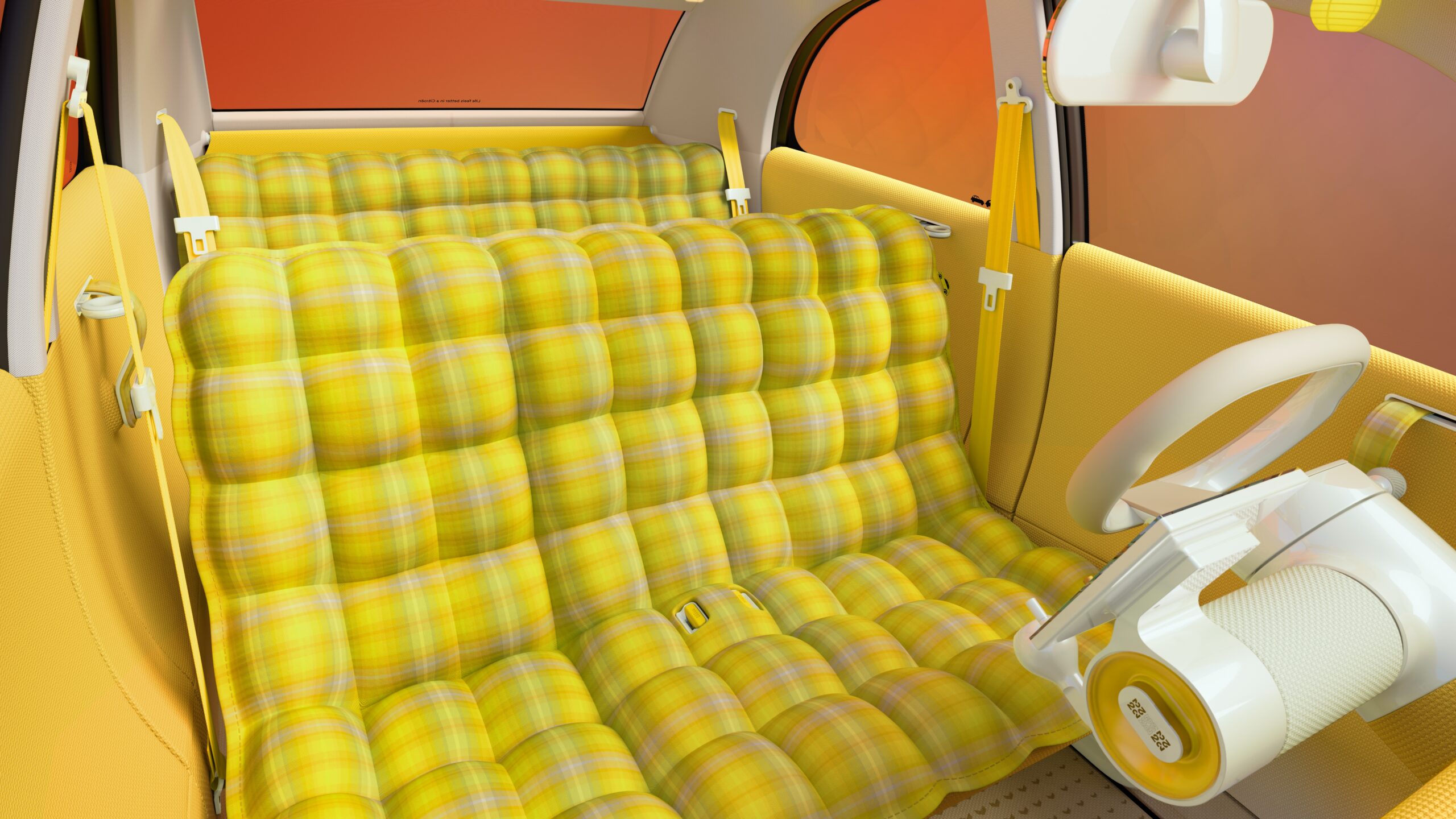
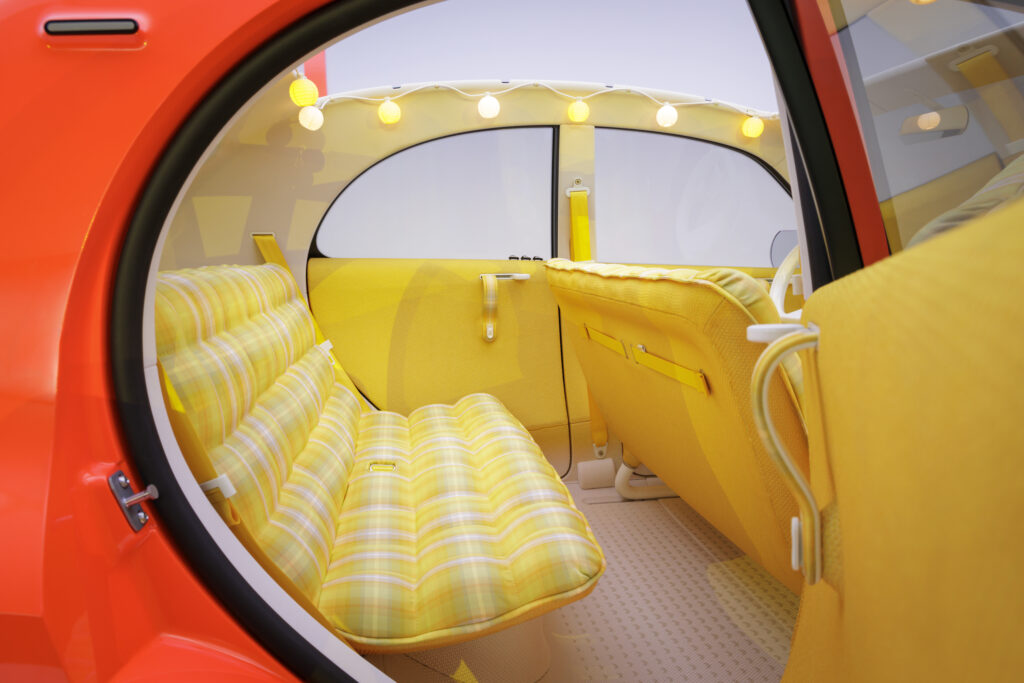
The front and rear bench seats incorporate Citroën Advanced Comfort technology, while the front bench can be removed for use outside the vehicle, recalling the original 2 CV’s remarkably practical seating arrangement.
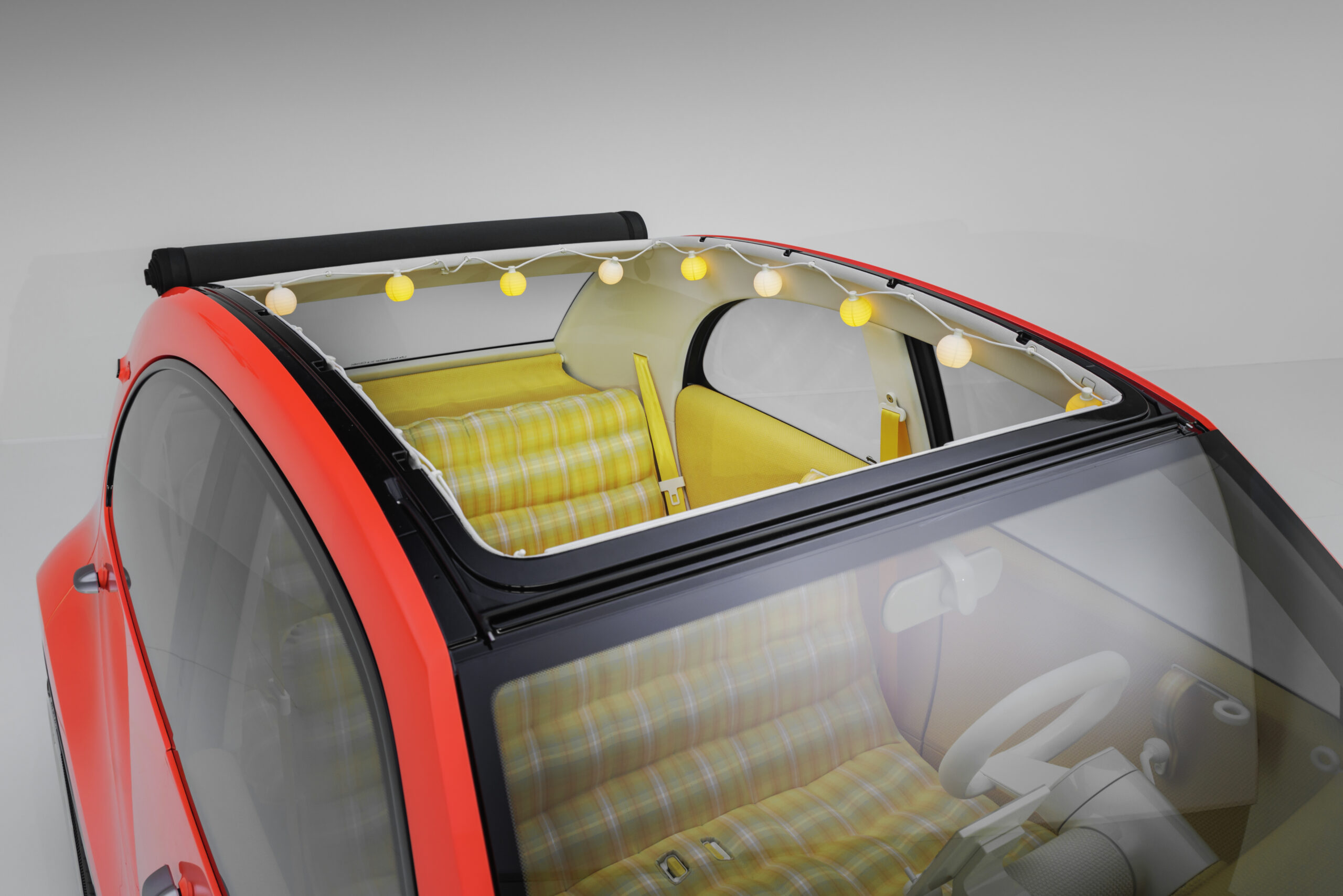
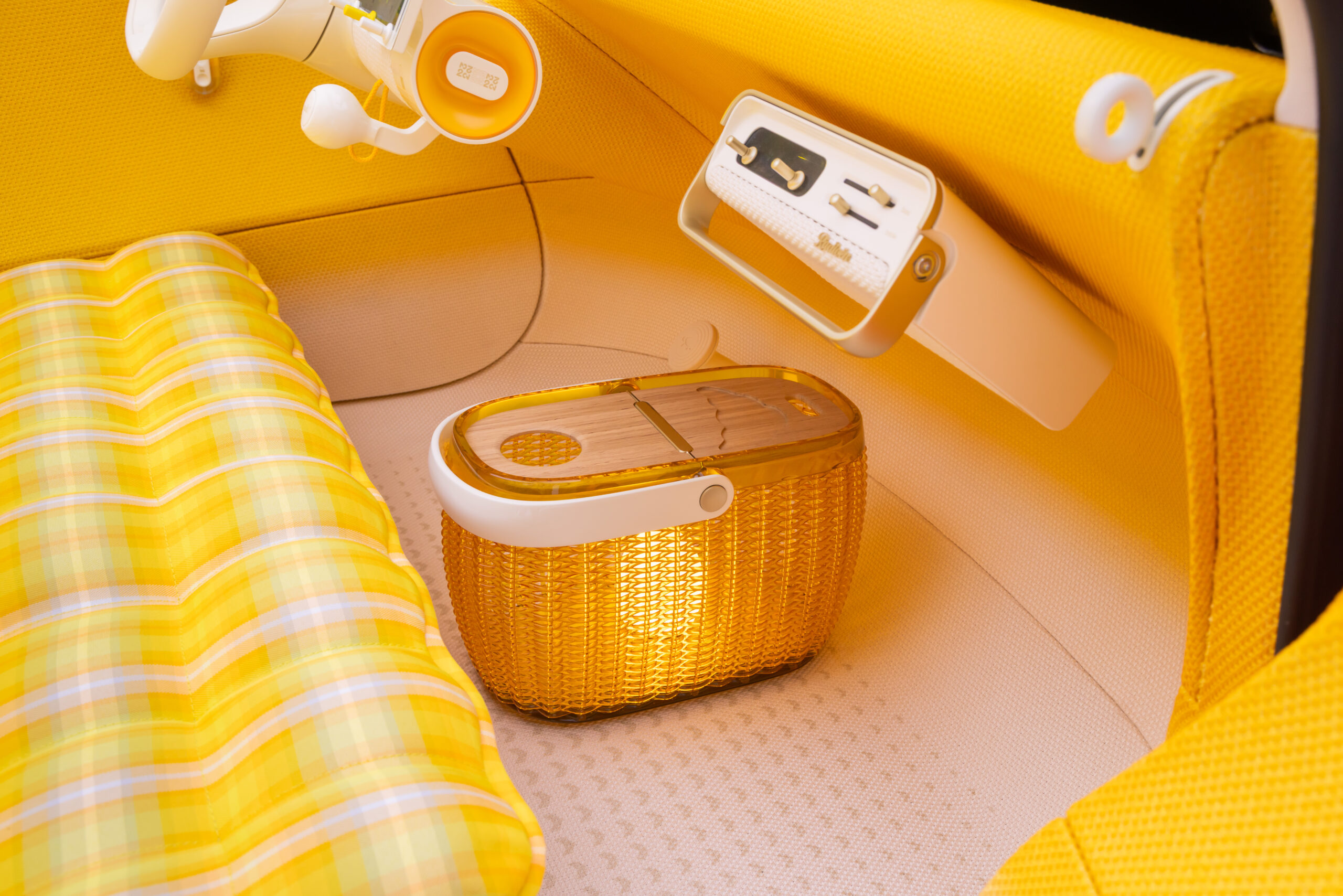
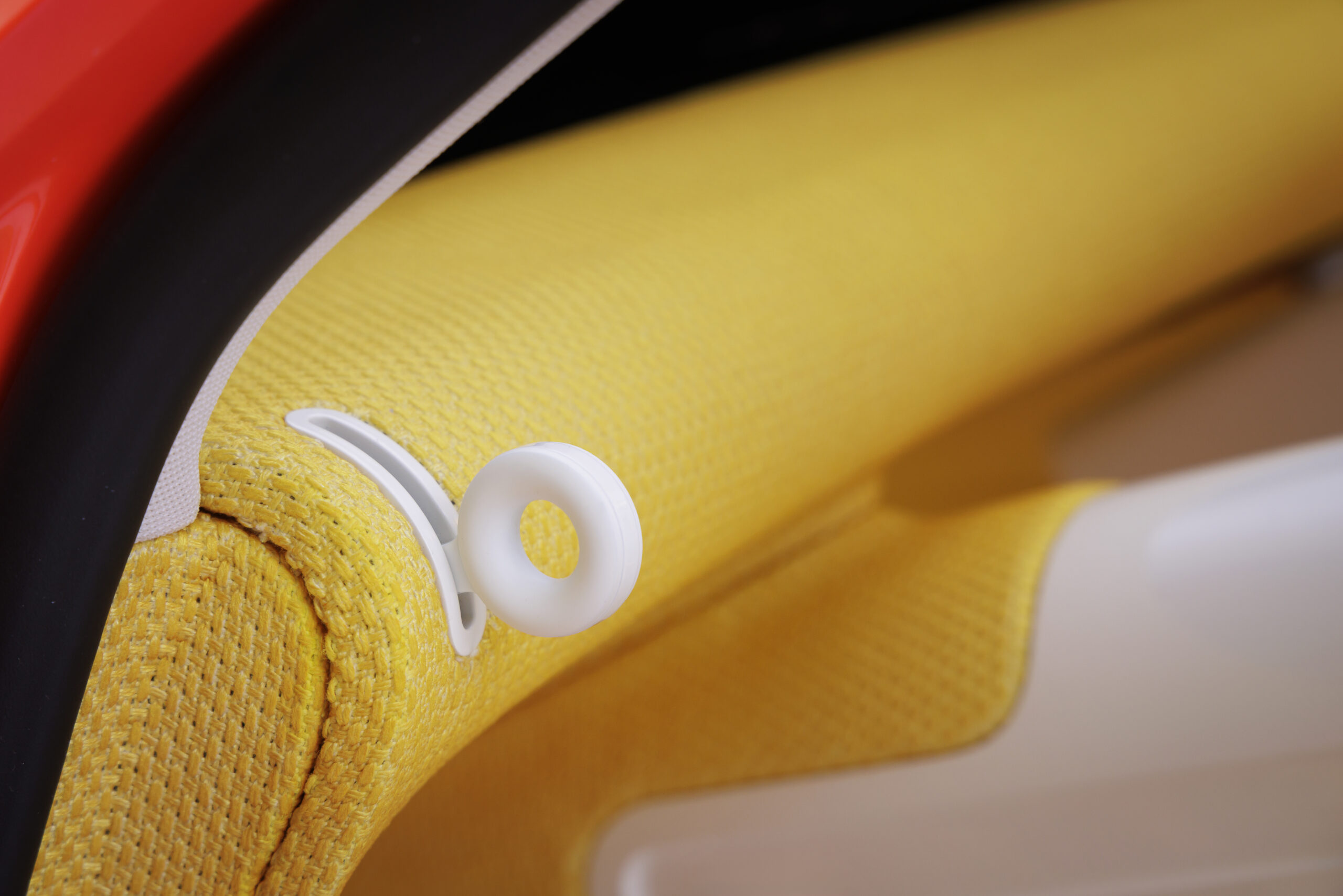
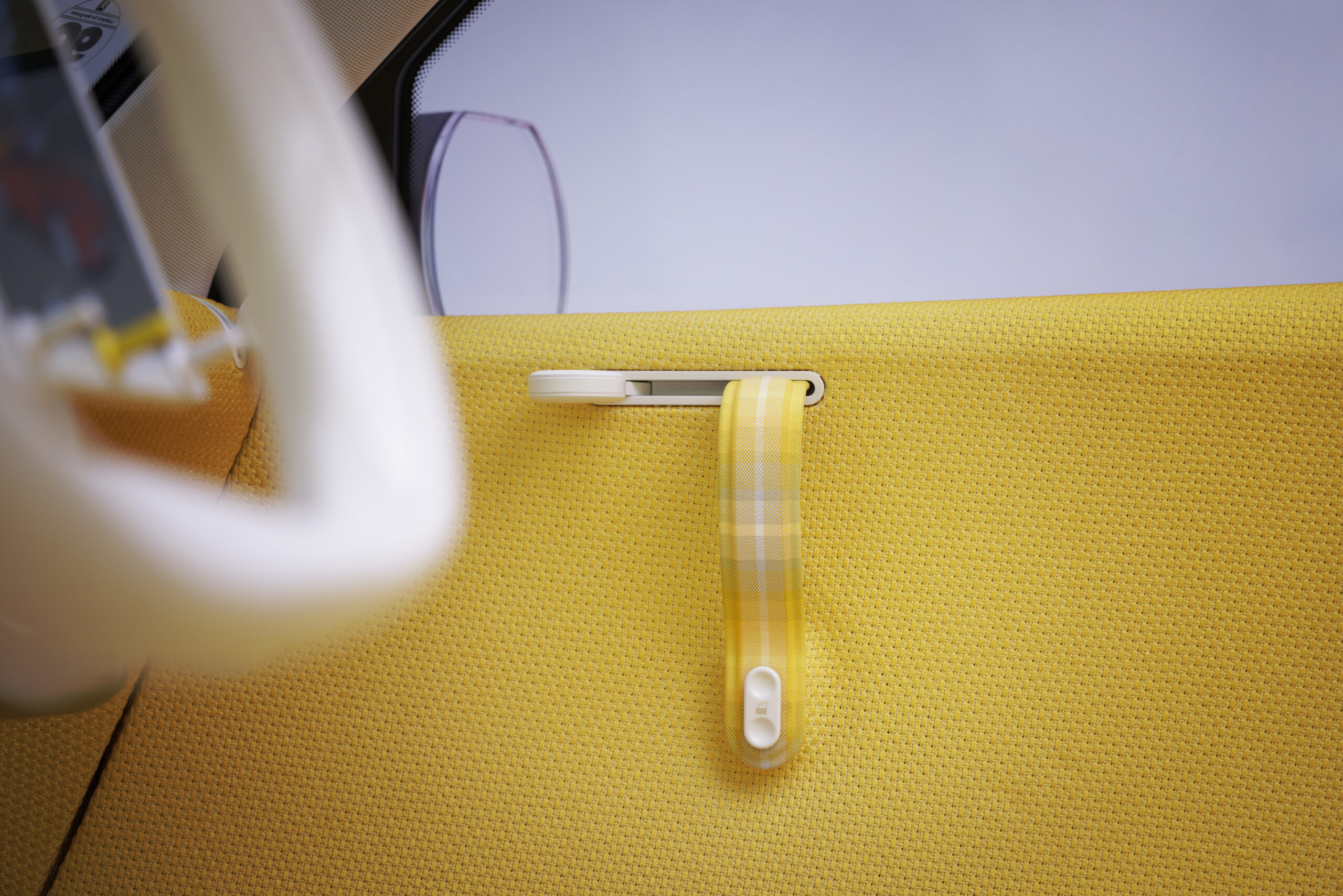
A removable storage basket replaces the conventional centre console, while flexible fabric straps serve as interior door handles. The manually operated fabric roof further reinforces the connection with the original, providing an open-air driving experience without requiring a complicated electric mechanism.
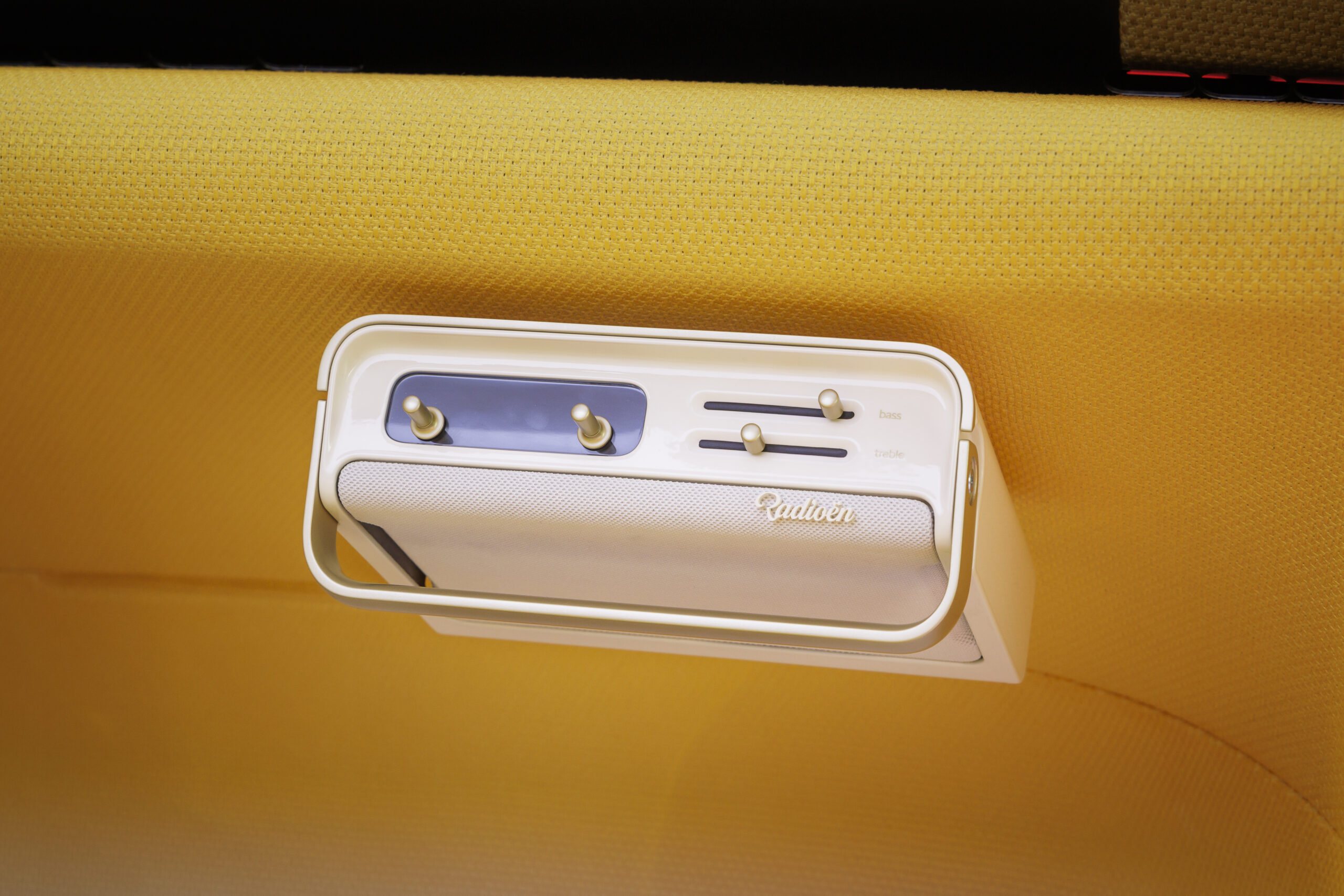
Citroën has also introduced a detachable radio called Radioën, which doubles as a portable speaker. It is a small but appealing example of technology being designed around everyday activities rather than simply adding another feature to the vehicle.
A Playful Approach to Colour and Materials
The concept’s vibrant Infra Red exterior colour combines orange, red and yellow tones, creating a particularly cheerful appearance. Inside, yellow tartan upholstery, beige details inspired by traditional Bakelite and textured fabrics establish a warm, informal atmosphere.
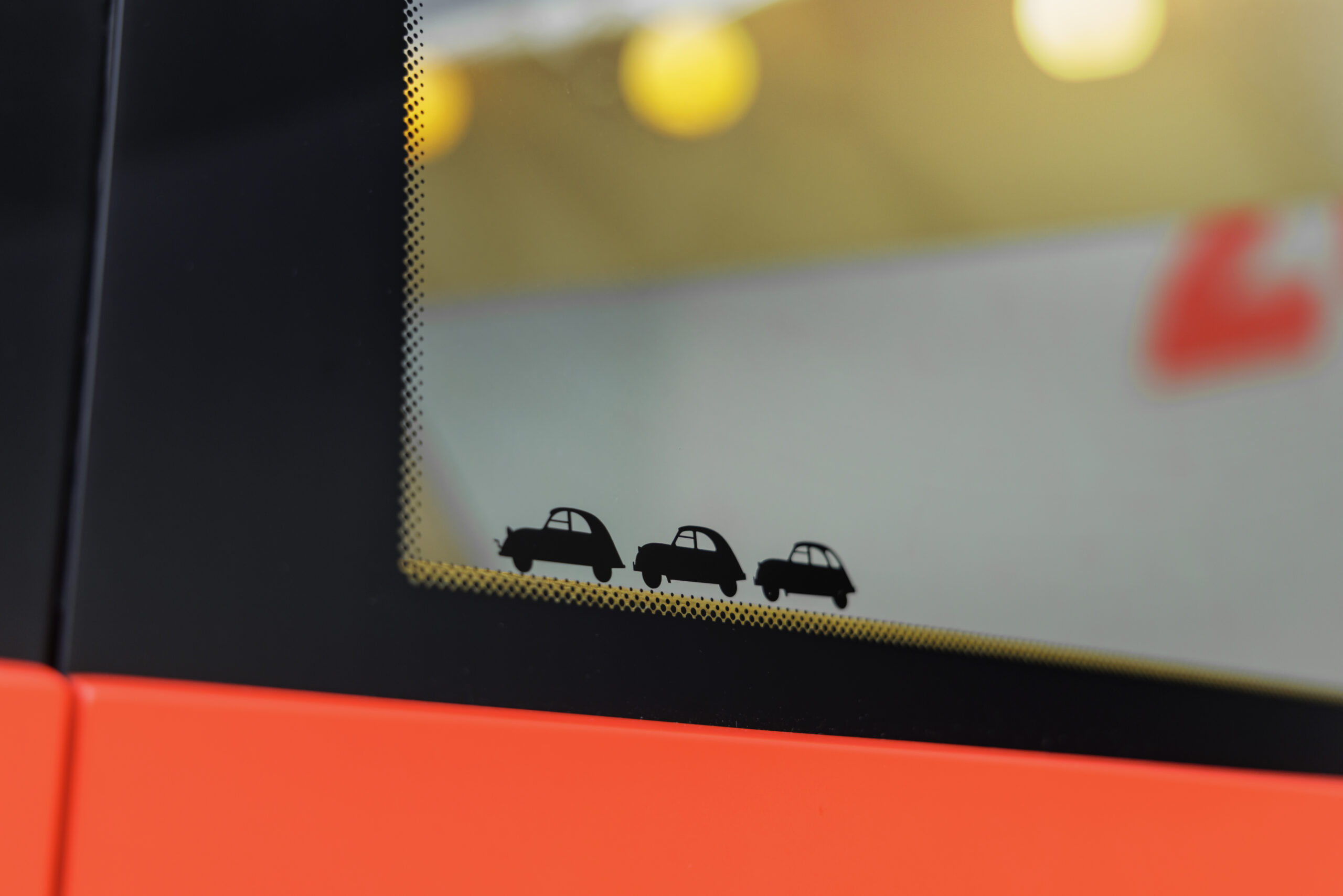
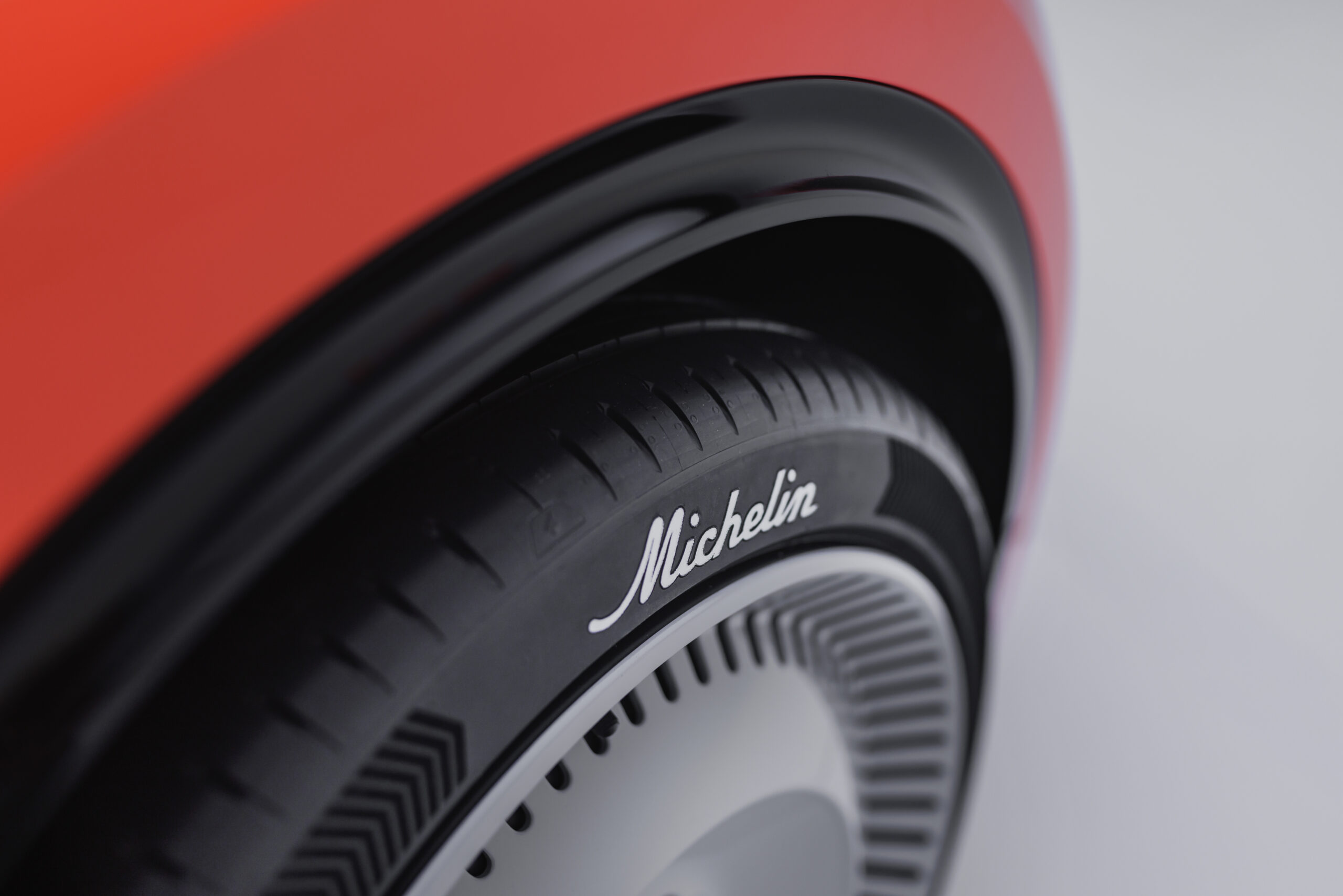
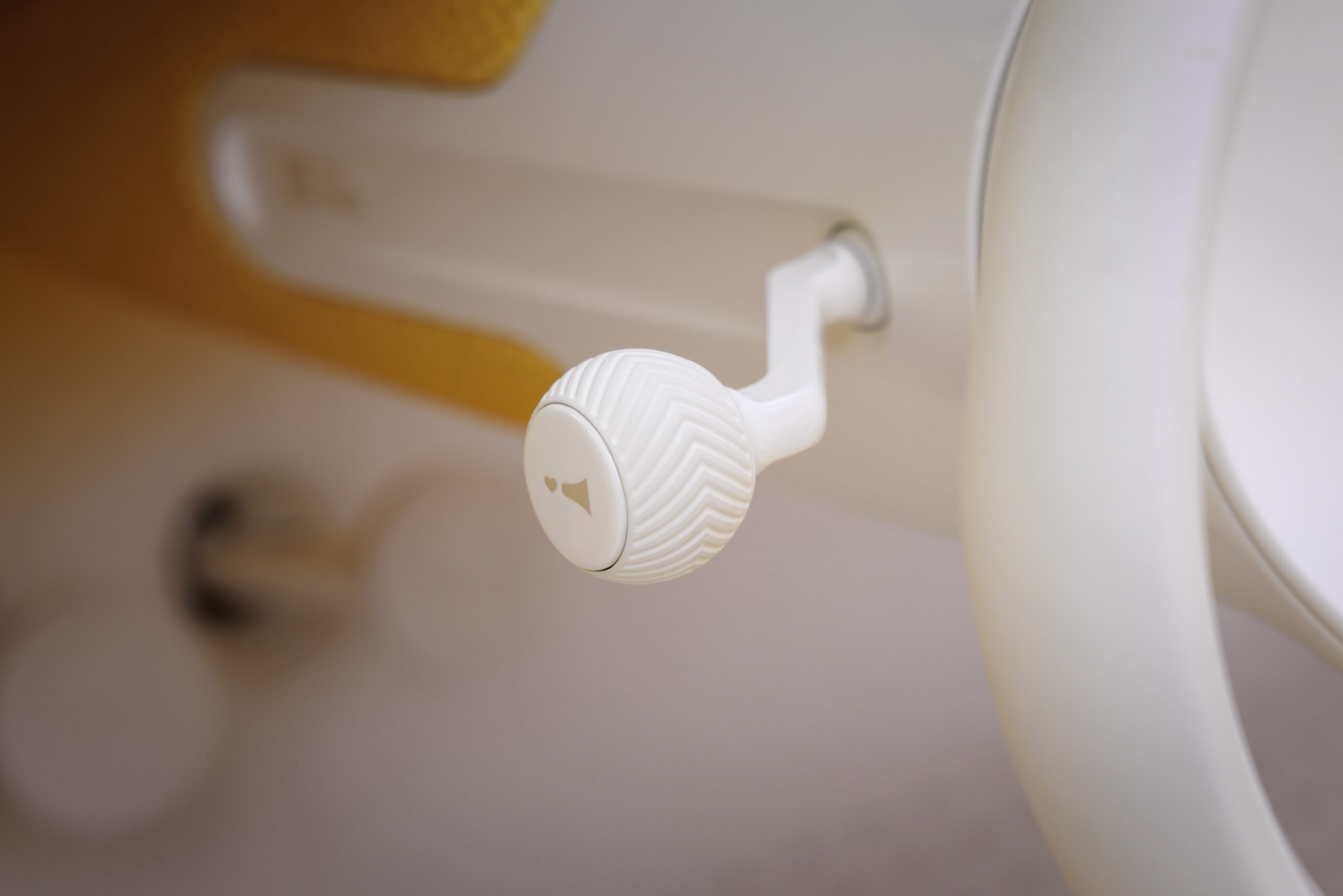
Numerous small references celebrate the original 2 CV, including a horn sound inspired by the historic model, distinctive tyre graphics developed with Michelin and even door compartments designed to accommodate eggs, recalling the original car’s famous practical design requirements.
These details might seem whimsical, but they contribute to something increasingly rare in automotive design: a vehicle with a genuine personality.
Could This Be the Affordable Electric Car Europe Needs?
The Citroën 2 CV Concept addresses a particularly relevant problem. Electric cars have become increasingly sophisticated, but they have also frequently become larger, heavier and more expensive than necessary.
By concentrating on essential transportation needs, Citroën is exploring an alternative that could make electric mobility accessible to a much broader audience. The concept is positioned between the Ami and C3, with its future production interpretation intended to meet forthcoming European E-Car regulations.
Naturally, some of the concept’s more playful details may not survive into production, and the €15,000 target will require careful control of manufacturing costs. Nevertheless, the underlying design philosophy is convincing.
The original 2 CV became successful because it offered freedom and mobility without unnecessary complication. Its unusual appearance was simply the visual consequence of that philosophy.
The new Citroën 2 CV Concept has the potential to rediscover precisely that quality. Rather than creating another expensive technological showcase, Citroën is proposing a small electric car that prioritizes affordability, practicality, comfort and character.
If the production version can retain these qualities, it could become one of the most significant small electric cars introduced in Europe in recent years.