Tesla Roadster: When the Sports Car Learns to Fly

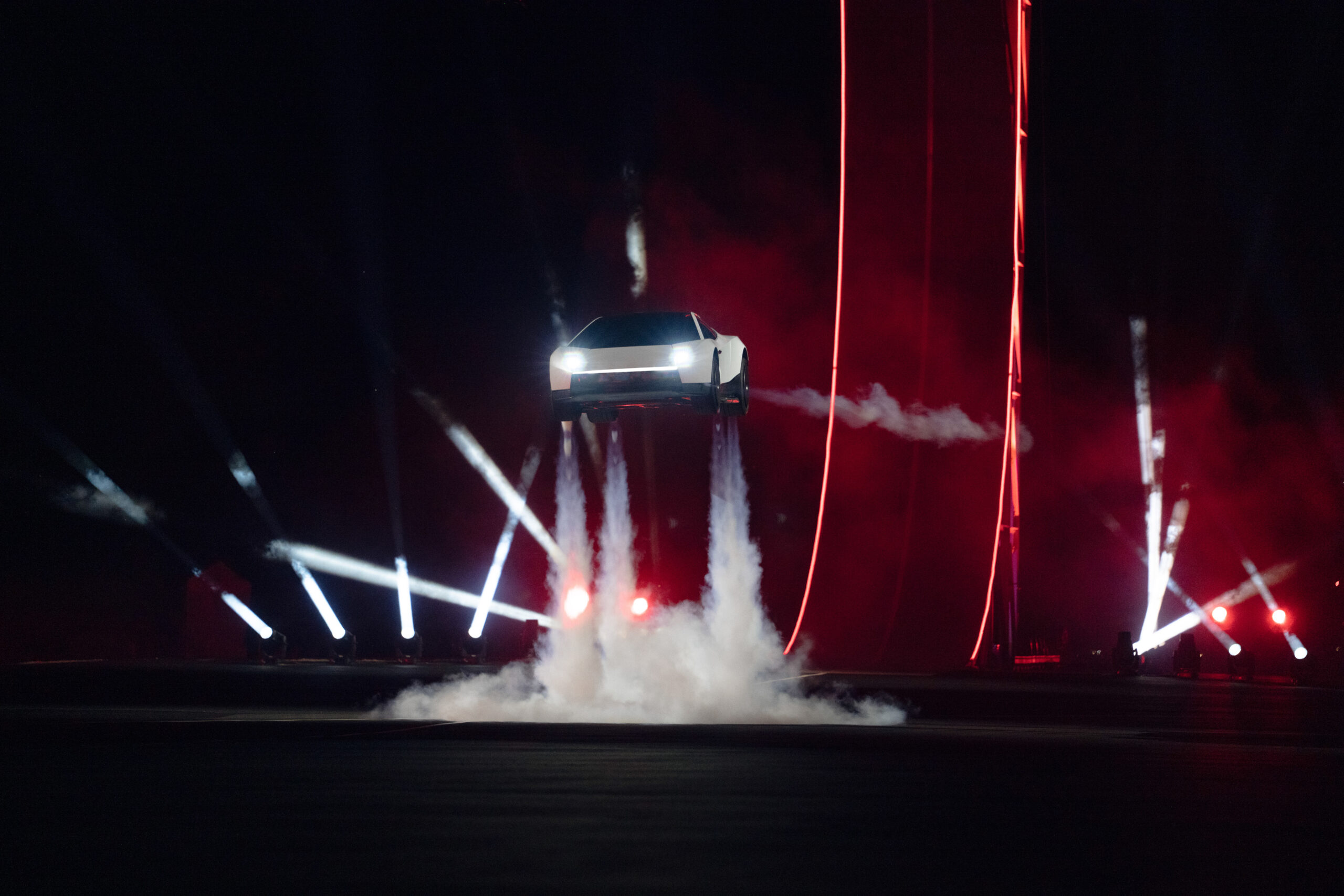
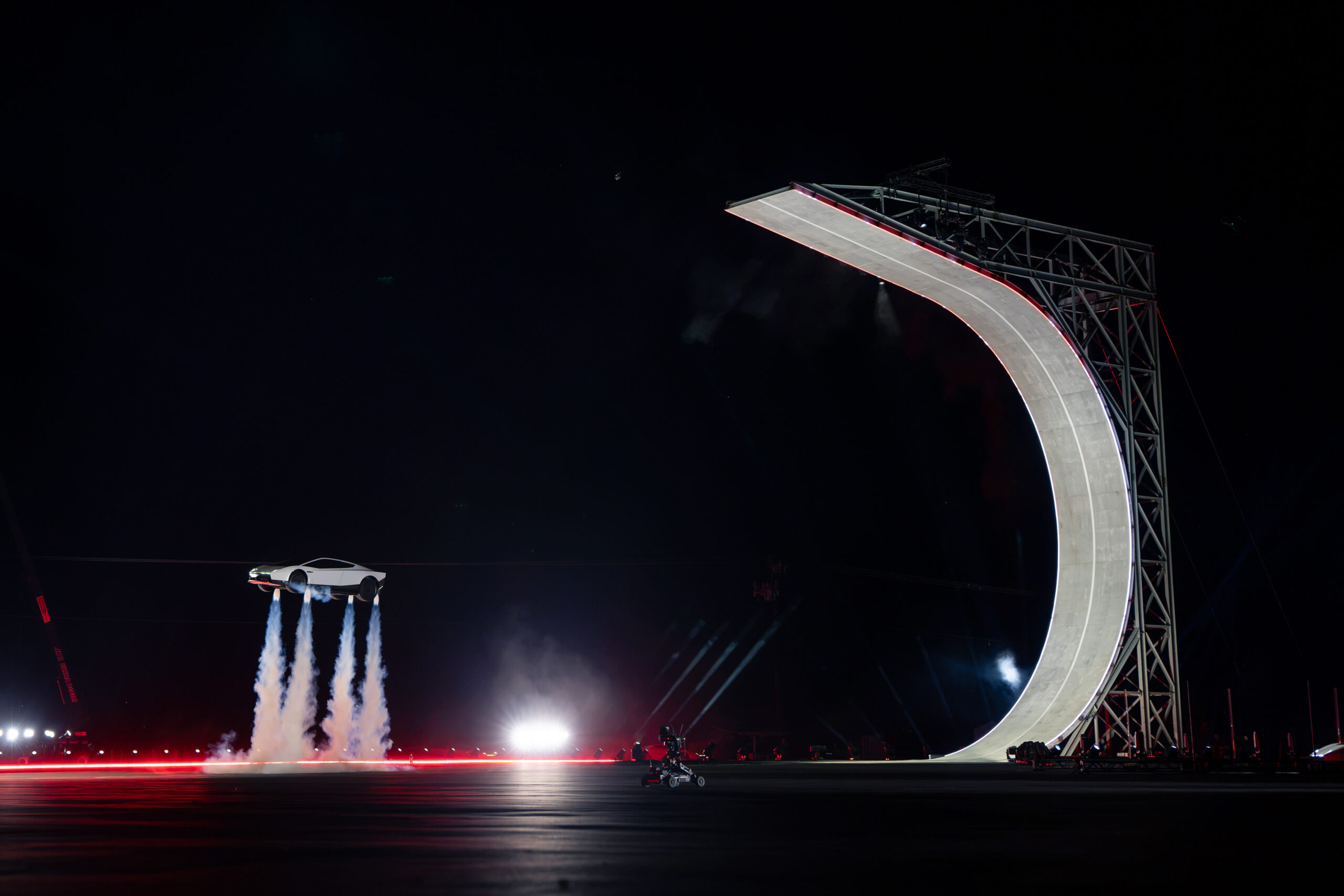
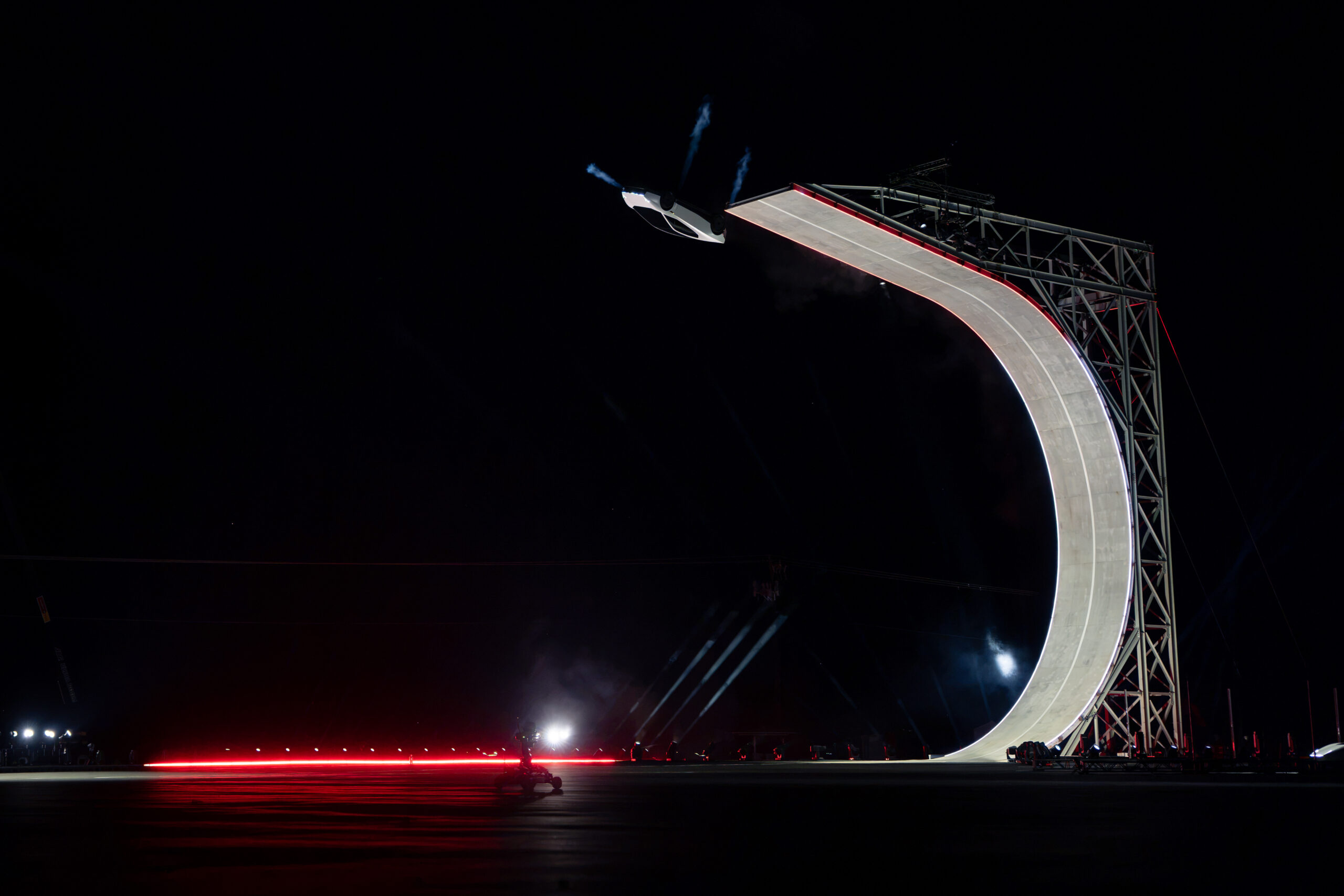
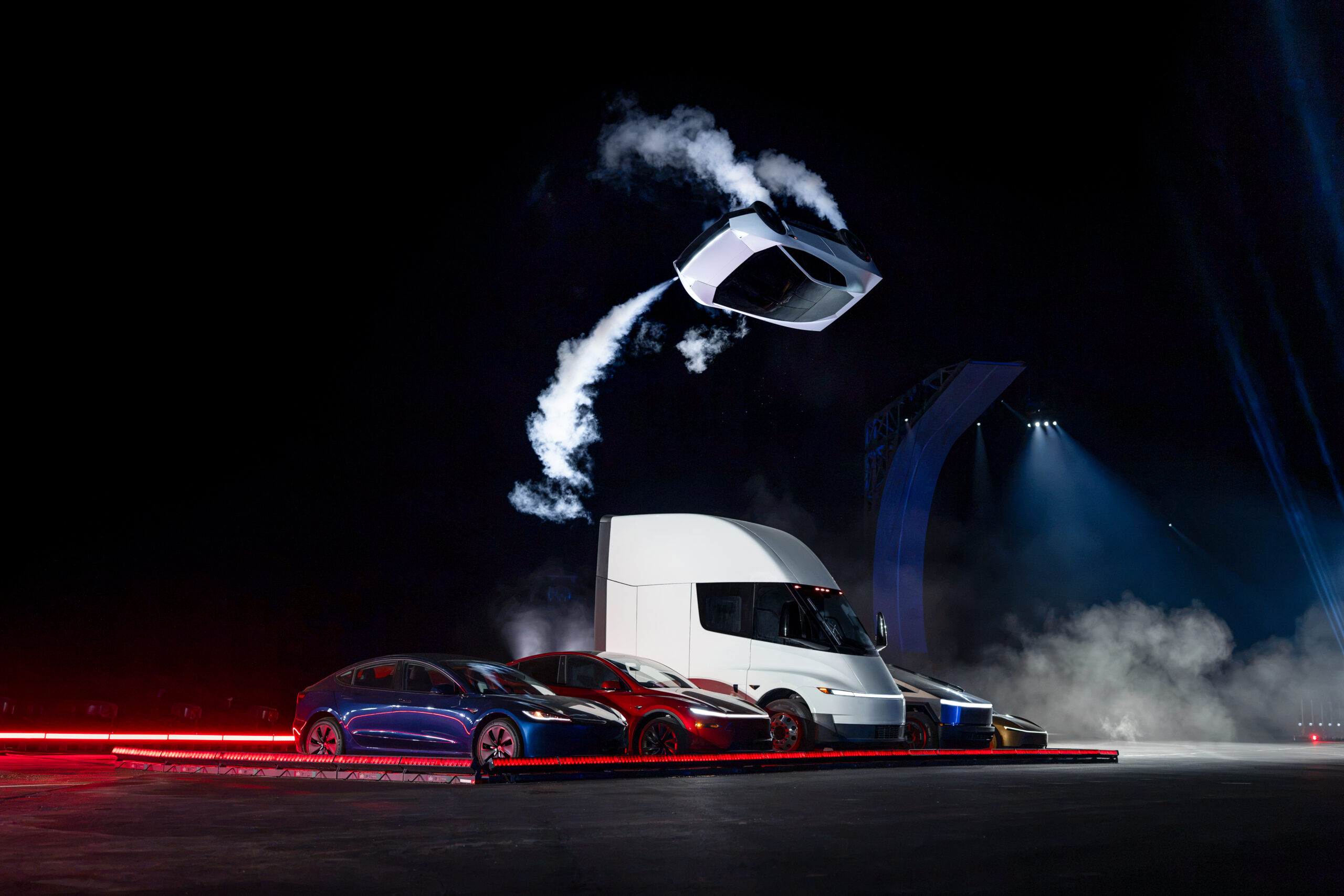
Nearly nine years after its original unveiling, Tesla has finally presented a radically redesigned version of its second-generation Roadster. Revealed on October 15, 2026, at SpaceX’s testing facility in Texas, the new Roadster goes considerably further than the electric supercar originally promised in 2017. In a spectacular demonstration, Tesla showed a vehicle capable of driving upside down, launching itself into the air, performing an aerial rotation and landing back on its wheels.
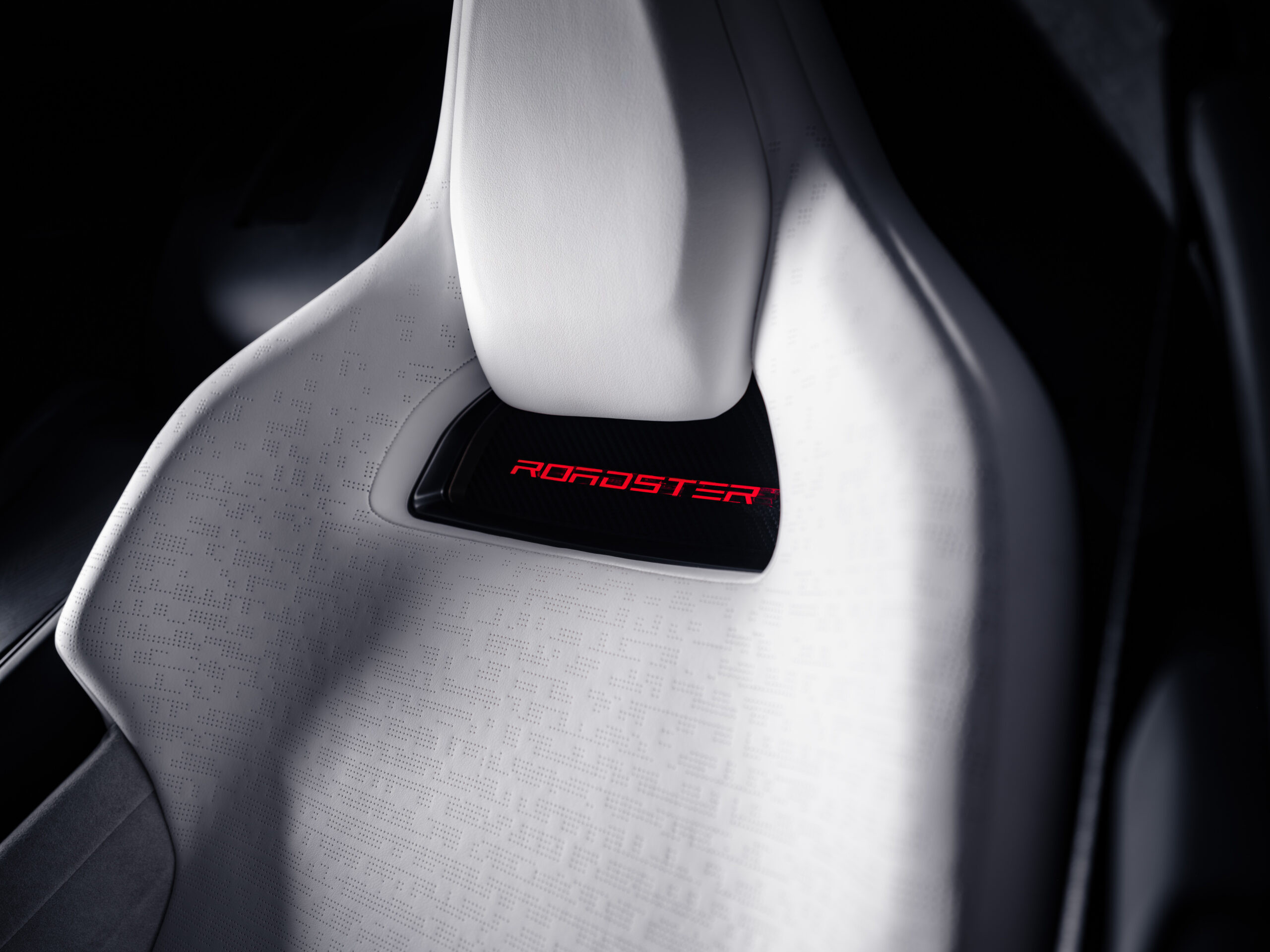
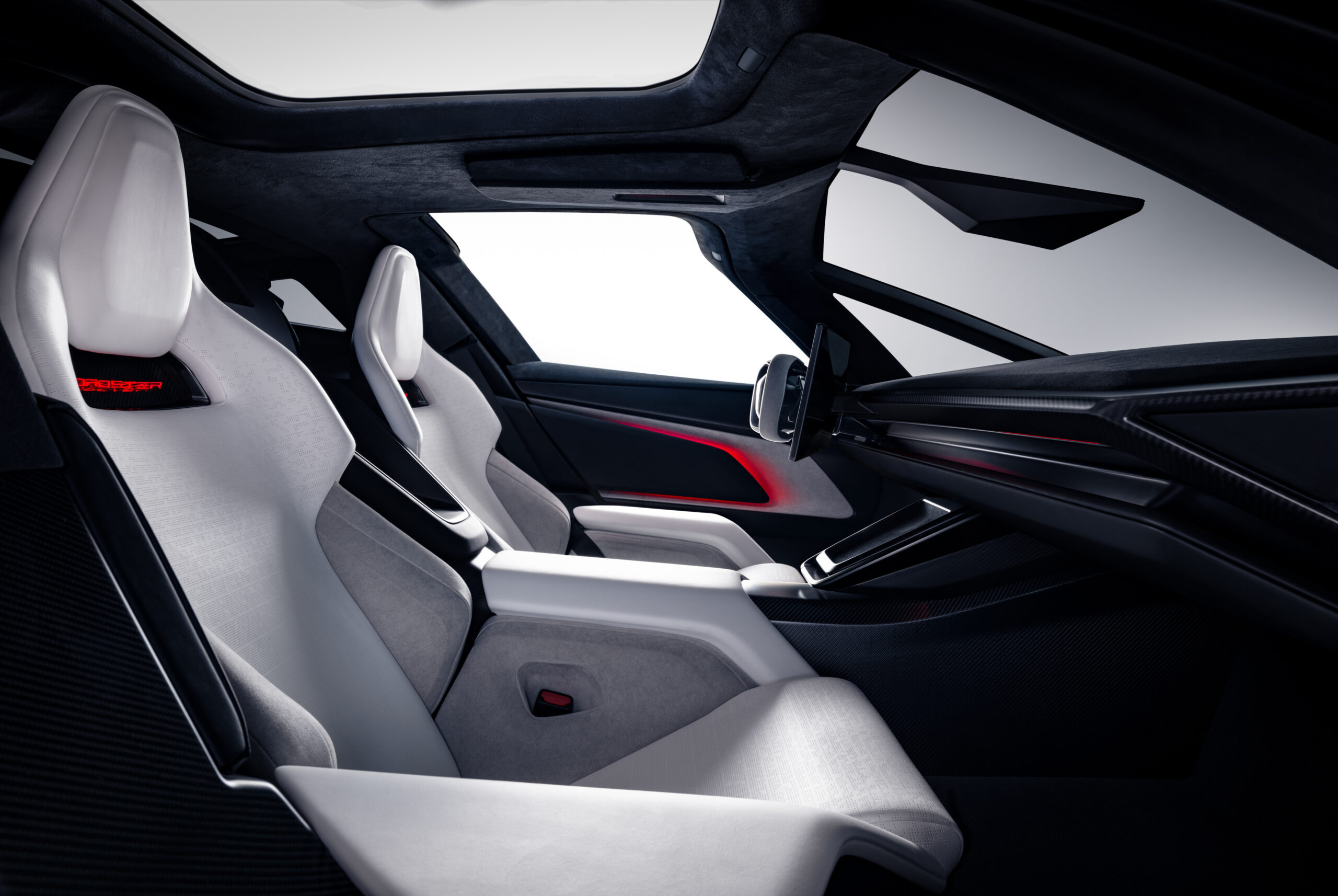
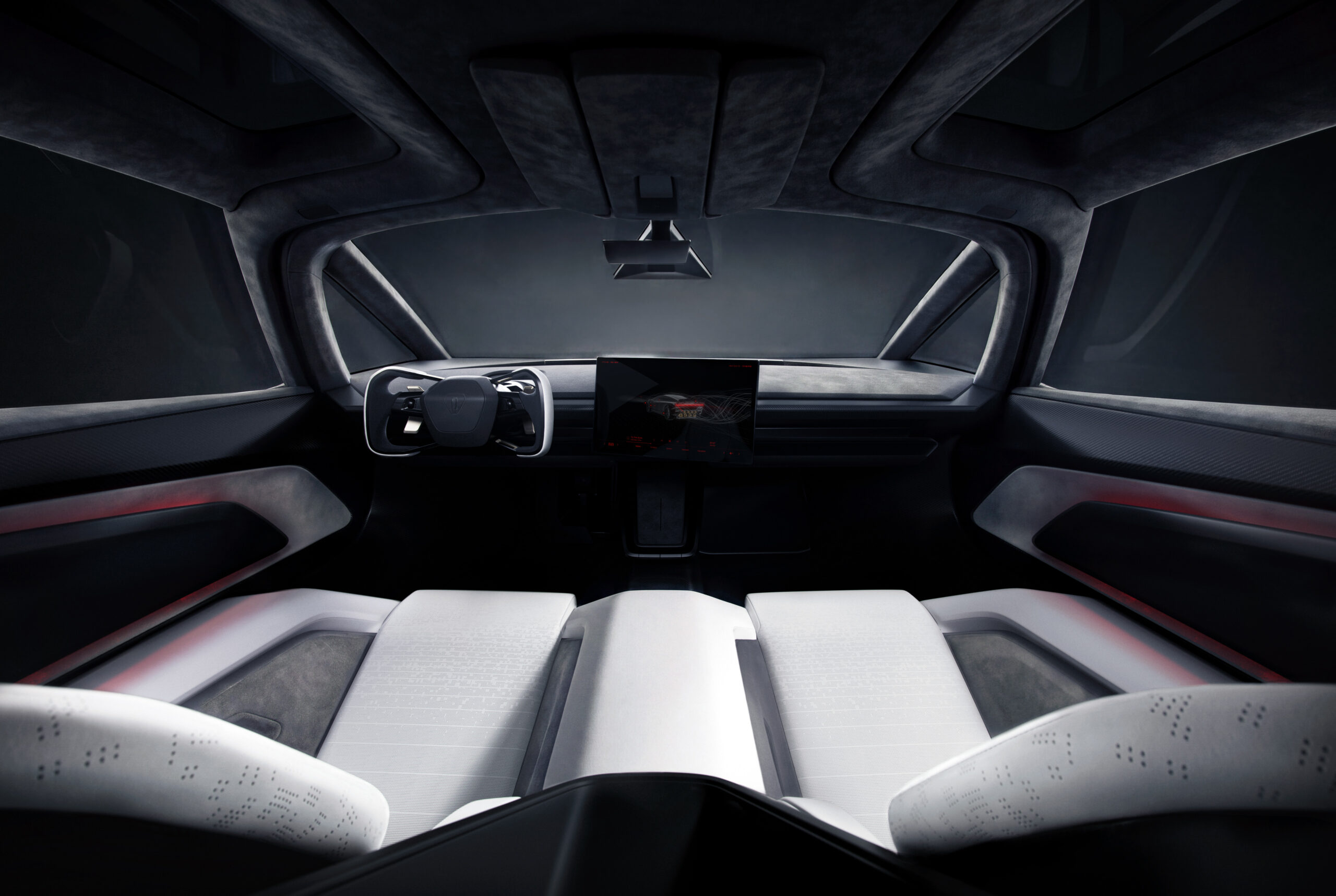
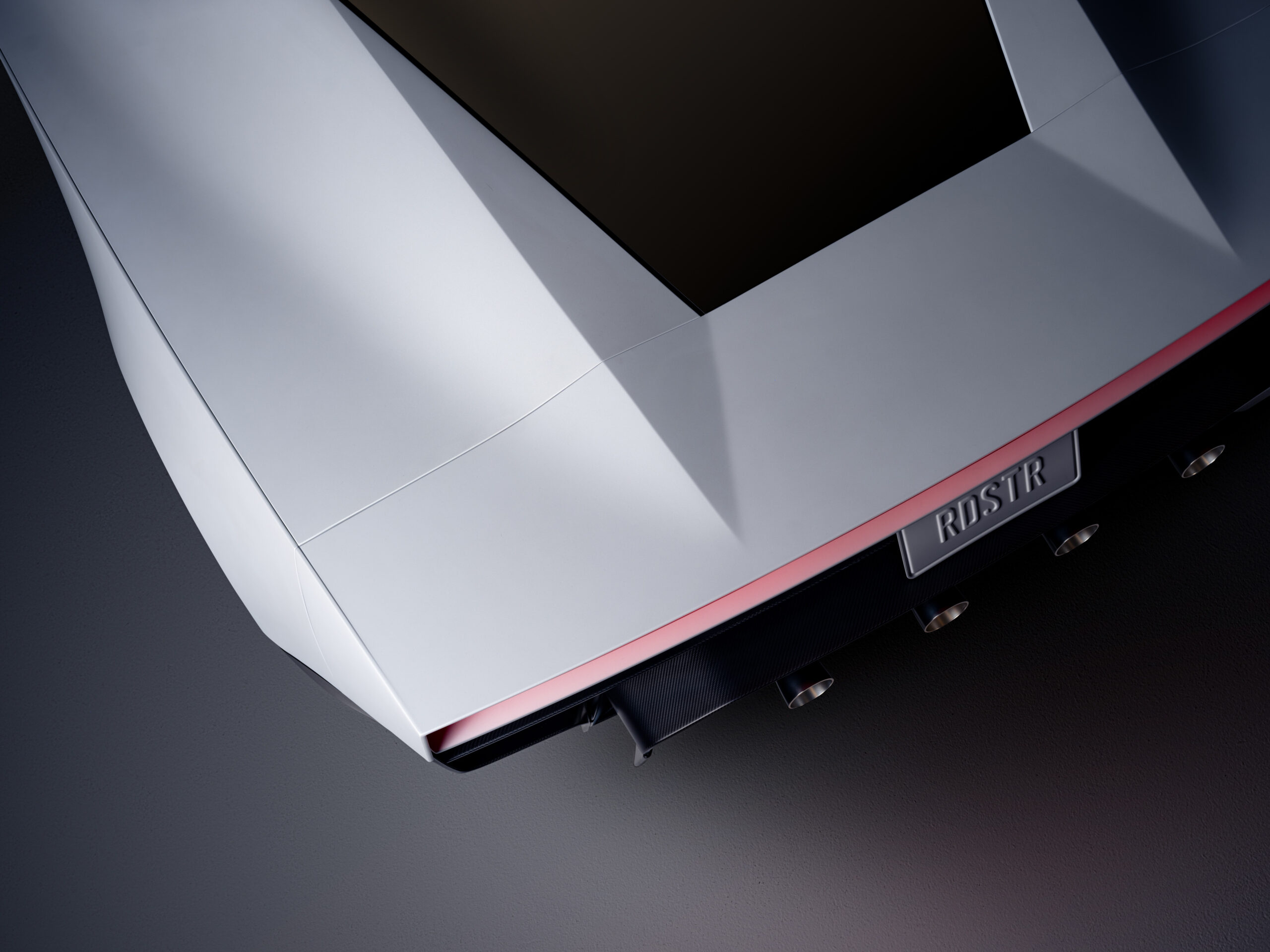
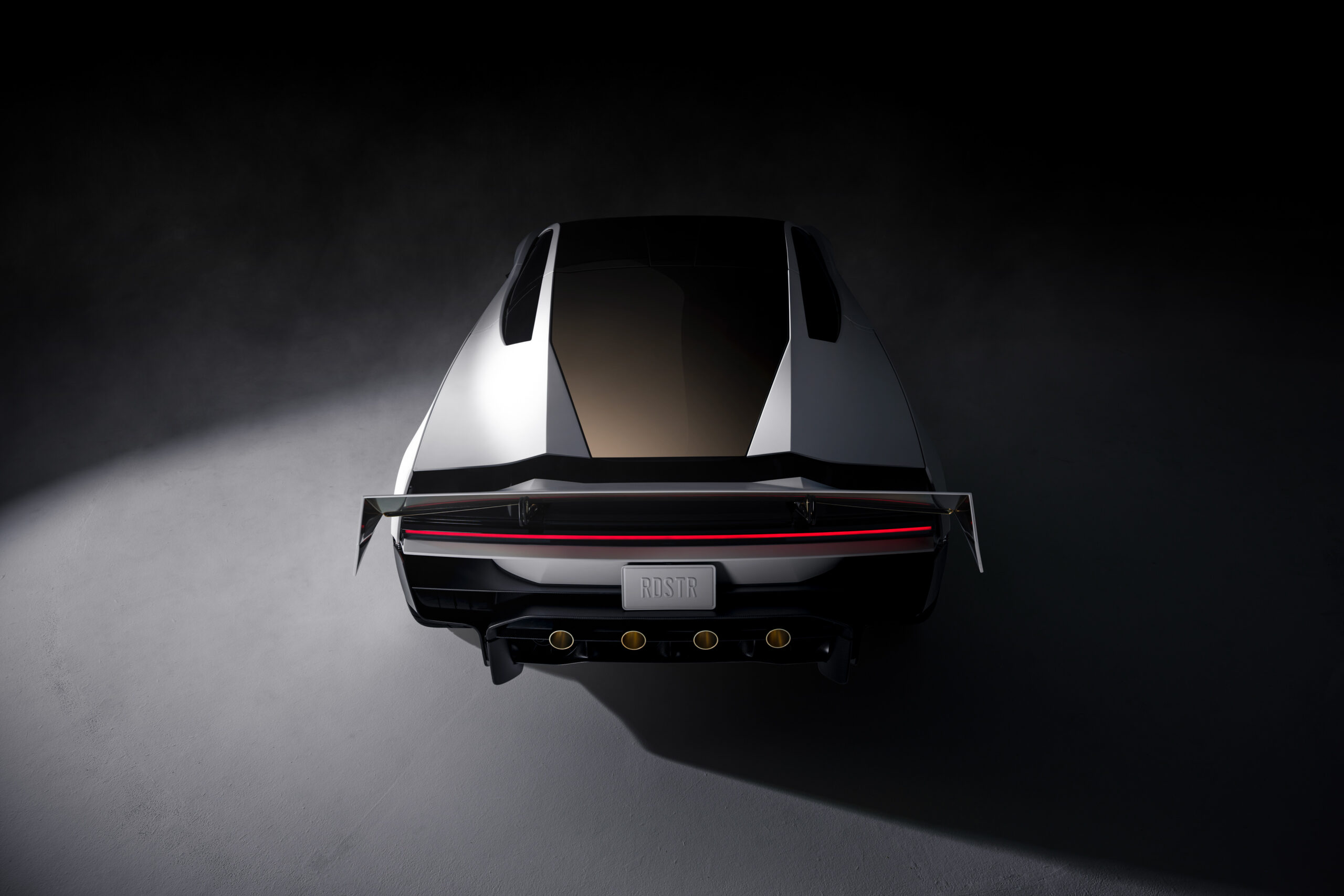
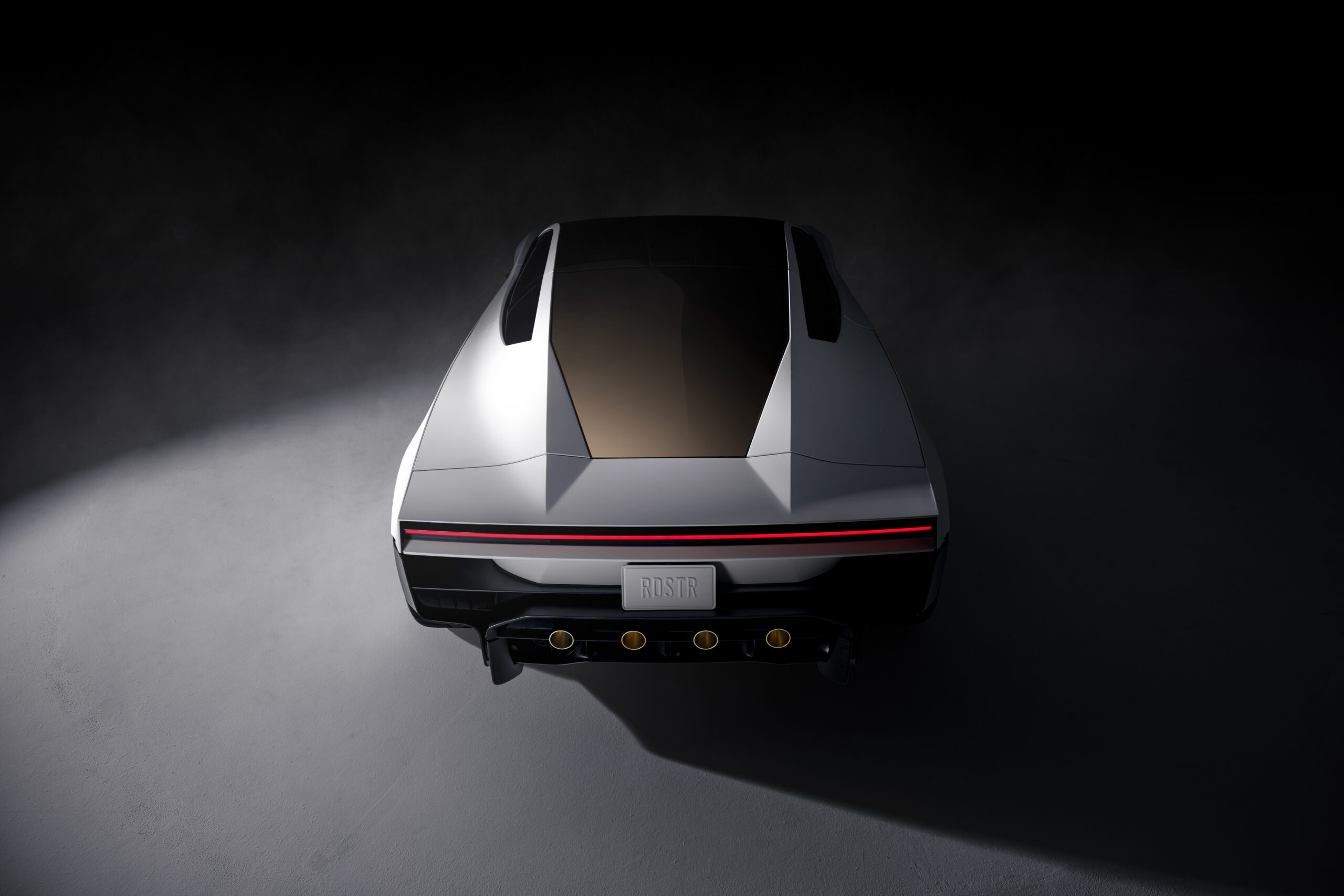
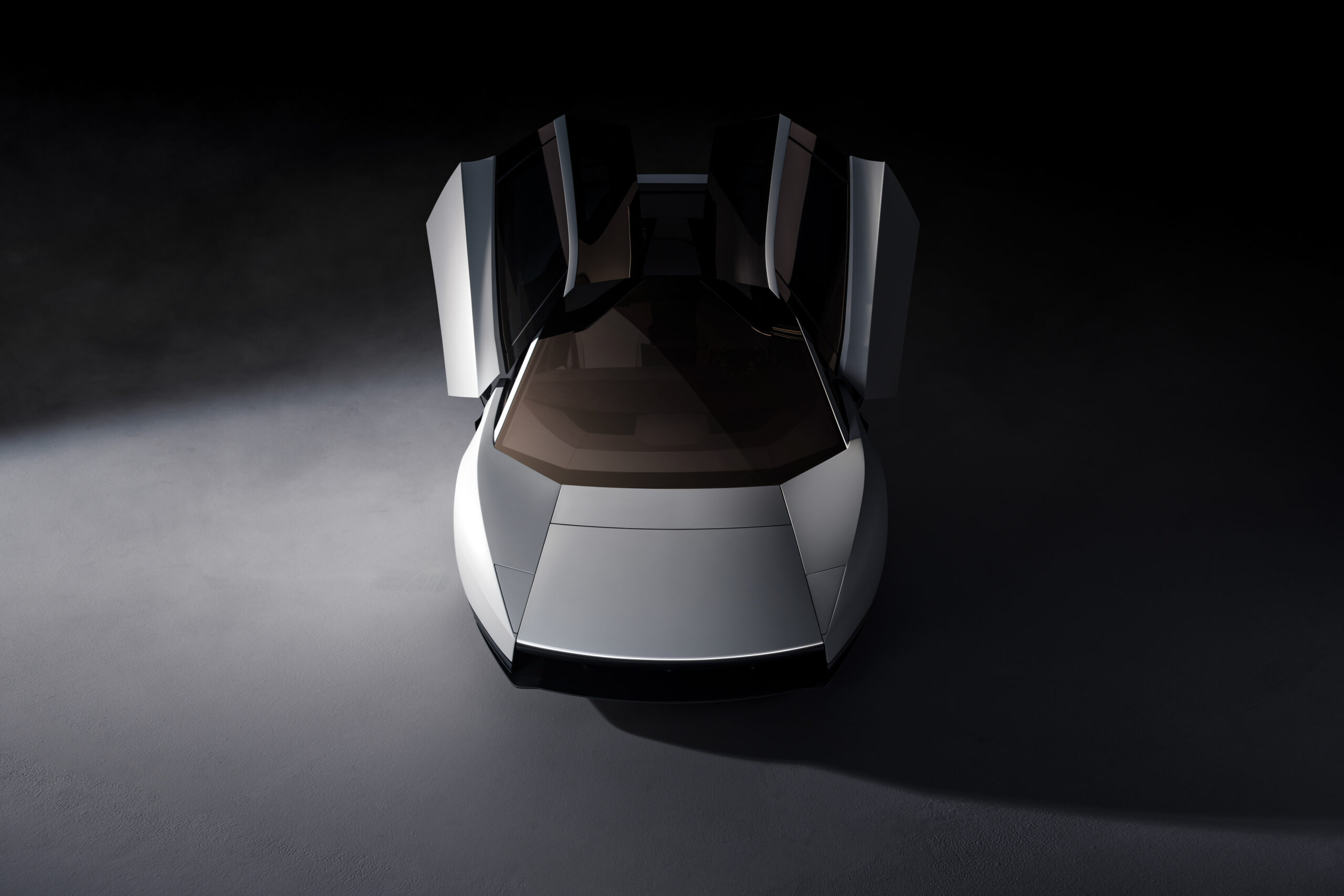
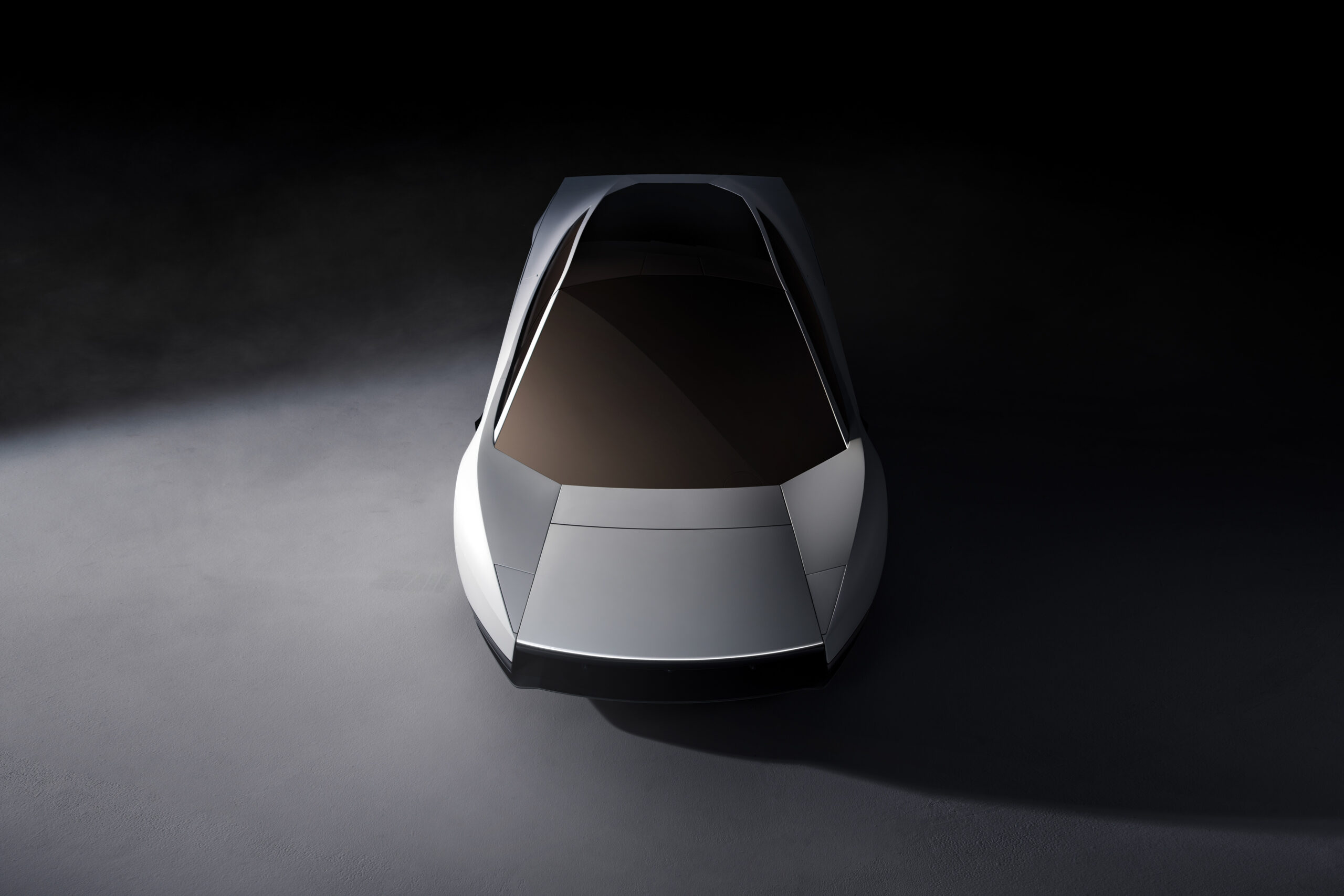
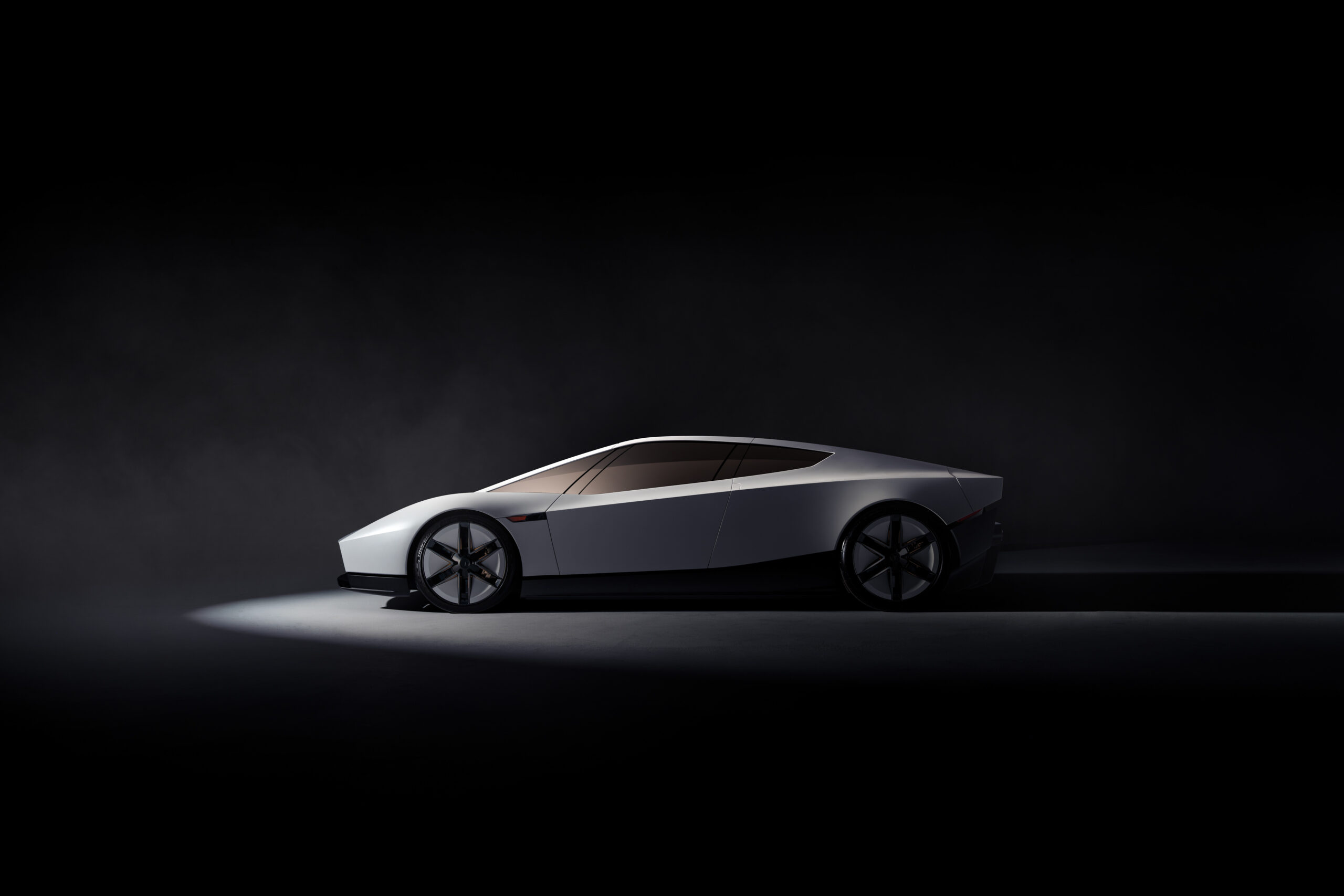
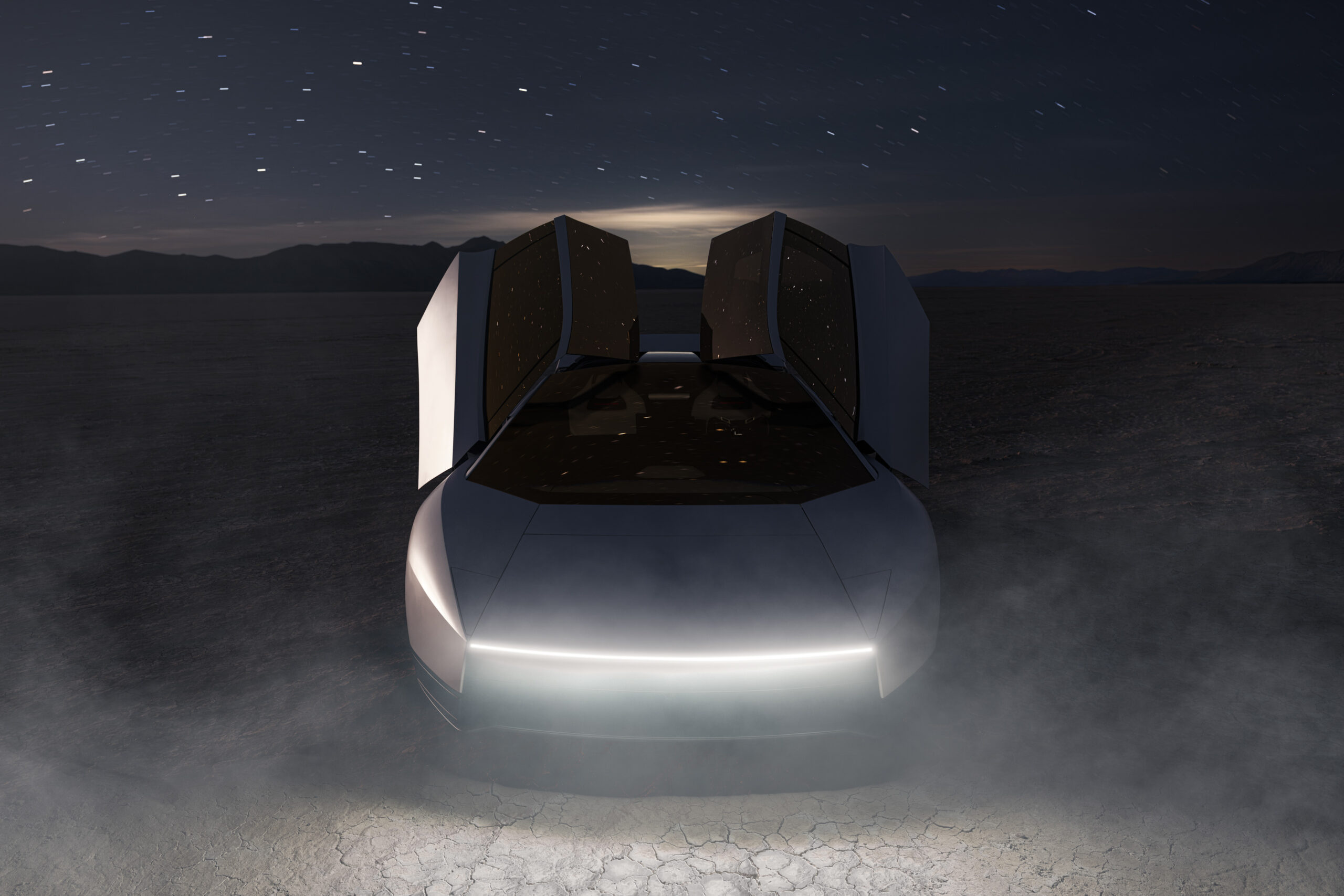
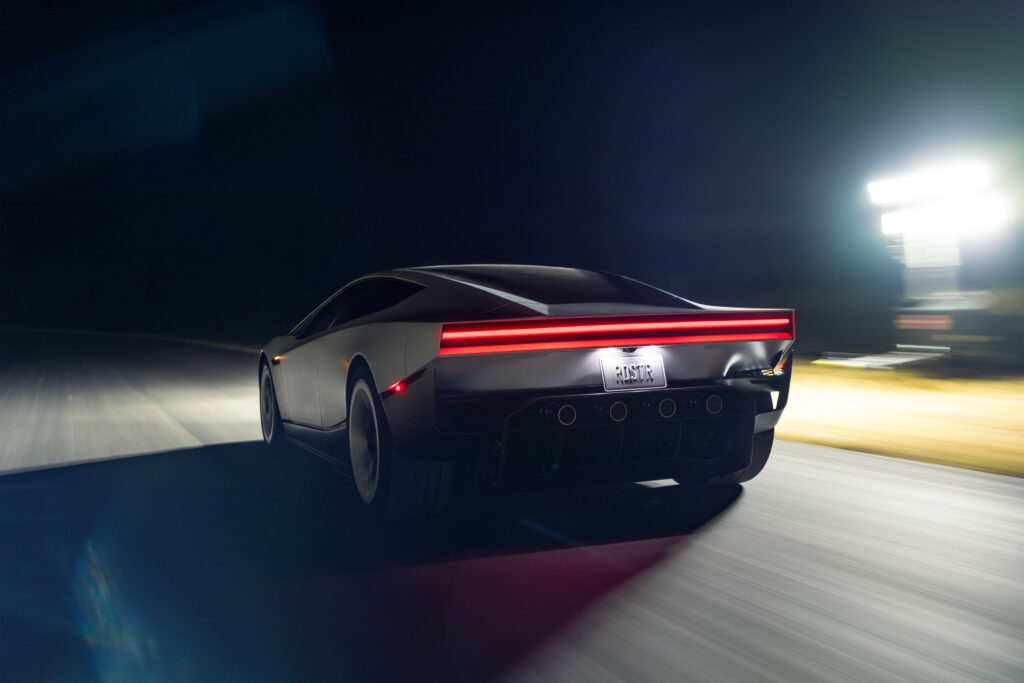
The demonstration was undeniably impressive, but the new Roadster raises questions that extend far beyond acceleration figures and unconventional engineering. By combining an electric sports car with propulsion technology developed in collaboration with SpaceX, Tesla is challenging some of the fundamental assumptions about what an automobile can do. More importantly, the new Roadster represents a dramatic evolution in Tesla’s design language, moving away from the smooth, almost organic surfaces of its earlier vehicles toward a sharper, more technical appearance.
From Elegant Electric Roadster to Aerospace-Inspired Supercar
The Roadster originally presented in 2017 was a relatively conventional sports car in terms of its proportions and exterior design. It featured a low nose, flowing fenders, a compact passenger compartment and smooth surfaces that were immediately recognizable as part of Tesla’s established design identity. Although its performance ambitions were extraordinary, its visual character remained relatively restrained.
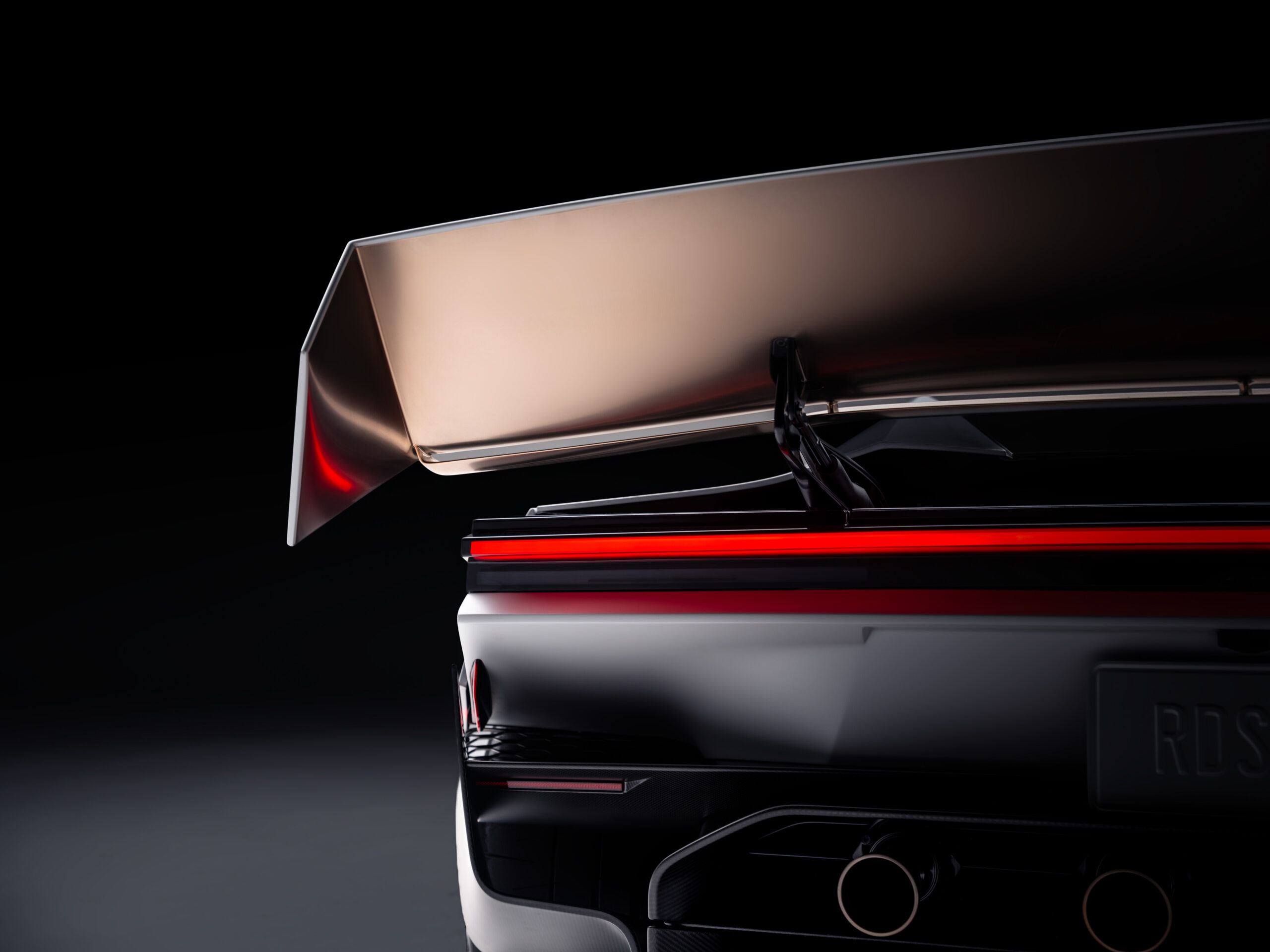
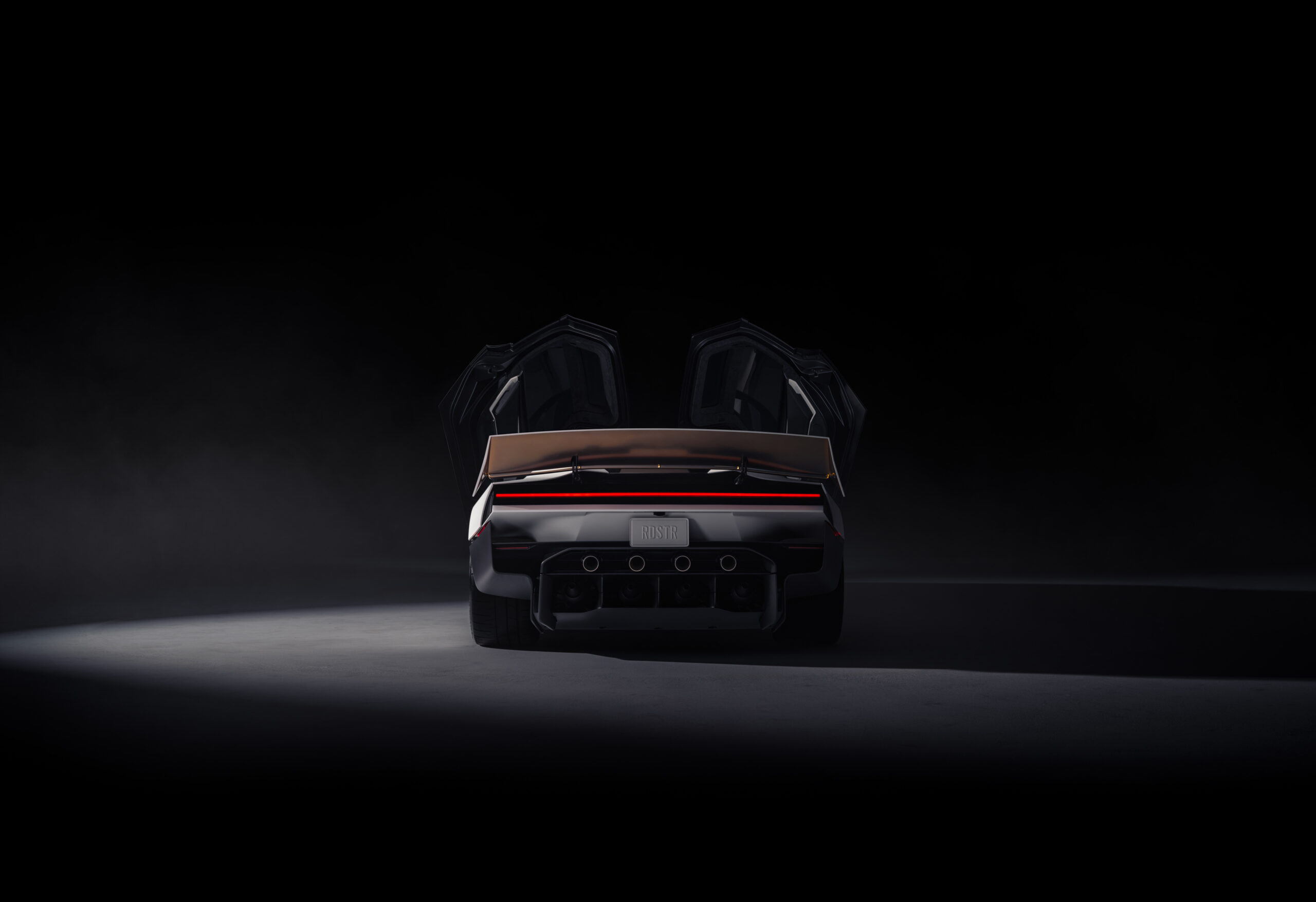
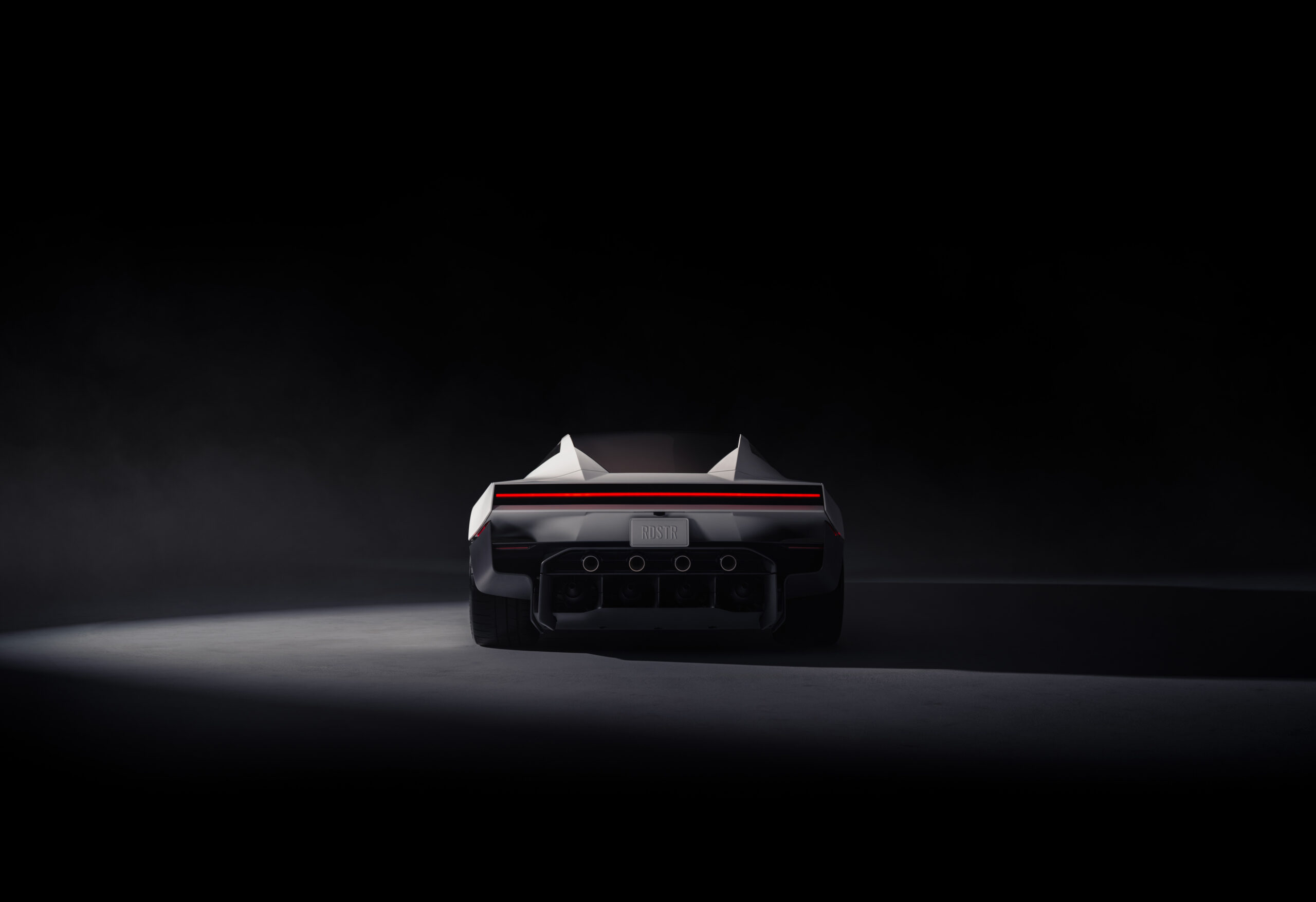
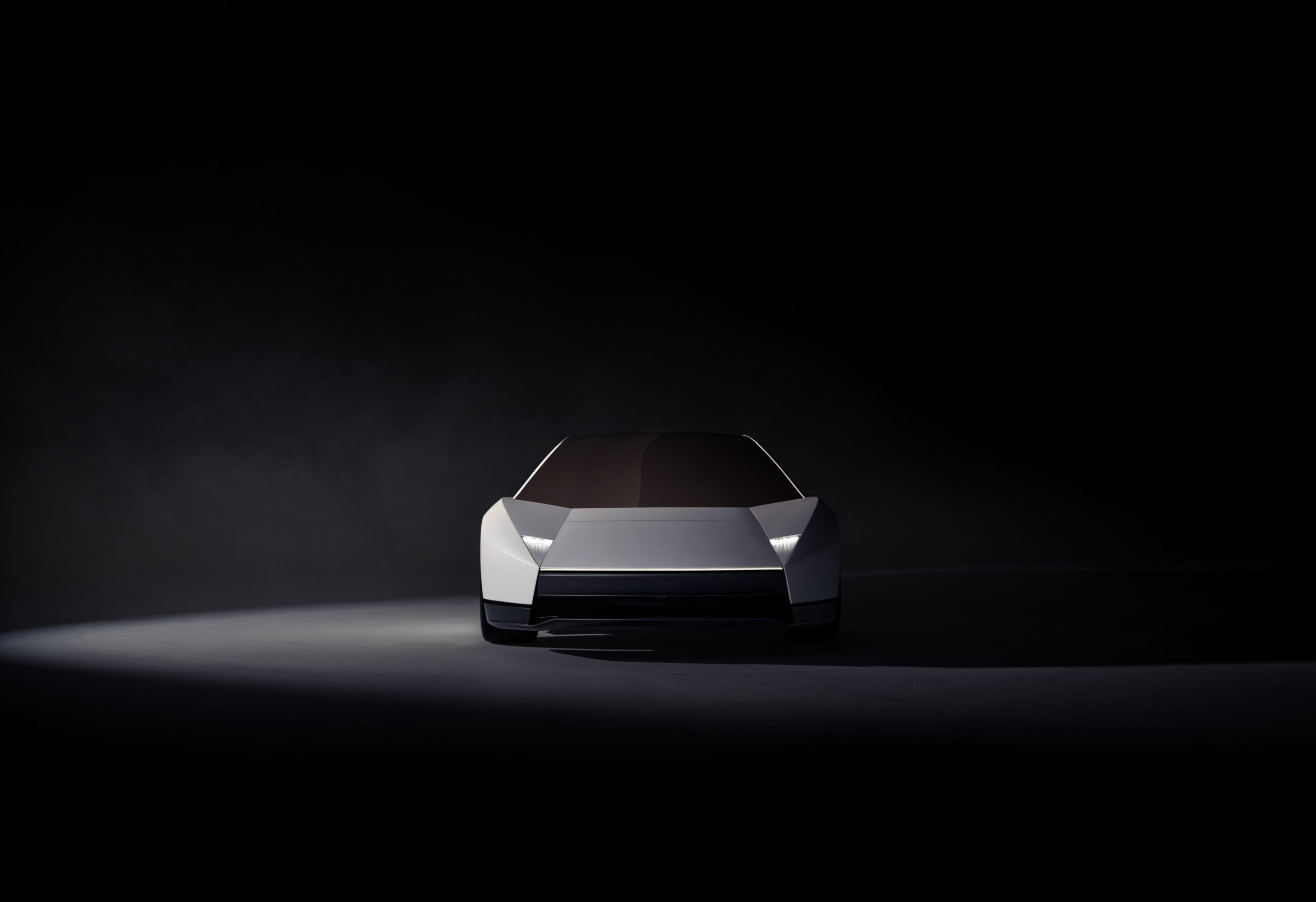
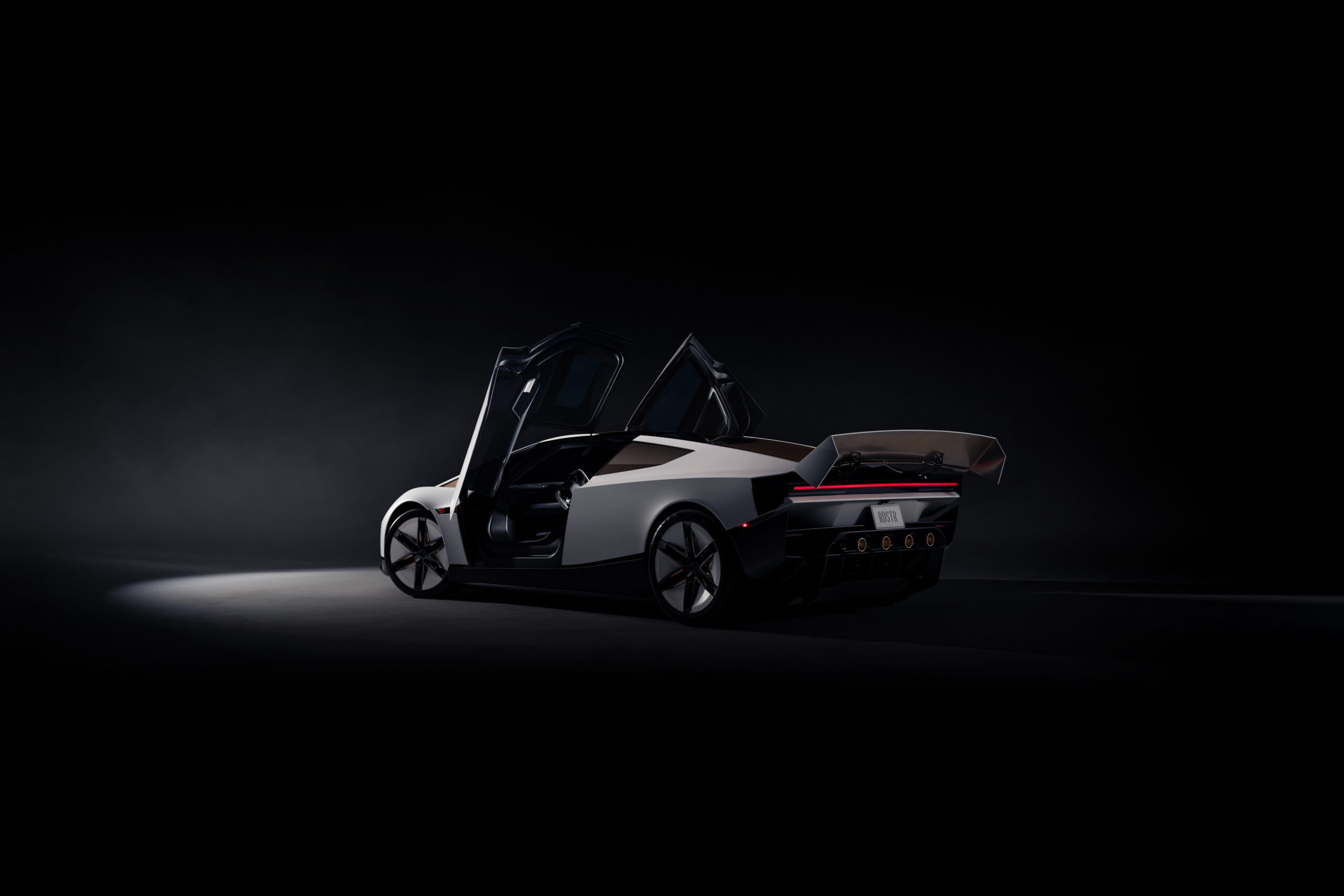
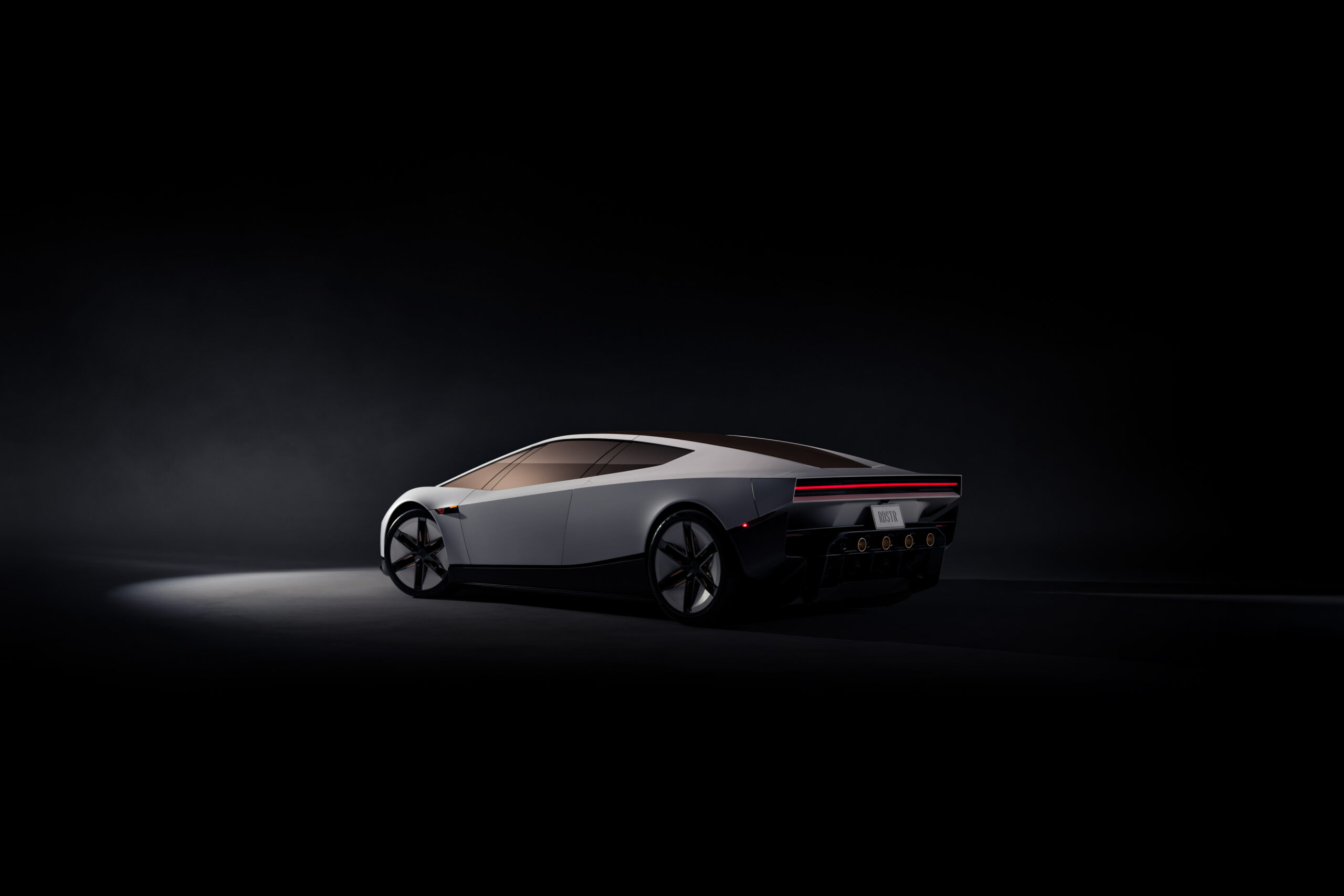
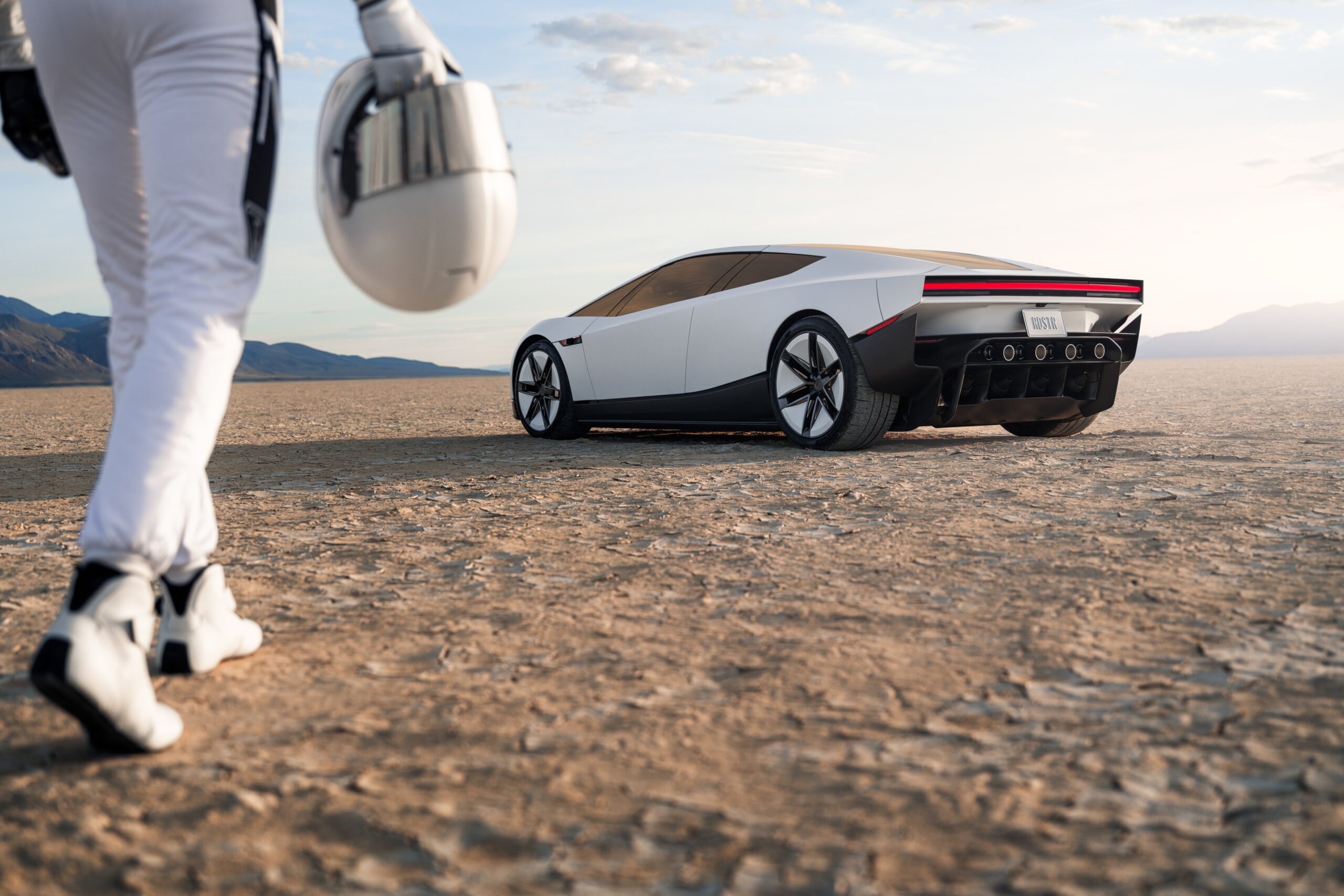
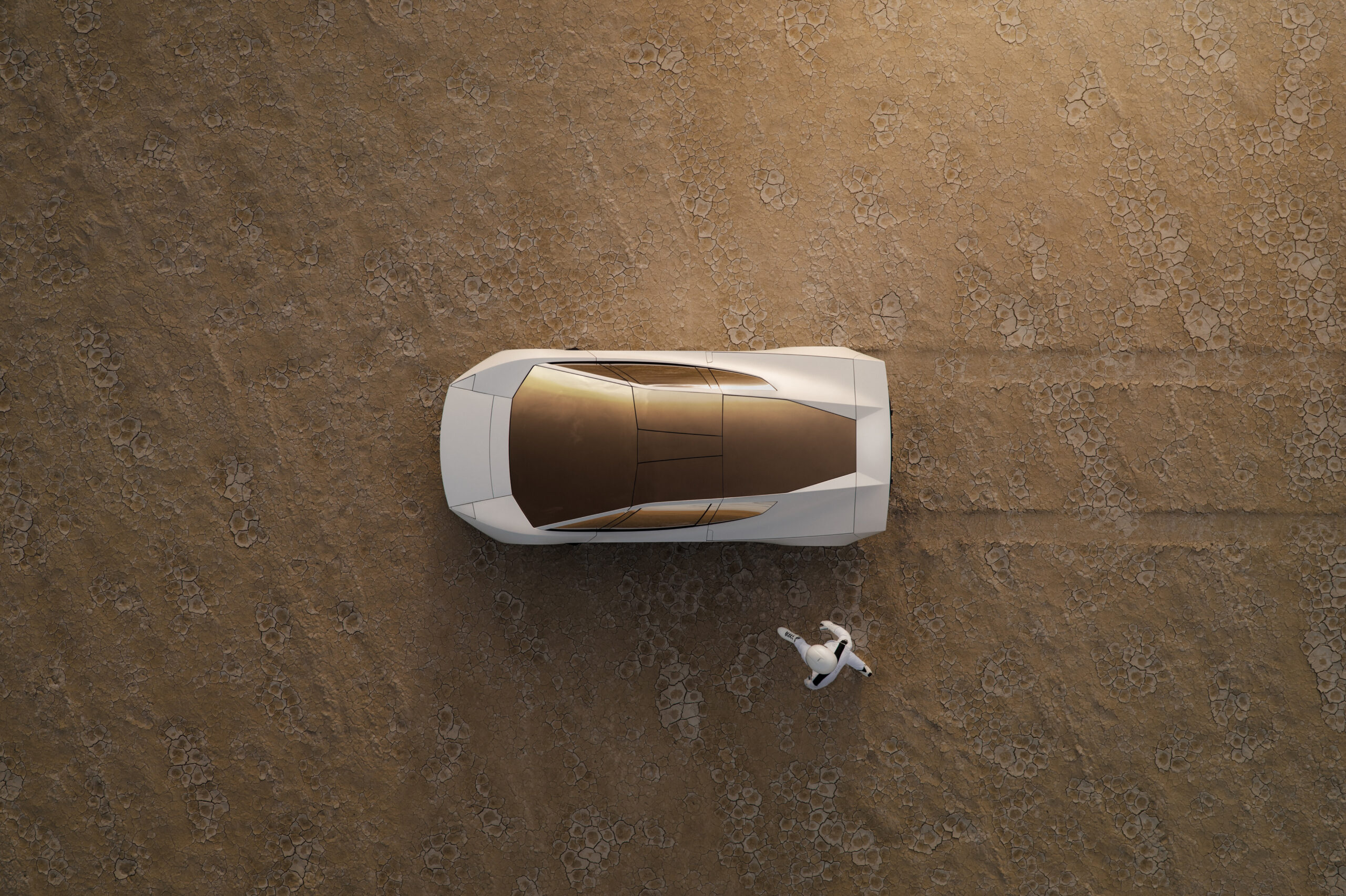
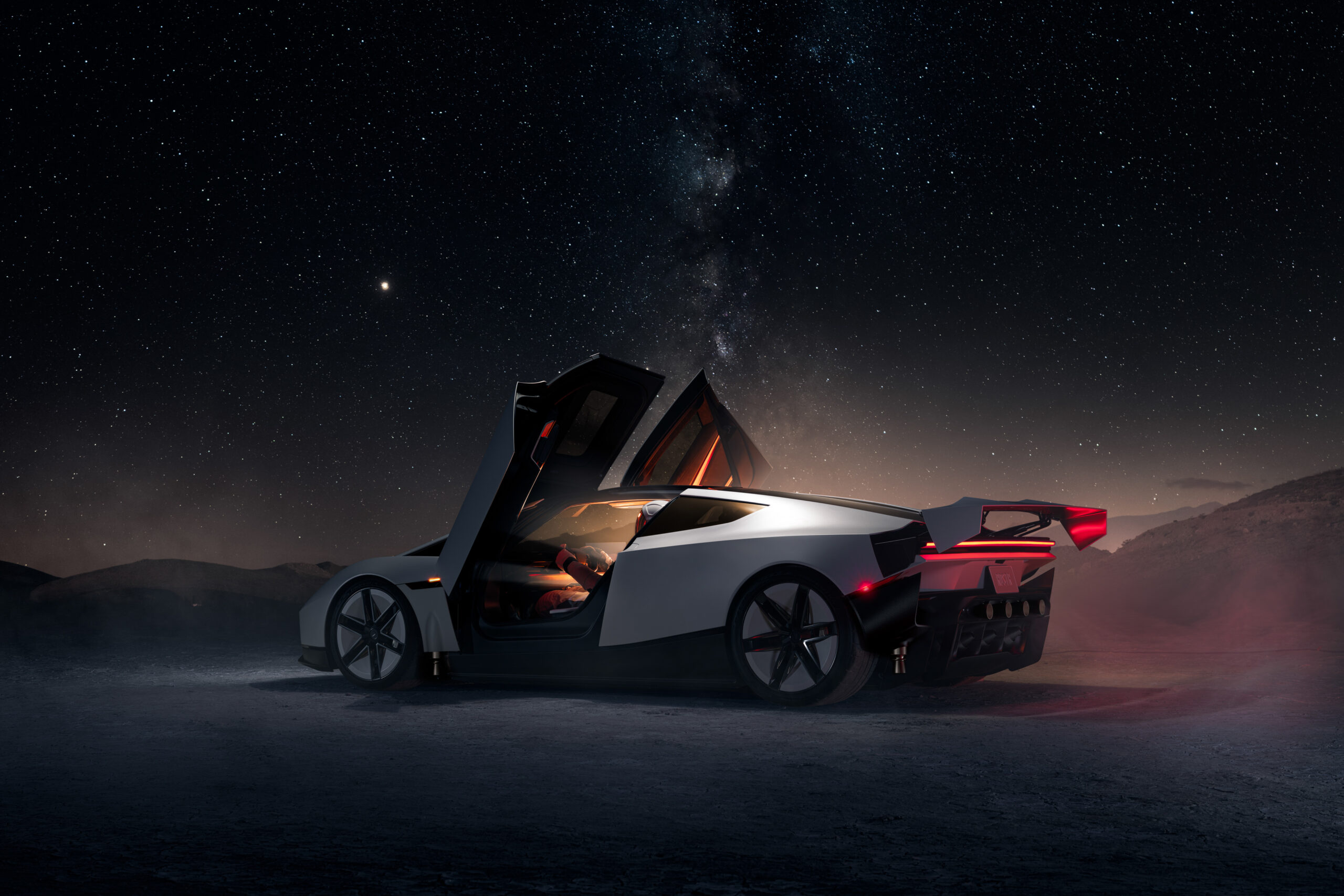
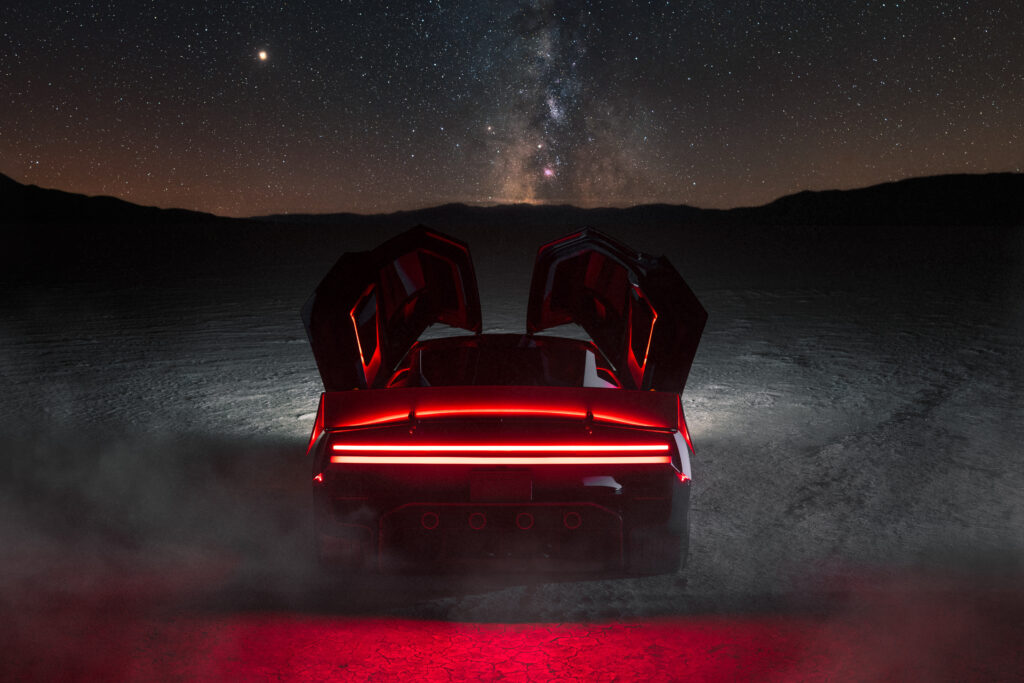
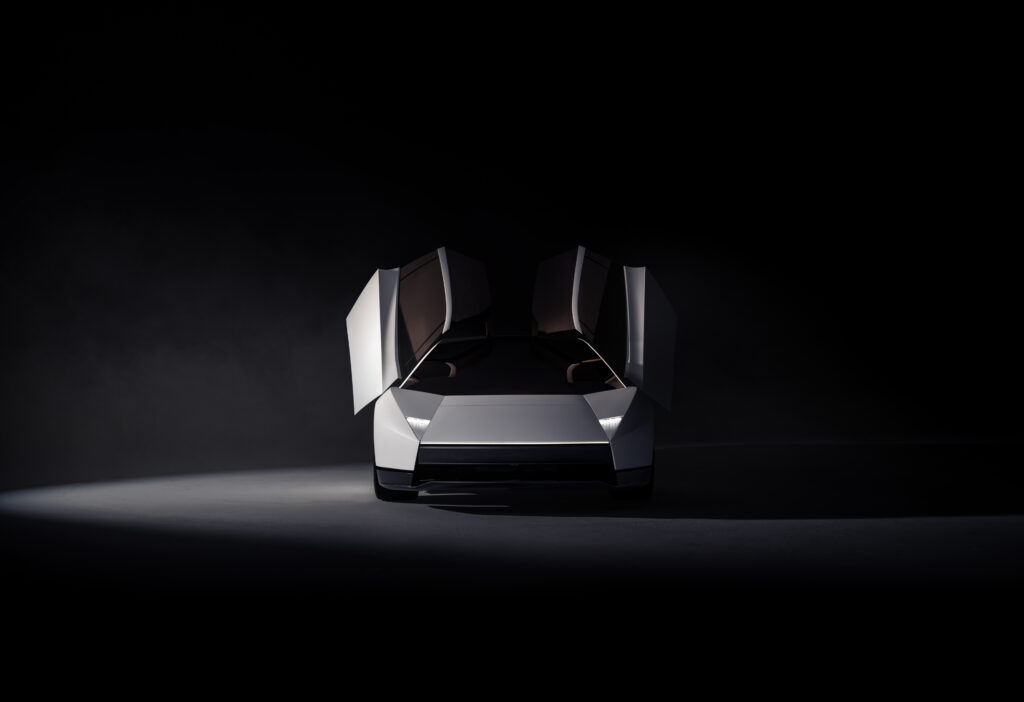
The newly unveiled Roadster adopts a noticeably different approach. Its more angular surfaces, sharply defined volumes and aggressive stance establish a closer relationship with Tesla’s recent Cybertruck and Cybercab design direction. There is also a clear aerospace influence, with Tesla referencing aircraft such as the SR-71 Blackbird and F-35 fighter jet as inspiration.
From a design perspective, this is an interesting change. Traditional sports cars often communicate performance through muscular fenders, flowing surfaces and carefully controlled proportions. Tesla is increasingly expressing performance through technical precision, geometric forms and the visual language of advanced machinery.
The new Roadster consequently appears less like a conventional grand touring sports car and more like an experimental performance machine. Whether this approach produces the timeless appeal associated with the most successful sports-car designs remains to be seen, but it certainly gives the vehicle a stronger and more individual identity than the earlier prototype.
Aerodynamics Beyond Conventional Downforce
One of the most interesting aspects of the new Roadster is the extent to which its aerodynamic systems have become fundamental to its operation.
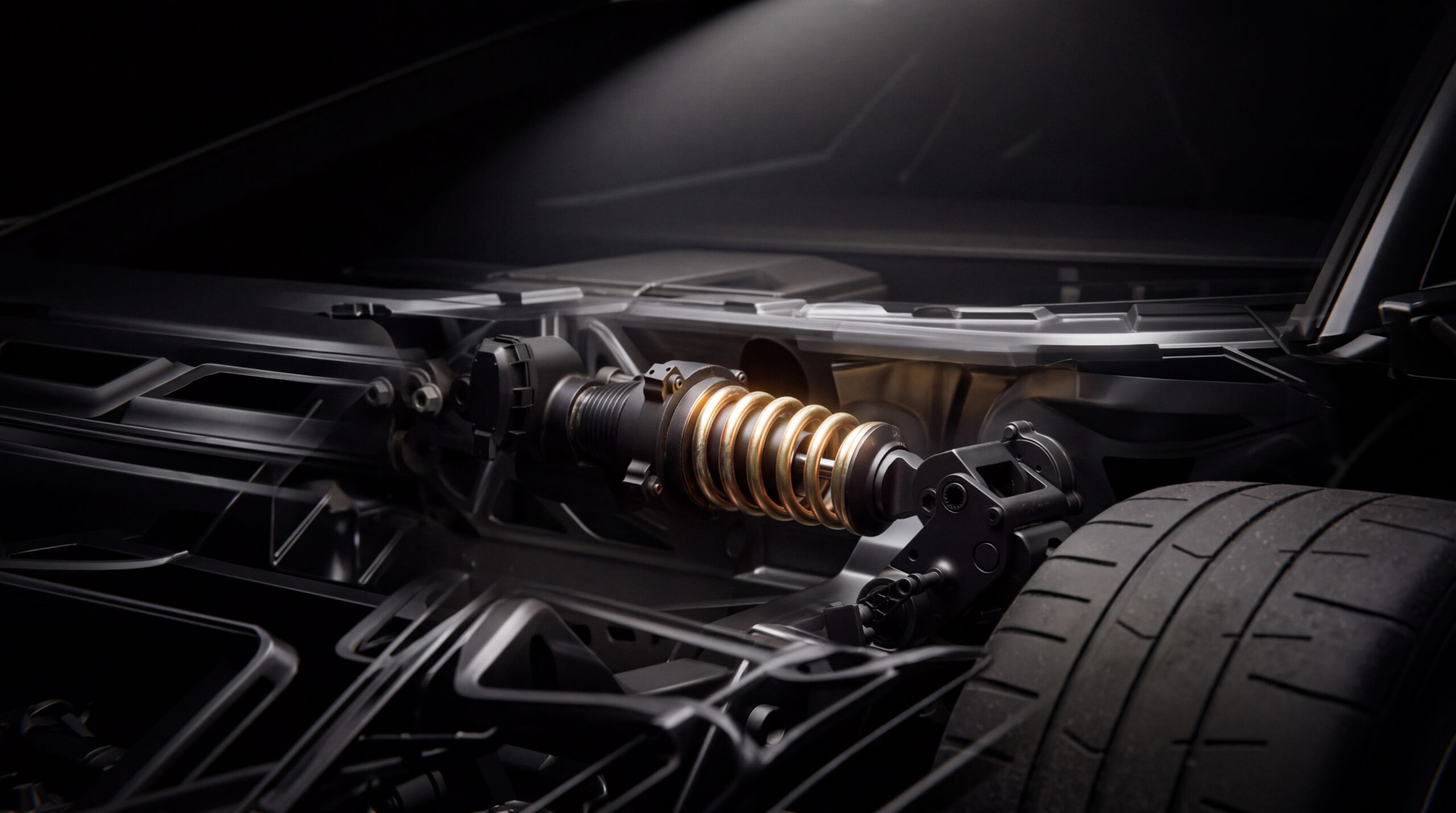
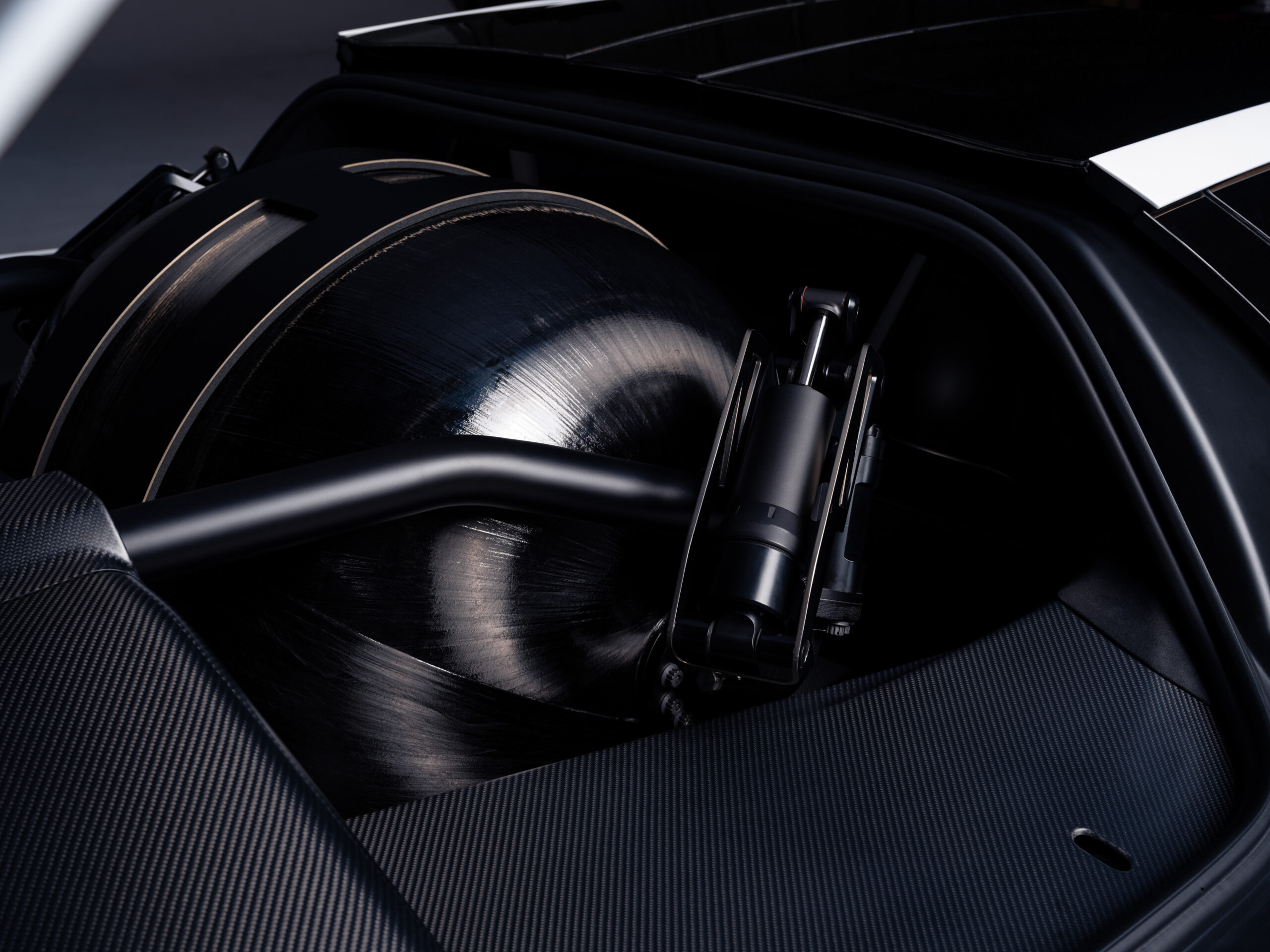
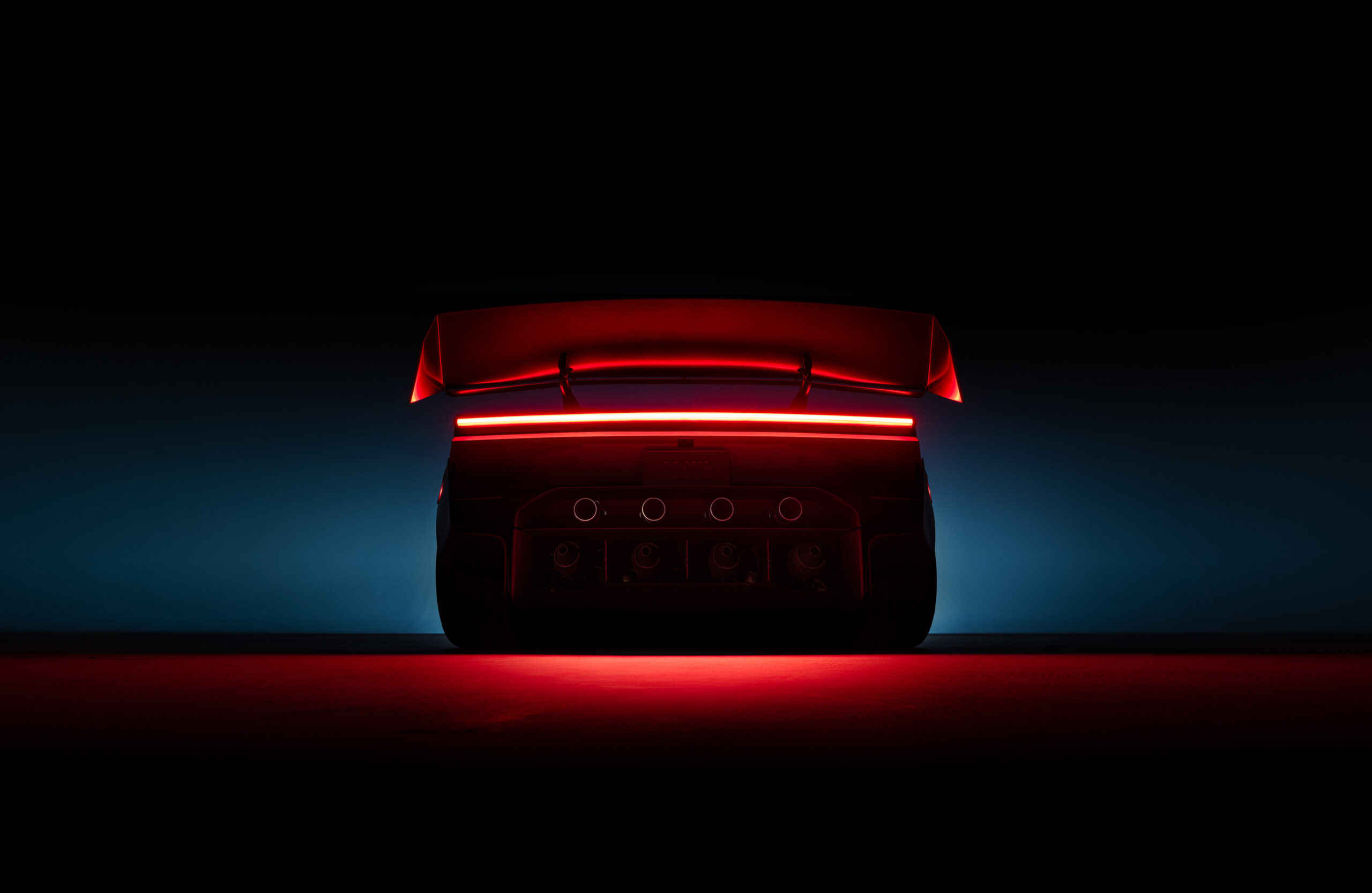
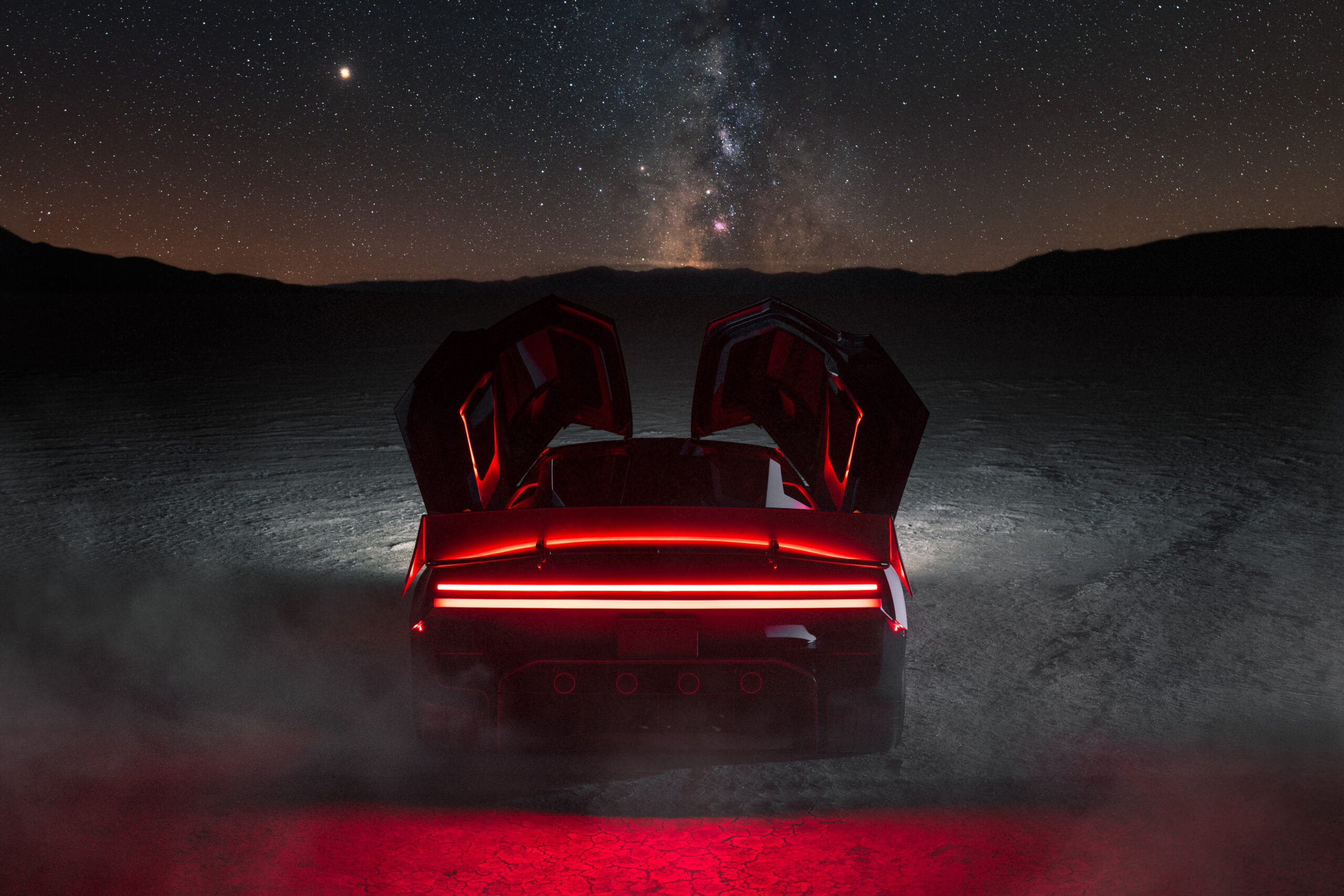
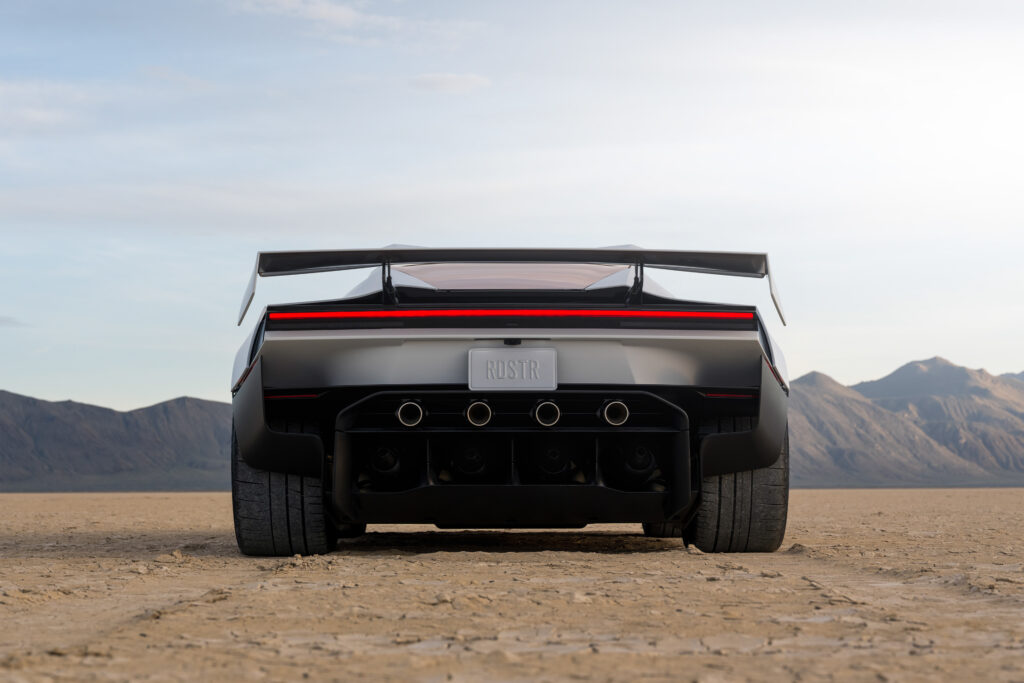
The vehicle incorporates active aerodynamic elements and a powerful underbody suction system capable of generating substantial downforce independently of vehicle speed. This is an important distinction from conventional aerodynamic wings and diffusers, which generally become more effective as airflow increases.
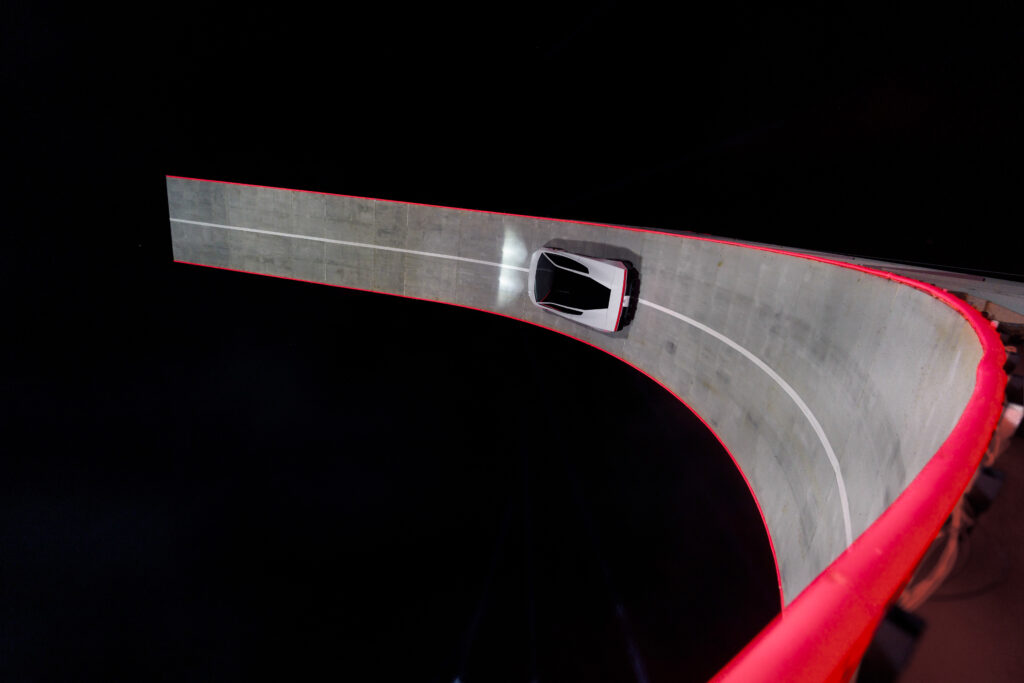
During the unveiling, Tesla demonstrated the suction system by driving the Roadster up a curved ramp until it was travelling upside down. The car remained attached to the surface before using its propulsion system to leave the ramp and rotate through the air.
The technology recalls earlier experiments with fan-assisted racing cars, particularly the Chaparral 2J and Brabham BT46B, which demonstrated the enormous potential of generating downforce through mechanical suction rather than relying exclusively on airflow over the body.
Tesla’s interpretation takes the idea considerably further by combining mechanical downforce with directional thrust. In this arrangement, aerodynamics are no longer simply intended to improve cornering performance or high-speed stability. They become part of a system that can temporarily overcome the limitations of conventional road contact.
SpaceX Technology Changes the Equation
The most extraordinary feature of the new Roadster is undoubtedly its use of cold-gas thrusters developed in collaboration with SpaceX.
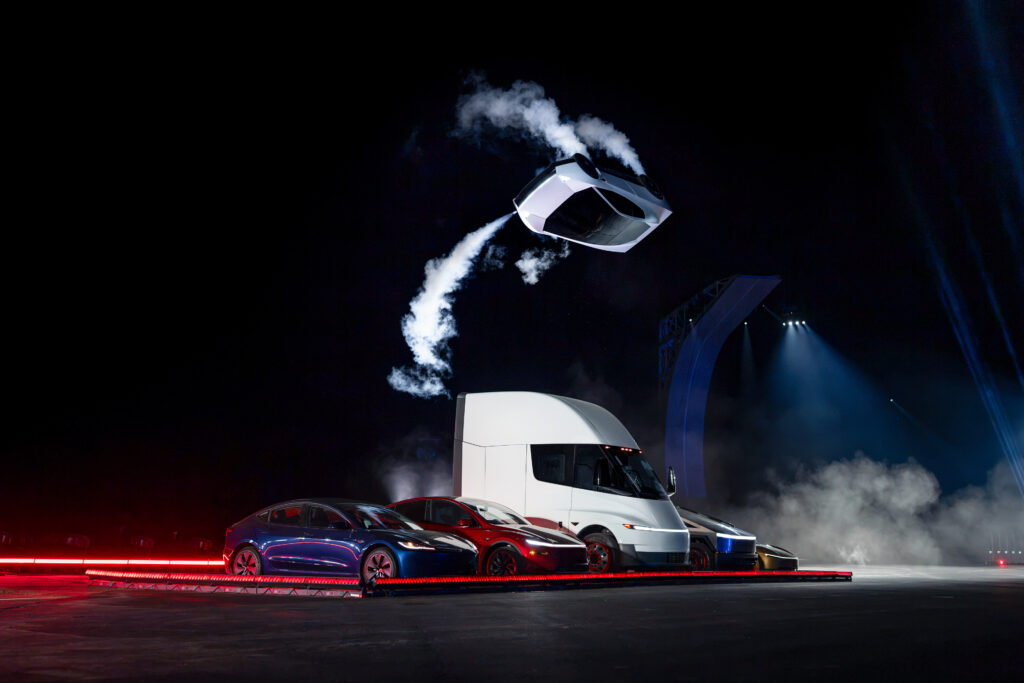
Rather than relying on conventional rocket combustion, the system uses highly compressed gas released through carefully positioned nozzles to generate thrust. Depending on the configuration, these thrusters can supplement acceleration, influence vehicle movement and provide limited airborne manoeuvring capability.
During the presentation, Tesla demonstrated the Roadster launching itself over a line of vehicles and performing a controlled aerial rotation before landing. The vehicle was remotely operated for the demonstration, avoiding the additional risks associated with placing an occupant inside during such experimental manoeuvres.
The engineering implications are substantial. Conventional sports cars depend on tyre contact with the road to generate acceleration, braking and cornering forces. By introducing an additional source of thrust, Tesla is exploring performance capabilities that are no longer entirely constrained by tyre adhesion.
However, there is an important distinction between demonstrating a short, controlled airborne manoeuvre and developing a practical flying automobile. The Roadster has demonstrated the former, but sustained flight, reliable airborne control, emergency procedures and certification for routine operation remain entirely different challenges.
The demonstration therefore represents a remarkable engineering experiment rather than proof that ordinary motorists will soon be flying their cars to work.
Three Different Interpretations of Performance
Tesla has outlined three versions of the new Roadster, each intended to explore a different level of performance.
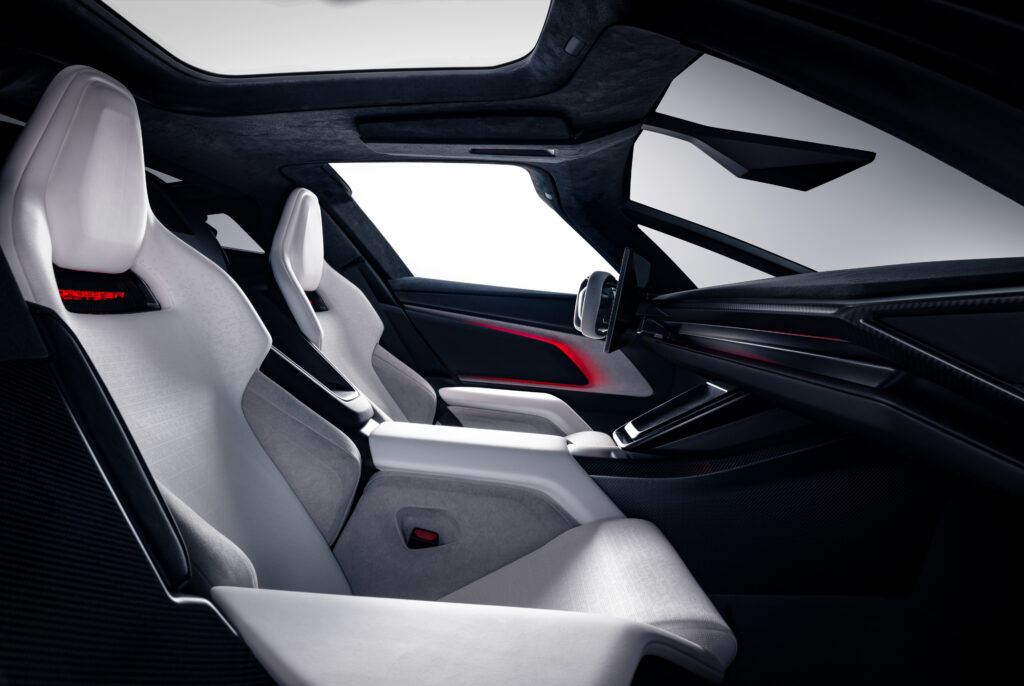
The Performance version is conceived as a road-going two-seater, combining an electric drivetrain with active aerodynamics and an advanced suction system. Its purpose is to deliver exceptional acceleration and cornering capabilities while remaining fundamentally a conventional automobile.
The Thrust version adds rear-mounted cold-gas thrusters to provide additional acceleration beyond the limitations imposed by tyre traction. Tesla is targeting acceleration from 0 to 60 mph in less than one second, a figure that would have seemed almost inconceivable for a road-derived vehicle only a few years ago.
At the top of the range, the Rocket version introduces multiple thrusters positioned around the body to provide vertical and directional control. This single-seat configuration is the version intended to offer limited flight capability and will reportedly be available by invitation only.
Tesla has indicated a driving range of more than 300 miles and maximum speeds exceeding 230 mph for the new Roadster family, although the specifications and capabilities of the different versions will require further validation as development continues.
The flying Rocket configuration is not approved for public-road use, and Tesla has not established that its airborne capabilities can be legally operated outside controlled environments.
A Different Kind of Automotive Design Challenge
What makes the Roadster particularly fascinating from an automotive design standpoint is that its engineering concept introduces requirements that conventional sports-car designers have rarely needed to consider.
A traditional sports car is designed primarily around the relationship between its tyres, suspension, aerodynamics and road surface. Even the most extreme hypercars remain fundamentally dependent on maintaining contact with the ground.
The new Roadster introduces an additional dimension. Thruster placement, high-pressure gas storage, airflow management and airborne stability all become potential influences on the exterior architecture.
This raises interesting questions about how future vehicle designs might evolve if limited flight or thrust-assisted manoeuvring were to become technically and commercially viable. Conventional aerodynamic priorities could change, and elements normally associated with aircraft might begin to influence the proportions and surface development of automobiles.
For now, however, the Roadster remains recognizably a sports car rather than a fundamentally new type of flying vehicle. Its basic architecture still revolves around four wheels, a low passenger compartment and a body designed primarily for road use.
That makes the concept particularly intriguing. Tesla is not presenting a small aircraft with wheels attached, but rather attempting to extend the capabilities of an automobile beyond its traditional operating environment.
Spectacular Engineering, but What About the Driving Experience?
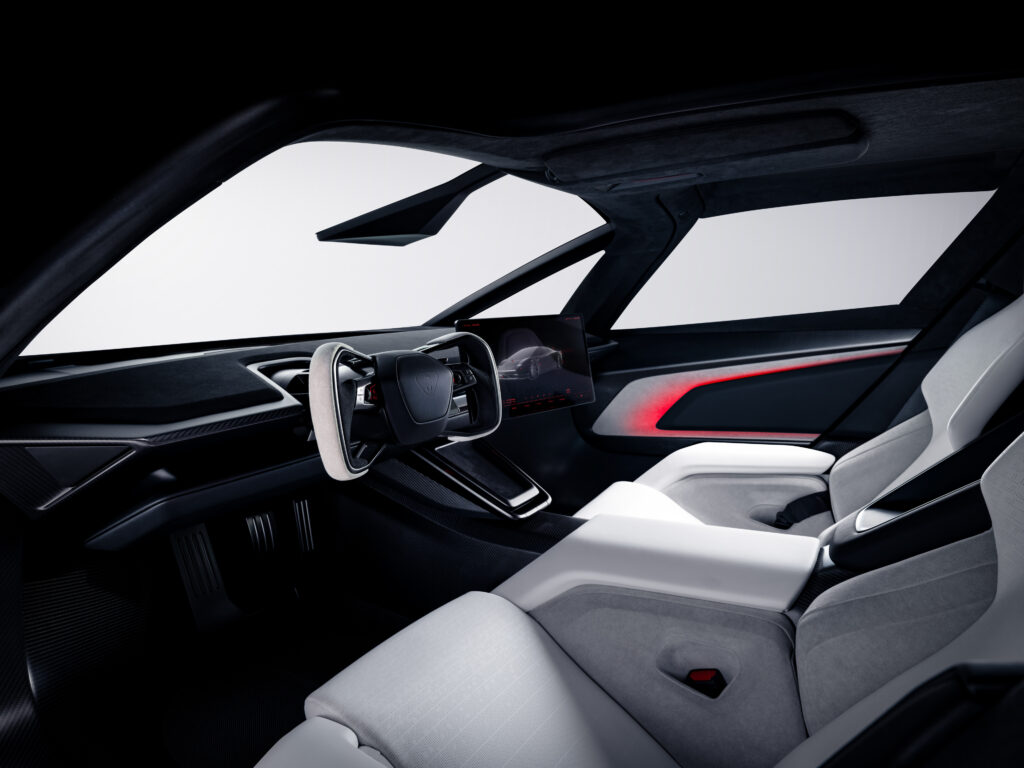
There is no question that the new Roadster represents an extraordinary demonstration of engineering ambition. Acceleration below one second to 60 mph, mechanical suction capable of supporting inverted driving and directional thrusters that allow airborne manoeuvres are all remarkable achievements if they can be translated into reliable, repeatable operation.
Nevertheless, extraordinary performance figures do not automatically produce an engaging sports car.
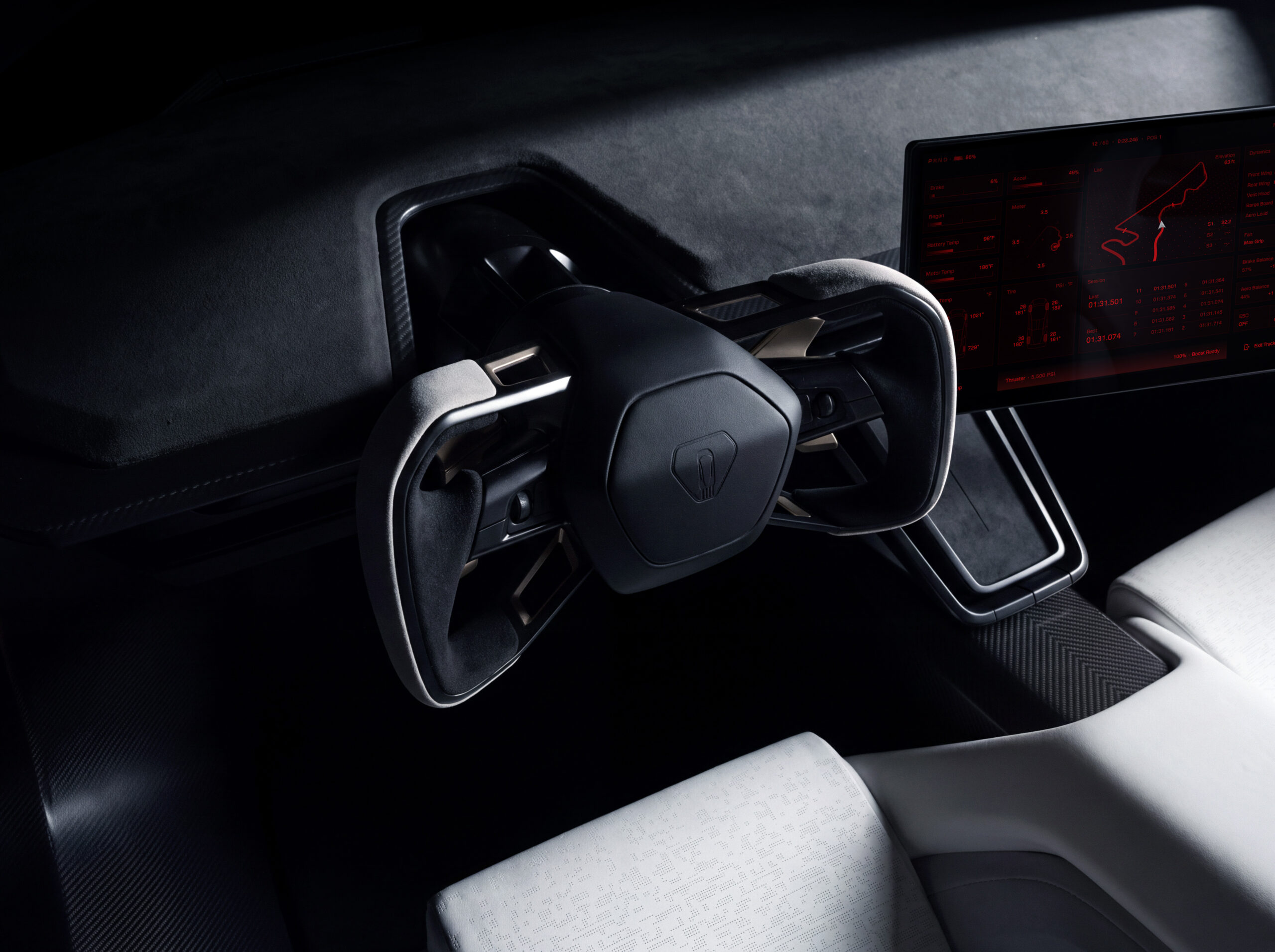
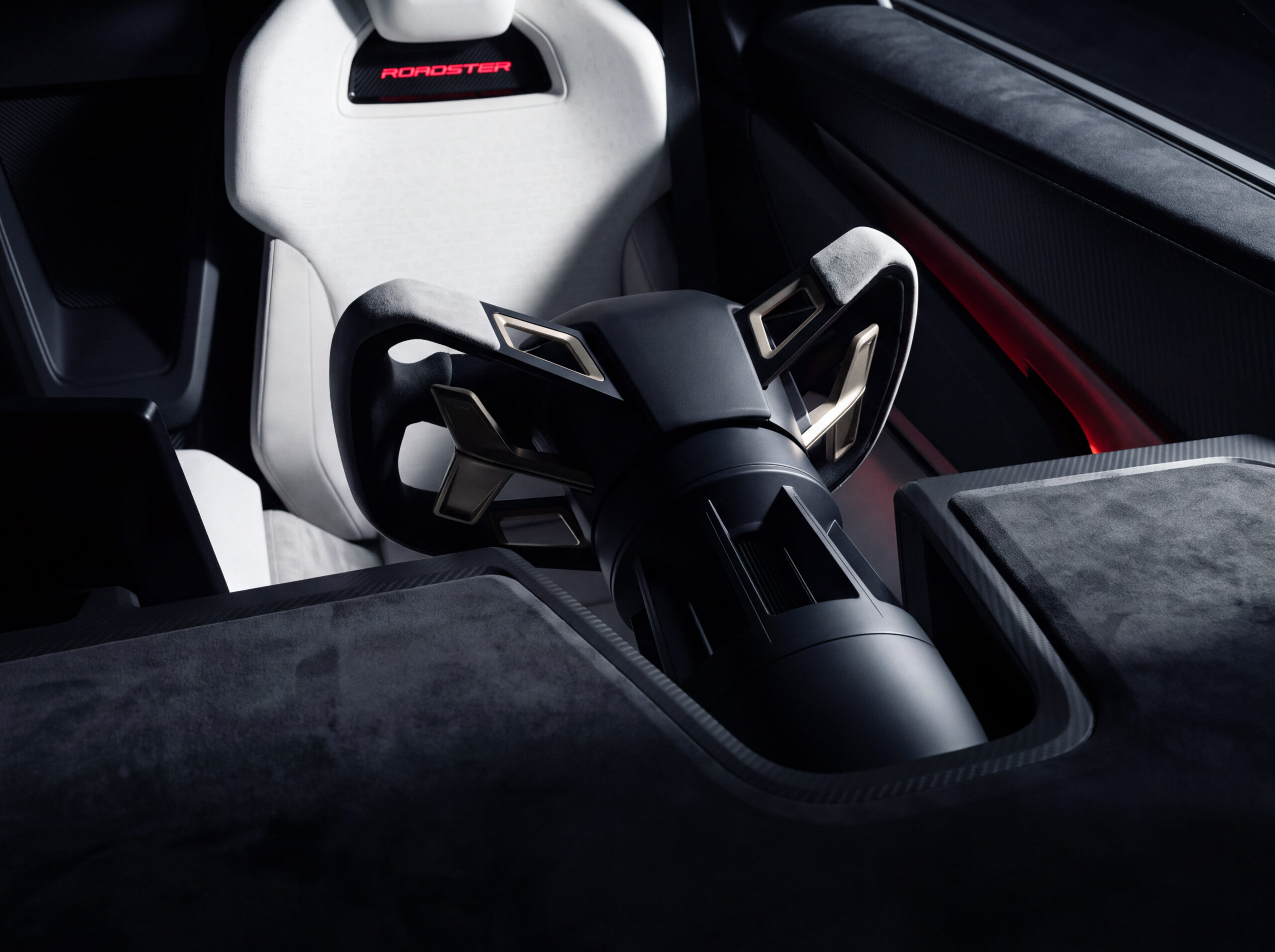
The qualities that have traditionally defined great sports cars include steering precision, chassis balance, predictable handling, feedback and the relationship between driver and machine. These characteristics are not necessarily improved by adding more acceleration or increasingly sophisticated control systems.
In fact, the Roadster’s extreme capabilities may make that relationship considerably more complicated. The integration of suction systems, electric motors and directional thrusters requires exceptionally sophisticated coordination, particularly when transitioning between conventional tyre-based handling and thrust-assisted movement.
There are also important questions concerning occupant safety, mechanical reliability, energy consumption, noise, maintenance and the practical consequences of operating high-pressure propulsion equipment in public environments.
These challenges do not diminish the significance of Tesla’s demonstration, but they illustrate the considerable distance between a spectacular prototype and a commercially viable sports car.
A Halo Car for a Changing Tesla
The Roadster also serves an important purpose within Tesla’s broader product strategy.
As the company increasingly concentrates on autonomous driving, artificial intelligence and robotaxis, the Roadster represents a reminder of Tesla’s origins as a manufacturer of enthusiast-oriented electric sports cars.
The original Tesla Roadster, introduced in 2008, helped demonstrate that electric propulsion could offer genuine performance and emotional appeal rather than simply providing economical transportation. The new Roadster attempts to achieve a similar effect, but at a considerably more extreme level.
Rather than merely competing with established manufacturers of electric supercars, Tesla is attempting to create a category of its own. The collaboration with SpaceX reinforces that ambition, presenting the Roadster as a technological showcase for the wider group of engineering disciplines associated with Elon Musk’s companies.
Production is currently planned for 2028, although the project has already experienced substantial delays since its original unveiling in 2017. Pricing for the newly redesigned Roadster has not been finalized, and the most extreme configurations may remain highly specialized products rather than conventional production vehicles.
Is This the Future of the Sports Car?
The Tesla Roadster is undoubtedly one of the most unusual automotive concepts presented in recent years. Its combination of electric propulsion, active suction aerodynamics and SpaceX-inspired thrusters challenges the traditional definition of a high-performance automobile.
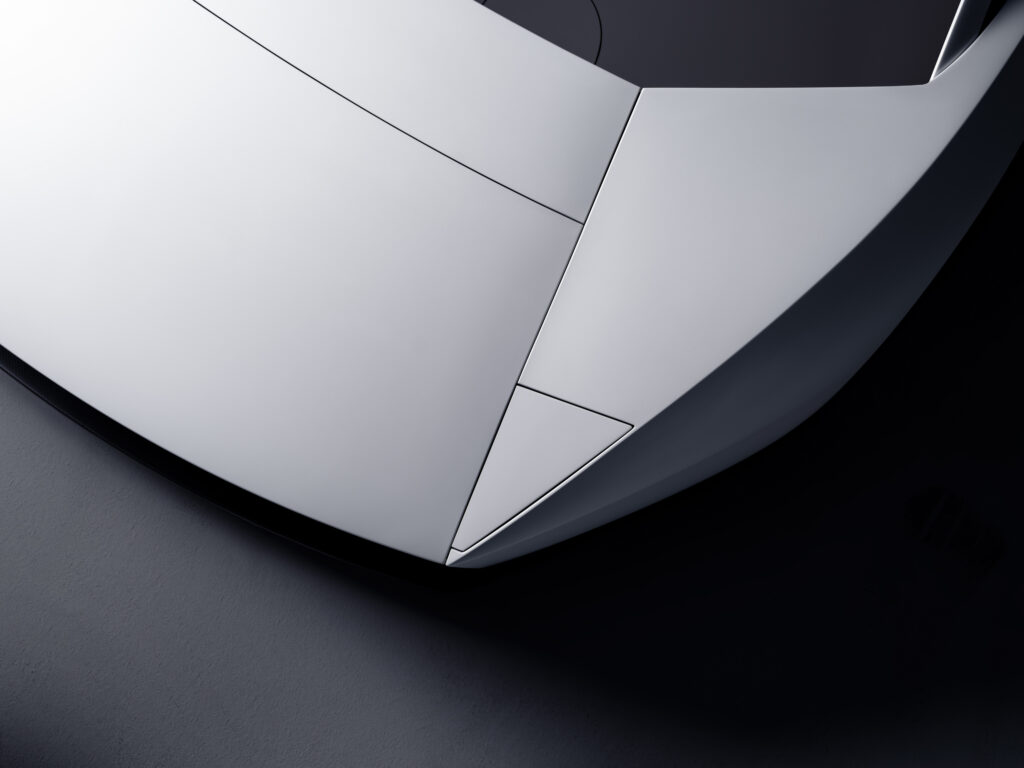
From a design perspective, the new Roadster also marks a significant change in Tesla’s visual identity. Its sharper, aerospace-inspired appearance reflects a company increasingly interested in presenting technology as the central expression of its products.
Whether this produces a more beautiful sports car is open to debate. The earlier Roadster possessed an elegant simplicity that the new design has largely replaced with a more aggressive, technical character. The new vehicle may be more visually dramatic, but dramatic design and lasting beauty are not necessarily the same thing.
The greater question is whether the ability to leave the ground genuinely improves the sports-car experience or simply introduces another spectacular capability that few owners will ever use.
There is a distinction between engineering something because it is possible and creating something because it makes the automobile fundamentally better. The most successful sports cars have historically achieved their reputation through balance, precision and the emotional satisfaction of driving, rather than through headline-grabbing technological achievements alone.
Nevertheless, Tesla deserves recognition for exploring an idea that most established manufacturers would probably never consider.
The new Roadster may not represent the future of everyday transportation, and its flying capabilities remain experimental, but it demonstrates that automotive innovation still has the potential to challenge assumptions that have remained unchanged for more than a century.
Whether it ultimately becomes a revolutionary sports car or an extraordinary technological curiosity will depend on what Tesla can deliver when production finally begins.