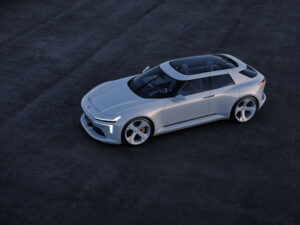
Citroën 2 CV Fourgonnette Concept: Bringing Character Back to the Small Delivery Van


Alongside its new 2 CV Concept at the 2026 Paris Motor Show, Citroën has introduced another interpretation of one of its most recognizable historical vehicles. The Citroën 2 CV Fourgonnette Concept revisits the charming little commercial vehicle that became a familiar sight throughout France and much of Europe, transporting everything from bakery deliveries to tools and agricultural supplies.
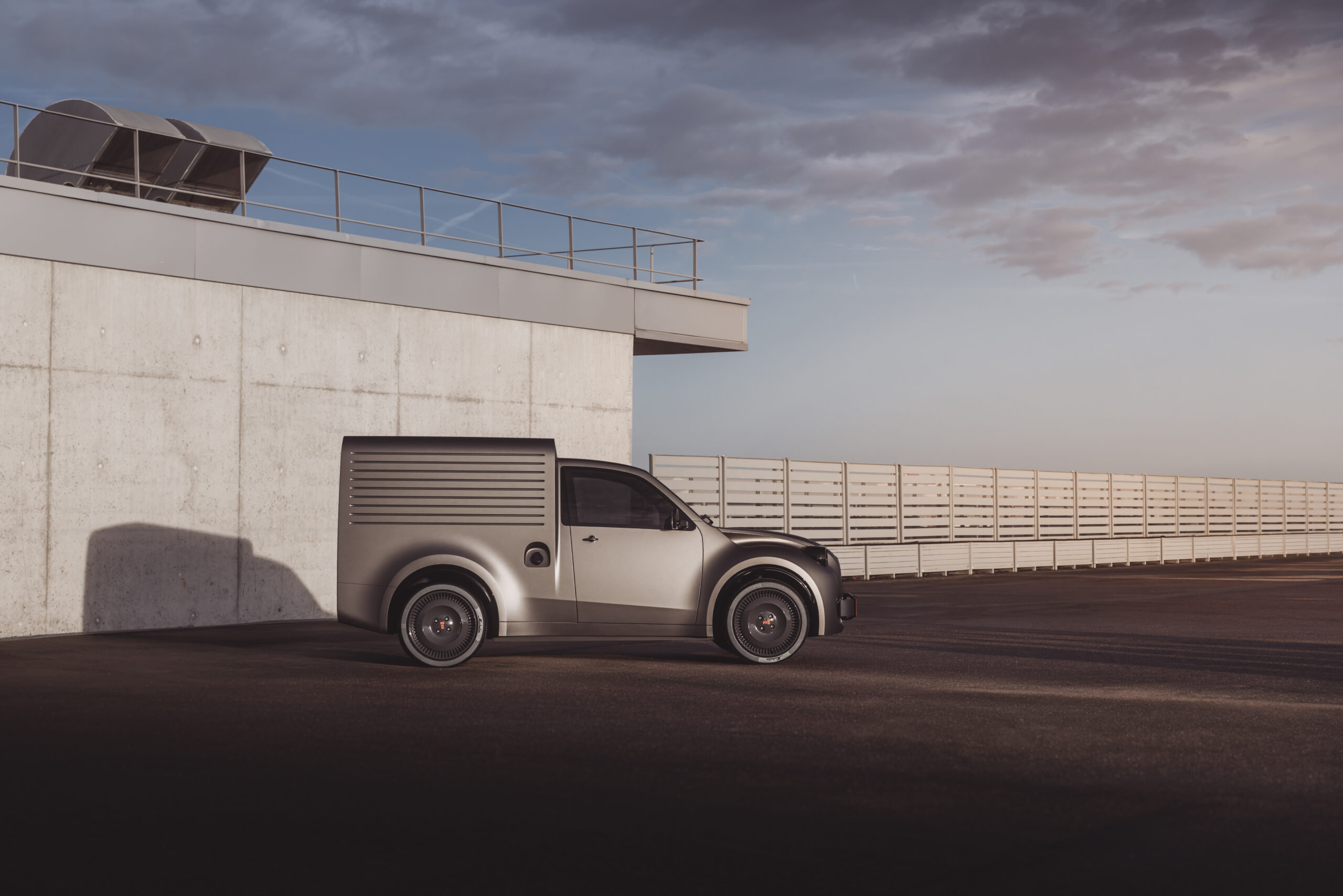
Where the regular 2 CV Concept explores affordable personal transportation, the Fourgonnette demonstrates how the same philosophy could be applied to small commercial vehicles. It combines the recognizable silhouette of the original 2 CV delivery van with the potential advantages of a compact electric drivetrain and a contemporary interpretation of Citroën’s design language.
Unlike the passenger-car concept, however, the Fourgonnette is explicitly presented as a design exploration rather than a preview of an imminent production vehicle.

Rediscovering a Distinctive Commercial Vehicle
The original Citroën 2 CV Fourgonnette was an unusually successful combination of practicality, affordability and personality. Its simple front-end architecture was shared with the passenger car, while the tall, box-shaped rear compartment provided an unexpectedly useful cargo area within very compact exterior dimensions.
It was a vehicle designed primarily for work, yet its unconventional appearance gave it a character that most commercial vehicles have never possessed.
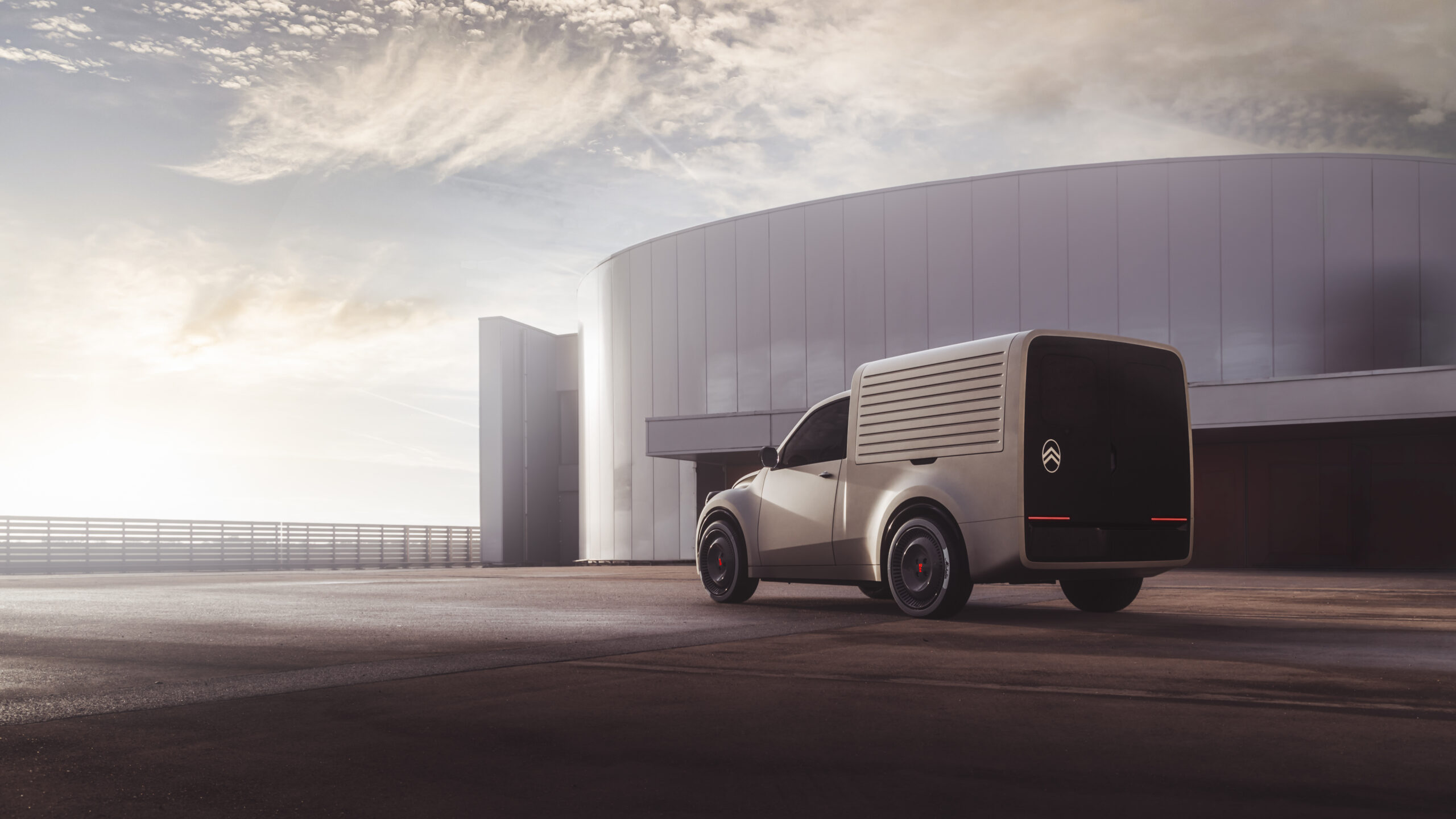
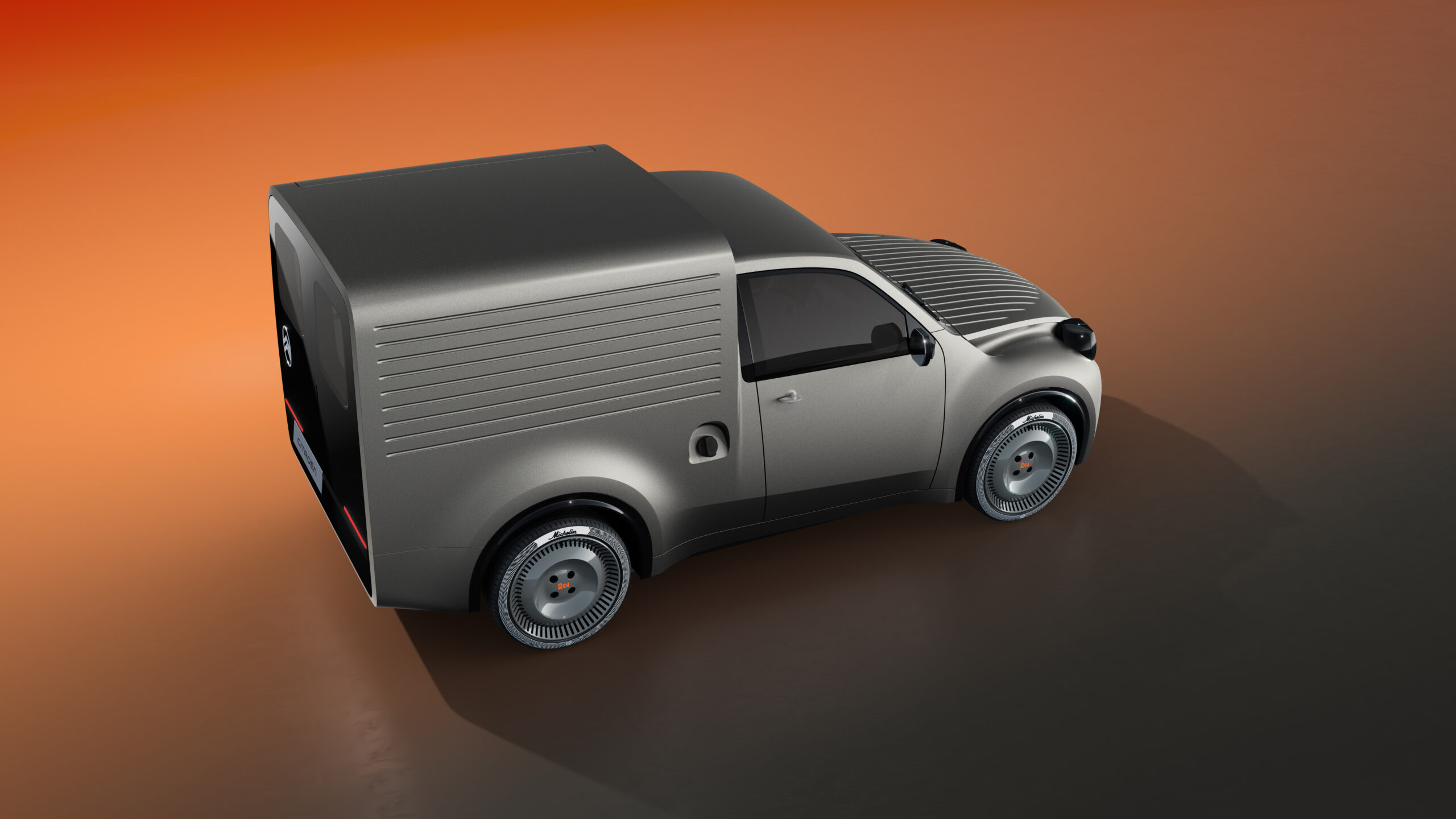
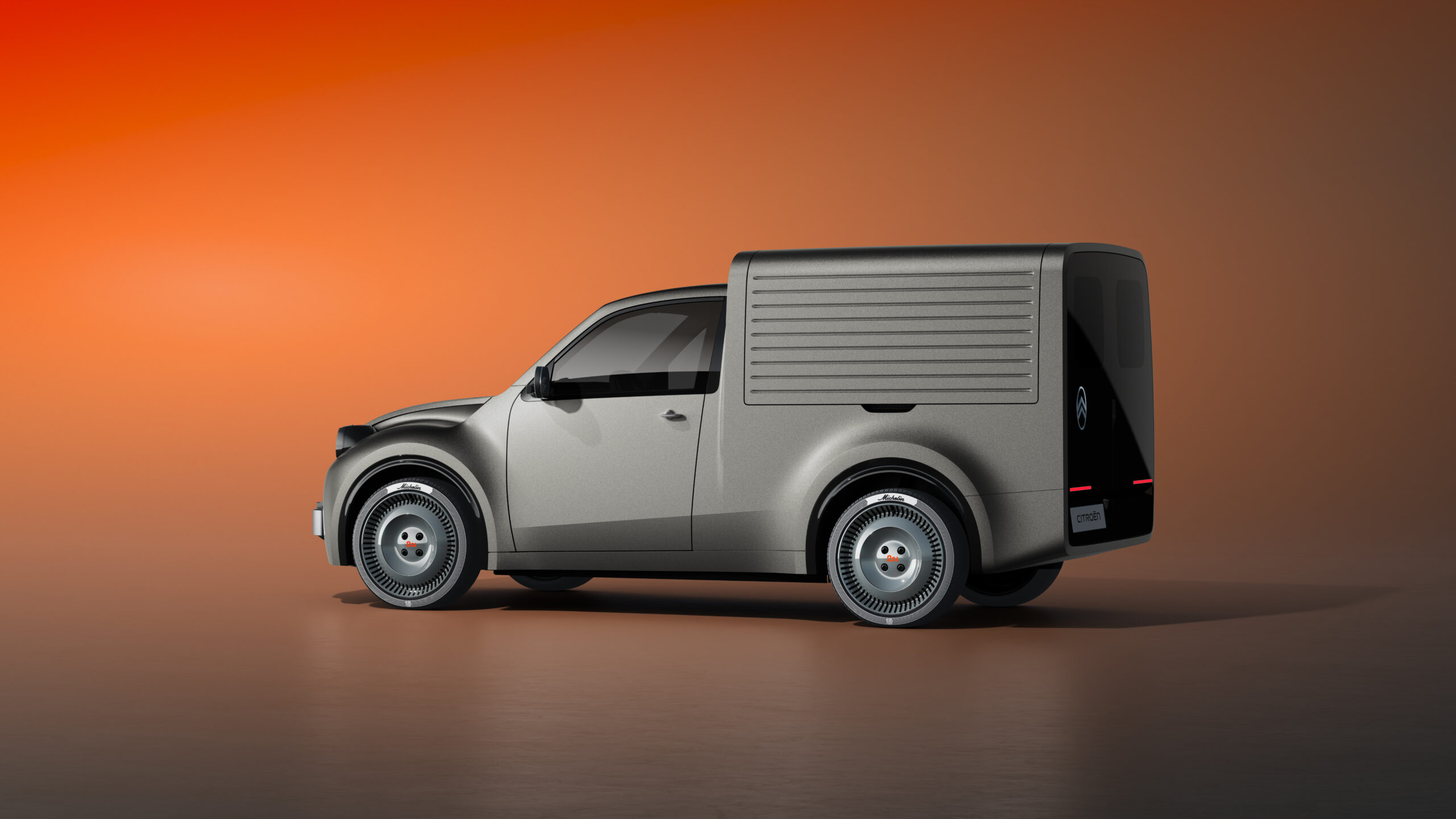
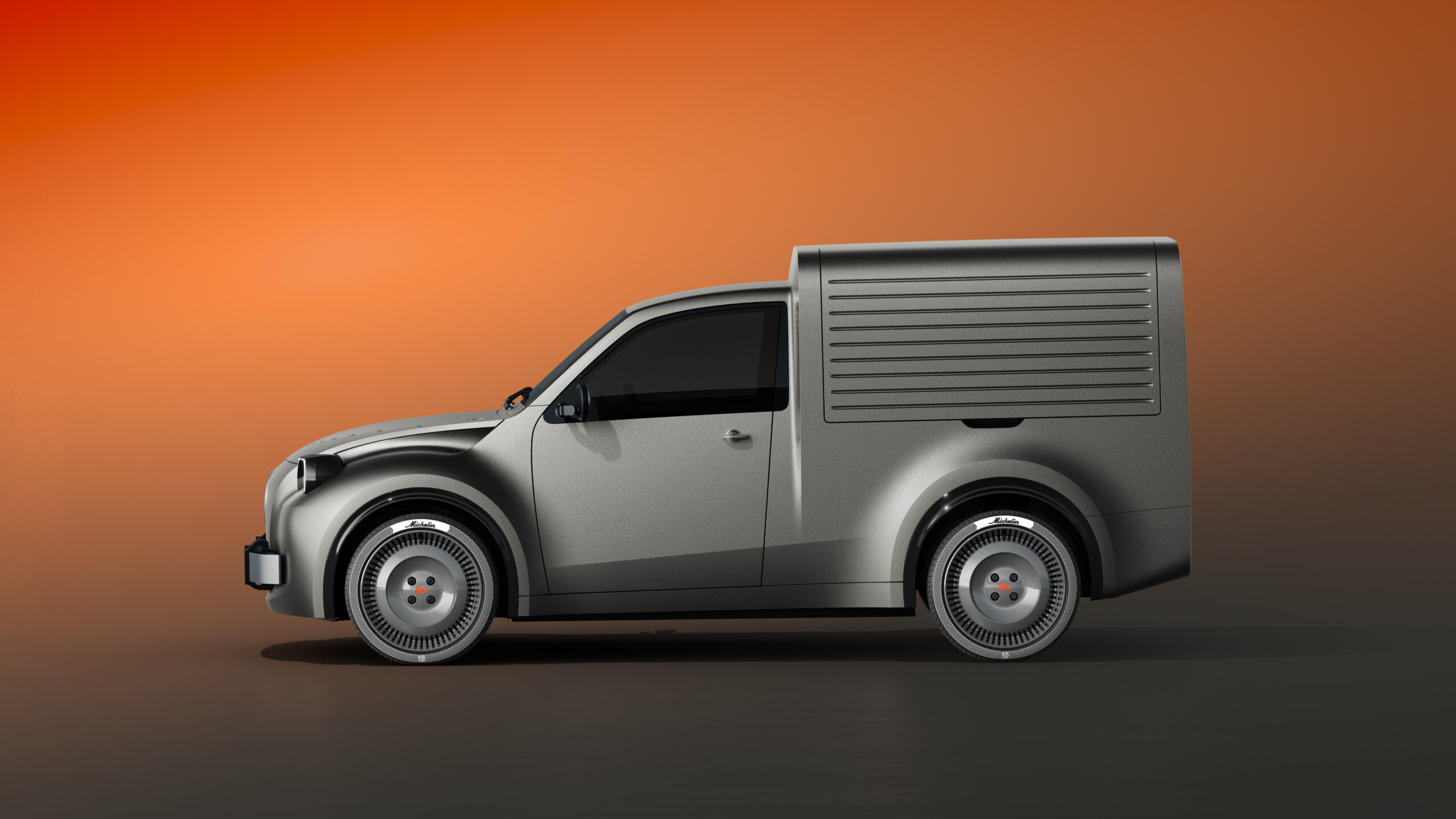
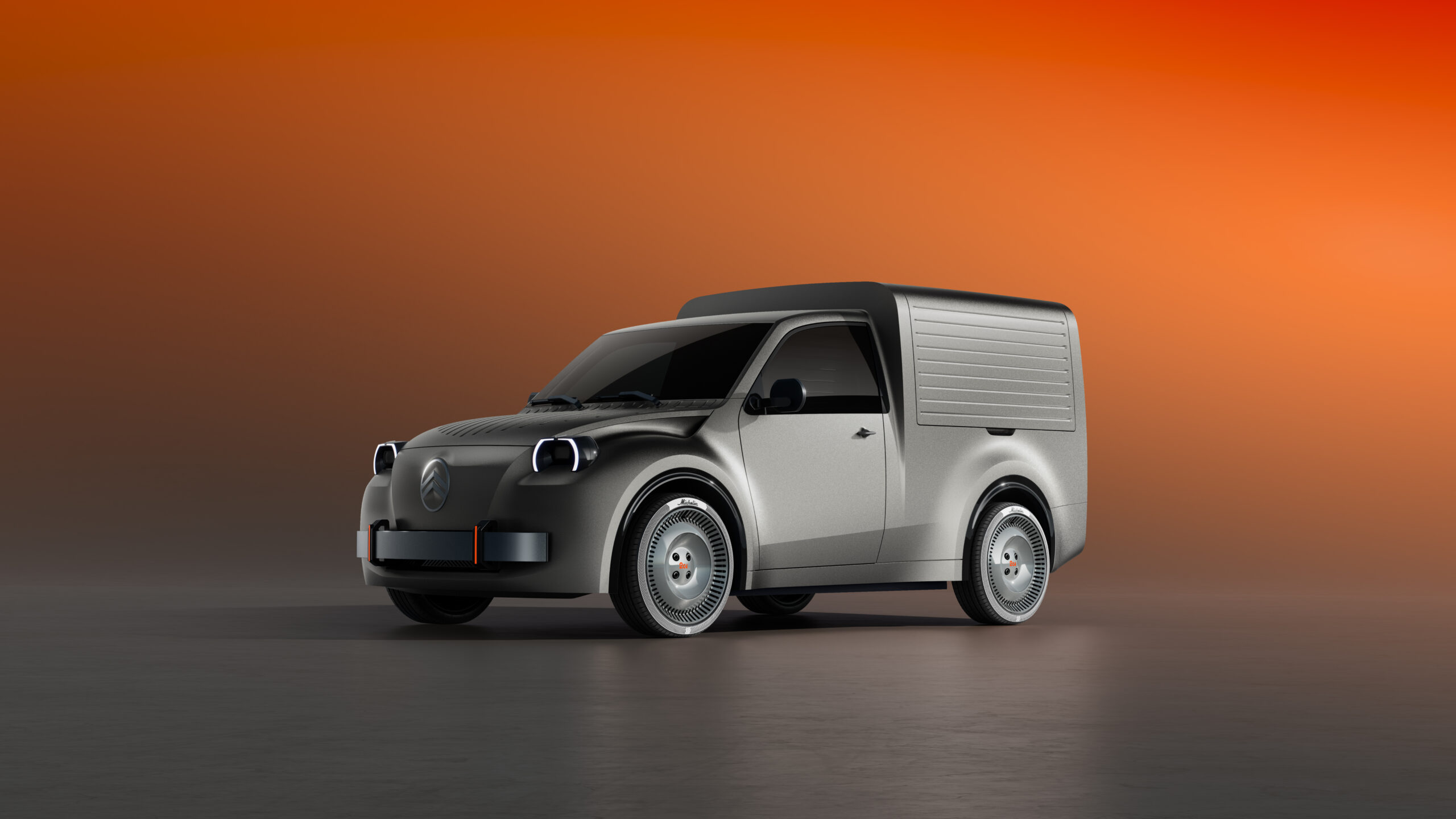
The new concept draws directly on that heritage. Its passenger-car-inspired front section is combined with a more upright rear cargo volume, creating a silhouette that immediately recalls the original Fourgonnette.
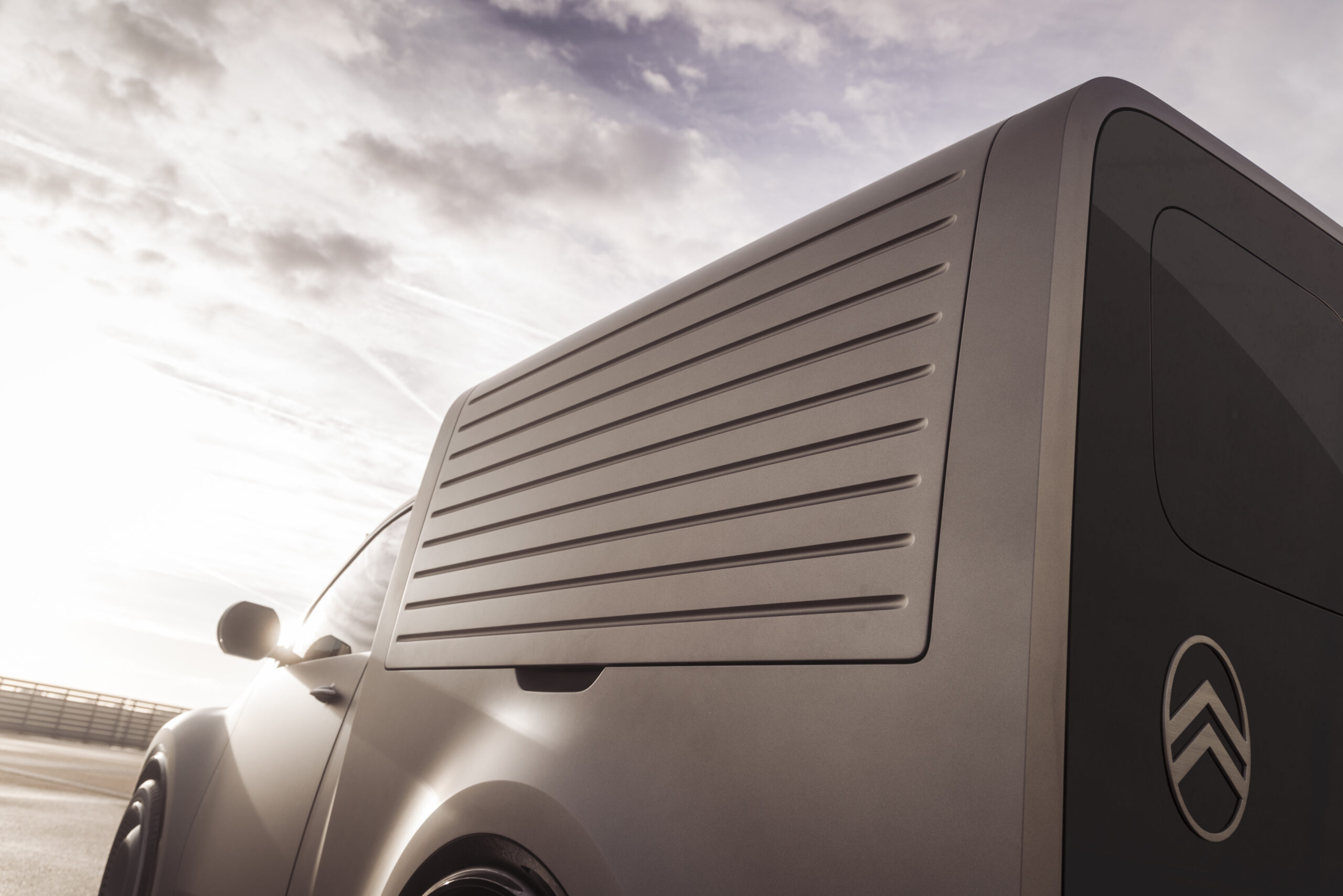
From a design perspective, this is particularly interesting because the two distinct body volumes have always been fundamental to the Fourgonnette’s identity. Unlike a conventional van, where the entire body is typically integrated into one continuous form, the historic Citroën created a clear visual separation between the passenger compartment and the functional cargo area.
Preserving that relationship allows the new concept to remain recognizable without requiring a literal reproduction of the original vehicle.

Practicality With a More Human Character
Citroën describes the Fourgonnette Concept as a contemporary interpretation of the original vehicle’s essential qualities: simplicity, accessibility, practicality and ease of use.
Those characteristics are particularly relevant to modern urban transportation. Small businesses, independent tradespeople and local delivery services increasingly need vehicles that are compact, efficient and inexpensive to operate, particularly in European cities where parking space and access restrictions present growing challenges.
An electric version of this type of vehicle could potentially provide a practical solution for short-distance deliveries and local business activities, particularly if it retained the compact dimensions and straightforward construction associated with the original.
The design also suggests an opportunity to move away from the increasingly anonymous appearance of contemporary commercial vehicles. Most modern vans are developed primarily around cargo volume and manufacturing efficiency, with relatively little emphasis on emotional appeal.
The Fourgonnette demonstrates that a commercial vehicle can communicate friendliness and personality without compromising its fundamental purpose.

The Importance of Simplicity
Perhaps the most valuable lesson from the original Fourgonnette is that effective commercial-vehicle design does not necessarily require sophisticated technology or complicated construction.
The historic vehicle was successful because it provided a straightforward, economical solution to everyday transportation requirements. Its mechanical simplicity, compact dimensions and functional cargo compartment made it particularly appealing to small businesses.
The new concept applies that philosophy to the electric era, suggesting that a compact electric commercial vehicle could benefit from the same emphasis on essential functionality.
From an industrial design standpoint, this approach could also provide opportunities for simplified manufacturing, easily replaceable components and adaptable cargo configurations.
However, Citroën has not announced detailed specifications concerning cargo capacity, battery size, driving range or production engineering. Consequently, the concept should be evaluated primarily as a design proposal rather than a fully developed commercial vehicle.

Could There Be a Market for a Modern Fourgonnette?
The potential appeal of a compact electric Fourgonnette extends beyond conventional commercial applications.
Its distinctive appearance could make it particularly attractive to small businesses that want their vehicles to become part of their visual identity. Bakeries, florists, cafés, boutique retailers and local delivery services could benefit from a vehicle that is both functional and immediately recognizable.
There is also an interesting connection with the growing popularity of lifestyle-oriented commercial vehicles, where utility and personal expression increasingly overlap.
A compact electric Fourgonnette could potentially appeal to customers who would never consider a conventional delivery van, particularly if the vehicle offered modular cargo arrangements or recreational configurations.
Of course, these possibilities remain speculative. Citroën has made clear that the Fourgonnette is a passion project created by its designers and does not currently preview a production model.
Nevertheless, the underlying idea deserves consideration.

A Welcome Reminder That Utility Can Have Personality
The Citroën 2 CV Fourgonnette Concept demonstrates that commercial-vehicle design does not have to be entirely anonymous or dictated exclusively by efficiency.
The original Fourgonnette became memorable because its practicality was combined with a distinctive, approachable character. Its appearance was unconventional, but that unconventionality was closely connected to its purpose.
The new concept attempts to rediscover the same qualities for an era increasingly focused on electric urban transportation.
Whether Citroën eventually develops a production version remains uncertain, but the concept highlights an opportunity that many manufacturers appear to have overlooked: creating small, affordable commercial vehicles that are practical without becoming visually interchangeable.

The Fourgonnette is a reminder that good automotive design is not limited to sports cars, luxury vehicles or dramatic concepts. Sometimes the most appealing designs are those that solve ordinary transportation problems with intelligence, simplicity and a little personality.
That was the secret of the original Citroën 2 CV Fourgonnette, and it remains a remarkably relevant idea today.