Vauxhall STX Concept: Reinventing the Electric Estate Car


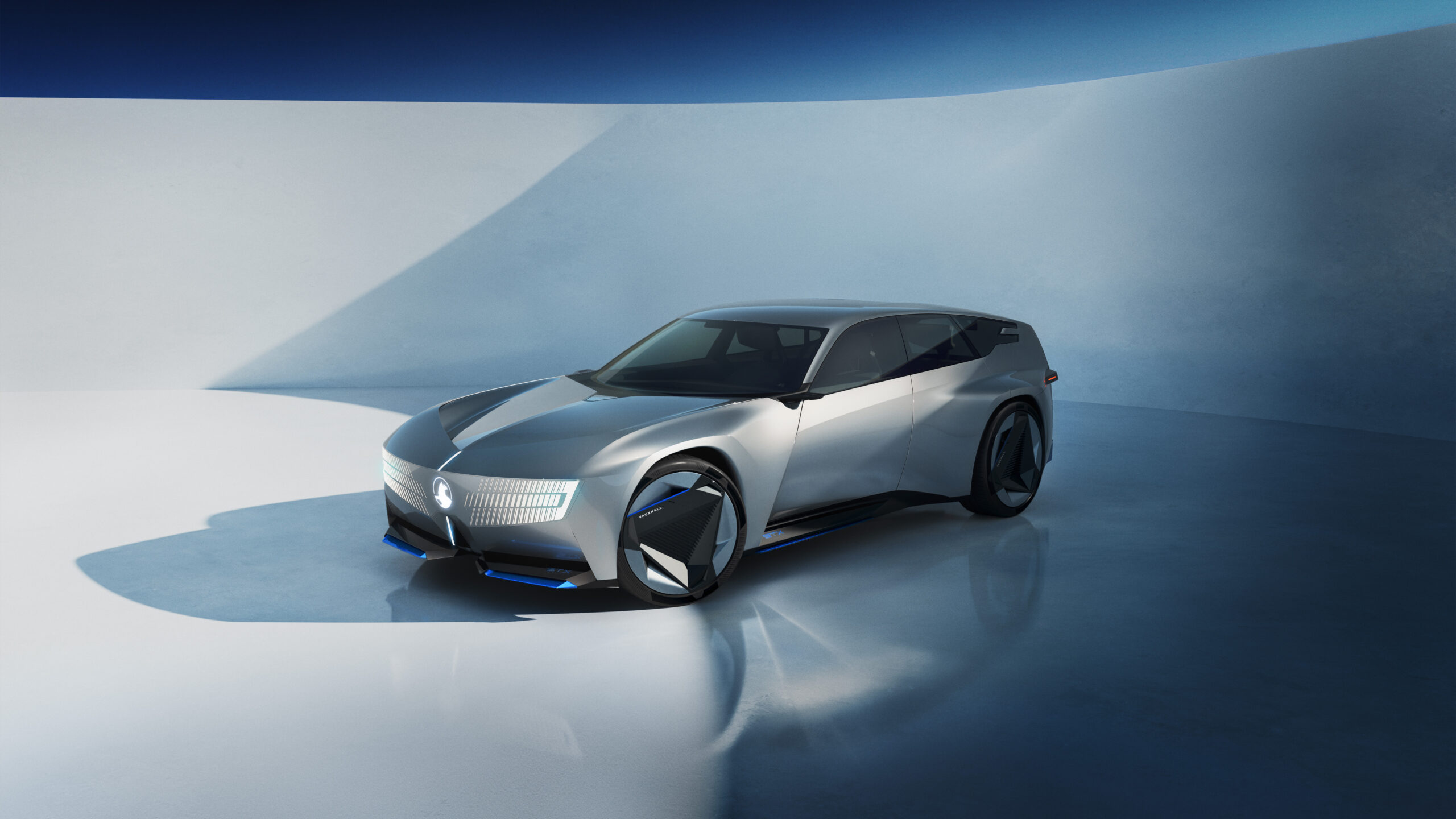
At the 2026 Paris Motor Show, Vauxhall has unveiled the STX Concept, a striking interpretation of what the traditional estate car could become in the electric era. Officially named the Sports Tourer eXperimental, the concept combines the practicality associated with estate cars with a dramatically lower, more aerodynamic silhouette and a new generation of Vauxhall’s design language.
At a time when SUVs dominate the market, it is refreshing to see a manufacturer exploring the potential of the estate car rather than abandoning it. The STX demonstrates that practicality, aerodynamic efficiency and emotional design do not necessarily have to be mutually exclusive. More importantly, it provides an early indication of how Vauxhall intends to develop its visual identity over the coming years.
A New Interpretation of Bold and Pure
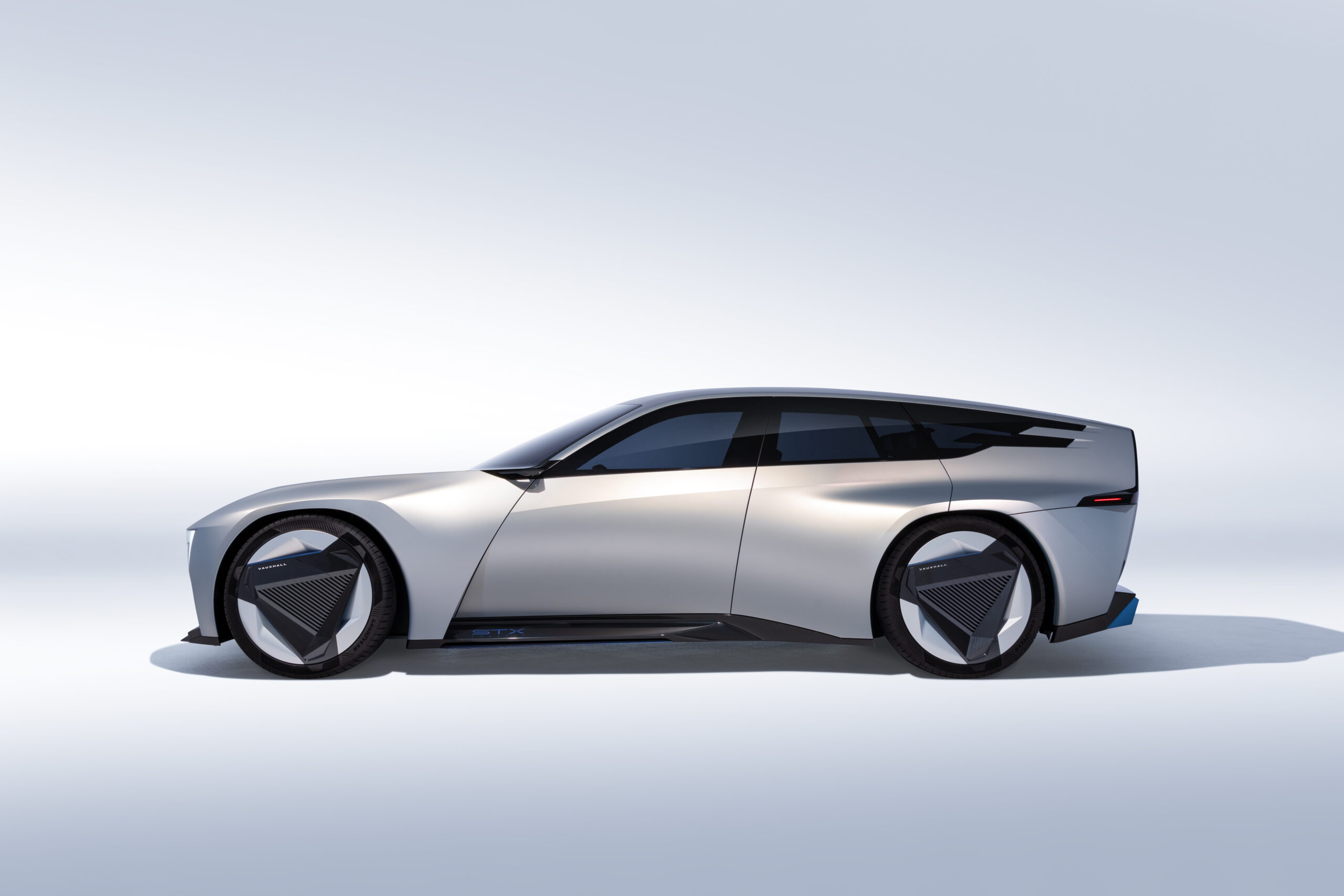
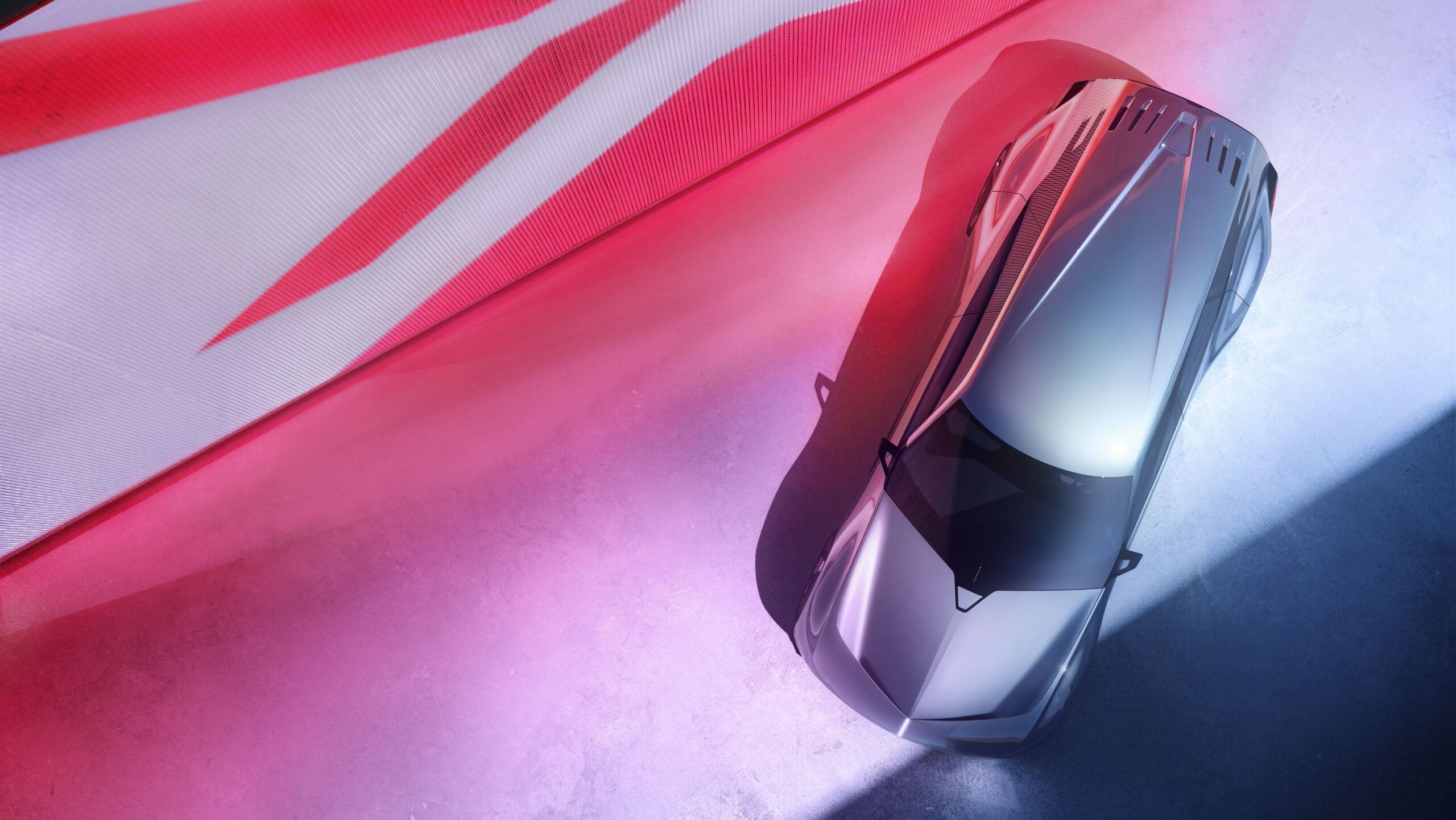
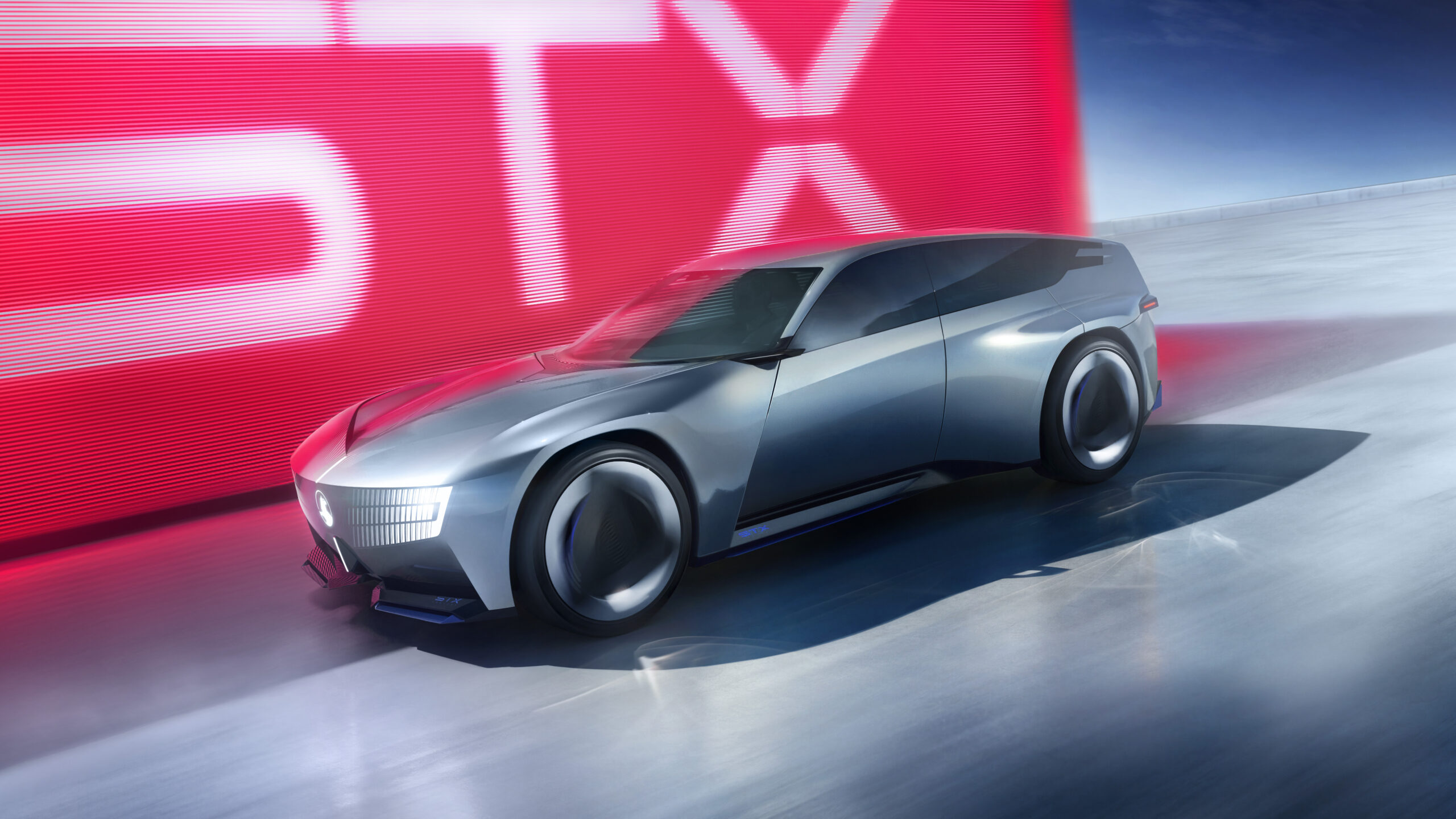
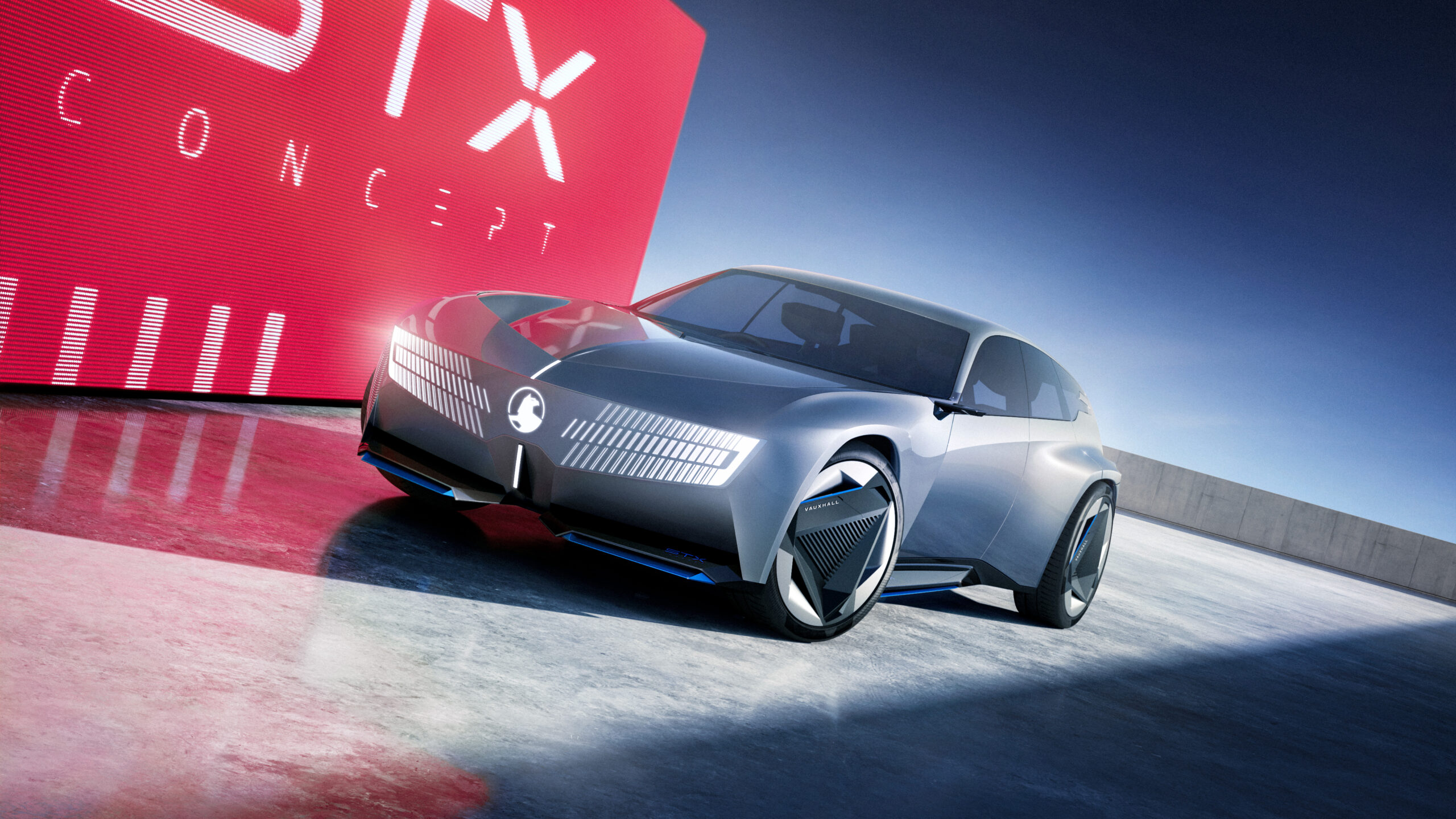
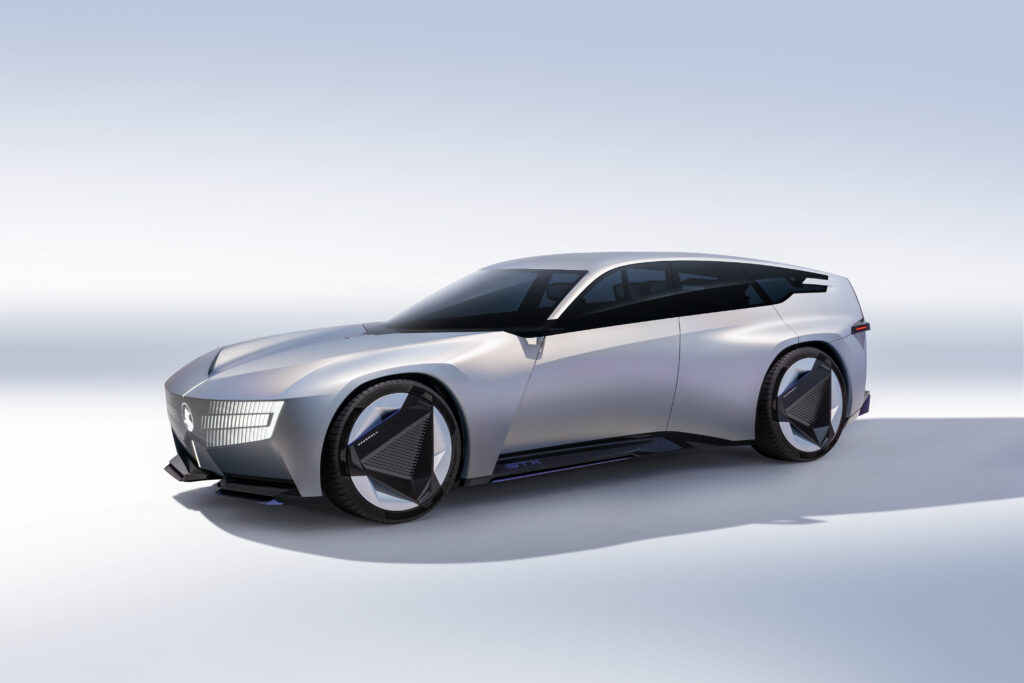
The STX Concept represents the next evolution of Vauxhall’s Bold and Pure design philosophy. Its proportions are defined by a long, low body, short overhangs, pronounced wheel arches and a carefully controlled greenhouse. Rather than relying on numerous decorative creases and complex surface treatments, the designers have concentrated on creating a clean, sculptural body with a strong sense of movement.
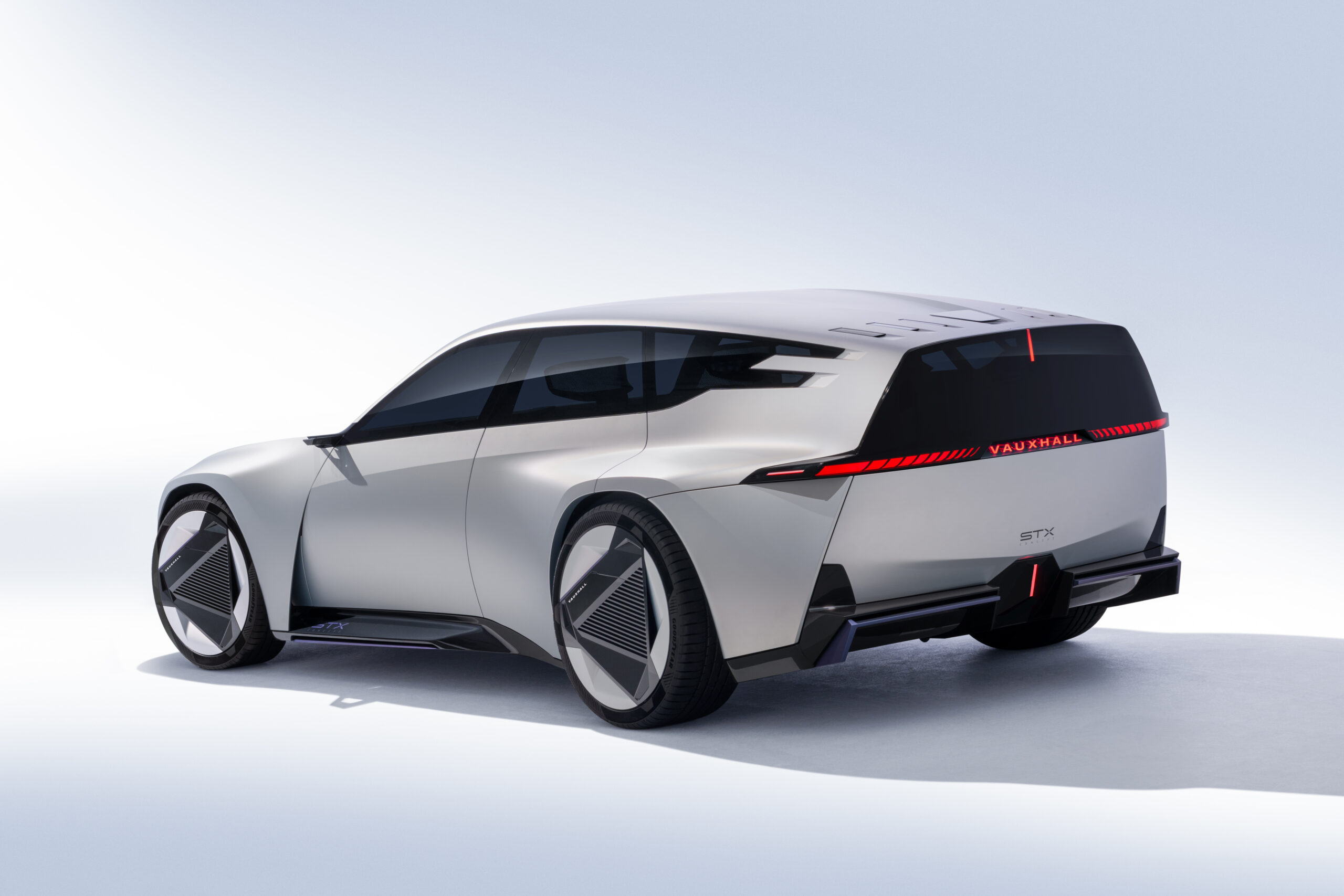
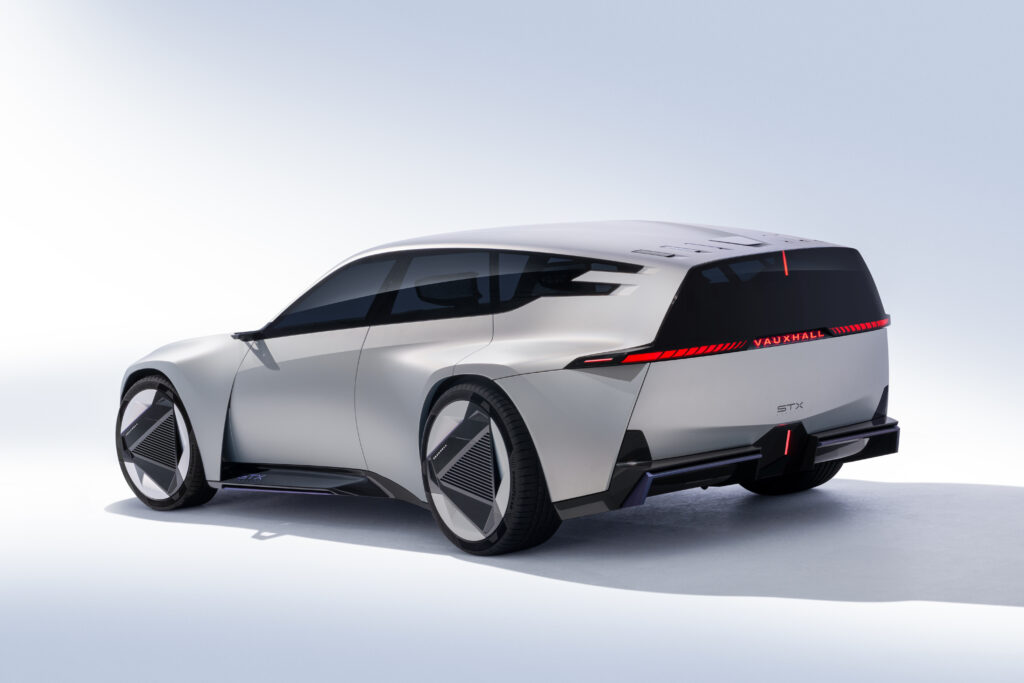
The side profile is particularly interesting. Its low roofline and extended rear volume create an elegant silhouette that appears closer to a sporting shooting brake than a conventional family estate. The downward-sloping rear provides a distinctive aerodynamic character while retaining the practical advantages of an extended luggage compartment.
This is an important design direction because electric vehicles can benefit considerably from the lower frontal area of an estate compared with a similarly spacious SUV. While SUVs may offer a commanding seating position, a lower body can provide advantages in aerodynamic efficiency, particularly during sustained motorway driving.
The STX explores that potential without sacrificing the visual presence that contemporary customers increasingly expect.

A More Confident Vauxhall Face
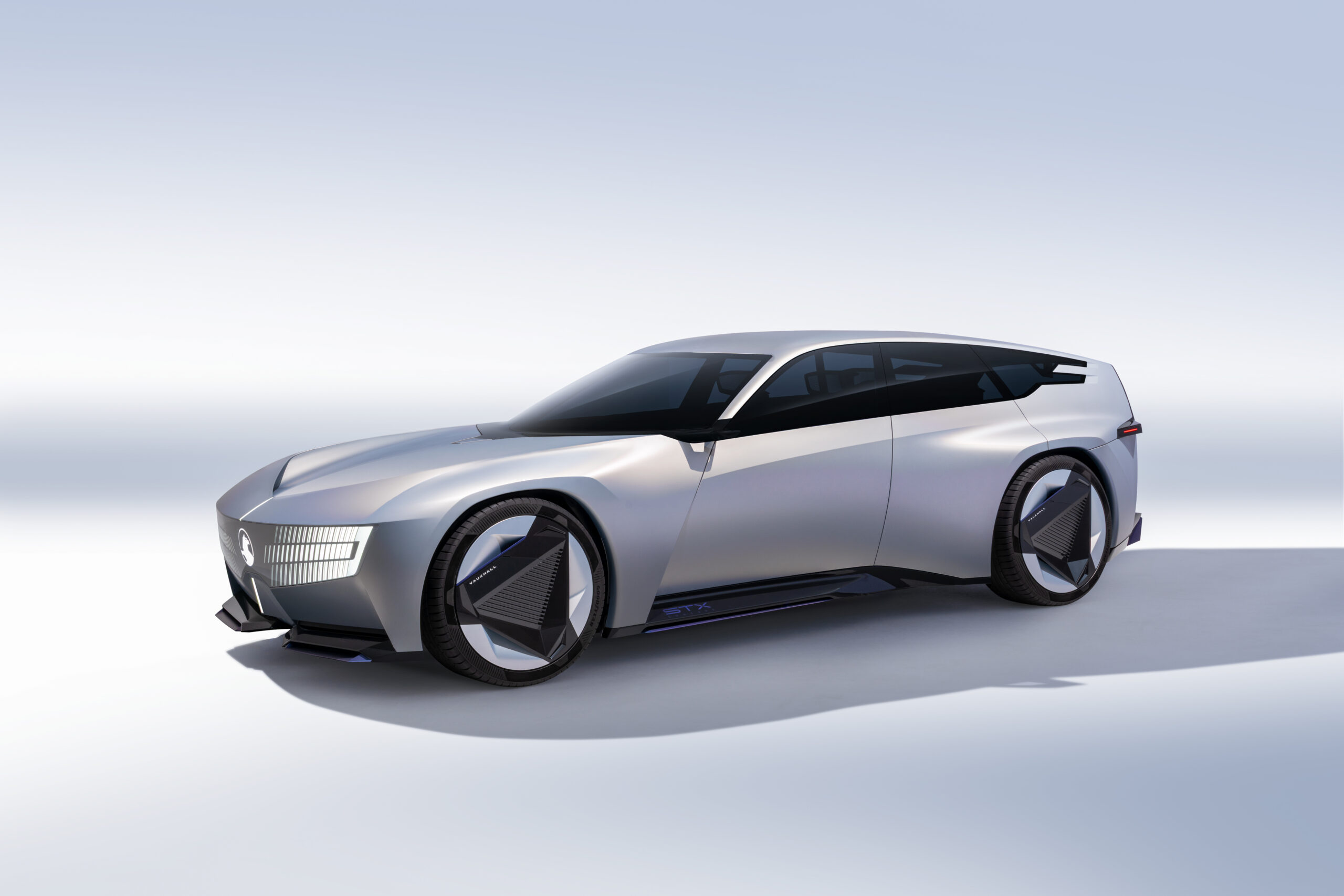
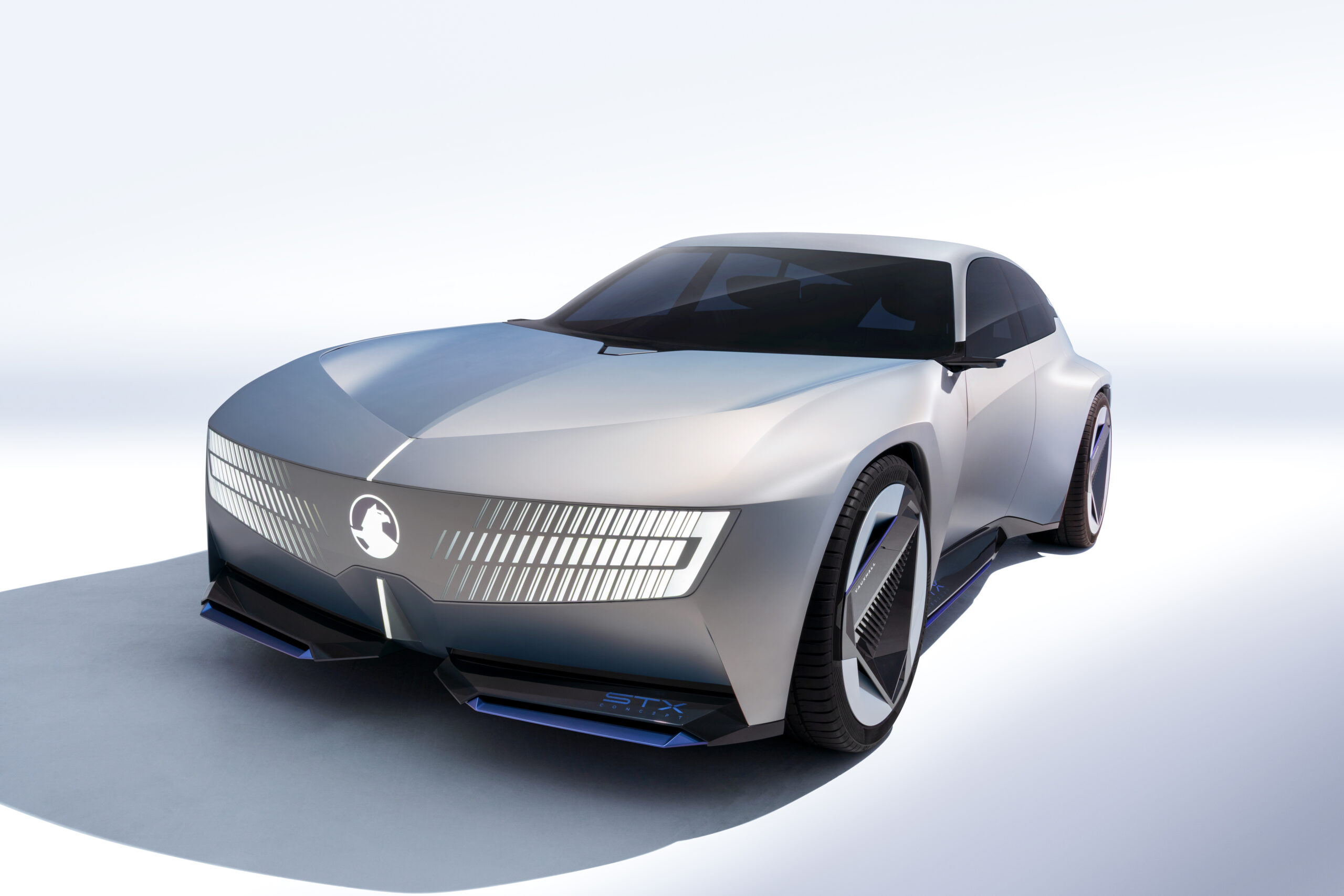
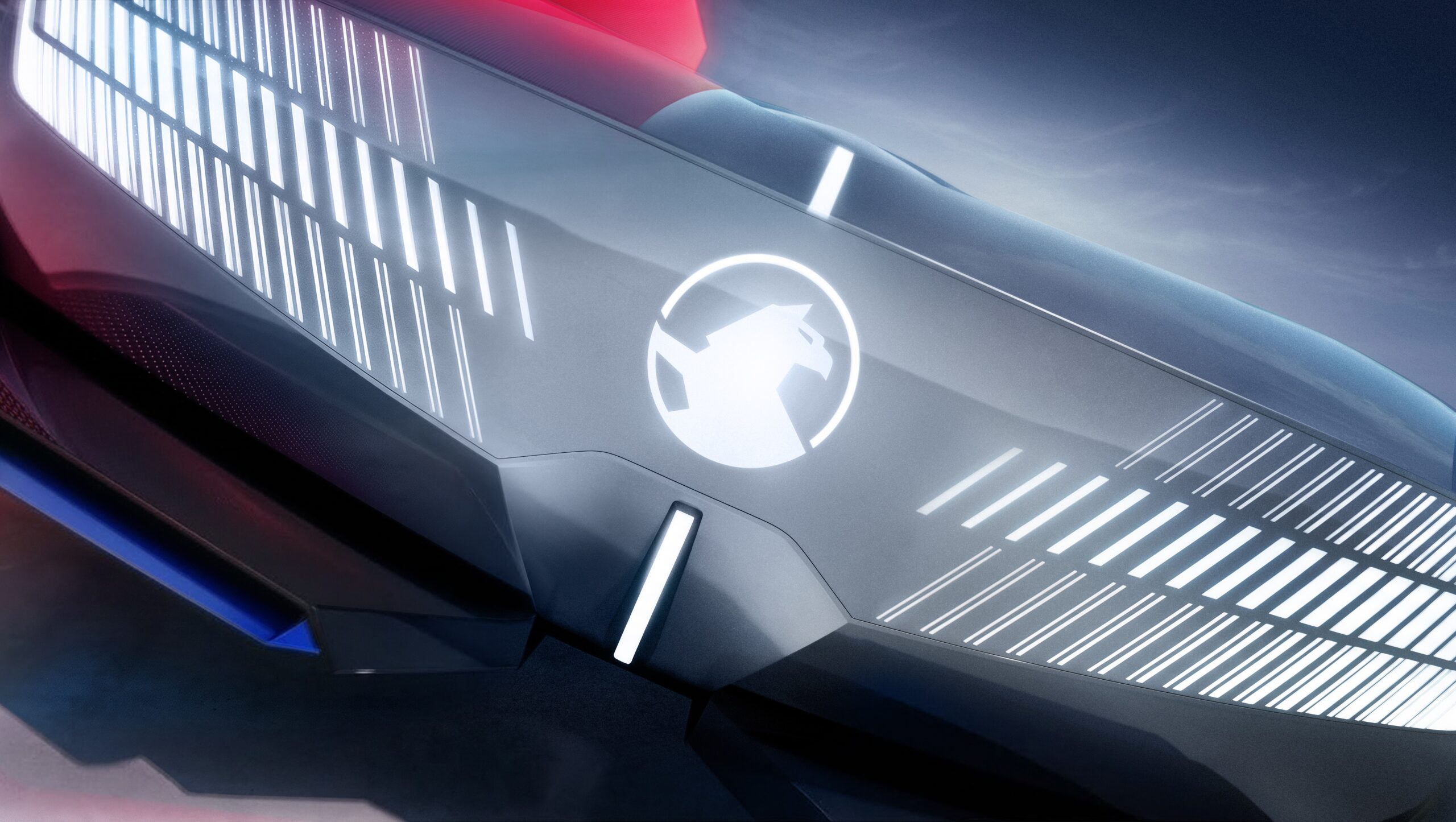
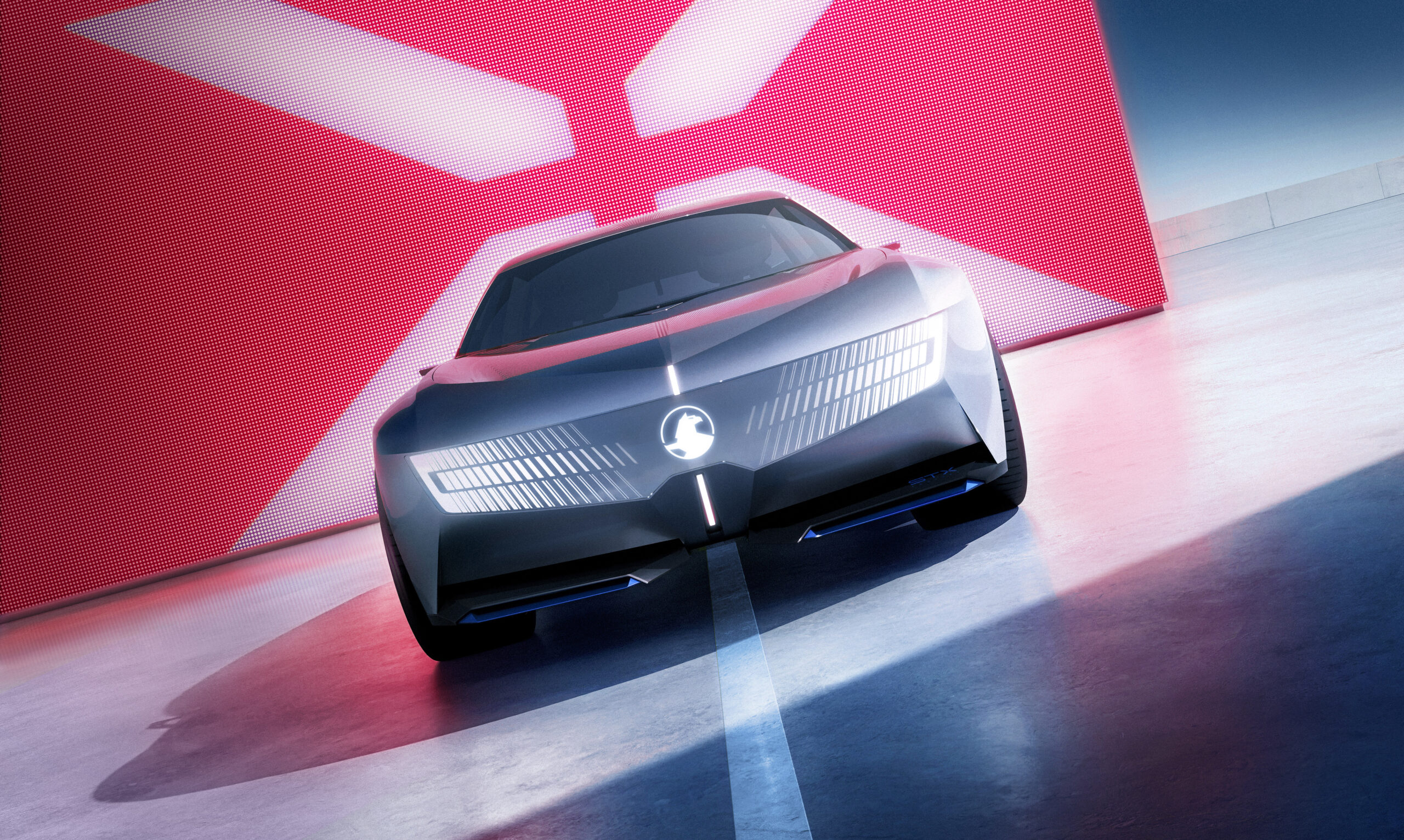
One of the most significant developments is the latest interpretation of the Vauxhall Vizor, the distinctive front-end graphic that has become central to the brand’s identity.
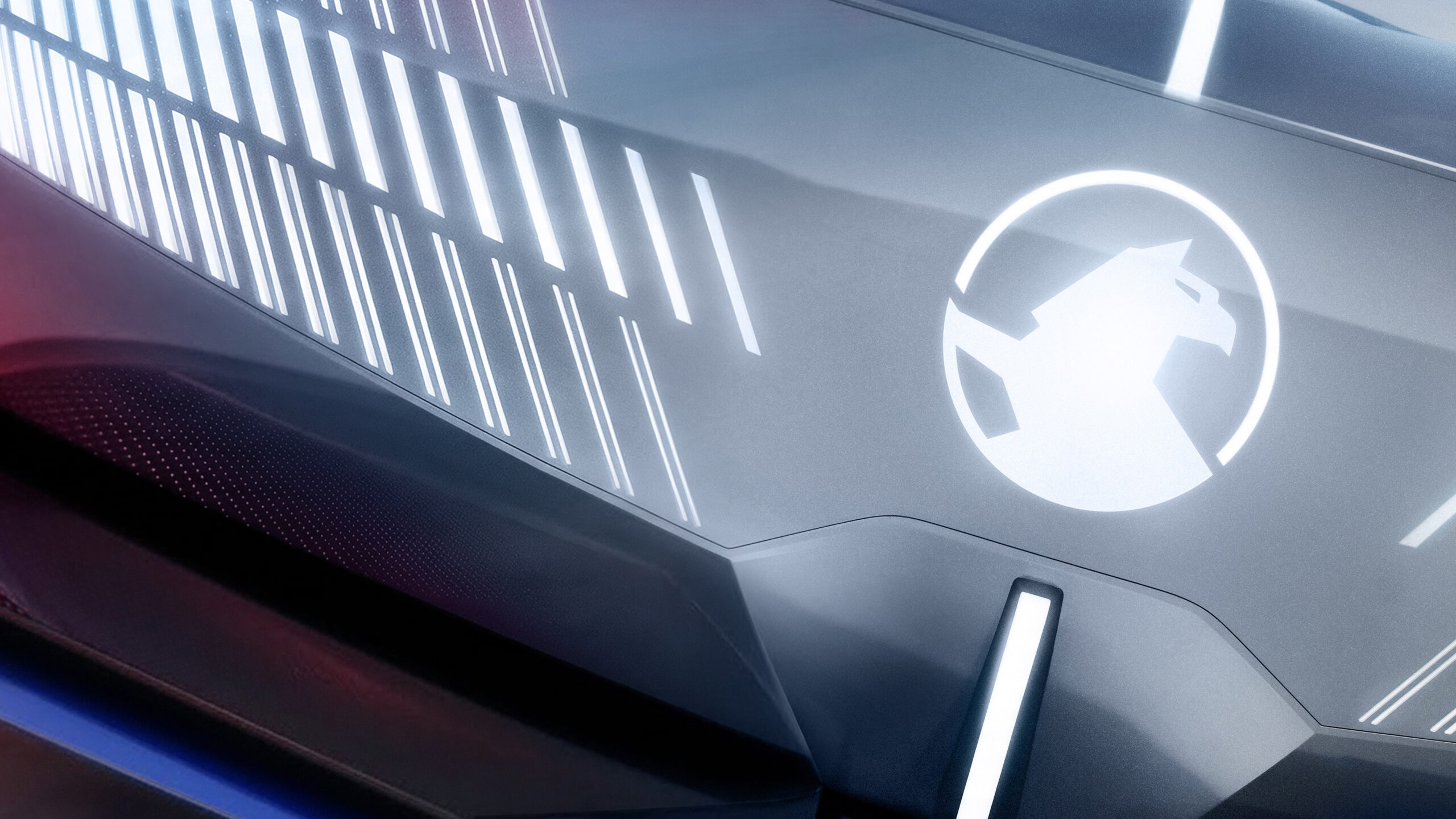
On the STX, the Vizor becomes taller and more prominent, with precisely defined vertical lighting elements extending inward from its outer edges. These gradually fade toward the centre, where the illuminated Vauxhall emblem sits within the brand’s familiar Compass design signature.
The concept also introduces an entirely new interpretation of the Griffin emblem, the first redesign to remove the traditional flag. The sharper, more geometric symbol has been developed specifically to work with contemporary lighting technology and will appear on Vauxhall’s next all-new production model, scheduled for unveiling in 2027.
From a design perspective, this is an interesting evolution. As conventional grilles become less important on electric vehicles, manufacturers increasingly rely on lighting graphics and recognizable front-end architecture to maintain their identities. Vauxhall is clearly developing the Vizor into a more distinctive and flexible design element rather than simply treating it as a replacement for the radiator grille.

Clean Surfaces and Technical Details
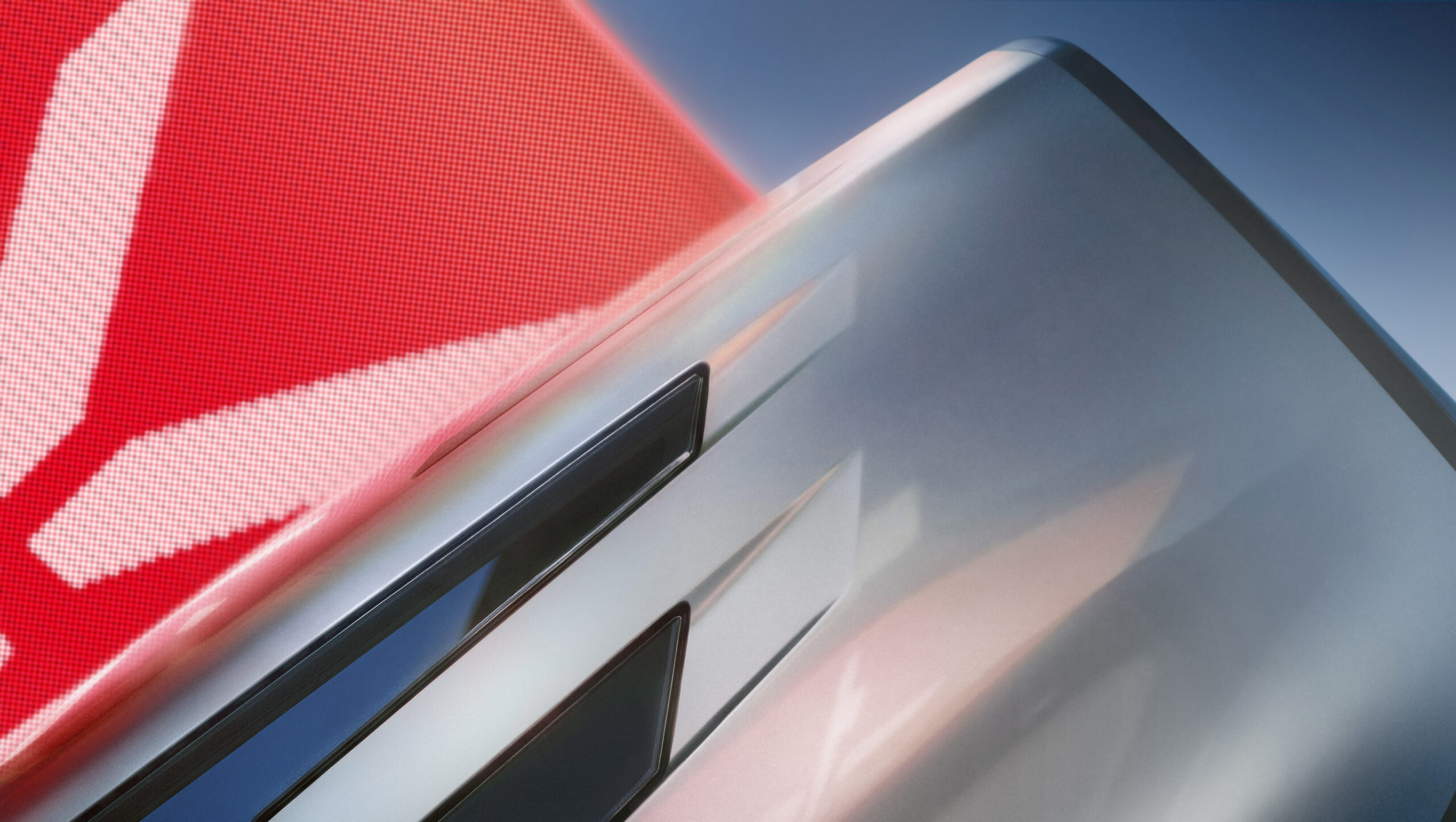
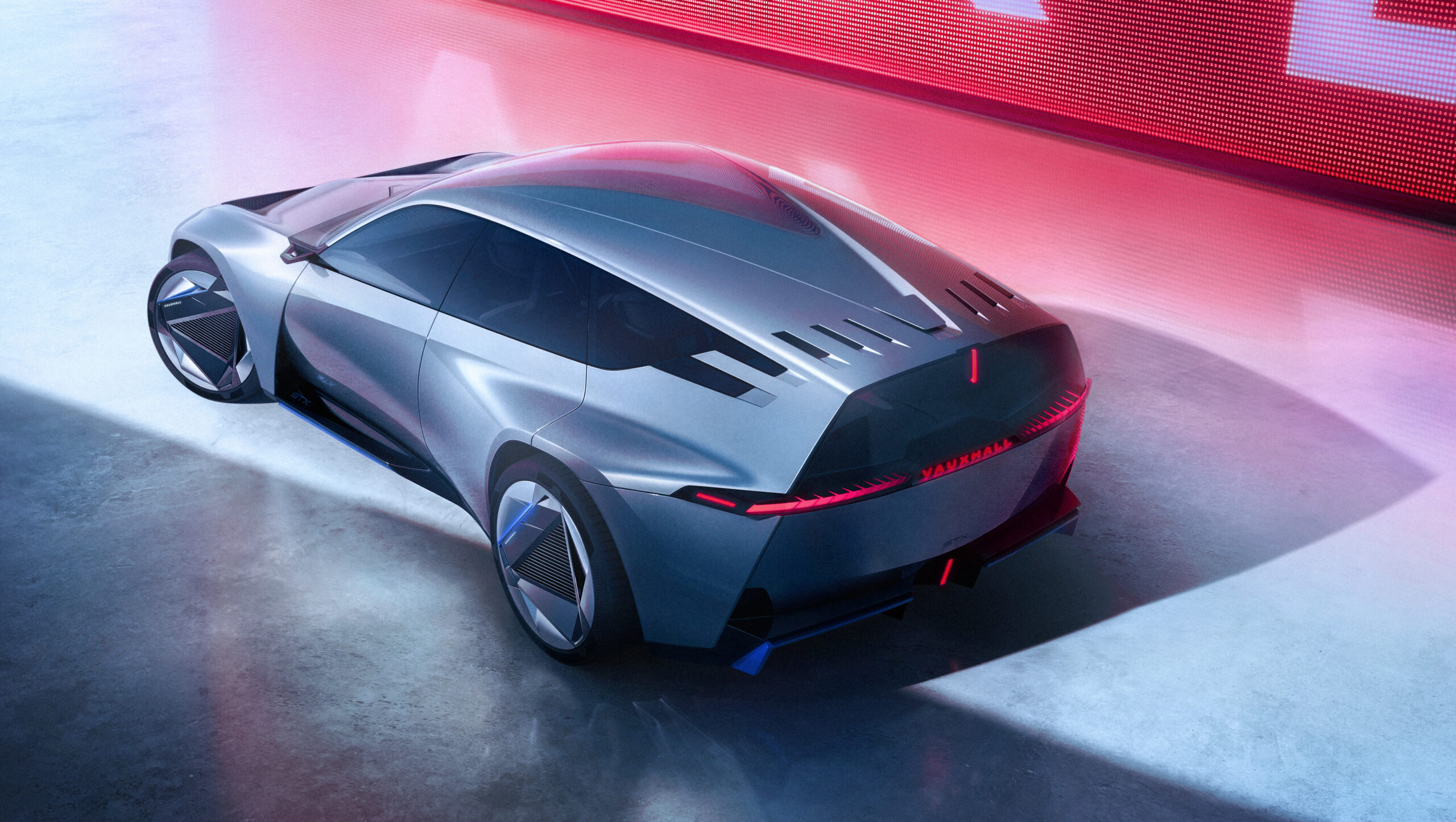
The STX Concept’s bodywork combines large, uninterrupted surfaces with carefully integrated technical details. Flush glazing, camera-based rear-view mirrors and precisely shaped body sections contribute to the clean overall appearance.
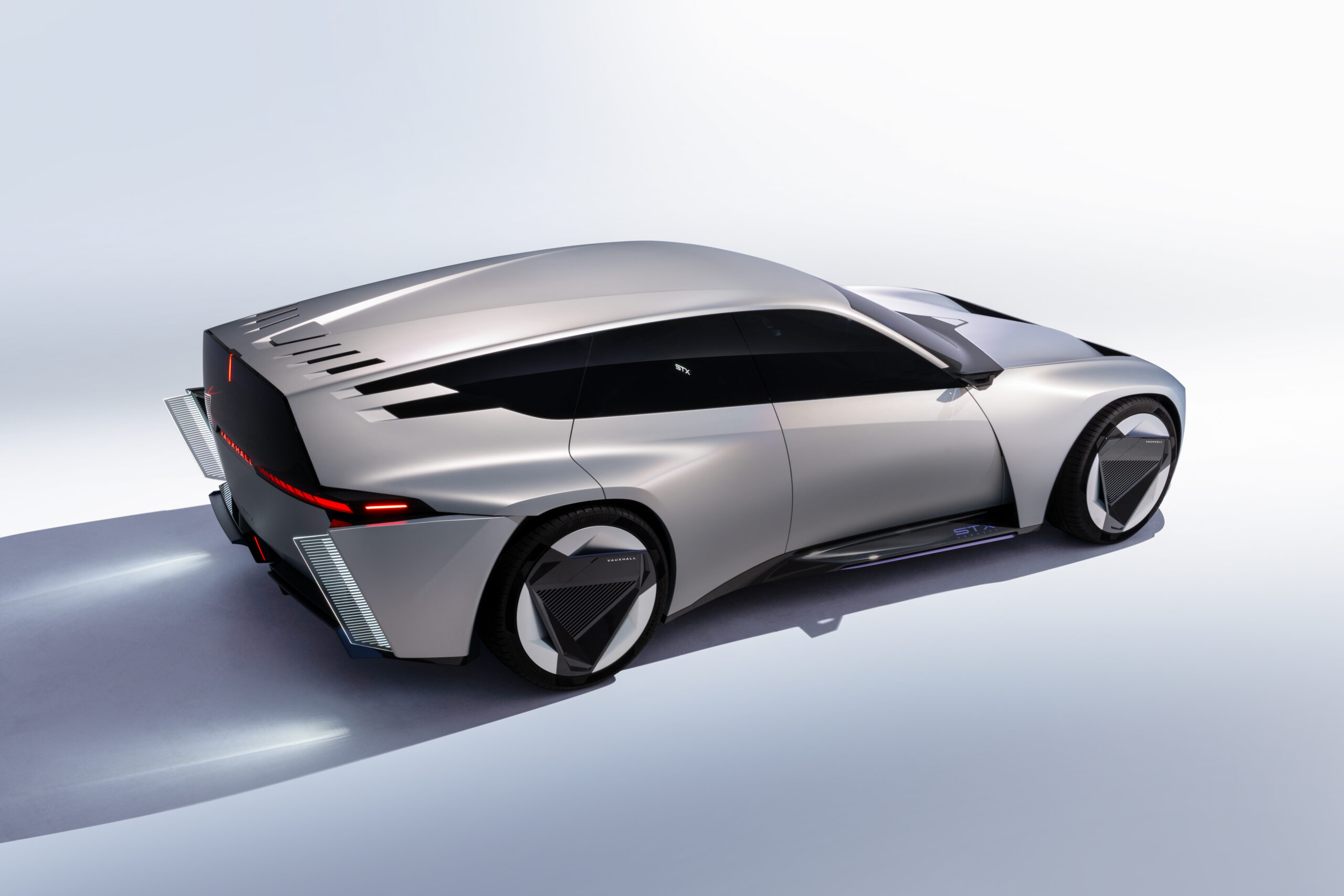
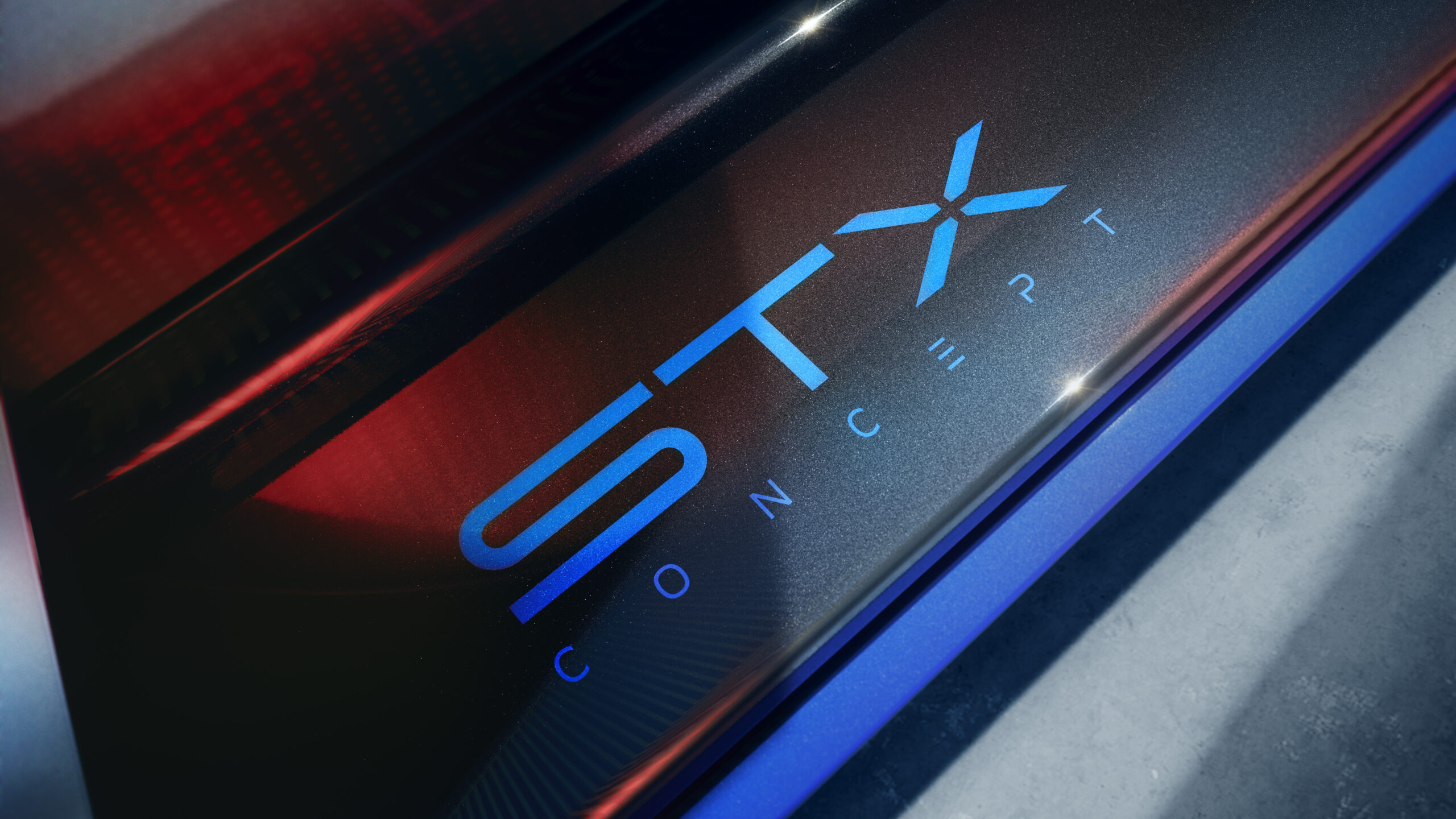
At the C-pillars, illuminated glass elements extend from the side windows into the roof, creating an unusual visual transition between the greenhouse and rear body. Illuminated STX lettering along the sides adds another graphic element, although such details are more likely to remain concept-car features than become everyday production solutions.
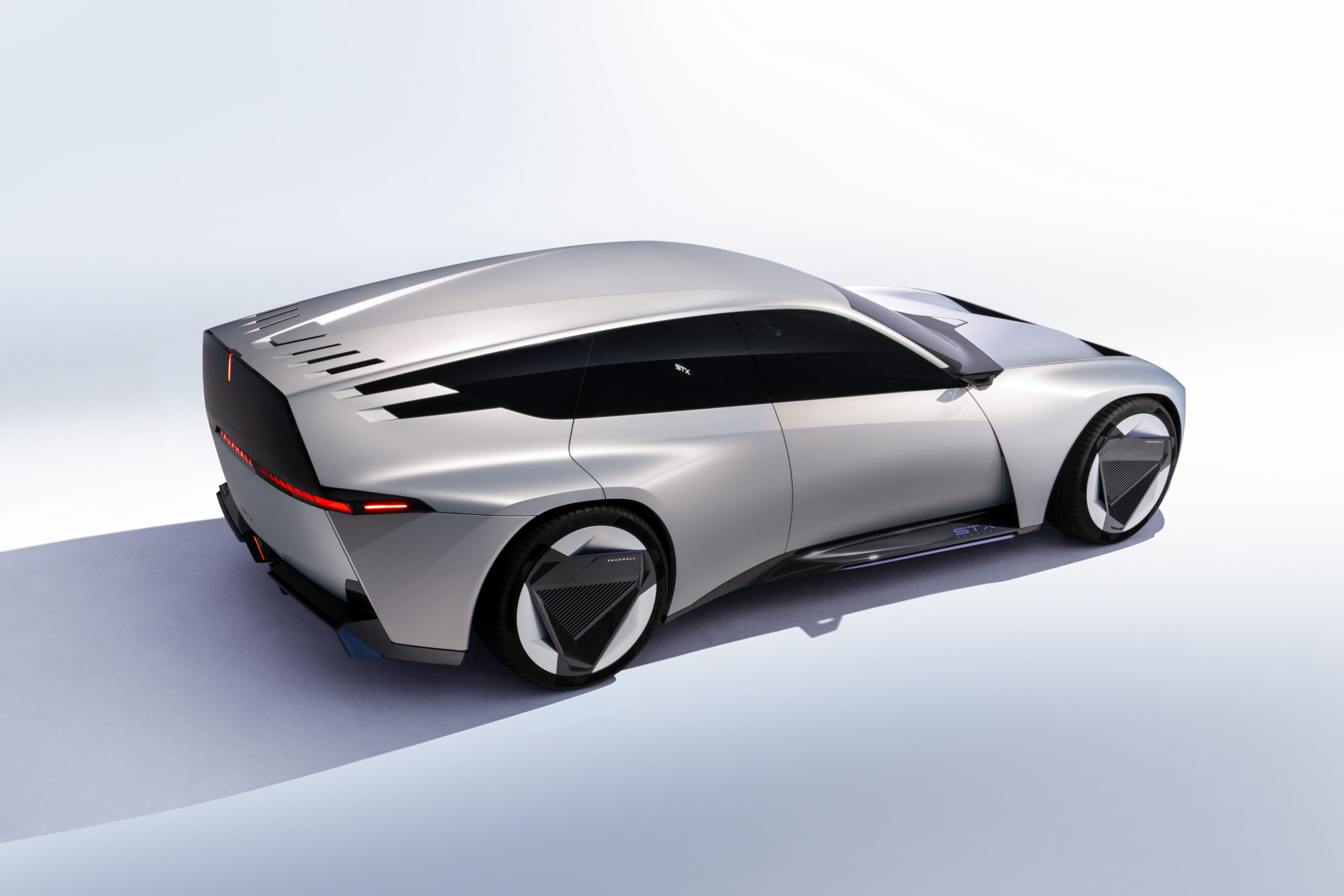
The rear continues the Compass theme through thin illuminated horizontal and vertical elements, with a centrally positioned VAUXHALL wordmark. The horizontal rear lamps echo the segmented lighting treatment at the front, creating a consistent visual identity around the entire vehicle.
What makes this approach successful is that the basic body sculpture remains relatively restrained. The lighting and graphic elements provide recognition, but the overall character is established primarily through proportion and surface development.

Aerodynamics as Part of the Design
Aerodynamic efficiency plays a central role in the STX Concept, particularly because Vauxhall is positioning it as a vision of efficient long-distance electric motoring.
The concept features an active aerodynamic system with extendable rear diffuser elements. At appropriate speeds, blue-coloured components deploy beneath the rear bumper, while vertical elements behind the wheels move outward to help manage airflow and improve stability.
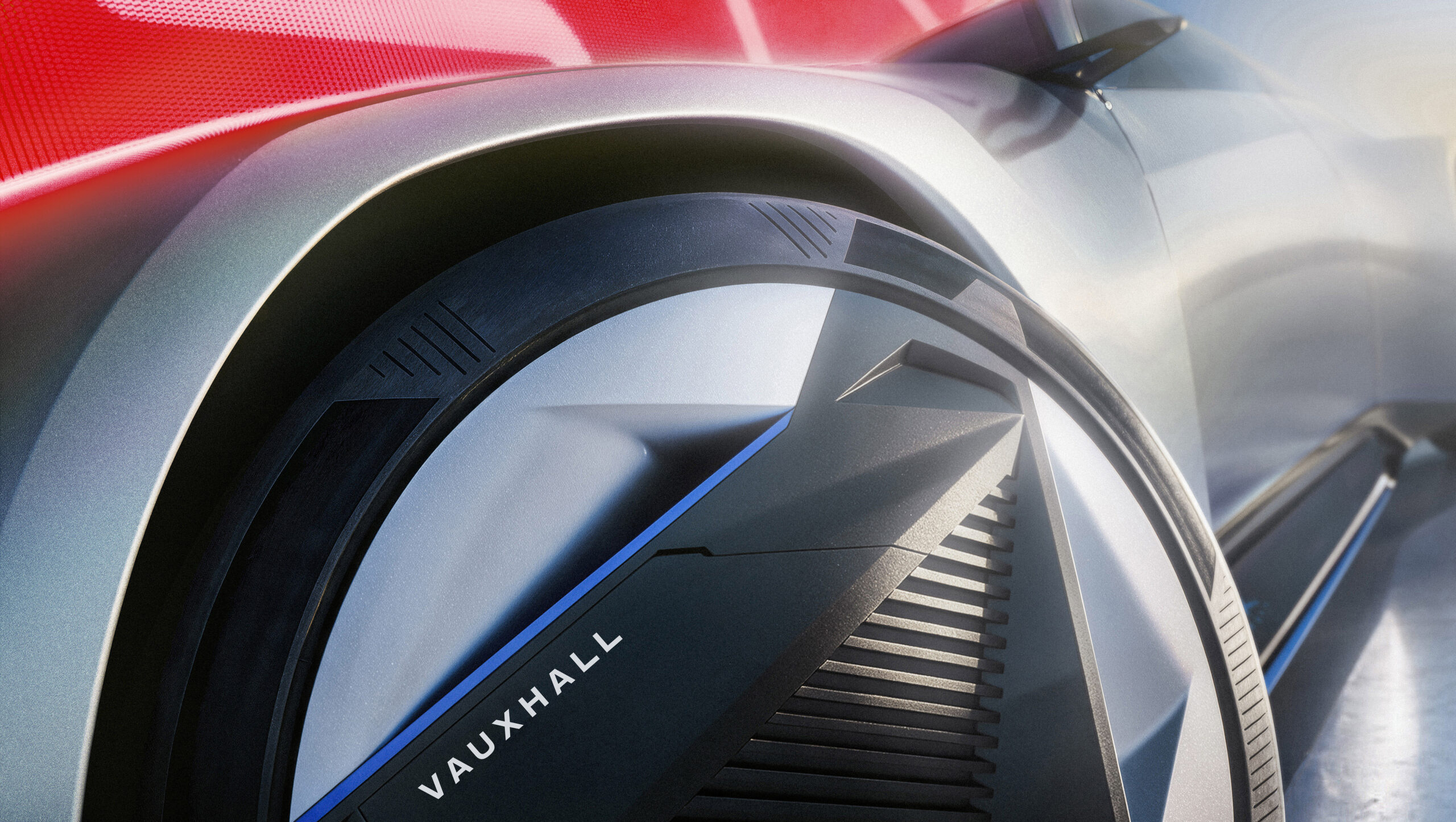
The 22-inch alloy wheels also contribute to the aerodynamic strategy. Their three-section design references wheel styles associated with earlier Vauxhall models, including the Nova and first-generation Corsa, while incorporating contemporary aerodynamic optimisation. They are fitted with substantial 285/35 R22 Goodyear tyres.
These features demonstrate how aerodynamic components can become part of the vehicle’s visual character rather than appearing as unrelated technical additions. However, the complexity of the active rear elements raises questions about cost, durability and whether their efficiency benefits would justify production implementation.
The STX uses an electric all-wheel-drive architecture and is claimed to exceed 124 mph, approximately 200 km/h. Vauxhall has not provided detailed motor outputs, battery capacity or driving-range figures, reinforcing that this is primarily a design and technology study rather than a production-ready vehicle.
An Interior Still to Be Defined
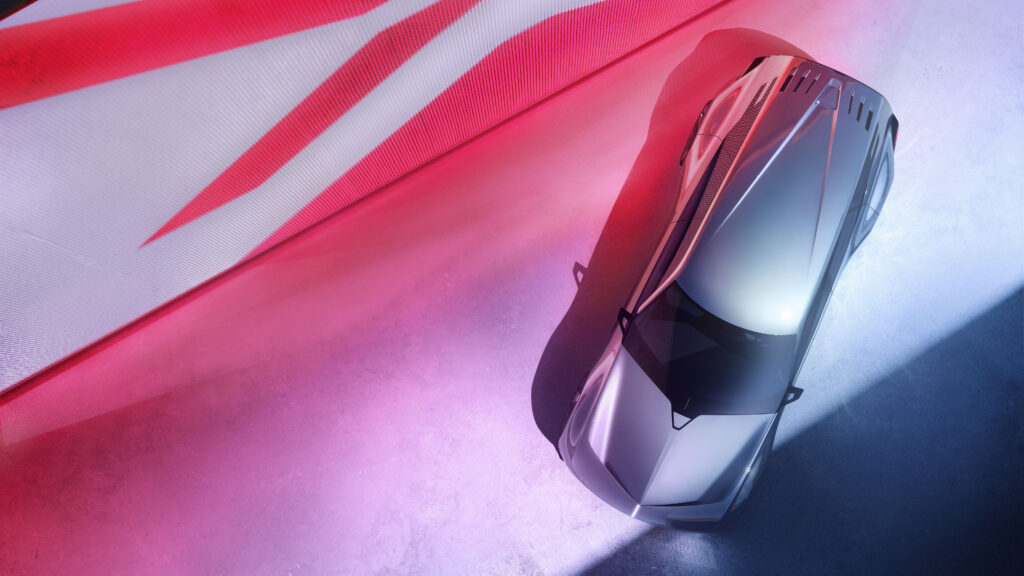
Interestingly, Vauxhall has revealed relatively little about the STX’s interior. The company indicates that its future cabin philosophy will build upon the Painting with Light approach previously explored in the 2023 Vauxhall Experimental and the 2025 Corsa GSE Vision Gran Turismo.
The intended direction combines lightweight seating, immersive lighting and a more integrated relationship between technology and the occupants. However, without a fully presented interior, it remains difficult to assess whether Vauxhall will apply the same visual restraint inside as it has demonstrated with the exterior.
That will be an important consideration. The appeal of a modern estate car has traditionally depended on everyday usability, comfort and intelligent packaging. A successful production interpretation should preserve those qualities rather than allowing concept-car technology to compromise them.
Is There Still a Future for the Estate Car?
Perhaps the most interesting aspect of the STX Concept is not any individual styling feature but the body style itself.
For decades, estate cars represented one of the most effective combinations of passenger comfort, luggage capacity and long-distance driving ability. The popularity of SUVs has significantly reduced their market presence, yet the transition to electric propulsion may create renewed opportunities for lower, more aerodynamically efficient vehicles.
A well-designed electric estate can potentially deliver much of the practicality of an SUV while reducing aerodynamic drag and energy consumption. The STX explores this possibility through a body that emphasizes width, length and a relatively low silhouette rather than unnecessary height.
Of course, the dramatic proportions of a concept car rarely survive unchanged into production. Practical requirements involving rear headroom, luggage accessibility, structural packaging and manufacturing costs will inevitably influence any future interpretation.
Nevertheless, the STX makes a convincing argument that an estate car does not have to look conservative or utilitarian.
A Promising Direction for Vauxhall
The Vauxhall STX Concept is an encouraging demonstration of how traditional body styles can evolve without losing their fundamental purpose. Its combination of restrained body sculpture, strong lighting identity and integrated aerodynamic features creates a distinctive design that feels contemporary without becoming excessively complicated.
The redesigned Griffin emblem and more prominent Vizor are likely to have the greatest immediate influence on future Vauxhall production models. The broader significance, however, lies in the possibility of bringing renewed attention to the estate car as a desirable alternative to the increasingly dominant SUV.
There is still a considerable distance between this dramatic show car and a practical production vehicle. Yet the underlying idea is compelling: an electric estate that combines efficiency, everyday usefulness and genuine visual appeal.
If Vauxhall can translate the STX’s proportions and design confidence into an affordable production model without sacrificing practicality, it could help demonstrate that the future of family motoring does not necessarily have to be another SUV.
Sharpen the design critiqueReduce repeated estate-car arguments