A New Direction: Audi’s Concept C Marks a Teutonic Turn in Design
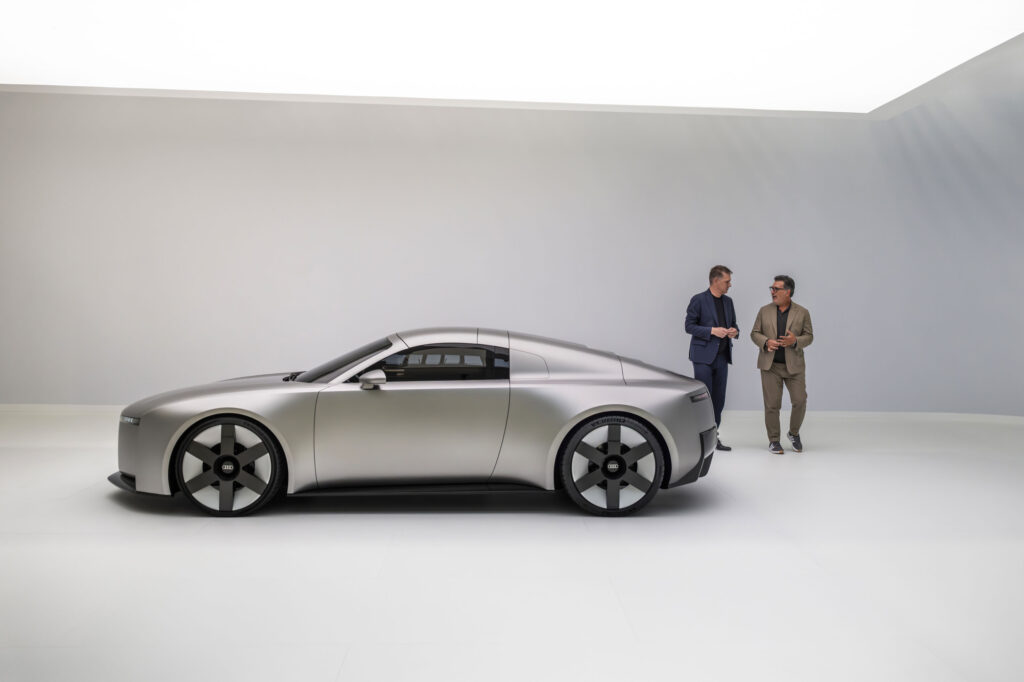
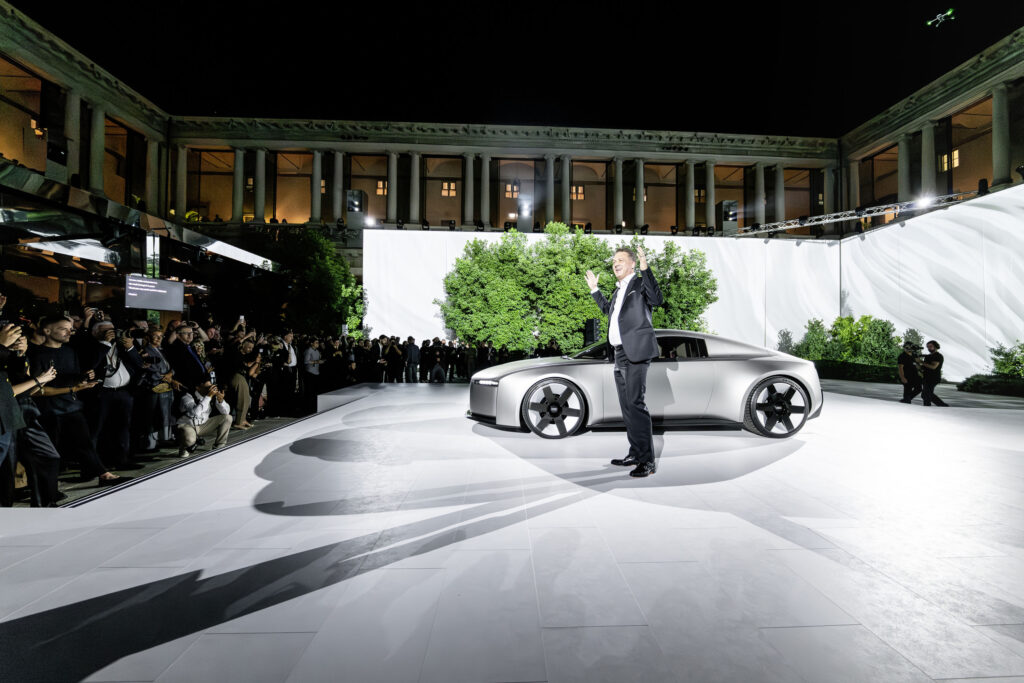
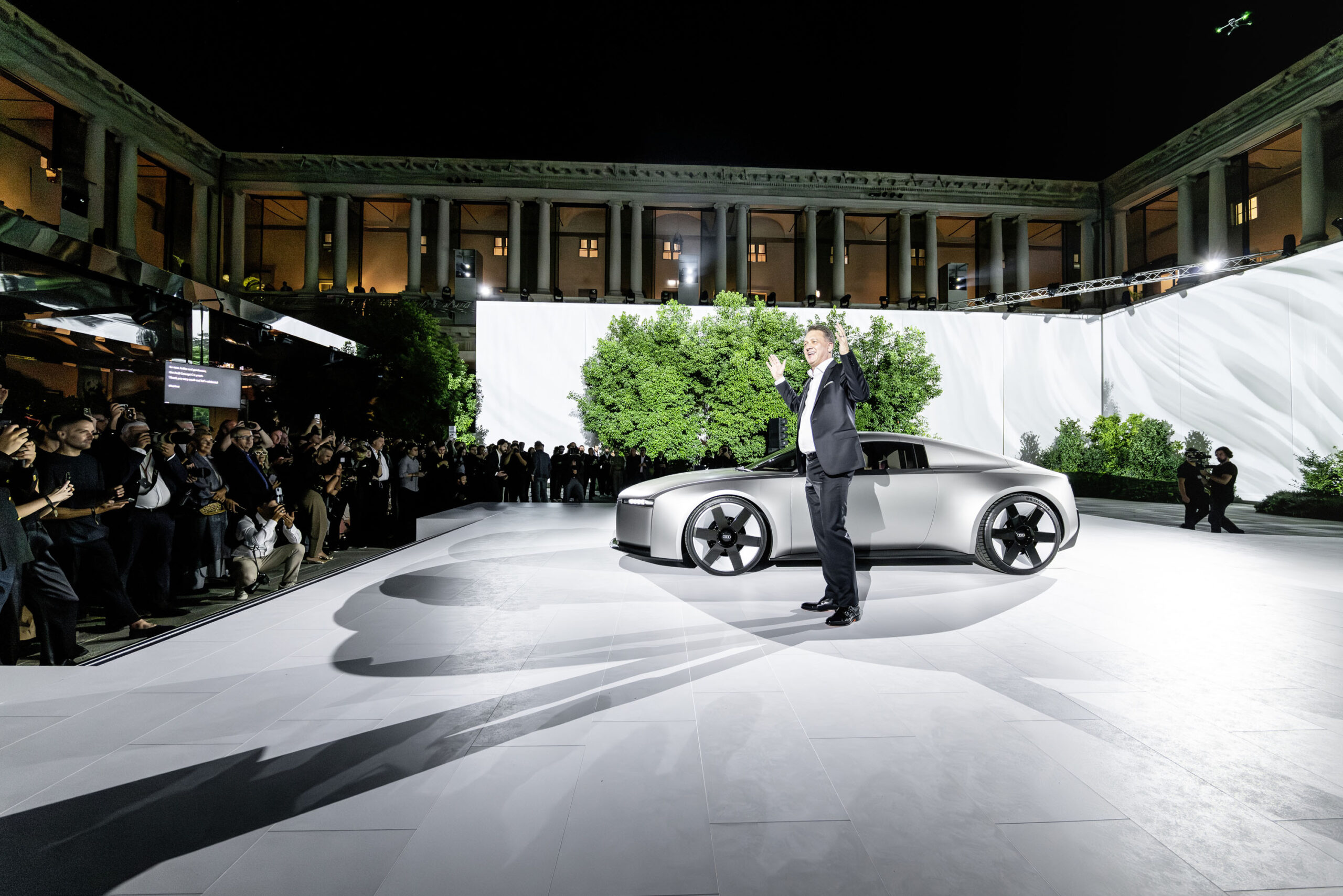
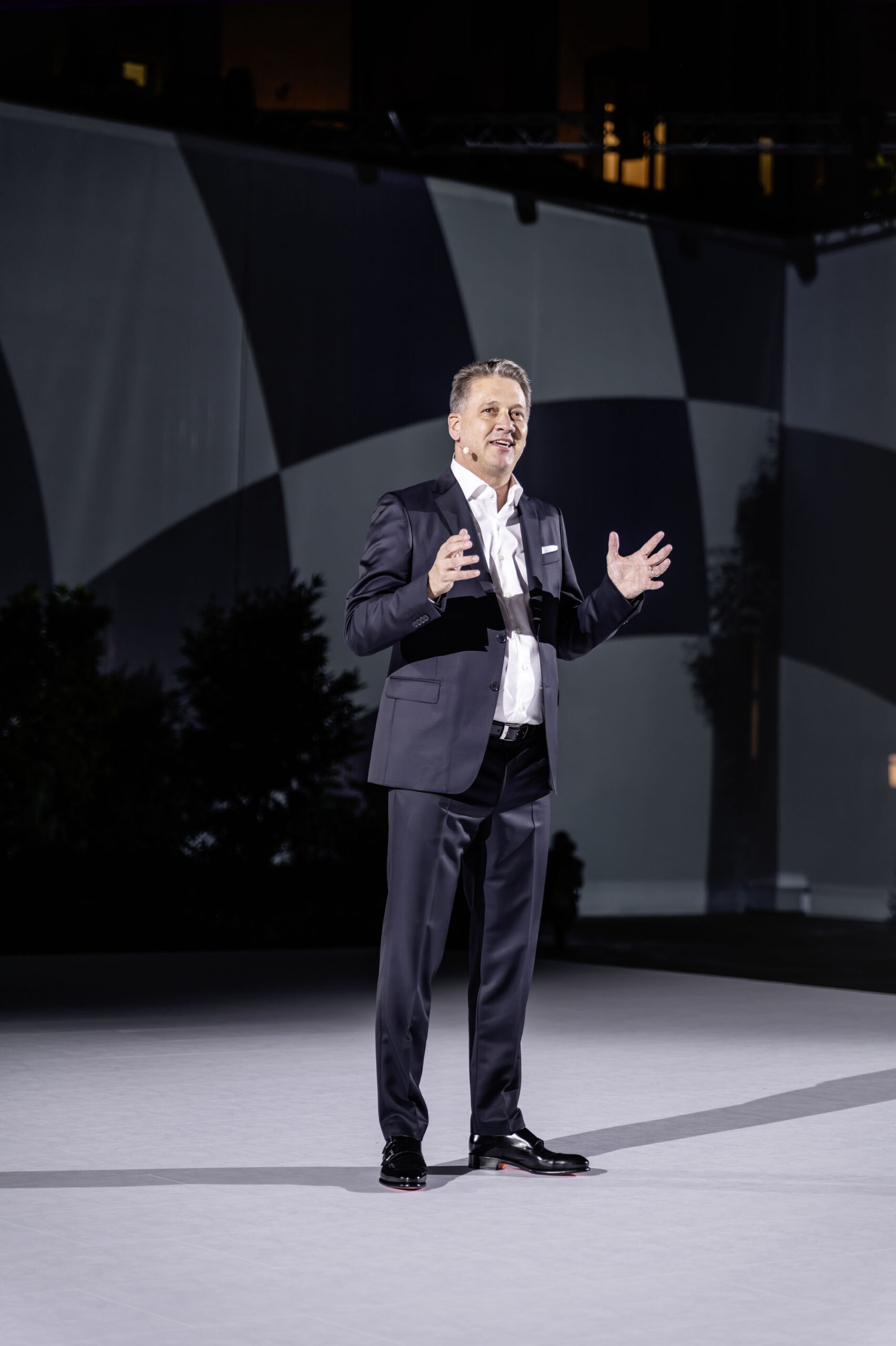
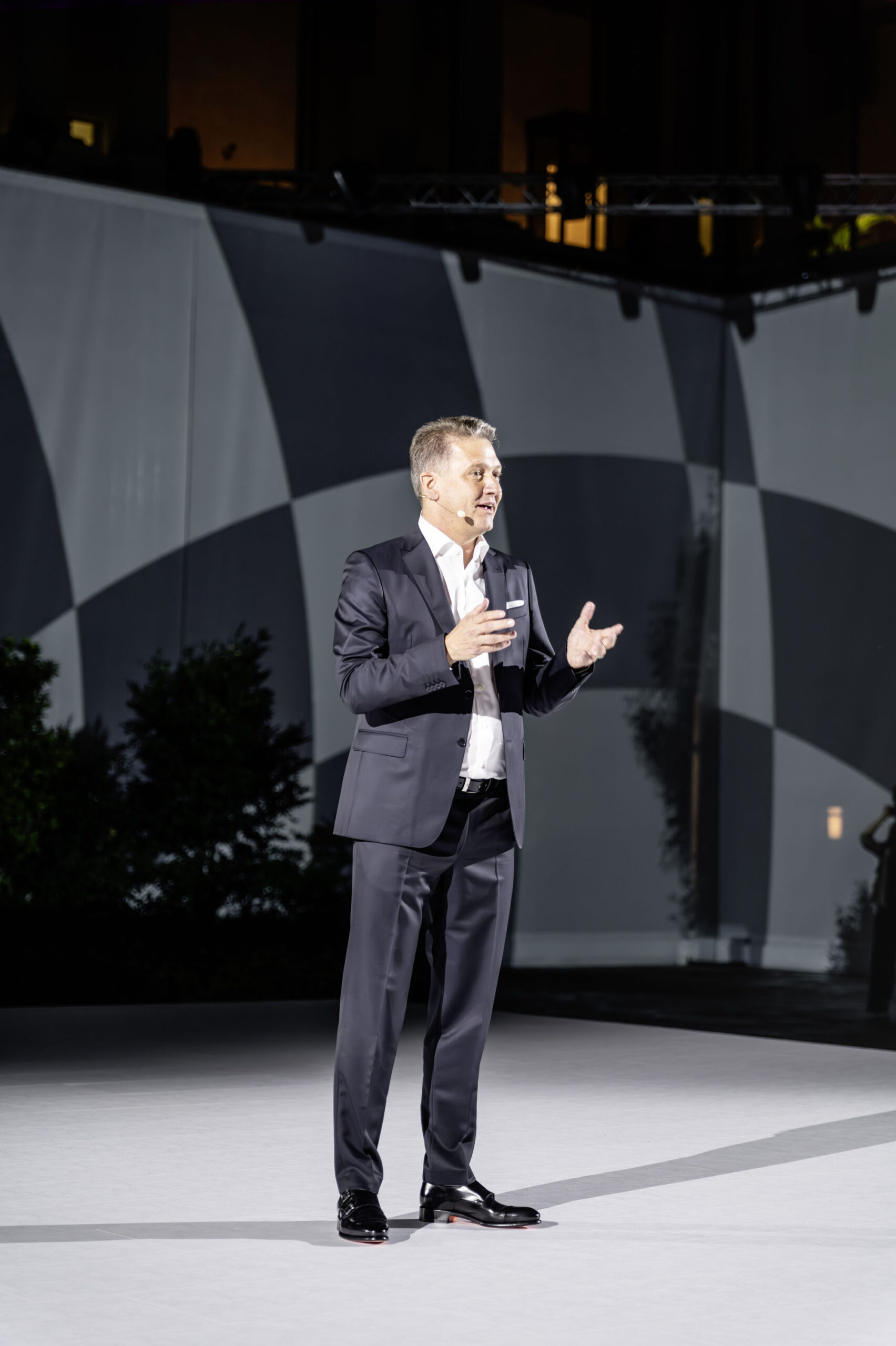
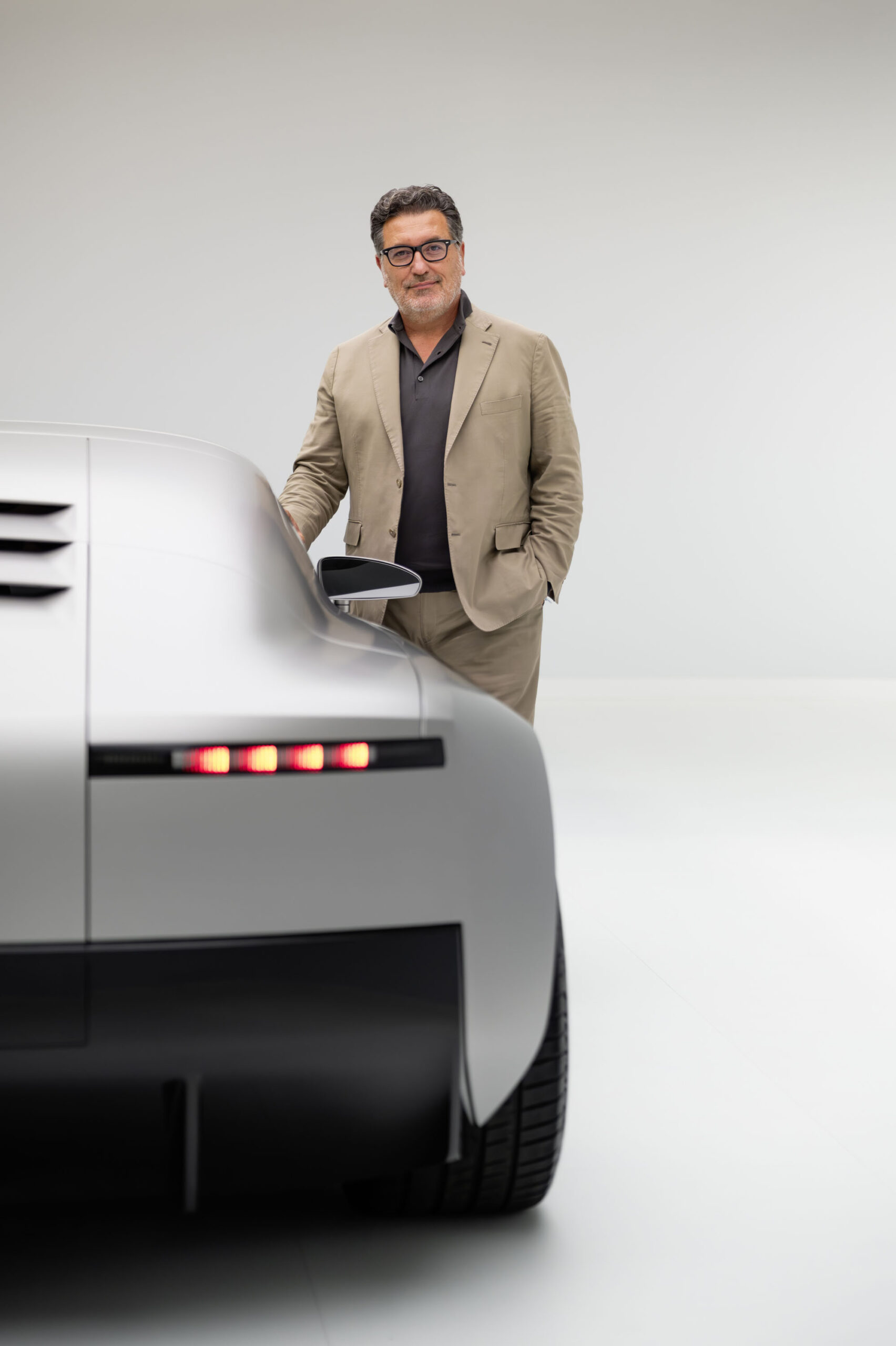
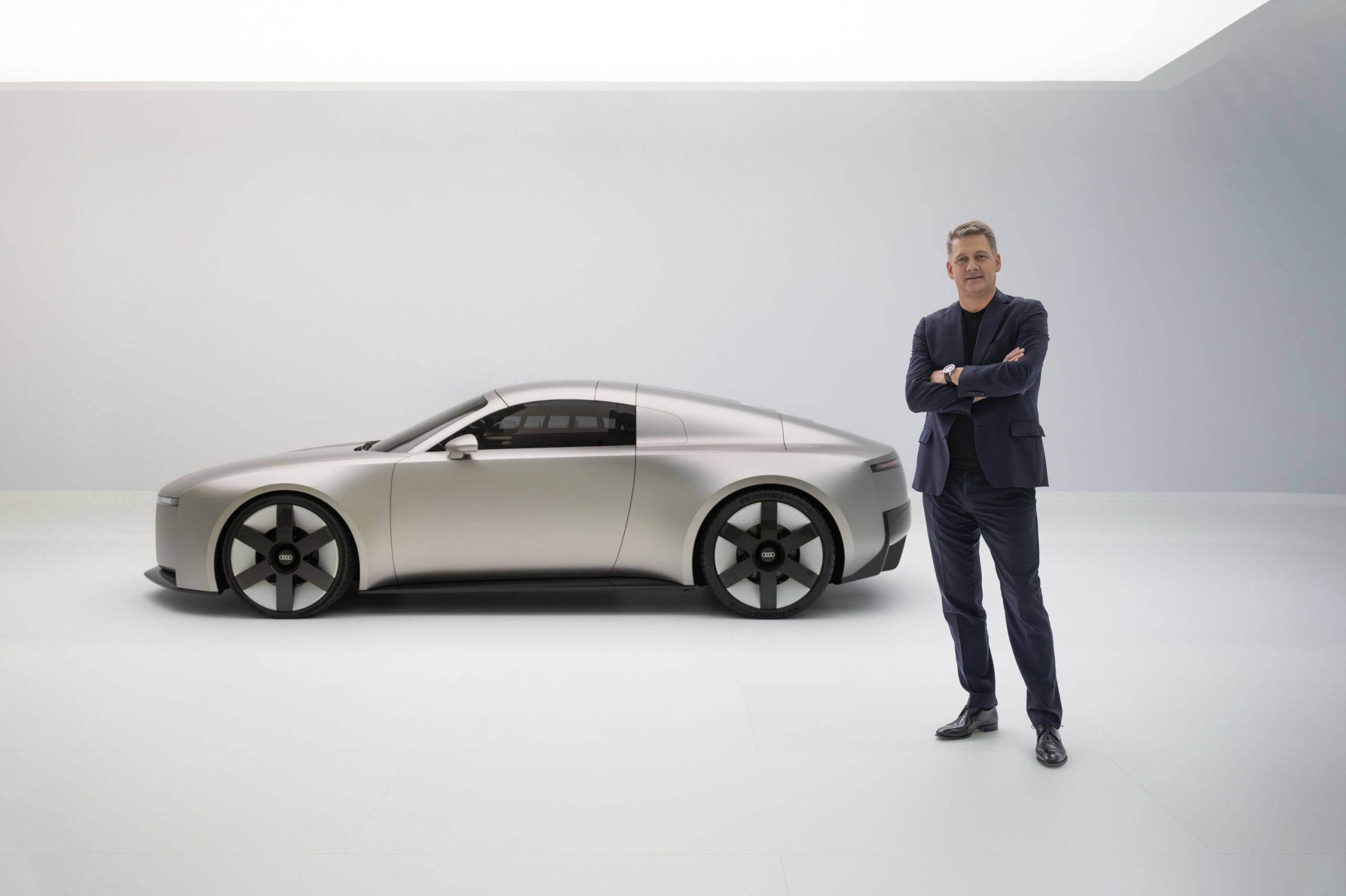
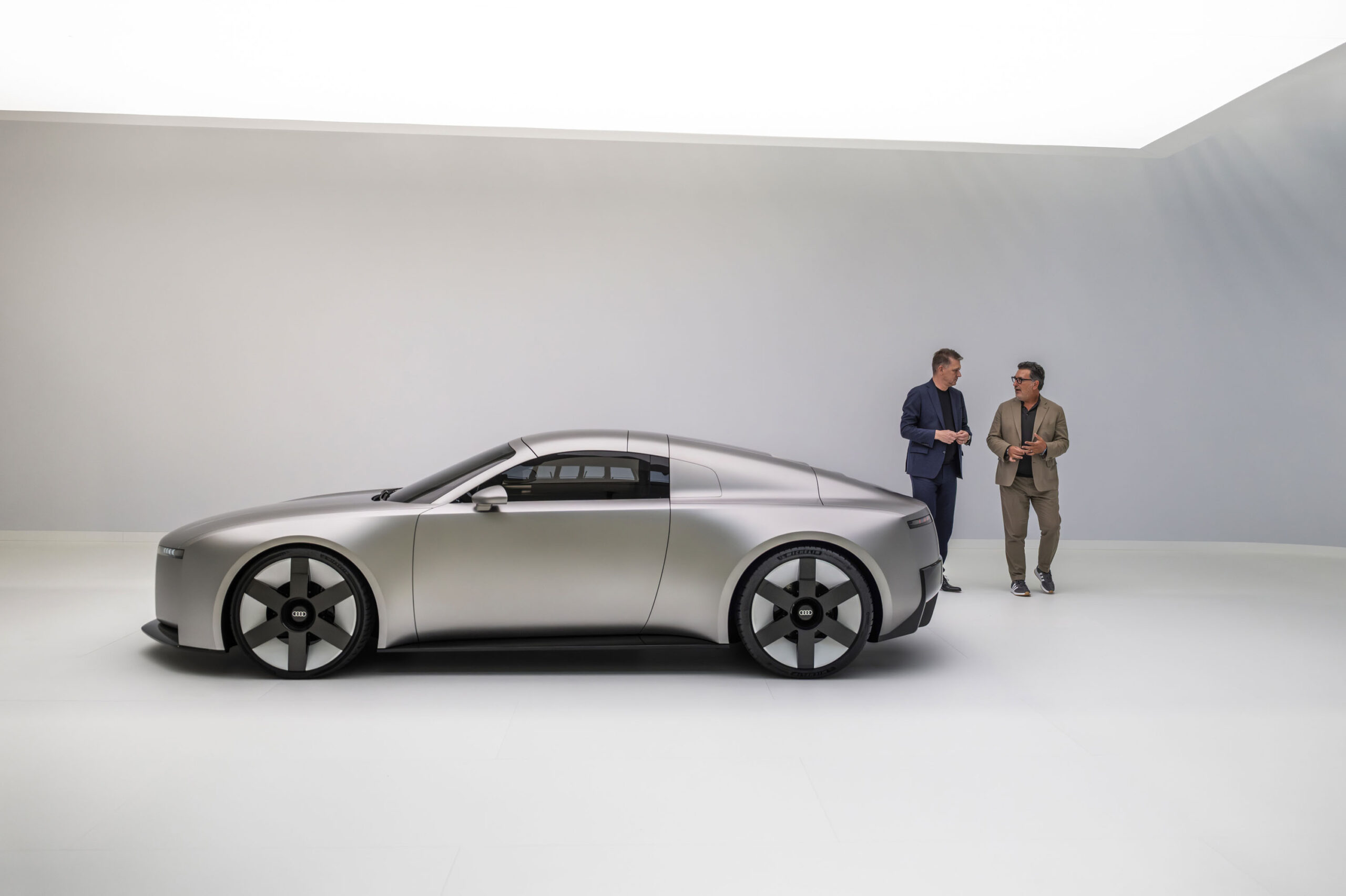
Audi CEO Gernot Döllner (left) and Chief Creative Officer Massimo Frascella (right) at the Audi Concept C
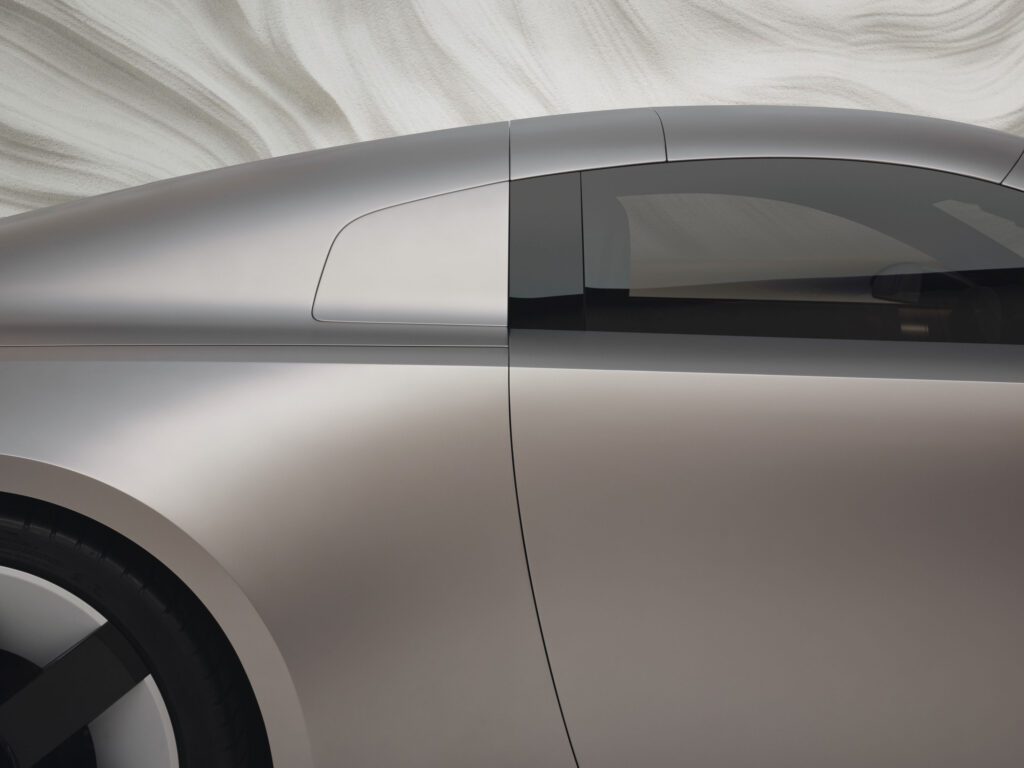
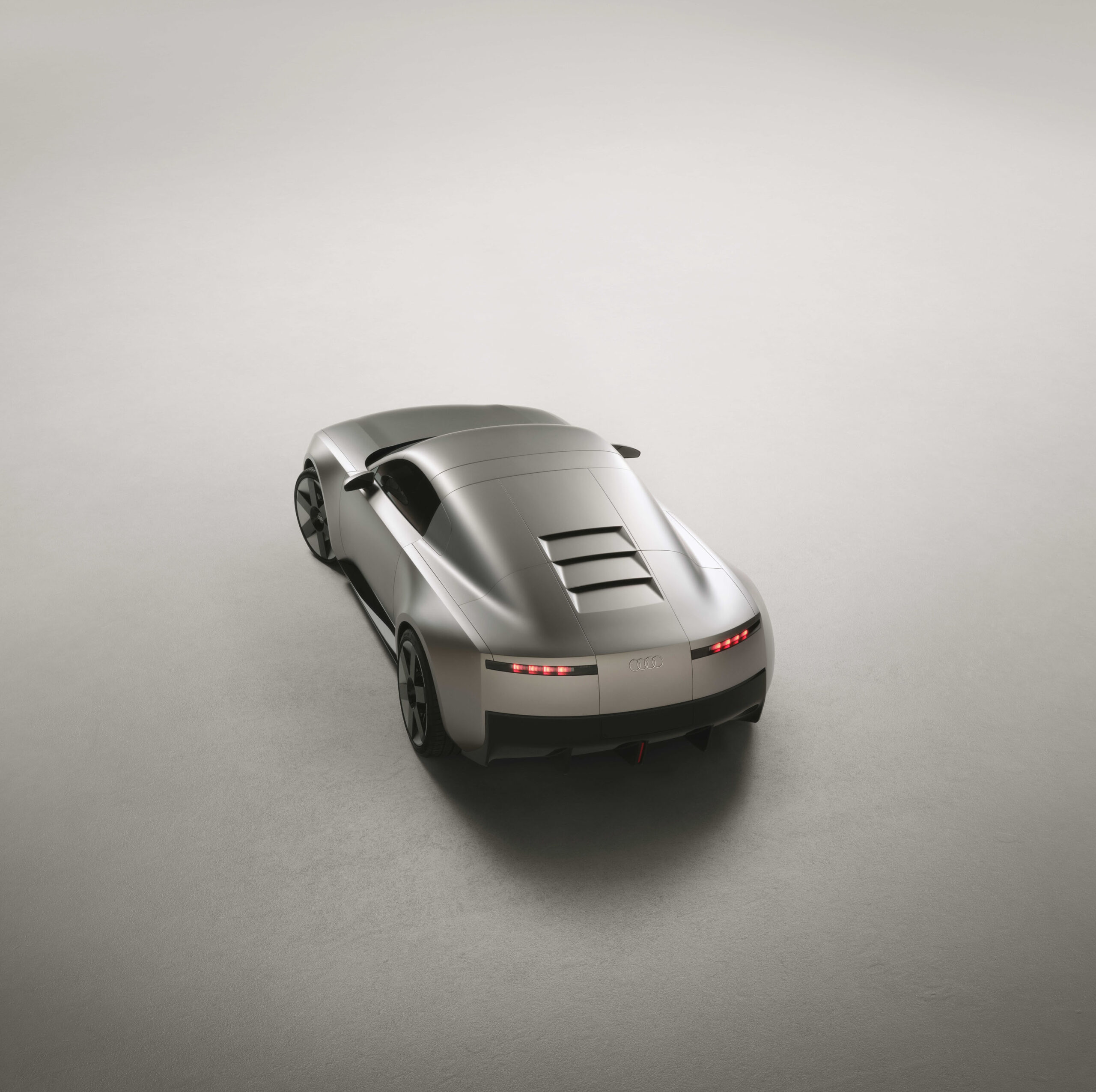
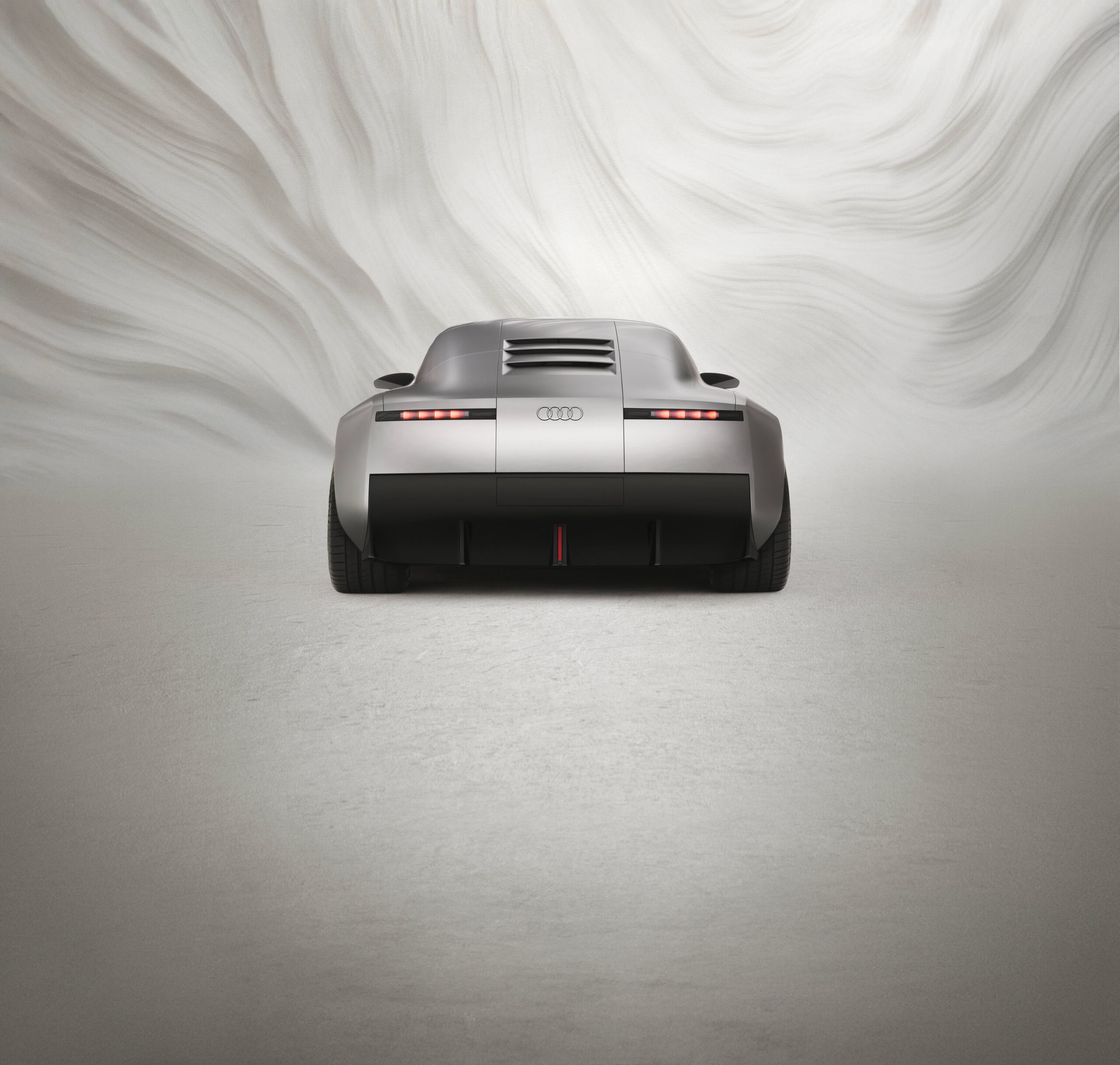
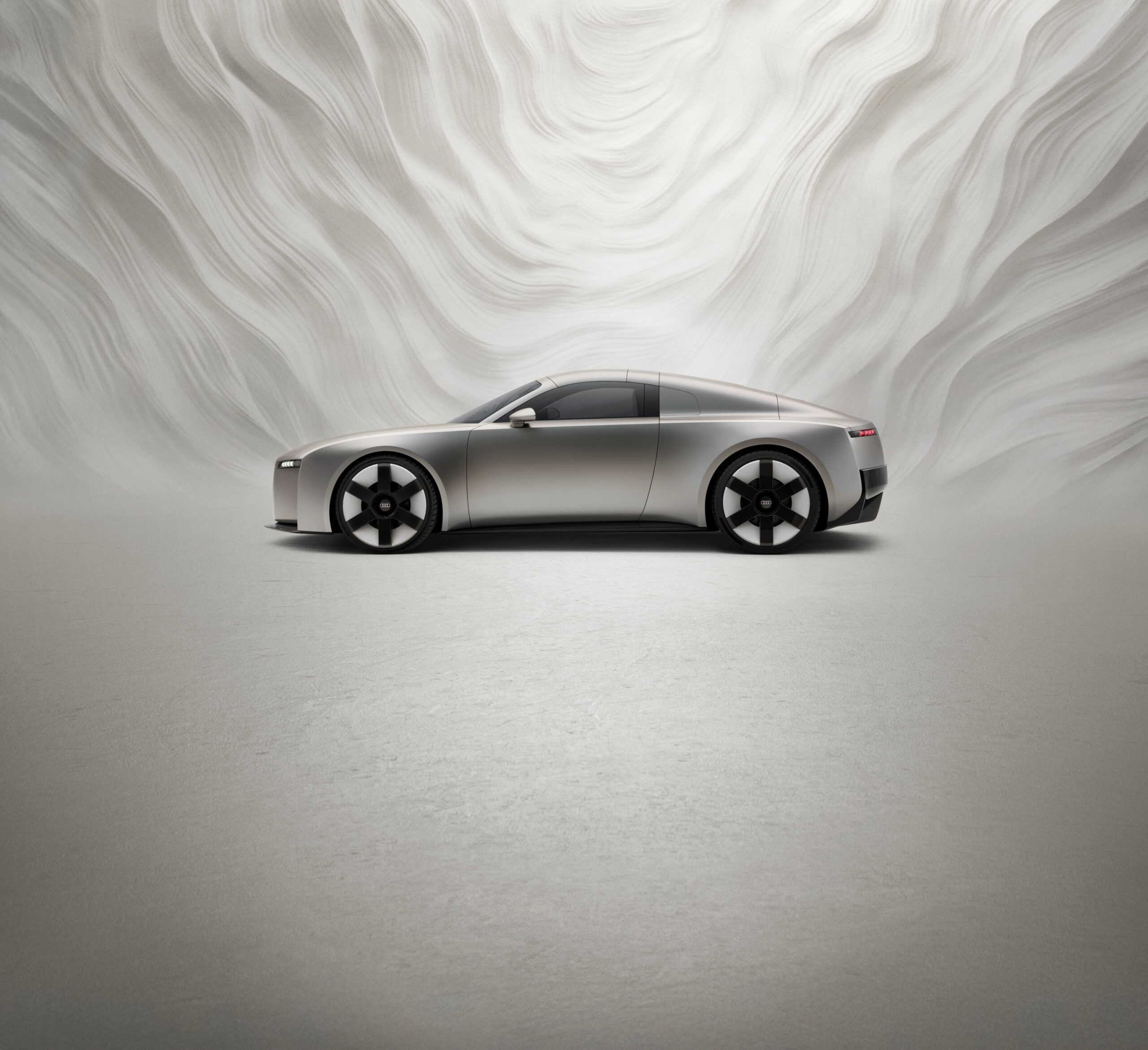
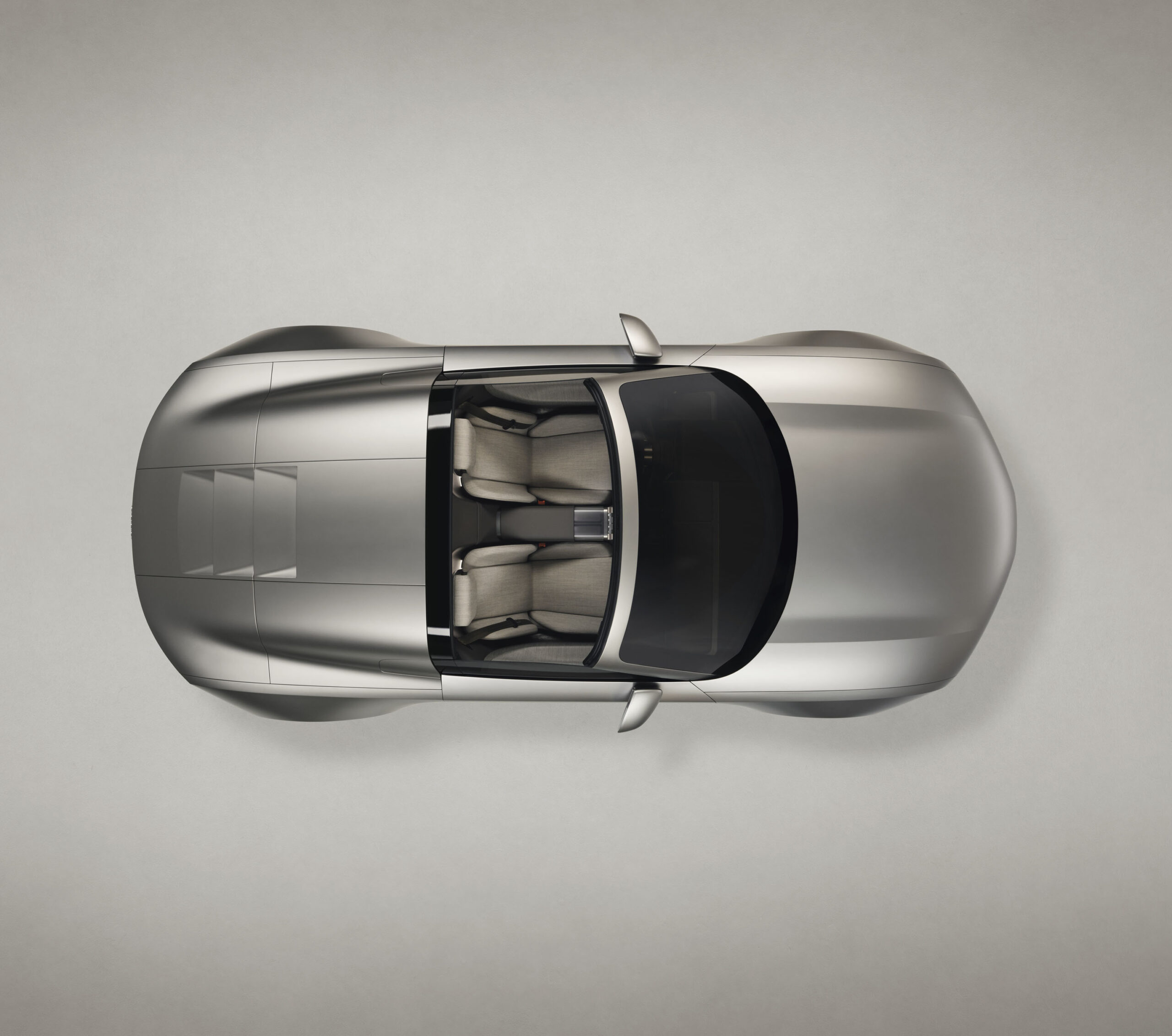
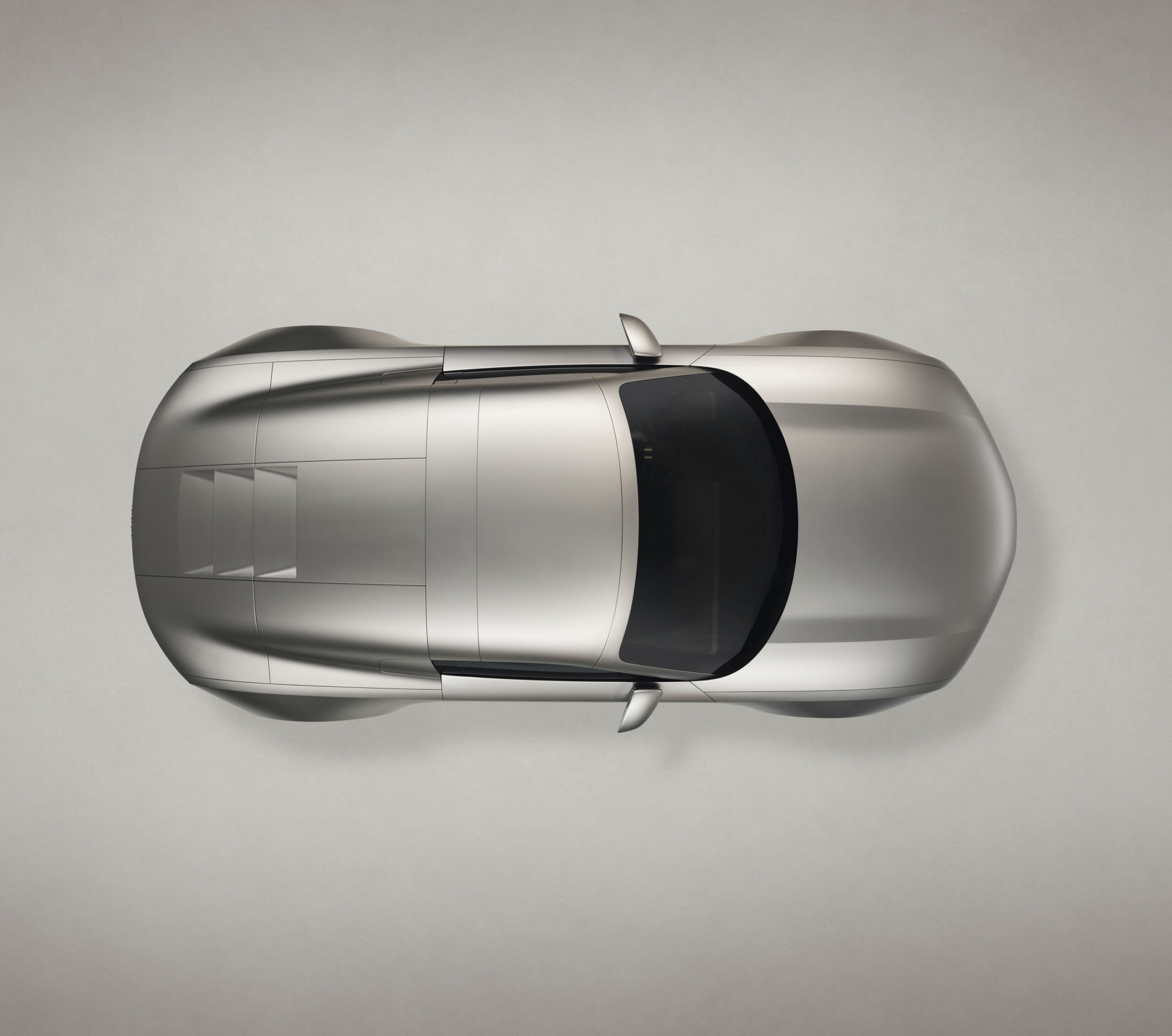
Audi’s unveiling of the Concept C in Milan signals not only a fresh design direction for the brand but possibly the dawning of a new “TT moment.” This electric two-seater heralds a bold, minimalist aesthetic—eschewing the sleek dynamism of Audi’s past in favor of something straighter, more angular, and, yes, distinctly Teutonic in its design purity.
Design Philosophy: Radical Simplicity & Geometric Clarity
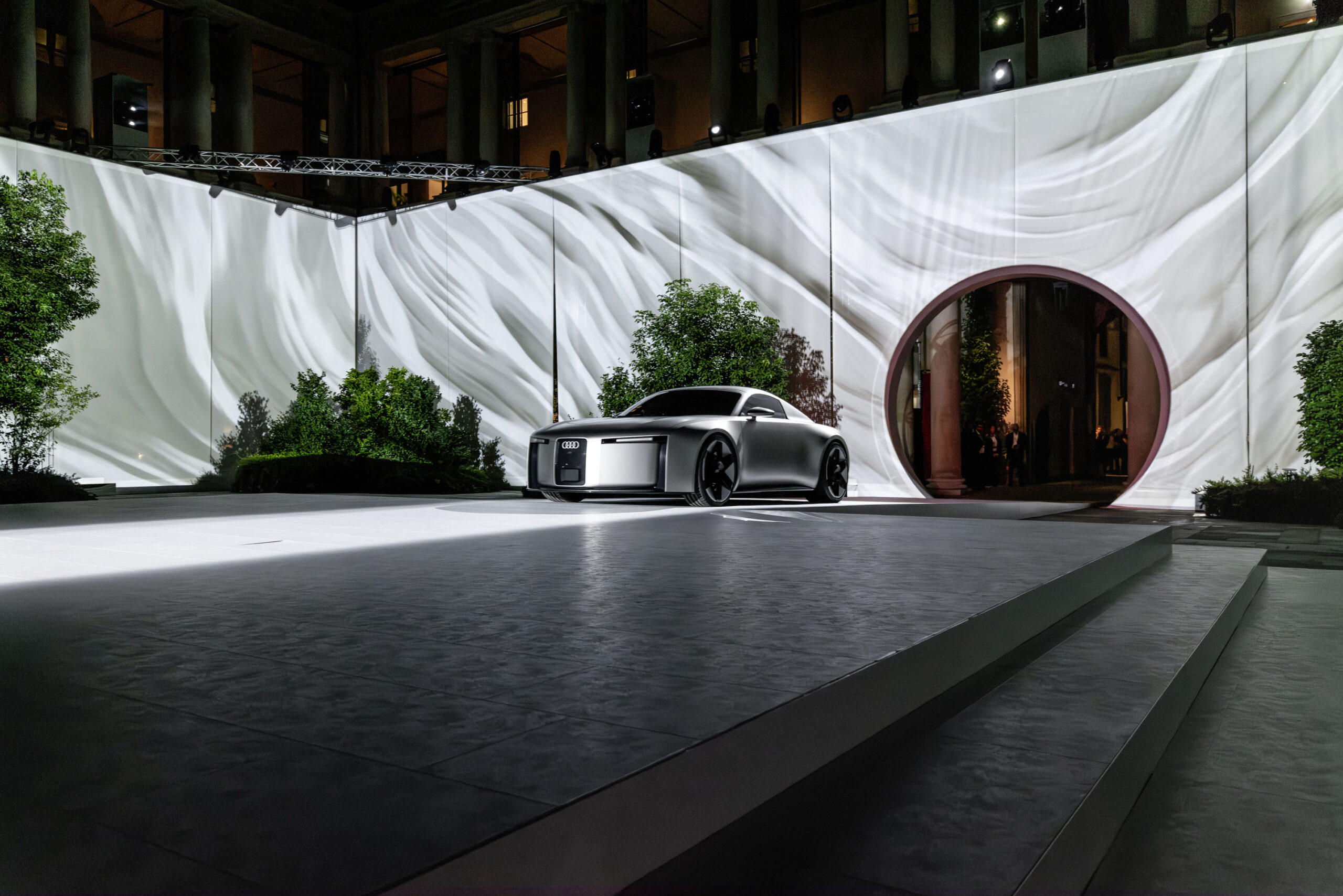
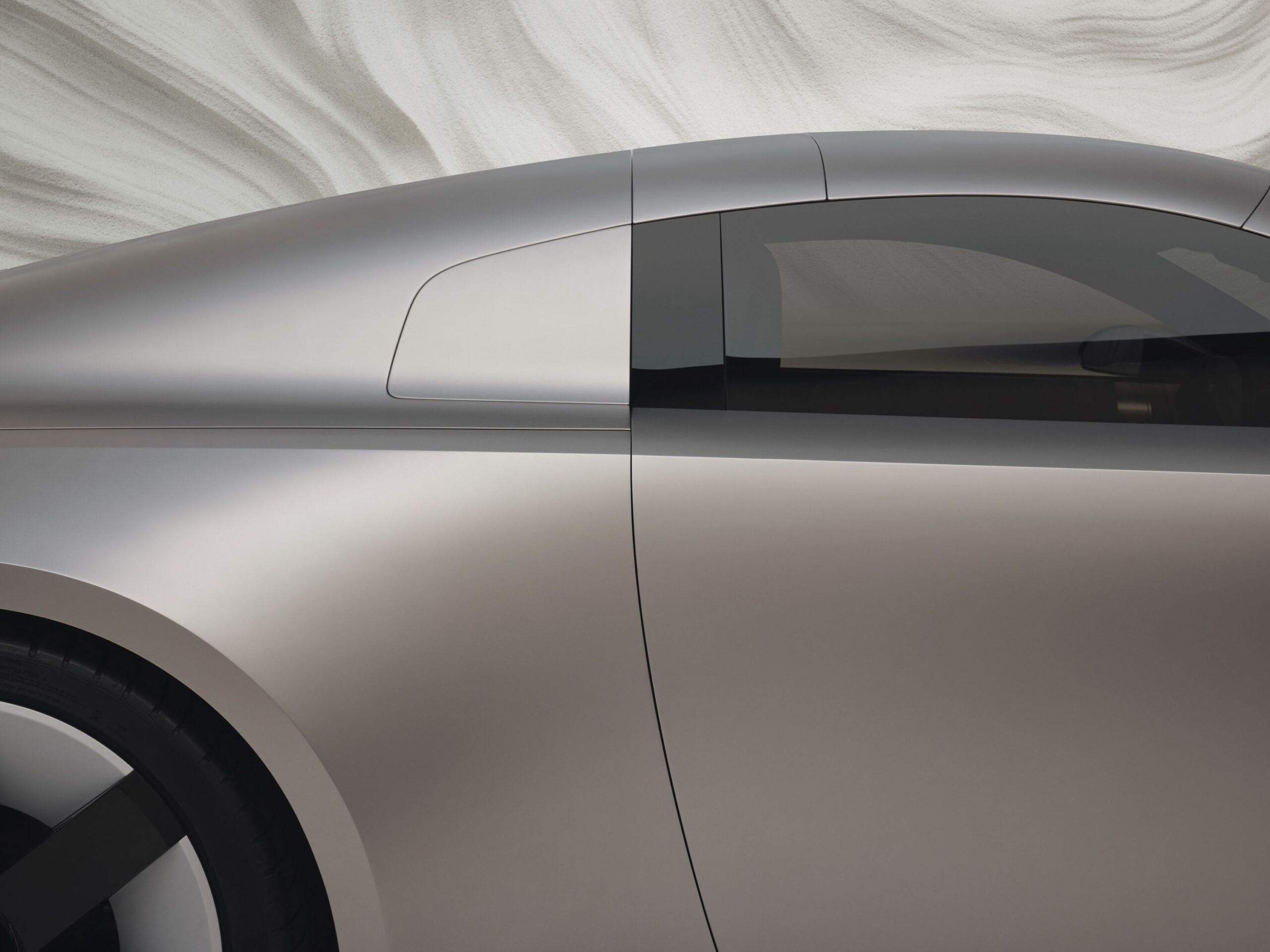
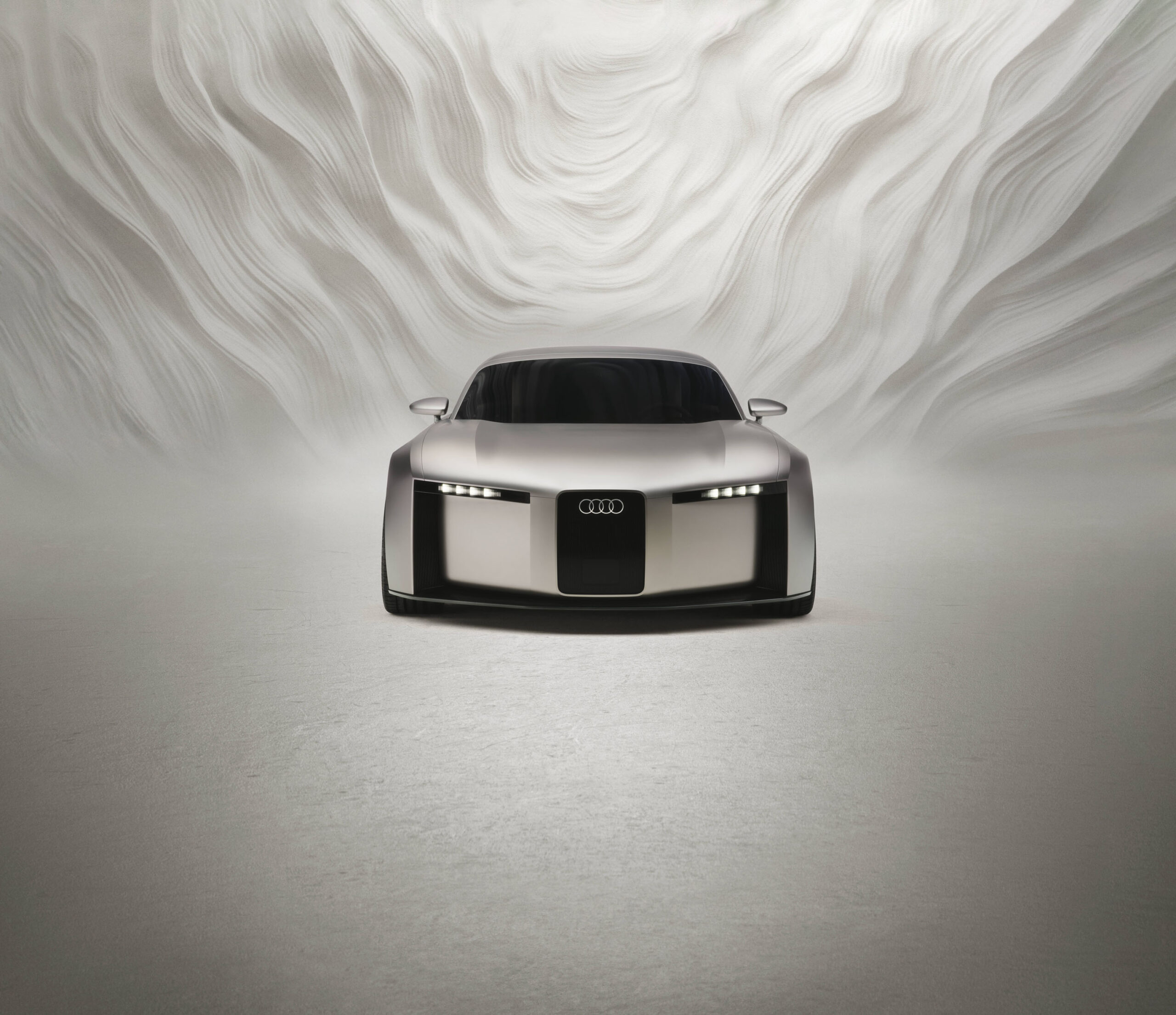
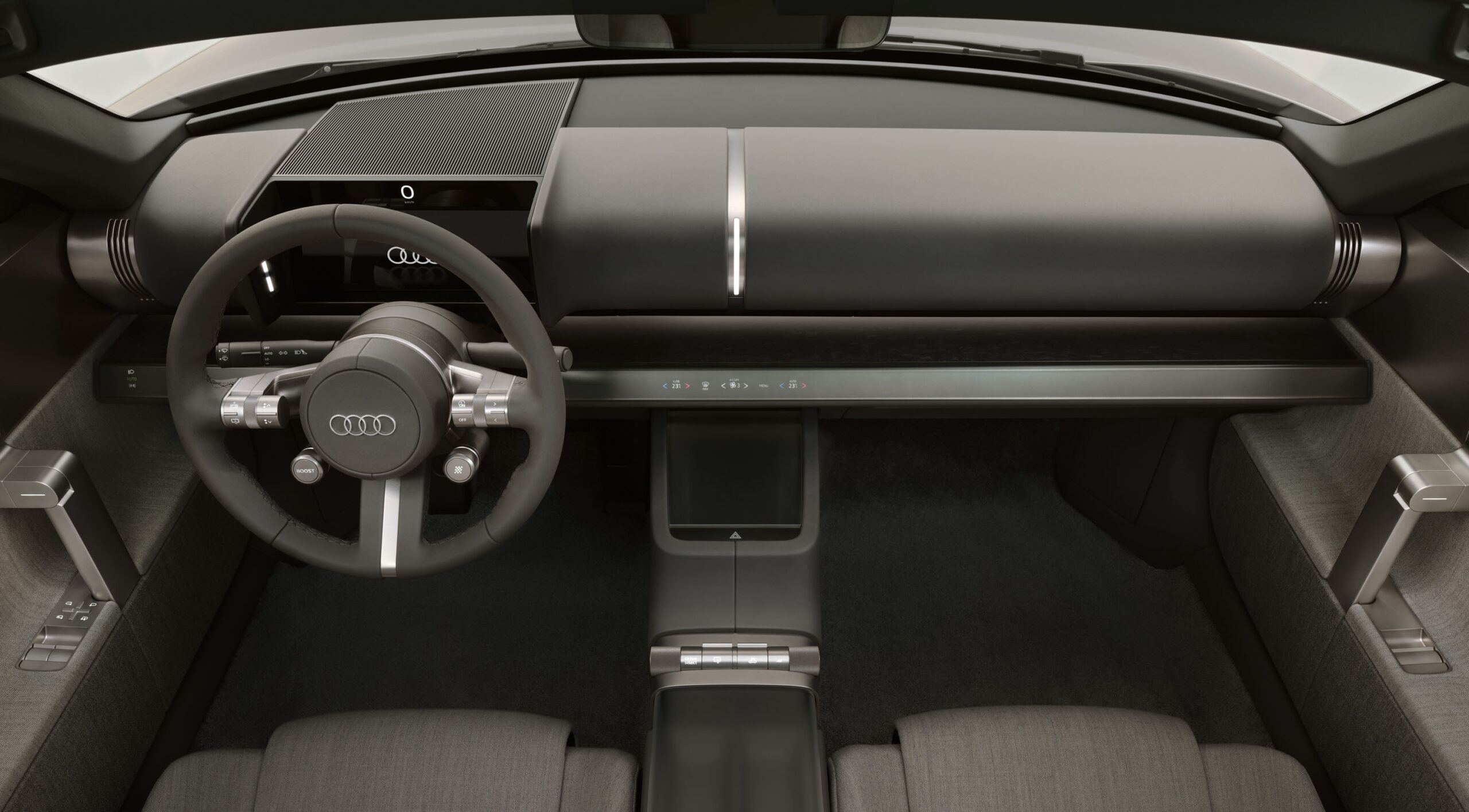
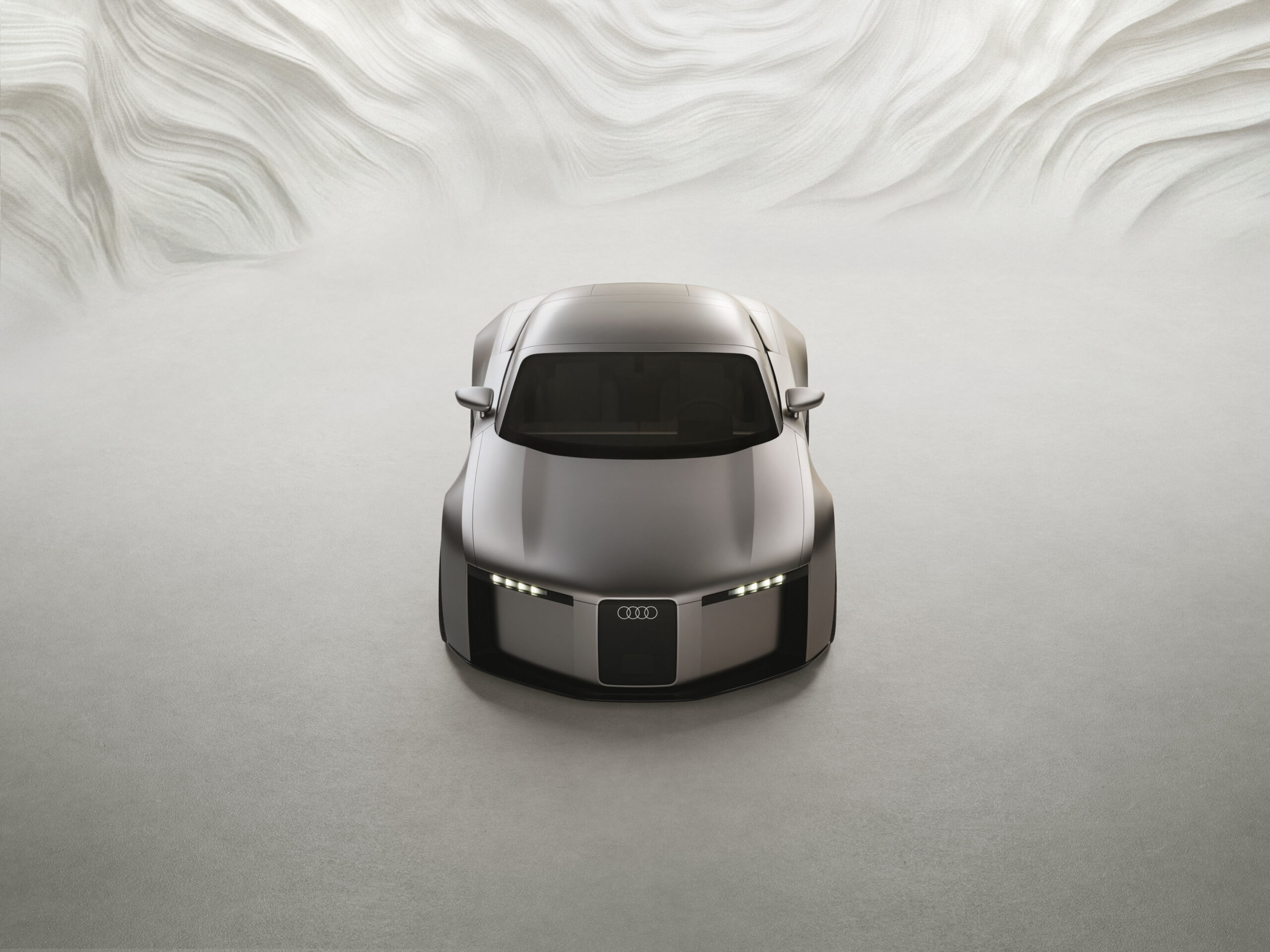
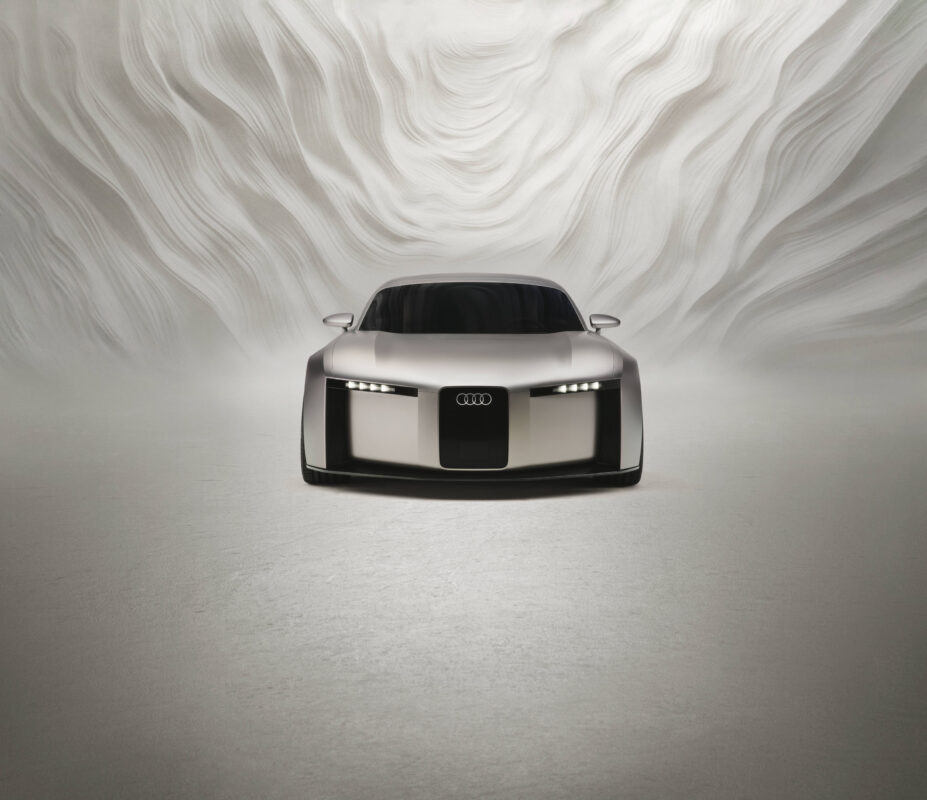
At the heart of Audi’s new design ethos lies a principle of radical simplicity. Chief Creative Officer Massimo Frascella emphasizes reduction to the essential—stripping away unnecessary ornamentation to achieve geometric clarity. This minimalist approach extends across both exterior and interior: from the austerity of the exterior’s vertical grille—an homage to the Auto Union Type C racing car—to an interior environment that maximizes focus and functionality.
Frascella’s ambition is clear: to rekindle emotional resonance with consumers and craft a brand identity that inspires—and endures.
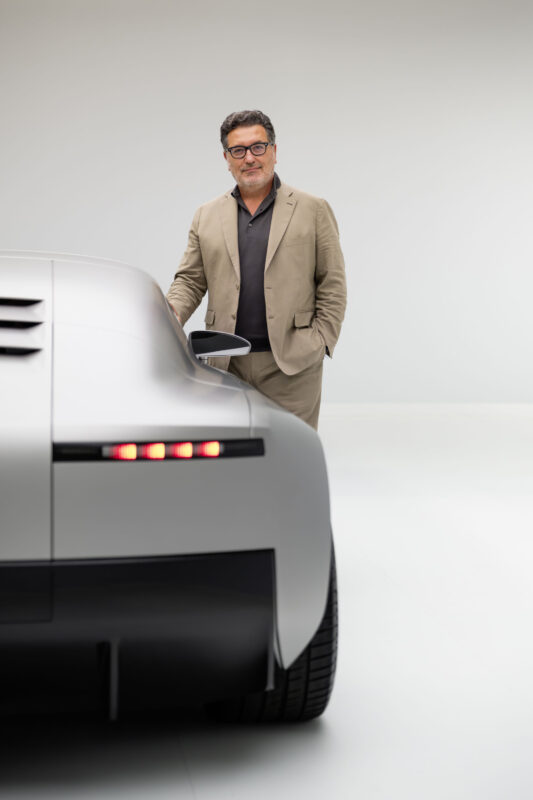
Concept C: A Modern Two-Seater With Historical Roots
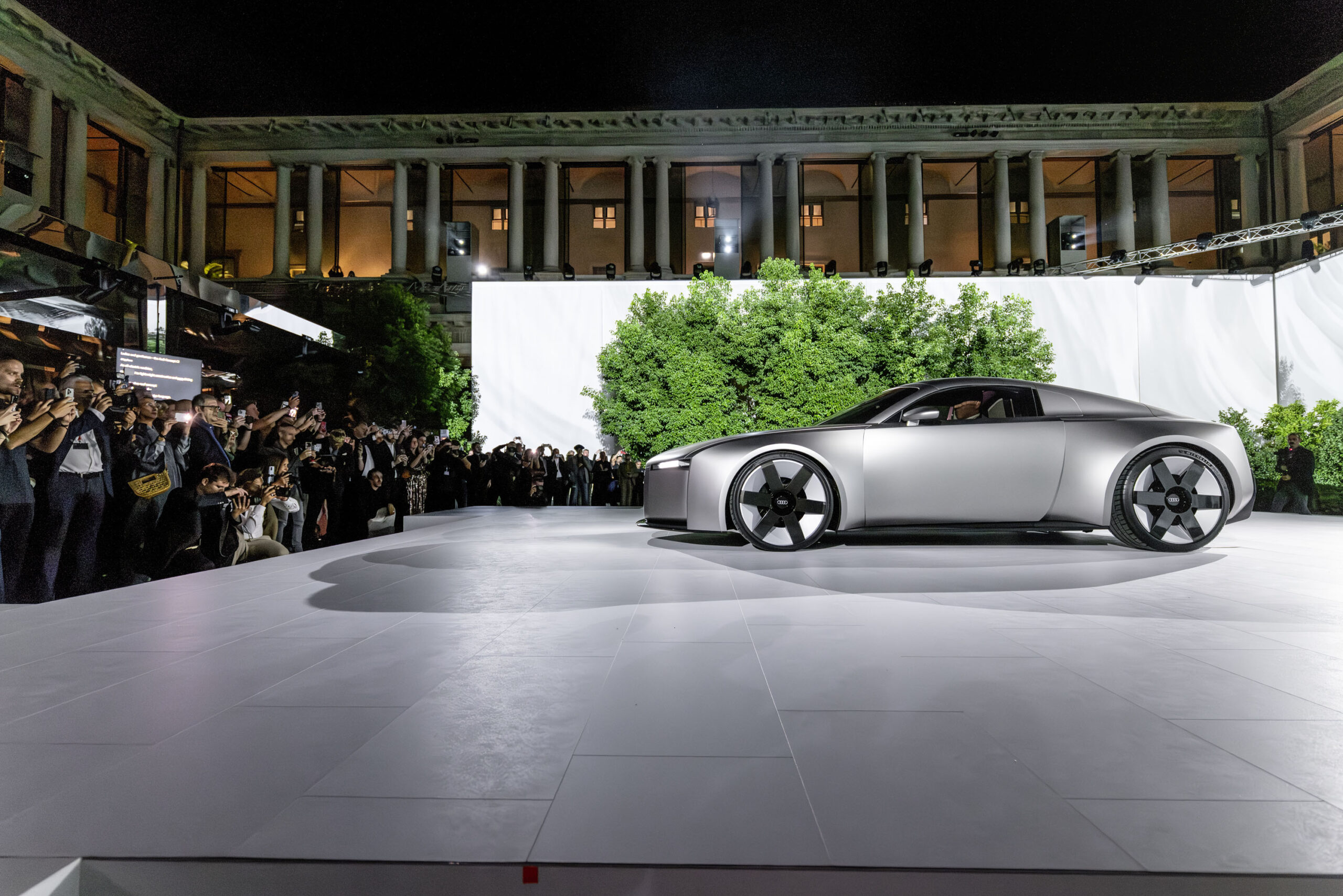
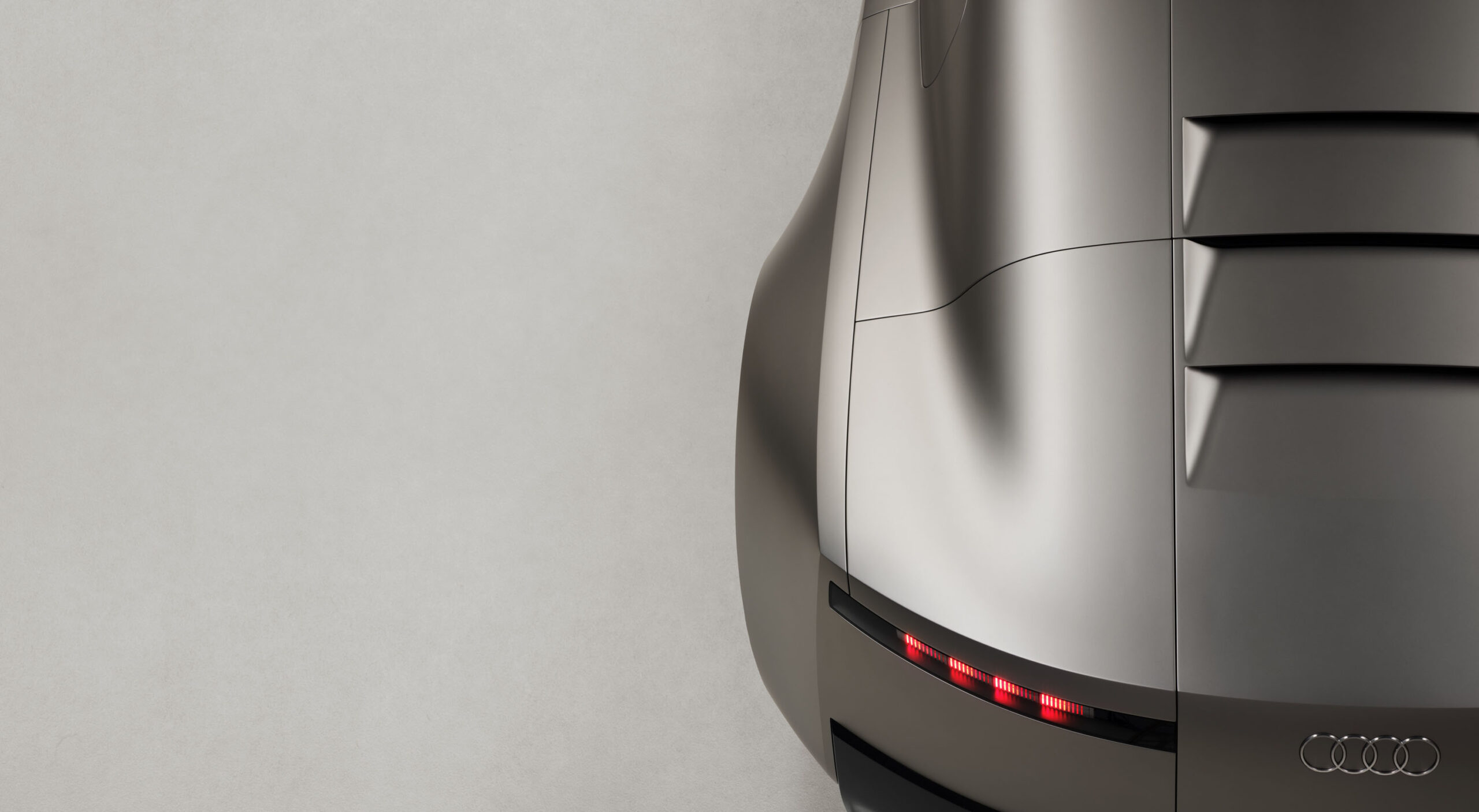
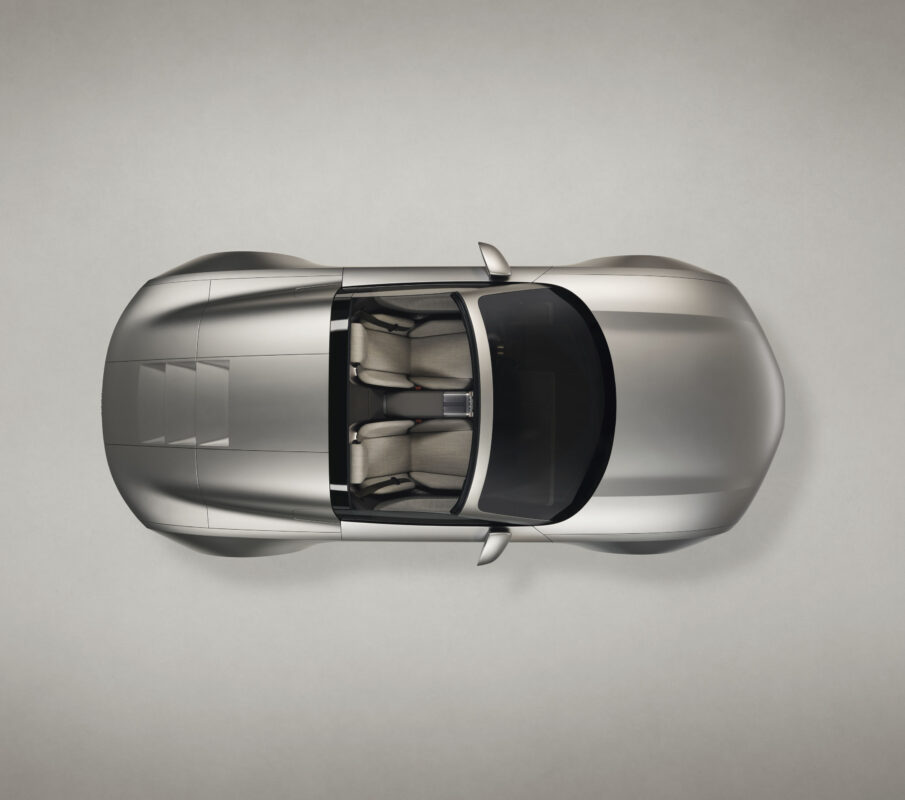
Unveiled in Milan ahead of its public debut at the Munich IAA, the Concept C is a compact, all-electric roadster brimming with physical and historical references. Its dimensions—approximately 178 inches (4.52 m) long and 77.6 inches (1.97 m) wide—surpass those of both the original TT and the discontinued R8, signaling ambitious proportions for its return to the sports coupe segment.
Down the spine of the car: a vertical-framed, translucent grille that recalls the 1930s Auto Union racers, imposed on a clean, bold facade of broad shoulders and a singular character line—forms that speak volumes through their restraint.
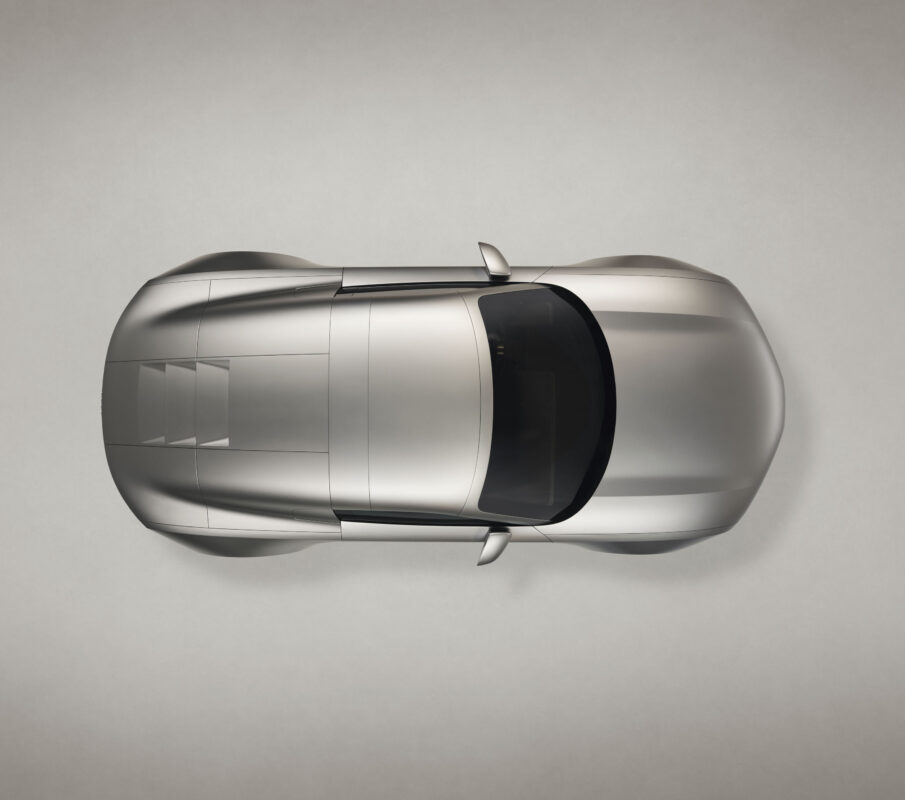
Interior: Tactile, Functional, and Emotionally Charged
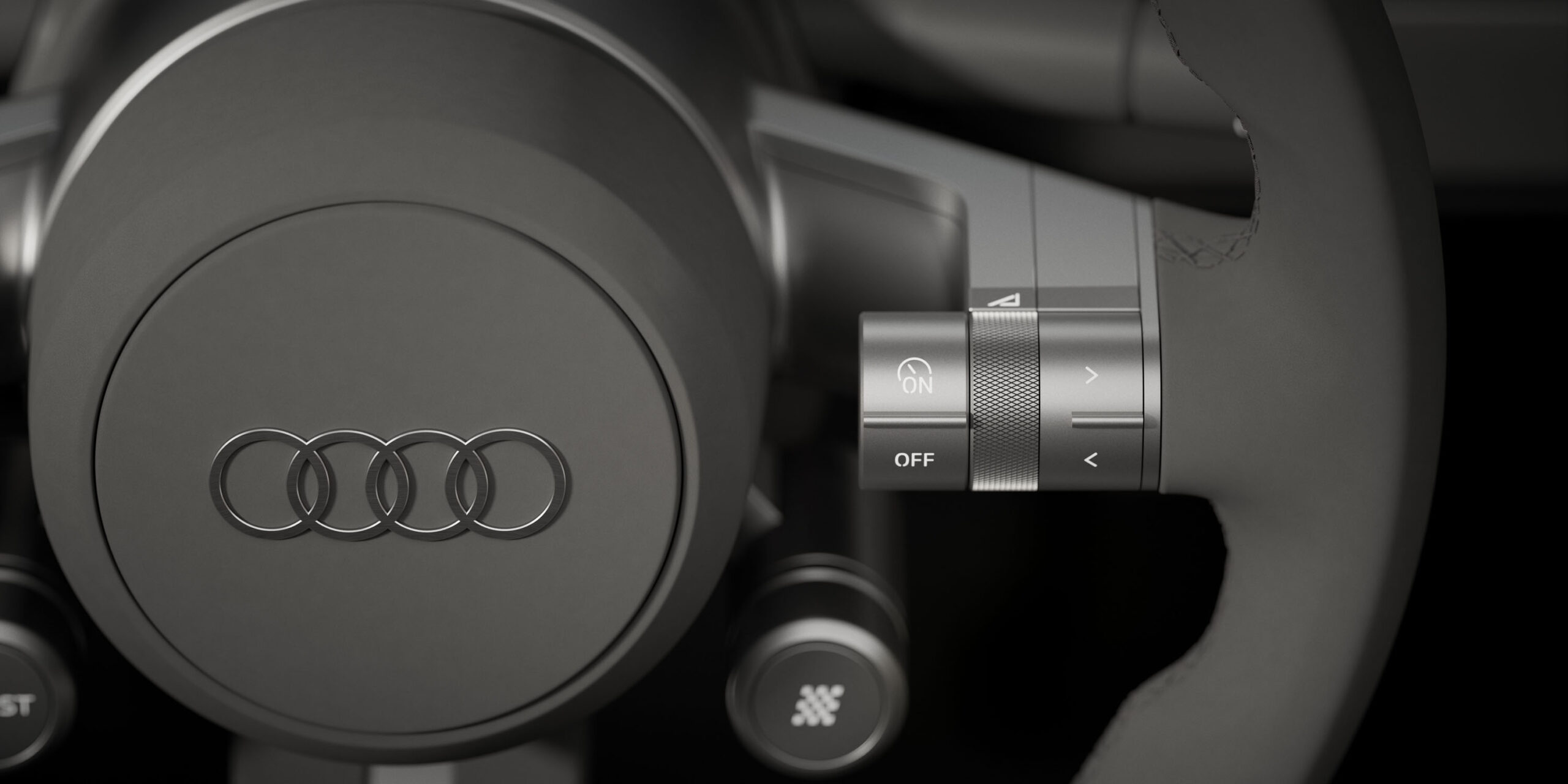
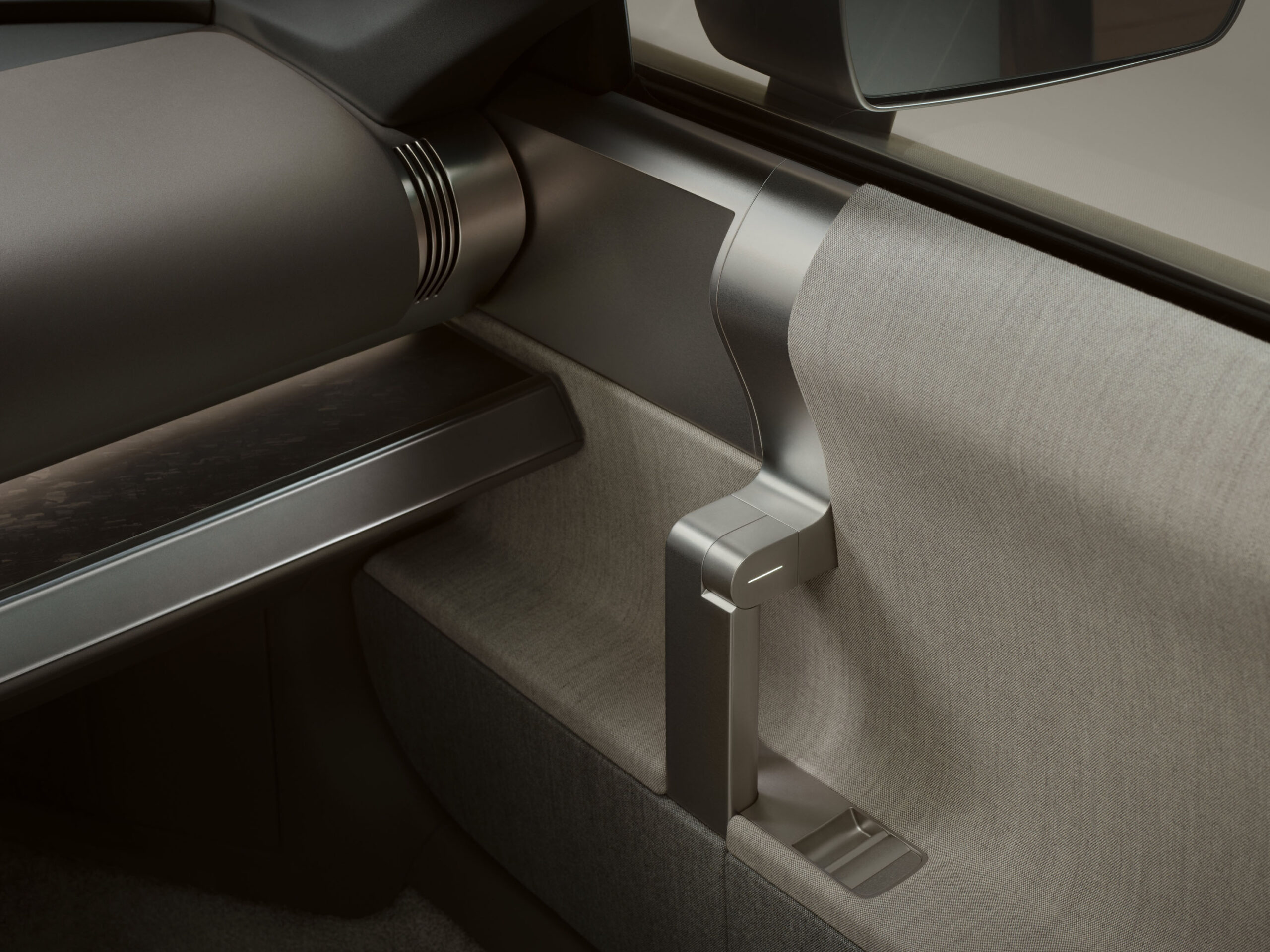
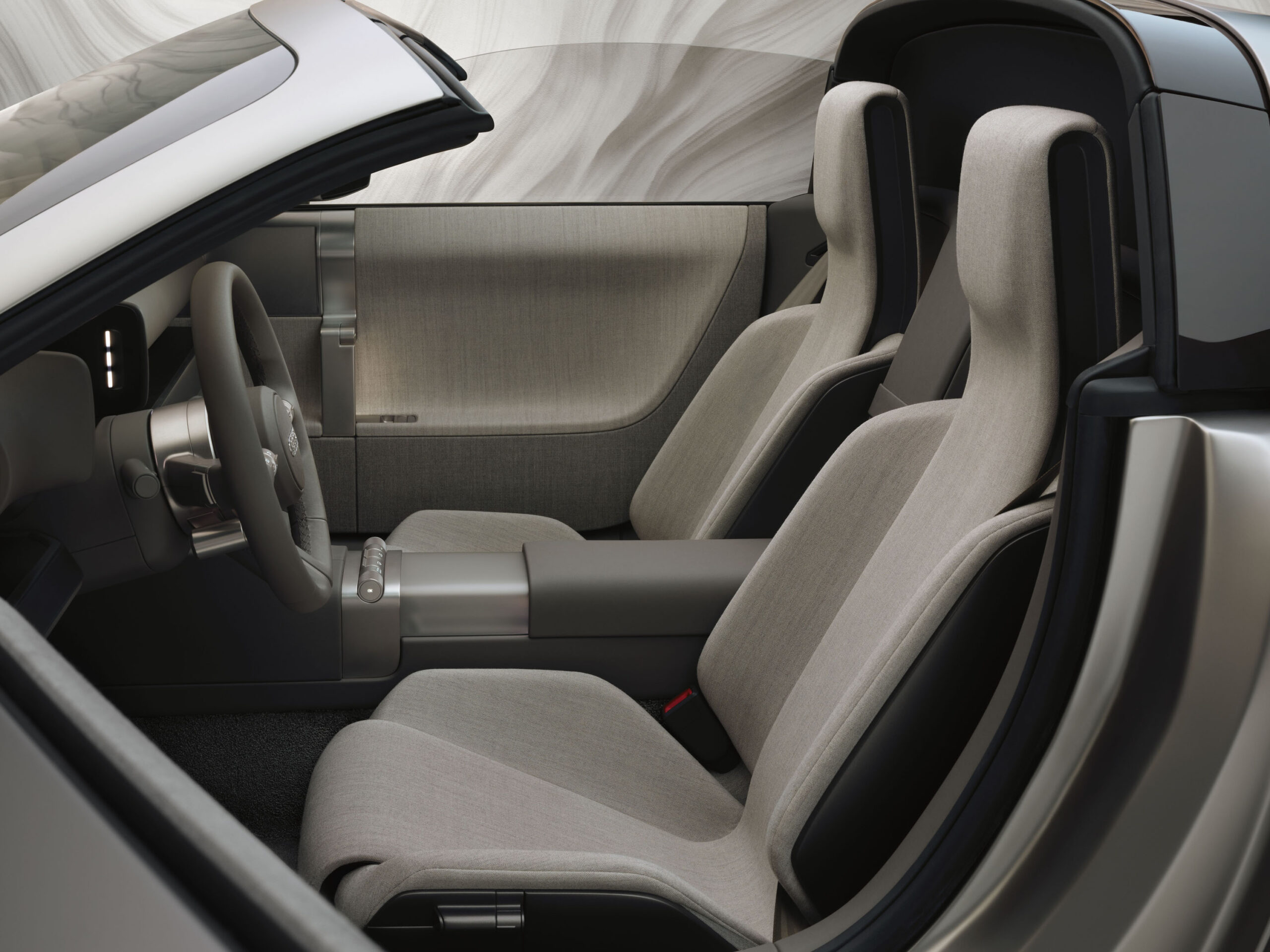
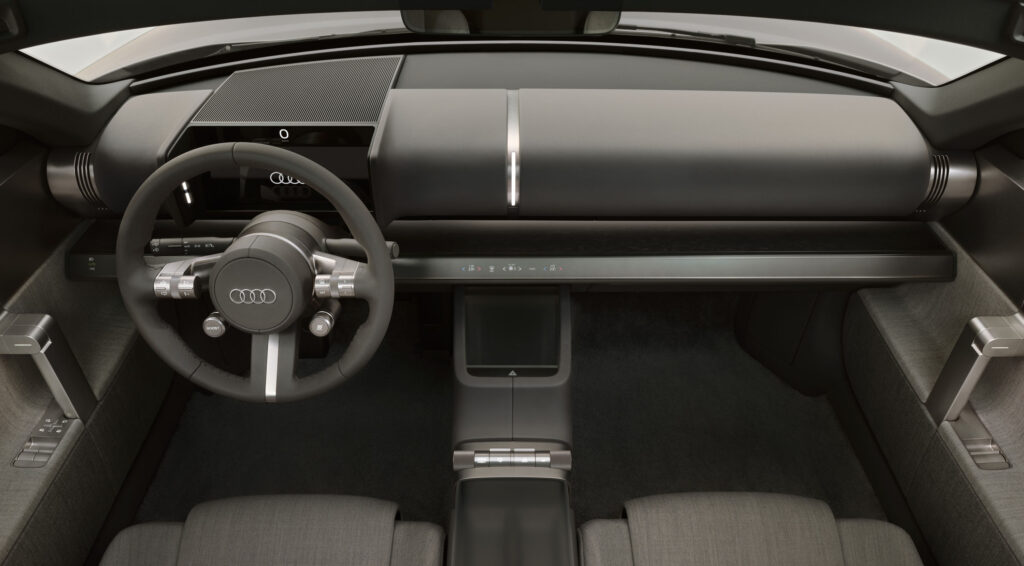
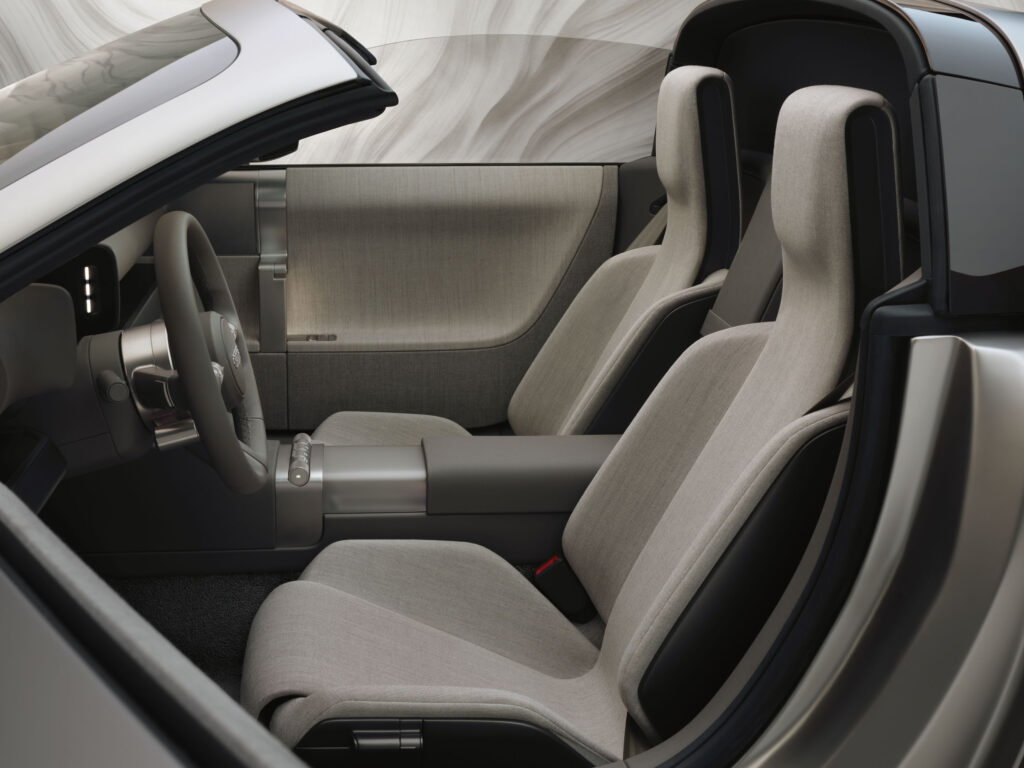
Inside, the Concept C further embraces its “less is more” mantra. Materials like wool twill, leather-free surfaces, and carbon fiber accents merge with an intuitive interface featuring a 10.4-inch foldaway display and tactile, anodized aluminum controls—named for their satisfying “Audi click” feedback.
The cabin’s aesthetics—rooted in clarity, tactility, and purposeful interaction—contrast sharply with the overly digital, trend-chasing interiors of recent years, delivering something both emotionally grounded and refreshingly analog in its user experience.
Is This the Return of the “TT Moment”? Not Exactly, But Close
The TT, produced from 1998 to 2023 and long celebrated for its Bauhaus-inspired curves, marked a defining moment of elegant minimalism in Audi’s lineage. Though the Concept C is not being labeled a direct successor—Audi executives explicitly ruled out reviving the TT name—it is clearly meant to recreate that kind of cultural and emotional impact.
Dubbed internally as “TT Moment 2.0,” the Concept C embodies a new emotional core for Audi—bridging nostalgic homage with a forward-looking electric future.
A Shift Toward Hardened, Industrial Aesthetics
The Concept C’s design feels “as Teutonic as” recent Jaguar and Bentley concepts. Gone are the sinuous curves and dynamic light signatures of recent Audi models; instead, we encounter a more angular, monumental, almost architectural aesthetic—invoking industrial clarity and precision.
Compared to Jaguar’s and Bentley’s take on British power and elegance, Audi’s approach is starkly German: reductive, logical, and structurally disciplined. It’s a major shift—and one possibly driven by Frascella’s own background at JLR and his keen interest in timeless, functional design over flashy ornamentation.
Strategic Implications: Redefining Audi in the EV Era
Audi’s Milan debut isn’t just about design—it’s foundational to its corporate reset as outlined in the “Audi Agenda.” CEO Gernot Döllner frames this concept as the first manifestation of a design and cultural realignment toward clarity as both aesthetic and ethos.
The Concept C is slated for production within two years and expected to retail between $53,000 and $161,000—positioning it as a premium yet emotional EV sports car intended to reanchor Audi’s presence in enthusiast segments.
Conclusion: A Teutonic Reboot
Audi’s Concept C positions itself as an architectural statement rather than a fashion trend—rooted in historic DNA but boldly cleaving toward the future. While it evokes memories of the TT’s purity, this concept builds instead on a rigid, crystalline structure—where every line, material, and user interaction is intentional, functional, and emotionally resonant. It’s a major design pivot, and one that may just re-establish Audi as a design-forward, emotionally charged player in the rapidly evolving EV era.