Reimagining Corvette — GM’s California Concept Pushes the Brand into the Future


In a bold continuation of its global design exploration, General Motors has unveiled the second of three Chevrolet Corvette concept studies set to debut in 2025. Developed by GM’s Advanced Design studio in Pasadena, California, the California Corvette Concept takes America’s most iconic sports car into uncharted design territory, blending familiar performance DNA with a futuristic, Southern California-inspired vision.

A Corvette Through the Lens of SoCal Design Culture
The California Corvette Concept is more than a styling exercise — it’s a cultural and philosophical statement. Rooted in GM’s nearly 40-year legacy in Southern California, the project reflects the region’s impact on global car culture, innovation, and lifestyle aesthetics. According to Brian Smith, Design Director at GM Advanced Design Pasadena, the concept is about “duality of purpose,” seamlessly transitioning between an enclosed, high-performance road car and a lightweight, open-air track machine.
The focal point of that transformation is a dramatic, single-piece, front-hinged canopy. Designed to be removed entirely, the canopy turns the coupe into a stripped-down, race-inspired experience — a feature reminiscent of prototype race cars and aviation-inspired design.
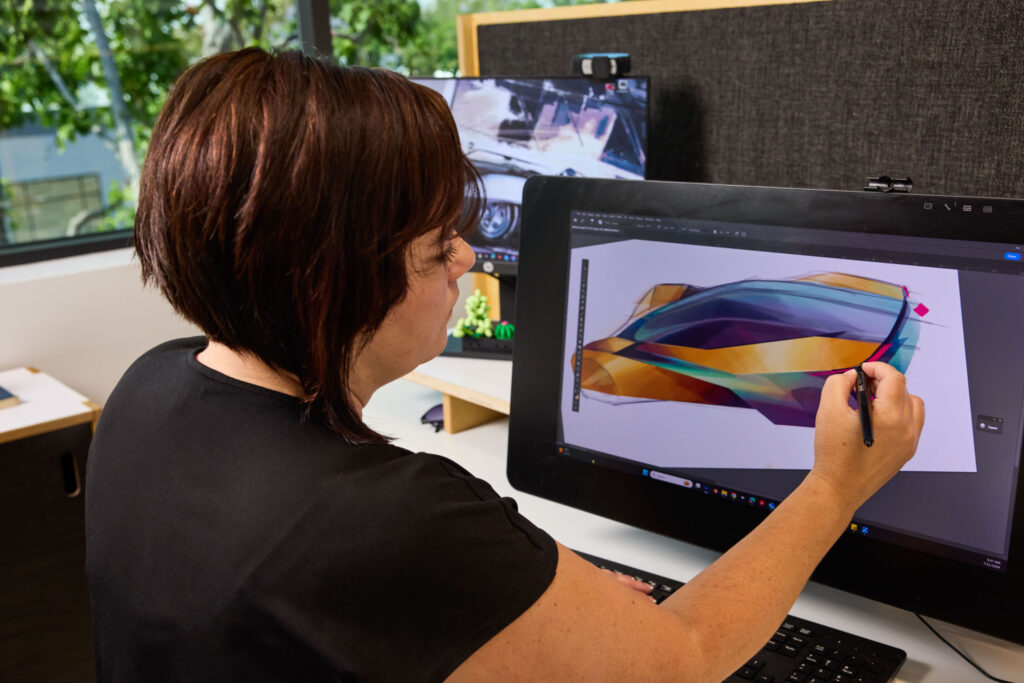
Design Philosophy: Classic Cues, Radical Execution
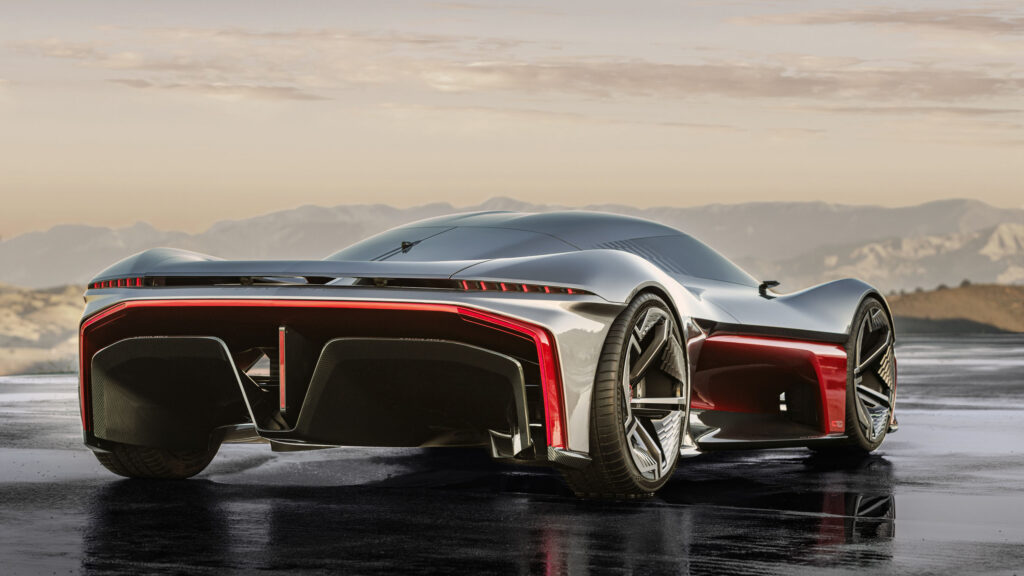
While clearly futuristic, the concept preserves key elements that Corvette enthusiasts will recognize. The wide stance, tapered body, and long, low proportions echo Corvette’s historic silhouette, but are reinterpreted through a high-tech, experimental lens.
The cockpit canopy introduces a new architectural layout, maximizing visual drama and aerodynamic performance. The body integrates active aerodynamic elements, including a deployable rear spoiler and air brake, while a tunneled underbody and carbon tub suggest a lightweight construction optimized for track-ready behavior.
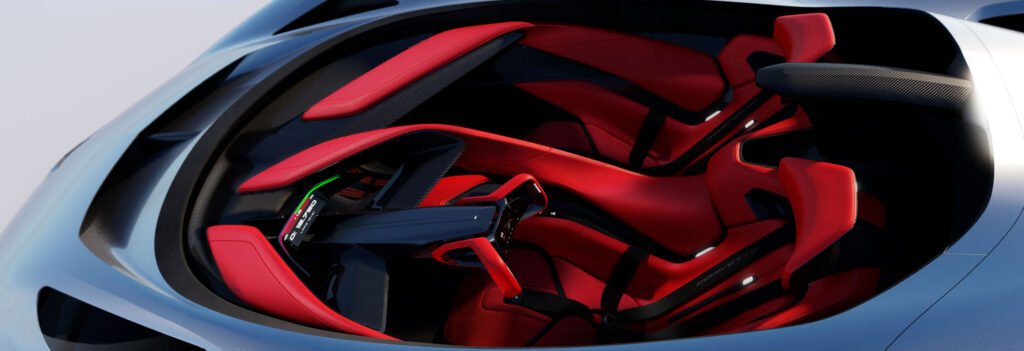
The interior design strips away distractions. Driver-focused, minimal, and structural in nature, the cabin features integrated performance displays and an augmented-reality HUD that limits visual clutter, ensuring only the most critical driving data is visible at high speeds.
From Pasadena to the World — Global Collaboration, Local Inspiration
The California Corvette Concept follows March’s UK-studio-developed concept — both part of a global Corvette hypercar study inviting multiple GM design studios to reinterpret the legendary nameplate. Bryan Nesbitt, GM’s Vice President of Global Design, explained, “Our Advanced Design teams are dedicated to shaping the future, driving innovation, and exploring what’s possible. This concept is a forward-looking tribute to Corvette’s legacy.”
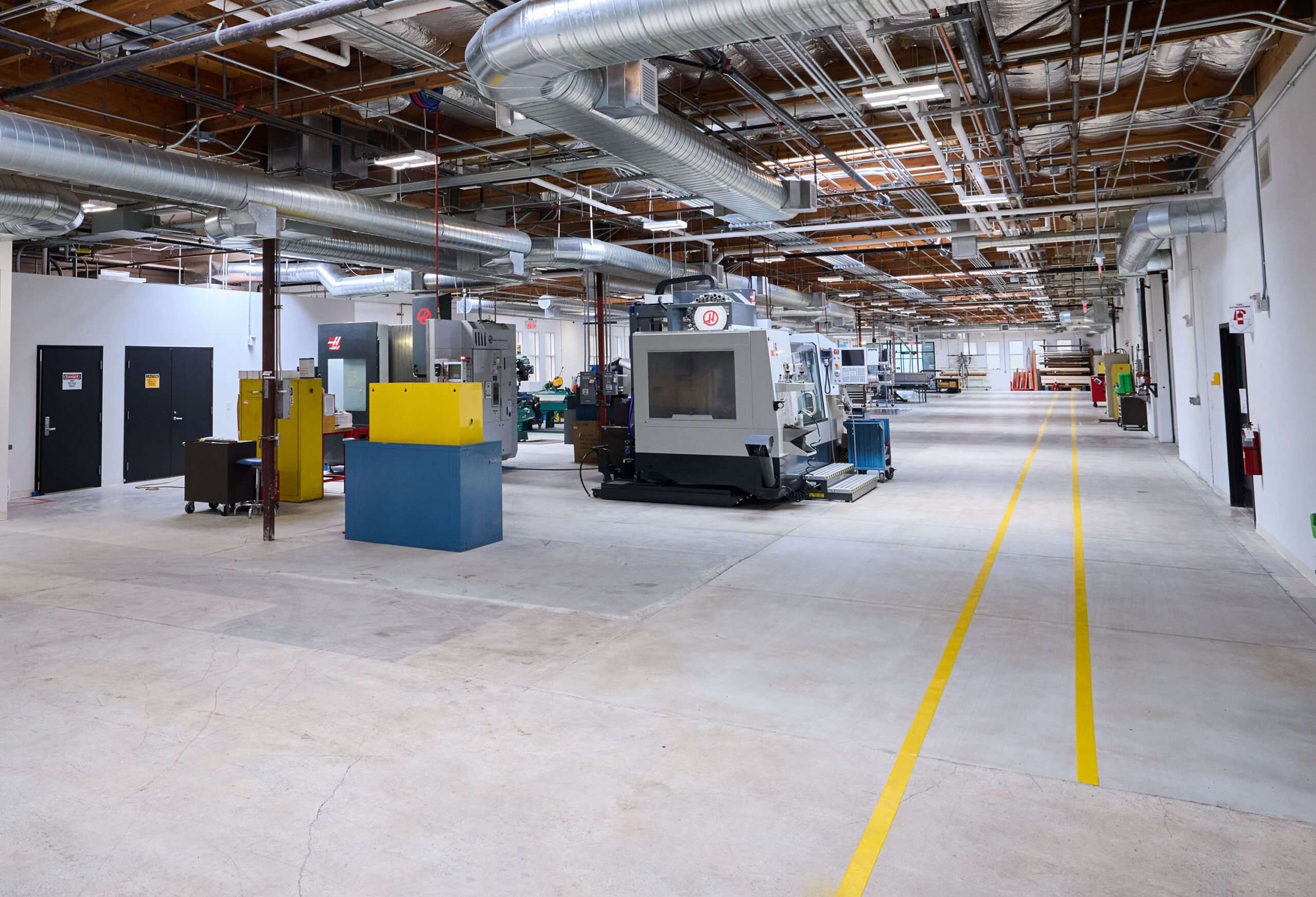
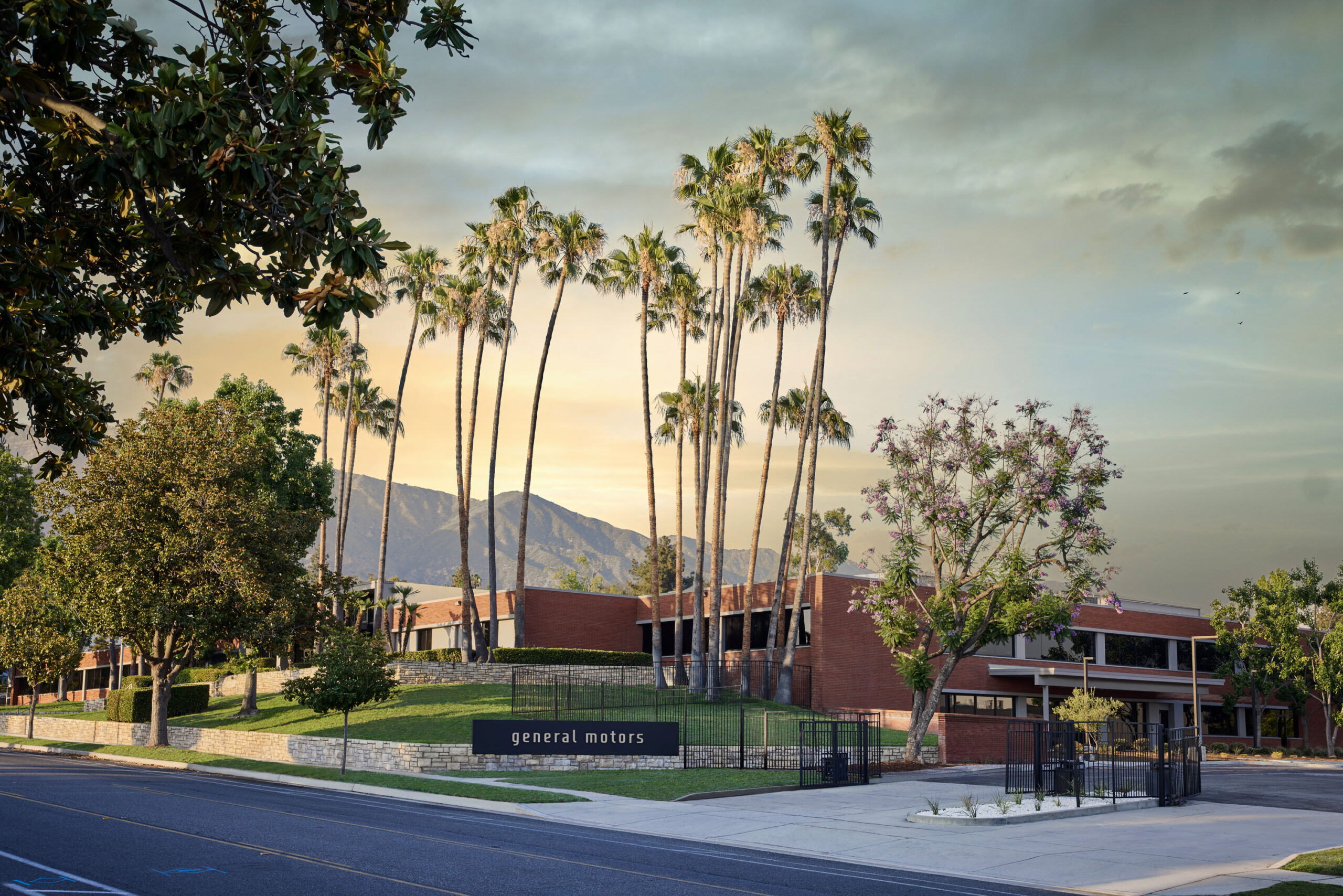
Pasadena’s GM campus, encompassing 148,000 square feet across three buildings, plays a critical role in this effort. With more than 130 designers, sculptors, fabricators, and engineers, the studio is equipped for full-scale physical modeling and advanced vehicle development, acting as a major pillar of GM’s global design ecosystem alongside Detroit, Shanghai, Seoul, and the UK.

Performance Assumptions & Technical Overview
While this concept is not production-bound, the underlying design suggests a serious engineering philosophy. The technical architecture features:
- Tunneled underbody and a carbon-fiber monocoque chassis
- Active rear spoiler and air brake
- Staggered wheels: 21-inch front / 22-inch rear
- Assumed T-shape prismatic battery pack, allowing for low seat positioning and optimized airflow
Key Dimensions:
| Specification | Measurement |
|---|---|
| Height | 41.4 inches (1,051 mm) |
| Width | 86 inches (2,184 mm) |
| Length | 182.5 inches (4,669 mm) |
| Wheelbase | 109 inches (2,767 mm) |

A Hypercar Without Borders
The California Corvette Concept presents a powerful vision of what the Corvette could become when untethered from production constraints. It’s a car that doesn’t just explore new forms but invites a broader conversation about the evolving identity of performance vehicles in the electric and post-EV future.
This is Corvette not as we know it, but as it could be — born in Southern California, shaped by global minds, and aimed at the next frontier of design.
Stay tuned to Car Design TV for exclusive coverage of the third and final concept in GM’s Corvette trilogy later this year.